Mars may look like a quiet, dusty world, but it’s actually buzzing with hidden electrical activity. Powerful dust storms and swirling dust devils generate static electricity strong enough to spark faint glowing discharges across the planet, triggering chemical reactions that reshape its surface and atmosphere. Scientists have now shown that these tiny lightning-like events can create a surprising mix of chemicals—including chlorine compounds and carbonates—and even leave behind distinct isotopic “fingerprints.”
A sweeping new study reveals that as Arctic permafrost thaws, it is dramatically reshaping rivers and releasing vast amounts of ancient carbon that had been locked away for thousands of years. By analyzing decades of high-resolution data across northern Alaska, scientists found that runoff is increasing, rivers are carrying more dissolved carbon, and the thawing season is stretching further into the fall. This carbon eventually reaches the ocean, where some of it turns into carbon dioxide, intensifying global warming.
Modern food systems may look stable on the surface, but they are increasingly dependent on digital systems that can quietly become a major point of failure. Today, food must be “recognized” by databases and automated platforms to be transported, sold, or even released, meaning that if systems go down, food can effectively become unusable—even when it’s physically available.
A new study reveals that gut bacteria and metabolites may hold the key to detecting serious digestive diseases earlier and more easily. Using AI, scientists found that biomarkers linked to one condition can often predict others, showing these diseases are more interconnected than previously thought. This cross-disease insight could lead to faster diagnoses without invasive procedures.
Scientists have created an artificial saliva using a sugarcane protein that can protect teeth and fight bacteria. The key ingredient, CANECPI-5, binds directly to enamel, forming a shield against acids that cause decay. Early tests show it works even better when paired with fluoride and xylitol, significantly reducing damage to teeth. The innovation could be especially life-changing for cancer patients who lose saliva production after treatment.
Scientists have taken a major step toward futuristic energy tech by building a working prototype of a quantum battery—one that can charge, store, and release energy using the strange rules of quantum physics instead of chemistry. This tiny, laser-powered device hints at a future where energy storage is not only faster but actually improves as systems get larger, flipping the rules of conventional batteries.
A pile of voter registration forms is seen at the booth of Fairfax County Republican Committee during the annual KORUS festival, a Korean cultural festival, in Tysons Corner, Virginia, in October 2016. (Photo by Alex Wong/Getty Images)
Before Wyoming elections, the state’s League of Women Voters tries to get voter registration information into the hands of residents at events and gatherings. But under state law, League volunteers can’t sign up voters themselves — only local election officials can do that.
“It’s been tough,” said Linda Barton, president of the League of Women Voters of Wyoming. She added that her group does its best to offer registration information. “We provide a lot of printed literature that we hand out all over the state.”
Congress may take Wyoming’s approach nationwide.
The SAVE America Act would effectively ban voter registration drives, a mainstay of college campuses and neighborhood events.
The U.S. Senate began debating a version of President Donald Trump’s signature elections measure last month, after the House passed it in February. The legislation would require voters to show photo identification to cast a ballot. It would also require individuals to present documents proving their citizenship, such as a passport or birth certificate, to government officials in person to register to vote.
Trump and Republican members of Congress have cast the proposal as necessary to secure elections and crack down on noncitizen voters ahead of the midterms. Democrats and other critics warn it risks disenfranchising wide swaths of Americans. Studies have shown noncitizen voting is extremely rare.
In many states, civic groups have long provided applications to would-be voters that they can quickly fill out. During the 2024 election cycle, voter registration drives accounted for 3.7% of registrations, according to survey data from the federal Election Assistance Commission. While a small percentage, the figure still represents 2.1 million Americans.
Twenty-four states and the District of Columbia placed no restrictions on voter registration drives as of November 2024, according to the Movement Advancement Project, a Colorado-based think tank. An additional 24 states impose some limits, while Wyoming and New Hampshire prohibit them.
Bill would end registration drives nationwide
Every form of voter registration drive would effectively end under the SAVE America Act as currently drafted in the Senate, said Brian Miller, executive director of NonprofitVOTE, which aids nonprofit organizations in helping individuals vote and participate in the democratic process. Community-based groups, universities, food pantries and others who help register voters would all be affected.
“That’s the high school civics teacher who works with his graduating class … gone, they can’t do that anymore,” Miller said.
NonprofitVOTE, working with 120 organizations across nine states, engaged 60,000 voters during the 2022 midterm cycle, according to a report by the group. It found that individuals reached by nonprofits were 10 percentage points more likely to cast a ballot than comparable registered voters.
The effect was more pronounced among younger voters. Those ages 18 to 24 who were engaged by nonprofit groups were 12 percentage points more likely to cast a ballot than comparable registered voters.
Hispanic Federation, a nationwide Hispanic and Latino advocacy group, says it has registered 160,000 voters since 2016. Frederick Vélez III Burgos, the federation’s senior director for communications and community outreach, said the organization works to register voters because of language and cultural barriers, work schedules and other factors that make the process challenging.
“There’s just a group of people and communities that is just very difficult to get registered through normal means,” Burgos said.
Top Trump priority
Trump has made clear the SAVE America Act is his top legislative priority and he has urged Congress to pass the measure before moving to other business. While Republicans control both chambers of Congress, support for the proposal falls short of the 60 votes needed to break a filibuster in the Senate.
“The SAVE Act would gut tried-and-true methods of voter registration, including registration by mail and registering online,” Senate Minority Leader Chuck Schumer, a New York Democrat, said earlier this year.
Still, Senate Republican leaders in March kicked off an extended, wide-ranging debate over the bill. It remains unclear when the debate will end. Congress is scheduled to be in recess until mid-April.
GOP proponents have dismissed concerns that the legislation would make registering to vote and casting a ballot difficult. Sen. Chuck Grassley, an Iowa Republican, said on the Senate floor that the bill offers multiple ways to prove citizenship and “gives states the flexibility to create other pathways to show proof of citizenship.”
Grassley noted that his mother was one of the first women to cast a ballot after ratification of the 19th Amendment, which guaranteed women the right to vote.
“The SAVE America Act doesn’t infringe on these hard-fought voting rights. It would preserve the integrity of every vote cast in a federal election,” Grassley said.
Hard-to-reach voters
Third-party voter registration drives date back to voter education and registration efforts by the National American Woman Suffrage Association, according to Joshua Douglas, a University of Kentucky law professor who specializes in voting rights and election law. The association eventually morphed into the League of Women Voters, which helped spearhead registration efforts following the 19th Amendment.
Voter registration drives typically aid voters who may not otherwise have opportunities to register, Douglas wrote in an email to States Newsroom. They may not have a driver’s license or may not be thinking about registering.
“There is a long history of civic organizations engaged in voter registration drives and this legislation would make that work harder,” Douglas wrote.
Tom Lopach, president and CEO of the nonpartisan Voter Participation Center, an organization that works to register voters from underrepresented populations, said he fears some members of Congress haven’t fully read the bill or digested how it would affect voting.
Since VPC was founded in 2003, it has helped register 7 million voters, Lopach said.
“And that’s just us,” he said. “When you think about the League of Women Voters, when you think about in-person voter registration drives happening in a grocery store parking lot, or knocking doors in a neighborhood, you would have tens of millions of Americans not registered and then not voting.”
States trending toward more restrictions
Even if the SAVE America Act doesn’t become law, some states have taken steps to make voter registration drives more difficult.
The Center for Public Integrity and NPR found in 2024 that at least six states had passed legislation cracking down on voter registration drives following the 2020 election. Some of the bills imposed massive fines for violations or barred noncitizens from participating.
As recently as March, the North Carolina State Board of Elections announced it would require groups conducting voter registration drives to print their own registration forms. The board cited significant costs, after it provided nearly 1.3 million applications to organizations and government agencies in 2024 at a cost of more than $269,000.
“Nothing about this temporary tightening of our practice surrounding voter registration drives changes the fact that any North Carolina citizen who wants a voter registration application will always be able to get one simply by contacting their county board of elections or the State Board,” Sam Hayes, the board’s executive director, told NC Newsline.
Courts have blocked some state-level restrictions. A federal court prohibited Kansas from enforcing a 2021 law that barred out-of-state organizations from distributing advance mail ballot applications to voters and prohibited applications that contained personalized voter information. Kansas has appealed the decision.
The Missouri Supreme Court last week ruled against a state law that prohibited groups like the League of Women Voters from using paid workers in voter registration drives. The state’s high court also struck down requirements that individuals who solicit more than 10 registration applications must register with the state and be Missouri voters. The law had also prohibited encouraging someone to obtain an absentee ballot.
Kay Park, president of the League of Women Voters of Missouri, called the restrictions “ridiculous” and said that while they were in effect the organization did nothing with absentee ballots — such as suggesting an absentee ballot could be an option for someone with a disability, for instance.
The League of Women Voters of Missouri holds voter registration drives in high schools, Park said. While Missouri residents must be 18 to vote, they can register once they’re 17 ½ years old. The SAVE America Act would effectively end those drives.
If the legislation becomes law, Park said the Missouri league would likely focus more of its efforts on helping individuals obtain identification documents and birth certifications — something it’s already trying to do.
“It just puts another cog in the wheel,” Park said.
Wyoming model
In Wyoming, Barton and her fellow League of Women Voters members are already grappling with a state-level proof-of-citizenship voter registration law passed last year, regardless of whether Congress passes the SAVE America Act.
Residents who want to register to vote must visit a county clerk’s office and bring a valid passport or birth certificate. Wyoming also accepts REAL ID-compliant driver’s licenses and tribal IDs, as long as they do not indicate the individual is a noncitizen, and a few other documents, such as a naturalization certificate. Individuals may register by mail but must include copies of their documents along with a notarized application.
The new state requirements were championed by Wyoming Secretary of State Chuck Gray, a Republican who is running for the state’s U.S. House seat.
“As the chief election official of Wyoming that has experience with these common sense election integrity measures, I can tell you that the SAVE America Act will be easy for states to implement,” Gray wrote in a March 17 letter to Senate Majority Leader John Thune, a South Dakota Republican.
Gray didn’t respond to questions from States Newsroom.
Barton said without the option to hold voter registration drives, going to events and speaking to clubs and organizations like Rotary are imperative.
“I just think that the only other choice is to be out there, communicating as much as possible,” she said.
Executive Director Robin Marty said she was on the brink of closing the WAWC Healthcare clinic until she managed to hire an OB-GYN last year who’s from Alabama and willing to work under the state’s near-total abortion ban. (Photo by Vasha Hunt/Alabama Reflector)
When an Alabama clinic’s only OB-GYN left the state to provide abortion care in Colorado, the head of operations thought the facility would have to close.
But Robin Marty, executive director at WAWC Healthcare in Tuscaloosa, hired a doctor in August who she called a “unicorn” — someone who’s from Alabama and, after training outside of the state, returned home to practice medicine.
Marty said Alabama’s near-total abortion ban could cause physicians to practice elsewhere after they finish their residencies.
“Doctors don’t want to worry about surveillance, potential arrests and other legal issues,” she said.
A study published in March found that applications to medical residency programs in states with abortion restrictions have declined compared to states where abortion remained mostly legal. The findings are an “early signal” that the U.S. Supreme Court’s decision nearly four years ago overturning federal abortion rights protections may exacerbate health care shortages, said lead author Dr. Anisha Ganguly.
A majority of doctors end up practicing medicine in states where they trained. Obstetrician and gynecology training programs typically take four years to complete, so the full scope of how abortion restrictions affect where physicians work after they complete their residencies remains to be seen.
Still, experts said the findings could spell trouble for the future of the reproductive health care workforce in states with abortion restrictions, some of which are already plagued with maternity care deserts.
Doctors say bans limit training, standards of care
OB-GYNs affiliated with Physicians for Reproductive Health who either trained or work in states with abortion bans told States Newsroom that restrictions after the Supreme Court decision hamstrung their ability to offer reproductive care and affected the education of medical residents.
Dr. Neha Ali grew up in Texas and trained there, too. But by the end of her OB-GYN residency’s second year, the state enacted SB 8, a six-week abortion ban that allowed residents in the state to sue providers or anyone who helped someone terminate a pregnancy. After the Dobbs decision in June 2022, a near-total abortion ban took effect in Texas.
“I knew I wanted to be an abortion provider before I started OB-GYN residency, and I chose to be in Texas for my residency training because I wanted to experience what that’s like in a state with barriers. But ultimately, the barriers became too large,” Ali said.
After she finished residency in 2024, Ali moved to Colorado, a state with strong abortion-rights protections, where she practices complex family planning.
Ali said she talks to medical students about her experience training in Texas, where she was not able to perform any dilation and evacuations — a second-trimester abortion procedure — during residency.
“I do think it’s very valuable to see what it’s like to be in a restrictive state and understand what that is like to be a provider there, but that doesn’t sell people on a residency for four years,” she said.
OB-GYN Dr. Louis Monnig trained in Kentucky before the state banned abortion.
“Making it difficult or putting up barriers to that training just limits the abilities of any doctor who provides reproductive care to have opportunities to get exposure and experience, and just get better at what they’re doing,” he said.
Monnig completed his residency in June 2023 and moved back to his home state of Louisiana because of his connections to the region and its health care disparities. “It felt like it was worth it to come back,” he said.
“It made me lose faith that lawmakers were doing any of these things to actually protect patients or patient safety,” he said.
The medications are used not only for abortions, but miscarriages and other conditions, too. The law has sowed confusion among health care providers and led some to practice emergency drills to access the drugs during obstetric emergencies, Louisiana Illuminator reported. Monnig said the law has “changed some of the day-to-day operational workflow for patient care,” especially for situations where misoprostol is used, such as labor induction and postpartum hemorrhaging.
Patients have faced issues when trying to get prescriptions filled: Pharmacists have called Monnig’s office to make sure a patient wasn’t having an abortion after he prescribed misoprostol for conditions such as cervical stenosis — when it’s difficult to insert a medical instrument in the cervical canal.
Drop in applications to ban states’ residency programs
Out of more than 22 million applications to 4,315 residency programs across the U.S., 67% were submitted to programs in states without abortion restrictions between 2018 and 2023, the new research showed. Thirty-three percent went to programs in states with restrictions.
Fewer women than men applied to train in states with abortion restrictions before the Supreme Court’s landmark abortion ruling, according to the study, and that disparity widened after more than a dozen states enacted abortion bans. The number of men applying to residency programs in states with abortion restrictions — mostly in the South and the Midwest — also decreased significantly.
“When there’s a decreased level of interest in these states, it suggests to us that there’s an evolving health care workforce shortage in these states,” said Ganguly, an internal medicine physician and an assistant professor at University of North Carolina’s Division of General Medicine and Epidemiology.
Shortages affect more than one specialty. Ganguly said OB-GYNs have historically offered the bulk of abortion-related care in the U.S., but it’s increasingly important in emergency medicine, family medicine and internal medicine. Primary care providers and emergency medicine doctors often diagnose pregnancy complications such as miscarriages, and internists help women who have chronic disease manage and plan for pregnancy.
Dr. Hector Chapa, an OB-GYN who teaches obstetrics and gynecology at Texas A&M University and is a member of the American Association of Pro–Life Obstetricians and Gynecologists, took issue with the study’s approach.
“It’s essential to understand that this study is not specific to OB‑GYN residency programs, and by grouping OB‑GYN with family medicine, internal medicine and emergency medicine, the study assumes that all specialties are affected equally, despite their very different levels of involvement in abortion. This broad grouping risks introducing bias into the results,” he said in a statement.
Ganguly said her team did examine applications to OB-GYN residency programs in isolation to affirm findings of a decline among applicants in abortion-restricted states. Looking at other specialties, too, was meant to provide clarity about how bans affect the health care workforce more broadly.
OB-GYN education and the maternal health care workforce
The latest study adds to a body of research examining how the Supreme Court’s decision on abortion in 2022 affected training after medical school, particularly for those specializing in reproductive health care.
In the 2023-2024 application cycle, the number of applicants to training programs in states with abortion bans decreased by 4.2% compared to the previous cycle, while there was less than a 1% decrease in applications to residency programs in states where abortion is legal, according to the American Association of Medical Colleges.
In some states, abortion bans have definitively led to an exodus of OB-GYNs and maternal fetal medicine specialists. Idaho lost 35% of its doctors who provide obstetrics between August 2022 and December 2024, according to a study published in July.
Having reproductive health providers flee states with abortion bans is “devastating,” according to Pamela Merritt, the executive director of Medical Students for Choice.
“It’s a public health disaster that we’re going to see the consequences of decades to come,” she said.
Merritt’s organization has chapters at several medical schools in states with abortion bans. She said students are not getting adequate training, and some are even discouraged from discussing abortion.
In February, Texas Tech University Health Sciences Center canceled a Medical Students for Choice chapter’s talk with an OB-GYN who wrote a book about providing abortion care later in pregnancy. School officials told The Texas Tribune hosting the event on campus was not in the university’s best interests.
“Everybody who graduates from medical school in Texas should know that there’s this thing called third-trimester abortion, that when the life of the mother is at risk, you legally can provide this care,” Merritt said.
Republican Gov. Greg Abbott signed legislation last year clarifying that doctors can offer pregnant women abortions during medical emergencies. The Texas Medical Board released guidelines for the abortion law this year, nearly half a decade after the state banned most abortions and at least four Texans died after being denied prompt abortion care, ProPublica reported.
Program helps residents in restrictive states get abortion care training
“Every single physician, nurse and health care provider needs to be educated about abortion care,” said Dr. Jody Steinauer, an OB-GYN and the director of the Bixby Center for Global Reproductive Health at the University of California in San Francisco. “This is a huge crisis in OB-GYN specifically: All OB-GYNs must have the competence and the skill to safely empty the uterus. Even if the individual is personally uncomfortable providing abortion care, they have to be able to empty the uterus to save someone’s life in an emergency.”
Steinauer leads the Ryan Residency Training Program, which works with OB-GYN residencies across the country to ensure comprehensive abortion and family planning rotations. Nearly a dozen states lack Ryan programs, and most of them have near-total abortion bans.
She said residencies in states with abortion bans are struggling to make sure their students have the skills to provide abortion: “We’re at risk of having a whole generation of OB-GYN graduates who are not skilled to provide the care they need to provide.”
To remedy this issue, the Ryan Program has helped to establish 20 partnerships with schools in abortion-restrictive states to train OB-GYN medical residents in states with reproductive rights protections.
Steinauer said the rotations are between two to four weeks and complicated to plan, but they help doctors learn procedural skills, how to manage medication abortions and counseling.
The rotations also help OB-GYNs navigate pain management during obstetric procedures, communicate effectively with abortion patients and familiarize themselves with ultrasounds, she said. These skills are important for providing the full spectrum of reproductive health care, from inserting IUDs to treating miscarriages, the doctor said.
“It’s such a refreshing experience for them to be working in a state without a ban, and they get to see abortion as normal health care,” she said.
This story was originally produced by Stateline, which is part of States Newsroom, a nonprofit news network which includes Wisconsin Examiner, and is supported by grants and a coalition of donors as a 501c(3) public charity.
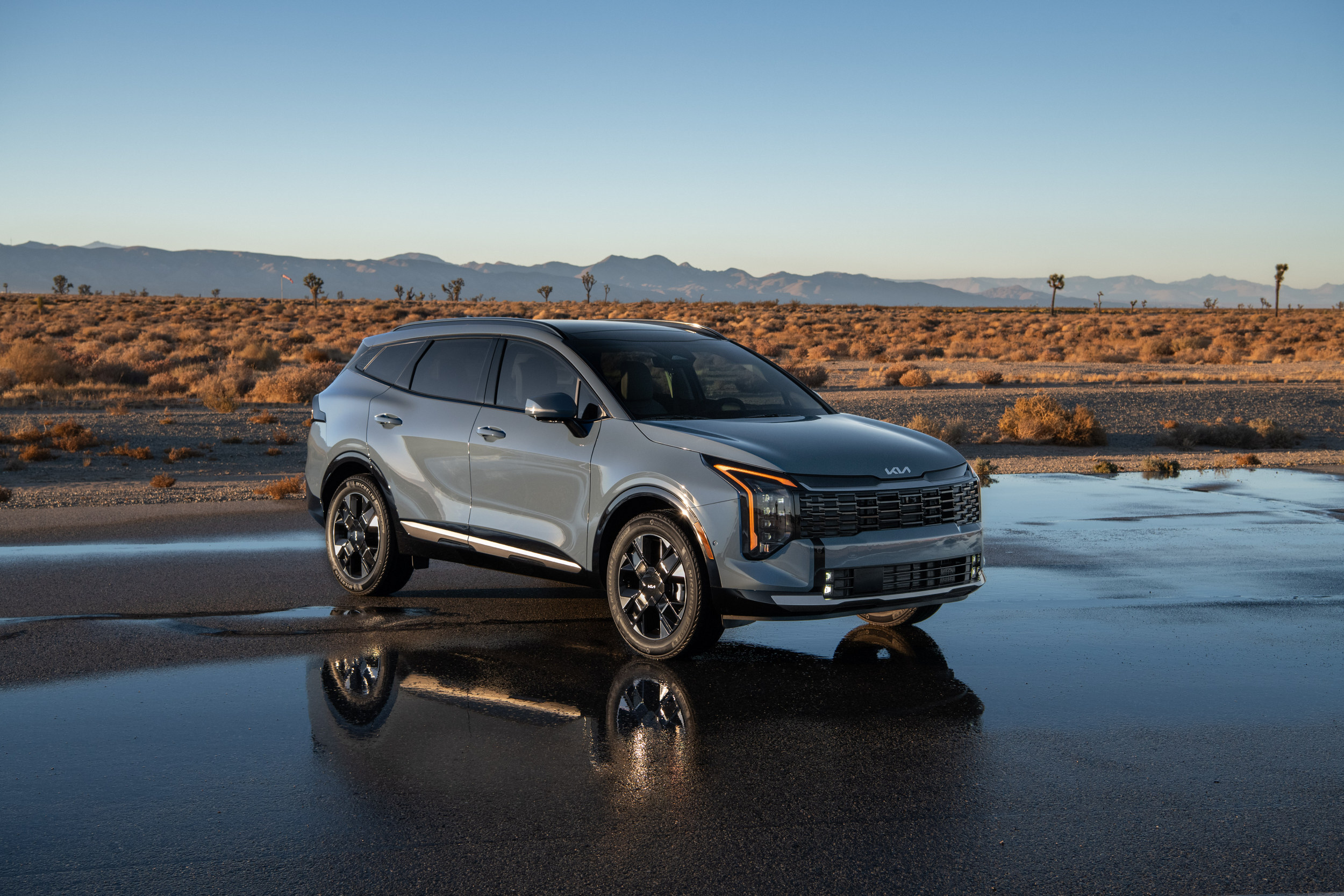
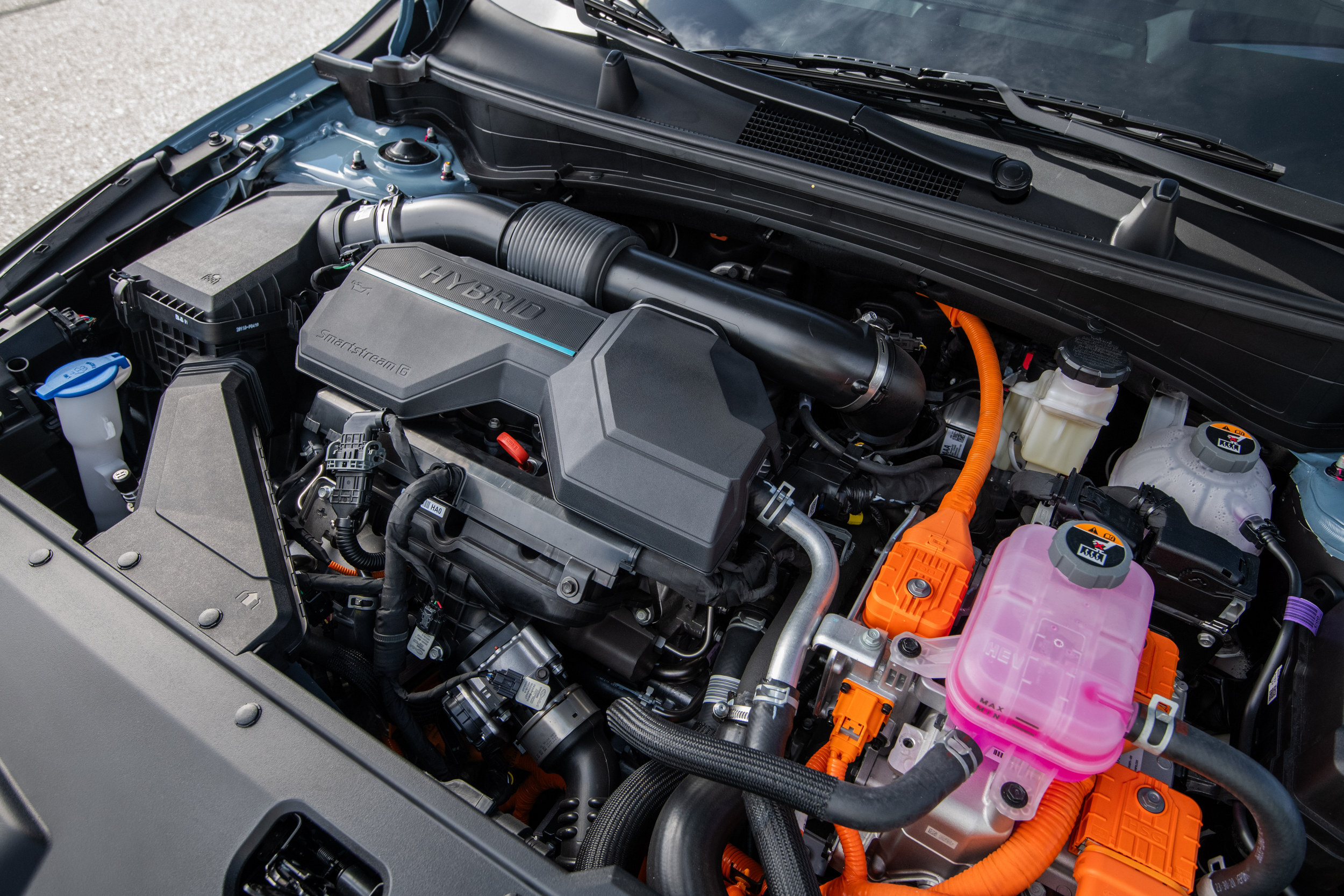
Some automakers ignored hybrids to bet big on EVs.
That bet went bad and could get worse as gas prices soar.
Toyota and Hyundai stand to benefit from diverse lineup.
A few years ago, automakers faced a tough choice. They could eschew hybrids and plug-in hybrids to go all-in on EVs, or adopt a more balanced, but expensive approach that saw them invest in multiple technologies.
A number of companies went the electric route and that ended up costing them greatly as adoption was slower than they anticipated. If that wasn’t bad enough, the United States eliminated the federal tax credit and governments rolled back overly ambitious green agendas.
This has pushed automakers to cancel EVs and abandon plans to go electric-only. Companies have posted huge losses and now they’re suddenly playing catch-up with rivals that took a more nuanced approach.
Expensive Gas Is Going To Make Things Even Worse
Since some companies were betting on a quick transition to EVs, a number of them don’t have many hybrids or plug-in hybrids to offer customers. That’s bad news in an era where the national average price of a gallon of gasoline is above $4 and climbs to nearly $6 in some states.
The only hybrid GM has in America is the $108,600 Corvette E-Ray and that’s a huge problem. Consumers in the market for a compact crossover might look at an Equinox, which returns up to 26 mpg city, 29 mpg highway, and 27 mpg combined. That’s not terrible, but the Toyota RAV4 gets 47 mpg city, 40 mpg highway, and 43 mpg combined. This is a huge difference, especially in an era of sky high gas prices.
Hyundai and Kia also offer hybrid competitors in the form of the Tucson and Sportage. The former offers up to 38 mpg across the board, while the latter returns up to 41 mpg city, 44 mpg highway, and 42 mpg combined. It’s also worth noting all three competitors offer plug-in hybrid variants, while GM doesn’t offer a single one in the United States.
General Motors isn’t the only automaker that bet big on EVs and lived to regret it. Ford has a limited hybrid lineup that consists of the Maverick and F-150. The Escape, which offered hybrid and plug-in hybrid options, was recently killed off, while the Explorer Hybrid is limited to police and the Pope.
Hybrid Sales Are Skyrocketing
While the war in Iran is barely more than a month old, hybrid sales are booming. Kia recently revealed sales of hybrids soared 73% to set a new quarterly record.
Last month was also Hyundai’s best ever March for hybrid sales. The company noted hybrids saw a huge jump in the first quarter as the Elantra Hybrid was up 141%, while the Sonata Hybrid soared 107%. The Santa Fe Hybrid also got a 47% boost as consumers embraced efficiency.
While Toyota sales fell 6.9% in the first quarter, high gas prices could help to reverse that trend as the company offers a dizzying array of hybrids. Seventeen, to be exact, according to our last count. This includes the Camry, Corolla, Crown, Corolla Cross, and Prius, as well as the Crown Signia, Highlander, Grand Highlander, Land Cruiser, RAV4, 4Runner, Tacoma, Tundra, Sequoia, and Sienna. Two of those, the Prius and RAV4, are also offered as plug-in hybrids.
That’s a huge lineup, especially compared to Ford, GM, and Stellantis. The latter recently killed off plug-in hybrids and only offers the new Cherokee Hybrid in America. However, range-extended variants of the Ram 1500 and Grand Wagoneer are coming.
While EVs do offer some cover to these companies during periods of high gas prices, consumers have been clear: most want hybrids, not fully electric vehicles.
German firm Ari Motors has turned its compact LCV into a very small camper.
It sits in the L7e class and uses a modest electric motor with about 20 hp.
Rear module forms a configurable living area measuring about 30 square feet.
Campers have built a loyal following across Europe, with midsize LCVs emerging as the go-to base for conversion specialists. Not everyone needs that much space, though, and that gap has led German firm Ari Motors to create what may be the smallest camper currently on sale in the country, and possibly, the entire continent.
It’s based on the Ari 458 Pro, which the company describes as the largest van in the L7e category, a niche segment to begin with. At just 3,820 mm (150.4 inches) long, this tiny camper is barely longer than a current Fiat 500e at 3,632 mm (143.0 inches). It’s also still shorter than a Mini Cooper hatch at 3,858 mm (151.9 inches) and even undercuts a Mazda MX-5 ND at 3,915 mm (154.1 inches).
Up front, it keeps the same cheerful face, undersized wheels, and two-seat cabin as the LCV. Like several other Ari Motors products, it’s likely sourced from a Chinese partner.
Tiny Living Space Layout
The real talking point sits at the back. The rear module resembles a compact suitcase with small windows cut into it, forming a tiny living space. Ari says it offers 2.8 square meters (30 square feet) of usable area, with a maximum interior height of 1.85 m (72.8 inches).
In order to keep the entry price as low as possible, the camper is offered without any furniture. It is, in effect, an empty box on wheels. What you do get is the “necessary utility infrastructure,” which covers a water system with fresh and wastewater tanks, plus 230-volt sockets.
Photos Ari
Those who want a complete camper experience have to source a bed, rear seating, a table, a kitchenette, and a portable toilet from other companies. Ari Motors does offer a “minimalist” interior conversion built at its Borna facility near Leipzig, though it has yet to show what that actually looks like.
Up front, equipment is predictably sparse. There are electric windows, central locking, Bluetooth, a digital instrument cluster, a reversing camera, and a single cup holder. Air conditioning is optional, as are solar charging and a trailer coupling.
Electric Powertrain Specs
The Ari 458 Pro uses a single electric motor producing 20 hp (15 kW), which sits right in line with L7e regulations. Opt for the largest battery, and it delivers up to 230 km (143 miles) of range, while top speed is capped at 70 km/h (44 mph).
There is nothing particularly sophisticated happening underneath. Like most heavy quadricycles, it operates outside the stricter standards applied to conventional passenger cars.
How Much Does It Cost?
Beyond the camper variant, the Ari 458 Pro comes in more than 30 configurations. Buyers can choose from a box van, food truck, flatbed, tipper, or even a compact garbage truck. Pricing starts at €15,790 ($18,200) before taxes for the base LCV, while the camper version opens at €30,381 ($35,100) in Germany.
Many people think that occasional binge drinking is harmless if they otherwise drink in moderation, but new research suggests that assumption may be dangerously wrong. A large U.S. study found that people with metabolic dysfunction–associated steatotic liver disease (MASLD), a condition affecting about one in three adults, face a much higher risk of serious liver scarring if they engage in heavy drinking even just once a month.
A new pill called baxdrostat is showing strong results in lowering dangerously high blood pressure in people who don’t respond to standard treatments. In a large global trial, patients saw their blood pressure drop by nearly 10 mmHg, a meaningful reduction that can significantly lower the risk of heart attack, stroke, and kidney disease. By targeting a hormone that causes the body to retain salt and water, this treatment could offer a much-needed solution for millions struggling with uncontrolled hypertension.
Astrocytes, once thought to be mere brain “support cells,” are now revealed to be key players in fear memory. Researchers found they actively help form, recall, and weaken fear responses by interacting with neurons in real time. Changing astrocyte activity directly altered how strong fear memories became. This breakthrough could lead to entirely new treatments for anxiety-related disorders.
Warming across the U.S. is far more uneven than it looks at first glance. While only about half of states show rising average temperatures, most are heating up in specific ways—like hotter highs or warmer lows. These hidden shifts vary by region, with the West seeing more extreme heat and the North losing cold extremes. The findings suggest climate change is playing out differently depending on where you live.
A new breakthrough is transforming MXenes—ultra-thin, high-tech materials—into something far more powerful and precise. Researchers have developed a cleaner, more controlled way to build these materials using molten salts and iodine, eliminating the messy chemical processes that once left their surfaces disordered. The result is a perfectly arranged atomic structure that lets electrons flow with remarkable ease, boosting conductivity by up to 160 times.
Dying stars may be wiping out nearby giant planets as they expand into red giants. Astronomers found that these close-in planets become increasingly rare around more evolved stars, suggesting many have already been swallowed. The likely cause is a gravitational tug that drags planets inward until they break apart or fall into the star. It’s a dramatic glimpse into the chaotic final stages of planetary systems.
A group of undergraduate students stumbled into a cosmic time capsule—one of the oldest stars ever discovered—while combing through massive astronomy datasets. What began as a class project quickly turned into a breakthrough when they spotted an extraordinarily “pristine” star made almost entirely of hydrogen and helium, hinting it formed near the dawn of the universe.
Asteroid impacts may have helped kick-start life on Earth by creating hot, chemical-rich environments ideal for early biology. These impact-generated hydrothermal systems could have lasted thousands of years—long enough for life’s building blocks to form. Scientists now think these environments may have been common on early Earth, making them a strong candidate for where life began. The idea could also guide the search for life on other worlds.
Saturn’s magnetic field isn’t the smooth, symmetrical shield scientists see around Earth. Instead, it’s noticeably skewed, and researchers now think they understand why. By analyzing years of data from the Cassini spacecraft, scientists found that a key region where solar particles enter Saturn’s atmosphere is consistently shifted to one side. This distortion appears to be driven by the planet’s rapid spin combined with a thick cloud of charged particles coming from its moon Enceladus.
Scientists have created a programmable drug system that can zero in on cancer cells with unprecedented accuracy. Built from synthetic DNA, it only activates when it detects a precise combination of tumor markers, preventing damage to healthy tissue. The system can also deliver multiple drugs at once, potentially overcoming resistance. This marks a step toward medicines that behave more like smart, responsive machines inside the body.

 Login
Login