Normal view

There are new articles available, click to refresh the page.
Before yesterdayElectric Vehicles - Latest News | Carscoops

The First Chinese EVs Reaching Canada Aren’t The Bargains Buyers Were Promised

  • Canada slashed tariffs on Chinese EVs to just 6.1 percent this year.
  • Up to 49,000 vehicles can be imported to the country at a reduced rate.
  • Fewer than 3,000 EVs have arrived from China since March this year.

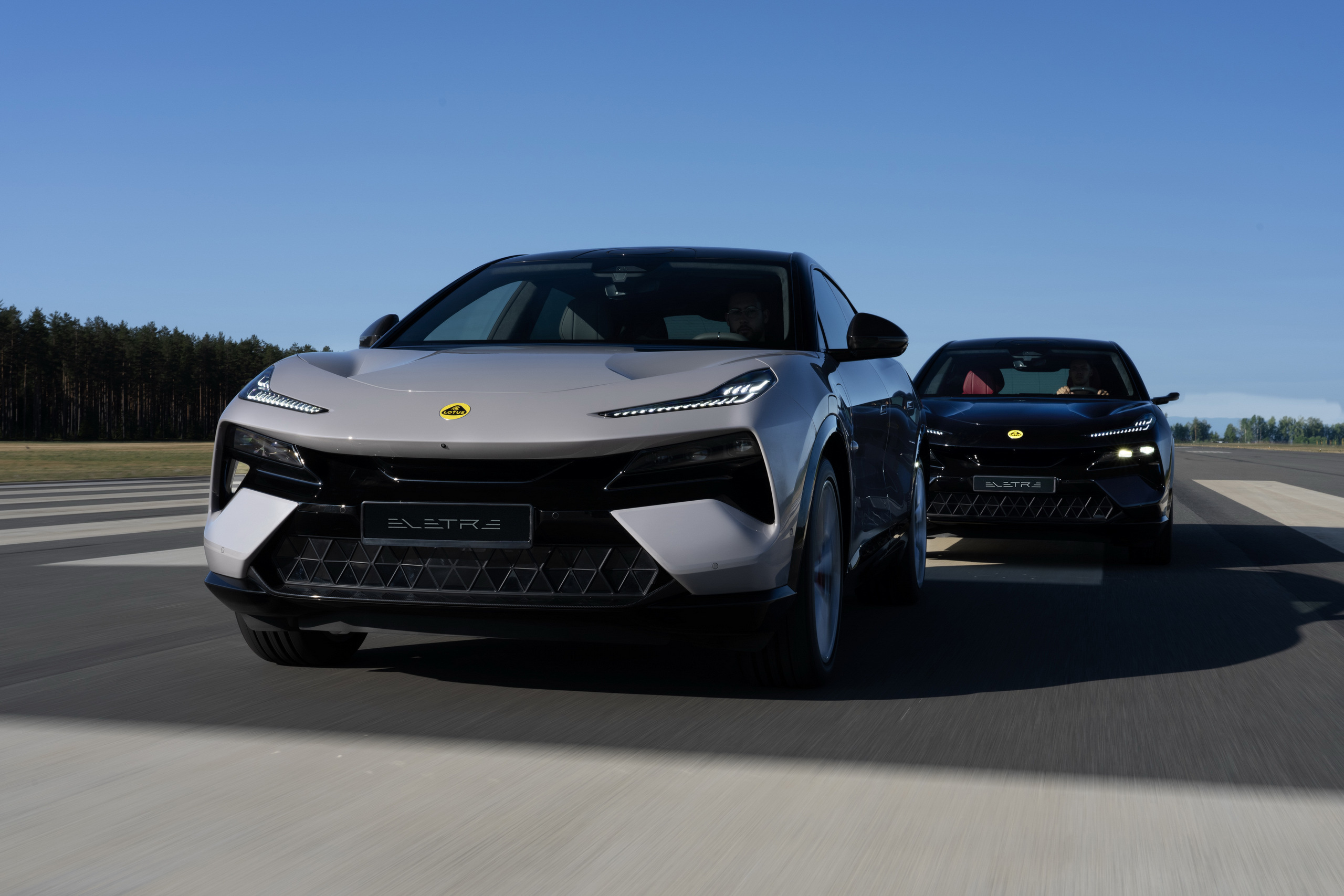
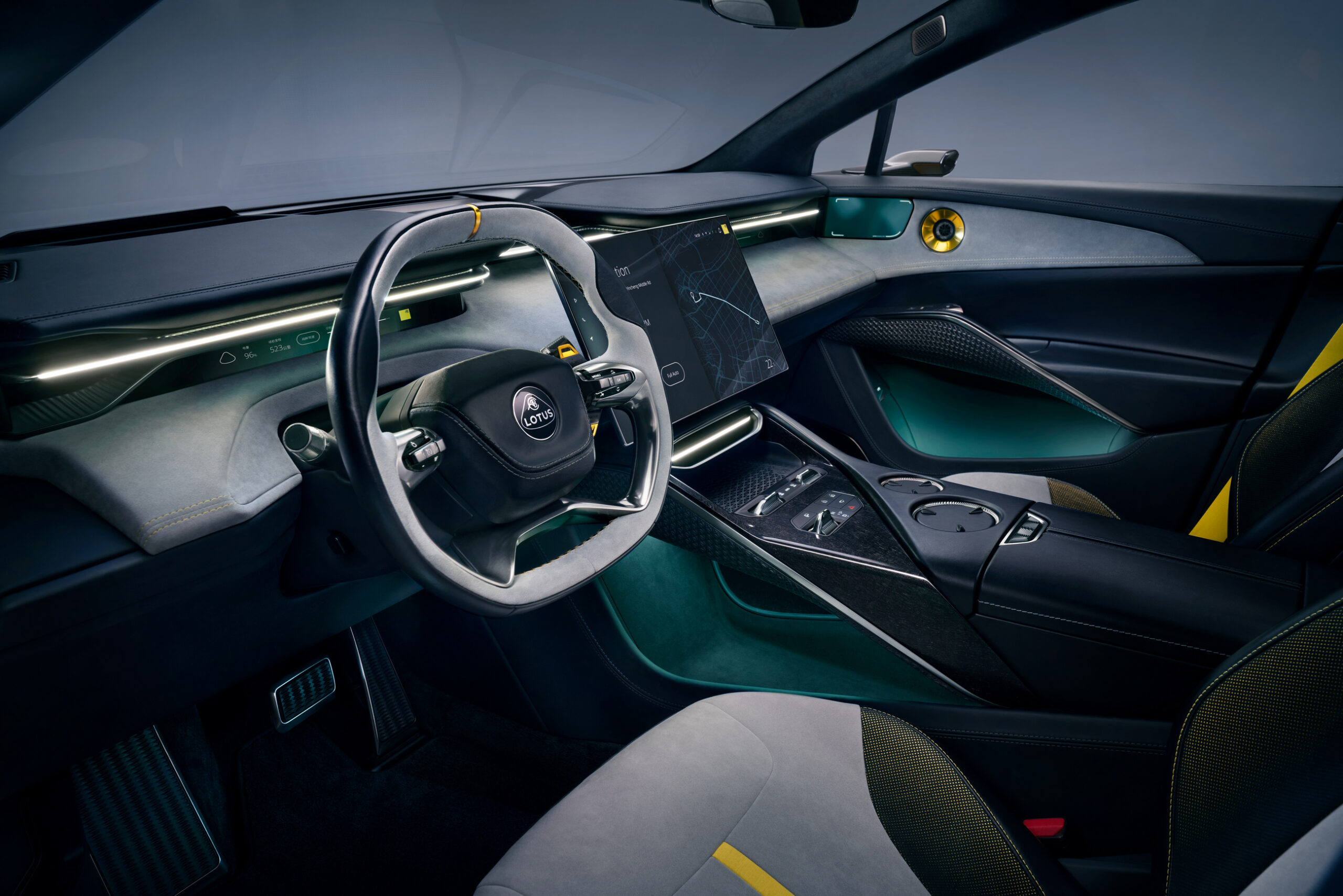
Canadians shopping for a high-end electric SUV have another name to consider, and it wears a Lotus badge. The Eletre comes into the country at a reduced tariff rate, yet the sticker still lands well into luxury territory, nowhere near the cut-rate EVs plenty of locals were hoping the China trade deal would bring to their driveways.

Thanks to a new trade deal struck between Canada and China earlier this year, EVs imported from China are now only subject to a 6.1 percent. This has generated plenty of buzz among car manufacturers looking to expand their reach into Canada, with companies including BYD, Chery, and others all planning local launches.

Read: Canada’s China Deal Promised Affordable EVs, But $100,000 SUVs Are First Off The Boat

Lotus is one of the most prominent brands to benefit, as it’s owned by Geely and already has a presence in Canada, allowing it to quickly take some of the vehicles initially available at this reduced quota. They’re built in Wuhan and start at CA$119,000 (equal to around US$84,000 at current rates) for the base model, rising to $159,000 (US$112,000) for the flagship version.
 The First Chinese EVs Reaching Canada Aren’t The Bargains Buyers Were Promised

Speaking with CTV News, Lotus Cars Americas chief executive Max Trantini said interest in the Eletre has been high, although he didn’t specify how many have been sold, nor how many have been imported. In an initial shipment sent to Canada in May, we know that 18 Eletres landed.

The softer tariff has done Lotus a real favor, given that the company had to sharply hike the Eletre’s US pricing in late 2024 because of tariffs there. What was originally going to be an EV starting at US$107,000 suddenly became one costing at least US$229,000.

The “Perfect” Car For Canada?
 The First Chinese EVs Reaching Canada Aren’t The Bargains Buyers Were Promised

“We developed the U.S market for this car, and also the Canadian market for this car, but then due to the tariff we had to hold the import because of that situation,” Trantini said when referring to the US cars. “We believe that the car is perfect for the Canadian market.”

Under the new importation policy, up to 49,000 EVs can enter Canada at the reduced rate over the coming year. Recent data shows that 2,910 EVs from China have arrived since March 1, though oddly, none turned up in June or so far this month.

\\\\\\\\\

Photos Lotus Cars

A Tesla Driver Appears To Nap At 62 MPH With Two Kids Reportedly In The Back

  • This Tesla driver was spotted sleeping while traveling at up to 62 mph.
  • According to a fellow motorist, two kids were sitting in the back seats.
  • It appears the driver’s sunglasses fooled the driver monitoring system.

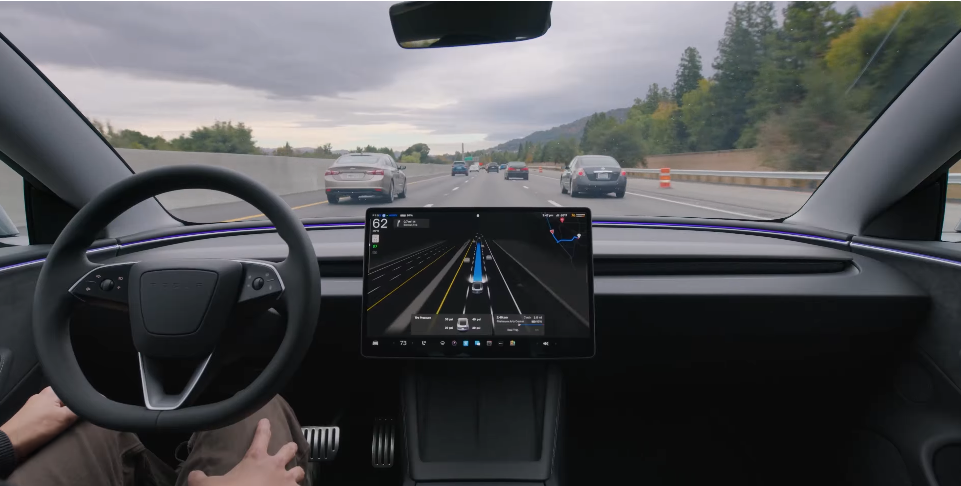
Footage circulating online appears to show a woman behind the wheel of a Tesla Model Y traveling along the Trans-Canada Highway between Golden and Revelstoke, all while seemingly fast asleep. If accurate, the episode points to some worrying gaps in the vehicle’s driver-monitoring system.

Fellow Canadian motorist Carleigh King spotted the drowsy driver on Sunday afternoon. In the video, the woman’s head is slumped over, and she appears blissfully unaware that she’s snoozing at approximately 62 mph (100 km/h). It’s a terrifying watch, though far from the only time we’ve come across something like it.

Also: A $10 Ronaldo Doll Head Is Fooling Tesla So Drivers Can Doze Off

The Tesla in question is presumably fitted with Tesla’s Full Self-Driving (Supervised) package, which includes a driver-monitoring system. This setup uses the Model Y’s in-car camera to track the driver’s eye movements and torque sensors in the steering wheel to detect whether the driver is alert. However, as we’ve seen in the past, the camera system can be easily fooled by wearing sunglasses, like this driver did.

She Wasn’t Driving Alone…

Speaking with CBC, King says that, shockingly, the woman wasn’t driving by herself. In fact, there were reportedly two children sitting in the Tesla’s rear seats, meaning their lives were also in danger because of the driver’s slumber. It’s unclear how the driver circumvented the steering wheel’s torque sensors, but we do know that several companies sell cheap accessories to bypass them.

Watch: Viral Video Shows Older Tesla Driver And Passenger Both Asleep At Highway Speed

According to Cpl. Michael McLaughlin from the B.C. Highway Patrol, the driver could face some serious charges for her careless behavior.

“Anything from a simple violation ticket all the way up to criminal charges for dangerous operation of a motor vehicle,” he said. “There could also potentially be criminal charges related to negligence if there are children in the vehicle and those children are put at risk by the driver not supervising as the vehicle is traveling down the highway.”

 A Tesla Driver Appears To Nap At 62 MPH With Two Kids Reportedly In The Back

Lead Image: Castanet News

Stellantis Brings China’s Leapmotors To North America, But You Won’t See One In The US

  • Leapmotor officially enters Mexico with Stellantis and Mopar support.
  • Range-extended B10 SUV claims nearly 620 miles between fuel stops.
  • 100% tariffs and anti-Chinese software regs currently prevent US entry. 

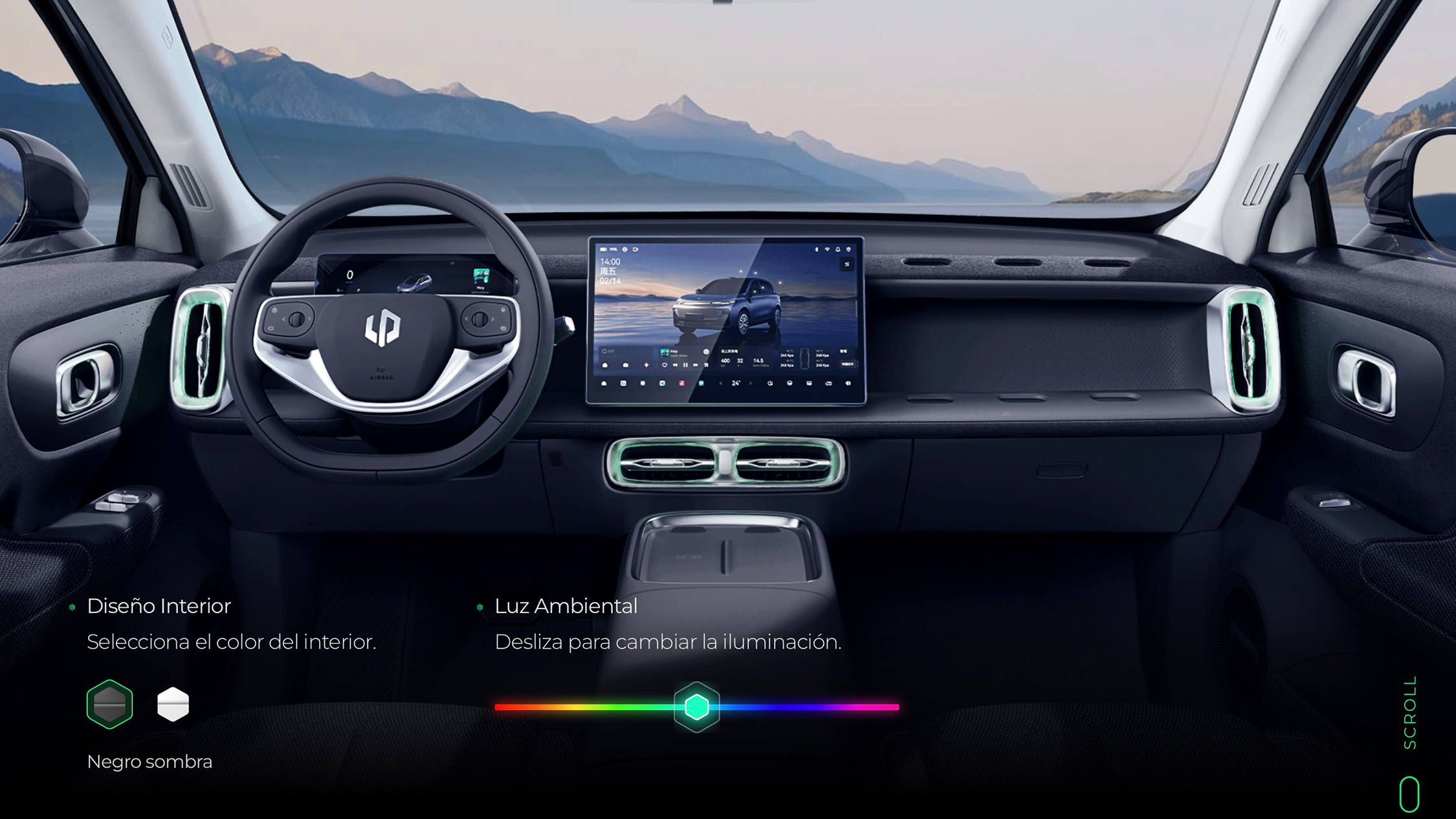
Chinese automakers have spent the past few years expanding almost everywhere they can. Now Leapmotor has finally reached North America, although not quite in the way some expected. Its first stop isn’t Canada but Mexico, where the Stellantis-backed brand has officially launched the B10 SUV.

The B10 has spent more than a year being adapted for local conditions before reaching showrooms, where it’s priced at MX$575,000 (US$33,000). Engineers fine tuned it to cope with everything from high altitude roads to desert heat and tropical humidity, while also completing the certification process required for the Mexican market. More models, including the larger C10 and C16 SUVs, are expected to arrive later.

Related: The Plant That Built Dodge’s Last Hellcat Muscle Cars Could Make Chinese EVs Next

Mexico doesn’t get the fully electric B10s sold in Europe, instead focusing only on the range-extender powertrain. A 1.5-liter combustion engine never drives the wheels directly, but acts as a generator for an 18.8 kWh battery that feeds a 215 hp (218 PS / 160 kW) electric motor. Leapmotor claims a combined driving range of up to 615 miles (990 km) before you’ll need to refuel and recharge.

The rollout has been made possible by Stellantis, which owns roughly 20 percent of Leapmotor and controls the international joint venture responsible for selling the brand outside China. Rather than starting from scratch, Leapmotor is using Stellantis dealerships, with more than 40 sales outlets already open in Mexico. Service and parts support come through Mopar’s existing nationwide network.

First Mexico, Then Canada

 Stellantis Brings China’s Leapmotors To North America, But You Won’t See One In The US

Canada, which recently agreed to take up to 49,000 Chinese cars each year in exchange for lower tariffs on its canola exports, could eventually become the next piece of the puzzle, particularly as Stellantis considers future manufacturing options there. Stellantis CEO Antonio Filosa has previously said there’s room for the brand in Mexico and possibly Canada, but “no space” in the United States for now, Automotive World reports.

Between steep tariffs on Chinese built EVs and restrictions surrounding connected vehicle technology which recently forced Polestar out of the US, the American market remains effectively closed. But for now, Mexico marks an important milestone for Leapmotor as it pushes toward an ambitious target of delivering one million vehicles worldwide this year.

 Stellantis Brings China’s Leapmotors To North America, But You Won’t See One In The US

Leapmotor/Stellantis/Wikimedia Commons

Sorry Canada, Slate Won’t Sell You Its Cheap Electric Truck, But Ford Will

  • Slate Auto says it has no plans to sell its bargain electric truck in Canada.
  • Tariffs would push bargain US pricing into uncomfortably ordinary territory.
  • Ford’s upcoming compact electric truck will reach Canada starting in 2027.

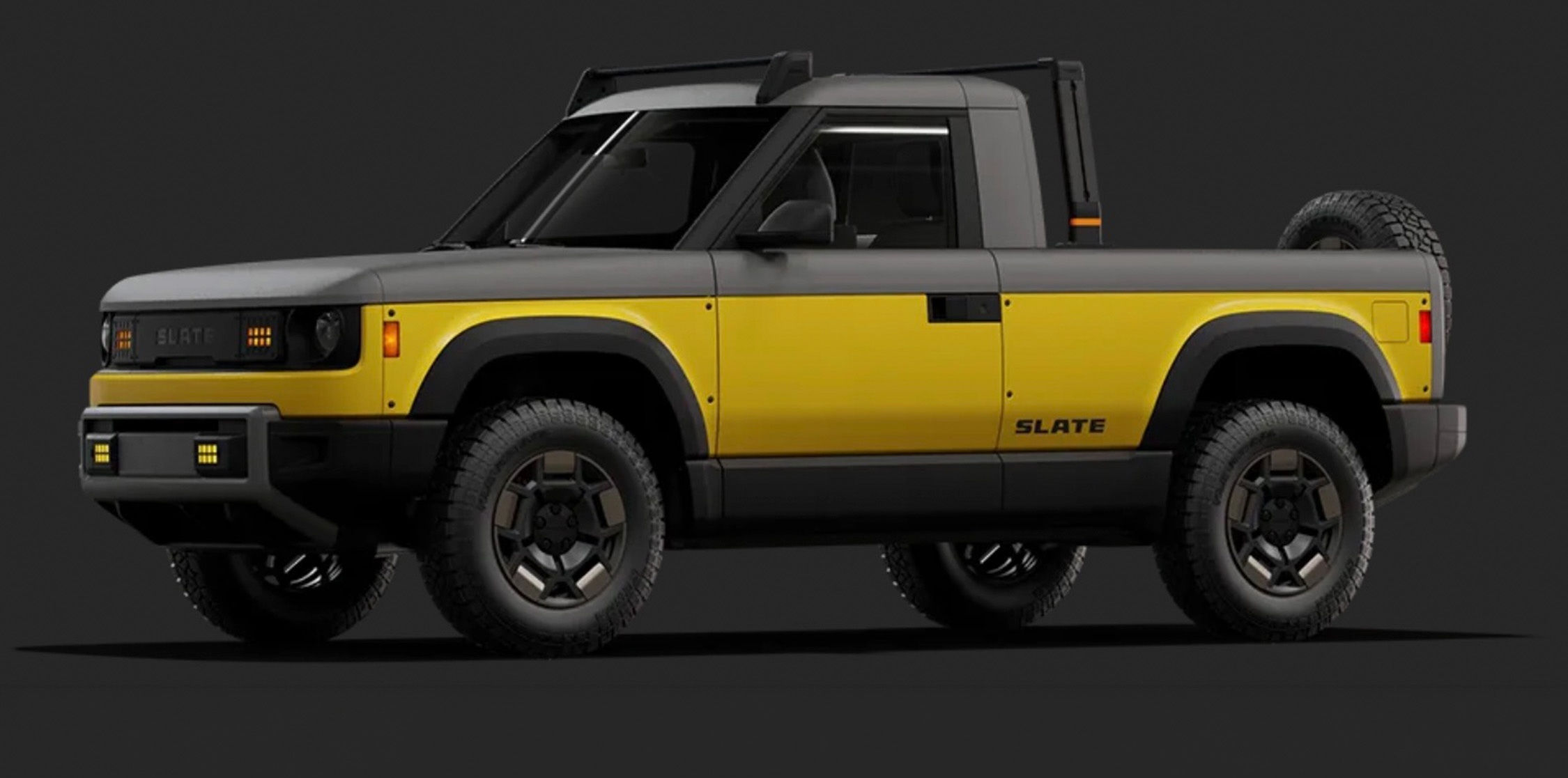
If you were hoping Slate’s bargain priced electric truck would rescue Canada’s affordable EV market, we’ve got bad news. The startup has confirmed its piccolo pickup isn’t heading north, leaving Canadian buyers to admire it from across the border.

Slate burst onto the scene in 2025 promising a genuinely inexpensive electric truck, and it’s delivered on that promise. Backed by Jeff Bezos, the startup recently confirmed pricing starting at $24,950 for its two-seat pickup, while its Squareback and Fastback SUV conversions begin at $29,950 and $31,950 respectively. Deliveries are currently scheduled to begin in late 2026.

Related: Slate Bets Its Electric Truck Is So Cheap That It’ll Turn A Profit

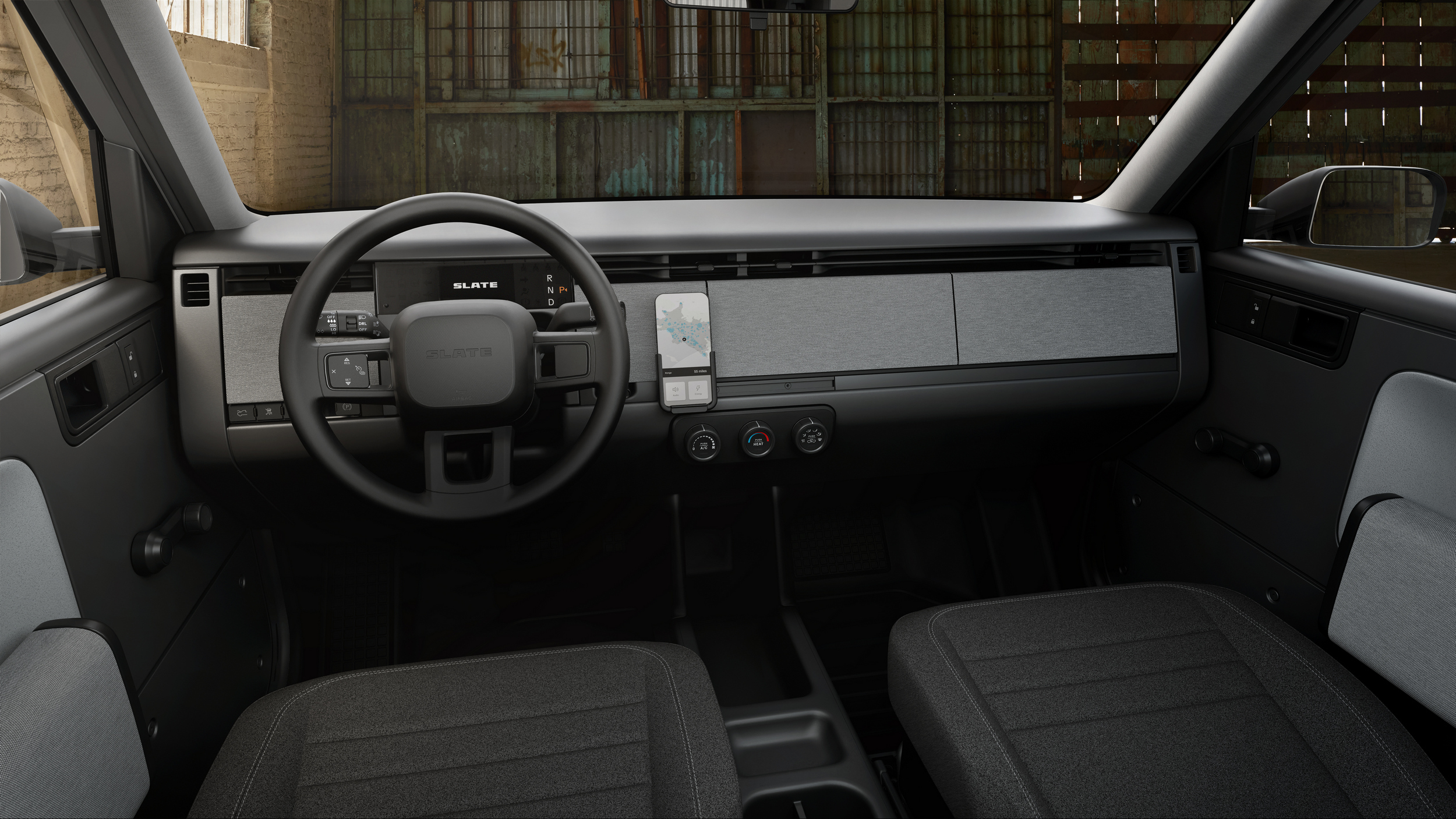
The company has pitched a radically simple formula. Forget giant touchscreens, powered seats, keyless entry and even power windows. Buyers get a basic electric pickup with hand-crank windows, room for two, a projected 205 miles (330 km) of electric range and the ability to add accessories later instead of financing equipment they might never want.

 Sorry Canada, Slate Won’t Sell You Its Cheap Electric Truck, But Ford Will

Unfortunately, Canadian customers won’t get the chance to decide whether that minimalist philosophy makes sense. Speaking to Automotive News Canada, Slate spokesperson Jeff Jablansky confirmed the company’s strategy stops at the US border, saying simply, “We do not have plans to sell vehicles in Canada.”

Jablansky didn’t explain the decision, but economics likely played a major role. Since Slate plans to build its trucks in Indiana, they would face Canada’s retaliatory 25 percent tariffs on American-built vehicles. Add those import duties to exchange rates and the truck’s eye-catching US price suddenly loses much of its magic, potentially climbing into territory that no longer looks like an unbelievable bargain.

Thousands Of Reservations

 Sorry Canada, Slate Won’t Sell You Its Cheap Electric Truck, But Ford Will

That’s especially disappointing because affordability has become one of Slate’s biggest selling points. The startup reportedly has around 180,000 reservations, though converting refundable deposits into actual sales remains one of the biggest hurdles facing any new automaker. Whether buyers will really embrace keep-fit windows and almost no standard equipment is another question entirely.

Canadian shoppers looking for an inexpensive electric pickup aren’t completely out of luck, however. Ford has already begun teasing its own compact electric truck, which is expected to start below $30,000 in the US, where it’ll also be built. Unlike the Slate, Ford’s newcomer is planned for Canadian showrooms too, though exactly how tariffs and exchange rates will affect pricing north of the border is unclear. For now, the cheapest new electric truck in America will stay exactly that – an American-only proposition.

 Sorry Canada, Slate Won’t Sell You Its Cheap Electric Truck, But Ford Will

Slate Auto

❌
❌