 Login
LoginEPA rolls back Biden-era rules for power plants that limit greenhouse gas emissions
The EPA announced Monday its repealing limits on greenhouse gas emissions that come from power plants.


The EPA announced Monday its repealing limits on greenhouse gas emissions that come from power plants.
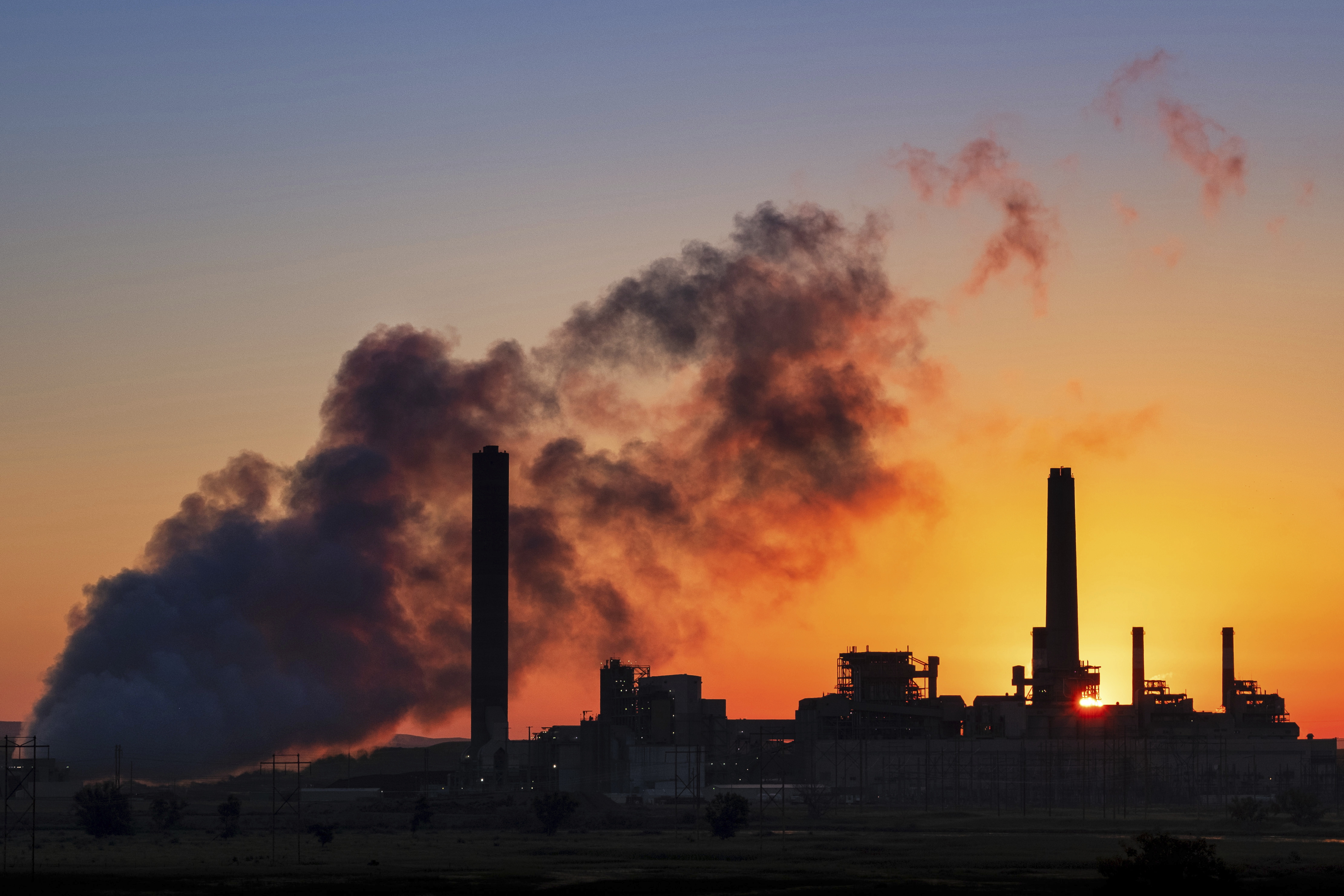
The Trump administration is eliminating limits on climate-warming pollution from the nation's fossil fuel power plants. Environmental groups say this will impact the climate and public health.
(Image credit: J. David Ake)


Scientists say that August was the hottest month ever recorded globally. In the U.S., summer temperatures also shattered heat records.
(Image credit: Alex Wong)

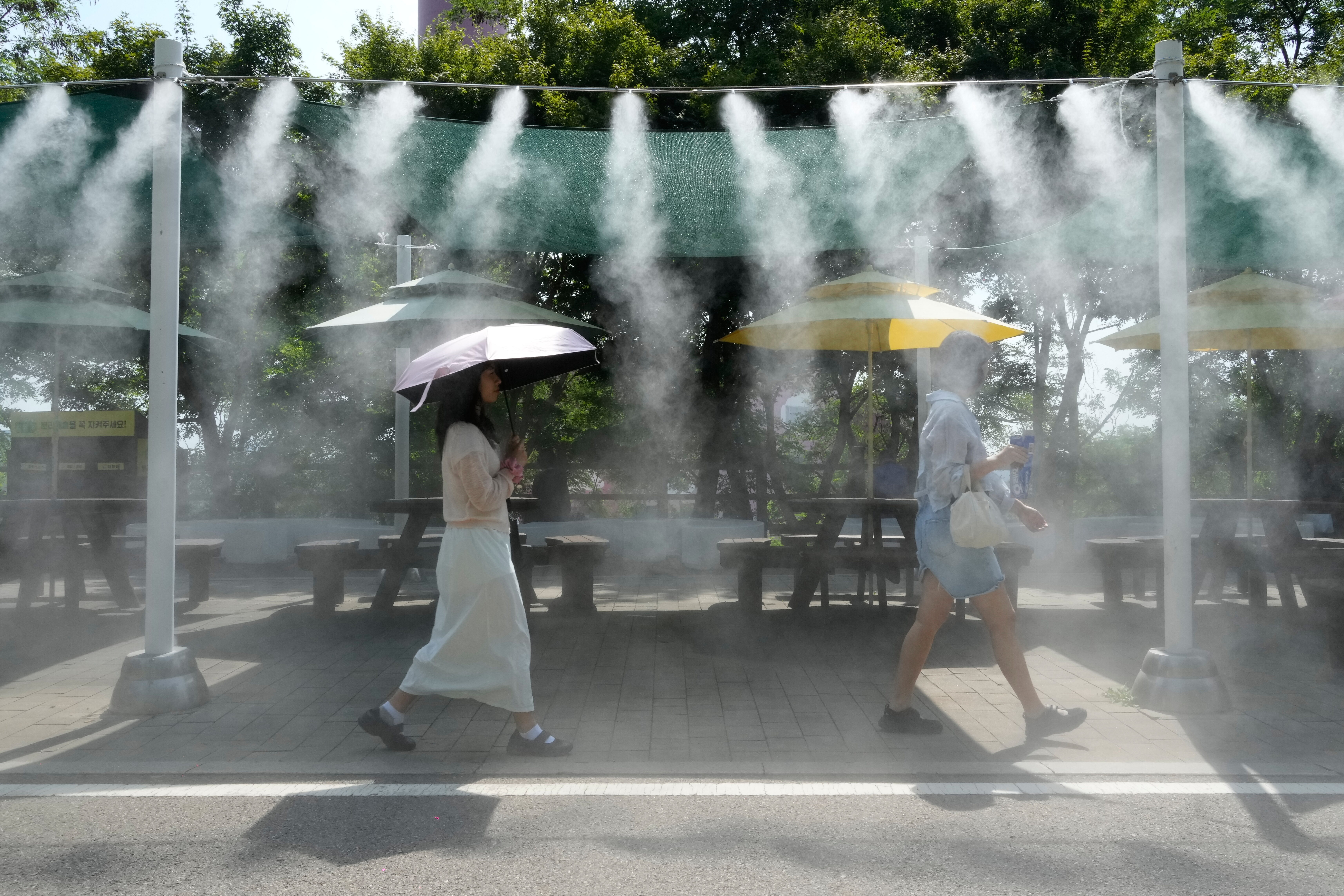
The European climate service Copernicus said the Earth just sweltered through its hottest month on record in August. Scientists said the heat surge is mostly due to human-caused climate change.
(Image credit: Ahn Young-joon)

Heat kills thousands of people across the U.S. every year. The risk is especially high for the millions of Americans who live in manufactured housing like mobile homes and trailers.
(Image credit: Ryan Kellman)

A floating island is playing peekaboo on Williston Lake in British Columbia. NPR's Ayesha Rascoe chats with BC Hydro's Bob Gammer about this natural mystery.

The Western U.S.'s wildfire season has been one of the worst in years. More than 8 million acres have burned, at least seven wildland firefighters have died, and hundreds of homes have been destroyed.


When Arizona counts heat-related deaths, Adam Willson isn't included. His story shows how thousands of heat deaths can go uncounted every year in the United States.
(Image credit: Ryan Kellman)

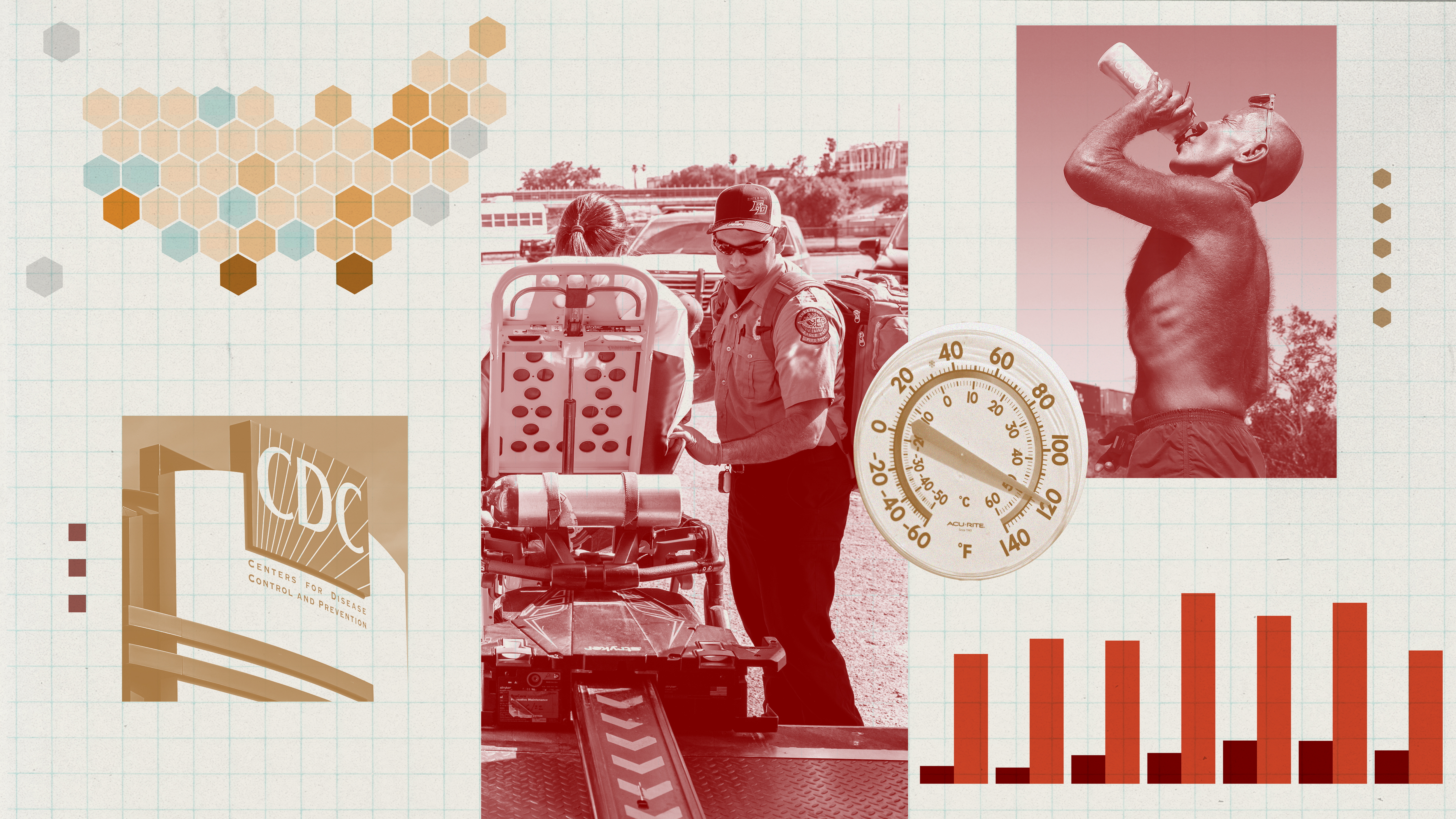
An NPR investigation found that people in the U.S. are dying from heat much more often than official counts show. We explore the reasons why — and how lives can be saved.

As the climate continues to warm, scientists warn that the frequency of disasters like the floods in Nepal will increase.
(Image credit: Niranjan Shrestha)

This summer, fallen trees are blocking hundreds of miles of wilderness trails, following unusual weather events. Some forests will allow chainsaws as a controversial exception to a ban on motors.

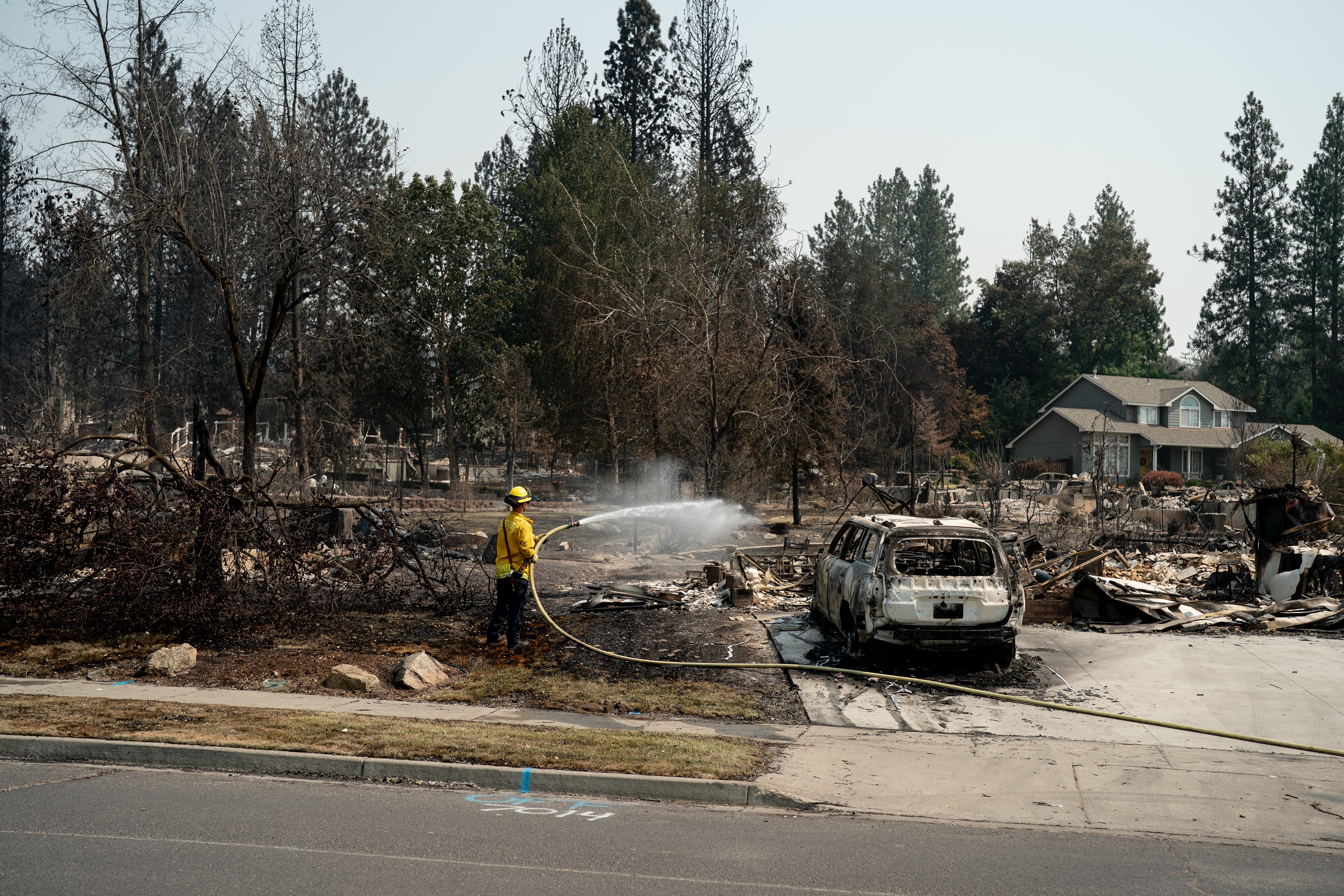
More than three quarters of all wildfires in the U.S. are caused by human behavior including accidents, negligence and arson.
(Image credit: Margaret Albaugh for NPR)


As the senior climate editor at NPR, when extreme weather impacts us, I often send out guidance to the newsroom to help everyone understand the role of climate change. Here's what I tell them.
(Image credit: Ronaldo Schemidt/AFP via Getty Images)


Most evacuees have been allowed to return to their homes near burn zones in Spokane, despite concerns about lingering toxins.
(Image credit: Margaret Albaugh for NPR)


Huge blazes in central and western regions of Indonesia have scorched wide areas of forests and peatland, creating a choking haze that blanketed some cities.
(Image credit: Muhammad Fajri)

For centuries, Navajo shepherds have herded sheep in Arizona's mountains. Now, springs they rely on are drying up, putting a mainstay of the tribe's culture at risk.

The federal government finally has a new plan for the shrinking Colorado River. With its two biggest reservoirs at record lows, Arizona, California and Nevada will have to make major water cuts.


U.S. officials say the ever-growing population of wild horses that roam federal lands in Colorado is depleting natural resources. But some activists say efforts to remove the horses are inhumane.
(Image credit: McKenzie Lange)

NPR's Ailsa Chang speaks with Jack Schmidt, director of the Center for Colorado River Studies at Utah State University, about new record low water levels in two major reservoirs.


The end of "roadless rule" protections would open millions of acres of pristine forests to commercial use. Supporters say it will lead to better managed forests.
(Image credit: Mario Tama)

