Login
So, how about those midterm elections?
Last week’s election was a blue wave all the way down the ballot: Democrats took the House and Senate, went from 16 state trifectas to as many as 22, flipped utility commissions, and rejected data centers almost everywhere. Caroline Spears of Climate Cabinet, which won more than 100 of its 120-plus races, joins me to sort through the statehouses, PSCs, and ballot measures. Then we ask the harder questions of whether these new majorities can actually bring down costs and what it all means for climate and energy policy.

If you keep a sharp eye on the news, you may have noticed that there were some elections last Tuesday.
They were, to use the newly coined term, a bluenami. Democrats took the House by a more than 30-seat margin. Depending on how the Alaska and Mississippi races turn out, they could end up with 56 seats in the Senate, something nobody, and I mean absolutely no one, predicted. Dems are probably going to end up with 30 governorships, including in every swing state, representing more than 75% of the US population. They went from 16 state trifectas — governor, state house, and state senate — to, if Arizona goes their way, 22. And those are just the top-line changes — there’s plenty to discuss further down the ballot as well.

It is a seismic result, the biggest and most dramatic political reversal of my lifetime.
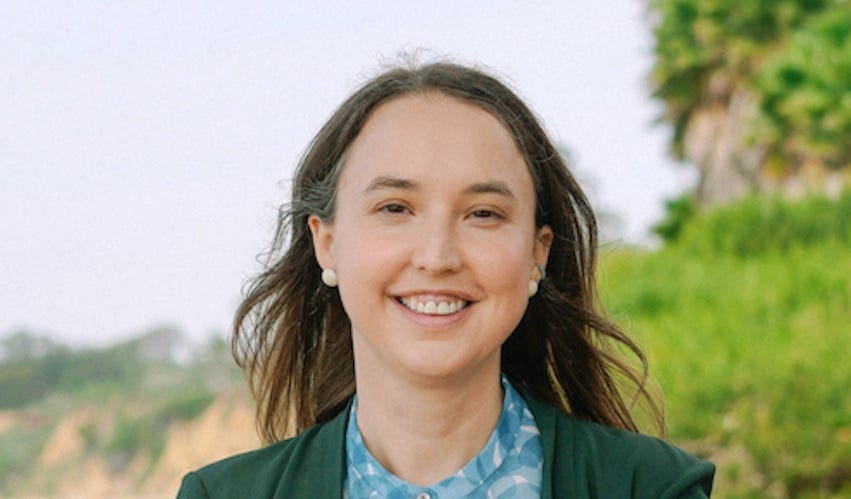
To explore all of it, I’m happy to welcome Caroline Spears of Climate Cabinet back to the podcast. Caroline’s post-election visits — this is her third — have become one of my favorite Volts traditions, and boy have we seen some shit over the years.
We’re going to discuss the scale of the bluenami, some of the lesser-know state and local races swept up in it, how it might translate to climate and energy policy, what it all portends for 2028, and much more. Let’s jump in!
Chapters
00:00 – Introduction
02:20 – How Climate Cabinet’s races went
04:31 – The national results and historic firsts
07:21 – Trifectas 1: which states flipped
12:25 – Trifectas 2: Pennsylvania and going big
18:21 – Trifectas 3: North Carolina, redistricting
22:47 – Regulators 1: Georgia’s new majority
26:09 – Regulators 2: Arizona and Louisiana
28:32 – Regulators 3: Texas Railroad Commission
32:22 – Undervoting and other down-ballot wins
38:05 – Data centers 1: the ballot-box backlash
40:27 – Data centers 2: is clean energy next?
45:09 – Ballot measures 1: Michigan and Colorado
49:13 – Ballot measures 2: Ann Arbor, Eugene, AZ
55:56 – Housing and transit
1:01:44 – How states can cut energy bills
1:08:46 – Quick fixes, lasting fixes, and EVs
1:13:11 – Looking ahead to 2028
1:20:14 – Final thoughts
Resources
People & Organizations
David Roberts (Substack - Bluesky - Twitter)
Volts (Apple Podcasts - Spotify - YouTube - LinkedIn - Instagram)
Caroline Spears (LinkedIn)
Company & Industry News
Books & Articles Discussed
This One Weird Trick Can Help Any State or City Pass Clean Energy Policy
Lawsuit Filed Against Money Out of Politics Proposal After Michigan Voters Pass Initiative
Will a Second US City Tax Billion-Dollar Firms to Fund Clean Energy?
Early Results Show Arizona Voters Split on Prop 141 Vehicle Mileage Tax Ban
Ohio Supreme Court Allows Ashville Referendum Against Data Center Project to Move Forward
Related Volts Episodes
Transcript
David Roberts: So let’s jump in. With no further ado, Caroline Spears, welcome back to Volts.
Caroline Spears: Thanks for having me, Dave. Happy to be here.
David Roberts: What a day, what a week, what a time to be alive, Caroline. Let’s start here. I think the audience knows at this point what Climate Cabinet does. You, early in election cycles, do some analysis, pick some state and lower-level races that you think matter for climate, and then get involved in those races, support those candidates, support those campaigns. So let’s just start here. How many total races were you involved in this cycle, and how many went your way?
Caroline Spears: Well, I have good news for you and bad news for you, Dave, which is that we were involved in over 120 races across more than 10 states on Tuesday. We won over 100 of them. We lost 10 of them, and we have 10 still too close to call. And the good news is that’s a win rate of over 90%.
David Roberts: That seems like pretty good news.
Caroline Spears: That seems like good news. The bad news is that a year ago, I went on this pod after 2025 when we also had a great win rate, and I said, “Dave, we’re gonna go further. I promise you that we try to pick even more challenging races this year so we could keep expanding the map.”
David Roberts: Yes, ’cause too high of a win rate would suggest that you’re not taking enough chances. We discussed this last time, and you said, “All right, next time we’re gonna push, we’re gonna take even bigger chances. We’re gonna push even harder.” Apparently, you just can’t push hard enough to get ahead of the blue nami.
Caroline Spears: It was wild. Last year, races flipped that were R+10 districts. Historically, that means in the average of the last 10 elections, people voted R+10, and we went further. We went R+16. We also tried a nonpartisan bipartisan strategy where we supported a bunch of independents. Dave, we took risks that in January, I was looking at our political director saying, “I think we’re crazy, but let’s do it.” Almost all of those candidates won on Tuesday.
David Roberts: Crazy, crazy times. So I know that Climate Cabinet focuses on state-level races and below, not federal politics per se. But just quickly here at the top, let’s just check in. Democrats now have more than 250 seats in the House. That was about 25 flips from Republican to Democrat. I think that is the biggest gain in the House since 1990, 36 years ago. Dems are closing in on, they have 54 certain seats in the Senate. There are two outstanding races, Alaska and Mississippi. Mississippi looks like it’s going Dems’ way. Alaska, I think, is still a little more uncertain, but I think we can agree no one thought 55, 56 senators. No one was saying that. That is not filibuster-proof, but flirting with it. Texas elected a Democrat in a statewide race for the first time since 1994.
Caroline Spears: And they elected Democrats in statewide offices in every statewide office.
David Roberts: Yes, every statewide office in Texas went blue. Every one that was up went blue, after no statewide Dems since 1994.
Caroline Spears: Yes. As someone born and raised in Texas, I will say that was my personal biggest shock of the night.
David Roberts: I mean, my personal crack rock is watching these reaction videos of groups of people finding out that Talarico won, and then shortly thereafter, in the following seconds, finding out that Hinojosa won. A lot of joy. A lot of joy there in Texas. And finally, I’m not gonna spend a lot of time dwelling on this, but Keisha Lance Bottoms, the very first Black woman ever elected governor in the United States. Gina Hinojosa, Texas’s first Latina governor. Becerra in California, California’s first Latino governor. Deb Haaland in New Mexico, the first Native American woman governor. Chris Pappas in New Hampshire, the first openly gay man elected to the Senate. Abdul El-Sayed, the first Muslim senator. Juliana Stratton now joins Lisa Blunt Rochester and Angela Alsobrooks, making three Black women in the Senate at once, a historic first. And Hakeem Jeffries is in line to be the very first Black speaker of the House. So on top of everything else going on, an extraordinary win for diversity. DEI’s back.
Caroline Spears: Oh my God.
David Roberts: Okay, let’s talk trifectas. As I said, previous to this election, Dems had 16, where they controlled the governorship in both houses. We are now flirting with 22. Which of those new trifectas did you anticipate, and which one are you most surprised by?
Caroline Spears: Well, Dave, back in January when we looked at the map for this year, we said we think there’s five opportunities at trifectas in November with big clean energy and climate stakes. So we thought about Minnesota and Michigan, and those were our two kind of easiest trifecta states on the map. The reason we put them on our map is they passed 100% clean, they passed transportation, electrification legislation back when they had a trifecta. When they lost it, we had to do two years of defense as people tried to roll back every single one of those bills. So we were looking at...
David Roberts: In Minnesota mainly you’re talking about, or is that...
Caroline Spears: Minnesota and Michigan. It was rollback bill, rollback bill, rollback bill. That’s been the last two years. We were really hoping to get those back and be able to make progress in building the clean energy economy instead of dealing with all these attacks on the other side. We also looked at Pennsylvania, Wisconsin, and Arizona, and we said, “Wow, all three of these look very challenging, but we think they’re winnable this year. Let’s go ahead and get in early.” I would say that Wisconsin was sort of in the water. A lot of other people were also thinking about that.
I had a lot of people tell me in January, “Arizona and Pennsylvania, you’re crazy.” As I promised on last year’s episode, we said this is the year to take... We have to push. Let’s take some risks.
David Roberts: Big swings. Big swings.
Caroline Spears: Yeah. Let’s take some big swings, and I was hoping to kind of flip one out of three of those states. That was my goal. And then all three went. Historic. First Dem trifecta in Arizona since 1966. That’s what happened on Tuesday.
David Roberts: Wild, wild. And Wisconsin, I mean, all of these individually are amazing stories, but just shout-out to Ben Wikler in Wisconsin. This long, lonely fight to drag Wisconsin back from the wilderness has been going on for over 10 years now, and just to see it culminate like this is really special.
Caroline Spears: I remember I read an article back in 2018 about Wisconsin from a wind energy developer who said, “We are in a state where we’re manufacturing wind turbines in this state, and we’re exporting them to other states because our state government doesn’t want us to build those jobs here.” That’s where we were from a clean energy perspective in Wisconsin.
Arizona, very same way. Arizona’s how I decided to start Climate Cabinet, because at the solar company, we were building more projects in Massachusetts than we were in Arizona. It’s the sunniest state in the country, and that’s just shows you how kind of this negative leadership was stifling clean energy and climate ambition in those states.
So that’s why they were all on the map. I just can’t believe that all three of them flipped, to be honest with you. But I’m glad we were there.
David Roberts: And Nevada, what? Did you see that one coming?
Caroline Spears: I mean, Nevada was interesting because the legislature was already blue. If you had told me one of these four is gonna flip, I would’ve been like, “Yeah, that’s reasonable.” Well, two out of four, I’d be like, “Well, maybe.” Four out of four, glad we got involved in them, not on my bingo card.
David Roberts: Wild, wild. Longtime Volts listeners and Vox readers will know one of my favorite things I ever wrote for Vox was “Here’s one weird trick to get some good energy policy in your state,” and that weird trick is giving Democrats power. So now we have six new trifectas, which, if you were sort of ranking them by their climate and energy policy potential, which one of these do you think is going to really distinguish itself on climate and energy?
Caroline Spears: So if we’re just going to start with trifectas... Although, you know what? I really wanna include Texas in this conversation. Texas, the governor and the state House flipped. State Senate, there was 30 minutes on election night when I was like, “I can’t believe my eyes.” The state Senate was too close to call. The Senate’s gonna stay Republican, where it is. But adding all of these states, they all have incredible opportunity right now. I would say the biggest kind of improvement from baseline, the biggest opportunity that I’m thinking about is really in Arizona. Again, it should be a solar powerhouse, a battery powerhouse. It’s starting to build those, but they are so far behind their potential in terms of the clean energy economy. Arizona is really on my mind right now. Texas has built a lot of clean energy, but you’ve started to see increasing kind of political culture war motivated pushback against that clean energy in the last few years. With Hinojosa as governor and the House, we’re in a much better spot in Texas as well for the future and how they continue to build. So those are top of my mind right now.
David Roberts: And what about, I’m curious about Pennsylvania because it is an extremely gas-heavy state, and Shapiro is sort of theatrically moderate. He’s one of these guys that wears a big M on his shirt all the time just to make sure you don’t miss it. What size, what scale of action can we anticipate in Pennsylvania? Do you think anything big will come out of there, or is this mostly a defensive play?
Caroline Spears: So Pennsylvania, for that reason, is the state that I got easily the most pushback on this year. The Pennsylvania Senate really early this year, I’m talking in the spring, we were talking to candidates, looking through who was gonna run a competitive race there and supporting... We started supporting candidates so early this year.
David Roberts: And you say pushback, you mean people saying, “This is pointless. There’s no way the Pennsylvania Senate is swinging.”
Caroline Spears: Pushback from the political side, there’s no way it’s swinging. I think a Senate seat hadn’t flipped. We had two flips, but they canceled each other out in ’24. The Senate hasn’t flipped chamber control in 30 years. So the political side, I also got what you said, pushback on the climate side, but here’s my affirmative case for why Pennsylvania’s exciting and there’s opportunity there this year. I think the first is you have to start with where Pennsylvania is right now. They’re a bottom five state in the country for renewables. So you look at all of the surrounding states, you have New York, you have Massachusetts, all of these states that are in kind of that northeast area, they produce more of their electricity from renewables than Pennsylvania does. It only gets 3%. And they also have enormous opportunities with batteries that they’re just not taking advantage of. Because the state Senate has been where clean energy bills go to die for 40 years. Yeah. We already had... And then you talk a lot about housing and transportation and how we need to think about those things. It was either yesterday or the day before, this week has felt like a year. Governor Shapiro’s already announced that funding for their zero-carbon transit and transportation system is on the table, and he’s going to pass it. It’s a top priority for him...
David Roberts: Amazing...
Caroline Spears: ...in the next couple months. So I can keep going to say there’s this other thing, there’s this other thing. There’s a great quote from Senator Lindsey Williams, the transportation chair and a really key caucus leader in the Pennsylvania State Senate. She said, “We need to be brave and lead. There are low-hanging fruits, but what are the ambitious and big things we can get done this session?” That’s her quote about the opportunity next year.
David Roberts: Yeah, I mean, to me, this is the big question. You remember when Minnesota first got its trifecta. They went nuts. They went for it. They were explicit within that caucus, telling one another, “We have power. We don’t know how long we’ll have it. Power is for using. Let’s do it. Let’s go for it. Let’s get big things done.” That is the spirit. That’s what I want to hear. That is the spirit I want. Do you feel like that is the vibe among these state lawmakers in these new trifectas? Life is short. Who knows how long this will last? Let’s freaking go for it.
Caroline Spears: Minnesota’s a great example because before the trifecta in 2022, they had another trifecta about a decade earlier where they went into that trifecta and said, “Well, we can’t overstep. I don’t know how much we’re gonna pass stuff.” They didn’t really pass that much, and you know what? They all lost re-election the next cycle.
David Roberts: Yes, and learned from it.
Caroline Spears: Yeah. I think when voters sent extremely clear message on cost and affordability and how people can show up and deliver for their lives on Tuesday, this is the time for state lawmakers to respond. Voters sent a very intense wake-up call to the entire country on Tuesday. They want big change. Lawmakers who I think respond to that with ambition and with... I think are gonna see good results from voters, good results electorally.
So that’s really what we’re looking for. People want their costs to come down. You can’t bring your costs down that quickly without saying, “Let’s do everything we can to bring costs down.” You and I know that clean energy is the best way to do that. You and I know that clean transportation is the best way to do that, so that’s the opportunity.
I would say the ambition is a little bit different in every state. The dust is still settling, though, as well. A lot of lawmakers, I think there was a quote, I’m gonna lose who said this quote the other day, but he said, “I asked a bunch of my friends to run in districts that we thought were unwinnable as sacrificial lambs, and one of them called me yesterday and said, ‘So do I still have to go through with this?’” And he was like, “Hell yeah, you do. Let’s go.” The dust is still settling, but this is the time when I think you have Senator Williams in Pennsylvania, you have Senator Lauren Kuby in Arizona saying this is the time to get big things done for people.
So you do have individual lawmakers in each of these states who are pushing for ambition and shaping the conversation, and I think that’s really exciting.
David Roberts: I mean, you could say going big will be good for you electorally, but I wouldn’t even go that far. I would just say: look around you at American politics. Nobody knows what’s happening. Nobody knows what’s gonna happen next. Nobody knows anything anymore, so you have no idea what might work or not work. Nobody has any idea about anything anymore, but you’re in office, so YOLO, for Christ’s sake. So 54% of Americans now live in a state with a Democratic trifecta. That is just an absolutely mind-boggling stat that not a single human being several weeks ago would have dared to predict. Oh, and one other little tidbit about the trifecta before we move on, especially gratifying that in Michigan, the guy in the Michigan House who authored the repeal bill that you were just talking about, the effort to roll back their clean energy law, lost. He’s gone. A beautiful thing. Oh, and the North Carolina House flipped. What? For the first time since 2010.
Caroline Spears: And the Senate’s still too close to call. There’s 300 votes, provisional ballots remaining for the state Senate of North Carolina as well.
David Roberts: No kidding. And who’s their governor right now?
Caroline Spears: We have Governor Stein there, Democratic governor as well.
David Roberts: So North Carolina could still theoretically join the trifecta?
Caroline Spears: Yes. We don’t know. We think the provisionals don’t look good enough for that, but we’ll see. Everyone listening to this, pay attention. It’s getting called this week.
David Roberts: Wild. Wild. So theoretically it could have seven new trifectas. Unbelievable.
Caroline Spears: Unbelievable. And in North Carolina, the legislature controls redistricting. It’s been one of the most gerrymandered... North Carolina has been ground zero for some of the worst gerrymandering in any state. What’s supposed to happen is you have a census every decade, and after the census, you redraw the maps to be proportional.
David Roberts: And then you leave it alone for 10 years. That was the way things went.
Caroline Spears: No, this North Carolina legislature loves a mid-district. They try to redistrict every time they can get an opportunity. They’ve redistricted, someone’s gonna know who’s listening, knows the specific answer. I think twice since the 2020 census, at least, redistrict after the census, and then they redistricted again. It’s been multiple times. So they intentionally have tried to avoid accountability to voters over and over again. So the Senate, we’ll see what the Senate lands with.
David Roberts: Yeah, amazing. I think one of the sort of unheralded kind of background stories here, like you say, the dust is still settling, everybody’s still picking apart the implications of all this, but I think one of the things going on in the background is a lot of Democratic worries about election shenanigans, especially in 2028. This sort of worry that Trump wouldn’t leave office, worry that they’re gonna steal elections, worry that they’re gonna do this and that. We now have Democratic governors in every swing state. So there is a real wall for election integrity, basically, against these efforts to pull election shenanigans.
Caroline Spears: Yes. And remember last year when Trump called a bunch of states and he was like, “Hey, for the midterms, can you draw me some new congressional districts so I can win a House majority?” I was in the Texas State Senate committee when they passed that bill out of committee, and the chair of that committee looked directly into the camera and said, “The reason we’re passing this redistricting bill is because we are fans of Donald Trump’s agenda, and we are redrawing these districts in order to give him a House majority next year.” And I think regardless of the party, it’s no way to run a country. And just to say, these state legislatures are incredibly important for drawing the lines for Congress as well.
David Roberts: And I know we’re not mainly here to discuss federal policy, but I do think that a federal bill on gerrymandering reform, basically something along the lines of every state will be divided based on some objective formula overseen by some objective third party council or group. That’s a real possibility now to just taking gerrymanders off the table for good.
Caroline Spears: You’re gonna have to get a constitutional law person on this podcast. I’m gonna be honest with you, I state, think about climate and clean energy a lot. I kind of live in this lane. Because I track states so much and I think about how states try to do states and federal and local, there’s this constant jockeying and who has power over what. And we’ve seen some of these states especially intentionally kind of try to strip power away from cities that try to pass clean energy or climate laws. So I’m really thinking about how states...
David Roberts: Yeah. I mean, you saw it in Tennessee, you saw it in Texas, and it just blew up in their face now. And now they don’t have control of Texas anymore, so I think they might be willing, they’re like, “Well, Democrats are controlling 30 states. Do we really wanna continue with this gerrymandering free-for-all? It might not work out for us in the long term if we continue down this road.” So anyway, that would be truly seismic.
But the idea of just gerrymanders being taken off the table entirely is interesting. So let’s talk a little further down the ballot. One of the things you are tracking was several utility regulator races. Let’s discuss those. But first, I wonder, it’s been two years now of a bunch of nonprofits, groups, advocates kind of pounding the table about PUC elections, about public utility commission elections. We got Hank Green involved last time. Those races actually got covered on the news. Normies, I guess kind of sort of found out about them for the first time. Do you think that people are paying attention now, or are these gonna recede back into obscurity?
Caroline Spears: Yeah. People are paying much more attention to these public service commission, public utility commission elections than they used to. I would say I’d still like that number to go up a little bit. What’s definitely true is I was knocking doors in Bucks County, Pennsylvania, one of the swing counties, just a few weeks ago. And on the doors, people were independently bringing up their utility bills as a concern. Now, Pennsylvania does not directly elect a utility commission. But utility bills and electricity bills have been on voters’ minds. We saw that in Georgia. Peter Hubbard was on the pod. He ran for the Georgia PSC. Peter Hubbard looks like he’ll be part of a governing majority on the Georgia PUC as of Tuesday.
David Roberts: Yes. So last round, Democrats got two out of the five seats on the Georgia PSC. Now, they have three seats, a 3-2 Democratic majority on the Georgia PSC now. And as you and I know, because we’ve seen Peter, Peter’s been on the pod, and we’ve seen him talk publicly, that guy’s got big plans. That guy knows where the bodies are buried, and he’s got big plans. So that’s gonna be fascinating to watch. Again, also, what they can do with alongside a Democratic governor who’s not fighting them, right? Man, Georgia’s in for some big stuff in coming years.
Caroline Spears: Yeah, and we’ve seen so many of these PUCs jack up rates for people, and especially one type of bill that I was really tracking over the past couple of years was construction work in progress financing. So if you’ll excuse me to get a little bit wonky on this for a second, here’s how I think your utility bill should work. When I turn on the light, you charge me for the electricity that I use.
And there’s a lot of stuff in how I get charged, a lot of details, transmission, distribution, et cetera, but you should charge me for the cost that it took to deliver to my house. We have seen some of these utility commissions do, and state legislatures pass, is they can charge you while they are building the gas plant.
David Roberts: They did that with Vogtle, didn’t they, in Georgia, while they were building the Vogtle plant.
Caroline Spears: Exactly, and it jacks up people’s rates.
David Roberts: Ratepayers were paying for it.
Caroline Spears: Yeah, that’s right. And there was a piece of legislation where sometimes they only allow that financing for gas plants. It’s not actually available to solar and batteries. So that type of shenanigans, I’m excited to have elected PUC leaders who don’t do those types of kind of financing shenanigans.
David Roberts: Is there a particular thing in Georgia, a particular thing out of the Georgia PSC that you’re looking forward to or that you think they’re gonna do, or is this just gonna be a lot of nerdy behind the scenes stuff?
Caroline Spears: It’s gonna be a lot of nerdy behind the scenes. So if you should have Peter, I wonder what it would be interesting to have Peter Hubbard on the pod again. And it’s not just Georgia. We have to talk about Arizona.
David Roberts: Yes, of course.
Caroline Spears: It looks like we’re gonna flip two seats on the Arizona Corporation Commission, which is the same thing in Arizona. You had Charlie Fisher on the pod a couple months ago.
David Roberts: Yeah, we had a pod about this too. So now... It was 5-0 Republicans, and now it’s 3-2 Republicans, correct?
Caroline Spears: That’s right. Only two seats were up this year, so in 2028 we have the opportunity to have a majority on that board as well. This is a race that Turning Point USA got involved in, and they lost Salt River Project, and they lost Arizona Corporation Commission.
David Roberts: They were involved again this round, right? They were. Were they not? Yeah.
Caroline Spears: They primaried one of the Republicans to put their own person in.
David Roberts: Right, I forgot about that. That did not go well for them. So Arizona now, blue trifecta and spitting distance from Democratic control over the Arizona Corporation Commission, the ACC.
Caroline Spears: Yep, one seat away.
David Roberts: Very big deal.
Caroline Spears: Very big deal.
David Roberts: Louisiana is kind of the one that didn’t go the way we might like. They went from 3-2 Republican to 4-1 Republican. I’m very curious, there’s a lot of data center stuff going on down there. There’s a lot of interesting stuff going on in New Orleans specifically. I might do a pod on this later. I’m wondering why, what’s your diagnosis? What happened in Louisiana? Is it just too red?
Caroline Spears: I think Louisiana’s red. Even over the past few years in Louisiana, I’ve had some Republicans cross party lines on clean energy. There’s new people on there. I’m interested to see where people go with that. I will say that Commissioner Davante Lewis on the board has been extremely effective, and he’s been pretty good at trying to create kind of bipartisan solutions and transparency on the Public Service Commission. Voters have sent a clear message two years in a row on electricity bills. This year they sent an enormously clear message on data centers, and I wanna see what Commissioner Lewis and some of his colleagues can... It hasn’t always been voting on party lines in Louisiana. And I’m interested to see how these new commissioners react to the voters and react to some of the voter anger, and maybe that gives us more opportunity.
David Roberts: Yeah. And then relatedly, also did a pod on this earlier this year, Republicans have controlled all three seats of the Texas Railroad Commission since 1994, and they got a seat this year, which was among all the other stunning stuff in Texas, quite stunning. People who listen to the pod know the Texas Railroad Commission, very misleadingly named, regulates the oil and gas industry in Texas, and has been just an absolute dark-red holdout from modernity for decades now. Nobody’s paying attention to this race, but it’s a very big deal to crack that open.
Caroline Spears: You’ve had everyone on the pod. How did you predict all of these Tuesday results? What’s going on?
David Roberts: I know. I’m immune to optimism, so I didn’t actually think all these people would win their races after I talked to them. It must be going on Volts. I’m seeing a correlation here.
Caroline Spears: Clear trend. I was thinking about before we got on today, I was like, what is recording this podcast gonna be when Dave Roberts is in an optimistic mood on the state of American politics? What are we gonna talk about?
David Roberts: I’m so confused. I don’t know how to act. I don’t know. So this Texas Railroad Commission, though, is anything substantive gonna come out of that, or is that mostly just kind of a symbolic victory? ’Cause they still have a 2-1 Republican...
Caroline Spears: They do, but Democrats elected an expert to that seat. Jon Rosenthal is a mechanical engineer. He’s from Houston. He’s worked in the industry. He’s very balanced, and he’s also an expert-level person who I think is gonna be able to do a lot of good on the Texas Railroad Commission. I think he’s outnumbered on things, and as you said, unprecedented for the Texas Railroad Commission. But I think given Jon’s level of expertise and the knowledge he brings into that seat, it’s not like he’s starting from square one on the oil and gas industry. He’s been in the legislature. He’s voted on a bunch of bills about energy and electricity, so he’s an expert, and I look forward to what he’s going to do. Bo French is not a good person.
David Roberts: Yes. We should say that Bo French did not necessarily lose because of decisions he made on the Texas Railroad Commission. He mostly lost ’cause he’s a racist scumbag.
Caroline Spears: So this was his first time running for the seat. He announced that he was running to stop Sharia law. The Texas Railroad Commission is an oil and gas regulatory body.
David Roberts: One of the lesser-known powers of the Texas Railroad Commission.
Caroline Spears: Yeah. In addition to kind of the candidate quality and just the moral fiber of the two different candidates running, there was only one person on that race with any expertise or vision or interest in the industry and any sort of knowledge, so.
David Roberts: And honestly, there’s a lot of schadenfreude to go around, a lot of ways to point your schadenfreude these days, but Bo French losing, I mean, if anybody in the nation deserved to be very publicly crushed, it was him.
Caroline Spears: Yeah. I’m still looking. We’re gonna know a lot more about who voted for who and who split their ticket and who didn’t. I saw some initial numbers, and again, I will just say we won’t know final numbers for a couple of weeks to a couple months depending on the state. Some initial numbers show, I grew up in Houston. Bo French really lost a lot of voters in the Houston area. There’s places in Houston where a lot of Indian Americans live. And I’ve already seen some initial data that shows that just people knew about that race, normally people don’t follow the Texas Railroad Commission race. That sent waves through Texas.
David Roberts: He drew attention to it.
Caroline Spears: He drew attention to it, and you can see the direct...
David Roberts: By being a scumbag.
Caroline Spears: Right. You can see the direct electoral outcome of that, and yeah.
David Roberts: I mean, I think one of the really interesting questions that we won’t have really clarity on for a while, as you say, we don’t... It’ll be weeks before we know who voted for what and on what, and how the split ticket. I mean, I think one of the big questions here, and I’m curious for your thoughts on this, is all these lower races that we care about, the PUCs, railroad commissioner, various ballot initiatives, did everybody just get caught up in a blue wave? Do you know what I mean?
Did a bunch of people just tick the blue box all the way down their ballot, or were there splits? These lower ballot races, were they just bandwagoning or were there areas where people actually thought about them and voted differently?
Caroline Spears: Yeah. We’re gonna get a lot more information over the next couple weeks to a couple of months. One thing that I am looking at, right, because I’m thinking about 2028 and 2030 and what this means for what we pass and how we build going forward, I am still seeing a little bit of undervoting on our public service commission, public utility commission elections. We have to... we’re relying...
David Roberts: You mean fall off, people who vote high on the ballot and then just don’t mark those at all?
Caroline Spears: Exactly. So there is still that problem. I think we should celebrate the kind of consumer-focused and clean energy folks won on Tuesday, but just tracking forward, like you said in the intro, people are saying it’s the biggest electoral result since Watergate, biggest electoral result in our lifetime. This was such a shocking election. If we are serious about winning these public service commission races in the future, we have to figure out the undervoting, and that’s just one thing I’m seeing in the data now that I really wanna keep focusing on and working on...
David Roberts: Yeah, yeah...
Caroline Spears: ...fixing in ’28 and ’30.
David Roberts: One other little small race that you were tracking, New Mexico land commissioner. Not a wildly popular race or subject of a lot of public attention. But the New Mexico land commissioner is, controls a lot of public land, is the significance of it. Your candidate won?
Caroline Spears: Yep. Happy that that was a less competitive race in the general than I was a little concerned about that, I would say a year and a half ago. We endorsed Juan Sanchez for that race about 16 months ago. Feels like an eternity. Really before we knew what this year would be like, et cetera, at the time. So I’m really excited about that. He’s made a commitment to open land and open land access for that land commissioner. That’s super important. And then also really thinking about New Mexico’s public lands generate a lot of revenue for the state because there’s a lot of energy leasing that goes on.
David Roberts: Yeah, right.
Caroline Spears: Yeah. And it funds the public school system, et cetera, and so how we can use solar batteries. There’s kind of all of these clean energy technologies can start.
David Roberts: Interesting.
Caroline Spears: That’s something that he’s talked about and is gonna work on, and I’m really interested and really looking forward to seeing where that goes.
David Roberts: Awesome. Okay. So, Georgia PSC Democratic majority. Arizona Corporation Commission now two out of five, won both those races, two out of five Ds, possible majority in 2028 depending on how things go. Texas Railroad Commission is now 2-1 Republican, but a really good, smart, substantive Democrat in there, and New Mexico land commissioner. All happy results in your down-ballot choices. Were there any other sort of candidates down-ballot that you wanted to call out? We’re gonna get onto some ballot initiatives and things like that. Were there any other obscure candidates that you were particularly pleased about?
Caroline Spears: I wanna call out two people. I wanna call out Trevor Jung, who just won his election to the Wisconsin State Senate. Trevor Jung, Senator-elect Trevor Jung, very exciting to say, from City of Racine’s transportation director. He oversaw the largest fleet of electric buses. He got those deployed in Wisconsin. Now he is in the Wisconsin Senate overseeing the state’s transportation goals. Incredible. It’s people like that that I get so excited about. It’s Jon Rosenthal, who has actual energy and electricity expertise sitting on that Railroad Commission board. It’s Trevor Jung in the Wisconsin State Senate. You have some candidates who have this incredible track record before they get into office. You also have a lot of candidates who have expertise on other things, but are gonna show up to energy and electricity for the first time and say, “What is PJM? What is ERCOT? How can I get on board?” And so the other thing that I’m really excited about this year is that two years ago we put someone full-time in many of these state capitals, and we have people on the ground in all of these trifecta states that I talked about, who will be there on day one working with lawmakers to pass bills that lower costs and cut pollution every single day.
David Roberts: We’re gonna get back to what those might look like at the end, but that is obviously the real win here would be something coming out of this.
Caroline Spears: So Trevor, and then JKT winning in Alaska I think is really exciting on the governor’s side. That’s a state in an energy crisis. What he can do for distributed energy resources there, for wind energy resources there to bring costs down, I think that’s a generational change in Alaska as well. So I would just wanna call out Trevor Jung in Wisconsin and JKT, incoming governor of Alaska there.
David Roberts: And they called the Alaska governor race, that’s a done deal now?
Caroline Spears: AP has not called this race, so okay, maybe I’m a little too fast on it. I would say I feel good about this race right now. We’ll see.
David Roberts: Yeah. Again, not something a lot of people would’ve predicted. Okay, let’s talk about data centers. I think there were something like 40 ballot initiatives or measures or various things that people voted on that were banning or putting a moratorium on, or in various other ways punishing or cracking down on data centers. I think almost all of them won, like all but I think one or two passed. It was the message about data centers from the public was, let’s say, unequivocal.
Caroline Spears: Loud and clear.
David Roberts: Were you involved in any of those? Are you just candidates, or do you also get involved in ballot initiatives and things like that?
Caroline Spears: So we were not involved. We were tracking those data center ballot initiatives. We were not involved in ballot initiatives this year. But I will say that knock on the door, all 120 plus candidates we supported this year, we talked to them all, saying kind of, “Here are ways that climate can lower costs. What really stands out to you?” And almost all of them said data centers. It was the most unanimous response I’ve ever seen from doing this work over five years.
David Roberts: Yeah, and these were not ambiguous results either. In Ashville, Ohio, there’s a data center already under construction, 80% of people voted to stop construction. In Joliet, Illinois, same thing, about 80% voted to restrict data centers. So that’s not partisan. That is not a one side or the other thing.
Caroline Spears: Extremely bipartisan issue.
David Roberts: The one other statistic is 20 of 36 governors race candidates, 20 out of 36 promised some kind of moratorium when they are elected. The other thing is Elon Musk spent about half a billion dollars backing pro-AI and pro-data-center candidates, and did not have a good night.
Caroline Spears: Do you have the numbers on how many he lost?
David Roberts: That specifically, I would like someone to assign a full-time researcher to just charting the scale of Elon Musk’s absolute farcical face plant, this election cycle. There are so many aspects of it. That’s one of my favorite areas of schadenfreude.
Just on data centers, we’ll get back to this when we talk about policy, but this is just a worry I raise, and I’m curious if you saw anything out there, or if you share this worry. This is something I’ve raised a bunch of times, but the sort of stampede of hatred against data centers and against AI, do you worry at all that clean energy projects, that transmission projects, solar fields, et cetera, are starting to be viewed as adjuncts to data centers? That they are getting lumped in, and people are gonna start hating all of it and fighting against all of it. Are you worried at all about that effect?
Caroline Spears: Well, we already saw some of that start in earlier this year. We had some opposition against battery projects. They happen to look kind of like data centers. Some of that is already in the water. I remember when I was in the solar industry, we had someone show up to a town council meeting and say, “I don’t want solar here.” This was a science... someone who was a science teacher in the area, who said, “I don’t want solar here ’cause it’s gonna suck up all the sun.” So we do have... yeah.
David Roberts: A science teacher, you say?
Caroline Spears: A science teacher.
David Roberts: Yeah, I mean, you’re talking about having someone in the state capital of all these new trifectas to do education. I surely would hope that that’s on your agenda, just helping lawmakers pick these things apart, helping lawmakers distinguish, and not just have this turn into an anti-electrification sort of mob sentiment.
Caroline Spears: Yeah. Well, the only thing I’ll say that, against that a little bit, is that data centers... we’ve seen NIMBY fights against clean energy.
David Roberts: Sure. Yeah, those are not new.
Caroline Spears: Right, those aren’t new. That’s not going 80/20. Right. I mean, data centers are unpopular 75/25. Data centers are next level. There’s been some interesting coverage on this. It’s not just that it’s unsightly, even though it is, and it’s not just about the noise, even though that’s part of it. Data centers are a physical manifestation of economic anxiety that people have around AI, and you have leaders, many of these companies going on a podcast and saying, “We think this is gonna take a bunch of people’s jobs, and it, also some people might die.”
David Roberts: Yes, it might also drive us to extinction, PS.
Caroline Spears: Right. So I will say that that’s a big difference in driving some of the opposition. And then people see, “Oh, there’s a physical manifestation of that happening near me?” I don’t think that’s something... that’s a PR problem that...
David Roberts: Yeah, you could say...
Caroline Spears: I’m not in charge of.
David Roberts: Yeah, I do think data centers have become a stand-in for basically modernity. Everything people are uncomfortable with that’s going on in the world today, income inequality and this sense that there’s a tiny cabal of dudes in one neighborhood in California that are determining the fate for the rest of us, and we have no control over it, and we have no feedback mechanisms. So this is the only thing that people can grab onto and say, “Hold on now.” You know what I mean? And yes, thankfully we don’t have to solve that.
Caroline Spears: But just being aware of consumer sentiment and popular sentiment, always good to do. I do think differentiating the two industries, I think the clean energy industry has been on this for a while. We have work to do.
Some of the battery stuff is a problem. Whoever is on that PR team, thoughts and prayers. That’s a challenging job right now. But I think the opportunity is we live in a democracy. People have power and the ability to send a message on things.
What creative opportunity does this open up for people to say, “Hey, here’s what we can actually provide to communities. Here’s how we’re gonna show up differently,” because the way people have been showing up so far, and the having elected officials sign NDAs... that’s crazy. So there just needs to be a complete rethink of how to approach community engagement, and I think that’s an opportunity here.
David Roberts: Surely this will... I mean, if anything can get through to these guys, I know they live in a bubble, but this is so unequivocal. The message here is so unequivocal. Surely this will spur some thinking in those circles.
Caroline Spears: I just think there’s a way to build data centers in a way that actually makes people’s lives better, and I would like to see more of how that can happen in the future.
David Roberts: Okay, let’s talk energy ballot measures. There’s some interesting ballot measures under the surface. Didn’t get a lot of attention, but very interesting. In Michigan... Prop 2, talk about that a little bit.
Caroline Spears: Prop 2, fascinating example of this kind of two-year anger over costs and utility bills increasing. Prop 2 in Michigan bans Michigan utilities from putting money in politics. And it passed with, I think the last number I saw, 84% of the vote. Talk about a bipartisan issue, I mean.
David Roberts: Riding the anti-corruption wave, I think, tapping into that.
Caroline Spears: Yes, totally, and it’s a great anti-corruption bill. It looks like it’s already under a legal fight. I think the utilities are gonna put it in... So the work does not stop here, but just to say that Prop 2 passed with over 80% of the vote, that almost never happens. It’s a very clear message.
David Roberts: Yes, and this is one thing where I hope other states are paying attention. I hope this is a policy I would love to see spread. It’s already a little crazy how we run utilities. I don’t have to get into that again. But the fact that they’re publicly guaranteed profits, but we still allow them to lobby and bribe lawmakers for their own private interests is insane on its face. It’s crazy that we allow them to do that. So the public in Michigan has spoken very clearly. They’re not into that, and there’s no reason other states can’t follow suit on that.
Caroline Spears: Yes, and there are... Some states can pass it through ballot measure. Some states have already put this bill up in the legislature. It’s gotten killed in a lot of places. I’m very interested in the legislatures, who carries this bill next year, because that’s a big, it’s a big opportunity for the same reason...
David Roberts: A lot of big changes in state legislatures, so.
Caroline Spears: Yeah, when I turn on the light switch, I shouldn’t pay for somebody else’s political contributions. The same reason as every... That’s ridiculous.
David Roberts: Yes, and the fact that it fails in legislatures, to me, is just evidence of the need for it, right? Utilities can exercise their influence in legislatures sufficient to fight off bills that have 80% public support is sort of evidence that they have too much political power right there. So good job, Michigan. Colorado.
Caroline Spears: Colorado.
David Roberts: Colorado. This was, I think, what was intended to be by the gas industry the first of many. They put a ballot initiative on the ballot, very short, just says Coloradans have a constitutional right to natural gas, basically. A constitutional right to be able to choose natural gas. Basically taking the idea of a gas ban or even anti-gas policies off the table. It failed. Do you have the numbers on that one?
Caroline Spears: Yep. Numbers on that one, it failed about 55 to 45.
David Roberts: Oh, interesting. Interesting. That’s reasonably good. Not quite as decisive as data centers, but reasonably good.
Caroline Spears: Nothing is as decisive as money out of politics, anti-corruption and data centers.
David Roberts: Yes, yes.
Caroline Spears: I mean, on Tuesday that was clear. Yeah.
David Roberts: Obviously, the gas industry is not gonna go quiet into that good night, but do you think this takes that particular tool off the table, or you think they’re gonna keep trying that?
Caroline Spears: We’ll see. I’d be interested to see if this ballot measure pops up in other places. This is certainly something that’s introduced legislatively as well, as we think about state power and what states, legislatures, and governors can do as well. So I’m interested to see kind of where this goes broadly. But listen, we have a lot of rights in this country. We have a right to vote. We have a right to free speech. I don’t know if the founders intended that particular right.
David Roberts: Yeah, is that originalism? Was that...
Caroline Spears: I don’t know. I can’t tell...
David Roberts: ...something the founders had on their mind, natural gas?
Caroline Spears: I don’t think so.
David Roberts: Thou shalt get thine methane. Okay, the only other one that I have on my list here is Ann Arbor, which was interesting. So once again, had on the pod the woman from Ann Arbor talking about their clean energy utility that they’ve created in Ann Arbor. Very interesting thing, unique in the nation as far as I know, sort of like a second utility alongside the main utility, the entire purpose of which is to fund and build clean energy. The ballot initiative was to fully municipalize the main utility, which I guess would then involve getting rid of the second utility. Unclear. That didn’t go through. Do you have any thoughts on that, or thoughts on utility municipalization or making utilities public in general?
Caroline Spears: Yeah. So the Ann Arbor ballot measure failed by about 3%, so very split results.
David Roberts: Close one.
Caroline Spears: Very interesting. Generally, I’m gonna give perhaps a wonky answer to this, which is that when you think about public power, private power, munis, co-ops, all of these different pieces, we’ve been involved... We track a lot of these ’cause we think a lot about utility boards, you have Salt River Project, things like that. Really, here’s my wonky answer. It all matters on government capacity. We have a lot of kind of cities in the country that have public power on paper, but they’re so small that they don’t have the technical capacity...
David Roberts: Yeah, right.
Caroline Spears: ...and staff to sign complex energy contracts with multinational companies. So it does create a power imbalance sometimes if the city is too small, or the city says they want this thing, but they don’t staff it appropriately. And some municipal utilities are doing great, and they’re going forward on electrification, all of these things. When I think about climate and clean energy, I don’t see a big difference between these different types of structures of electricity utilities. I do see a big difference when it comes to kind of oversight, transparency, and responsiveness to people’s rates and responsiveness to results. And so you can have a public utility, like TVA, that has high rates, is not responsive, and is jacking people’s rates up for... because they have a cultural reason to keep coal online even though other cheaper opportunities are there. And you also have private utilities. We just talked about some of these monopoly utilities, they’re investor owned, and they’re putting... They have this blank check to put money into politics, and that’s not acceptable either. So we need accountability and transparency on these utilities. Just because it’s a municipal utility doesn’t mean it’s accountable to people. So we talked about... Okay, should I go one more level of detail, or is it too wonky?
David Roberts: Sure, go. Please.
Caroline Spears: So we talked about some data centers having local officials sign NDAs, which is ridiculous. That sometimes happens with municipal utilities too, where the city council...
David Roberts: We should just say, in case anybody doesn’t know, an NDA is a non-disclosure agreement. It means legally you can’t talk about it.
Caroline Spears: Yeah. And I think when a publicly elected official makes an agreement on behalf of their constituents, they should be able to tell their constituents what that agreement is. But we have municipal...
David Roberts: Yes. One might think.
Caroline Spears: One might think. We have municipal utilities that have signed non-disclosure agreements on long-term power contracts that their voters have to pay for.
David Roberts: Wild.
Caroline Spears: Wild. And some of the worst examples of this are all of the municipal utilities signed up for Prairie State coal facility in Illinois. That has over 100 public power agencies are signed onto that. So it’s a few examples of public power kind of being captured. All I’m saying is transparency, accountability. Cheap, clean, that’s what voters are asking for, and getting too married to one structure or another, I’m not... That’s where we are.
David Roberts: Yeah. That’s probably for a separate pod. And I’ll just say, selfishly, I’m so curious about how this clean electricity utility in Ann Arbor is such an interesting experiment to me that just sort of selfishly, wonkily, I’m curious to see how that plays out, how it performs, how it goes. Whereas trying to municipalize, it’s very expensive, it takes a long time. I mean, I should do a separate pod on this, but...
Caroline Spears: That’d be fascinating. That’d be a really interesting, that’d be a really interesting pod.
David Roberts: Yeah. There’s lots of ins and out. Other ballot initiatives. Oh, I did wanna mention Eugene, Oregon voted for a clean energy fund. Paid for with a fee on companies with $1 billion or more in national gross profits. So I guess your Walmarts, your big-box stores, basically. Seems interesting, I guess. Any thoughts on that? I don’t know how significant it’ll be in Eugene, Oregon. I mean, it’s not like... It’s a small town.
Caroline Spears: Not when I was tracking on Tuesday.
David Roberts: Yeah. It’ll be interesting to see if that goes anywhere, or if there are any negative consequences. It’ll be interesting to track. Let’s see what else. Oh, Arizona has, there was an initiative that would implement a constitutional ban, a state constitutional ban on taxing miles driven.
Caroline Spears: Oh my God.
David Roberts: It’s so dumb. There’s this idea floating around, how do you replace the revenue from gas taxes as we electrify transportation? And there’s a lot of discussion of various ways of taxing miles driven rather than the type of car or the fuel. It raises privacy issues. There’s all kinds of ins and outs of that. But apparently I didn’t actually look into this much. I didn’t actually know who’s for that. Who’s trying to pass that? Did you track this one at all?
Caroline Spears: I did not track this one. This is interesting. I’m looking it up right now.
David Roberts: I wonder if it’s the automakers or the gas companies. Who’s after that? Anyway...
Caroline Spears: I know...
David Roberts: ...right now at 50.7% yes. I don’t think it’s been called yet, but it may well pass, which would just be so dumb. That’s probably also a separate pod, like how to fund transportation with gas tax...
Caroline Spears: Decreases, yep...
David Roberts: ...declining, or how to tax miles driven in a privacy-respecting way. They’re doing interesting stuff on that in Denmark, by the way. Okay. That’s the ballot measures that I had on my list. Any others? Or at least the energy-related ballot measures I had on my list. Any others?
Caroline Spears: You covered a lot of them. So there were some very interesting transit funding ballot measures kind of across the country.
David Roberts: We’re moving to housing and transit next.
Caroline Spears: Oh, fabulous. Okay, we’ll talk about housing and transit.
David Roberts: This is our next big bucket. As everyone knows, as I pound the table and say constantly, housing and transit are huge pieces of the climate puzzle. If you are a climate activist, if you’re interested in decarbonization, you need to get involved in housing and transit. I won’t go through all that again. Volts listeners have heard it 100 times now. So let’s briefly look at what happened to housing and transit in the election. I think the big story there is LA mayor. Were you involved in that race at all?
Caroline Spears: Oh my God. Better Streets PAC is who you should talk to. We did not get involved in that. Better Streets PAC did. Very exciting result for housing and transit there.
David Roberts: Amazing. Raman, hardcore YIMBY, left of center YIMBY, and Bass was classic left NIMBY. And this is a city where these fights are very top of mind. So that’s huge, I think. It’s huge for what it signals, and also I think Raman is already talking about amazing, doing amazing things. So that’s gonna be huge for transportation in LA. There were several ballot initiatives to raise taxes to fund transit. I think all of them passed.
Caroline Spears: It looks like almost... Yeah, I have... I’m reading Michael Podgers is our housing and transportation policy lead on the team, and I’m reading his overview right now. It looks like we passed almost all of the measures that we were tracking. There’s one or two that are still too close to call. I think the big things on housing and transit, I mentioned Trevor Jung in the Wisconsin State Senate. Yeah. Major trifectas will open up huge opportunities for us to go above and beyond without getting so, so, so wonky here. For example, in Wisconsin, there has been a statewide ban on innovating on how to build zero-carbon public transit in a way that serve people well. So we have huge opportunities at the legislative level, and city after city after city passed kind of dedicated revenue streams for housing and transit. Very good.
David Roberts: Including my own home city of Seattle. Passed Prop 1. It’s just gonna, I think they’re saying basically the biggest expansion of transit service in decades here in Seattle. Ton of money. That passed by 70%. In the Bay Area, there was a regional transit measure, about a billion dollars over the next 14 years. That passed easily. So it seems like when it comes to taxing themselves to pay for transit, people are into it.
Caroline Spears: Yeah. I think two things are happening. Tuesday was a cost-of-living election. And gas prices are so high that I think that really boosted interest in people need affordable ways to get around. Let’s put transportation choices on the table, cars, and let’s have transit that’s accessible to people so we’re yes and-ing our transportation options. The gas prices are just so high, so I think it really drove up the interest in a lot of these because people need options and people need choices. So that’s really good. I’m excited about the housing stuff. The other thing is the federal government...
David Roberts: Wait, one other thing I wanted to say on the housing, which is some of the measures that are not about transit, but are instead about zoning and related things, did not do as well. So for instance, in California, there’s Prop 45, which is trying to remove the burden of CEQA reviews, the California Environmental Quality Act. This is the state version of the NEPA fight. Removing CEQA reviews basically from big housing and transit projects. Not from fossil fuel projects explicitly, just from housing and transit projects. That is on track to lose, I think.
Caroline Spears: I will say that California legislatively already removed some CEQA burden on infill projects, which is good as well.
David Roberts: And then there was, in Massachusetts, one other one I wanted to call out, Question 7 in Massachusetts was basically by right ability of homeowners to build on small lots, because a lot of towns sort of mandate large lots as a way of keeping out density. That is, I think, still not been called. I think it’s a coin flip at this point, so very, very close. Those are the others on housing that I had. Any other notes on housing?
Caroline Spears: No, those are good notes. At the risk, Dave, of just going back and forth and agreeing with each other too much. I’m really excited about all of the housing reform.
David Roberts: I know.
Caroline Spears: Yeah. I’m like, I don’t even know what to say other than should we just all agree on the housing and transportation stuff?
David Roberts: We’ve lost the sense memory of good news. We don’t know what to do with it anymore. Literally, our bodies and brains are so unaccustomed to it, we don’t know how to handle it anymore.
Caroline Spears: Yeah. And housing also, thinking of kind of these new governments, housing also something that Governor Shapiro said was on his first list.
David Roberts: Yeah. It’s spreading through the states. The state trifectas are taking action, and everyone that does it, especially, I mean, I’ve done a couple of pods on this, bipartisan. There are some red states doing amazing stuff on housing, too. So this is, I think, an area that’s gaining momentum, and all these new trifectas, I think, are gonna do amazing stuff on housing. It’s gonna be fun to watch.
Caroline Spears: Yes. We’re all following in Montana and Oregon’s kind of leadership on some of those housing pieces.
David Roberts: Yes. So, let’s discuss, here’s a worry I have. All this good news and happiness, I gotta find something to worry about. So here’s what I’m gonna worry about. As you say, this was a cost-of-living election. I think everybody agrees on that. Most visibly, this dumbass war that drove up gas prices and diesel prices, which are prices that everyone sees every day. I think that explains a lot of the scale of what’s gone on. But electricity bills were a big part of that, too. And so now you’ve got this wave election. You’ve got Democrats moving into control over lots of states, lots of legislatures, lots of cities. Now they’re gonna be called upon to bring down costs. That is why they were elected. And my worry is that there are just lots of structural things going on pushing energy costs up, and states can take the edge off of it. States might be able to blunt the increases, but I’m just real worried that there’s just not really an obvious or easy way, there’s not a tool laying on the table that they can just pick up that’s gonna allow them to bring down costs. So what can states do to bring down energy costs? And can they do it in a visible and dramatic enough fashion to break through to the electorate? Because what I see is, here’s another worry, is just that the American people are just pissed. And so when you’re out of power, that works very well to your advantage ’cause they’re pissed at your opponents. But when you get in power, then they’re just pissed at you. They’re just pissed, and they’re pissed and they’re demanding big things, and I don’t know if there are things to give them big enough and obvious enough and effective enough to satisfy the sort of fury that’s out there. So anyway, what do you think states can do to bring down energy costs?
Caroline Spears: Yes. All of these people who’ve been elected on Tuesday have an enormous and a very urgent need to deliver. I think a great example of this is nowhere is this more urgent than Alaska. The cost increases in Alaska are some of the worst in the country, and there will be an immediate ask to bring those prices down. I’m seeing things like 22 cents a kilowatt hour. We have MMBTU prices in Alaska that have doubled, tripled in the last year. Doubling a price in a single year, tripling a price in a single year, it’s unsustainable. I think there’s a few places where states can act very fast. The first is making sure that people have abundant access to distributed energy resources. There’s a lot of ways that states have put controls and held that back. Some of that is to do with monopoly utility control. Big opportunity in the next year, I wanna see virtual power plant legislation in every state. That’s something that Senator Kuby in Arizona is already saying publicly. She’s putting that on the table next year. I wanna see community solar on the table. Just personally, I want a balcony solar mod. Get me a balcony solar mod. Every state should be passing that. Behind-the-meter batteries, distributed energy I think is having a moment, is gonna have a moment next year ’cause it’s something that can move out quick and people can get on that fast.
David Roberts: Can we get a shout-out for permitting? I know that there’s a certain quarter of the left that sort of recoils at the idea of removing regulations, at deregulating something, but there’s just the thicket, the federal permitting bill is one thing. We don’t have to get into that, but there are all these state permitting... state environmental laws, local permitting laws. States have their hands on a ton of that stuff. I would love to see some real attention on that.
Caroline Spears: So much of that is in state power and state authority. We’re thinking about how we can... I will say that we have plans on that in a few states for next year. I think this is a big place states can lead to get power online as fast as possible, especially with these electricity cost increases, we have to bring cheap power online very fast. This is also, you can think about grid utilization legislation, battery legislation, and what we have to do simultaneously is we have to do things like legalize infill housing. We all know that with interest rates at 7.5% or so, it’s gonna take a while for that to come online. So what we need to do is stack our medium term, our long term, and our short term because people are asking for lower costs today. So we have to do a little bit of everything. But keeping that long-term focus as we do a near-term kind of relief as well, I think it’s gonna be a challenging balancing act for a lot of these states, but one where if they lead on it, they can do good things. I mean, think about a public service commission. You can remove the cap on rooftop solar. You can change net metering so that people actually are paid back for the value they contribute to the grid. There’s all of these pieces that I think DERs...
David Roberts: Change the ways you accredit batteries. There’s a lot of wonky stuff that can be done. We already talked about data centers, but of course, data centers are rich. They’re in a hurry, as I’ve said a million times. Get them to pay for stuff. Amy Acton in Ohio, who just won the governorship, has said she wants to pass a moratorium at data centers unless they cover 100% of their utility costs. So deep pockets eager to get on the grid and willing to pay for grid upgrades. I won’t pound this table again. I’ll just say I think a lot of people think there’s a bubble. A lot of people think the bubble’s gonna pop at some point. What I keep saying over and over again is, let’s get useful policies passed and useful steel in the ground with their money before the bubble pops. ’Cause that stuff will last. That stuff will still be there after the bubble pops. So make data centers pay.
Caroline Spears: And I love that you brought up battery capacity rules. Batteries are undervalued, and a lot of how our states have written the regulation, we need to value batteries for what they’re doing with the grid right now. It’s incredible. Battery capacity rules, number one on any lawmaker’s list. In some states they can’t do that ’cause they’re part of PJM, they’re part of these larger markets. In other states, I’m looking at ERCOT, I’m looking at Alaska, that’s within a state’s control. It depends on the state you live in, but there are some governors who can really go full steam ahead.
David Roberts: And I think there’s enough good right-thinking governors in PJM now that they can team up and force some PJM reform, too. That ought to be on the docket. The other side of my worry on this is that the amount of pressure, there’s a ton of pressure on this, and there’s a lot of new legislators and new governors who don’t necessarily have deep knowledge of the tools available to them, and I think they’re gonna grope for whatever looks easiest and fastest and most visible, and that is gonna lead to a lot of slopulism, as they call it. A lot of just like, “We’re gonna freeze rates,” or, “We’re gonna suspend the gas tax for a year.” Stuff that does nothing for the long-term energy picture.
If anything, just increases the problems over time, but looks like you’re doing something. I worry about a wave of slopulism coming. I don’t know if you have any thoughts on that.
Caroline Spears: Just know that the short-term fixes are not gonna solve even the medium-term needs, looking out two years into the future, or the long term. That’ll be the challenge of every new lawmaker is people need short term, combine it with medium and long term, otherwise we’ll just end up right back here every time. How many times have people said, “I’m suspending the gas tax and this”? You put your entire transportation budget in a hole, people can’t fix potholes in a couple of years. If you need to do it short term, that’s fine. Combine it with a long-term fix. That’s the big challenge, and I would say, man, a lot of people got elected on an election night that we were not expecting. Dave, I had a lot of candidates. I will say, for example, there’s a candidate, Ebony Turner, in the Dallas area, R+16 district. I told you we would stretch harder this year, so we put a bunch of districts that were R+16, R+18 districts on the map. I thought maybe two out of 10 will win, and it’ll give us an indication of candidates who are really strong or maybe some interesting areas. All of them won. And all of those lawmakers, you bet.
David Roberts: R+16. Wild.
Caroline Spears: R+16.
David Roberts: There have to be a lot of new lawmakers now who are like, “Wait a minute. I didn’t... You know what I mean? I didn’t think I was actually gonna have to be a state rep.”
Caroline Spears: Well, and think about who texts them the day after they win election. They have a lot of new best friends. And kind of now until January, there’s a sprint now to...
David Roberts: Yeah, get in their ears. Interesting. Well, I was gonna ask, maybe you already answered this, but just what do you think is the single most important thing that all these new majorities need to get right next year? And it sounds like this blend of short-term relief with middle and long-term reform is kind of your answer to that, yeah?
Caroline Spears: Yes. Electricity short term, and also we need kind of utility regulatory reform to make sure that... The fact that we’ve ended up here with electricity rates is a sign that there’s a national problem. Electricity, and the second thing is really is transportation. With gas prices this high, big focus in transportation and housing, and how do we make that. Let’s make stuff that works for people.
David Roberts: We haven’t really talked about EVs. EVs are in a weird spot where the empirical circumstances are all lined up. There ought to be a stampede happening right now to EVs, but it’s basically been suppressed by policy, and automakers, and idiot US policymakers, and the polling’s not good. Weirdly, EV mandates poll very poorly for reasons I don’t fully understand. I wonder what, if you think there’s gonna be a turning the corner type of moment on EVs coming?
Caroline Spears: I think we will see that. I think that the long-term picture on EVs is very clear. The short, medium term is very messy. Right now we’re at kind of a local minimum of EV interest, but I think the state, federal policy landscape, I’m very interested to see what the new Senate and House do, especially with tariff policy with EVs. The state policy landscape, there’s some things we can do. I was talking with Governor Inslee on Wednesday, who talked about how states can pass EV leasing.
I think that’s really interesting: try it out. If you’re, don’t wanna pay that much at the pump, try out an EV. That’s an interesting idea. But state policy on EVs has been in a funk since the California waiver has been tied up in lawsuits.
So basically, states used to be able to pass more EV policy than before, and then Trump sued that ability, and we’re waiting for... That’s, we’re in court.
David Roberts: Yeah. It’ll be interesting to see how that plays out. Okay. We’re over time, predictably, but to wrap things up, I would like to take a little look at 2028.
Caroline Spears: How dare you?
David Roberts: Obvious...
Caroline Spears: David, it’s been just a few days. Okay.
David Roberts: I know. Obviously, 2028 looks a lot different now than it did six weeks ago. Let’s just say it’s been put in a new light. I guess the big question is, do we look at what just happened as a gathering wave, right, that will continue through 2028, or is this a short-term backlash to Iran and high gas prices that will subside when Iran, whenever they figure that out, whenever that resolves itself, and gas prices come back under control? Just what is your vibe check for 2028 at the moment?
Caroline Spears: Any pundit who tells you I know what’s gonna happen in American politics...
David Roberts: No, no kidding...
Caroline Spears: ...is full of shit.
David Roberts: Yes. True.
Caroline Spears: Yeah. So what I’m gonna say is...
David Roberts: Nonetheless, do so.
Caroline Spears: So let me opine on what I think is gonna exactly happen.
David Roberts: With that said, here’s my BS.
Caroline Spears: Let’s get into it. Oh my God. Let’s plan for both. We need to plan for both. It needs to be on paper. Let’s do it. So we have to plan for next wave, and we also have to plan for the whole mood switches, and both of those plans need to be on paper, and they need to be written, and we need to execute against those plans in the next two years.
Because one of those plans is the wave builds on itself. We take these state majorities and these governors who passed all this. Let’s do two roads diverged in a yellow wood. So we’ve got on one world of this is it’s the end of 2027. 16 governors have announced they’re running for president, and they say, “I brought down your electricity bill, and I got you a battery and a solar on your roof that you could have independence from the grid, and we lowered the cost of transportation, and we passed functional transit systems, and we passed housing.” And that’s one world, and there’s a race to the top in 2028 because they passed all this incredible legislation in ’27, and then they gain seats in all of these places.
That’s on the table. Let’s take that seriously instead of being so scared to take kind of optimism seriously. We have to take that seriously and plan for that. The other side is, okay, it all goes the other way.
Every seat that was gained is lost. We still have a plan for that. Let’s execute at that, and we have to write both down.
David Roberts: Or maybe not all of them lost, but some reversion to the mean, basically.
Caroline Spears: Some reversion.
David Roberts: Yes. I don’t think we can just assume that R+16 districts are blue from now on. I don’t know. Maybe I’m just immune to that level of optimism, but it seems like there’s gonna be some reversion. On the specifics, the Arizona Corporation Commission could get a Dem majority in 2028. There are fewer governor races than in 2026, but are there particular governor races in 2028 that you have your eye on?
Caroline Spears: 36 governors were up this year. This was the governor year.
David Roberts: I know, that’s wild. I know.
Caroline Spears: Isn’t that wild?
David Roberts: It’s super, it’s crazy.
Caroline Spears: 36 governors were up. I will tell you right now, I have not looked at the list of governors that are up for ’28. But what I have looked at is the list of... we have all of these staggered terms when it comes to a public service commission, public utility commission, and a state Senate, which are the ones that go four or six years. Yeah, yeah. I have looked at all of those maps, so we already know kind of which seats are in play on ’28, the PUCs, the weird statewides of the world, and in thinking about state power and state control.
So those are interesting. I would say, for example, the Pennsylvania Senate map, to get extremely detailed about this, the Pennsylvania Senate map looks even better in two years than it did this year. So that’s just one thing to keep in mind for two years from now.
David Roberts: It feels almost greedy to ask, but are there other states that could flip, other trifectas on the horizon? We sort of got every one I can imagine getting. Are there any other states you can imagine flipping? I mean... I can’t believe we’re sitting here talking about Mississippi. South Carolina, I saw this, just let’s throw this stat out. I saw that the average shift in pro-Trump South Carolina counties was 21 points. The average in South Carolina, just wild. So are there other states that might flip red to blue in 2028?
Caroline Spears: Here’s what I’m thinking... so I’m gonna tell you about a thing that happened on Tuesday. The North Carolina House flipped. The Senate, as of this recording, did I already say this? It’s been a long week. I can’t remember what I’ve said twice. Did we already talk about the North Carolina Senate?
David Roberts: It’s not called yet or it’s still close?
Caroline Spears: Here, let me say it like this. There are three states that I’m thinking about on the state legislature front that I think we talked about having two plans that are on the let’s keep going plan. We’ve got the Georgia Senate, the Texas Senate, and the North Carolina Senate, which as of this recording, is too close to call. There’s only 300 votes that will dictate whether Dems flip the Senate as well. So those are...
David Roberts: Voting matters, everybody. Voting matters.
Caroline Spears: Yep. Yes. Even in a year like this, I mean, we have about 10 seats that are still too close to call right now. We have a seat in Pennsylvania that’s 45 votes between one and the other. Here we are.
David Roberts: Wild. Wild. So North Carolina Senate could flip?
Caroline Spears: We have to put that on the map. That’s absolutely on the map right now, and could flip this year, but I’d put that on as well. I would also put the Texas House back on that list. We are gonna see, I believe, some reversion from this.
David Roberts: Yeah, right.
Caroline Spears: We have to put the Texas House back on the map. All of these Wisconsin and Arizona seats, I would absolutely keep those under consideration for ’28 as well.
David Roberts: Are there particular PUC elections in ’28 other than the ACC that we need to keep in our head?
Caroline Spears: Well, we’ll come back on Georgia ’cause it’s staggered. ACC is really on the list, and we have to track Louisiana and Montana over the next few years. I think that’s really interesting to see what type of policy comes out of it.
David Roberts: I’m just so curious about Texas. They don’t wanna lose that one. If those electoral votes become reliably blue and Democrats reliably have Texas and California in presidential races, that’s gonna make it real hard for a Republican to win as president for a long time. So I think they’re really gonna go nuts trying to get Texas back, trying to get the House back, trying to make Hinojosa look as bad as possible. That’s gonna be so many fights in Texas in the coming two years.
Caroline Spears: Yeah, and so important for clean energy and the climate as well. So Texas on my mind.
David Roberts: All right. Well, I think we covered everything. What an amazing year. Nothing I’ve ever seen quite like it, and gosh, we’re gonna have a lot to discuss in the coming two years. There’s gonna be a lot of action, a lot of proposals, a lot of bills, a lot of stuff going on, and then the 2028 Democratic primary fight is gonna start in five minutes. I dread that. I know that’s not in your scope of work, so maybe you can try to ignore it, but it’s gonna be miserable.
Caroline Spears: I mean, unfortunately, because so many governors are going to run. What is the best set of state policies that they pass in ’28 that they run on? Unfortunately, I have to think about that more than I ever wanted to. I don’t wanna think about that.
David Roberts: I know, but this is a huge dynamic is given all these governors are gonna run...
Caroline Spears: I know...
David Roberts: ...they’re gonna wanna run on something, so they’re all gonna be very eager to do something that’s visible and that they think sets them up for a national run. So it’ll be interesting to hear what their consultants are telling them would look good for a presidential run. Things we have to think about. All right, any final thoughts?
Caroline Spears: Generational shift and change Tuesday night. This gives us an opportunity to right the ship on US climate and clean energy policy that has felt adrift in a bad way over the last two years. We have the opportunity to build a lot of things and put a lot of steel in the ground. That’s what an election does. It kicks open a window of possibility. Now that window is there, but that window doesn’t pass policy on its own. So everybody listening, if you have ideas on how any of these lawmakers can build clean, cut costs for people at the same time, now is the time to get in contact with your local state lawmaker, governor, et cetera.
David Roberts: Yes, they are listening right now.
Caroline Spears: They’re listening to this. Well, and Dave, if you could keep having winning public service commission candidates on the... I think that would be really helpful going forward.
David Roberts: I know, I know. This is the key to PSC elections is the Volts appearance. I think we need to spread that conventional wisdom. Do you care that no one talked much about climate in this particular wave election year? Do you care whether they talk much about climate in 2028? I’ll just say if they pass good energy policy, if they get clean energy going, if they get clean transportation going, if they get good housing going, I don’t give a shit what words they say, but lots of people seem extremely exercised about this question of whether they use the word or not.
Caroline Spears: I know.
David Roberts: Do you care?
Caroline Spears: I think a lot of people in DC care, and not a lot of people outside of it. Honest take on this conversation, the candidates who do well are the candidates who talk to their voters, and voters told them, “I care about cost, and I want cost to go down. I don’t like this war.” Very clear message from voters. So that’s what we’re here to do.
David Roberts: All right. Well, thank you as always for coming on. Geez, what a roller coaster it’s been. Just over the three times we’ve done this, it’s been a wild roller coaster. Who knows what will happen when we’re talking in November 2028. Geez.
Caroline Spears: God only knows.
David Roberts: All right. But thank you for all your work. Congratulations on your huge slate of victories, and good luck in coming years.
Caroline Spears: Thank you. You too. Thanks for having me on.