
 Login
LoginPorsche’s Next Sports Car Won’t Be Just Electric, And That’s Only Part Of The Story
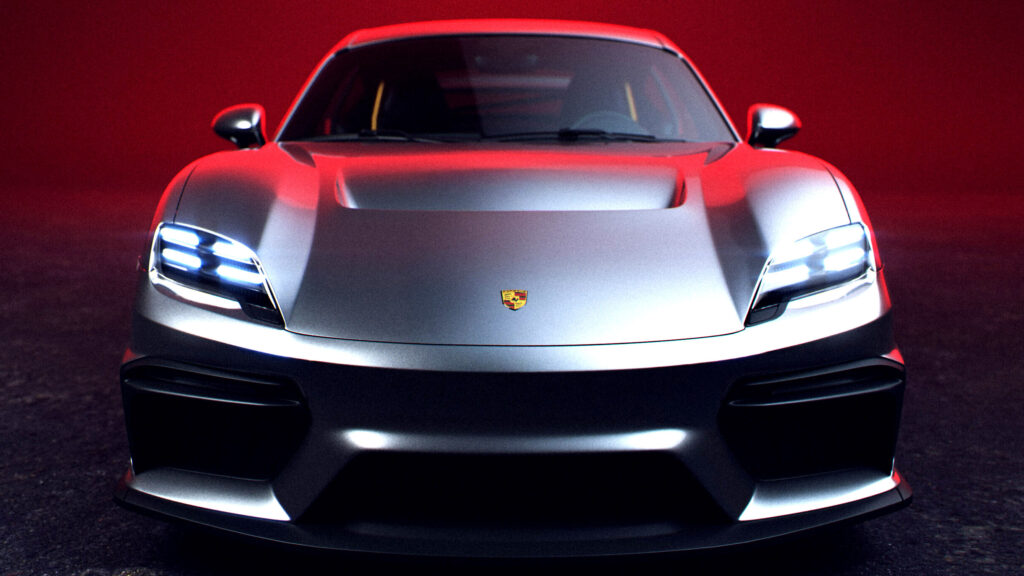
- Next Porsche 718 lineup will reportedly include gas variants.
- Platform re-engineering won’t be limited to flagship versions.
- EV and ICE dynamic parity poses major engineering challenges.
The future of Porsche’s mid-engined sports cars is taking a more complex turn than originally planned. While the next generation of the 718 Boxster and Cayman was initially envisioned as fully electric, market realities have led Porsche to pivot.
Just a few months ago, the brand confirmed that combustion engines would still feature in the flagship variants of the upcoming models. Now, it appears that internal combustion won’t be reserved solely for top-tier versions.
More: Porsche’s Next 718 To Borrow 911 Power But Purists May Not Approve
Sources within Porsche’s Weissach engineering center suggest the company is actively reworking its EV-specific PPE architecture to support gasoline powertrains. This would give the 718 range a true dual-path approach, blending electric innovation with combustion familiarity.
According to Autocar, the reverse-engineering won’t be limited to successors of the Cayman GT4 RS and Boxster Spyder. The internal combustion option is expected to extend across a broader portion of the next-generation lineup, which is slated to debut later this decade.
Platform Revisions In Motion
The strategy centers on extracting maximum efficiency and scalability from shared components across the 718 lineup. According to the report, it marks “one of the most radical drivetrain reversals in Porsche’s history.”
Porsche’s combustion-powered future isn’t limited to the 718 either. A new gasoline version of Macan is in the works and will be sold alongside the existing fully electric model. Both the Panamera and Cayenne are set to retain their combustion engines as well, leaving the Taycan as the brand’s only EV-exclusive offering
Not An Easy Task
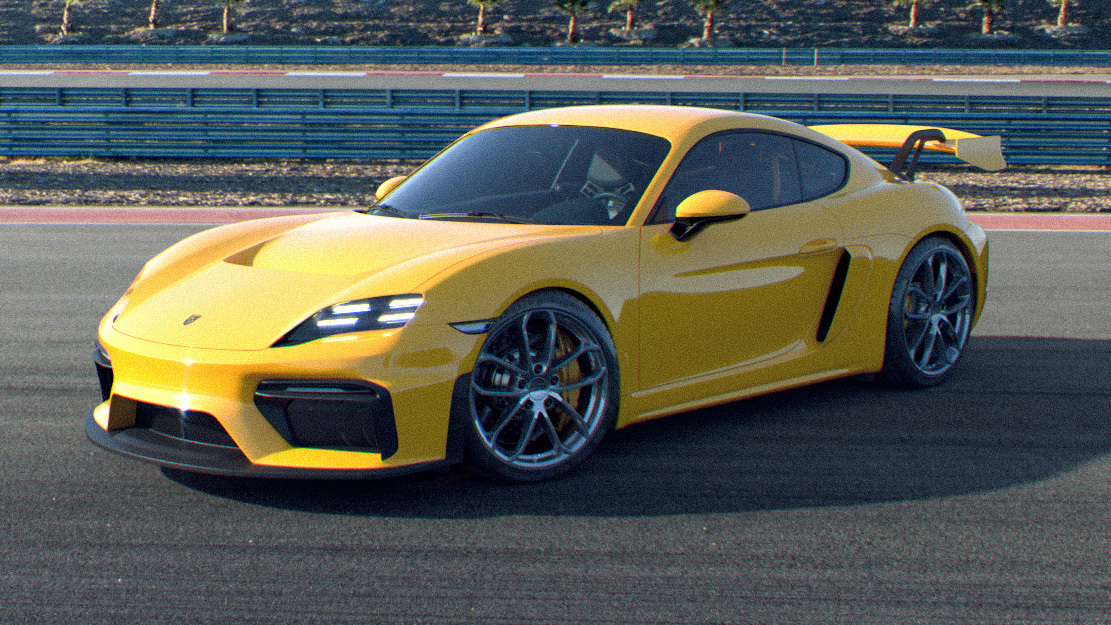
Illustrations: Antoine Brigot / Instagram
Porsche isn’t alone in navigating the complications of reversing from EV-only plans. Stellantis faced a similar challenge when it reworked the Fiat 500’s electric platform to accommodate a mild-hybrid variant. But for performance cars, the stakes are higher. Matching the dynamic character of ICE and EV models presents a far tougher engineering puzzle.
More: Porsche Purists Might Want To Sit Down For This Junior Gas SUV With Front Bias
One major issue is structural: the PPE platform relies on the battery pack as a load-bearing element. Without it, rigidity takes a hit. Porsche engineers have responded by designing a new floor structure, along with significant changes to the rear. That includes a redesigned bulkhead and subframe to house the mid-mounted engine and gearbox.
Baldauf
Furthermore, engineers have to figure out the right packaging for the fuel tank, fuel lines, and exhaust, which are not present in the electric variants.
When it comes to powertrains, Porsche has a few options on the table. One is an upgraded version of the naturally aspirated 4.0-liter flat-six that previously featured in the GTS, GT4, GT4 RS, and Spyder variants. Although this engine was reportedly on the chopping block, it might be reengineered to meet Euro 7 emissions standards.
There’s also speculation around a different solution. Earlier reports pointed to a more compact T-Hybrid system lifted from the updated 992.2 GTS. That setup combines a twin-turbo 3.6-liter flat-six with an electric motor, creating a potential bridge between combustion and electrification.

