
Reading view

There are new articles available, click to refresh the page.

Honda’s 1.2 Million-Car China Peak Is Now A 720,000-Car Retreat

  • Honda and GAC will reportedly close one of the plants they operate together.
  • The report comes as Honda continues restructuring after betting big on EVs.
  • Honda’s Dongfeng joint venture may also see a plant closure due to low ICE sales.

Hot off the back of Honda’s $15.7 billion restructuring costs and a broader EV strategy overhaul announced last month, things aren’t looking good for Honda’s Chinese venture either. At least one of its automobile manufacturing plants in China will be closed by the end of June, according to a recent report.

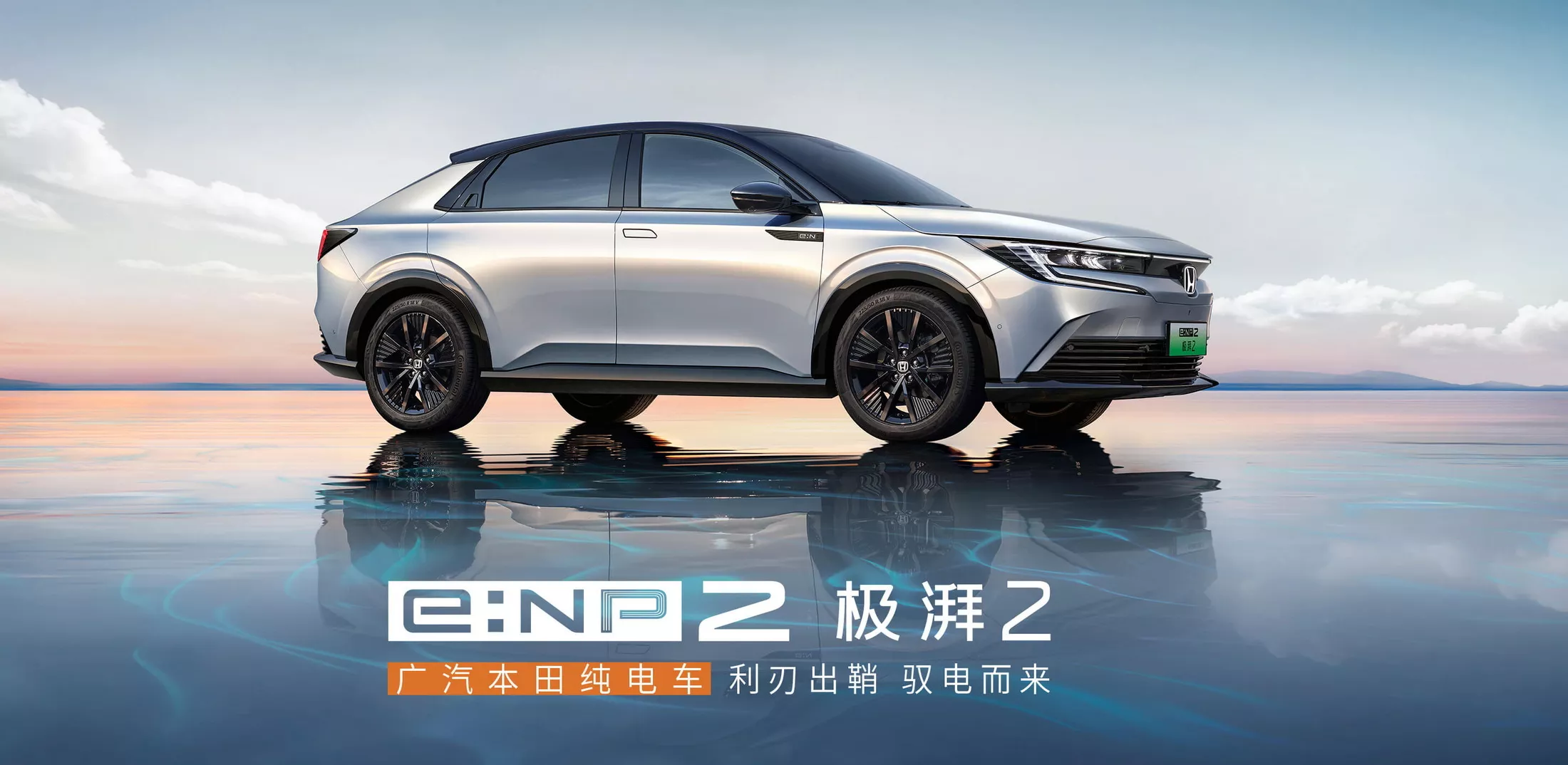
The plant in question is part of their joint venture with Guangzhou Automobile Group (GAC), following Honda’s China sales fall by some 24% in 2025 to just under 647,000 vehicles, roughly half of the 1.2 million sold in 2023.

Read: Honda Went To China, Saw The Future, And Reached Back To The 1960s

According to Reuters, another plant from Honda’s other JV with Dongfeng Motor may be shut soon, as the Japanese automaker tries to keep pace with a rapidly changing market. Demand for traditional petrol vehicles has dropped significantly, and local electric vehicle brands are increasingly taking market share from foreign manufacturers, putting them under increasing strain.

A Turning Point For Honda In China’s Evolving Market 
 Honda’s 1.2 Million-Car China Peak Is Now A 720,000-Car Retreat

Honda has six plants as part of its alliances with GAC and Dongfeng, but sustaining ICE production looks increasingly difficult. Estimates indicate that closing a single ICE plant in each joint venture would halve Honda’s petrol car production capacity in China, dropping from 960,000 to approximately 480,000 cars per year. This would also reduce Honda’s total annual vehicle capacity in the country from 1.2 million to around 720,000.

This comes on the heels of a rough year for the automaker in China, where it posted a steep drop in sales. As yet, there have been no official announcements of closures by the company or its partners, but analysts expect some slowdown.

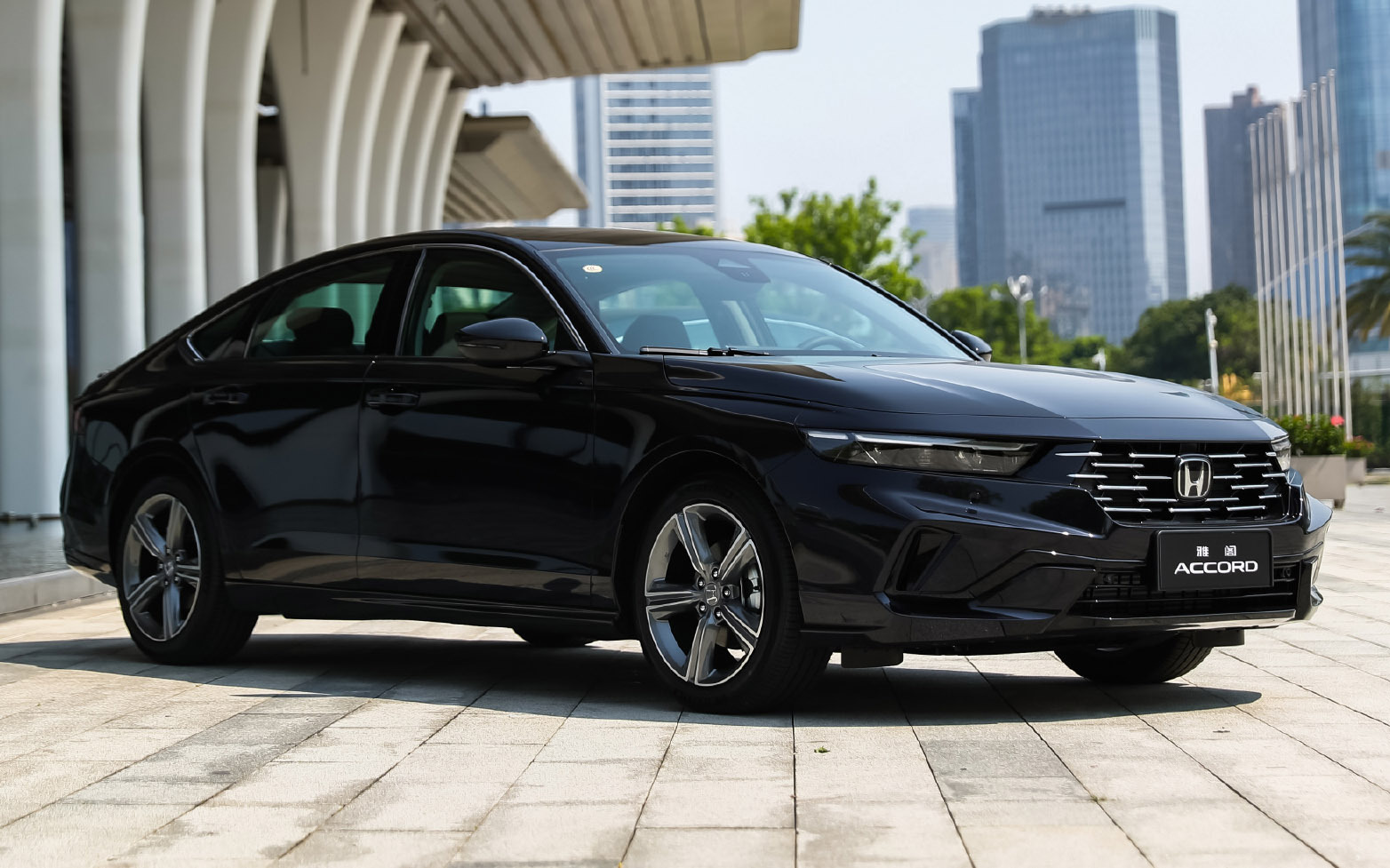
Honda’s ICE offerings have seen some impressive offers, indicative of their poor sales performance. For instance, GAC Honda was offering returning customers a hefty discount of $14,610 (100,000 yuan) off a new Accord e: PHEV earlier in the year.

The bigger picture is to shift investment toward electric vehicles, although Honda’s EV growth in China will likely remain slow, as competitors already outpace them in tech and consumers increasingly prefer cars better optimized for local integration and cutting-edge software.
 Honda’s 1.2 Million-Car China Peak Is Now A 720,000-Car Retreat

China Isn’t Buying Porsches, But It Sure Loves Making Ones That Look Like Them

  • The Aistaland GT7 mirrors the looks of the Taycan Sport Turismo.
  • It rides on an 800-volt architecture offering up to three motors.
  • The new model is set for its full debut at April’s Beijing Auto Show.

Porsche took a heavy hit in China last year, with sales tumbling 26 percent from 56,887 units to 41,938, a drop steep enough to force significant dealership cuts. While it continues to sell some very compelling cars, the rise of local brands offering similarly styled models at much lower prices has chipped away at Porsche’s luster. With EVs like this entering the scene, it’s not hard to see why.

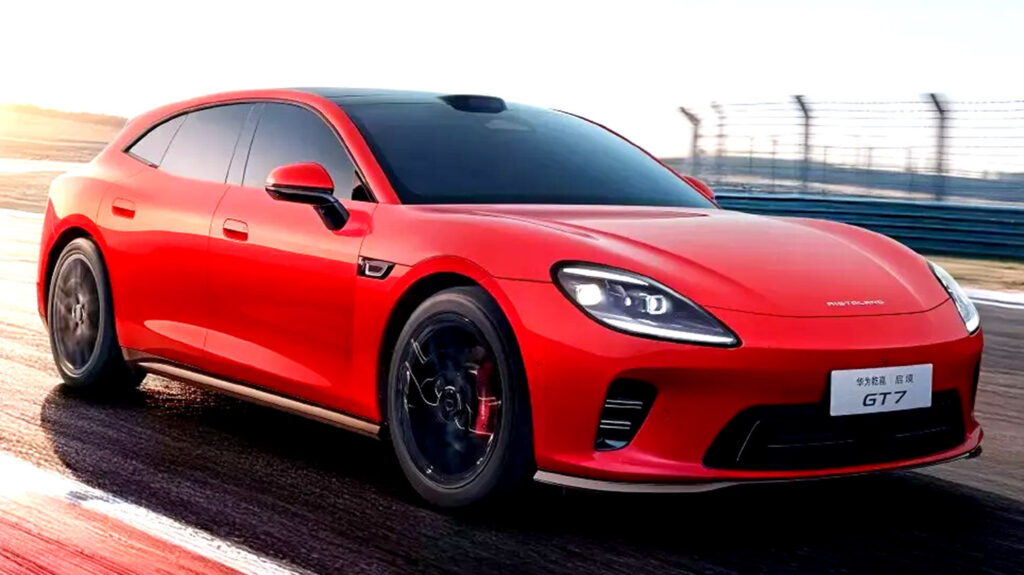
What you’re looking at is an all-electric estate that clearly draws inspiration from the Porsche Taycan Sport Turismo. And no, this isn’t another take on the Xiaomi SU7, the SAIC Z7 unveiled a couple of weeks ago, or the upcoming MG 07 from the same company, even if all of them wear their Taycan influences quite openly.

Read: Porsche Is Shutting Down A Third Of Its Dealerships In China

Instead, this EV is called the GT7 and comes from Aistaland, a newly formed brand backed by Huawei and GAC. It will join the HIMA alliance, which already includes Aito, Luxeed, Maextro, Shangjie, and Stelato. For whatever reason, Chinese brands seem to have developed a habit of using the number ‘7’ for their Taycan-style lookalikes.

European Design With Chinese Tech

\\\\\\\\\\\\\\\\

The GT7 will be unveiled in full next month, but at this stage, we know it’s 198.9 inches (5,050 mm) long, 77.9 inches (1,980 mm) wide, 57.9 inches (1,470 mm) tall, and rides on a 118.1-inch (3,000 mm) wheelbase. It uses an advanced 800-volt electrical architecture and will be available with up to three electric motors, one at the front axle and two at the rear.

There’s no word on how much power the GT7 will have, nor what kind of driving range it’ll hit the market with. But given that the Xiaomi SU7 delivers 664 hp in flagship dual-motor guise and 1,527 hp in the tri-motor SU7 Ultra, the GT7 will likely have output somewhere between those two models.

A Cut-Price Taycan

\\\\\\\\

Obviously, the GT7 doesn’t just echo the Porsche Taycan in the way it’s engineered; it leans heavily on it for visual inspiration too. Up front, things are kept relatively clean, with large teardrop-shaped headlights and a small black grille doing most of the work. From the side, it’s even more familiar, with matching door handle placement and a shoulder line that could easily pass for Stuttgart’s handiwork.

The resemblance continues at the rear, where a full-width LED light bar closely echoes the Taycan’s look. Aistaland also seems to have taken a cue from the latest Tesla Model Y, adding two cut-outs above the light bar that glow red and give off a faint jet-thruster vibe.

There’s still no sign of the interior, and pricing remains unknown. However, if it lands close to the Xiaomi SU7, which starts at 229,900 yuan ($33,400), and the Z7, expected to begin around the same point, it would sit dramatically below the Porsche. In China, the Taycan starts at 918,000 yuan ($126,000) for the sedan and 1,008,000 yuan ($138,000) for the Sport Turismo, making Porsche’s position in China even harder to defend.

\\\\\\\\\\\\\\\
❌