❌

Normal view

There are new articles available, click to refresh the page.
Yesterday — 6 October 2026Electric Vehicles - Latest News | Carscoops

VinFast Isn’t Ready To Give Up On The US, Despite Its Woeful Sales

  • VinFast sold a measly 389 vehicles in the US through the first seven months of the year.
  • Despite the poor sales, VinFast remains committed to building a plant in the US.
  • VinFast has secured three new franchised agreements with dealers in California and Philadelphia.

The American car market is a difficult one to crack; just ask VinFast. In the three years since it started selling EVs locally, it’s delivered a few thousand of them, and it’s also had to slash the number of dealerships it operates across the country. Despite this, VinFast isn’t ready to give up on the US.

The Vietnamese company initially launched in California, before expanding into other states throughout 2024 and 2025. At one point, it said it had secured agreements with 38 dealers across the country, but as of the end of 2025, it was operating fewer than two dozen dealerships. Things aren’t looking good.

Read: VinFast Sold Less Than 1,500 Cars In The US, So Naturally It’s Building A Factory

Then there’s the sales. Through the first seven months of this year, VinFast sold just 389 vehicles, a 63 percent decline from the previous year. To put that into perspective, Rivian sold 12,613 vehicles in the second quarter alone, and its vehicles are much pricier than VinFast’s. Things are so bad for VinFast that average incentives on the VF 8 sit at $19,000 per vehicle, while average incentives on the larger VF 9 are almost $20,000. It would seem the writing is on the wall for the brand.

VinFast Isn’t Going Anywhere
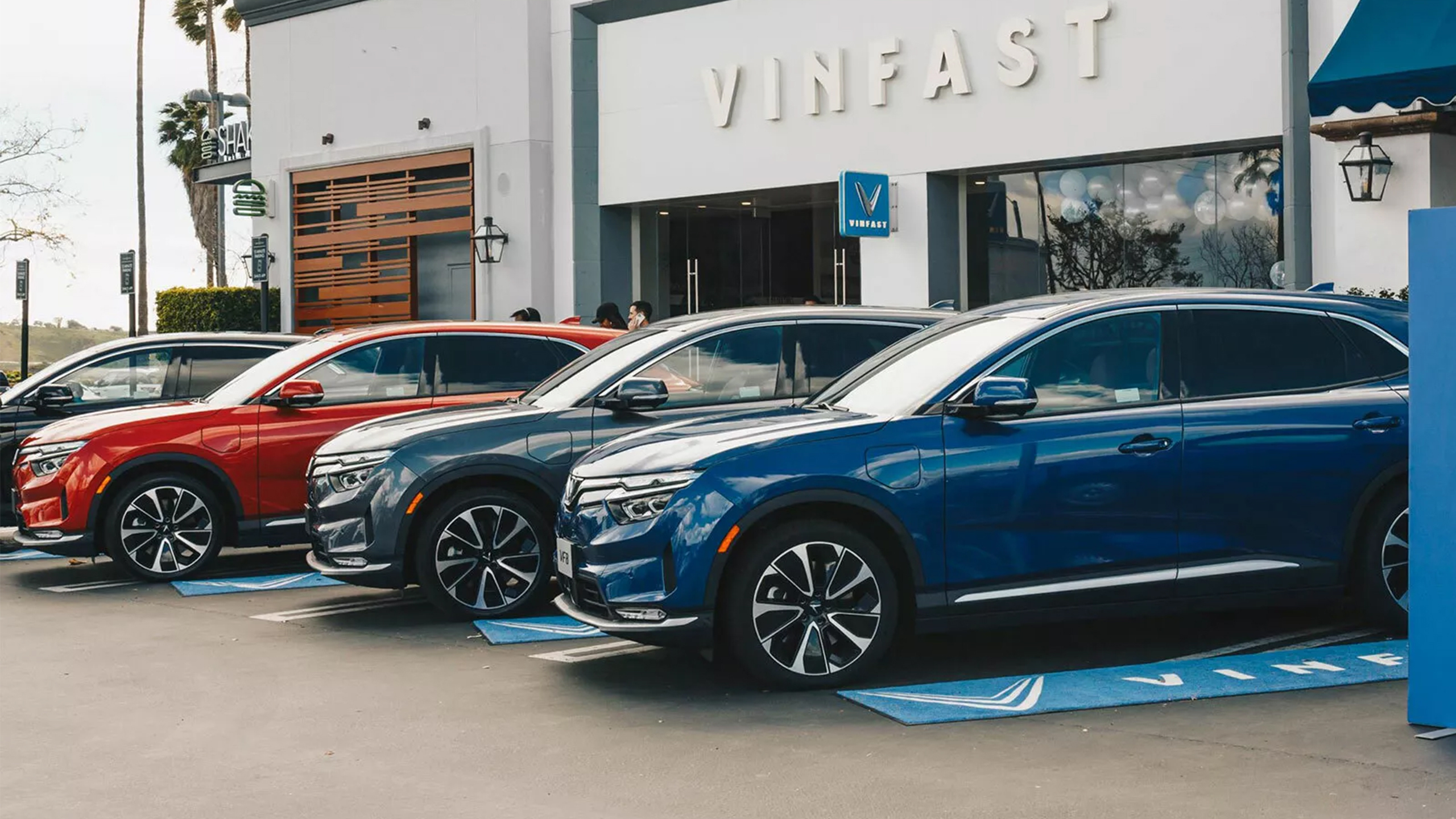
 VinFast Isn’t Ready To Give Up On The US, Despite Its Woeful Sales

However, VinFast insists it isn’t going anywhere. It has secured franchise agreements for dealerships in Tustin, California, Redondo Beach, California, and one in Philadelphia. VinFast North America chief executive Brian Finnerty says the brand has a long-term commitment to the US.

“Our vision is clear: VinFast is continuing to build for the next phase of growth by investing in the customer experience, strengthening our team, continuously enhancing our products, policies, and sales and service network,” he said. “These new dealerships will ensure customers can access comprehensive sales, maintenance, and warranty support right in their local communities. This is more than an expansion of our network. It is a long-term commitment by VinFast to the U.S. market as we enter our next chapter of growth.”
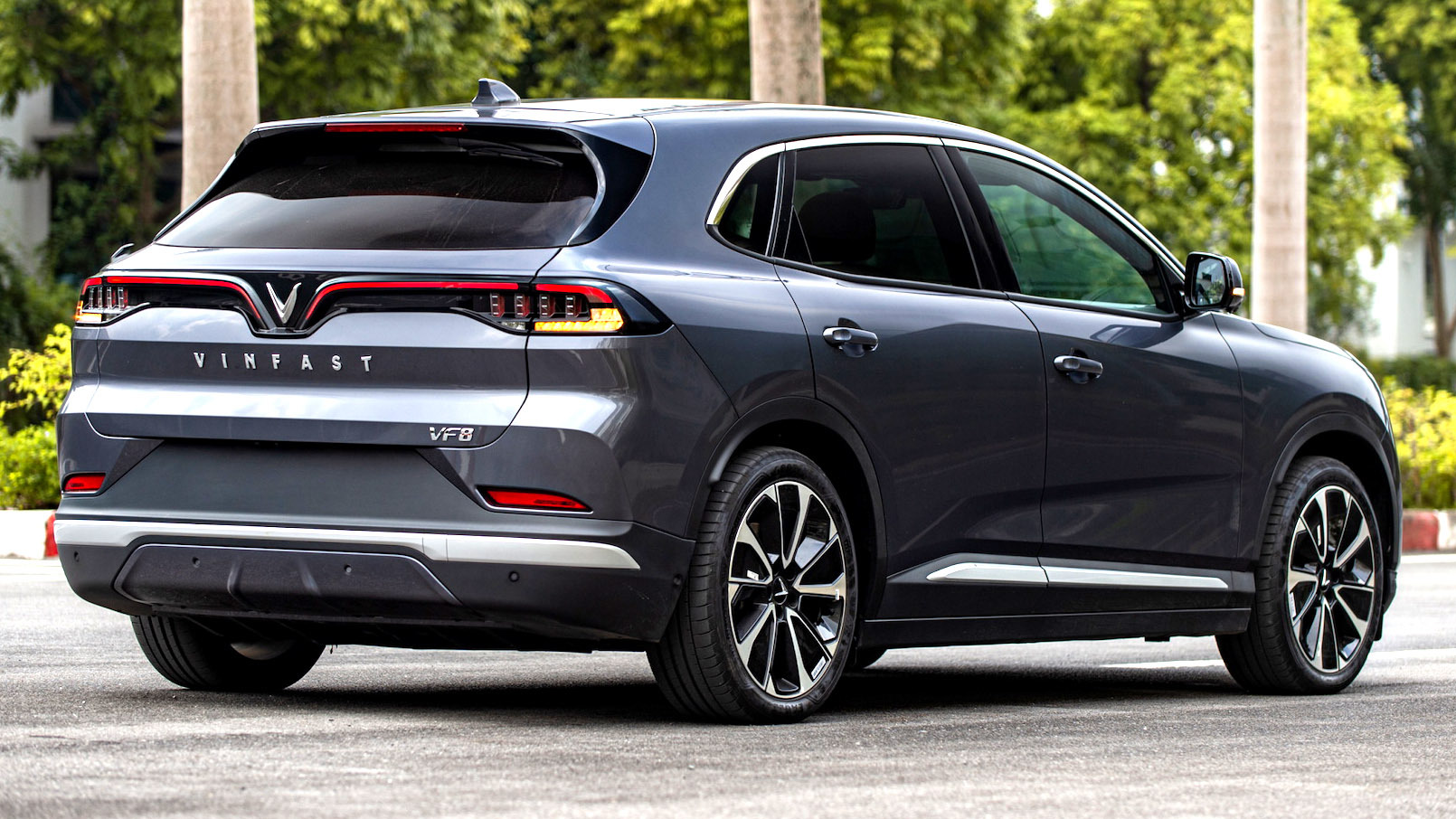
 VinFast Isn’t Ready To Give Up On The US, Despite Its Woeful Sales

This all sounds very good, but VinFast dealerships are still selling 2024 VF 9 and 2025 VF 8 models, underscoring how hard it’s proving to be for dealerships to sell these EVs.

Ambitious plans to establish a factory in the US have also been delayed multiple times. Initially, this plant in North Carolina was scheduled to start building vehicles in mid-2024, but earlier this year, VinFast pushed that date back to 2028.
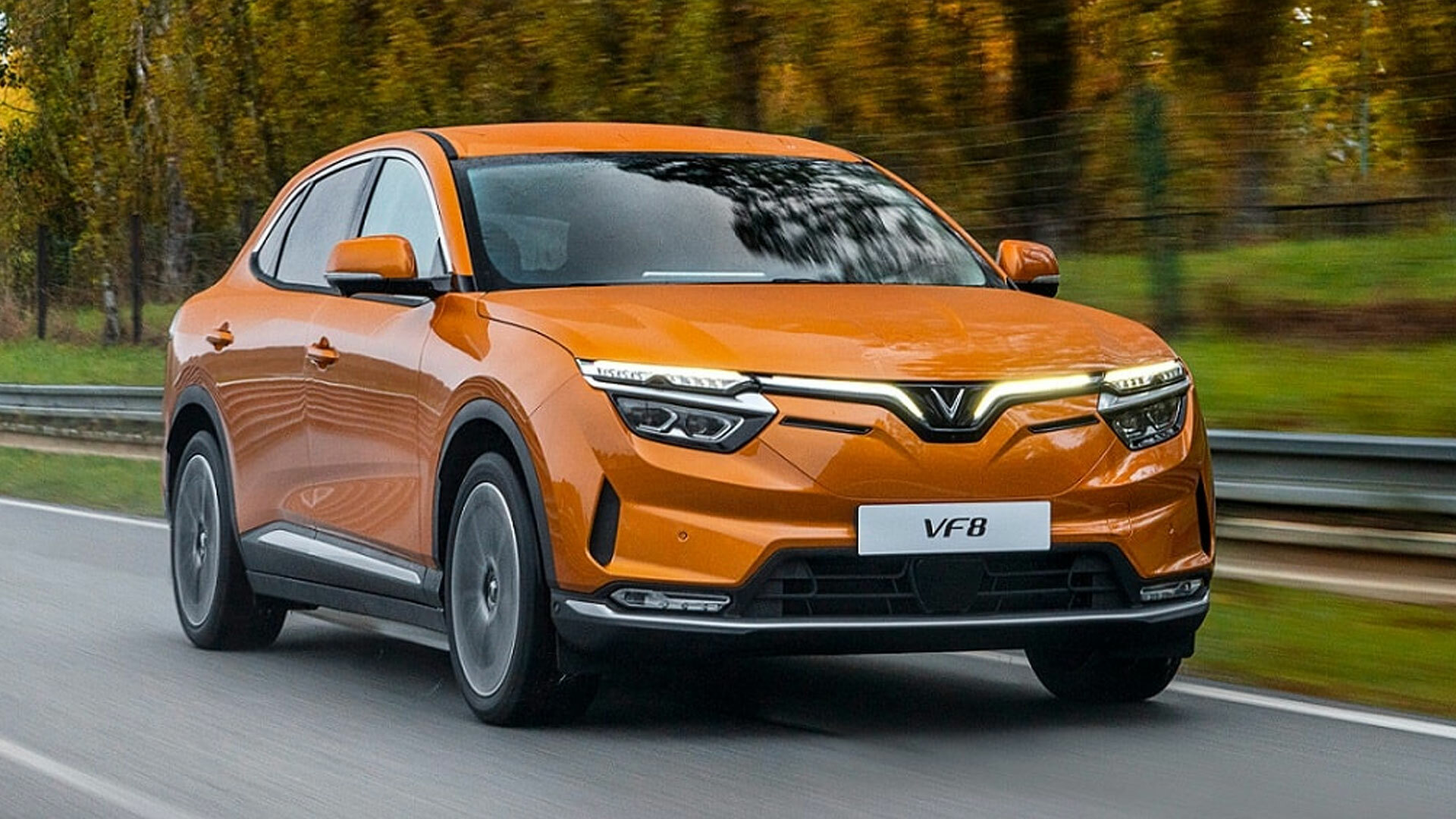

 VinFast Isn’t Ready To Give Up On The US, Despite Its Woeful Sales
Before yesterdayElectric Vehicles - Latest News | Carscoops

Saudi Arabia’s Ceer EVs Look Fake, But They’re Very Real

  • Ceer has unveiled a pair of electric models with up to 1,111 hp.
  • The Exobot has the longest windshield of any production car.
  • The EVs will initially launch in First Edition guise with 850 hp.

After several years of promises and testing, Saudi Arabia’s homegrown Ceer brand has unveiled a pair of radical EVs that look more like concept cars than real-life, production models. However, they are very real and will be manufactured at a dedicated plant in King Abdullah Economic City.

The new model is dubbed Exobot and will be sold in sedan and SUV configurations. We’ve seen plenty of bold EVs premiere from newly established companies in recent years, and often, they never see the light of day. While it’d be easy to assume the same could happen here, Saudi Arabia certainly has the funds to ensure Ceer’s models do hit local roads, although convincing locals to buy them may prove challenging.

Read: This Wedge-Shaped EV Is The Strangest SUV You’ll See This Year

Both the sedan and SUV stand out from other production cars thanks to steeply raked, almost perfectly flat, windshields which stretch seamlessly into the hood. According to Ceer, the Exobot has the largest windshield ever fitted to a production car, measuring 94.4 inches (2.4 meters) in length. Both versions feature narrow headlights and daytime running lights, while the SUV also rocks a rugged-looking bumper.

Big Dimensions, Big Power

\\\\\\\\\

Ceer’s two EVs are also very big. The sedan is 207 inches (5.26 meters) long, 82.6 inches (2.1 meters) wide, and sits just 56.2 inches (1.43 meters) high, while the SUV is slightly shorter at 197.6 inches (5.02 meters), 82.6 inches (2.1 meters) wide, and 66.5 inches (1.69 meters) tall. Both have gullwing-style doors, or as Ceer describes them, Shahin Wing Doors, inspired by the Shahin falcon.

More: A Legendary Design House’s Final Masterpiece Has Resurfaced

Ceer hasn’t developed the Exobot alone. The brand was established as a joint venture with Foxconn and is understood to be using electric drive systems from BMW.

The Exobot uses three electric motors, combining to produce 1,111 hp and 1,106 lbs (1,500 Nm) of torque in the highest specification, allowing the sedan to hit 62 mph (100 km/h) in 2.1 seconds and a top speed of 155 mph (250 km/h). The SUV is a little slower, but can still reach 62 mph in 2.4 seconds and top out at 130 mph (210 km/h).

\\\\\\\\\\\\\\\\\\\

Initially, the Exobot will be sold in a limited-run First Edition guise. This model will produce 850 hp and 738 lb-ft (1,000 Nm), allowing the sedan to hit 62 mph in 2.6 seconds, while the SUV will require 2.9 seconds.

More: This Wedge-Shaped EV Is The Strangest SUV You’ll See This Year

Both versions will rock a 112 kWh battery, giving the sedan 416 miles (670 km) of range and the SUV a solid 348 miles (560 km) of range. Thanks to the 800-volt setup, charging from 10-80 percent will reportedly take less than 30 minutes.

Given all the glass used in the Exobot’s construction and the scorching temperatures in Saudi Arabia, one might expect the EVs to quickly turn into a sauna the moment the sun rises. Ceer says its solution is triple silver-coated glass and a powerful cooling system that can reduce cabin temperatures from 65°C (149°F) to 32°C (90°F) within 10 minutes.

What Else Is Coming?

\\\\\\\\\\\\\\\\

Other key cabin features include a 48-inch screen across the top of the dashboard, a 10.4-inch central infotainment screen, and an 8-inch display for the rear passengers. There’s also a yoke-style steering wheel, an advanced AI-powered voice assistant, and support for over-the-air updates. Ceer is also promising hands-free self-driving with point-to-point navigation, although it hasn’t said where it’s sourcing its autonomous software and hardware features from.

Pricing details haven’t been confirmed. Ceer will follow up the Exobot with five other models between 2028 and 2030. Initially, the company was only going to build EVs, but it has since tweaked its plans to also include plug-in hybrids and pure combustion-powered models.

 Saudi Arabia’s Ceer EVs Look Fake, But They’re Very Real

Ceer

Tiny, Slow, And Super Cheap: The VinFast VF 2 Could Come To America And Europe

  • VinFast has suggested the tiny VF 2 could eventually be sold outside Vietnam.
  • The two-door microcar has 40 hp, a top speed of 50 mph, and 130 miles of range.
  • Company implied it could be positioned as a golf cart alternative like the Topolino.

VinFast had grand ambitions, but things didn’t go according to plan. However, the company isn’t giving up and recently hinted their new microcar could eventually come to Europe and the United States.

In a meandering press release, VinFast Canada said the “microcar is quietly making a comeback.” They went on to note the success of the Citroën Ami and Fiat Topolino, the latter of which is now available in America.

More: Stellantis’ Cheapest New Vehicle In America Is A $14K Fiat You Can’t Take On The Highway

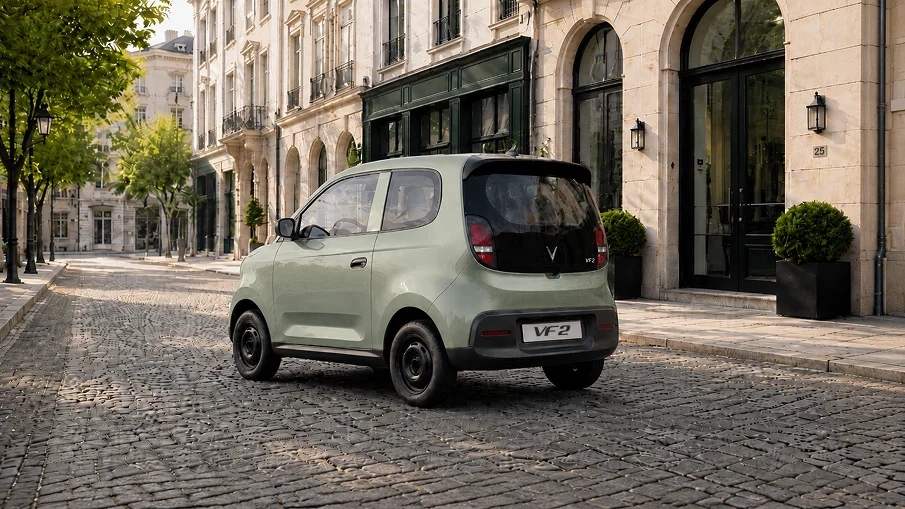
The company then pivoted to the VF 2, which is their smallest model. The two-door, four-seater measures 121.7 inches (3,090 mm) long, 58.9 inches (1,496 mm) wide, and 65.5 inches (1,663 mm) tall with a wheelbase that spans 81.3 inches (2,065 mm). To put those numbers into perspective, the Fiat 500e is over 21.3 inches (540 mm) longer.

While the VF 2 is tiny, it only costs $7,214 (đ188 million) in Vietnam, which is “roughly as much as a premium motorcycle.” Despite the bargain basement pricing, the company noted the model has LED headlights, air conditioning, a 7-inch display, and 13-inch alloy wheels. They’re joined by a handful of safety features including a driver’s airbag, anti-lock brakes, and a traction control system.

\\\\

Power comes from an 18.3 kWh battery pack, which feeds a rear-mounted motor developing 40 hp (30 kW / 41 PS) and 48 lb-ft (65 Nm) of torque. This enables the car to have an NEDC range of up to 130 miles (210 km). When the battery is low, a 24 kW DC fast charger can take it from 10% to 70% in approximately 34 minutes.

Those numbers aren’t very impressive, but VinFast noted they’d be perfect for the “urban commuter who drives alone.” That’s a relatively niche market, but a super cheap car certainly has some appeal, even if the top speed is limited to 50 mph (80 km/h).

\\\

While the automaker acknowledged they haven’t announced plans to bring the VF 2 to North America or Europe, they added such a decision “would not be entirely out of place.” The company went on to say that, “In many developed markets, even entry-level vehicles have become increasingly expensive, with the average new vehicle selling for more than $50,000 by the end of last year.” This suggests they see a place for something far cheaper.

The company went on to imply the VF 2 could follow in the footsteps of the Topolino and be positioned as an alternative to golf carts for neighborhood transportation. As they noted, “Walk through many newly developed residential communities in the world today, and it is no longer unusual to see golf carts being driven well beyond the golf course. Their popularity suggests there is demand for small, simple vehicles designed primarily for short urban trips.”

 Tiny, Slow, And Super Cheap: The VinFast VF 2 Could Come To America And Europe

A British Startup Is Building Qatar’s First EV Factory Before Its Own

  • A host of EVs will be developed in the UK and then built in Qatar.
  • WEVC has partnered with a large investment group to make it happen.
  • An advanced new EV plant will help boost Qatar’s manufacturing prowess.

British EV manufacturer WEVC has spent years promising a fleet of EVs, but to date it hasn’t started building them en masse. That’s about to change following confirmation of a long-term strategic partnership that will see it build models in Qatar at the nation’s first dedicated EV manufacturing plant.

Read: WEVC’s eCV1 Prototype Electric Truck Has A Central Driving Position And Is Lighter Than You’d Expect

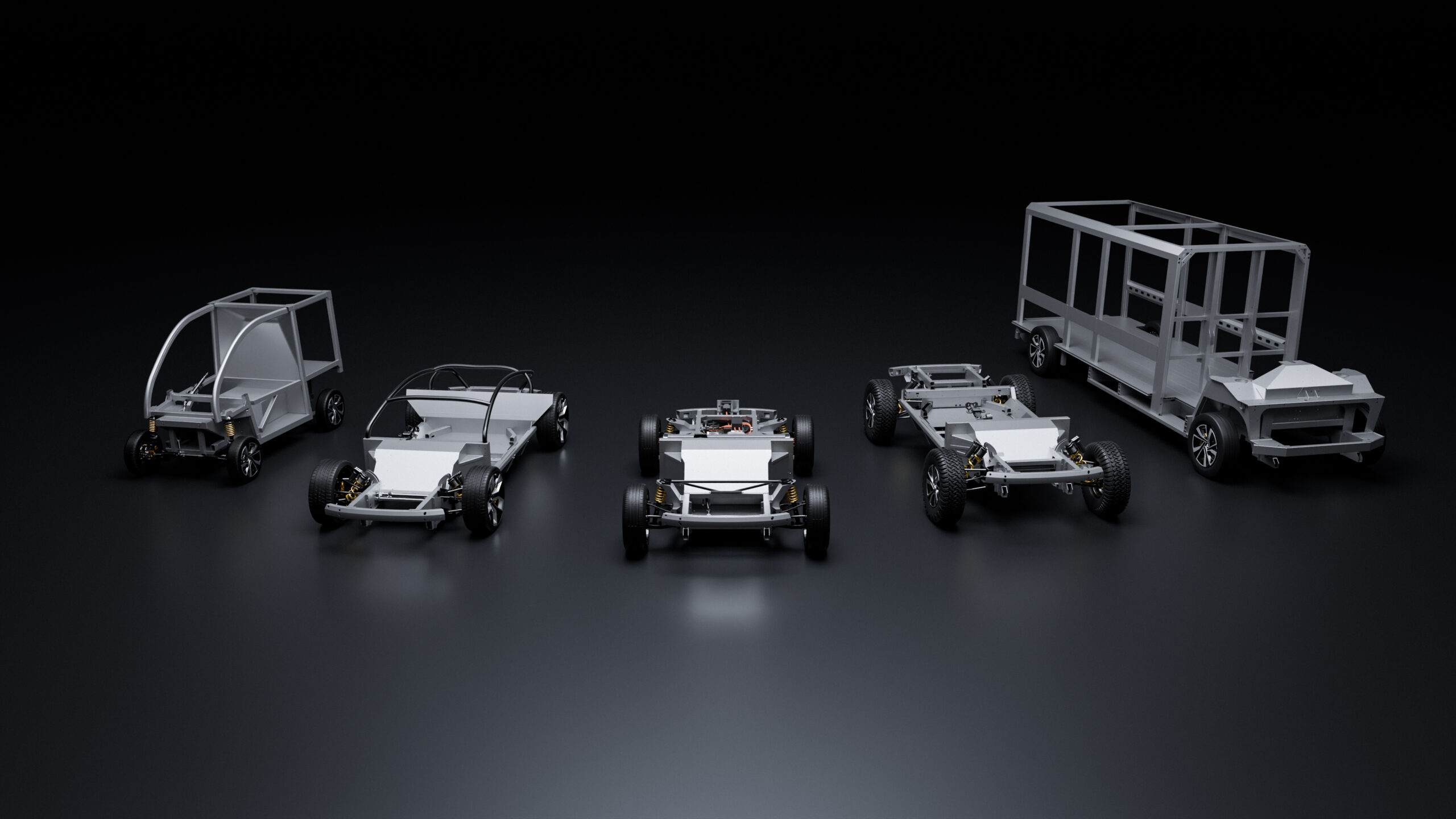
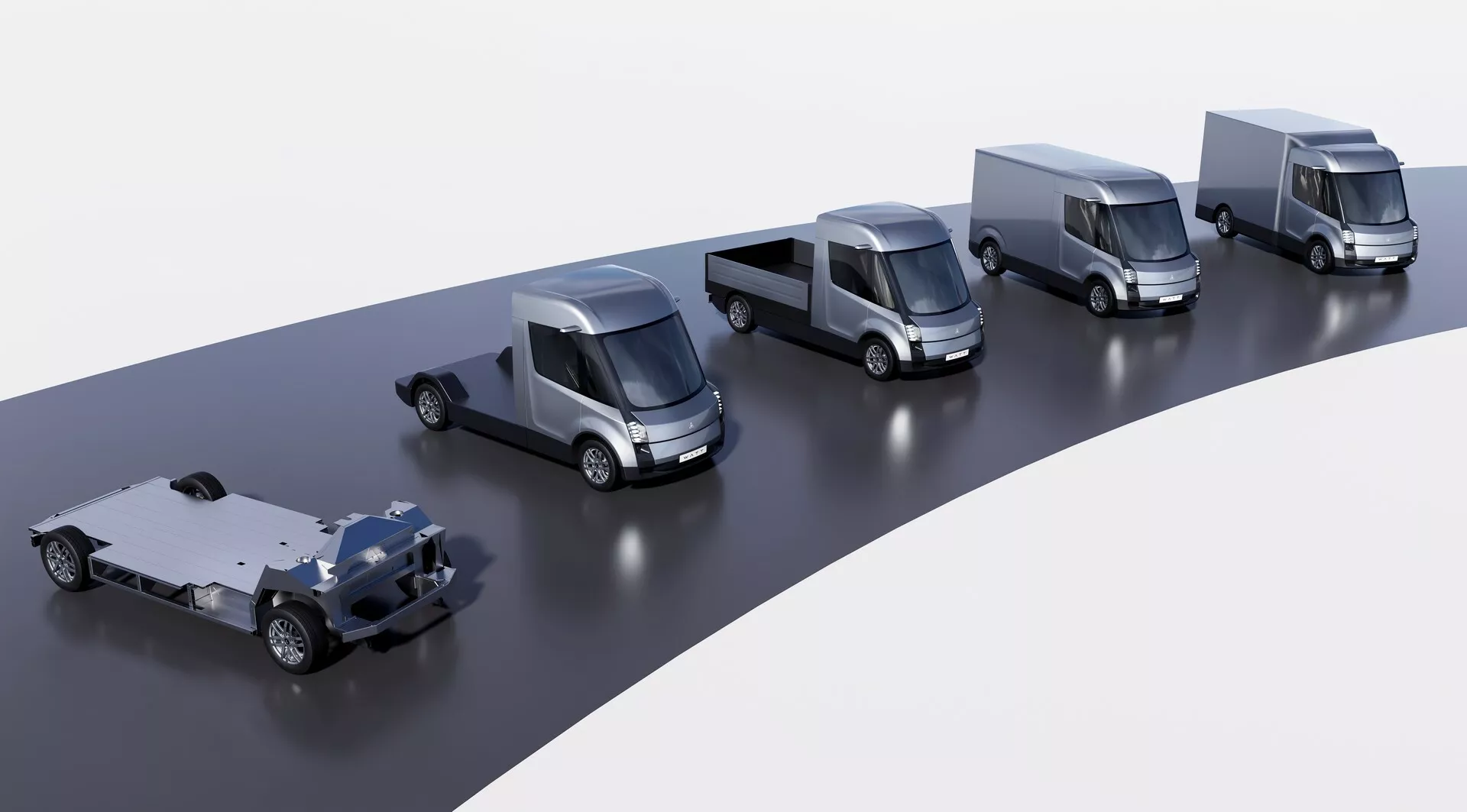
WEVC, also known as Watt Electric Vehicle Company, recently unveiled its bespoke PACES platform, capable of supporting a wide array of vehicles, ranging from L7e quadricycles to passenger cars, sports cars, and even commercial vehicles and trucks. Its partnership in Qatar is with JTA International Investment Holding (JTA), a locally based international investment group headquartered in Doha.

 A British Startup Is Building Qatar’s First EV Factory Before Its Own

Future vehicles from WEVC will be engineered in the UK and manufactured at the new site in Qatar. Initially, this plant will handle the production of models for the local market before expanding to export models to the GCC and several as-yet-unspecified international markets.

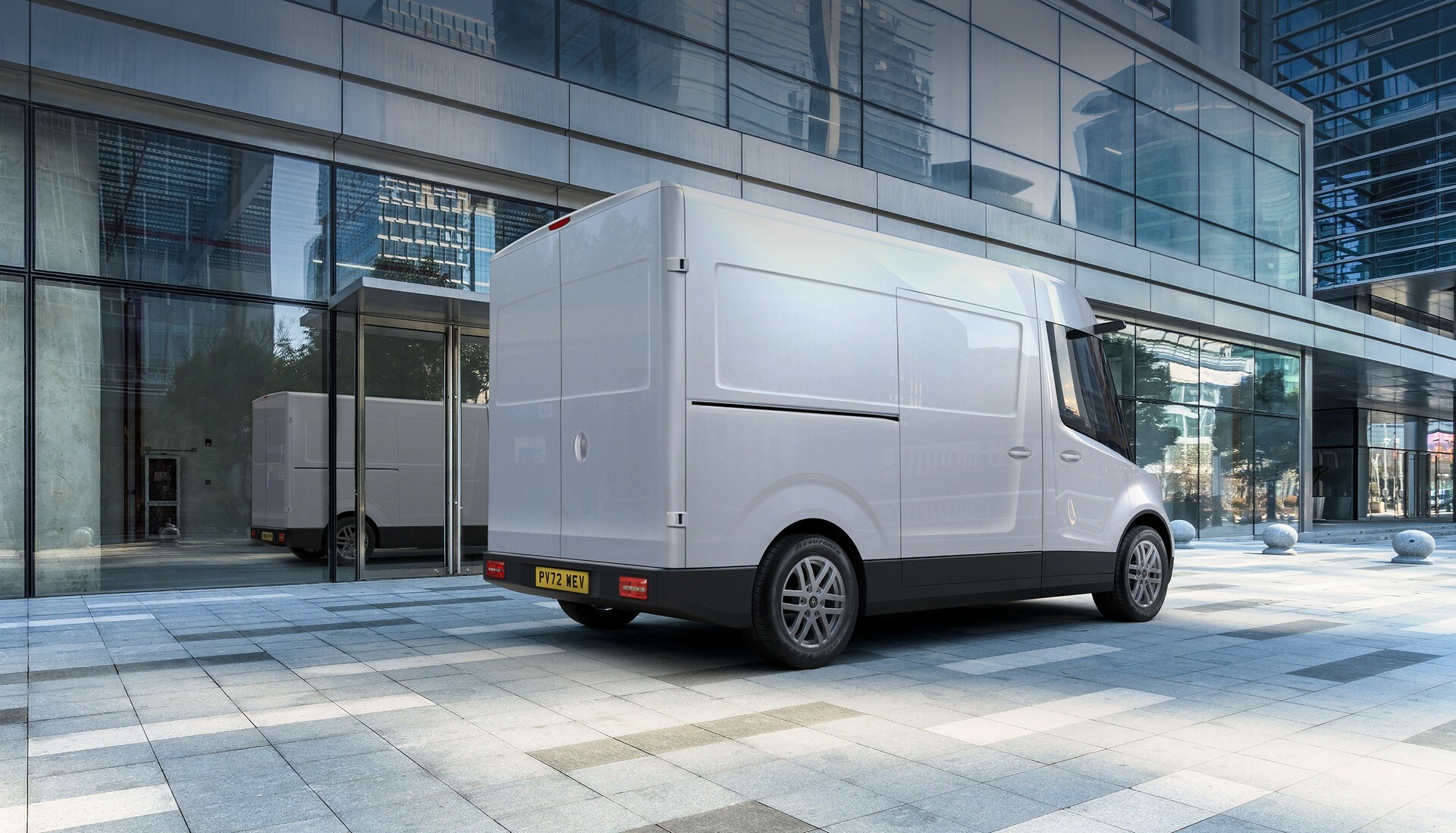
According to a report from Autocar, the factory will start with two models, a passenger car and a medium-sized delivery van along the lines of WEVC’s own eCV1, with manufacturing expected to begin in early 2028 at around 5,000 units a year before expanding well beyond that.

WEVC founder and CEO Neil Yates told the magazine that the Qatar deal is meant to accelerate the company’s existing plan to build its own EV manufacturing plant in the UK, with the Gulf facility acting as the forerunner to similar satellite operations planned in the US and Asia. In other words, WEVC is standing up its first volume factory abroad before the one at home.

A Boost For WEVC And Qatar

 A British Startup Is Building Qatar’s First EV Factory Before Its Own

“Our partnership with JTA Investment Holding marks a defining milestone in WATT’s international growth,” founder and chief executive Neil Yates said. “Our proprietary electric vehicle platform, developed and validated in the United Kingdom, enables the rapid and commercially efficient development of highly customised electric vehicles while significantly reducing development time and manufacturing costs.”

Included within the partnership will be every stage of vehicle development, starting with proprietary platform technology through to vehicle engineering, product development, and production planning. WEVC says its lightweight aluminum architecture and EV platform will enable shorter development cycles, more manufacturing flexibility, and lead to the creation of highly customized vehicles.

The partnership is also pitched as a win for the wider Qatari economy, strengthening local supply chains and building up a more skilled automotive workforce.

 A British Startup Is Building Qatar’s First EV Factory Before Its Own
WEVC eCV1
❌
❌