Normal view

There are new articles available, click to refresh the page.
Today — 10 February 2026Main stream

Stellantis Traded A $5B EV Battery Plant For A Nice Dinner In Toronto

  • Stellantis is selling their stake in NextStar Energy for just $100.
  • Move comes amid lackluster EV sales and changing regulations.
  • LG is shifting focus from EVs to energy storage systems.

Stellantis is pivoting away from electric vehicles as the company embraces the ‘power of choice.’ This has cost them billions and they’re selling their 49% stake in NextStar Energy to LG Energy Solution.

This is an interesting development as the NextStar Energy joint venture was established in 2022 and aimed to create Canada’s first large-scale battery manufacturing facility in Windsor. The plant was originally designed to employ approximately 2,500 people and have an annual production capacity of more than 45 gigawatt hours.

More: Stellantis’ Big Bet On EVs Was A $20 Billion Mistake

Battery module production began in the fall of 2024 and mass production of lithium-ion battery cells followed in November of 2025. While more than $3.7 billion ($5 billion CAD) has been invested into the facility, a lot has changed since 2022.

Electric vehicle adoption has grown more slowly than many automakers anticipated and the Trump administration recently eliminated federal tax credits. On top of that, tariffs have complicated things and automakers are now turning their attention away from EVs.

Stellantis didn’t go into many specifics, but called the move a “strategic decision” that was mutually agreed upon. They went on to describe themselves as a “committed customer” that “will continue to source battery products from NextStar Energy.”
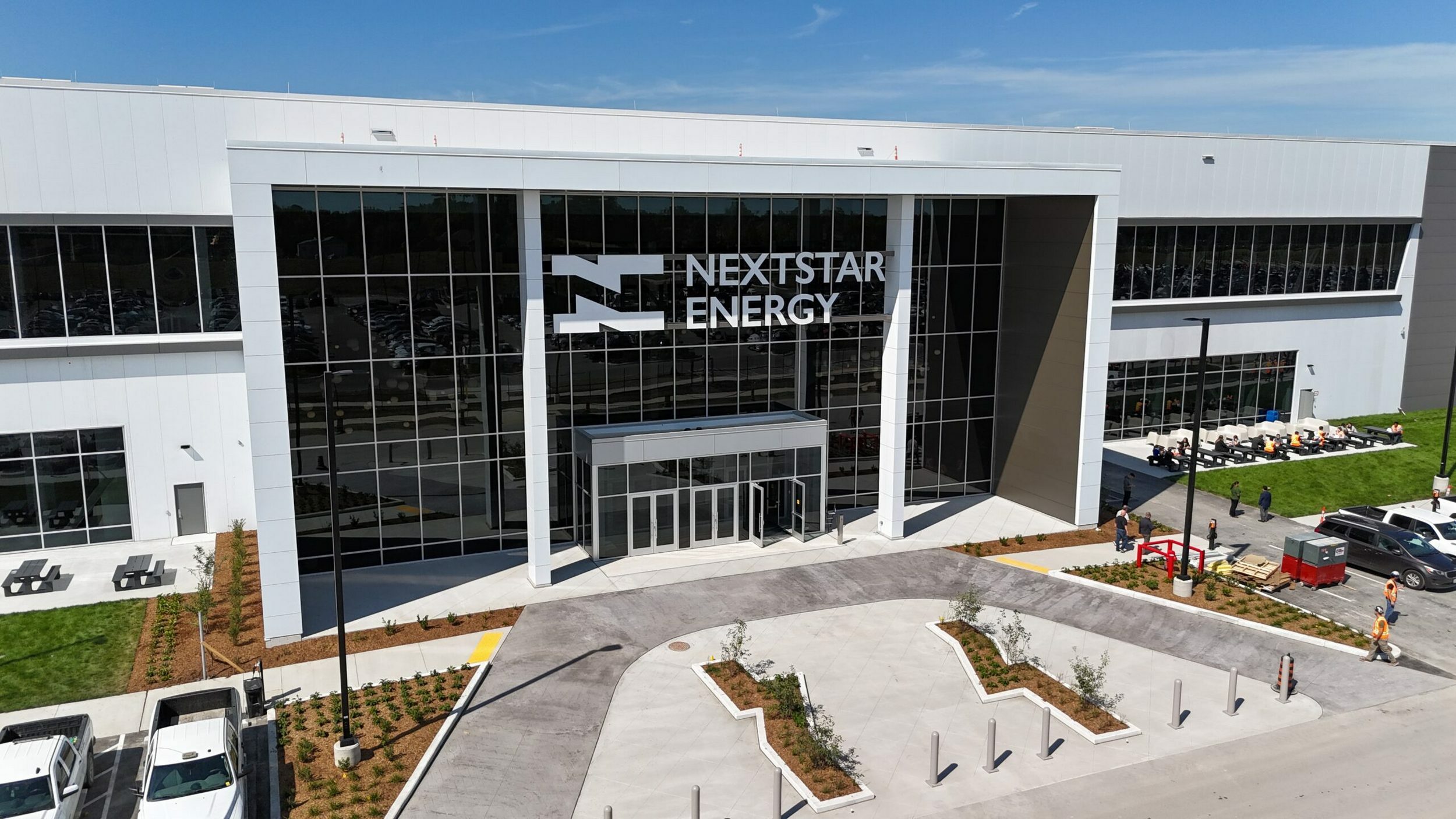
 Stellantis Traded A $5B EV Battery Plant For A Nice Dinner In Toronto

Stellantis CEO Antonio Filosa said, “By enabling LG Energy Solution to fully leverage the Windsor facility’s capacity, we are strengthening its long-term viability while securing the battery supply for our electric vehicles. This is a smart, strategic step that supports our customers, our Canadian operations, and our global electrification roadmap.”

Those sentiments were echoed by LG Energy Solution CEO David Kim, who stated “LG Energy Solution sees growth opportunities in North America by situating a key production hub in Canada. Full ownership of NextStar Energy will enable us to respond swiftly to the growing demand from the ESS [Energy Storage System] market and position us to play a key role in Canada’s EV industry by securing additional North American-based customers.”

Despite the upbeat rhetoric, The Detroit News reports Stellantis sold their stake for just $100. That’s a token amount, especially given the sizable investment into the facility.
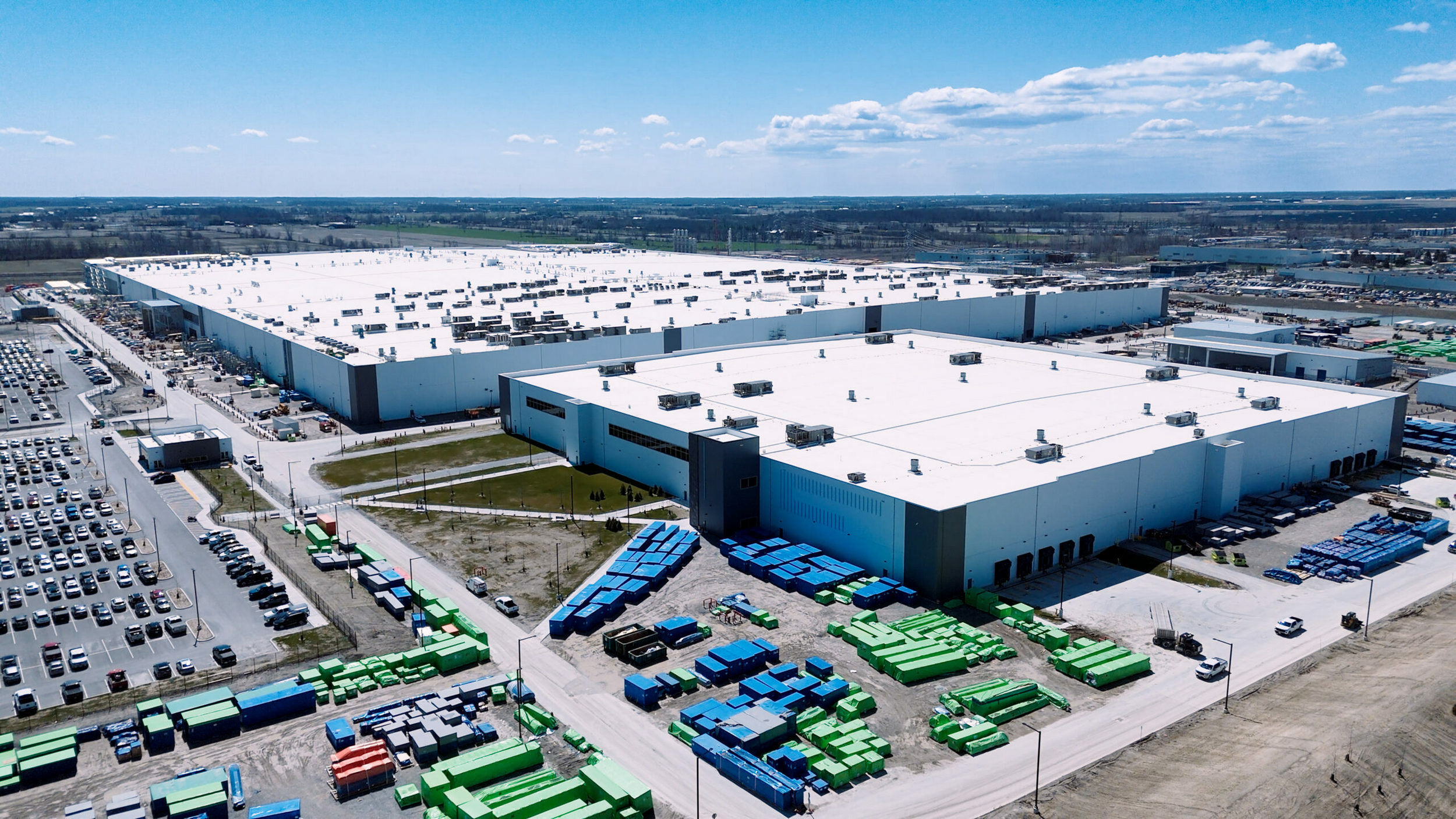
 Stellantis Traded A $5B EV Battery Plant For A Nice Dinner In Toronto
Before yesterdayMain stream

Ford Kills Major Battery Deal As EV Plans Rapidly Unravel

  • Ford ended a $6.5B battery deal with LG due to EV demand.
  • LG disclosed cancellation in a regulatory filing this past week.
  • The deal was set to power over 500,000 Ford EVs per year.

Just days after dialing back its electric vehicle plans, and barely a week after abandoning its $11.4 billion battery venture with South Korean firm SK On, Ford has now cancelled another high-stakes battery deal. The automaker has scrapped a $6.5 billion agreement with LG Energy Solution, citing shifting market conditions and a cooling appetite for electric vehicles.

Read: Ford Pulled The Plug On More EVs Than You Realize

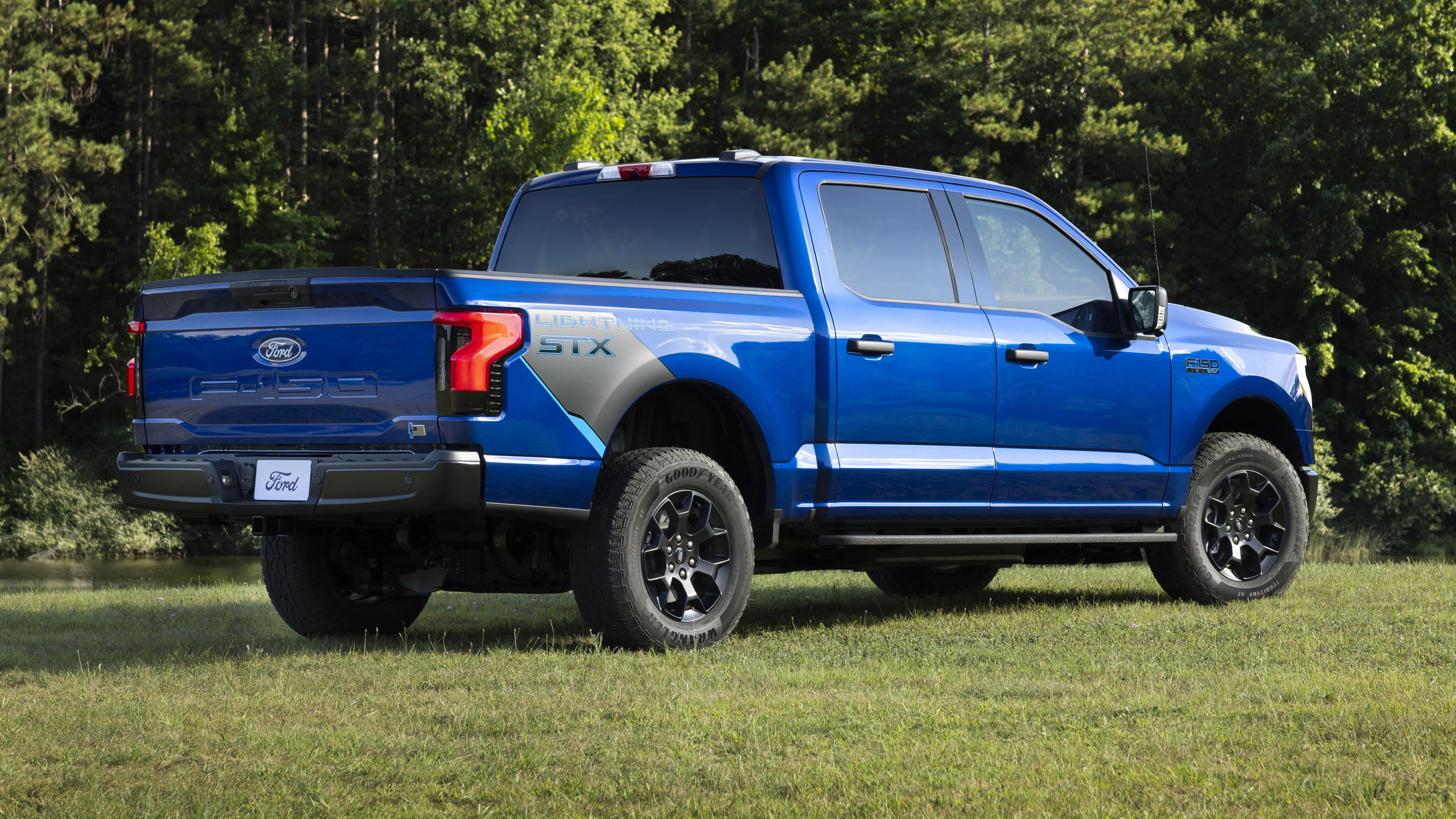
The cancellation came to light in a regulatory filing made by LG in South Korea. It lands shortly after Ford outlined a sharp pullback in its EV rollout, including the decision to shelve the all-electric F-150 Lightning. The $6.5 billion figure represents roughly a third of LG’s total revenue from the previous year.

The Scale Behind the Deal

Ford and LG originally signed the deal in October 2024. Under its terms, LG committed to supplying Ford with 34 GWh of batteries between 2026 and 2030, enough to power around half a million EVs annually, assuming each one carries a 75 kWh battery pack.

Beyond that, LG was also set to deliver an additional 75 GWh of batteries for Ford’s commercial vehicle lineup between 2027 and 2032. These packs were to be built at LG’s manufacturing plant in Poland, then fitted into vehicles destined for the European market.

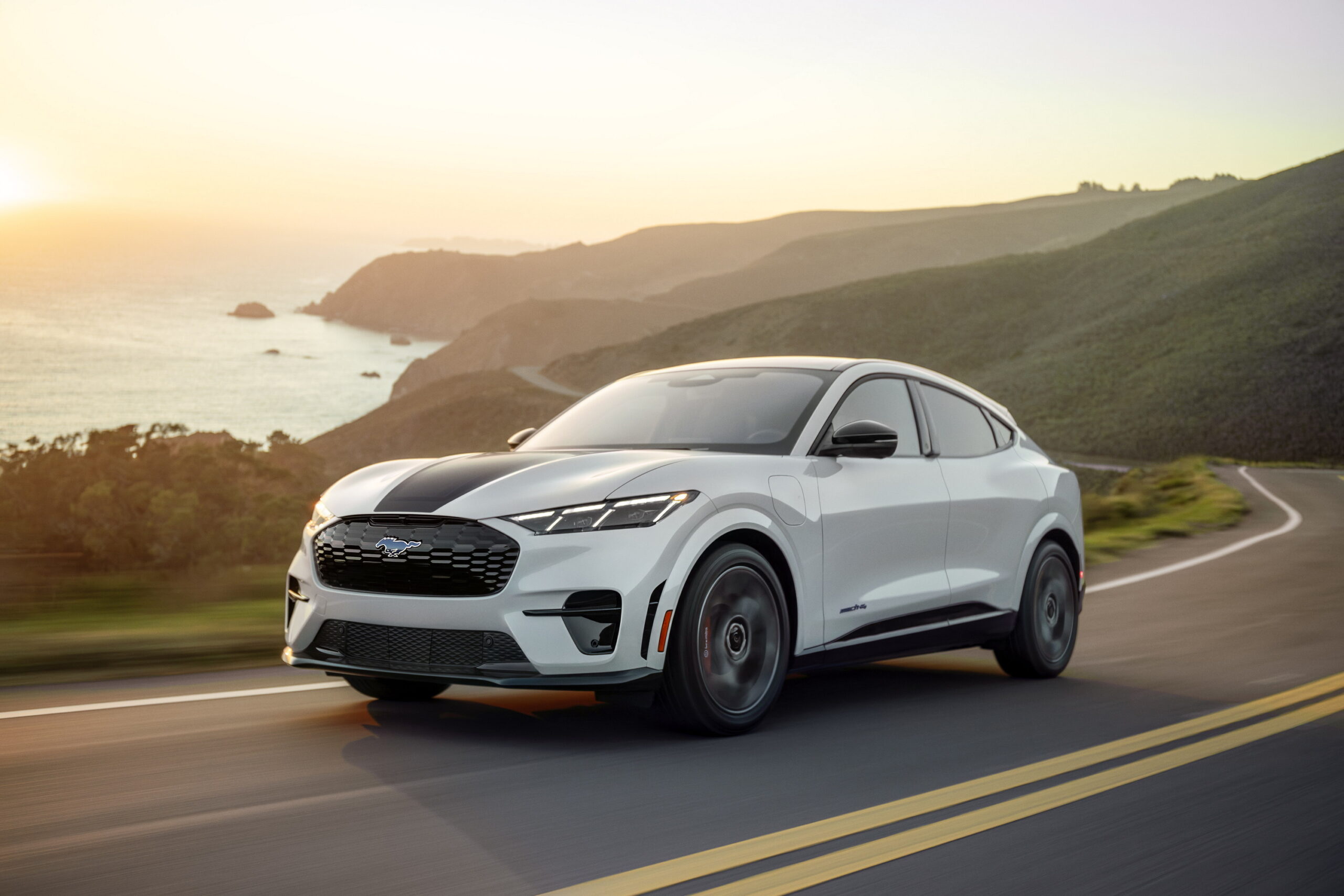
 Ford Kills Major Battery Deal As EV Plans Rapidly Unravel

In its regulatory filing, LG said, “this matter concerns the counterparty’s [Ford’s] decision to discontinue the production of certain electric vehicle (EV) models due to recent policy changes and shifts in EV demand forecasts, and the subsequent notice of contract termination.”

EV Demand Runs Cold

Since President Donald Trump returned to the White House for his second term, the EV market has quickly undergone a significant shakeup. Demand for EVs in the US remained strong through the first nine months of the year, but sales collapsed the moment the $7,500 federal EV tax credit was axed.

Also: The EU Blinked And Gas Cars Live To See Another Generation

More recently, the Trump administration has loosened fuel economy regulations, encouraging carmakers like Ford to build more ICE models. On top of that, the European Commission softened its stance on zero-emissions mandates, most notably by proposing a 90 percent CO₂ reduction target for new vehicles by 2035, rather than a full ban on internal combustion engines.

Ford chief executive Jim Farley recently said he expects EV sales to fall by as much as 50 percent in the US due to these key policy changes.

 Ford Kills Major Battery Deal As EV Plans Rapidly Unravel
❌
❌