❌

Reading view

There are new articles available, click to refresh the page.

Mercedes’ Next EVs Are Ditching CATL For Samsung, Starting In 2028

  • Future Mercedes models based on its MMA platform will use Samsung’s batteries.
  • Several existing Mercedes-Benz EVs already use advanced NMC battery packs.
  • The current Mercedes CLA 250+ and CLA 350 source battery packs from CATL.

Just after unveiling its all-new electric C-Class, Mercedes-Benz confirmed a key piece of its future EV strategy. The next generation of its electric models will draw power from battery cells supplied by South Korea’s Samsung SDI.

The agreement, signed earlier this week, secures a steady flow of nickel, cobalt, and manganese (NMC) battery cells. Samsung claims these packs will deliver strong energy density, long service life, and the kind of sustained output and range figures premium EV buyers have come to expect, at least on paper.

Read: Mercedes’ Electric C-Class Is The BMW i3’s Neue Nightmare

Mercedes has yet to put a firm date on when these NMC batteries from Samsung will make their debut. Still, industry insiders point to models built on the upcoming Mercedes Modular Architecture (MMA) from 2028 onward. That would cover a wide spread of compact and mid-size SUVs, along with a handful of coupes that, for now, remain unnamed.

German Cars, Asian Batteries

 Mercedes’ Next EVs Are Ditching CATL For Samsung, Starting In 2028

The German brand already offers several of its EVs with NMC batteries, including the CLA 250+ and CLA 350 4Matic, sourced from China’s CATL. In addition, the all-electric Mercedes VLE uses a 115 kWh NMC battery pack, while the newly-revealed electric C-Class uses a 94.5 kWh NMC battery, promising a range of up to 472 miles (760 km).

β€œThis partnership brings together the innovative DNA of both companies,” Samsung SDI said. β€œIt is meaningful in that SAMSUNG SDI has secured a battery order aimed at strengthening its position in the global EV market.”

There are trade-offs between nickel, cobalt, and manganese (NMC) batteries and lithium iron phosphate (LFP) packs, the two chemistries currently dominating the EV space. NMC’s headline advantage is energy density, which means more range from a similarly sized battery, something premium brands tend to prioritize.

LFP, on the other hand, takes a more pragmatic approach. These packs are typically more durable over time and can be charged to 100 percent far more frequently without accelerating degradation. That makes them well suited to daily-use scenarios, even if they cannot quite match NMC’s outright range potential.

\\\\\\\\\\\\\\

Hyundai Unveils Luxurious Version Of Its Smallest EV

  • The Hyundai Casper Electric Lounge is the new flagship trim of the micro-SUV.
  • Exclusive 17-inch alloy wheels and new colors distinguish the exterior design.
  • The cabin gets genuine leather upholstery and plenty of standard equipment.

Hyundai’s smallest EV is getting a taste of the finer things. The automaker is taking its most compact electric vehicle upmarket with the debut of the Lounge trim for the Casper Electric in South Korea, also known as the Inster in export markets. The new micro-SUV trim serves as a premium alternative to the rugged Cross model, sitting at the top of the range.

On the outside, the Lounge is distinguished by a new grille pattern, an exclusive Glow Mint paint option, a lighter Medium Metallic Paint finish for the plastic cladding, and a set of 17-inch futuristic-looking alloy wheels. Like the Cross, it now comes standard with full-LED headlights and taillights.

Review: The Hyundai Inster Ticks Many Boxes Except The One That Counts

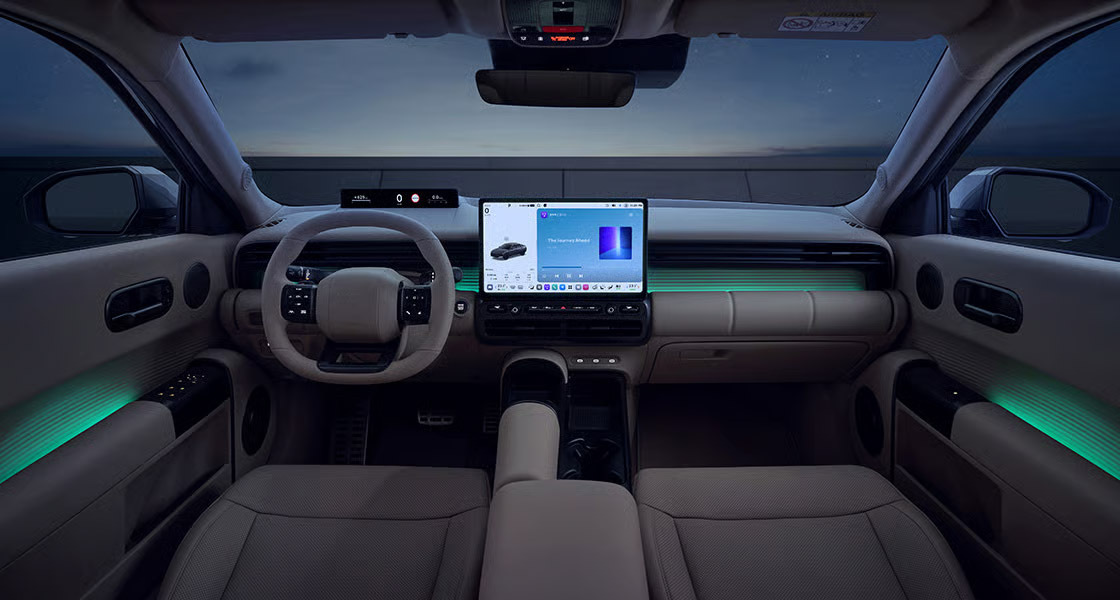
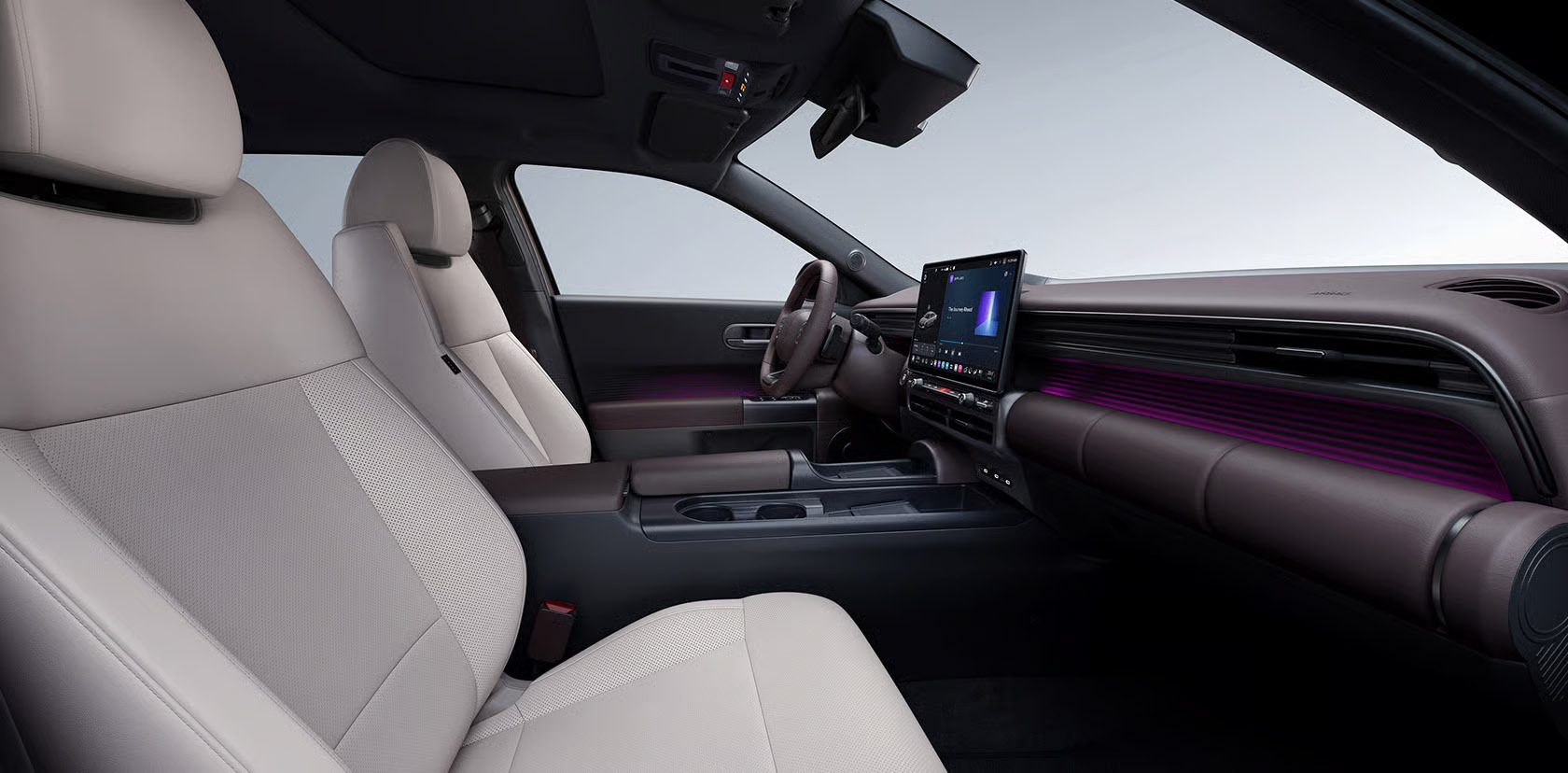
The interior is where the Lounge truly sets itself apart from its siblings. The headline feature is genuine leather upholstery, which remains genuinely rare in this segment. Hyundai has also fitted knit-material headliner and sun visors, along with Kevlar cone speakers for improved sound quality.

\\\\\\\\\\

Hyundai Casper Electric Lounge

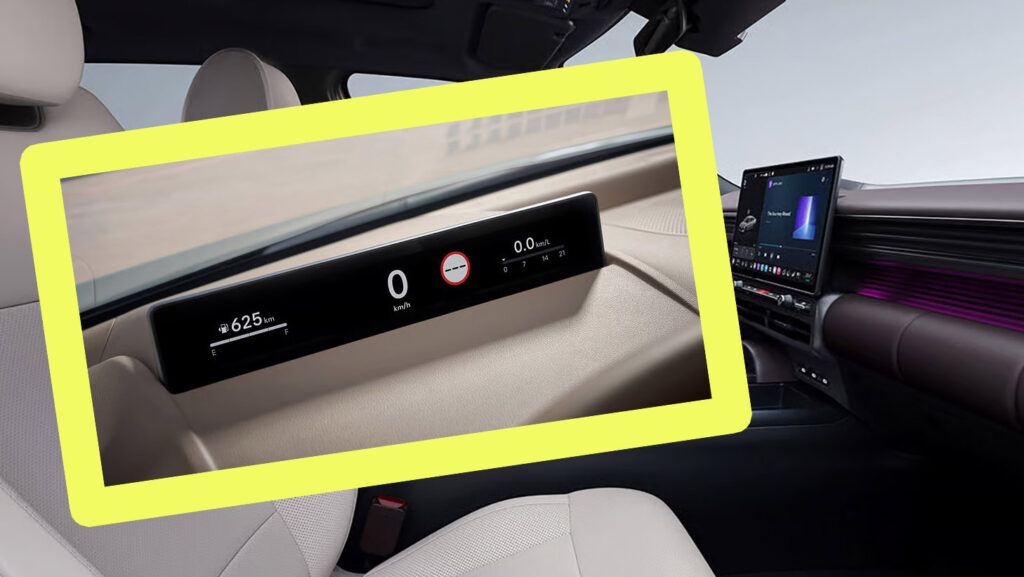
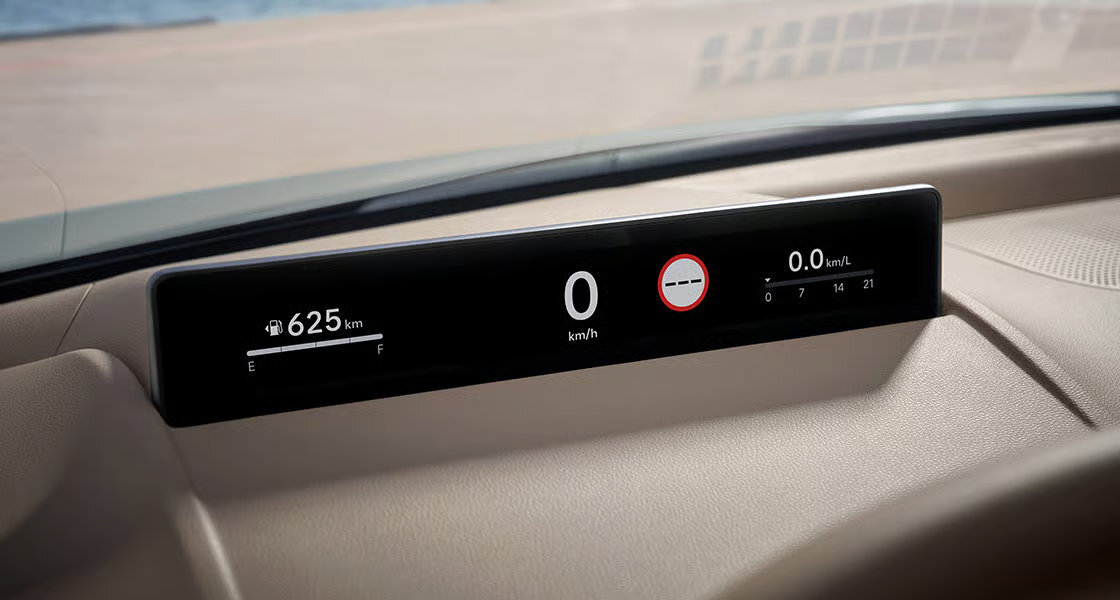
The 10.25-inch infotainment display and matching digital instrument cluster are both standard, as is Level 2 ADAS. A sunroof and wireless charging pad are optional extras. Hyundai also offers a range of accessories including interior storage solutions, pet-friendly items, roof racks, a retractable awning, and an inflatable mattress.

Powertrain And Pricing

Mechanically, the Casper Electric Lounge uses the more potent 113 hp (84.5 kW / 115 PS) electric motor paired with the larger 49 kWh battery pack. Driving range is rated at 295 km (183 miles), which is 10 km (6 miles) more than the Cross but 20 km (12 miles) fewer than the Inspiration, a gap attributed to the different wheel size.

\\\\\\\\\\\\\\\

Hyundai Casper Electric

Predictably, the Casper Electric Lounge is the most expensive version of the urban EV on sale in Korea. It is priced at β‚©36,410,000 ($24,500), or β‚©1,260,000 ($850) more than the Cross. According to the Korean Car Blog, however, the effective price drops closer to β‚©20 million (around $13,400) once EV subsidies in Seoul are factored in.

More: New Hyundai Inster Is A Tiny Electric Crossover For The Masses

Hyundai has yet to confirm whether the new flagship trim will reach export markets under the Inster name, following the precedent set by the Cross.

The automaker also continues to offer an gas-powered Casper in Korea, featuring a 180 mm (7.1 inches) shorter wheelbase than the Casper Electric. It is available with naturally aspirated and turbocharged versions of a 1.0-liter three-cylinder engine, though it misses out on the Lounge and Cross grades offered on its fully electric sibling

\\\\\\\\\\

Hyundai Casper Electric

❌