
Normal view

There are new articles available, click to refresh the page.
Before yesterdayMain stream

Dacia Confirms Four New EVs, Including A Sub-$21K Model

  • Dacia will launch a sub-€18k urban EV later this year.
  • Three additional electric models are planned by 2030.
  • Electrified models may reach two-thirds of sales.

Dacia has revealed its future roadmap as part of Renault Group’s futuREady plan, outlining how the Romanian brand intends to expand its lineup and accelerate electrification. The automaker will launch four new EVs by 2030 while steadily increasing electrification across its entire range.

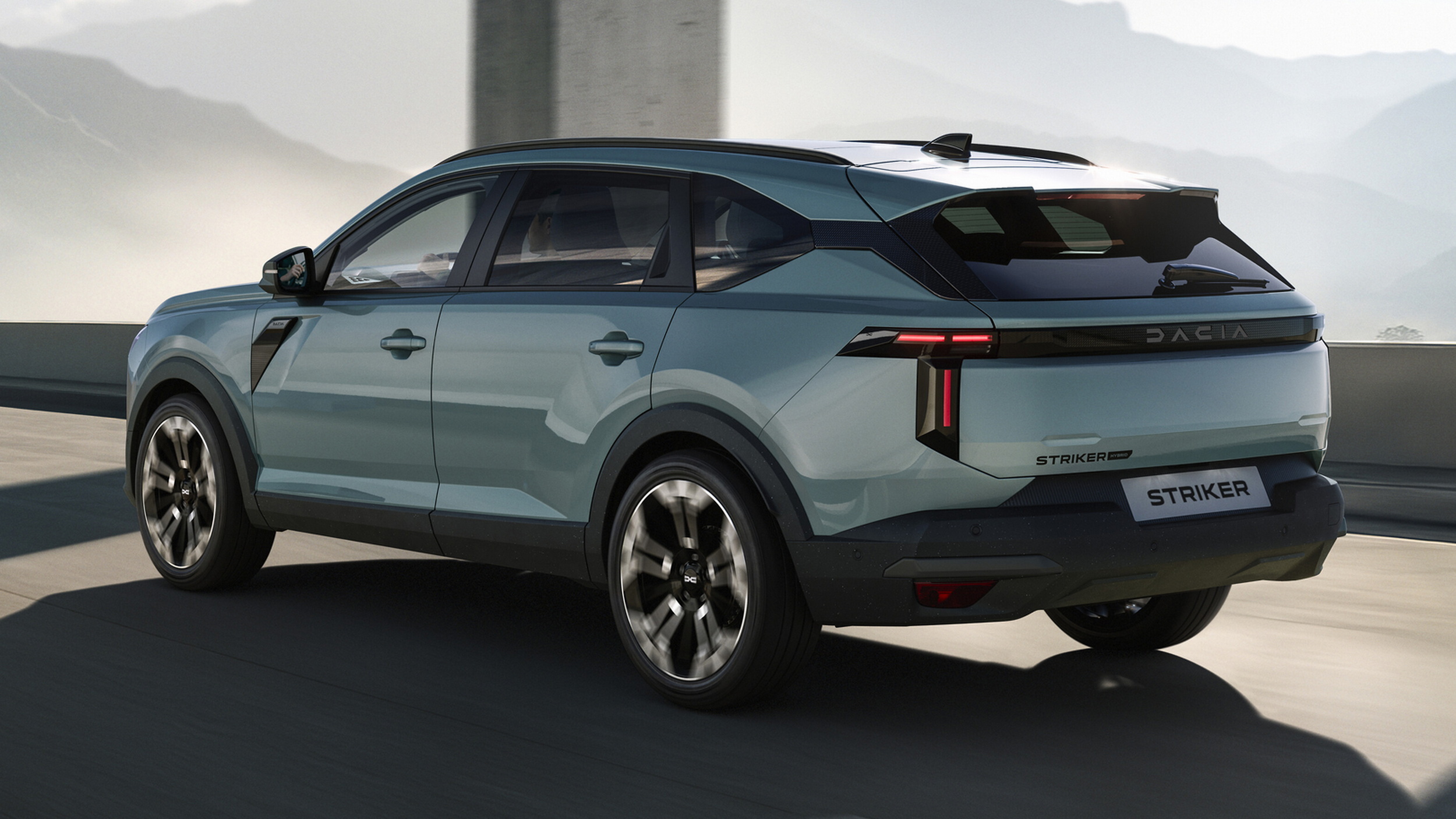
Furthermore, Dacia is also stepping up its presence in the compact segment. The new Striker crossover wagon will join the Bigster SUV, while the company continues work on the next generation of its best-selling Sandero.

New Urban Electric Model

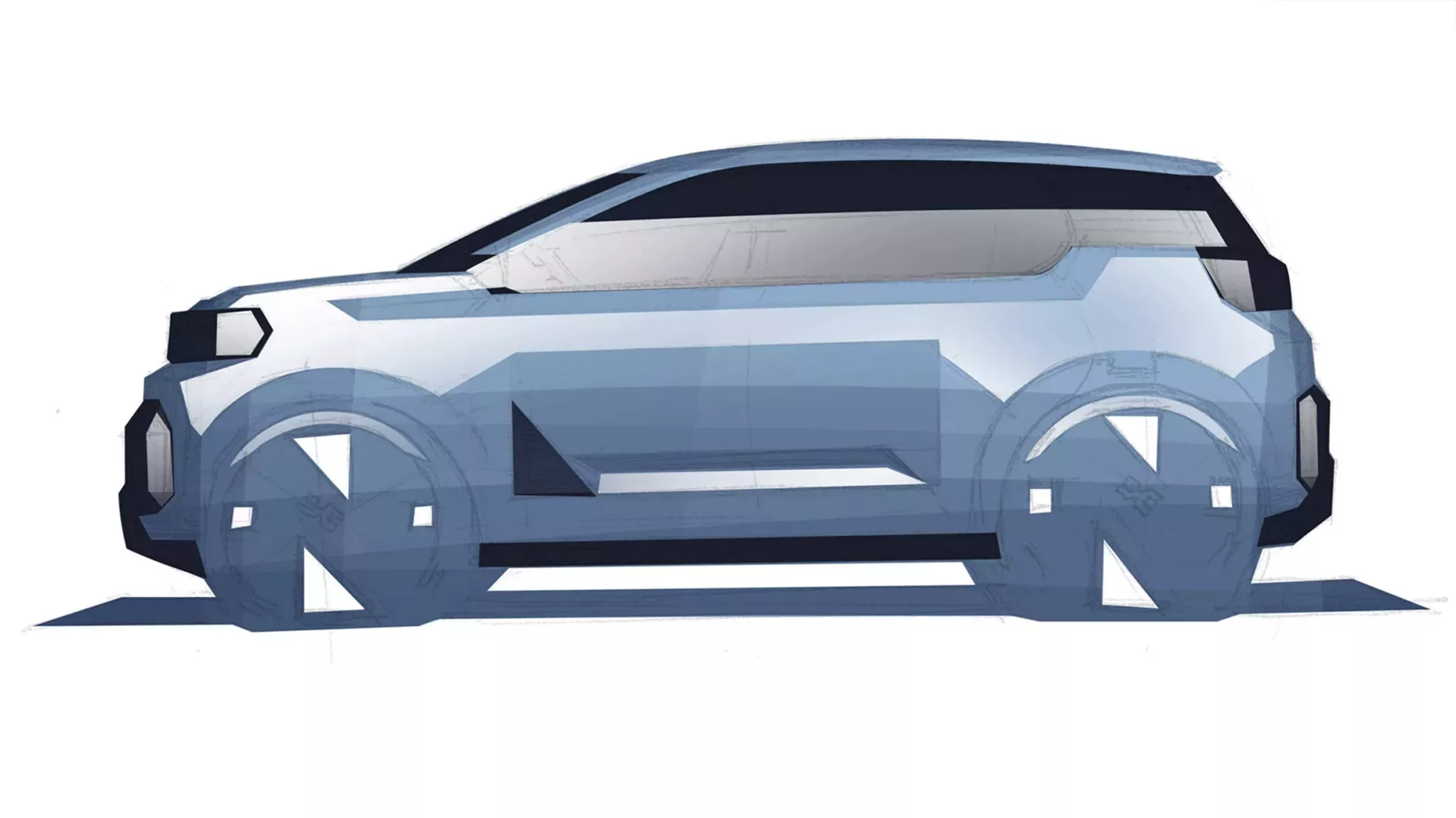
Starting with the zero-emission plans, Dacia has confirmed that a new entry-level urban EV priced below €18,000 ($21k) will debut later this year. This model will coexist with the Chinese-built Dacia Spring despite their similar size and positioning.

The yet-unnamed model will ride on the RGEV architecture, which appears to be a new name for the AmpR Small platform used by the Renault Twingo E-Tech. The EV was developed in less than 16 months and is expected to be manufactured at Dacia’s Novo Mesto plant in Slovenia.
 Dacia Confirms Four New EVs, Including A Sub-$21K Model
An earlier teaser sketch of the upcoming urban EV.

The company did not provide specifics about the other three EV debuts, but one is widely expected to be a fully electric version of the next-generation Sandero subcompact hatchback. Another possibility is a production version of the Hipster concept, which could target an even smaller segment.

Next Generation Sandero Plans

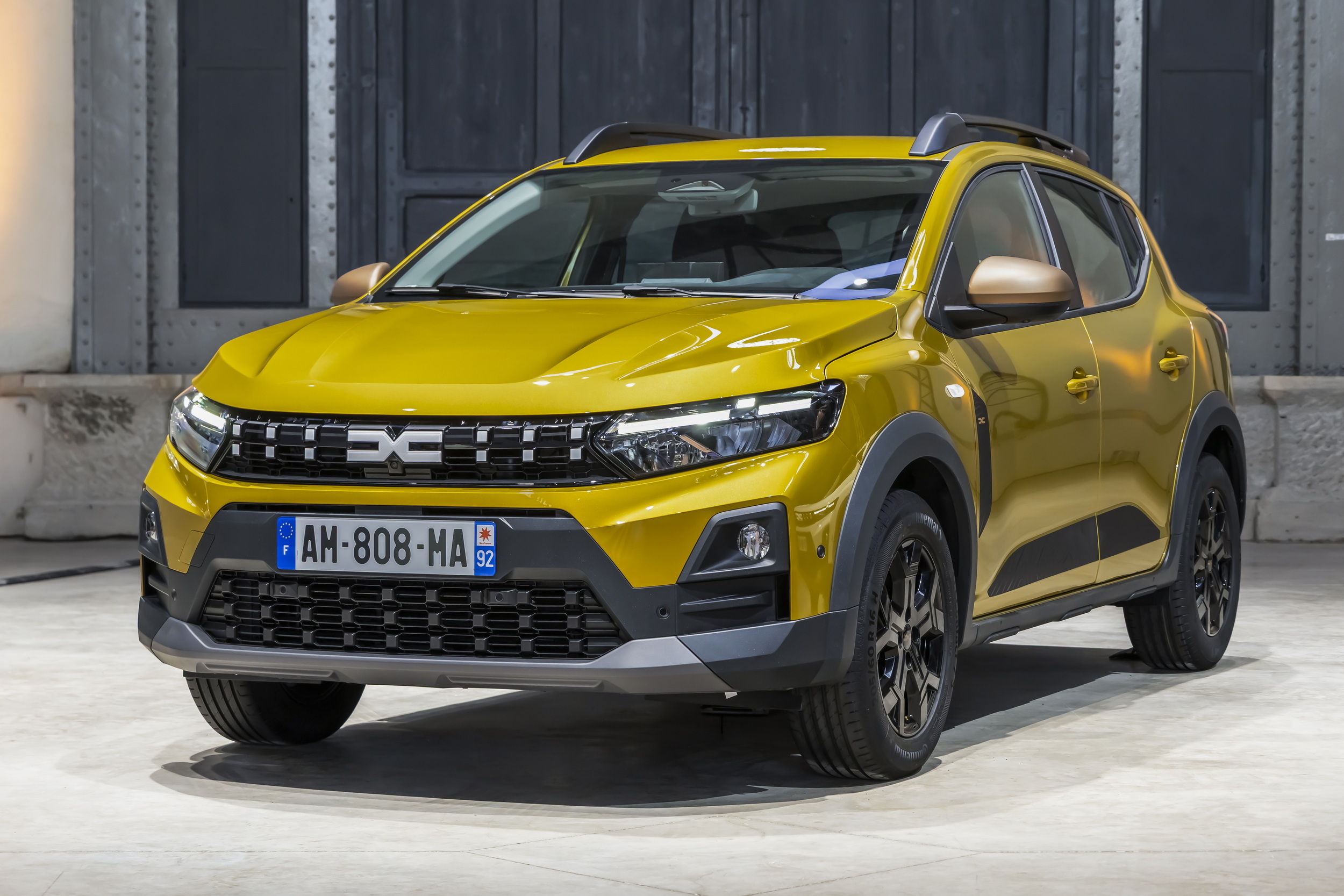
The Sandero was Europe’s best-selling passenger vehicle in both 2024 and 2025. It has also remained the “number one vehicle sold to private customers” since 2017. The current generation debuted in 2020 and received updates in 2022 and 2024, followed by a facelift for 2026. Even so, Dacia is already working on its successor.

More: Dacia’s Best Seller Could Be Headed For A Big Transformation

The next Sandero will feature a “multi-energy powertrain range,” aligning with Dacia’s broader electrification roadmap. This points to hybrid and fully electric variants alongside a combustion option compatible with gasoline and LPG. Regardless of the powertrain mix, Dacia says the new generation will remain the value-for-money benchmark in the subcompact segment. Current reports suggest a debut in 2028.
 Dacia Confirms Four New EVs, Including A Sub-$21K Model
The facelifted version of the Dacia Sandero Stepway.

Electrified Sales Mix Target

Dacia has shown notable resilience over the past decades, evolving from a regional player into a major European brand. Last year, the Romanian automaker surpassed 10 million sales since its 2004 relaunch under Renault ownership.

More: Dacia Striker Brings The Budget Wagon Back For Under €25K

As electrification expands across the lineup, Dacia expects its sales mix to shift significantly. The company believes electrified vehicles will account for about 67% of new car sales in the future, up from roughly 25% today. Alongside hybrids and EVs, the brand continues to emphasize LPG-powered models as part of its cost-focused strategy.
 Dacia Confirms Four New EVs, Including A Sub-$21K Model
The new Dacia Striker will be available with hybrid and LPG powertrains.

As you might expect, Dacia places strong emphasis on cost efficiency. Its business model delivers a 15% cost advantage compared with the rest of the market. According to the company, that edge comes from local integration, high factory utilization rates, and a distribution model that operates at less than half the average cost of Western European competitors.

More: Only 500 Of These Rugged Dakar Dusters Exist And You Can’t Have One

Finally, Dacia highlights the loyalty of its customer base. In Europe, more than 70% of Dacia buyers remain with the brand for their next purchase, while another 10% move up to a Renault. At the same time, roughly 65% of first-time Dacia customers come from outside the Renault Group.

 Dacia Confirms Four New EVs, Including A Sub-$21K Model
The Dacia Bigster is essentially a longer version of the Duster.

Radical Espace Reboot Leads Renault’s 36-Car Plan To Fight China’s Threat

  • Renault Group will introduce 36 new models by 2030 including 16 new EVs.
  • 800-volt RGEV platform offers 466-mile EV range, 879 with range extender.
  • Aims to cut EV costs by 40 percent and development times to just 24 months.

Renault has decided the best way to prepare for the future is to literally name its strategy after it. The company’s new futuREady plan promises dozens of new models, cheaper EVs, and dramatically faster development cycles as the French automaker tries to China-proof its business and become Europe’s “benchmark” carmaker.

The strategy builds on the Renaulution turnaround plan launched in 2021, which helped stabilize the company after several turbulent years. Now Renault wants to turn that recovery into long term growth with a roadmap that stretches through the end of the decade.

Related: Renault’s Making A Jimny, But Even The French Can’t Have It

The headline figure is simple enough. Renault Group plans to launch 36 new models in the next five years, including 22 in Europe and 14 for international markets. Electrification will be a lynchpin, with 16 of those European launches set to be fully electric.

Hybrids will still have a role, though. Renault says hybrid technology will remain in its European lineup beyond 2030 while continuing to expand globally where charging infrastructure isn’t yet ready for a full EV takeover.

Dacia Expansion

Each brand has its own role in the plan. Renault aims to strengthen its European position while expanding internationally, targeting more than 2 million annual sales by 2030 with half delivered outside Europe, including a production version of the chunky Bridger combustion SUV set to do battle with the Suzuki Jimny in India (see gallery below).

\\\\\\

Dacia will stick with its familiar value formula but add more electrification. By the end of the decade, about two thirds of its sales are expected to be electrified and the brand will expand further into the larger C segment.

Alpine will carry the performance torch and a new generation of the A110, this time as an EV, is coming alongside newer models like the electric A290 and A390. And the brand’s boss Philippe Krief confirmed that the electric A110’s platform will also be able to handle combustion power. But if you were hoping to buy one in the United States, Renault’s latest strategy rules out a North American adventure for any of its brands.

Compact Upgrade

One of the most important pieces of the plan is Renault’s upcoming RGEV medium 2.0 electric platform destined for its next generation of compact, C-segment vehicles. This architecture brings 800 volt charging technology to the company for the first time and promises some impressive numbers, including a 40 percent reduction in build costs. Renault teased its possibilities, and also the look of the next Espace, with the the R-Space Lab, a slippery EV concept (shown below).

\\\\\\\\\\\\\\\

Renault says EVs built on the platform could deliver up to 466 miles (750 km) of range, while a range extender version could stretch that figure to around 879 miles (1400 km). Power won’t be lacking either. The next-generation electric motor is expected to deliver up to 271 hp (275 PS).

Keeping Up With China

Software is another big piece of the puzzle. Future Renault models will move toward software defined vehicle architecture that allows most functions to be updated over the air and eventually managed by artificial intelligence systems. The company also wants to speed things up dramatically. Renault aims to reduce development cycles for new vehicles to just two years, something that will be crucial to keeping pace with Chinese automakers.

Renault’s platform strategy
Platform FamilyPlatformsTypeSegments / Purpose
Electric Passenger Car PlatformsRGEV SmallEV platformA and B segment small EVs
RGEV Medium 1.0EV platformFirst generation C segment EVs
RGEV Medium 2.0EV platformNext generation C and D segment EVs with 800V tech
Electric Commercial PlatformsRGEV Medium VanEV platformC segment light commercial vans
Modular Multi Energy PlatformsRGMP SmallModular platformB and C segment vehicles with multiple powertrains
RGMP MediumModular platformC and D segment vehicles
RGMP Pick-UpModular platformPickup trucks
Entry Level Multi Energy PlatformRGEPMulti energy platformAffordable entry level vehicles
Partner Based PlatformRGEAAdapted Geely GEA platformShared platform for some international models
Performance PlatformAPPAlpine performance platformAlpine sports cars
SWIPE
❌
❌