Reading view

There are new articles available, click to refresh the page.

Alpine’s Electric Sports Car Is Coming, But So Is The ICE One You Actually Want

  • Alpine developing advanced APP platform for next-gen A110 EV.
  • Platform features 800-volt charging tech and dual rear motors.
  • Alpine boss confirms platform can also support combustion power.

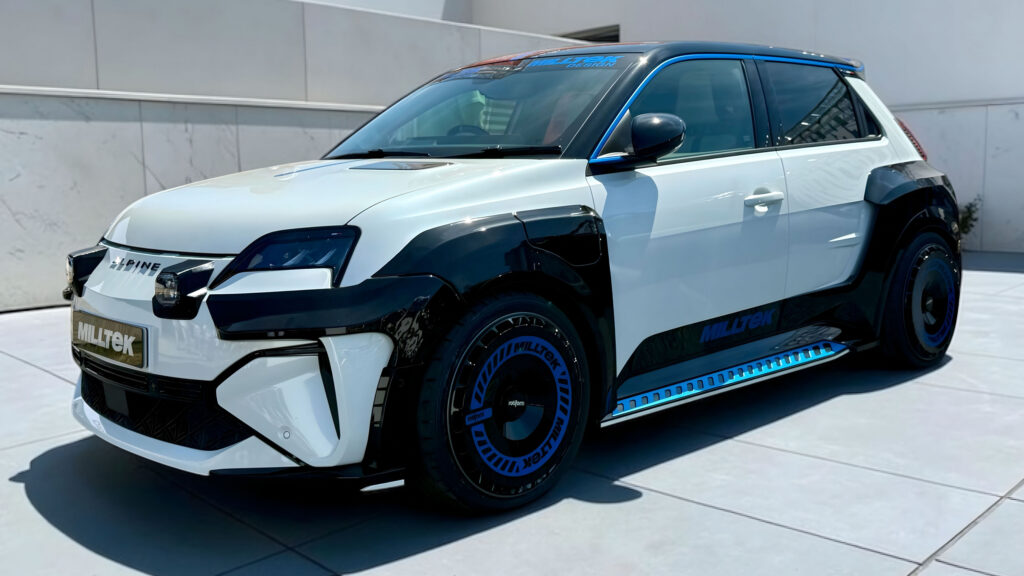
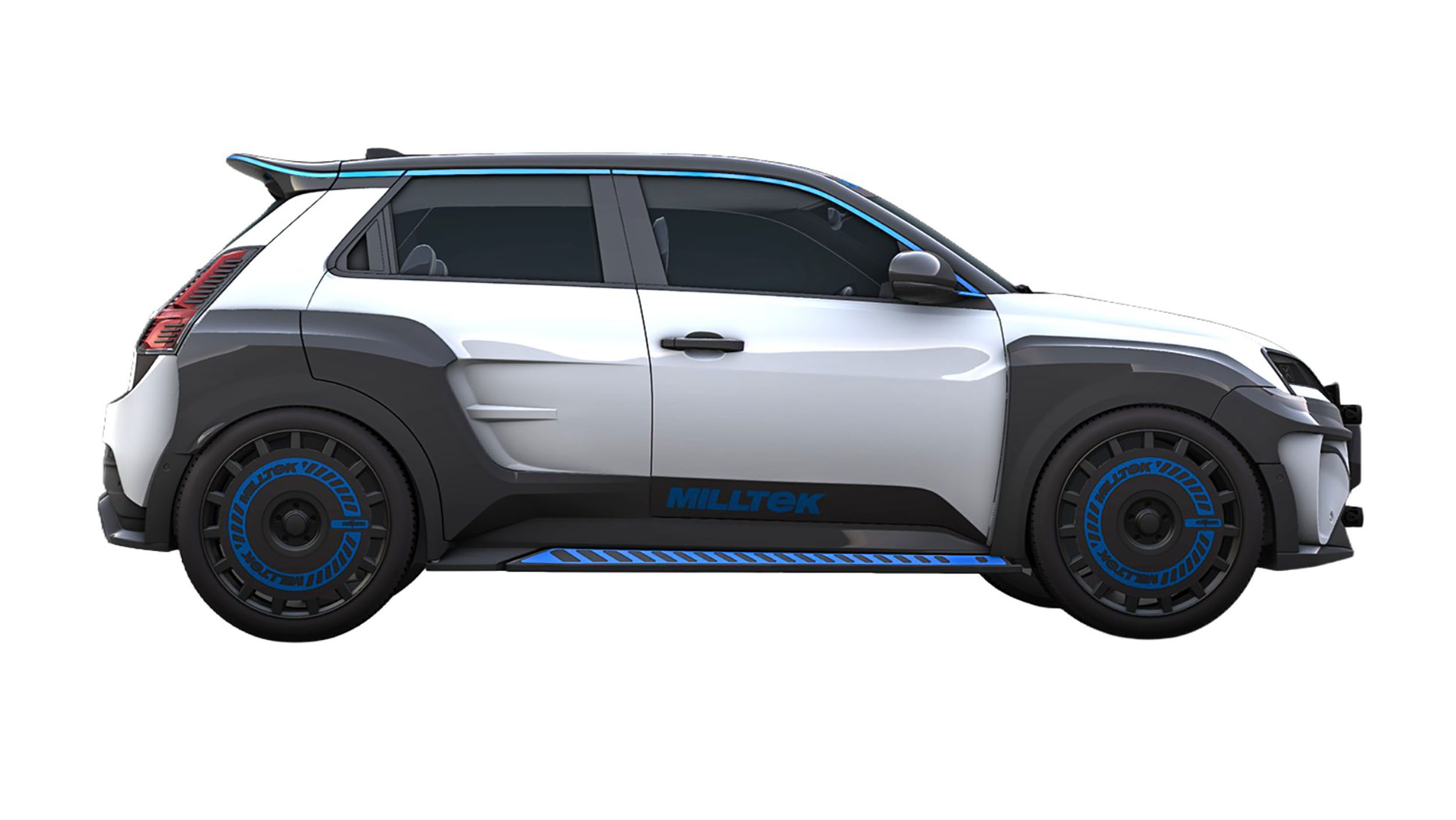
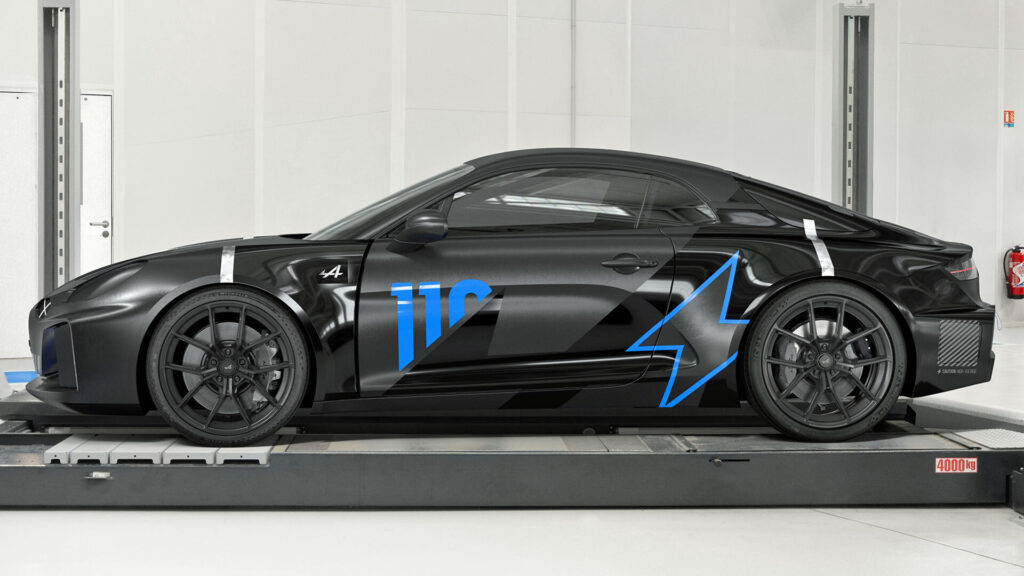
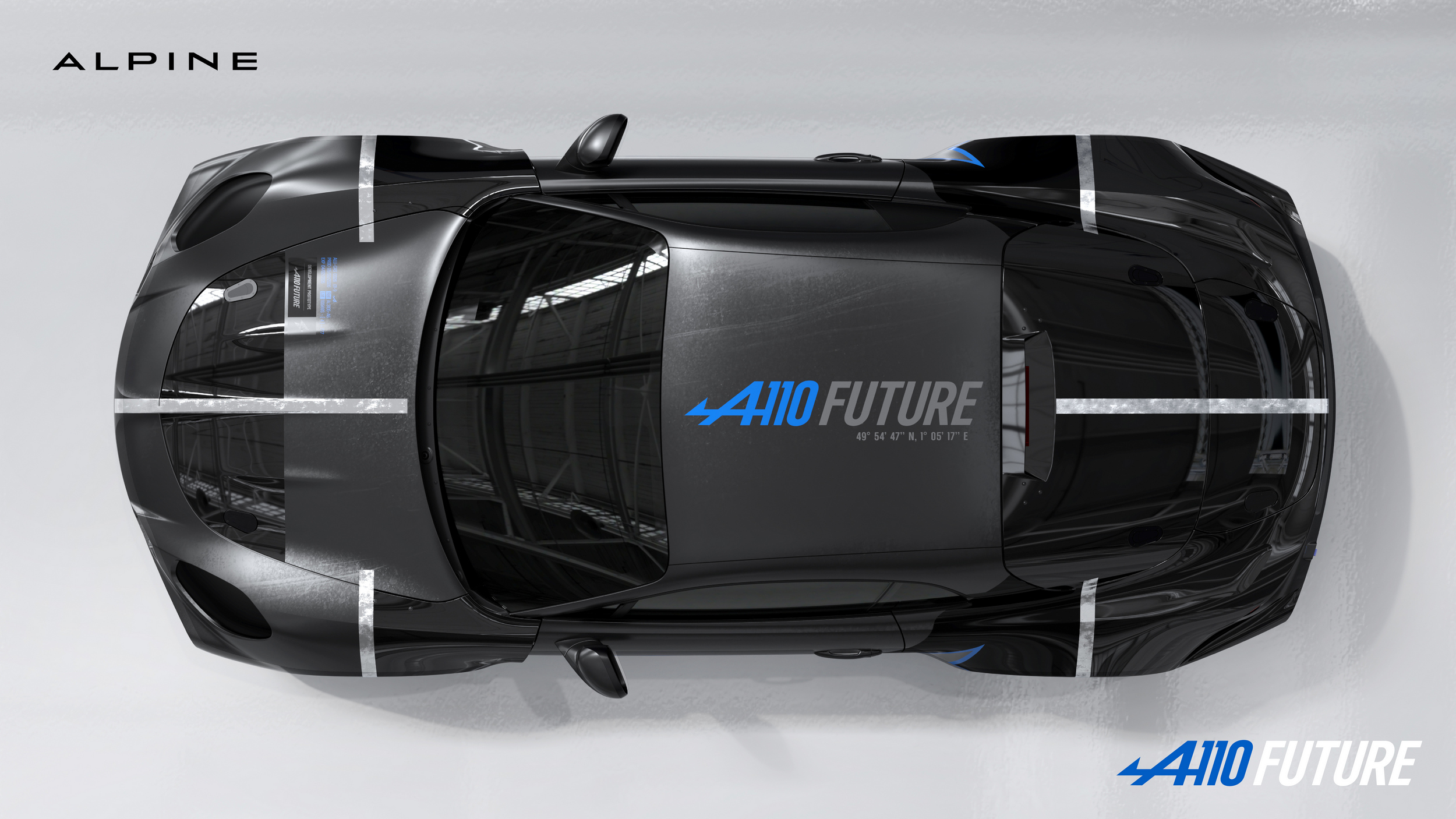
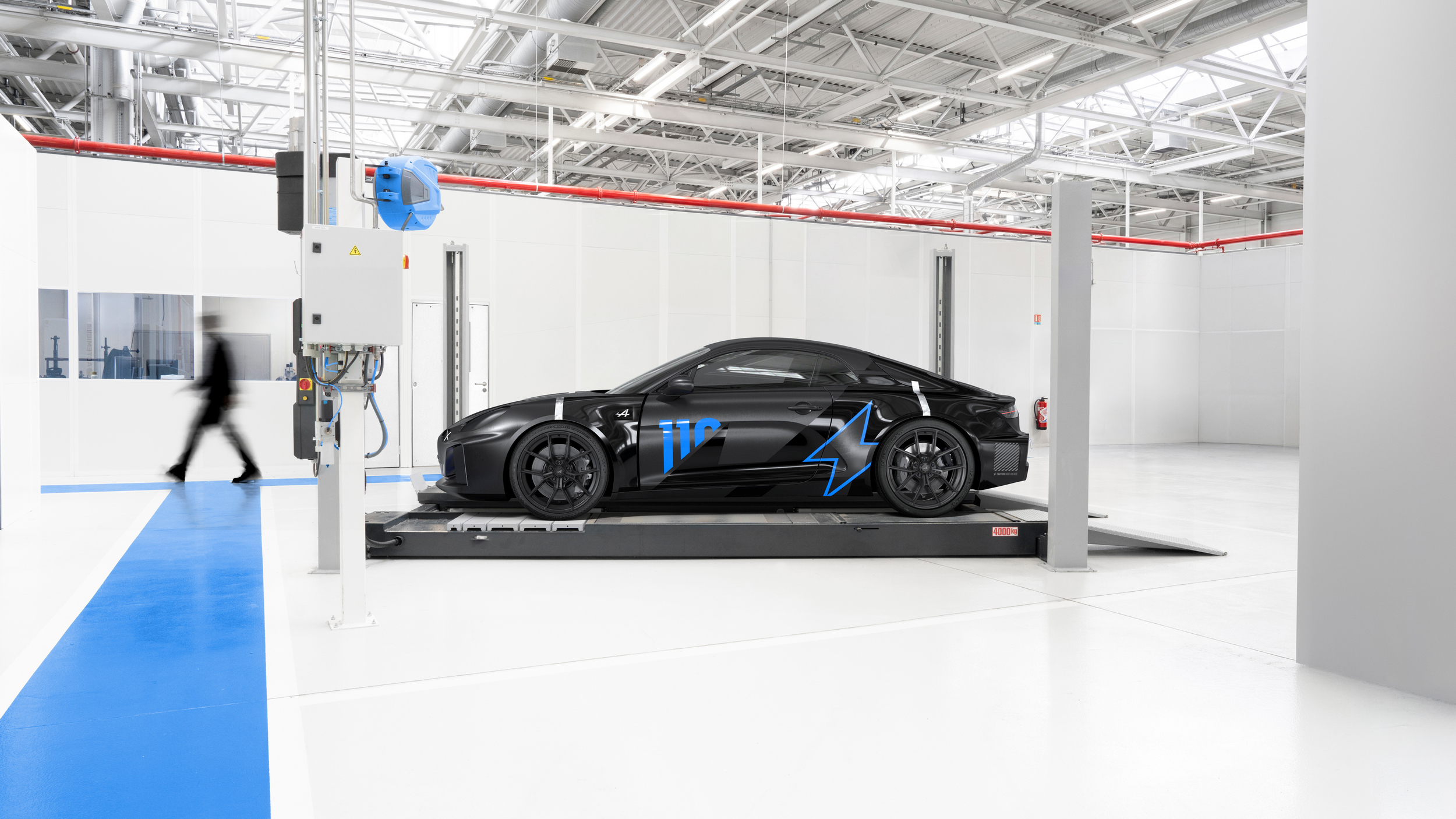
Alpine has hung its hat on electric power with cars like the A290, A390, and the upcoming A110, but the company isn’t completely closing the door on gasoline just yet. The brand has revealed secrets of its new Alpine Performance Platform that will underpin the next A110 and future models, and it’s reportedly designed to handle both EV and combustion power.

The new platform, which will underpin coupe and spider versions of the A110, as well as a 911-rivalling 2+2, sits at the center of Alpine’s role in Renault Group’s wider futuREady strategy. It’s a super-stiff, bonded, and riveted aluminum structure featuring all-aluminum suspension components to keep weight low, and two separate battery packs to ensure an optimal 40:60 front-rear weight distribution.

Related: Alpine Thinks Driving Got Too Serious, So It’s Building EV Convertibles

A dual-motor rear axle setup provides the power, together with a torque-vectoring function that can adjust power side-to-side every 10 milliseconds to sharpen handling. It should perform well at the charging station, too. The platform uses an 800-volt electrical architecture for fast charging capability. A new central computer, called the Alpine Dynamic Model ECU, will act as the brain of the system, coordinating the motors, battery management, steering, brakes, and even active aerodynamics.

CEO Philippe Krief says he’s confident the finished A110 EV will be “true to Alpine’s DNA and outperform the best of today’s combustion sports cars.”

Keep The Customer Satisfied

But he also knows the majority of Alpine buyers – and sports car fans in general – don’t want an electric A110. And it looks like he’s going to give them a lifeline. Although there’s no mention of a petrol-powered A110 in Alpine’s official strategy drop this morning, Autocar reports Krief confirming that the possibility is there.

 Alpine’s Electric Sports Car Is Coming, But So Is The ICE One You Actually Want


“Before you ask, yes the platform is designed to accommodate an internal combustion engine,” the CEO told the British magazine.

Horse Power

No further details were given, but we previously reported how Alpine could use a hybrid powertrain developed by Renault-Geely collab Horse. It’s alleged to pump out 349 hp (354 PS) and 380 lb-ft (515 Nm), which would be plenty in a relatively lightweight car.

Sadly for US fans of the Alpine brand, neither the next ICE-powered A110, its electric sibling, nor any other Alpine model will be heading to North America. Expansion across the Atlantic had been under consideration for a while, but Alpine put those plans on hold last year due to the arrival of Trump’s tariffs and slowing growth in the US EV market.

The Renault Group futuREady plan announced this week also makes clear that Alpine will focus on existing markets for the time being rather than attempting to expand into new ones.

\\\\\\

Alpine

Radical Espace Reboot Leads Renault’s 36-Car Plan To Fight China’s Threat

  • Renault Group will introduce 36 new models by 2030 including 16 new EVs.
  • 800-volt RGEV platform offers 466-mile EV range, 879 with range extender.
  • Aims to cut EV costs by 40 percent and development times to just 24 months.

Renault has decided the best way to prepare for the future is to literally name its strategy after it. The company’s new futuREady plan promises dozens of new models, cheaper EVs, and dramatically faster development cycles as the French automaker tries to China-proof its business and become Europe’s “benchmark” carmaker.

The strategy builds on the Renaulution turnaround plan launched in 2021, which helped stabilize the company after several turbulent years. Now Renault wants to turn that recovery into long term growth with a roadmap that stretches through the end of the decade.

Related: Renault’s Making A Jimny, But Even The French Can’t Have It

The headline figure is simple enough. Renault Group plans to launch 36 new models in the next five years, including 22 in Europe and 14 for international markets. Electrification will be a lynchpin, with 16 of those European launches set to be fully electric.

Hybrids will still have a role, though. Renault says hybrid technology will remain in its European lineup beyond 2030 while continuing to expand globally where charging infrastructure isn’t yet ready for a full EV takeover.

Dacia Expansion

Each brand has its own role in the plan. Renault aims to strengthen its European position while expanding internationally, targeting more than 2 million annual sales by 2030 with half delivered outside Europe, including a production version of the chunky Bridger combustion SUV set to do battle with the Suzuki Jimny in India (see gallery below).

\\\\\\

Dacia will stick with its familiar value formula but add more electrification. By the end of the decade, about two thirds of its sales are expected to be electrified and the brand will expand further into the larger C segment.

Alpine will carry the performance torch and a new generation of the A110, this time as an EV, is coming alongside newer models like the electric A290 and A390. And the brand’s boss Philippe Krief confirmed that the electric A110’s platform will also be able to handle combustion power. But if you were hoping to buy one in the United States, Renault’s latest strategy rules out a North American adventure for any of its brands.

Compact Upgrade

One of the most important pieces of the plan is Renault’s upcoming RGEV medium 2.0 electric platform destined for its next generation of compact, C-segment vehicles. This architecture brings 800 volt charging technology to the company for the first time and promises some impressive numbers, including a 40 percent reduction in build costs. Renault teased its possibilities, and also the look of the next Espace, with the the R-Space Lab, a slippery EV concept (shown below).

\\\\\\\\\\\\\\\

Renault says EVs built on the platform could deliver up to 466 miles (750 km) of range, while a range extender version could stretch that figure to around 879 miles (1400 km). Power won’t be lacking either. The next-generation electric motor is expected to deliver up to 271 hp (275 PS).

Keeping Up With China

Software is another big piece of the puzzle. Future Renault models will move toward software defined vehicle architecture that allows most functions to be updated over the air and eventually managed by artificial intelligence systems. The company also wants to speed things up dramatically. Renault aims to reduce development cycles for new vehicles to just two years, something that will be crucial to keeping pace with Chinese automakers.

Renault’s platform strategy
Platform FamilyPlatformsTypeSegments / Purpose
Electric Passenger Car PlatformsRGEV SmallEV platformA and B segment small EVs
RGEV Medium 1.0EV platformFirst generation C segment EVs
RGEV Medium 2.0EV platformNext generation C and D segment EVs with 800V tech
Electric Commercial PlatformsRGEV Medium VanEV platformC segment light commercial vans
Modular Multi Energy PlatformsRGMP SmallModular platformB and C segment vehicles with multiple powertrains
RGMP MediumModular platformC and D segment vehicles
RGMP Pick-UpModular platformPickup trucks
Entry Level Multi Energy PlatformRGEPMulti energy platformAffordable entry level vehicles
Partner Based PlatformRGEAAdapted Geely GEA platformShared platform for some international models
Performance PlatformAPPAlpine performance platformAlpine sports cars
SWIPE
❌