❌

Normal view

There are new articles available, click to refresh the page.
Before yesterdayMain stream

Ford Recalls Mustang Mach-E Because A Battery Repair Can Make Things Worse

  • Recall affects just 86 Mustang Mach-Es.
  • Replacement controllers can falsely report battery health.
  • Ford warns of power loss and potential fire risk.

There are few things an EV driver needs to trust more than the little number telling them how much battery is left. Unfortunately, 86 Ford Mustang Mach-E owners may have discovered an unusually creative way for that number to lie. Ironically, the problem only exists because their cars were previously repaired.

Ford is recalling certain 2023-2025 Mustang Mach-Es equipped with lithium iron phosphate (LFP) batteries after discovering an issue involving replacement Battery Energy Control Modules, or BECMs. According to the automaker, every one of the 86 vehicles included in the recall is estimated to have the defect.

Read: Ford Recalls 288,000 Explorers Because The Roof Trim Keeps Flying Off

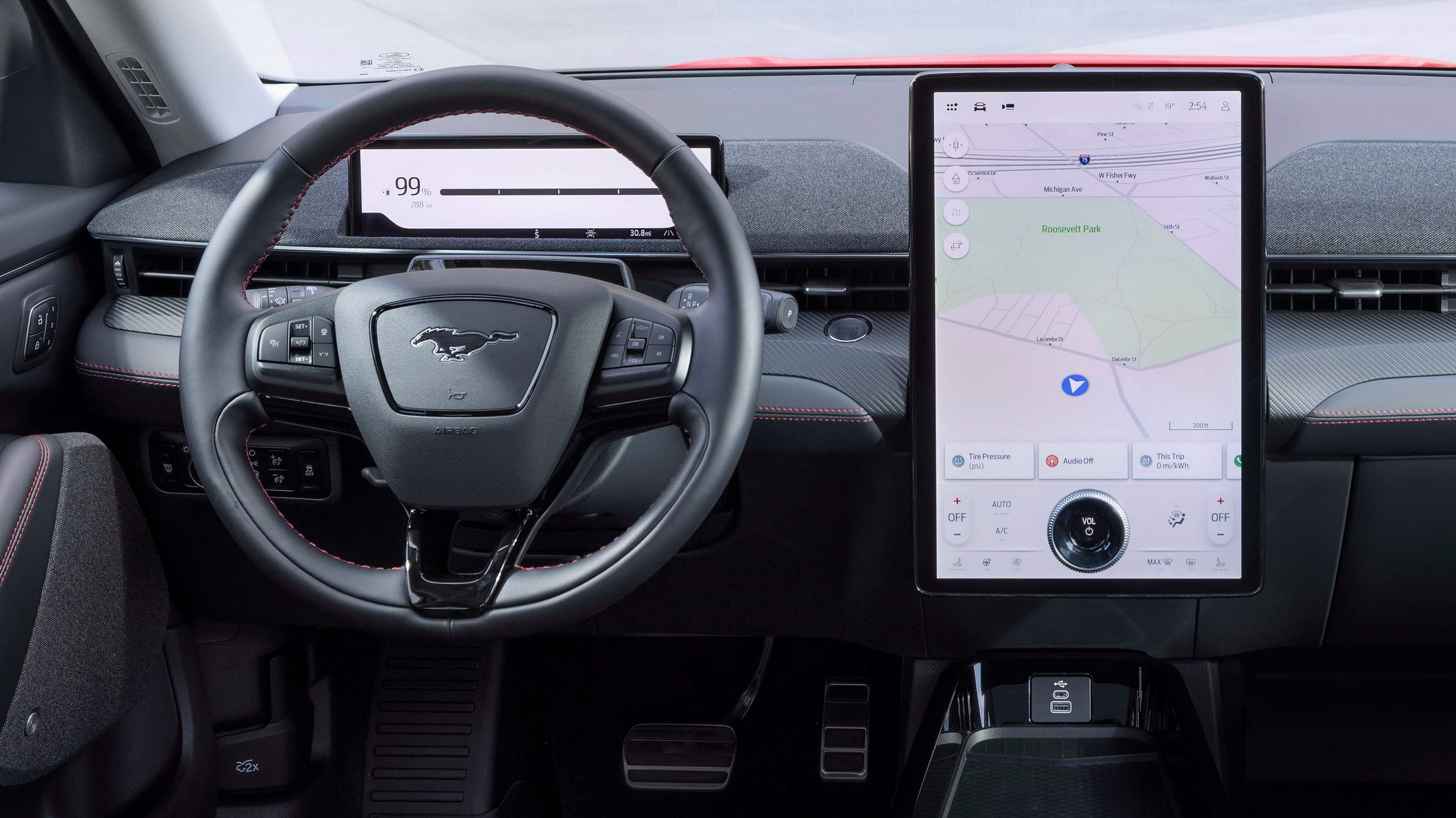
The problem is almost comically simple. When a replacement BECM was installed, it initialized the battery’s State of Health at a fresh-from-the-factory 100 percent instead of inheriting the actual State of Health from the battery already in the vehicle. That’s considerably more consequential than simply being off by a percentage or two.

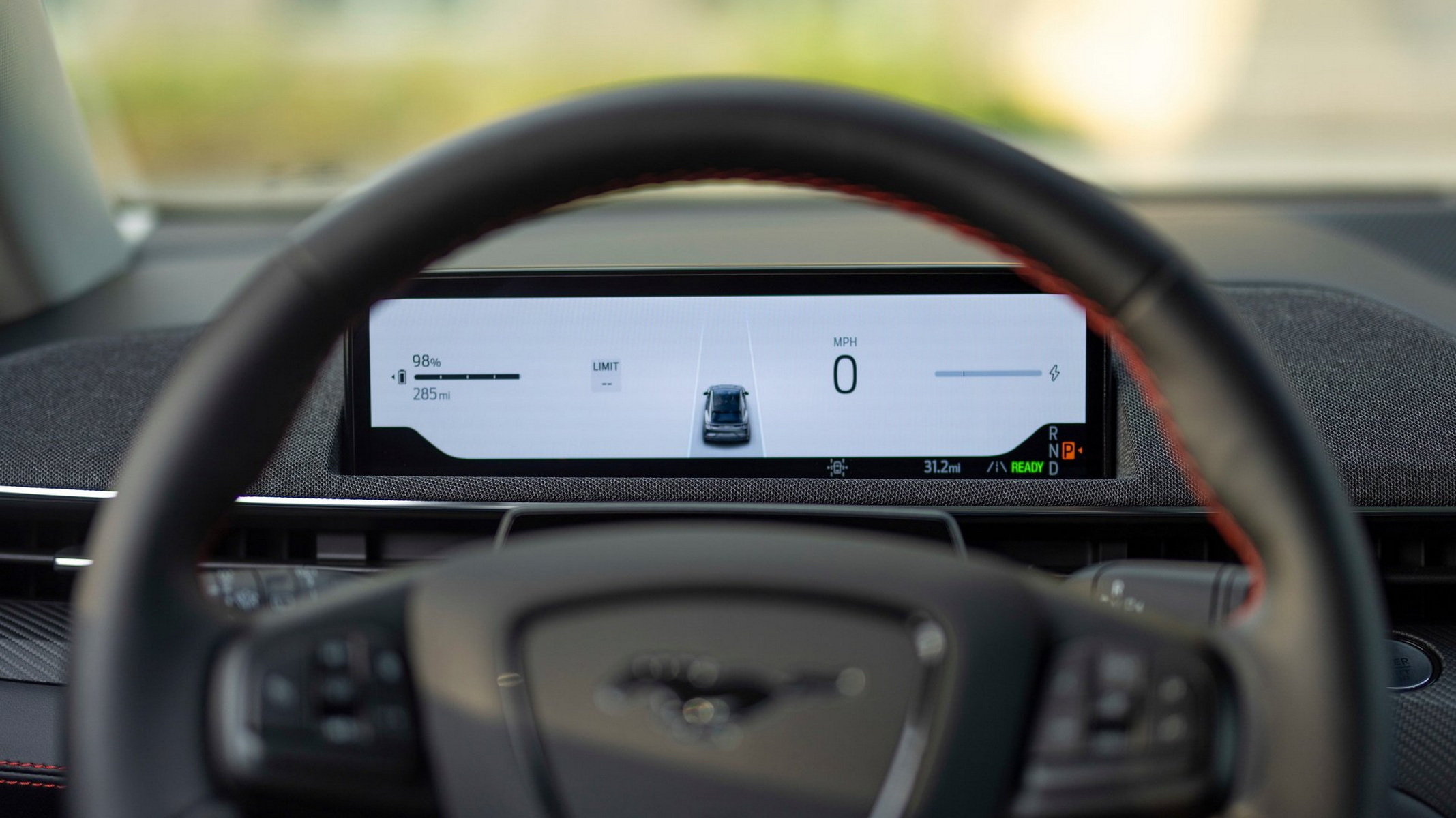
Since the car believes its battery is healthier than it really is, Ford says it can also display an artificially high State of Charge on the instrument cluster. In other words, the Mach-E can tell its driver that there’s more juice in the tank than there actually is. That discrepancy can eventually cause unexpected power limitation and ultimately a complete loss of motive power. Drivers may see a wrench or turtle warning light as the vehicle begins limiting power.
 Ford Recalls Mustang Mach-E Because A Battery Repair Can Make Things Worse

There is another, potentially more serious concern. Ford says the incorrect State of Health calculation may increase lithium plating within the battery cells as DC fast-charging cycles accumulate. Severe lithium plating can increase the risk of thermal venting and, potentially, a vehicle fire. Thankfully, there’s no indication that things have reached that point. As of its filing, Ford said it wasn’t aware of any crashes, injuries, or fires related to the issue. It also hadn’t identified any field reports specifically tied to the State of Health overestimation problem.

The solution is a simple software update that will allow the BCEM to recognize and then use the actual state of health that the corresponding battery has. It’s an extremely small recall, but also a fascinating reminder of just how much modern EVs rely on software knowing exactly what’s happening inside the battery.
 Ford Recalls Mustang Mach-E Because A Battery Repair Can Make Things Worse

Photos: Ford

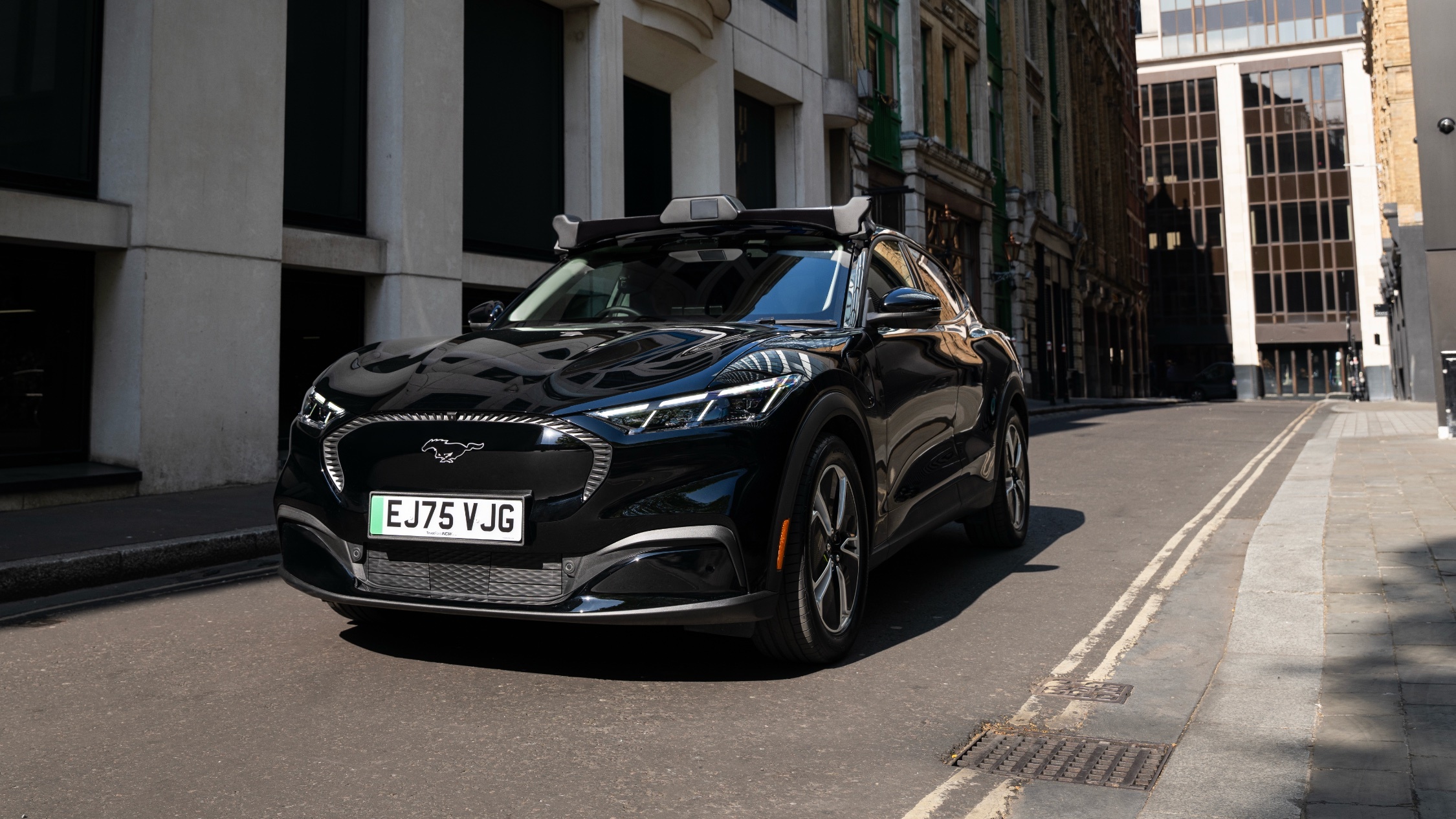
London’s First Robotaxi Is A Ford Mustang EV, And Only 15 Exist

  • London ride-hail users can now get autonomous trips from Wayve through Uber.
  • More than 140,000 Londoners have already opted into autonomous ride matching.
  • Wayve’s AI learns from experience without depending on detailed maps or rules.

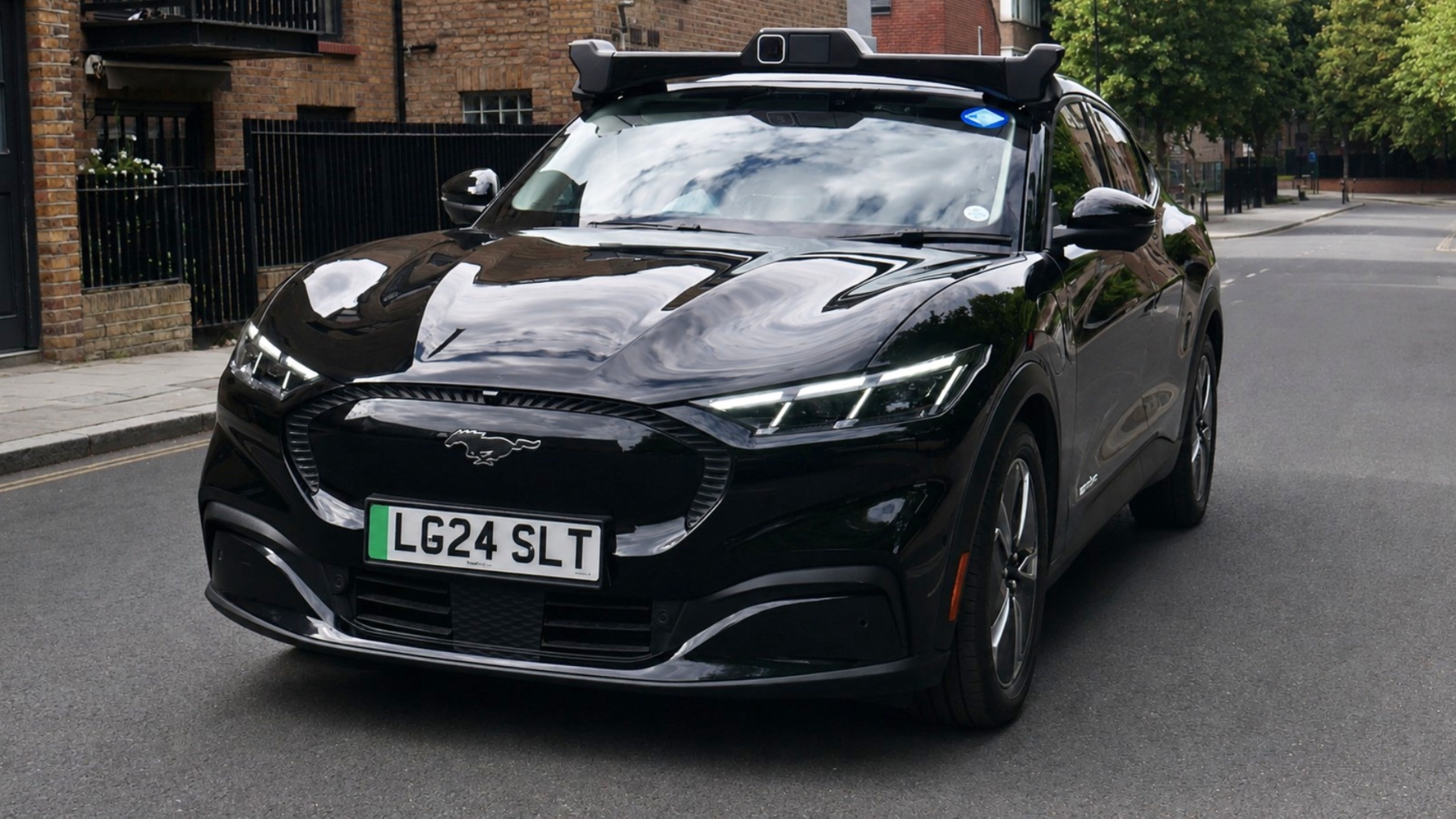
London’s iconic black cabs have some new high-tech competition. Uber and British autonomous driving specialist Wayve have launched the UK’s first autonomous ride-hailing service, putting self-driving cars onto the capital’s famously busy streets.

Starting today, passengers ordering UberX, Uber Electric or Uber Comfort could find a Wayve-equipped Ford Mustang Mach-E turning up instead. There’s no additional charge, and anyone who’d rather leave the driving to an actual person can reject the autonomous option before it arrives.

Related: A Tesla Robotaxi Got Boxed In By Bollards, So It Bulldozed Its Way Out

Calling these robotaxis completely driverless is getting slightly ahead of ourselves, though. During this opening phase, every car will carry a trained, Transport for London-licensed private hire driver who can keep an eye on things. Neither company has said exactly when the human safety net will disappear.

Doors are unlocked, and journeys are started through the Uber app, and once aboard, passengers get interactive displays supporting 64 languages, showing the route the car intends to take. Unlike some autonomous services in other parts of the world that are confined to carefully selected neighborhoods, Wayve’s cars can operate throughout London, with the exception of airport zones.

That autonomous freedom comes from Wayve’s AV2.0 system, which uses an AI Driver trained through experience rather than relying on traditional high-definition maps and piles of hand-written instructions. Wayve has been teaching the technology on London roads since 2018, so it’s logged pretty much every kind of traffic situation.

140,000 Riders, But Only 15 Cars

 London’s First Robotaxi Is A Ford Mustang EV, And Only 15 Exist

More than 140,000 people have already opted in through Uber’s Ride Preferences, though their chances of actually getting into one of these cabs is pretty slim. There are currently just 15 Wayve Mustangs versus roughly 100,000 Ubers in London.

London is Wayve’s home city but doesn’t represent the end of its ambitions. Wayve and Uber plan to expand their partnership across 12 international markets, with AI-driven Nissan Leafs due in Tokyo later this year. Uber, meanwhile, expects autonomous rides to be operating through its platform in as many as 15 cities by the end of 2026.

 London’s First Robotaxi Is A Ford Mustang EV, And Only 15 Exist

Wayve, Uber

❌
❌