Reading view

There are new articles available, click to refresh the page.

Be Honest, If Gas Hits $7 A Gallon, Would You Switch To An EV Or Keep Paying?
  • Oil prices are climbing amid Iran tensions, pushing gas higher.
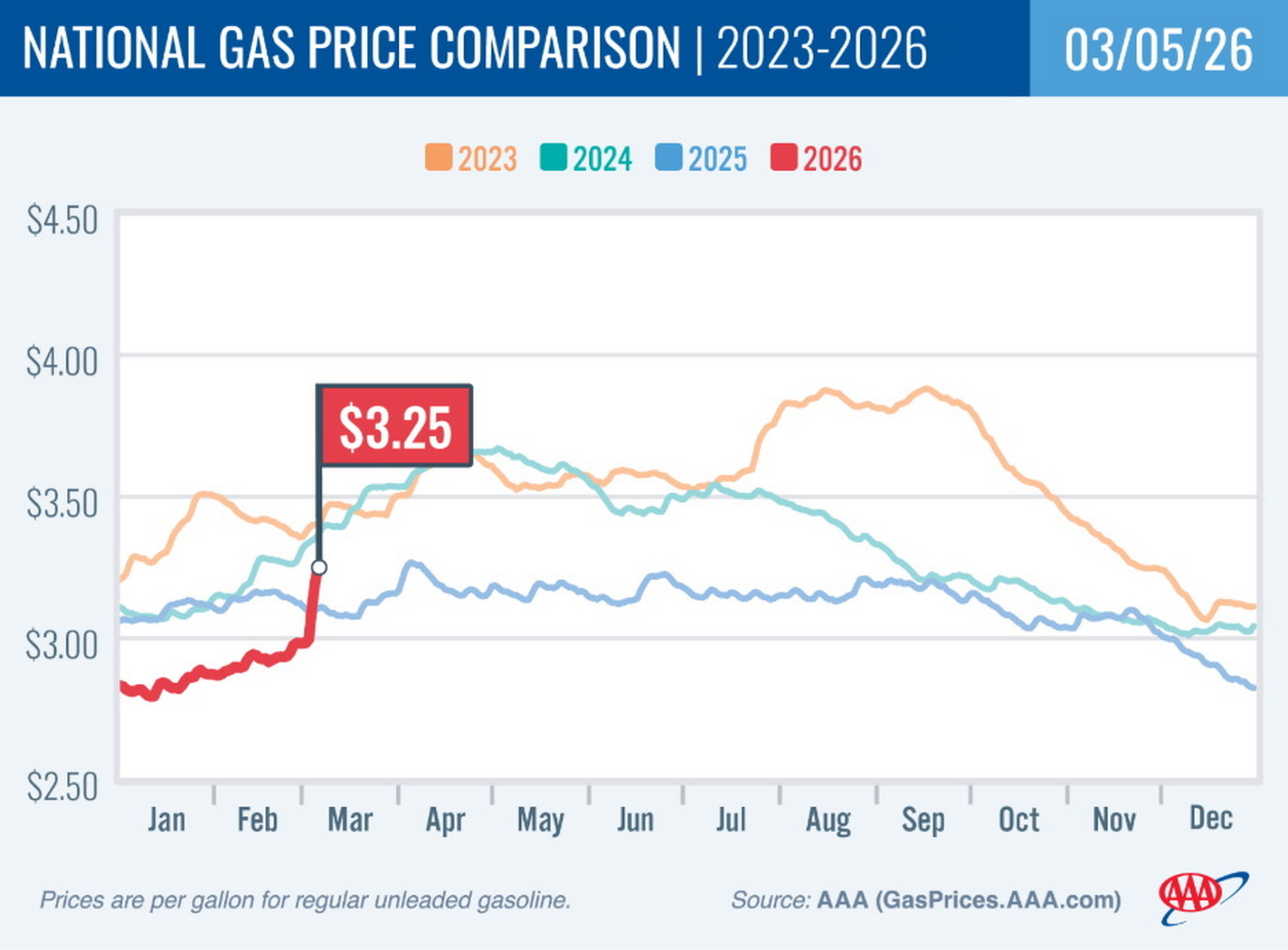
  • AAA says the U.S. average recently jumped to about $3.25.
  • Some forecasts warn gasoline prices could stay high for months.

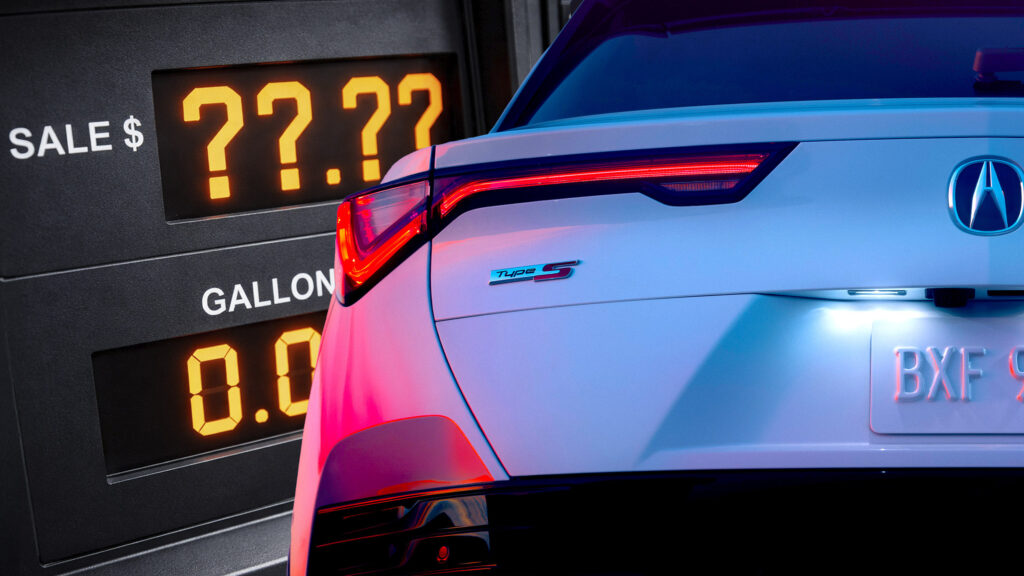
Gas prices are already starting to climb as tensions in the Middle East push oil markets higher. The increases haven’t been dramatic yet, but depending on how the war with Iran unfolds, they could keep creeping up for quite some time. How bad would it have to get for those of you with gas cars to switch to an EV?

According to AAA, the U.S. average recently climbed to about $3.25 per gallon after a sharp weekly jump, as crude markets react to the fallout from the U.S.-Israeli conflict with Iran. And there’s a good chance this is only the beginning.

Analysts say the biggest risk is disruption to oil shipping through the Strait of Hormuz, one of the most important energy choke-points in the world. If supplies stay tight, gas prices could keep rising for weeks or even months.

More: Global Oil Shock Triggers The Largest Ever Strategic Reserve Release As Gas Prices Surge

Recent forecasts tied to the ongoing war suggest crude could stay elevated for a while. The U.S. Energy Information Administration expects oil to remain high enough to push U.S. gasoline prices higher in 2026, even if the conflict cools down, with average prices projected around the mid-$3 range.

In more extreme scenarios, oil staying near or above $100 per barrel for an extended period could drive inflation higher and make everyday driving significantly more expensive. In fact, Reuters reports that some big names in the banking and finance industry worry that it’ll climb to $120 a barrel. Some analysts think $150 a barrel is possible.
 Be Honest, If Gas Hits $7 A Gallon, Would You Switch To An EV Or Keep Paying?
AAA

For reference, when oil prices hit $130 a barrel in 2022, gas prices reached about $5 per gallon. At $150 or more, we could see $6 or $7 a gallon fuel prices. That’s exactly the kind of situation where EVs suddenly start looking a lot more appealing, even to those who wouldn’t normally consider buying one.

So where do you draw the line? If fuel prices keep climbing with no sign of relief, when would you finally consider parking the gas-powered car and moving to an EV?
 Be Honest, If Gas Hits $7 A Gallon, Would You Switch To An EV Or Keep Paying?
Photo Stephen Rivers / Carscoops

Canadians, What’s The One Chinese EV You’d Absolutely Buy?

  • Canada cut Chinese EV tariffs from 100% to 6.1% in new deal.
  • Initial cap set at 49,000 vehicles, with future growth to 70,000.
  • Nearly half of new EVs expected to cost under $35k CAD to start.

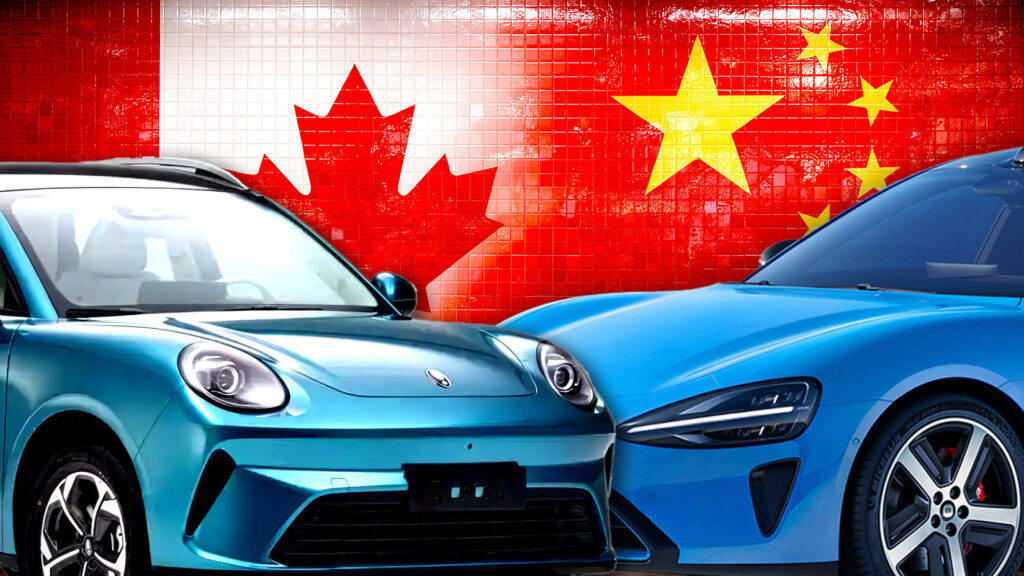
A new trade agreement has cracked the door open for electric vehicles from China to officially re-enter the Canadian market. In exchange, the People’s Republic is easing up on tariffs for Canadian agricultural exports, especially canola. Yes, your future EV might be indirectly powered by salad oil diplomacy.

Cheap, tech-packed, and improving at a scary pace, Chinese EVs are terrifying North American automakers and fascinating savvy car buyers, and they haven’t even landed yet, kept out by tariffs and political caution.

Related: China Is Ready To Start Building Cars In Canada

This new agreement changes the vibe. Canada gets more affordable EV options because the tariff rate is being cut from 100 percent to 6.1 percent.

The initial annual import cap is set at 49,000 vehicles, or one third of the car market, but could grow to 70,000 annually five years from now. And crucially, around half of the volume is expected to cost less than $35k CAD ($25k).

Compact Contenders and Budget Picks

 Canadians, What’s The One Chinese EV You’d Absolutely Buy?
BYD Seagull

But what would you buy? If price is king, the tiny BYD Seagull, sold in some markets as the Dolphin Surf, could be the ultimate city runabout. Sure, it looks about the size of a carry on suitcase with headlights, and Canadian winters are not exactly minicar friendly.

QOTD: What Car Repair Made You Wonder If Engineers Ever Touch The Cars They Design?

However, if the goal is getting more people into affordable EVs, this little hatch and its bigger Dolphin brother could be game changers for urban commuters.

 Canadians, What’s The One Chinese EV You’d Absolutely Buy?
Xpeng

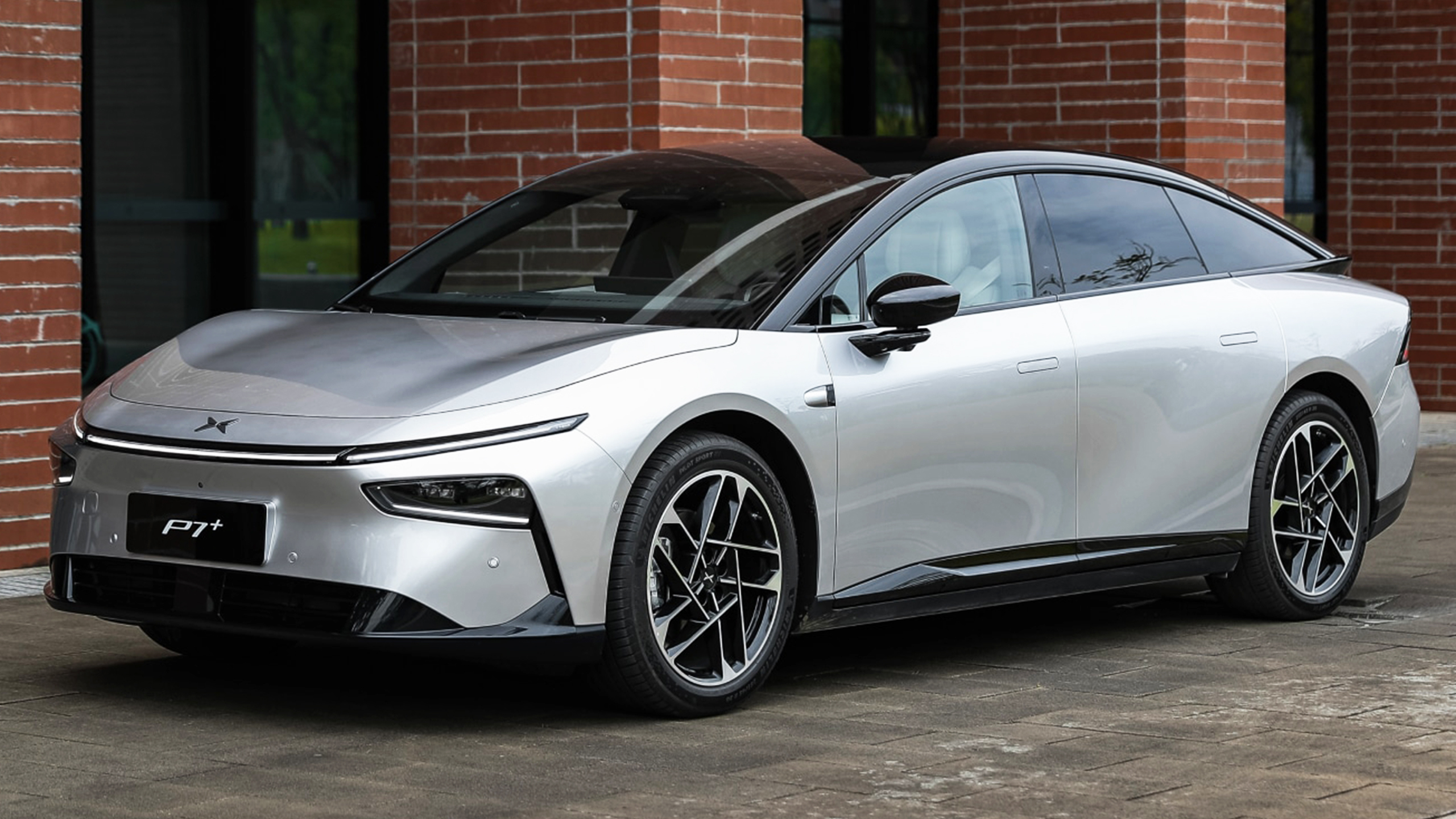
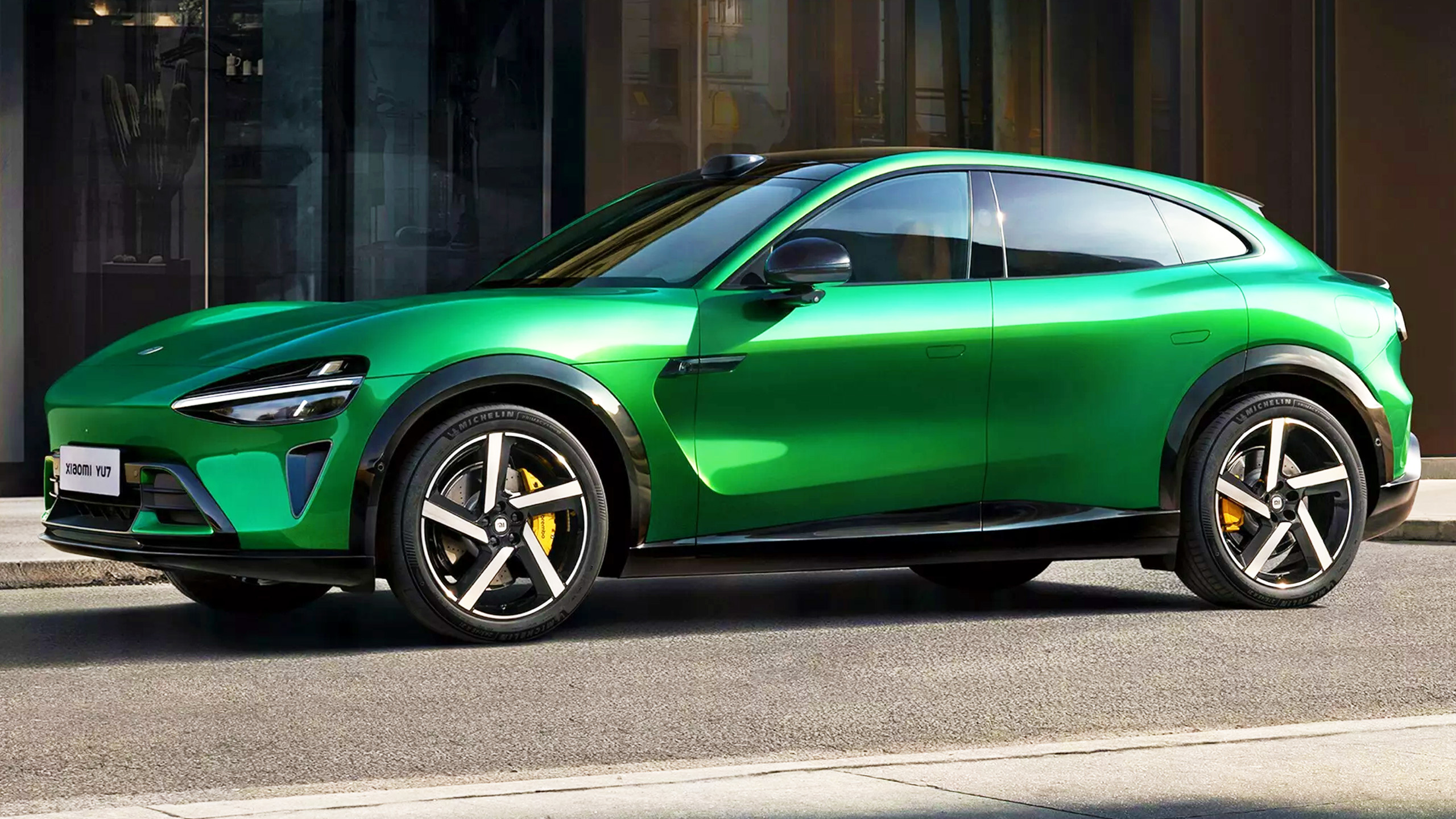
Sedan fans looking for some style, will be hoping Xpeng’s P7+ (seen above) gets an invite, but if you’re determined to blow past that $35k budget you’ve surely got to be rooting for the Xiaomi SU7 sedan and YU7 SUV.

These are the cars that make traditional brands nervous and car nerds very curious. Ford CEO Jim Farley daily-drove an SU7 specially imported for him and his team in 2024 and described it as “fantastic,” telling an interviewer “I don’t want to give it up.”

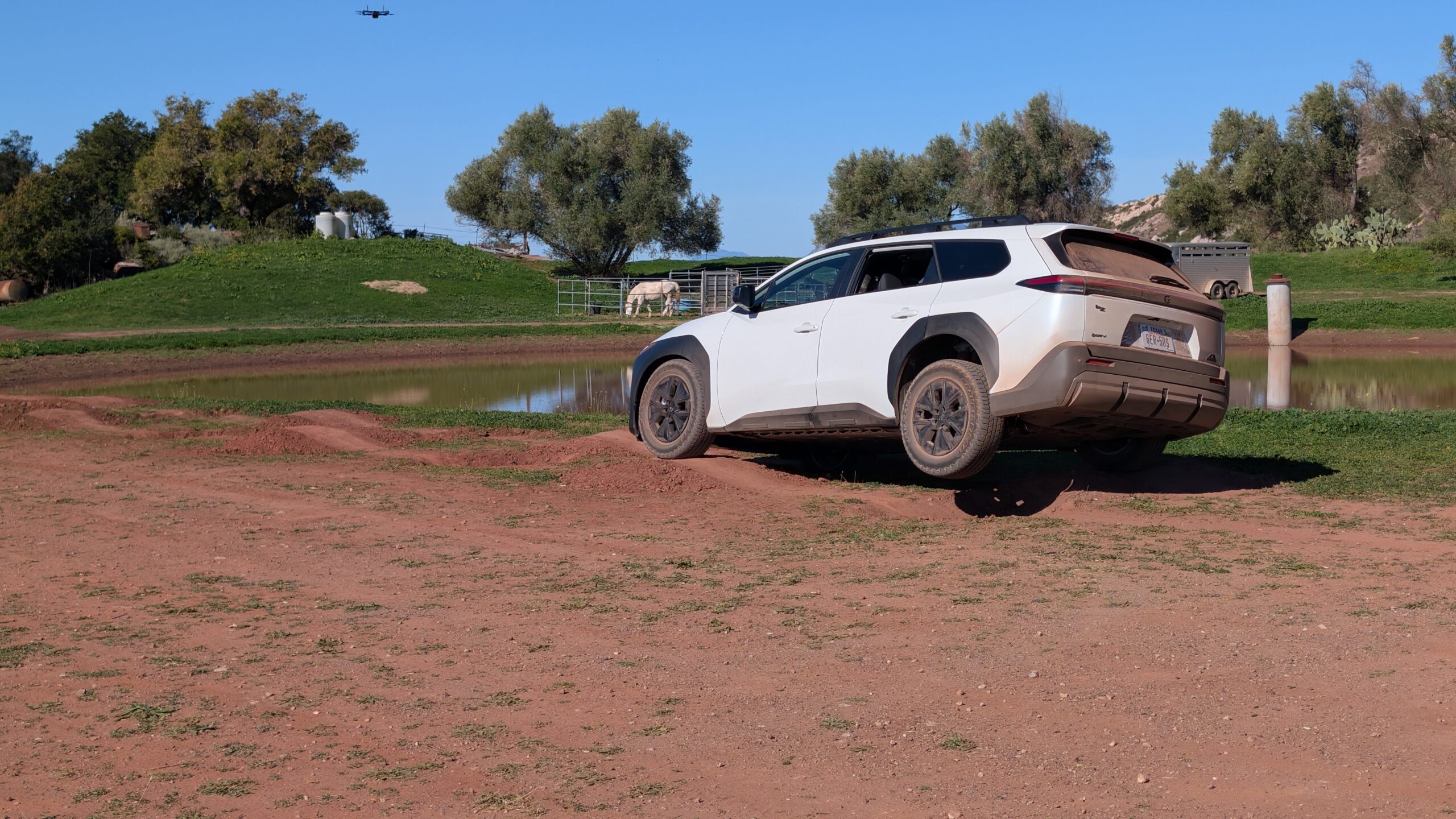
Another possibility? Western brands already building China-only models, like Mazda’s EZ-6 sedan that’s priced from around $20,000 in China, the Toyota bZ7 sedan, or Nissan’s NX8 crossover. If the import gate opens wide enough, these could sneak through too.

Answers Needed

 Canadians, What’s The One Chinese EV You’d Absolutely Buy?
Nissan N7

Of course, there will be questions about service networks, long term reliability, and how these brands fit into Canada’s market. But purely from a car geek perspective, the idea of suddenly having access to this whole new wave of EVs is kind of exciting.

So Canadians, if these cars start showing up in showrooms, which one are you signing for? And if you are reading from elsewhere, play along. If you did live in Canada, what Chinese EV would be on your driveway?

 Canadians, What’s The One Chinese EV You’d Absolutely Buy?
Xiaomi

After More Than A Century (Or Two) Of Cars, What Was The Biggest Innovation Ever?

  • Carl Benz patented his three wheeled motor car in January 1886.
  • Modern cars are faster, safer, and easier to drive than today.
  • Autonomous tech may mark the biggest shift in car history so far.

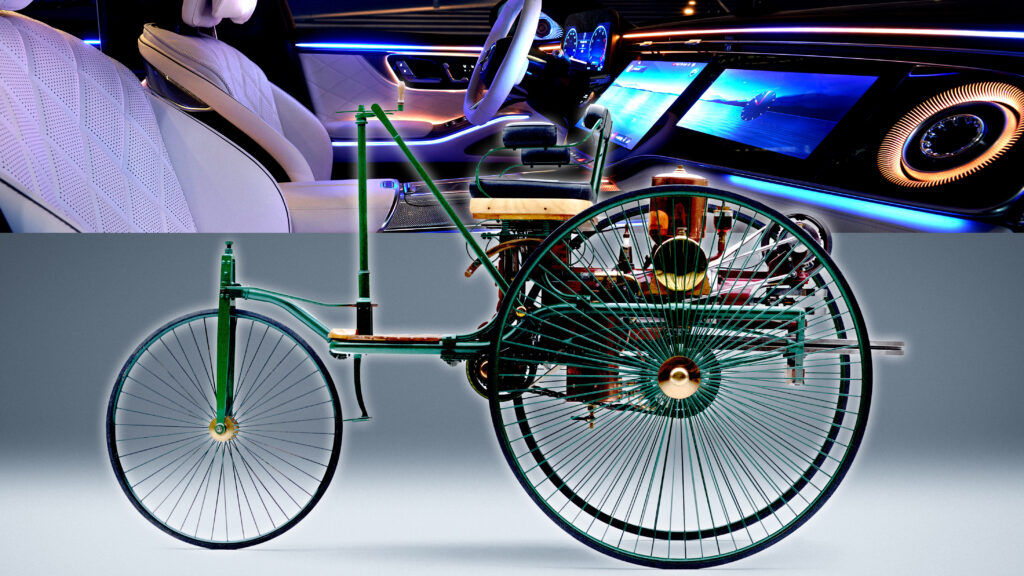
The story of the automobile is never just about a single moment, even when a neat anniversary tempts us to frame it that way. Mercedes is marking 140 years since Carl Benz first putt-putted down the road in his Patent-Motorwagen, often described by the brand as the “world’s first automobile”.

Read: New S-Class Uses 50,000 LEDs To Light Nearly Six Football Fields Ahead

That claim, however, has long been debated in enthusiast circles, including at The Autopian, where Jason Torchinsky recently revisited the subject in detail. Even Mercedes itself acknowledges the history is more nuanced.

The Origins Are Messier Than You Think

On its own website, the company concedes that the automobile did not simply appear in 1886. It recognizes that numerous forerunners existed well before Carl Benz. These range from steam-powered road vehicles to earlier experimental self-moving machines, including Frenchman Nicolas Joseph Cugnot’s three wheeled steam cart from 1769, or possibly 1770, depending on who you ask.

Innovation In Retrospect

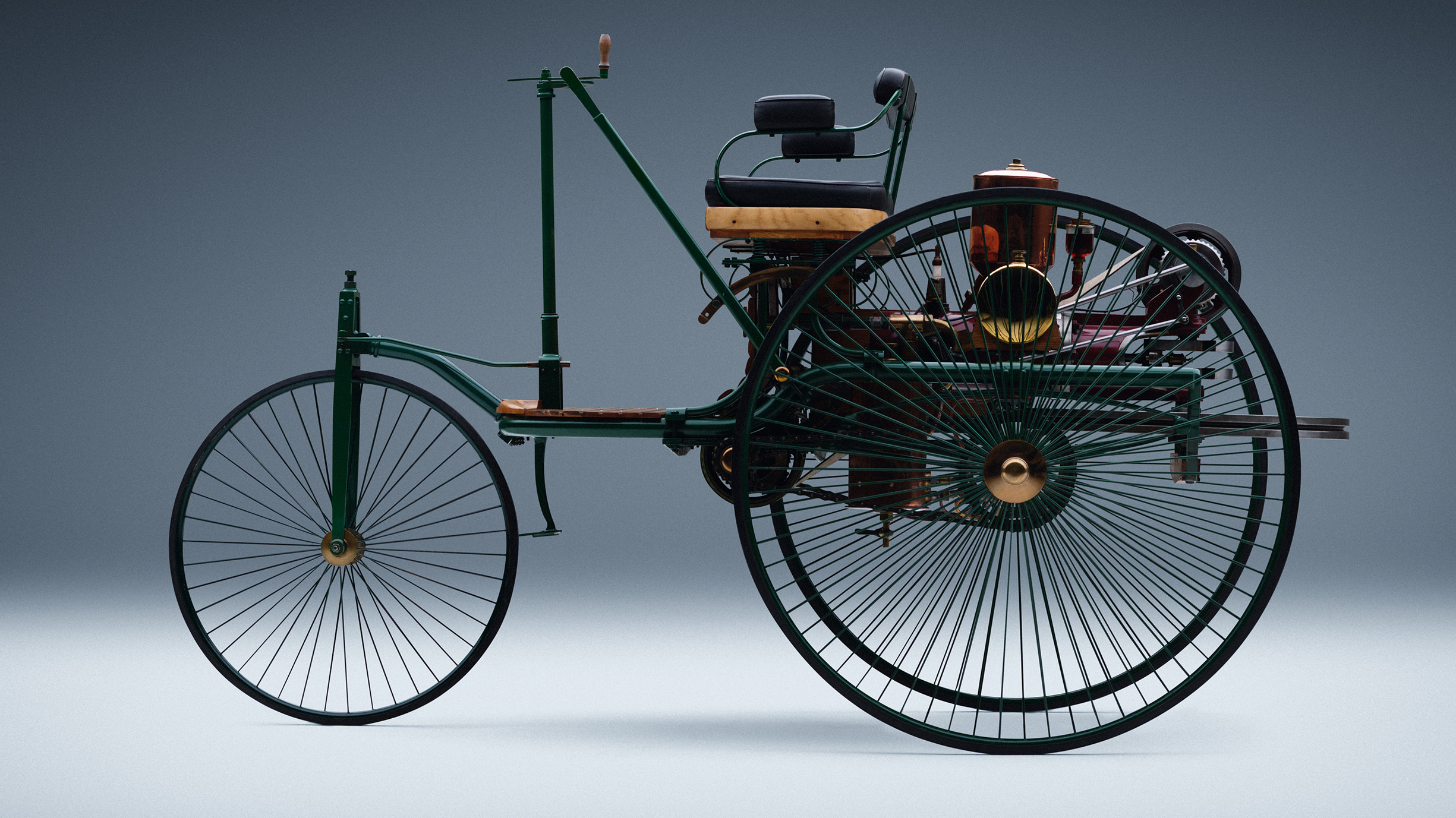
Looking at Mercedes’ car no. 1 now, with its huge, spindly wheels, puts that layered history into perspective. It is a vivid reminder of how far the automobile has evolved since Benz’s first outing in 1886, but it also invites a more fundamental question.

Read: Americans Embrace AI Tech In Their Cars But Some Features Drive Them Crazy

With so many ideas, inventions, and refinements accumulating across more than a century of experimentation, which single innovation truly transformed driving the most?

 After More Than A Century (Or Two) Of Cars, What Was The Biggest Innovation Ever?
Volvo

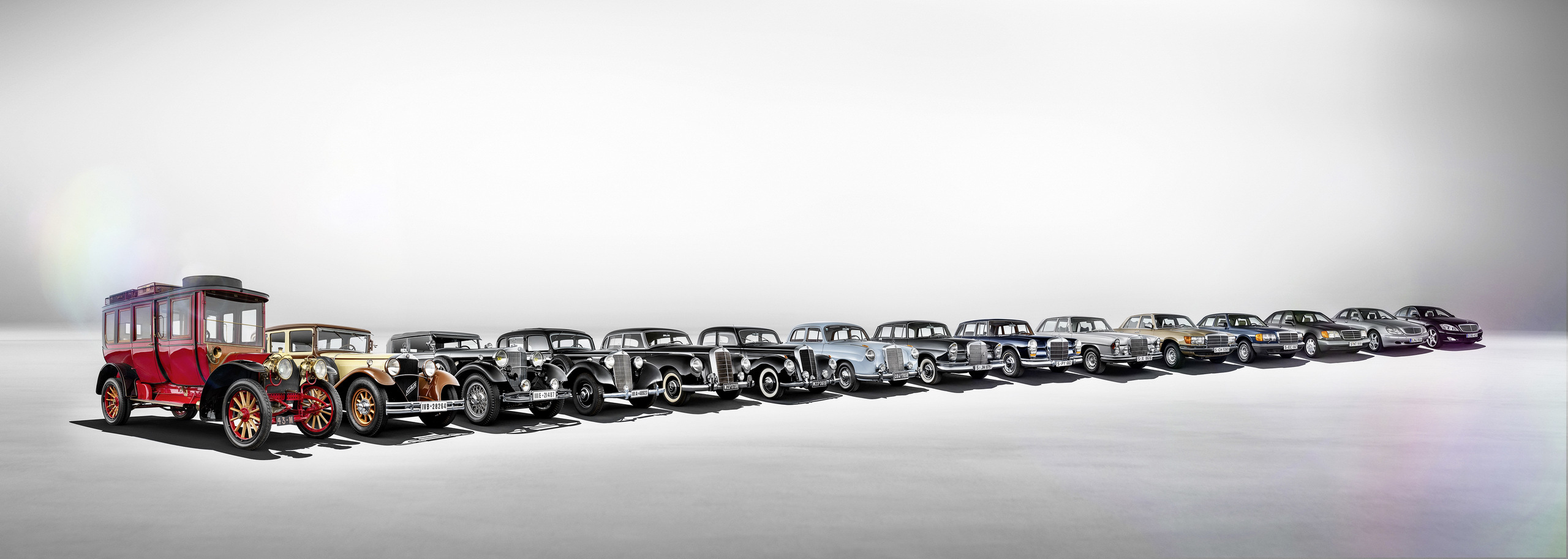
Early breakthroughs were about simply making cars usable. Four wheels brought stability. Steering wheels replaced awkward tillers. Then came the electric starter, which saved drivers from wrestling engines by hand and occasionally breaking bones, transmissions with synchromesh or fully automatic operation. Suddenly cars weren’t just for the brave and mechanically gifted, but for everyone.

Related: Mercedes’ CLE Gets A Facelift, But The Big News Is Under The Hood

Design took its own leap forward as cars stopped looking like horse carriages and started slicing through air. Windshields, enclosed bodies and integrated fenders all radically changed how automobiles looked, even before wind tunnels started to have a major say in the styling process.

From 10 mph to 300 mph

 After More Than A Century (Or Two) Of Cars, What Was The Biggest Innovation Ever?
Bugatti

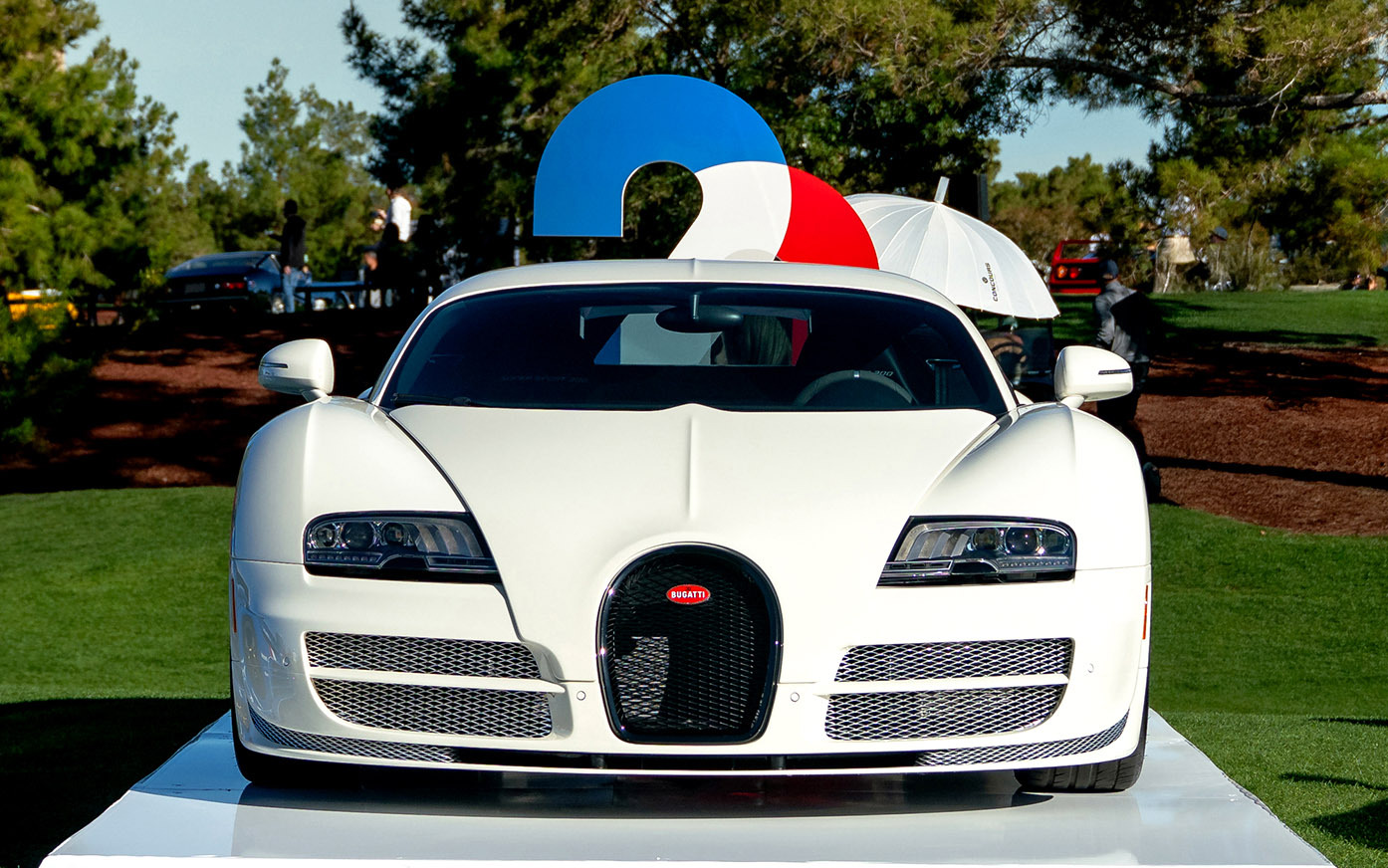
And let’s not forget power and speed. That first car in 1886 had less than 1 hp (1 PS) and was all out of puff at 10 mph (16 kmh). Today, even the most ordinary subcompact makes 100 times as much grunt and is 10 times as fast, while hypercars now punch out 2,000 hp (2,023 PS) and in some cases can top 300 mph (483 kmh).

Those feats would be terrifying with the kind of safety equipment Benz’s Motorwagen had on board. The 1886 original had solid rubber tires and no braking system on any of its three wheels, the only way to slow it down being to tug on a simple hand-operated lever that created friction on the drive belt.

 After More Than A Century (Or Two) Of Cars, What Was The Biggest Innovation Ever?
Mercedes

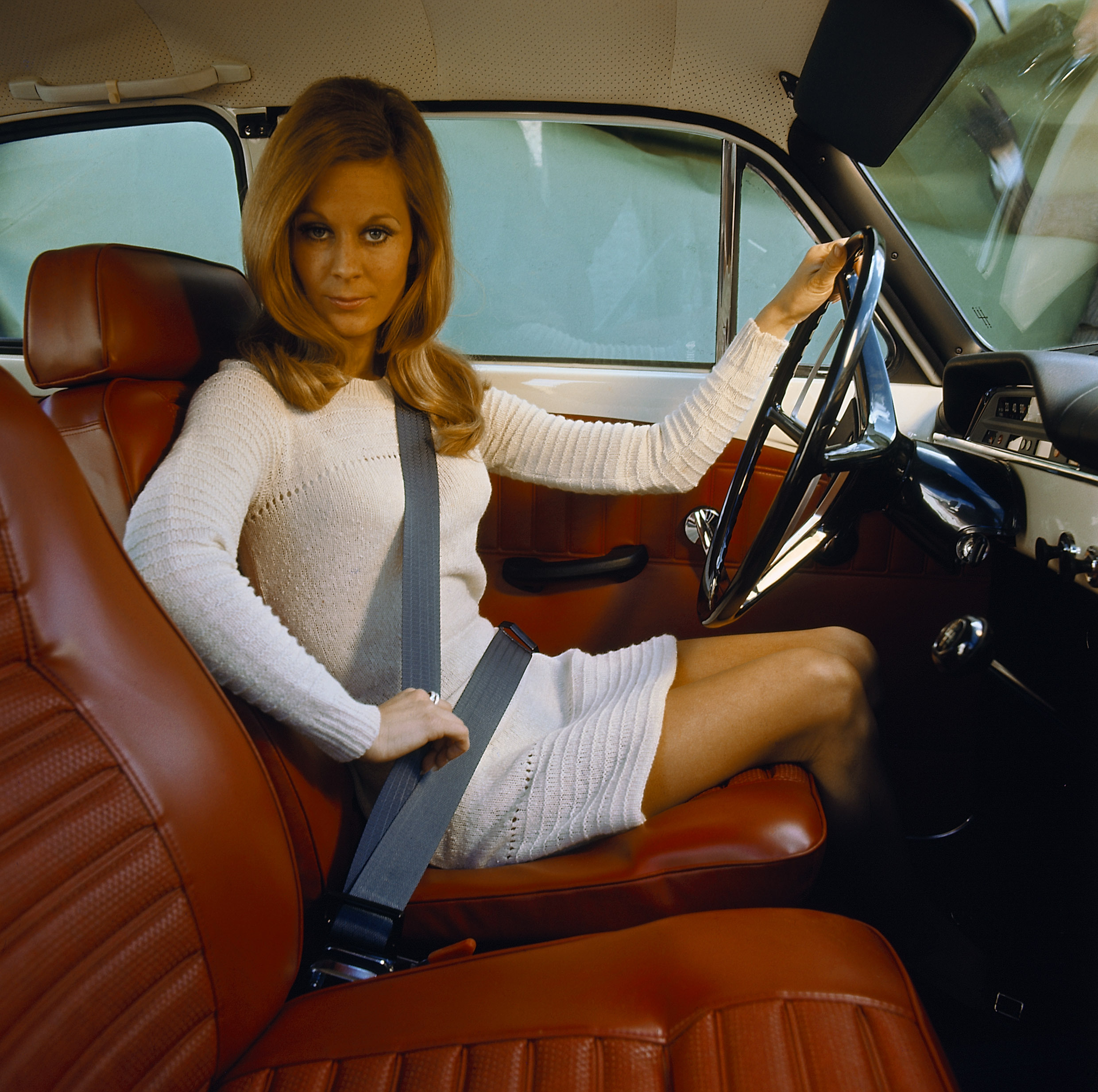
Safety improved relatively quickly, but the major advances in that department have come in the second half of the car’s 140-year life. Seatbelts, crumple zones, airbags, and anti lock brakes quietly saved millions of lives, while air conditioning, power steering, satellite navigation and in-car hifi made those lives behind the wheel more bearable.

Biggest Changes Still to Come

Now we’re living through another turning point. Hybrids, EVs, driver assistance systems, and cars that can steer, brake, and park themselves are redefining what it even means to drive. Mercedes is, appropriately, at the forefront of that change, and will offer Level 4 self-driving on the new S-Class that debuts this year.

Some people see freedom in that kind of tech. Others see the end of real driving. Either way, the car is changing again.

So what gets your vote as the biggest advance to emerge from the car’s long evolution, the one innovation without which modern driving would feel impossible? And which car helped all cars make the biggest leap forward? Jump into the comments and make your case.

 After More Than A Century (Or Two) Of Cars, What Was The Biggest Innovation Ever?
Bugatti
❌