Login
LoginCadillac Lyriq Lawsuit Says EVs Can Suddenly Brick Without Warning
- Owners say SUVs can suddenly stop charging, starting, or driving.
- Lawsuit claims GM knew about the defects before selling the Lyriq.
- Plaintiffs allege some vehicles spent weeks or months at dealerships.
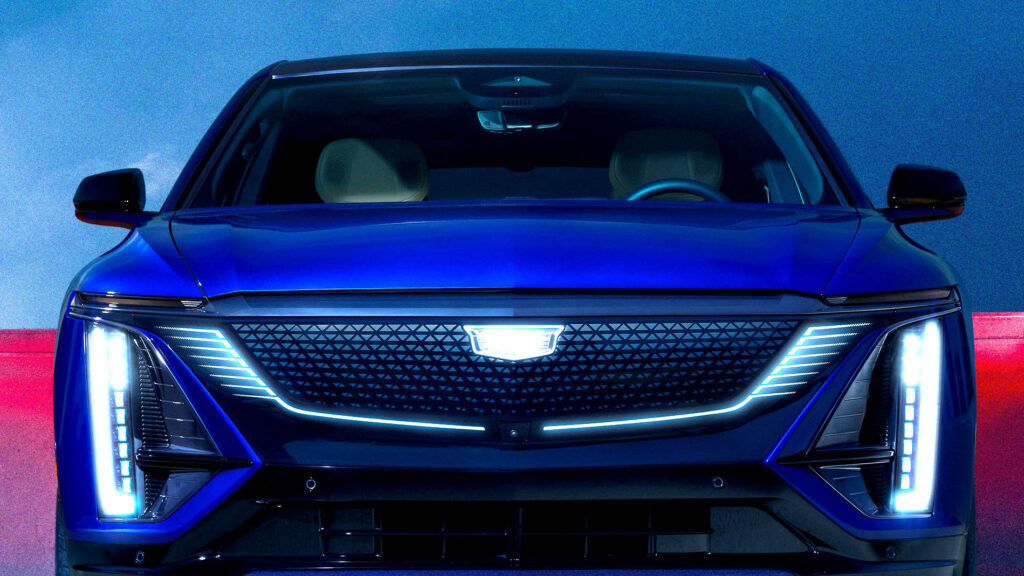
For something as expensive and high-tech as the Cadillac Lyriq, buyers probably expect a few software bugs here and there. Maybe a glitchy screen, a frozen app, or a charger that occasionally needs a second try. According to a new lawsuit against General Motors, some owners are dealing with something much worse: SUVs that suddenly become completely unusable.
A proposed class-action lawsuit filed in federal court in Washington claims the Cadillac Lyriq suffers from widespread electrical, software, and battery-management issues that can leave the electric SUV unable to start, charge, or drive. In other words, the lawsuit alleges that some Lyriqs effectively become very expensive driveway ornaments, or, in tech terms, bricks. We doubt owners find much comfort in that, regardless of whatever styling drew them in.
More: Thousands Of Cadillac EVs Recalled Over A Feature Meant To Impress
According to the lawsuit seen by Carcomplaints, Washington resident Wendy Cochran and Florida resident Charlene Riddle both say their Lyriqs suffered what’s described as “catastrophic electrical system failure.” Riddle claims GM told her a software fix was required, but that no fix was available at the time. Cochran, meanwhile, says her SUV became unusable, leaving her with lost time, added costs, and a vehicle now worth less than she paid.
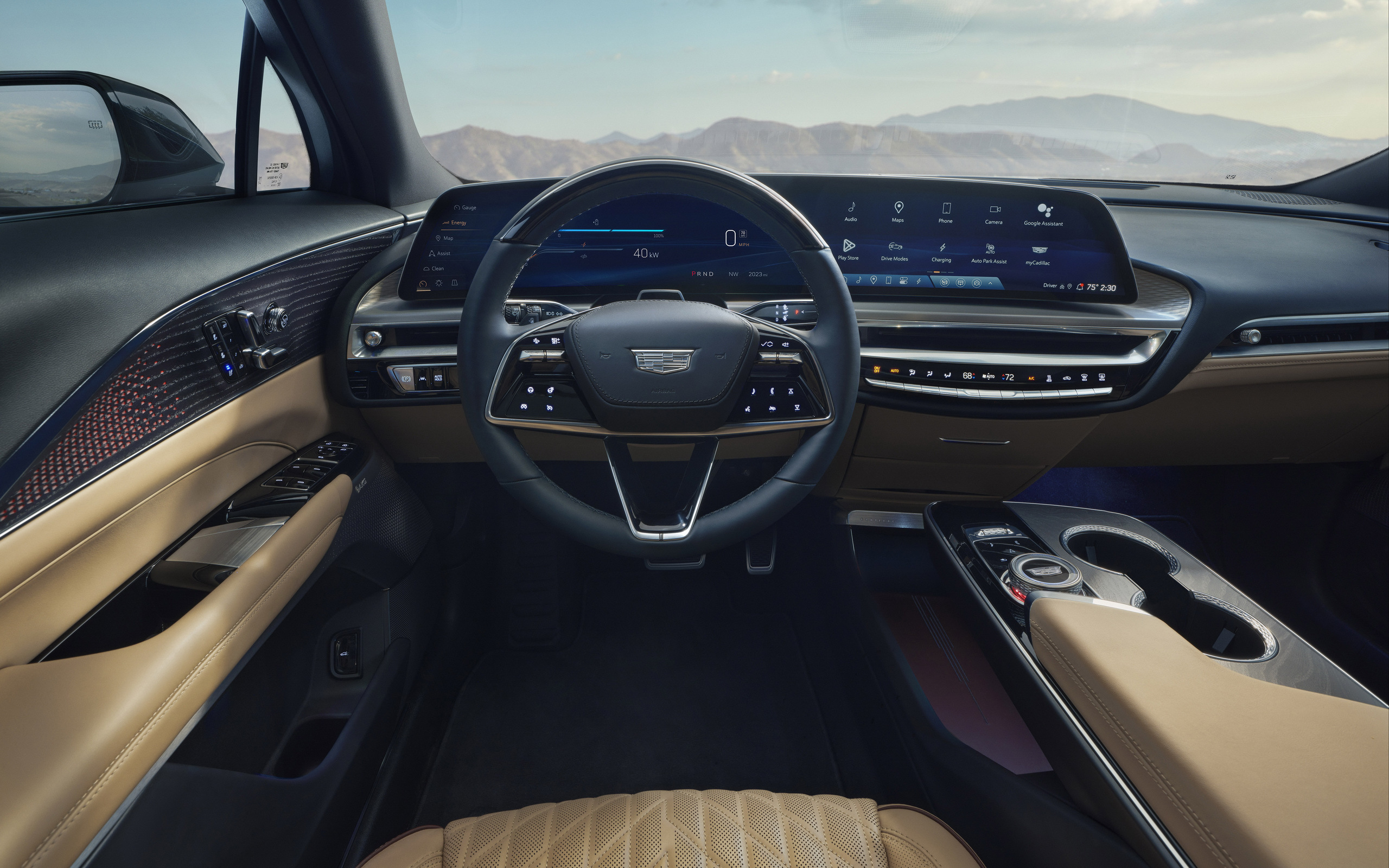
Importantly, the filling calls into question failures with the Lyriq’s electrical architecture, battery-management modules, software systems, and vehicle control networks. All of those systems have to constantly work with one another. The plaintiffs point out that if one fails, it can cascade throughout the rest of the system and effectively brick the car.
One important piece of the puzzle is that the lawsuit claims that GM was aware about this issue and put the cars on the market anyway. The lawsuit alleges that the company had access to pre-production testing, engineering reports, warranty claims, dealership repair records, and consumer complaints, all of which pointed to the same issue. Even so, GM allegedly continued marketing the Lyriq as a premium, reliable luxury EV.
At this point, the ball is in GM’s court. It can respond by denying the allegations or, more likely, it could ask the judge to dismiss the case altogether. Generally, the next move comes within three weeks of the initial filing so we should have more news on the case soon.