Reading view

There are new articles available, click to refresh the page.

Opel And Alfa Romeo’s Next EVs May Be Built Around Chinese Tech, Not German Or Italian
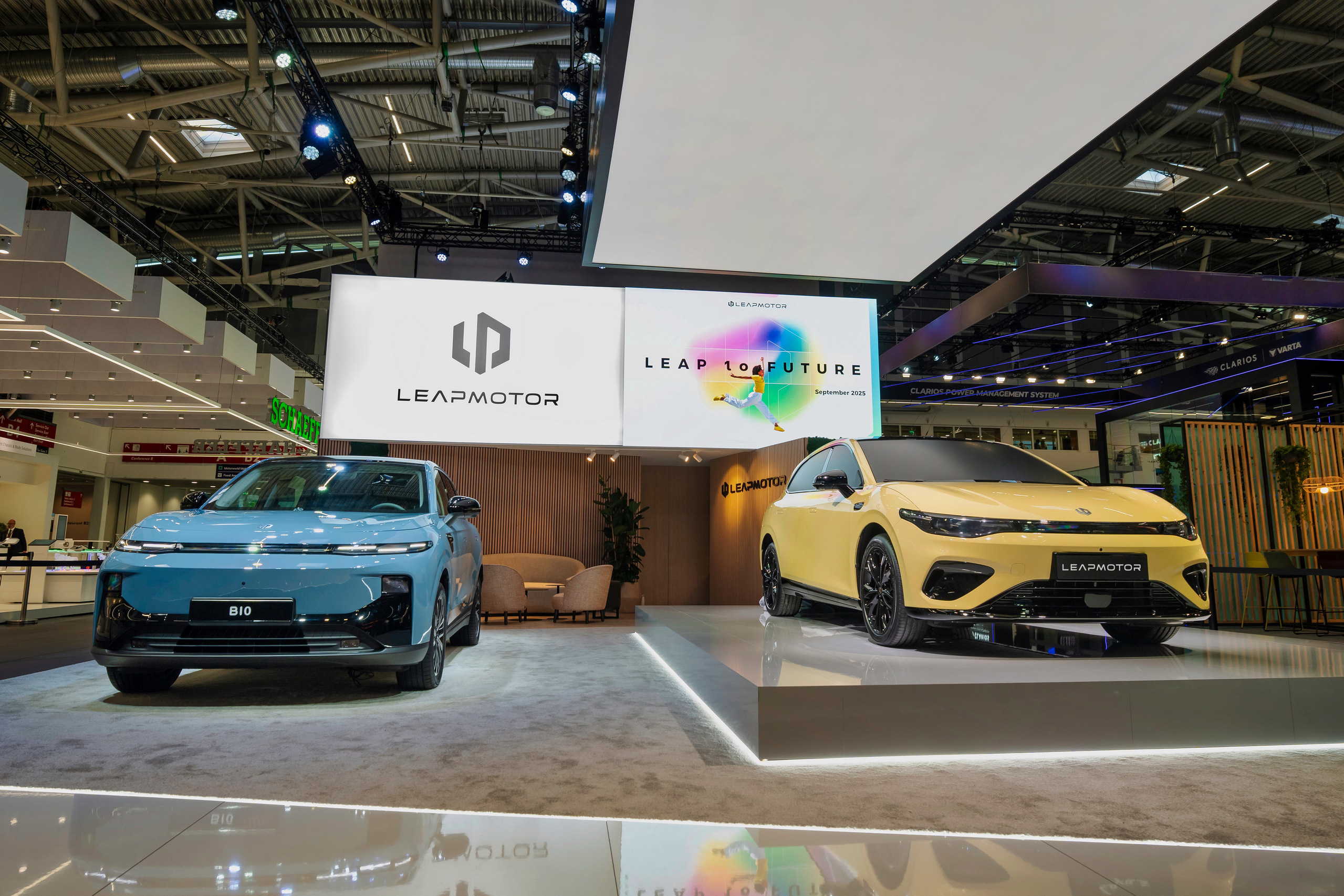
  • A new Opel EV may be built at a Spain plant alongside the Leapmotor B10 model.
  • Leapmotor is expected to supply key electrical and electronic parts to Stellantis.
  • Stellantis aims to deepen its ties after buying a 20 percent stake in the company.

Facing mounting pressure to cut costs and speed up timelines, Stellantis is looking beyond its own engineering bench. The automaker is reportedly exploring a plan to co-develop a new EV for Opel, and possibly Alfa Romeo too, with Leapmotor, leaning heavily on the Chinese firm’s underlying technologies.

Read: Stellantis’ Plan For Canada Looks Less Like A Car Factory And More Like A Chinese IKEA, Says Official

The move comes as Stellantis recalibrates its EV strategy following a $25 billion writedown tied to scaling back parts of its electric vehicle roadmap.

China-Based Development Plans

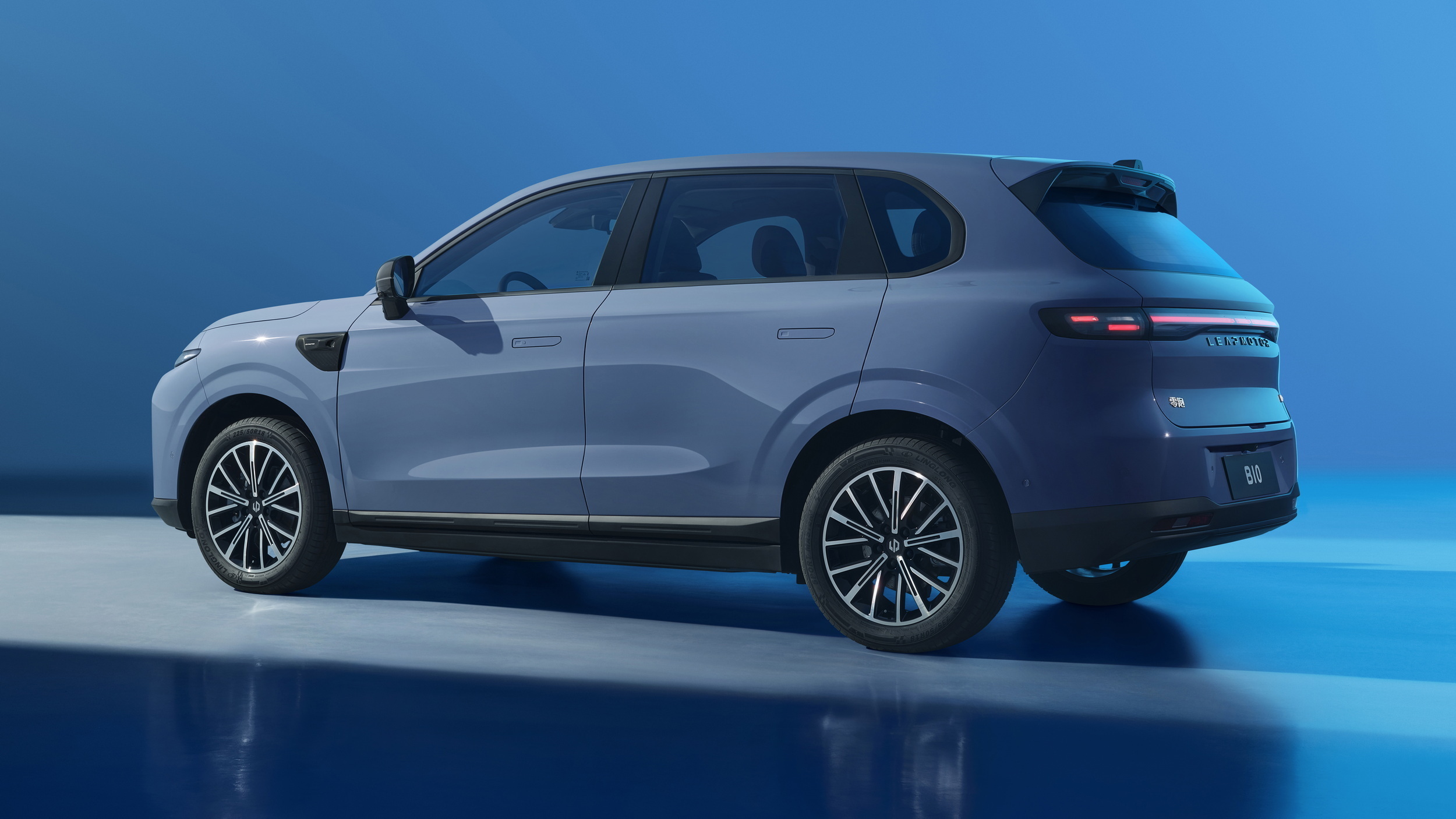
Unnamed sources claim that the new Opel could use the same architecture as the Leapmotor B10. Whether it will share the exact same powertrain remains unclear, but Leapmotor is expected to supply key systems, including electrical and electronic components, effectively doing much of the heavy lifting under the skin.

In addition, much of the development work would take place in China, with Opel focusing primarily on exterior design. Reuters reports that discussions between the two companies began late last year, and a deal could be finalized in the coming weeks.

Stellantis acquired a 20 percent stake in Leapmotor in 2023 and has since supported the brand’s international expansion through their joint venture, Leapmotor International. This entity oversees sales and production outside China. If approved, the new Opel SUV would be built at Stellantis’ Zaragoza plant in Spain, which is also set to assemble the Leapmotor B10 starting later this year.

An Alfa Romeo Next?
 Opel And Alfa Romeo’s Next EVs May Be Built Around Chinese Tech, Not German Or Italian

It is understood that the new Opel could enter production in 2028, with annual output targeted at around 50,000 units. Leapmotor has responded cautiously to the reports, noting that it continues discussions with partners, including Stellantis, but has no plans for full platform-level collaboration. Instead, it remains focused on supplying its own in-house components.

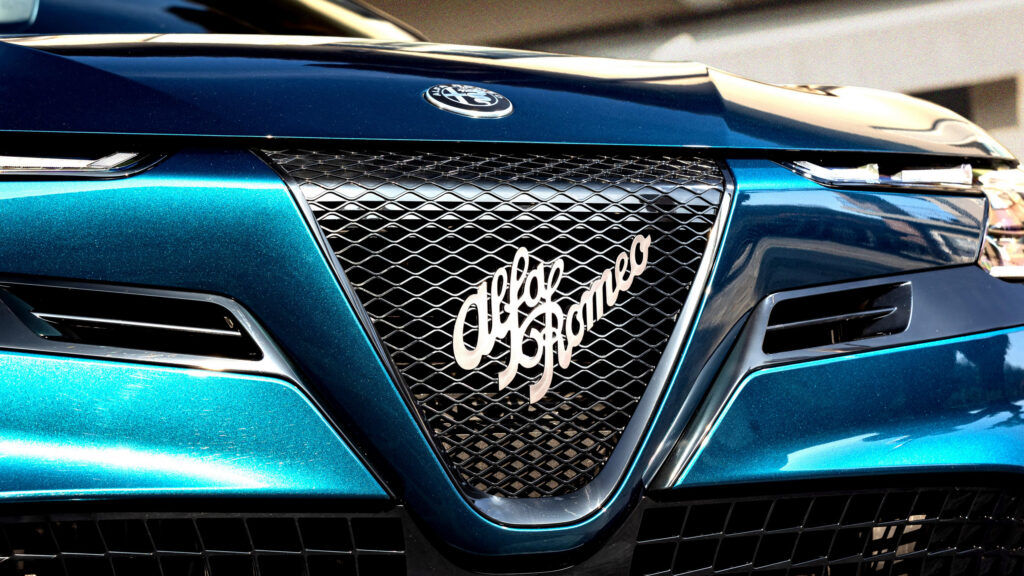
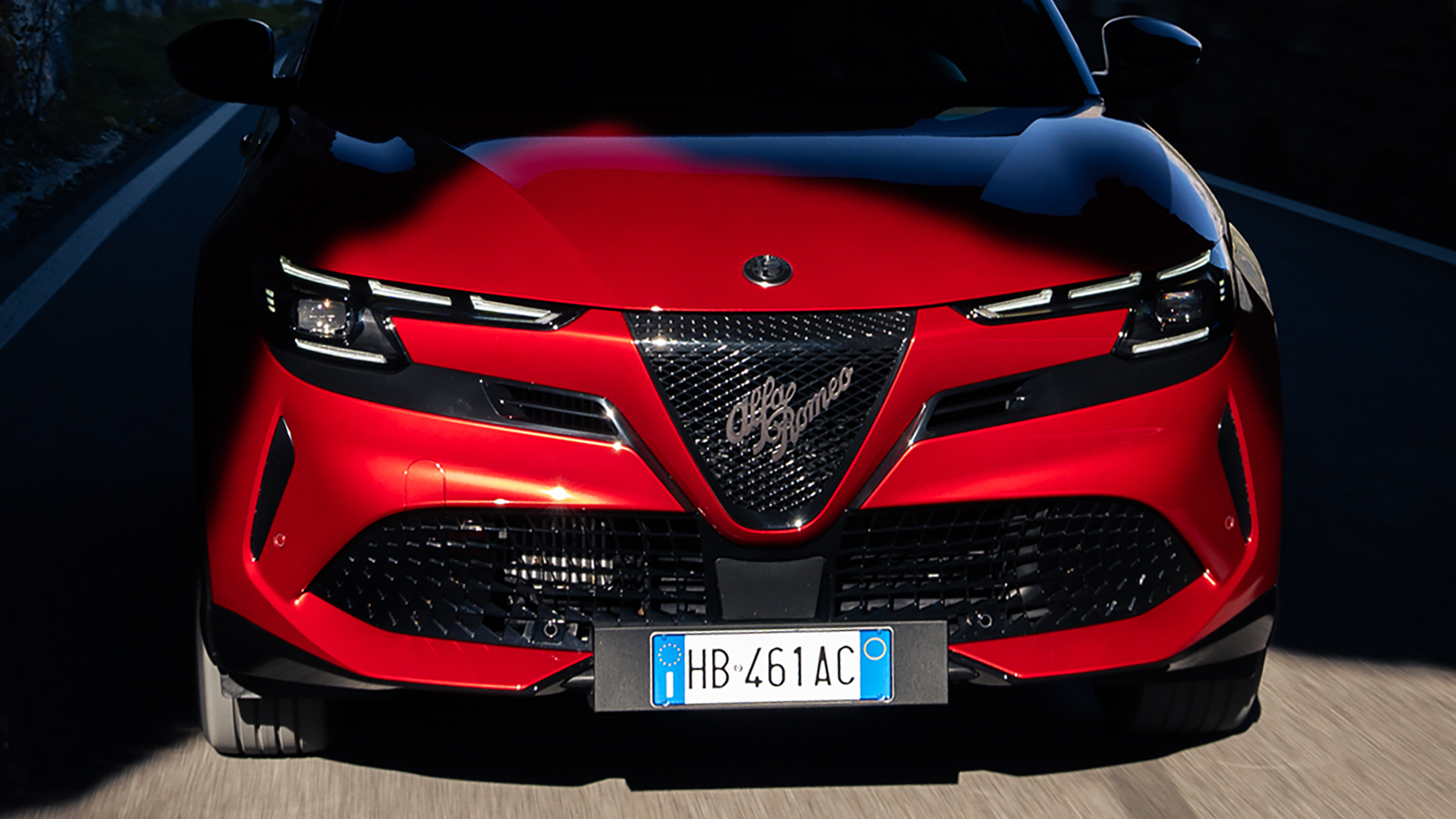
The close-knit partnership between Stellantis and Leapmotor may extend beyond a single Opel EV. Early discussions have considered applying Leapmotor’s technology to smaller A-segment models, which would likely require separate production lines. The same report also points to a possible Alfa Romeo model based on the B10 architecture, which could also be produced in Zaragoza.
 Opel And Alfa Romeo’s Next EVs May Be Built Around Chinese Tech, Not German Or Italian

Stellantis Hands Chinese EV Maker A Factory To Bypass EU Import Tariffs

  • The Chinese brand will start building the B10 in Spain, likely in Zaragoza.
  • Leapmotor’s global exports surged almost 400 percent last year.
  • Stellantis and Leapmotor are also eager to deepen the EV collaboration.

After a misstep last year in building its T03 electric city car in Poland, Leapmotor is on track to start building EVs elsewhere in Europe, this time in Spain. This will be a hugely important part of the company’s global expansion, particularly in Western markets, which has intensified since Stellantis took a major stake in it.

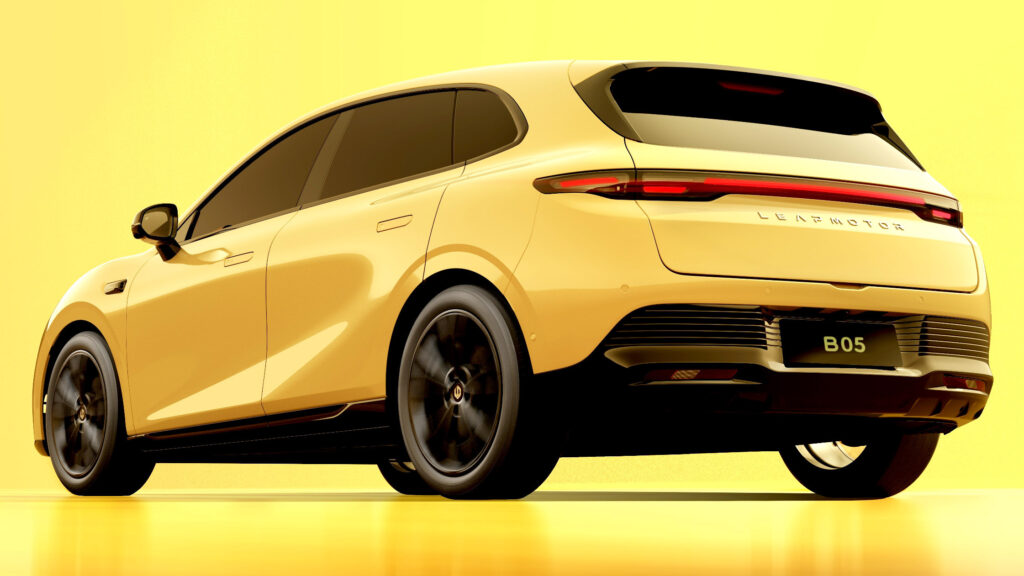
Leapmotor is expected to use the current Zaragoza plant operated by Stellantis, starting with the all-electric B10 from October according to the latest reports. This model is already available in Europe, but is currently being imported from China. The smaller B05 hatchback could also be built in Spain from as early as 2027.

Read: Stellantis Turns To A German Tuner For Its Chinese EV

Last year proved to be a pivotal one for the brand. Its global exports surged almost 400 percent, reaching 67,052 units, up from 13,726 in 2024. The Chinese brand’s expansion into Europe also saw local revenue jump 479 percent in 2025 compared to the year prior, hitting 5.6 billion yuan or $810 million.

Perhaps most impressive is the fact that Leapmotor posted a 538 million yuan ($78 million) net profit last year, making it just the second Chinese EV startup to post a full-year profit.

Closer Ties With Stellantis

 Stellantis Hands Chinese EV Maker A Factory To Bypass EU Import Tariffs
Leapmotor B05

With Leapmotor now stronger than ever, it has acknowledged it is “actively exploring” cooperation on cars and components with Stellantis, and is already having in-depth discussions on many important projects, Auto News reports.

Speaking on an earnings call, Leapmotor chief financial officer Li Tengfei said that a closer partnership with Stellantis will enable it to better navigate European regulations and tariff exemptions. As Bloomberg notes, establishing closer ties with Stellantis would also provide Leapmotor with more overseas opportunities, while enabling Stellantis to realize significant savings in developing new EVs by leveraging Leap’s existing EV technology.

Such a move would follow in the footsteps of VW, which is making EVs underpinned by Xpeng’s advanced EV platform. Similarly, Audi has partnered with SAIC.

\\\\\\

Stellantis Turns To A German Tuner For Its Chinese EV

  • Stellantis deepens ties with German tuner Irmscher again.
  • Leapmotor B10 Dynamic will be limited to just 500 units.
  • Lower suspension and new wheels sharpen the EV’s stance.

Stellantis has already made its position clear when it comes to competing with China’s fast-moving EV industry. Rather than trying to match those manufacturers head on, the group chose a different path, investing in Leapmotor and taking responsibility for selling the brand’s cars across Western markets.

Now it is strengthening another partnership as well. The automaker has deepened its relationship with German tuning house Irmscher, suggesting Stellantis sees more value in outside expertise than in building a dedicated in-house performance division like many rival brands have done.

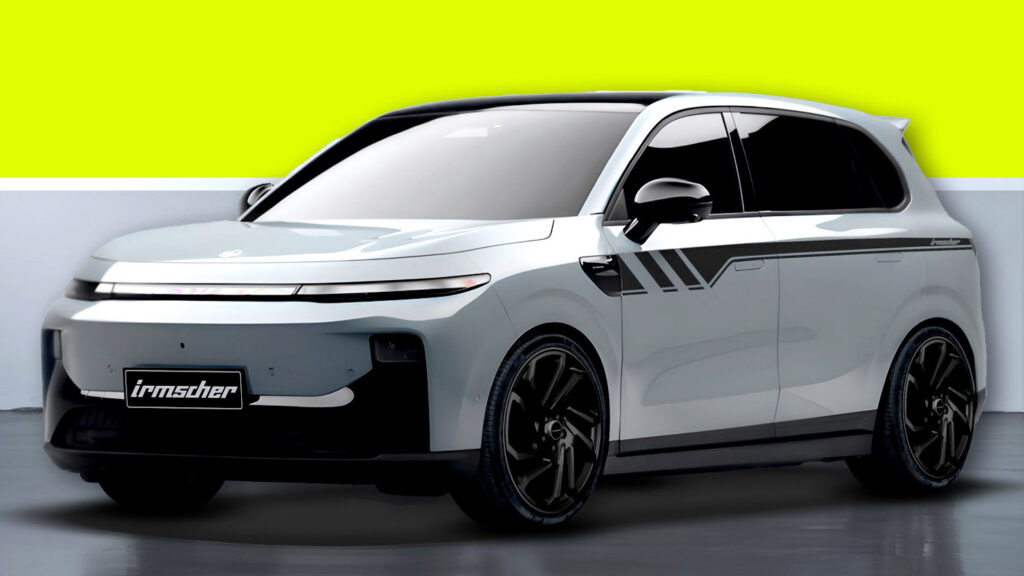
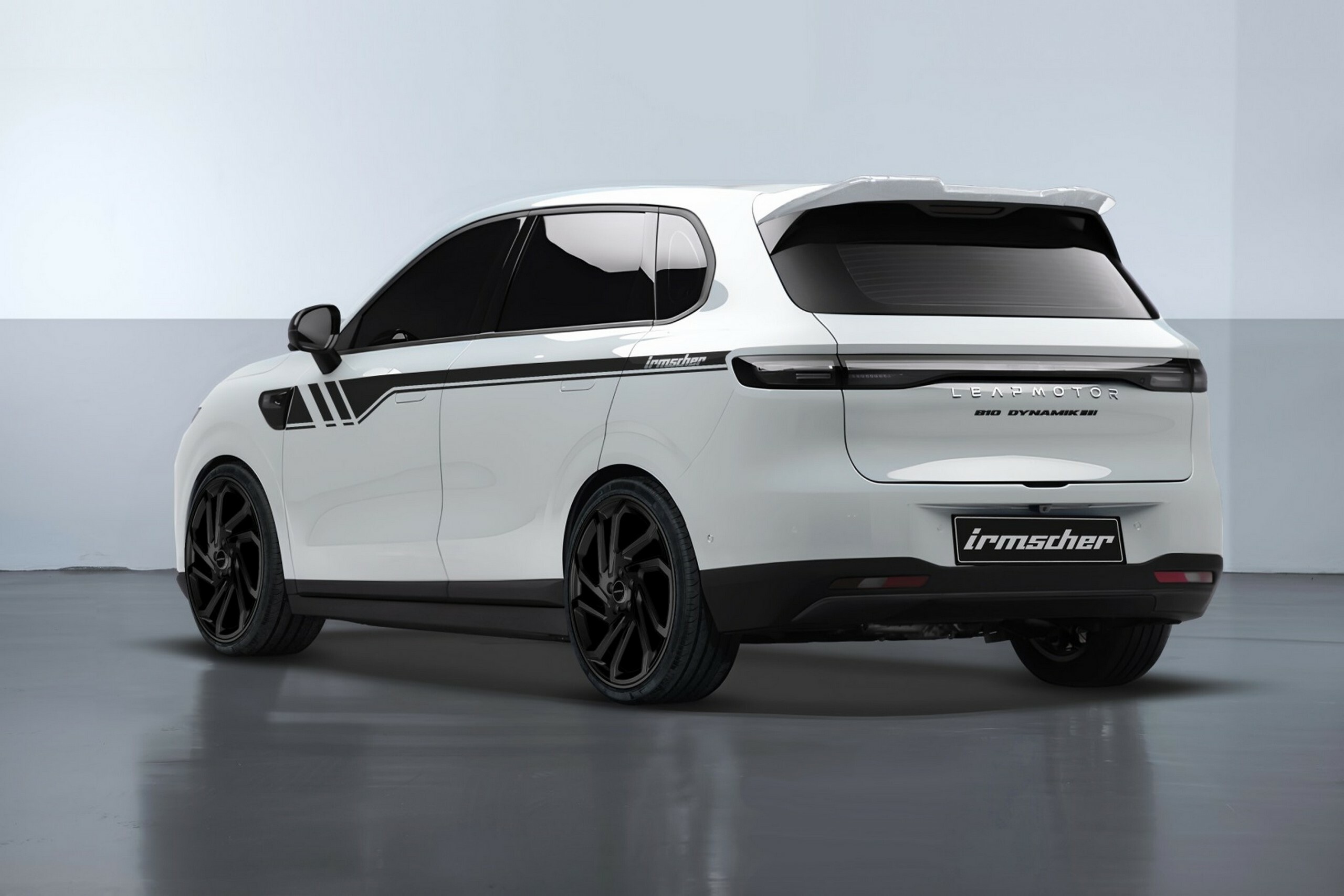
This second collaboration between Leapmotor and Irmscher is for the new B10, sitting below the slightly larger C10 in the company’s range. Known as the B10 Dynamic, the finished vehicle will be capped at just 500 units and has undergone a series of updates. Could you call it desirable? Probably not, but it does make the B10 that little more interesting.

Read: Stellantis’ Leapmotor Found An Unlikely Ally In Germany’s Tuning Scene

Immediately making this B10 differ from a regular one is that it sits 1.1 inches (30 mm) lower, presumably due to the fitment of lowering springs. A new set of 19-inch wheels has then been installed, perfectly fitting within the arches. According to Imrscher, chassis changes mean the B10 offers better steering feel and reduced body movement, improving handling.

A True Tuner Special

 Stellantis Turns To A German Tuner For Its Chinese EV

Further adding to the sporty vibe of the B10 are black graphics positioned along the doors and running across the rear quarter panels. These graphics, combined with the black wing mirrors, the wheels, black bumpers, and black rocker panels, may look a little too wannabe-racer for some. For others, they may be just about right.

Stellantis has only released photos of the B10 Dynamic’s exterior, but says the interior has been tweaked too, now including Irmscher embroidery and decorative stitching. There’s also an aluminum plaque in the cabin, denoting each car as one of 500.

Each example being built is based on the B10 Pro Max. This version has a 67.1 kWh battery pack and a 218 hp motor driving the rear wheels. Irmscher hasn’t touched the powertrain, so those figures remain the same. As for the price? It’s a rather hefty €38,500 ($44,300).

\\\\
❌