Reading view

There are new articles available, click to refresh the page.

A Slate Designer Spent His Spare Time Redrawing Volvo’s Lost Wagon
  • A former Volvo designer revived the brand’s lost wagon as a concept.
  • The V77 and XC77 wear a three-door aerodynamic shooting brake body.
  • Bauhaus thinking and Dieter Rams shape the studies’ clean surfacing.

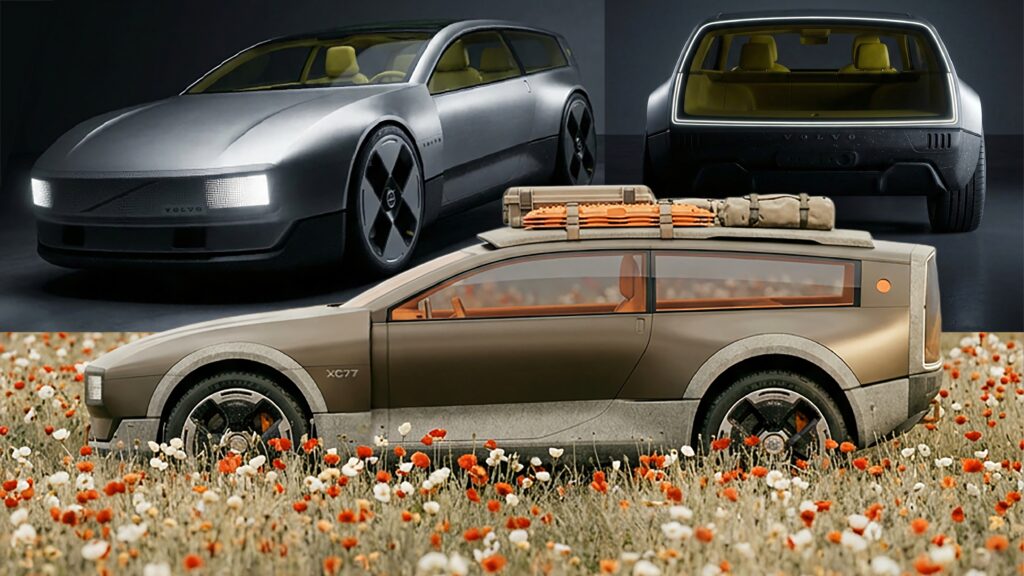
Volvo’s current lineup leans hard on SUVs, but the brand built its reputation on wagons, and there’s reason to believe it hasn’t given up on them. Neither has at least one of the people who used to design its cars. A former Volvo designer set out to bring the old formula back with a pair of digital concepts, the V77 and XC77, each built around a mix of minimalism and sustainability.

The man behind them is Julien Fesquet, a Los Angeles-based professional designer currently working for Slate Auto. His resume reads like a grand tour of the industry, with stops at Volvo, Honda, Jaguar Land Rover, BMW, and Ferrari.

More: Volvo’s Prettiest Wagon Returns, But Only A Lucky Few Will Own One

The V77 and XC77 are a personal project, drawing on Bauhaus principles and the work of Dieter Rams, the industrial designer whose thinking eventually shaped the look of Apple products. Both wear a three-door shooting brake body with a low nose and an aerodynamic roofline. Staying true to Volvo’s playbook, the V77 is built for the road while the XC77 adds crossover cues and a lifted stance.

\\\\\\\\\\\\\\\

Illustrations: Julien Fesquet

Beyond the compact footprint and genuinely handsome proportions, the concepts trade in clean surfacing and restraint. The low-mounted headlights fade into a covered grille via a digital gradient, and the Volvo emblem has been pared down to a single horizontal line.

More: Volvo 240R EV Study Throws A Brick At Electric Performance

The profile is distinguished by large alloy wheels, supercar-style creases on the front fenders, a flat beltline, and a bi-tone livery with a darker finish for the lower bodywork. The rear section is even more striking, with a glass tailgate surrounded by ultra-slim LEDs. The designer also placed emphasis on the Color, Materials, and Finish (CMF) strategy, proposing the use of recycled materials and an unpainted body for the V77.

Inside, we find two rows of seats and a rather large boot. The V77 adopts a Cream Yellow interior theme inspired by the Volvo 850 T-5R, while the XC77 gets an Orange interior that complements its earthy brown exterior panels.

\\\\\\\\\\\\\\\\\

Illustrations: Julien Fesquet

Fesquet didn’t list any specs, but the absence of cooling vents and tailpipes suggests the digital concepts were envisioned with a fully electric powertrain.

More: The EX30 Is Dead, But Volvo’s Next Cheap EV Is Already On The Way To America

Fesquet told CarScoops: “Volvo is a brand with iconic station wagon, very minimal functional boxy designs in the past. It still has beautiful cars, but it tends to be oriented to more traditional automotive design. I thought it would be interesting to break the modern Volvo codes and imagine what it could look like if it was still a more minimal, functional, and industrial design. Something modern, sophisticated yet boxy, but without forgetting the need of aerodynamic performance. This led to this shooting brake silhouette with a low nose, sleek roof and low ground clearance.”

What About Real Volvo Wagons?

Volvo has recently wound down production of the aging V60 and V90, along with the adventurous XC60 and XC90. Even so, wagon fans aren’t completely out of luck.

Chief technology officer Anders Bell has said the new SPA3 architecture, which debuted underneath the EX60 SUV, can support a range of bodystyles, low-slung models included. Volvo hasn’t confirmed any wagon yet, so the question comes down to whether demand will be there to justify the spend. For now, we wait.
\\\\\\\\\\\\\

Illustrations: Julien Fesquet

Turns Out You Can Polish The Luce EV, Just Not Into A Ferrari

  • As it turns out, even an aftermarket body kit doesn’t do the Luce any favors.
  • This kit from Venuum includes a host of exposed carbon fiber accents.
  • Key features added include a new splitter, a fixed rear wing, and a diffuser.

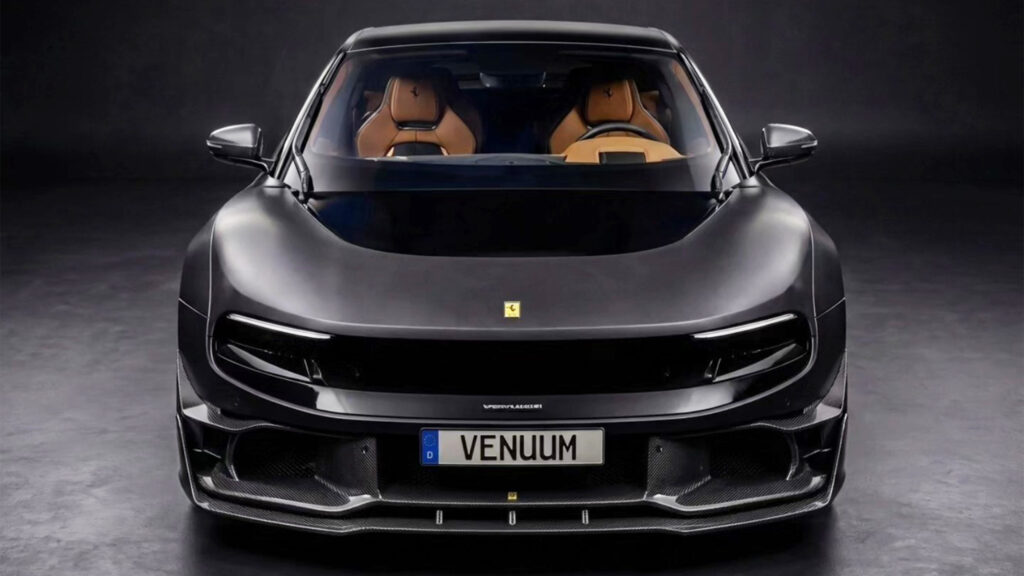
There is a question worth asking before anyone reaches for the carbon fiber, which is whether the new Ferrari Luce EV can be saved at all. We have our doubts. But the aftermarket, never one to wait for permission, has already started sketching out ways to rework the design of Ferrari’s controversial five-seater.

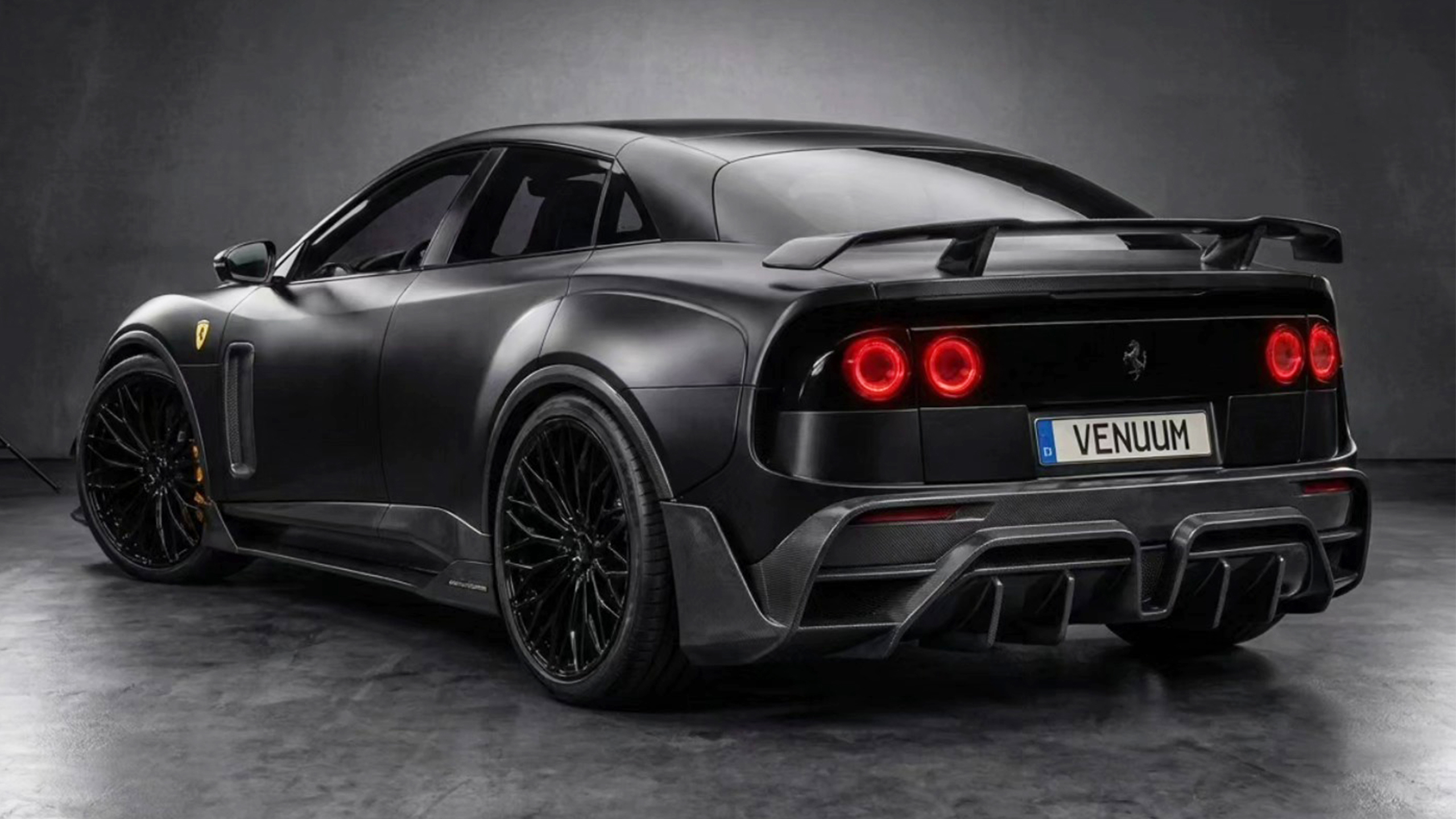
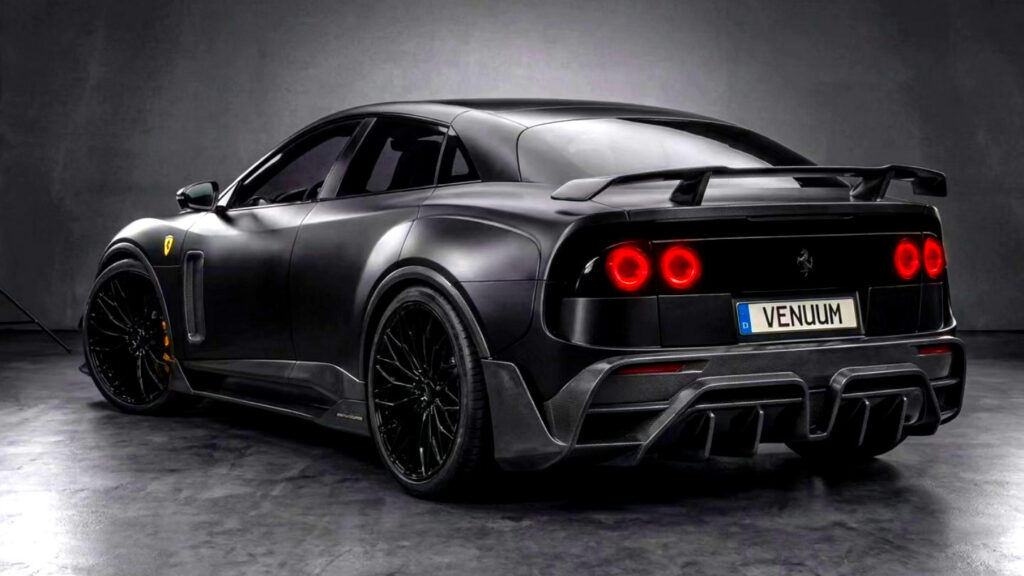
These renderings come from Venuum, a tuner based in the UAE that sells a wide selection of bodykits for exotic cars, including the likes of the Ferrari Purosangue, Rolls-Royce Wraith, and soon, will unveil a widebody Bugatti Chiron. In transforming the new Luce, they’ve imagined it with a slew of new body panels, and while it looks aggressive, it better resembles a riced-out Japanese sedan than a car fitting of the Ferrari badge.

Read: Deepfake Video Has Ferrari’s CEO And Jony Ive Saying What They Really Think About The Luce

Modifications start at the front where Venuum has crafted a carbon fiber splitter for the EV as well as a pair of carbon fiber canards. It also sports flared front wheel arches and rock a set of carbon side skirts. The odd air outlets on the front doors have also been finished in carbon for that true aftermarket look.

The rear isn’t that much better looking either. In addition to the flared arches, Venuum has added a fixed rear wing and an aggressive rear diffuser, also made from carbon fiber.

From Bad To Worse

\\\\

It’s unclear if Venuum plans to release a kit for the Luce which looks exactly like this, although it’s seemingly inevitable that it, as well as numerous other aftermarket specialists, will release kits for the car, aimed at making it look a little more like a Ferrari should. Will any of these kits actually make the five-seat EV look Italian, rather than something even the Chinese wouldn’t dare to copy? We shall see.

For now, the conversation around the Luce’s design runs overwhelmingly negative. Ferrari had better hope the interior and the way the thing drives are persuasive enough to put people in the seats.

\\\

Photos Venuum

This Tuner’s Attempt To Fix The Ferrari Luce Hasn’t Gone Well

  • As it turns out, even an aftermarket body kit doesn’t do the Luce any favors.
  • This kit from Venuum includes a host of exposed carbon fiber accents.
  • Key features added include a new splitter, a fixed rear wing, and a diffuser.

Is there any possible way to make the new Ferrari Luce look good? We’re not sure that there is, but these renderings show that the aftermarket is already thinking about ways to transform the design of the controversial five-seater.

These renderings come from Venuum, a tuner based in the UAE that sells a wide selection of bodykits for exotic cars, including the likes of the Ferrari Purosangue, Rolls-Royce Wraith, and soon, will unveil a widebody Bugatti Chiron. In transforming the new Luce, they’ve imagined it with a slew of new body panels, and while it looks aggressive, it better resembles a riced-out Japanese sedan than a car fitting of the Ferrari badge.

Read: Deepfake Video Has Ferrari’s CEO And Jony Ive Saying What They Really Think About The Luce

Modifications start at the front where Venuum has crafted a carbon fiber splitter for the EV as well as a pair of carbon fiber canards. It also sports flared front wheel arches and rock a set of carbon side skirts. The odd air outlets on the front doors have also been finished in carbon for that true aftermarket look.

The rear isn’t that much better looking either. In addition to the flared arches, Venuum has added a fixed rear wing and an aggressive rear diffuser, also made from carbon fiber.

From Bad To Worse

 This Tuner’s Attempt To Fix The Ferrari Luce Hasn’t Gone Well

It’s unclear if Venuum plans to release a kit for the Luce which looks exactly like this, although it’s seemingly inevitable that it, as well as numerous other aftermarket specialists, will release kits for the car, aimed at making it look a little more like a Ferrari should. Will any of these kits actually make the five-seat EV look Italian, rather than something even the Chinese wouldn’t dare to copy? We shall see.

For the moment, talk about the Luce’s design is overwhelmingly negative. Ferrari had better hope that the car’s interior experience and driving dynamics can convince people to actually buy it.

\\\\\\\

Huawei’s Maextro Is Making A Cullinan Rival For BMW iX Money, Not Rolls Money

  • Maextro’s upcoming SUV takes aim at ultra-luxury rivals like the Cullinan.
  • Flashy styling pairs with celestial-themed lighting inside and out.
  • Buyers will choose between fully electric and plug-in hybrid powertrains.

Maextro has spent its first year proving a point. The Huawei-backed luxury brand sold more than 17,000 S800 sedans by charging a fraction of what Rolls-Royce and Maybach ask and burying buyers in technology. Now patent images out of China show it aiming the same playbook at the SUV class, with the Cullinan and every other luxury rival in its sights.

Also: Jaguar’s 1,000-HP Answer To Bentley Looks Nothing Like The Jaguar You Knew

Images show that it’s largely based on the successful Rolls-Royce Ghost-rivaling Maextro S800 sedan. This aligns with the automaker’s plans to further broaden its range, with six new models on the radar, including an MPV and the SUV illustrated here, unnamed for now but rumored to carry the X800 badge.

The Bold And The Ostentatious

 Huawei’s Maextro Is Making A Cullinan Rival For BMW iX Money, Not Rolls Money
Illustrations Josh Byrnes / Carscoops

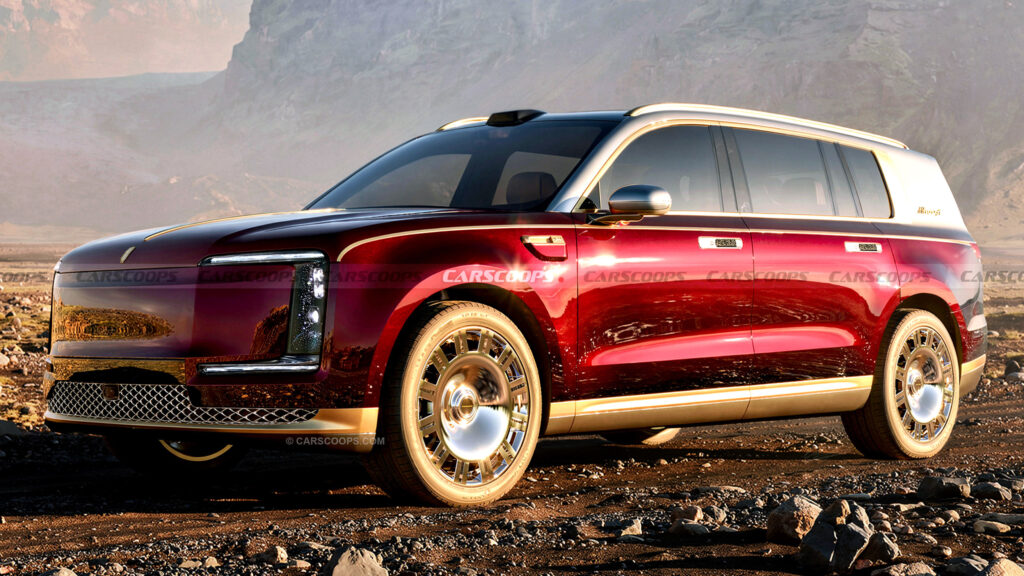
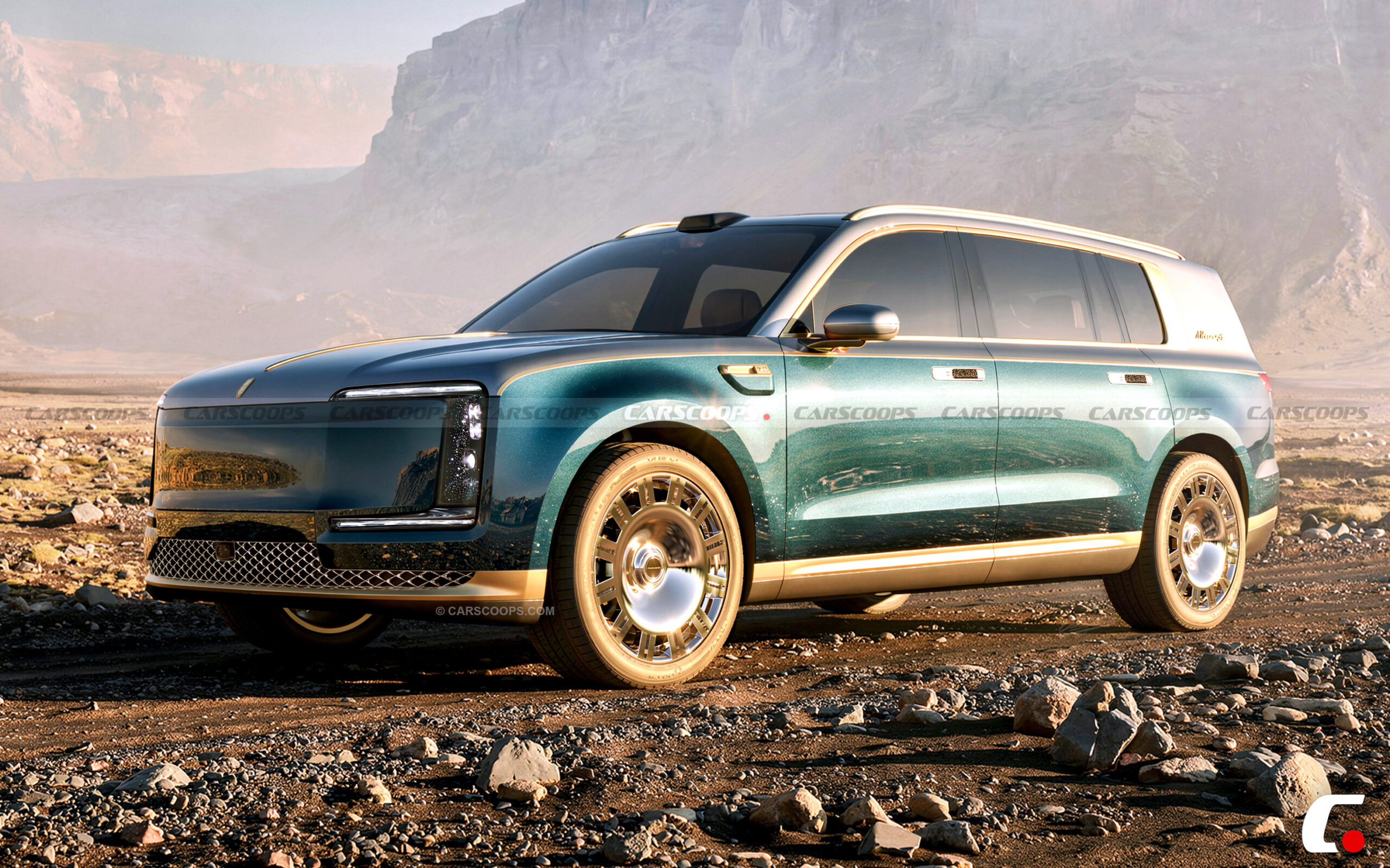
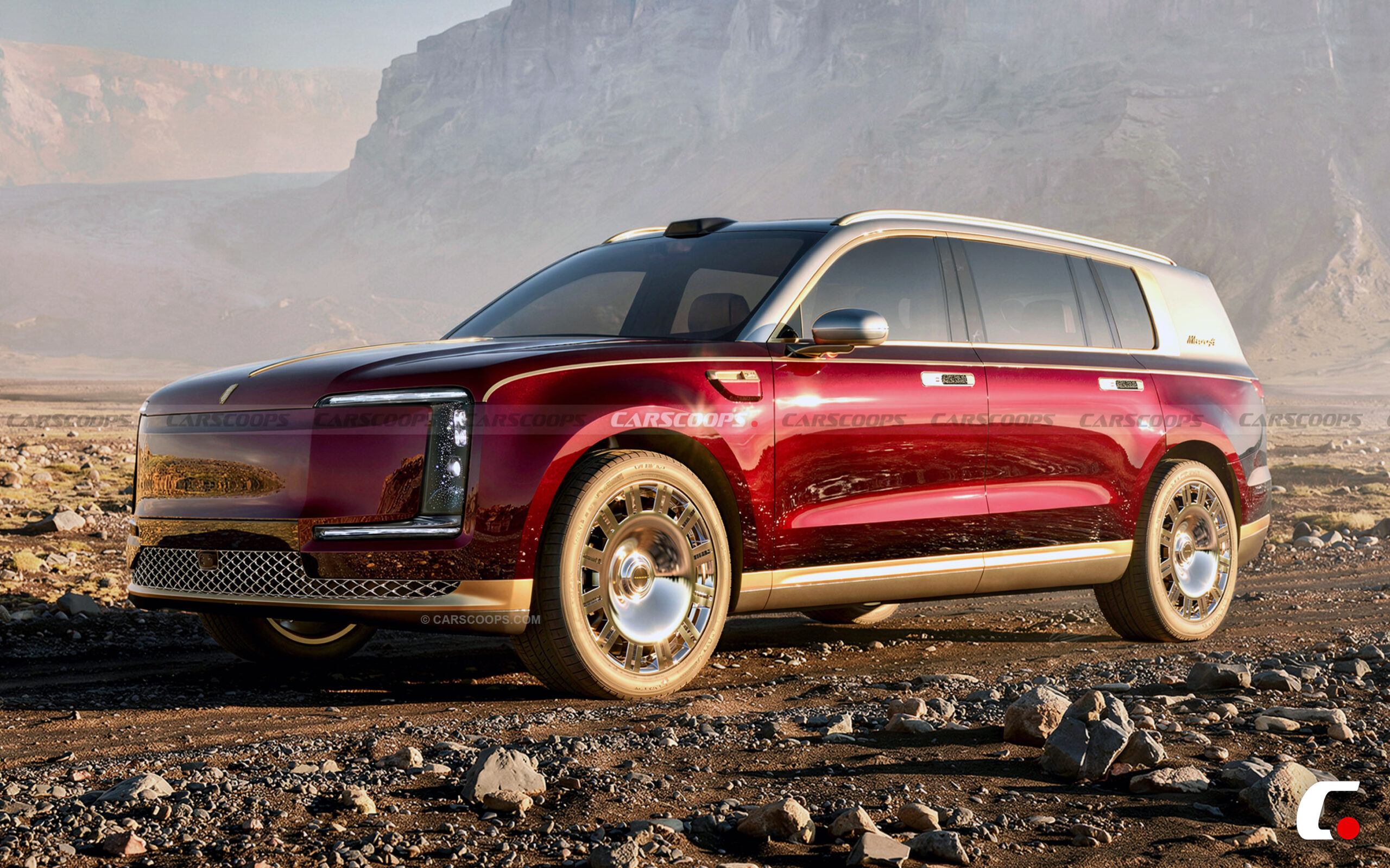
If you want your McMansion neighbors to sit up and take notice, then Maextro will certainly do the trick with its bold 5.5-metre-long (over 216 inches) profile, rose gold highlights, and two-tone paintwork. The grille-less front is dominated by ‘C-clamp’ headlamps and dual-layer crystal DRLs, while the main lighting units feature dual-million-pixel ‘Galaxy’ elements that illuminate in a celestial manner.

Lower down, the front fascia features a rose gold mesh intake, and the hood has a central decorative spindle spanning between the badge and windscreen. Jarringly, a LiDAR unit juts out of the roof like a London Taxi, while the profile is highlighted by large polished alloys, flush door handles and thick rear pillars that accentuate its extra length.

Future Cars: We Stretched BMW’s Vision Alpina Until Bentley Had A Real Problem

From behind, the surfacing and details are restrained. A slim, full-width LED tail lamp cluster with multilayer projection is intersected by a rose gold applique and horizontal cutouts at the base of the bumper.

A Cabin Built Around Screens

\\\\\\\\\

The SUV’s cabin will likely borrow heavily from the S800 sedan pictured above.

Perhaps not as downright opulent as a Rolls-Royce, the SUV should do a pretty good job of blending luxury and tech-laden goodies. Like its S800 sedan sibling, it’s expected to feature three displays running Huawei’s HarmonyOS (driver, infotainment, and passenger) within a single panel. A large augmented reality head-up display should also be standard.

Future Cars: Bentley Hasn’t Shown The Barnato SUV’s Face Yet, So We Did It For Them

The celestial headlamp theme is likely to carry inside, with a panoramic roof scattering a constellation of lights. Expect surfaces trimmed in leather, chrome, or crystal, a long list of color combinations, and ambient lighting throughout. Count on at least 43 speakers, zero-gravity rear seats, and an entertainment system with a fold-down TV screen.

Electric And PHEV

 Huawei’s Maextro Is Making A Cullinan Rival For BMW iX Money, Not Rolls Money
Illustrations Josh Byrnes / Carscoops

Both plug-in hybrid and fully electric powertrains are expected. The PHEV should use a 1.5-litre four-cylinder gasoline engine purely as a generator, with the dual-motor setup said to produce 523 horsepower. A tri-motor version will push that to an enormous 852 horsepower. Capacity-wise, the PHEV battery will be good for at least 65 kWh.

Going for the all-electric will see power mirror the 523 hp (390 kW) PHEV variant, yet it will pack a larger 95 kWh battery good for a CLTC range of up to 435 miles (700 km). DC fast charging should be good for 10-80% charges within 12 minutes.

Rivals And Reveal

 Huawei’s Maextro Is Making A Cullinan Rival For BMW iX Money, Not Rolls Money
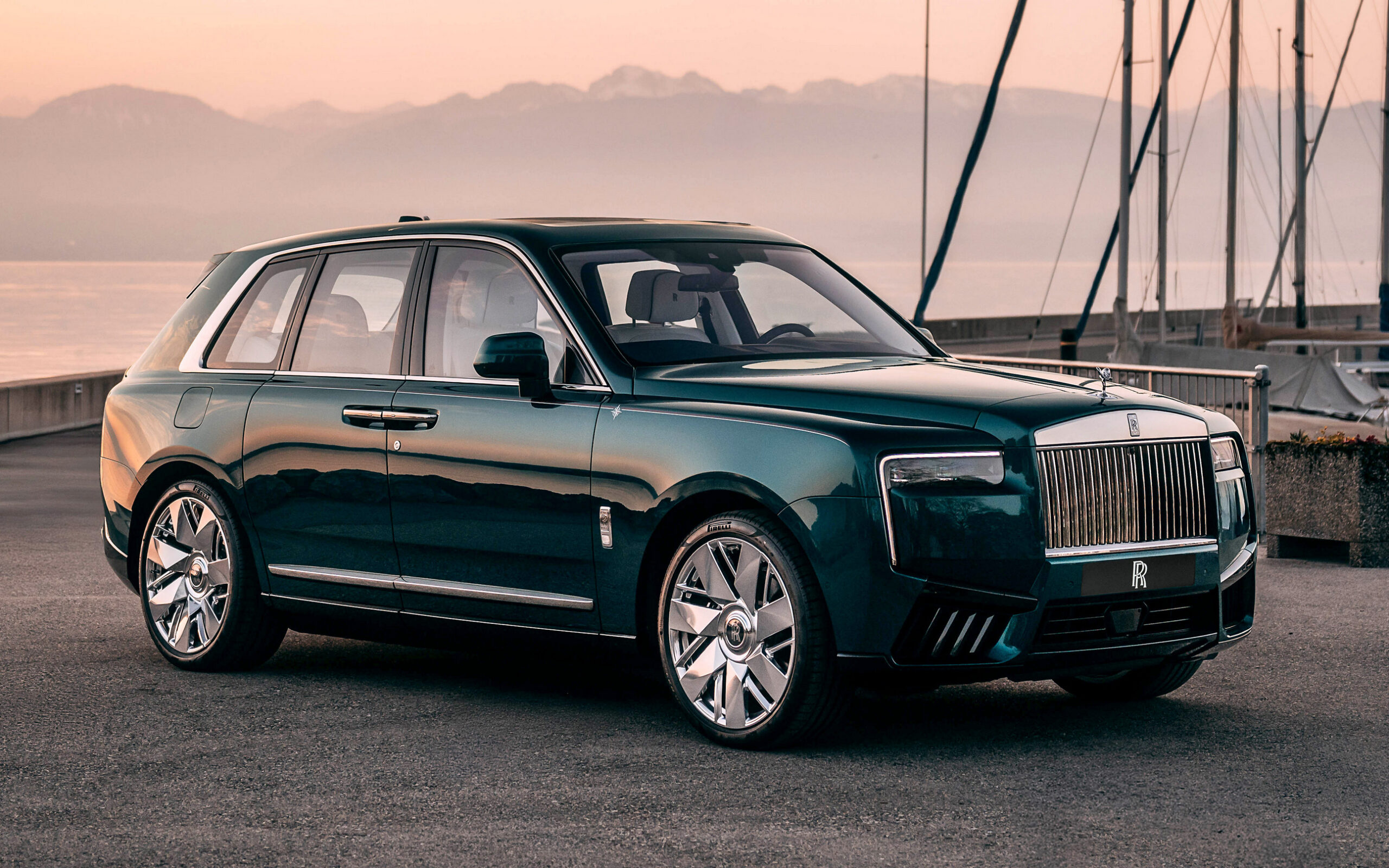
Rolls-Royce Cullinan

The list of targets is long, ranging from the Rolls-Royce Cullinan, Bentley Bentayga, and Mercedes-Maybach GLS to the Range Rover, Genesis GV90, Zeekr 9X, and BYD’s Yangwang U8.

For now it stays an eastern affair, so do not expect one in a US driveway anytime soon. JAC Motors handles production, and an official reveal is penciled in for the coming months.

Read: Mercedes, BMW, And Porsche Are Losing To A $104K Chinese Sedan Most Americans Can’t Pronounce

Pricing is still guesswork, but expect it to sit above the S800, which runs from ¥708,000 (around $104,000) to roughly ¥1,180,000 ($173,000) fully loaded. Either way it undercuts the ¥5,030,000 ($738,600) the Rolls-Royce Ghost commands in China, a figure nearly double the car’s $370,750 US price. That gap is the whole story behind the S800’s success at home, where it has been the best-selling luxury model above ¥700,000 ($103,000), beating every European rival, Maybach, the Mercedes S-Class, and the Porsche Panamera among them.

\\\

Patent images of the Maextro SUV

If those numbers hold, even a $120,000 starting point would land below a BMW iX (¥746,900), let alone the X7 (¥928,000), and a world below the Cullinan, which opens around ¥7.5 million, over $1 million in China once the heavy luxury and import taxes are added.

So which way would you go, the genuine article from Goodwood or the Huawei-backed upstart that promises to do most of the same things for a fraction of the outlay?

\\\\\\\\\\

Ferrari’s New Luce EV Looks So Un-Ferrari We Tried It With Five Other Badges

  • Ferrari’s first EV launch sparked a styling backlash bigger than its powertrain.
  • Jony Ive’s LoveFrom studio shaped the Luce, breaking from Ferrari design tradition.
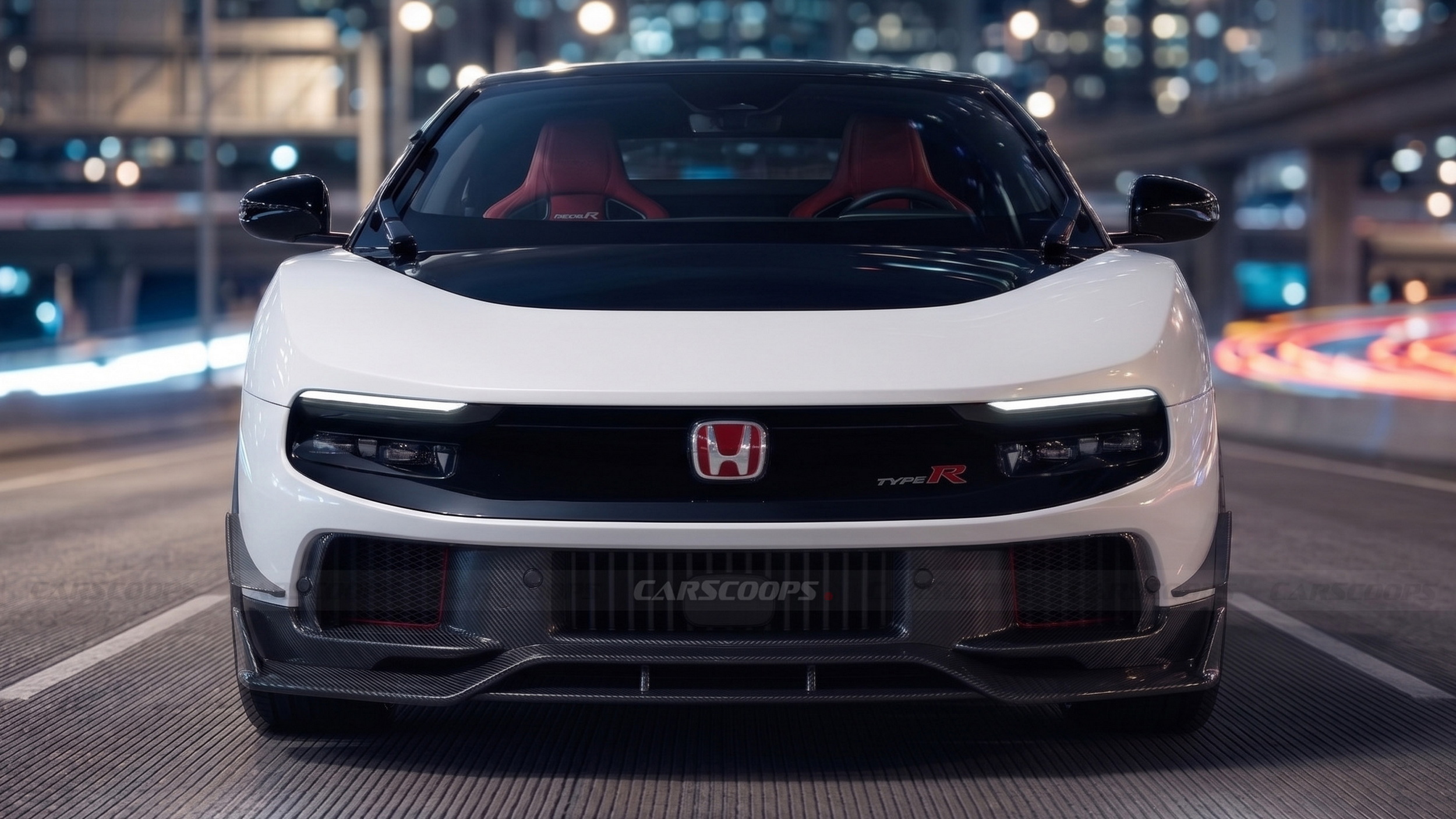
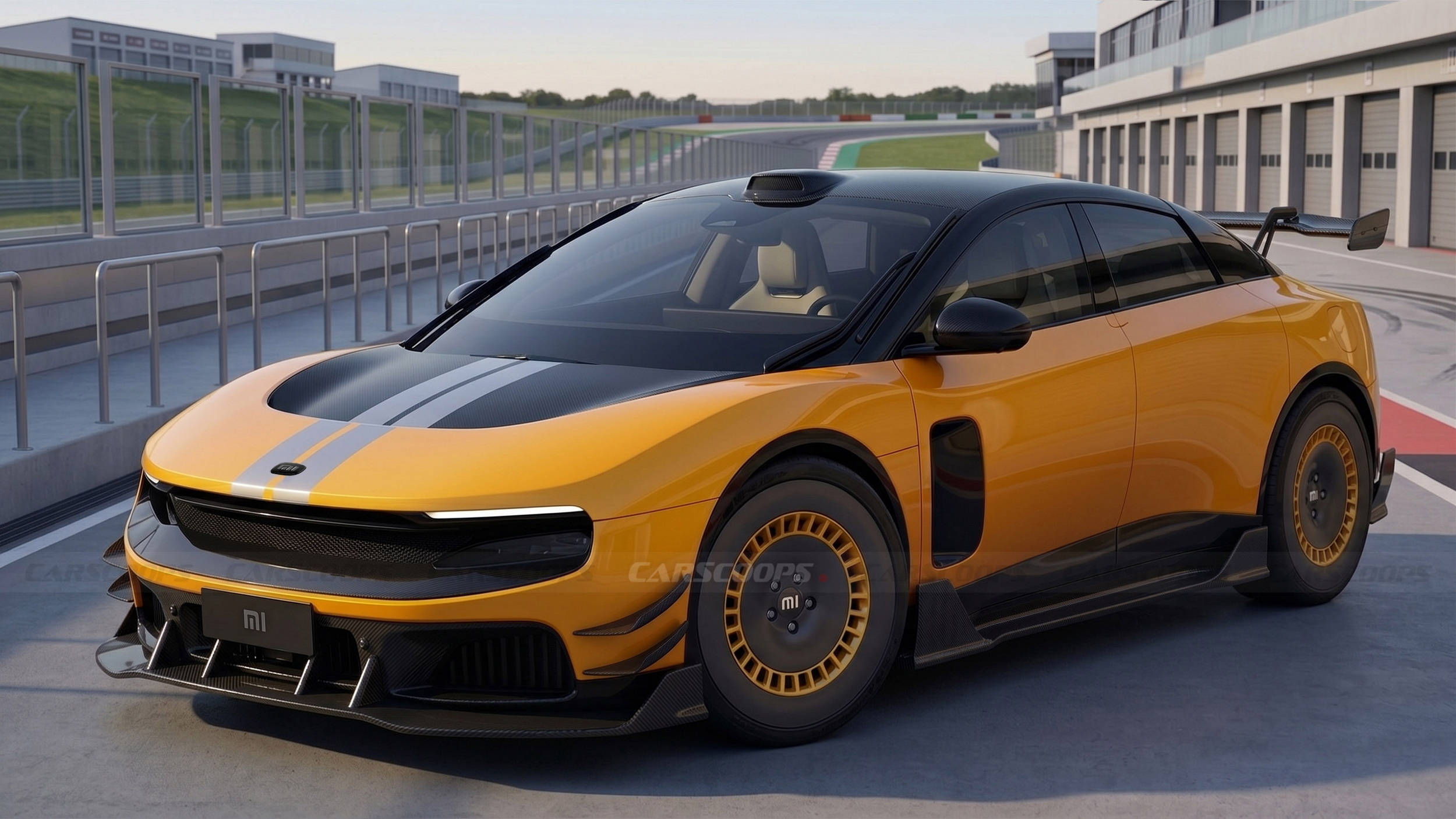
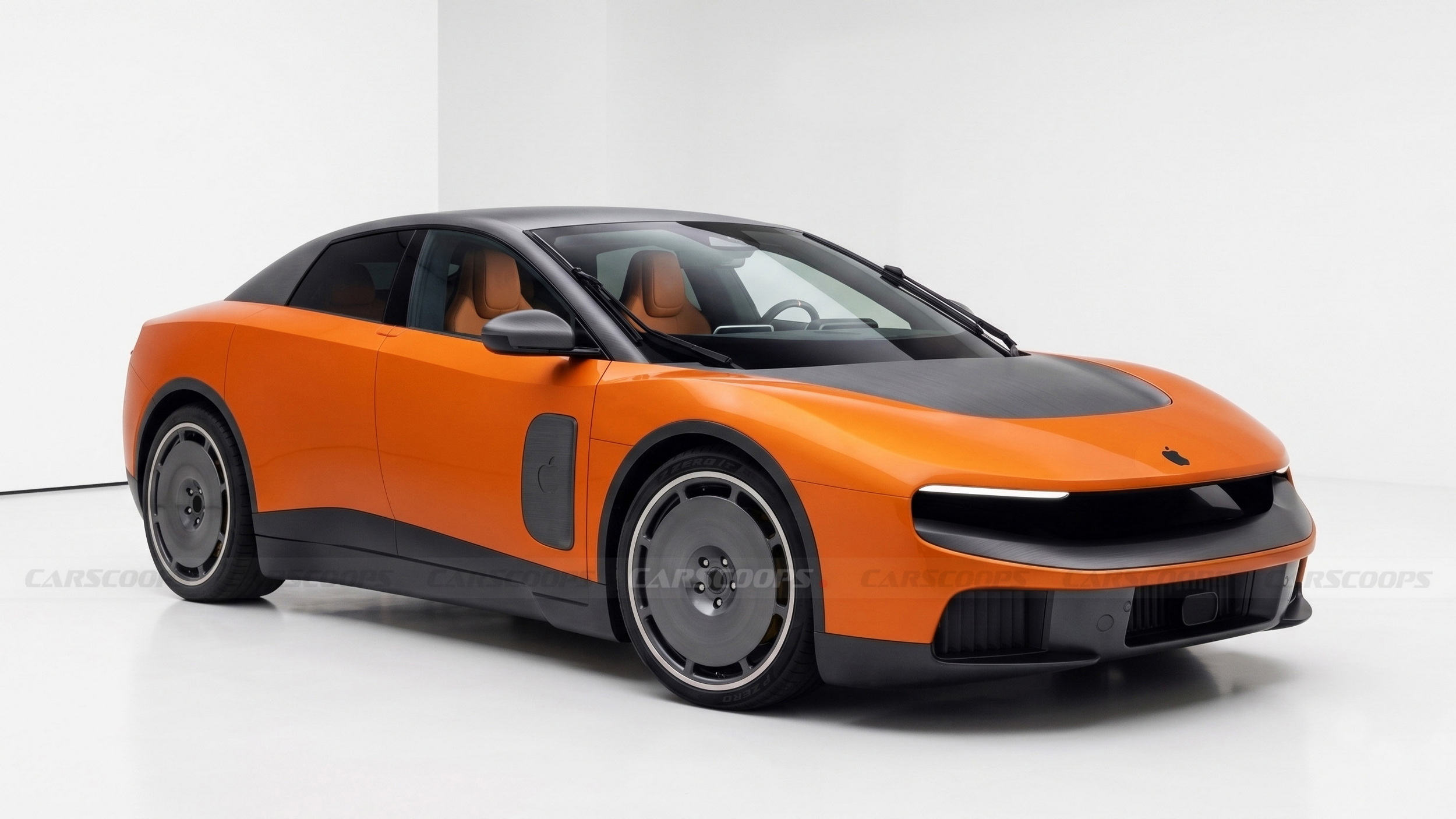
  • Our renders swap the Ferrari badge for Jeep, Dodge, Honda, and Xiaomi logos.

Few electric debuts arrive with this much aesthetic baggage. The debut of the Ferrari Luce turned out to be more controversial than expected, and surprisingly, the noise is louder about its styling than its all-electric powertrain. The car looks nothing like any Ferrari before it, which got us wondering how it would hold up wearing someone else’s emblem.

By now most of the world knows the Luce was shaped with help from LoveFrom, the studio led by former Apple designer Jony Ive. That explains the gulf between this car and anything Flavio Manzoni’s Ferrari Centro Stile team has produced before.

More: Ferrari Quietly Trademarked 10 New Model Names

Of course, this sudden break with tradition was completely intentional. After all, Ferrari doesn’t plan on becoming an EV-only brand anytime soon, meaning that the pioneer model had the privilege of carving its own path. With that out of the way, and since the internet is never short on critics, let’s get on with the face swapping.

 Ferrari’s New Luce EV Looks So Un-Ferrari We Tried It With Five Other Badges

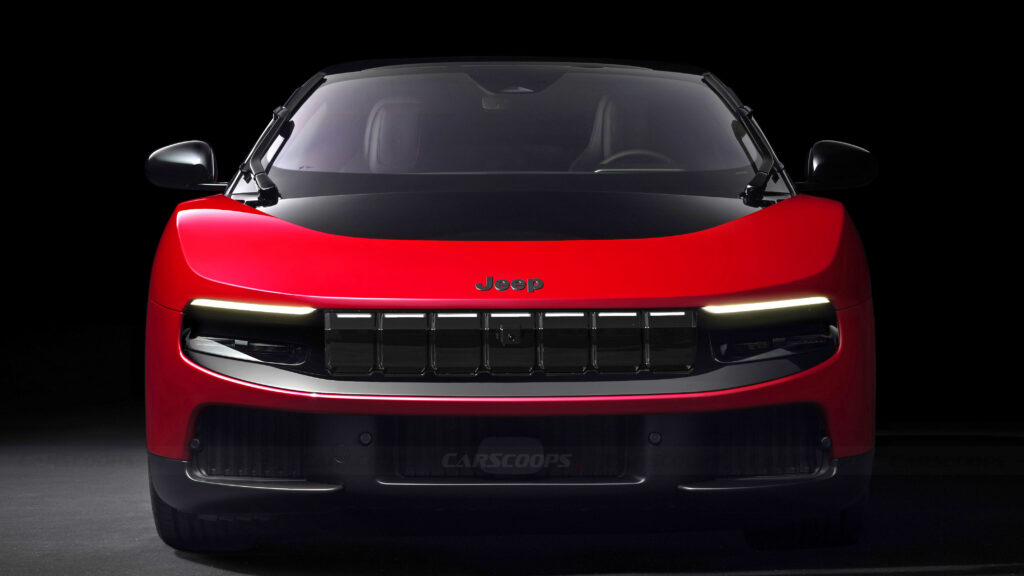
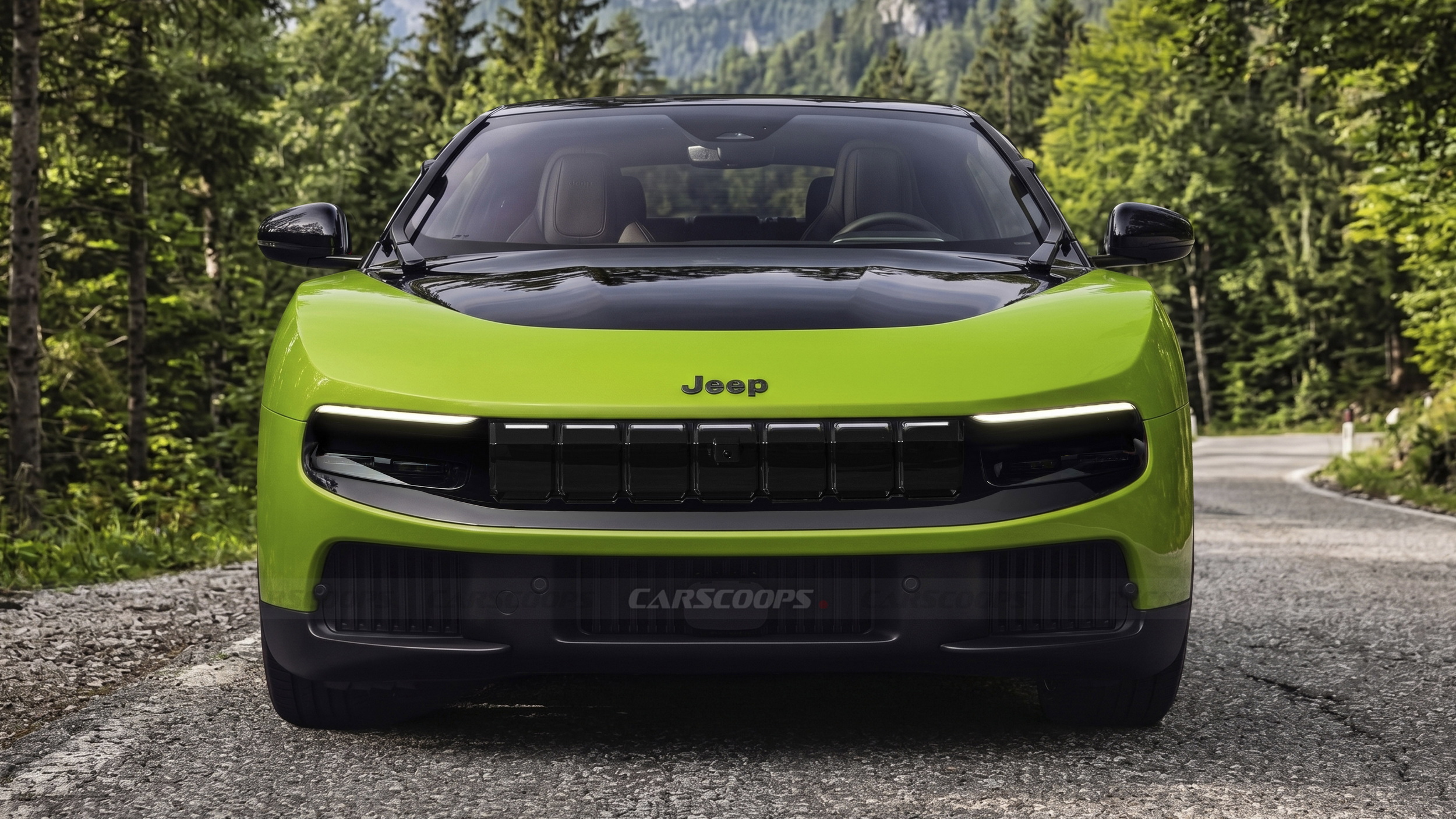
At first glance, the Luce’s face brought to mind the 2008 Pininfarina Sintesi concept, a shape that would have suited a four-door Ferrari rather well. A second look made the resemblance to the Jeep Avenger headlights impossible to unsee.

More: Jeep’s Refreshed Avenger Gets A Classier Cabin And New Turbo Engine

The uncanny resemblance inspired our rendering of the Jeep Luce. In reality, all we had to do was to add the illuminated seven-slot grille and paint the bodywork in the vibrant Hawaii color from the new Compass. A lift kit would have sealed the illusion, but we will leave that to the imagination.

 Ferrari’s New Luce EV Looks So Un-Ferrari We Tried It With Five Other Badges

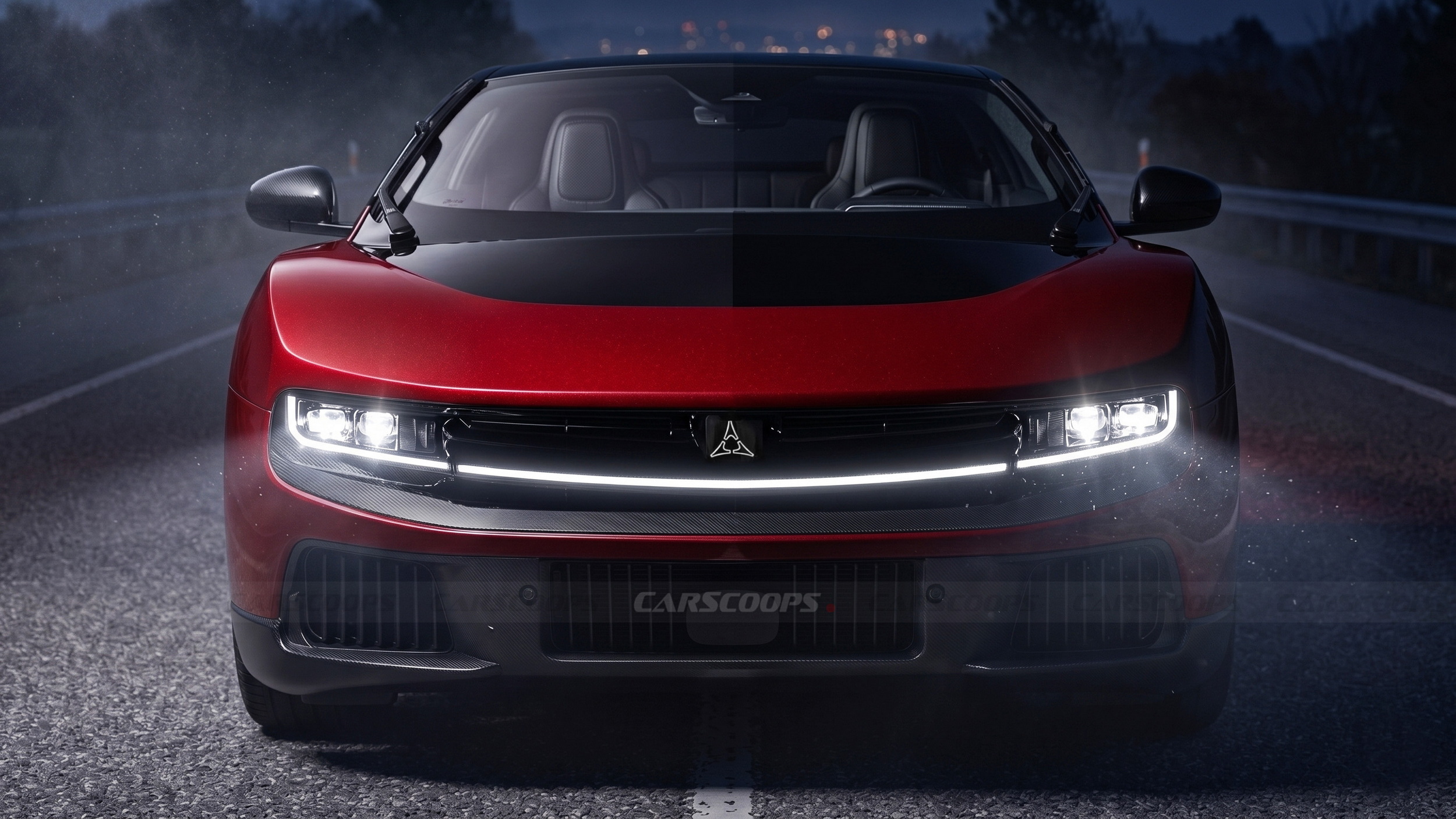
The next brand that inevitably comes to mind was Dodge, as the see-through grille of the Ferrari is similar in theory to the nose of the electric Charger Daytona.

The Luce’s short nose is hardly muscle-car territory, but it sits surprisingly well with the Charger’s full-width headlights and illuminated emblem. The deep Redeye paint from Dodge’s palette also plays nicely off the glossy black panels of the electric Ferrari.

 Ferrari’s New Luce EV Looks So Un-Ferrari We Tried It With Five Other Badges

Next up, a Japanese brand known for the clean lines of its concept work. Honda has recently axed a long list of high-profile EV projects, but it was hard to resist picturing the Luce with the ‘H’ emblem pinned to its nose.

More: Honda Won’t Touch The CRX, So Two Designers Did It Themselves

However, since this is a performance model, we decided to give it the Type R treatment, with a sharper carbon fiber aero kit and red bucket seats. Ironically, the Ferrari Luce doesn’t look as exotic as the cancelled Honda 0 Sedan.

 Ferrari’s New Luce EV Looks So Un-Ferrari We Tried It With Five Other Badges

The next and final stop in our face swapping journey is the Far East. Chances are that one of the countless automakers in China will copy the styling features of the electric Ferrari and bring something similar into production before the first examples come out of the Maranello factory.

More: The Nurburgring’s SUV Record Used To Be German. It Isn’t Anymore

Given the loose Apple connection and the way the Luce reads more like a tech product than a supercar, Xiaomi was the natural pick. The Lighting Yellow paint and silver stripes from the Porsche-inspired Xiaomi SU7 Ultra came first, followed by a set of Mi emblems.

In order to make a more convincing case for a Chinese EV, we added a roof-mounted Lidar sensor and several carbon fiber aero add-ons. Still, we didn’t need to touch Ferrari’s own aerodynamic wheels inspired by turbines that already come with yellow accents.

 Ferrari’s New Luce EV Looks So Un-Ferrari We Tried It With Five Other Badges

We will close out with a bonus, the rebadge a fair number of readers have already asked for. Turn the Luce into the Apple iCar that never made it to market. “Project Titan” was officially canceled in February 2024, having burned through billions in design and research chasing an autonomous, paradigm-shifting EV.

By outsourcing the Luce’s aesthetics to LoveFrom, Ferrari might have given former Apple design chief Jony Ive the platform to express at least a part of the spirit of the ambitious project by the tech giant. . For our imaginary take, the changes were minimal, an Apple logo on the nose and side gills, disc-style alloys, and a Cosmic Orange finish borrowed from the latest iPhone.

\\\\\\\

Illustrations: Thanos Pappas for CarScoops

Honda Won’t Touch The CRX, So Two Designers Did It Themselves

  • Independent designers revive the iconic Honda CRX.
  • Its retro stance echoes the second-generation model.
  • The study is envisioned as an electric hatch with 350 hp.

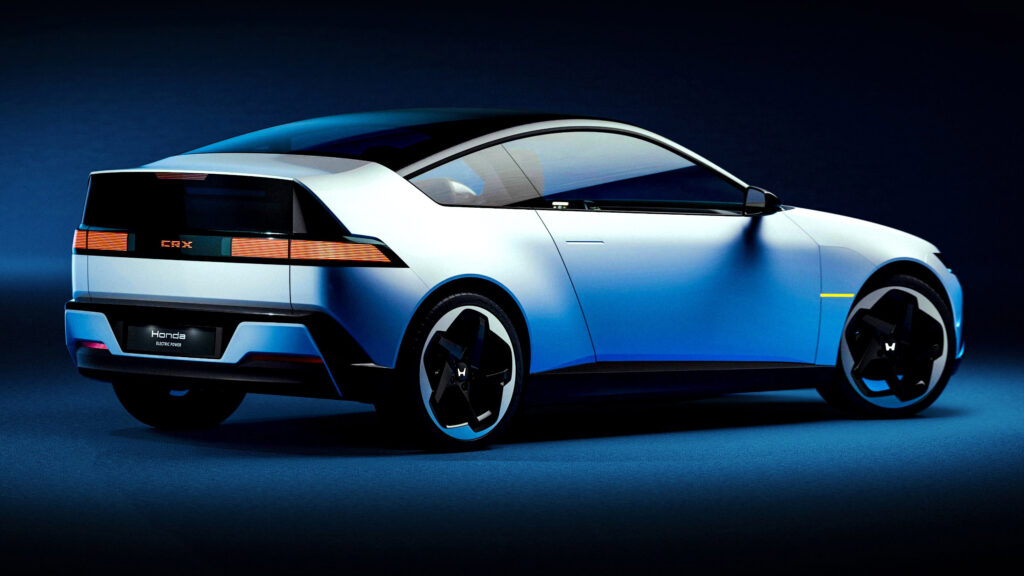
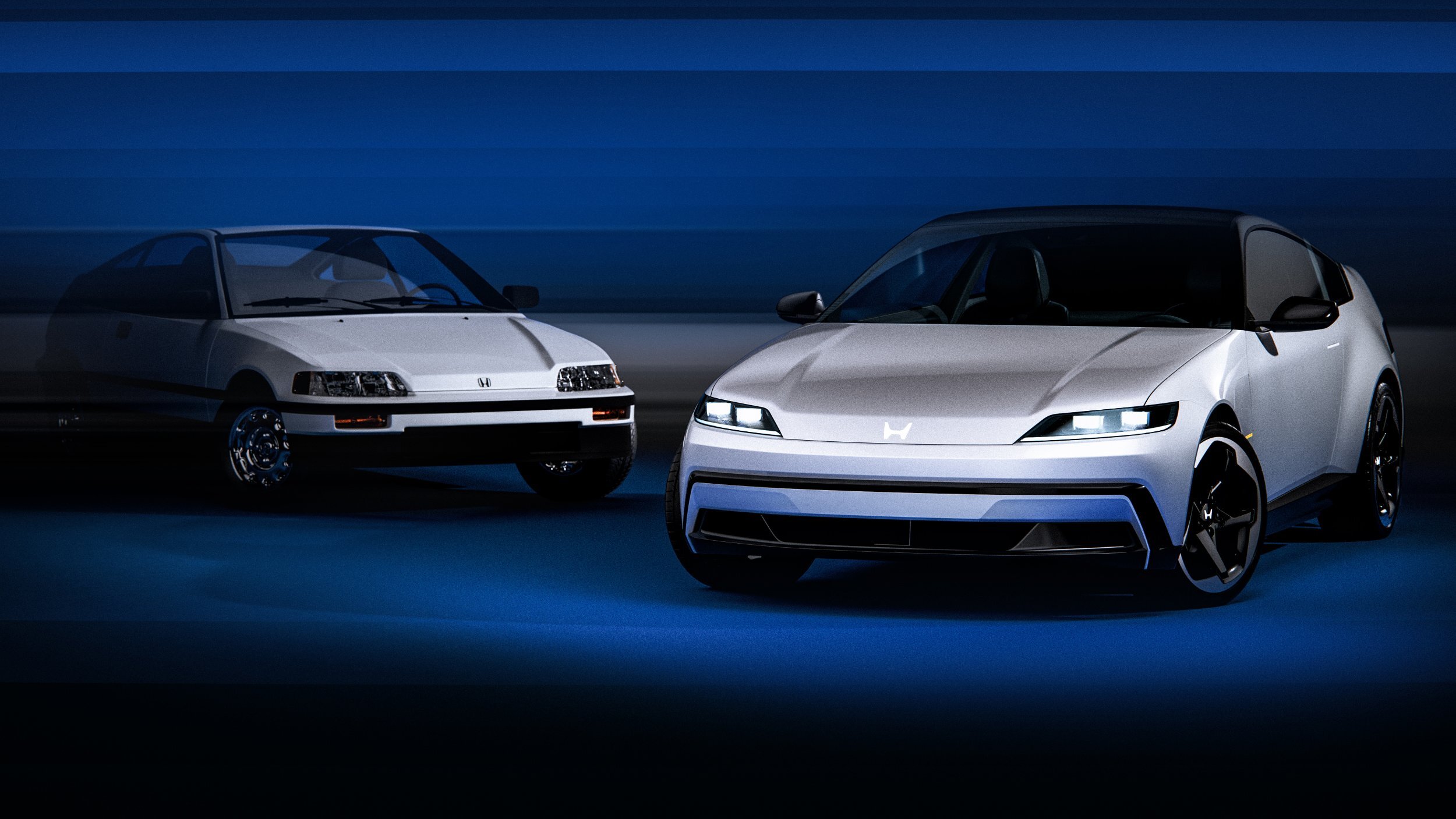
Honda’s product planners are deep in the weeds with the returning Prelude, but a sharper memory from the company’s back catalog has caught the internet’s attention. A digital concept drags the original CRX from the late 1980s into the present, and the result is the kind of car that makes you wonder why Honda isn’t building it.

More: Honda Previews New Fastback Sedan And Next Acura RDX, And Neither Is An EV

The modern CRX prototype comes from designer and modeler Vitaly Batalka, with CG artist Valentin Komkov handling the visualization. The reference point is the second-generation CRX sold between 1987 and 1991, built on a shortened Civic platform and remembered for being one of the more entertaining small Hondas of its era.

Original Silhouette Carries The Update

The proportions are all there: short wheelbase, low roofline, and the split rear window layout that gave the original its profile. Up front, the blocky sealed-beam headlights have been swapped for slimmer LED units that flank a grille-less nose with the new Honda emblem at the center.

\\\\\

Illustrations: Vitaly Batalka and Valentin Komkov

The sculpted hood and the black trim on the bumpers are clear references to the original, joined by horizontal taillights and an illuminated CRX emblem at the back. The profile features clean surfacing with toned rear fenders, flush door handles, black pillars, frameless doors, and futuristic bi-tone alloy wheels.

More: This Practically New 1990 Honda CRX Could Be The Lowest-Mileage Example In The World

The designers also put together a retro-styled “Turbo 2026” collector card with fictional specs to round out the exercise. The card pitches the reborn CRX as a fully electric machine rather than a hybrid, with 350 hp (261 kW / 355 PS) on tap. A claimed top speed of 285 km/h (177 mph) feels wildly optimistic for an EV of that output, and it would handily eclipse what the original 1.6-liter VTEC could manage.

\\\\\\\\

Illustrations: Vitaly Batalka and Valentin Komkov

The two creators emphasized that the project was completed using traditional digital modeling workflows rather than generative AI tools. Batalka was responsible for the initial design and the 3D Alias modeling, while Komkov executed the final visualization in Blender.

More: Designers Are Doing What Honda Won’t With The S2000

The nearest thing Honda built to a true CRX successor was the short-lived CR-Z. The somewhat sporty three-door hatchback launched in 2010 with a self-charging hybrid powertrain and was discontinued in 2016 without a replacement. Projects like this one keep the idea alive, but the math gets harder every year. The current market gives Honda very little reason to spend the R&D money required to put a small, sporty three-door back on a showroom floor, and that’s a shame.

 Honda Won’t Touch The CRX, So Two Designers Did It Themselves

Illustrations: Vitaly Batalka and Valentin Komkov

Mercedes’ Future Looks More Convincing When Mercedes Stops Designing It

  • Independent designer creates a sleek Mercedes concept.
  • The exterior design draws inspiration from the ’90s era.
  • The premium cabin features physical dials and controls.

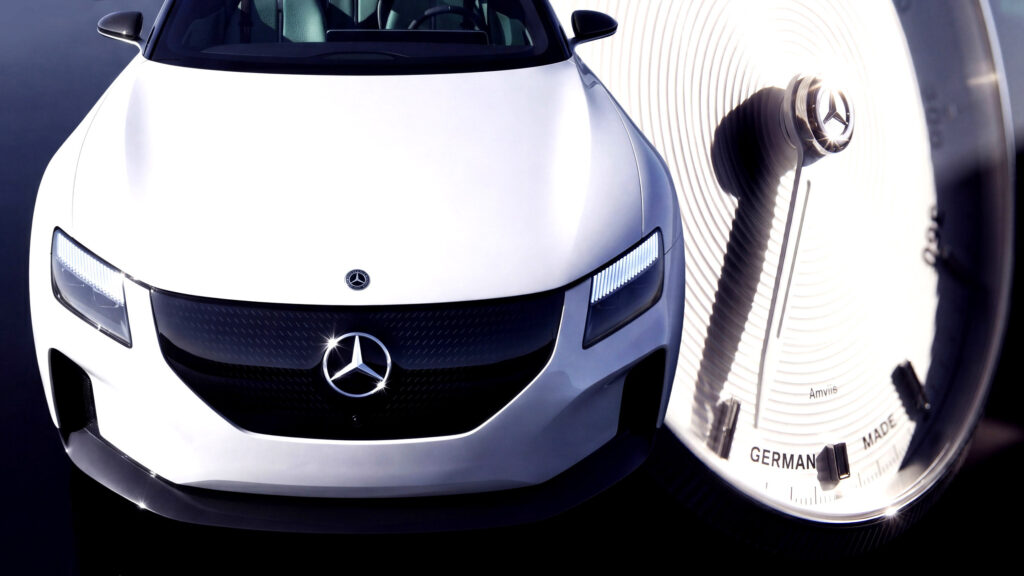
Mercedes design is having a moment, and not a good one. The electric era has not flattered the brand’s studio, where pebble-shaped sedans and wall-to-wall screens have landed flat with buyers. Independent designer Lukas Wochinger has put forward an alternative. His digital concept marries quieter exterior surfacing with a cabin built around analogue dials and proper switchgear.

Wochinger is not a hobbyist with a render engine. He was Lead Exterior Designer at NIO from 2021 to 2025, which means he has spent the past few years thinking seriously about what a premium EV ought to look like.

More: Mercedes Just Lost The Man Who Shaped Its Entire Design Language For Nearly 30 Years

The Munich-based designer published a set of high-fidelity renders on LinkedIn. The brief he set himself was a “more constructed and clearly defined form language” with the 1990s as touchstone. Think R129 SL, W124 E-Class, C215 CL-Class coupe. Cars that did not feel the need to shout.

The digital concept is perfectly timed for the Concorso d’Eleganza Villa d’Este in Italy, combining clean surfacing with simple lines and balanced proportions. The biggest difference with the EQS is the elongated hood that gives it a proper Mercedes stance.

\\\\\\\\

The face wears a new closed-off grille, which is an enormous improvement over the fussy treatment of the facelifted EQS or the illuminated panels on the electric C-Class and GLC. Boxy LED headlights, deep bumper intakes, and a pronounced splitter complete the front.

More: Mercedes’ Electric C-Class Is The BMW i3’s Neue Nightmare

Star-shaped alloys dominate the side view, along with flush door handles and sculpted rear shoulders that echo the AMG GT Four-Door. The arched greenhouse is pure CL coupe, and the two-tone paint stretches the visual length. At the back, a subtle ducktail spoiler sits above horizontal LED taillights set into a black panel, with a clean diffuser-integrated bumper below.

Analogue Dials And Physical Controls

\\\\\\\\\\\

The exterior is sharp, but the cabin is where this concept earns its keep. The much-maligned Hyperscreen is gone, replaced by a more sensible infotainment display along the lines of previous-generation Mercedes models, paired with analogue dials behind the wheel. They look like high-end watches, with the speedometer finished in white.

More: 144,000 Mercedes Owners Just Remembered Why Analog Gauges Were So Great

Another highlight are the physical controls on the center console, door cards, and steering wheel, providing the much-needed haptic feedback. The cabin features high-end materials like mint-green leather, dark wood, and metal, while the posh seats have inserts with the Mercedes emblem.

The powertrain is left ambiguous. No cooling intakes and no tailpipes suggest an EV, but Wochinger imagines a hybrid, which is presumably why there is an rpm dial in the binnacle.

Either way, this independent concept makes a quiet but convincing case that Mercedes doesn’t need more pixels to reclaim its premium throne. It just needs a little more soul, and a few honest references to its past.

\\\\\\\\

Lukas Wochinger

Suzuki’s Jimny Has Been Frozen Since 2018, A Designer Just Thawed It

  • A professional designer rethinks the Jimny as a modular EV concept.
  • Study morphs from a compact SUV into a pickup or camper setup.
  • The electric layout could help the tiny off-roader return to Europe.

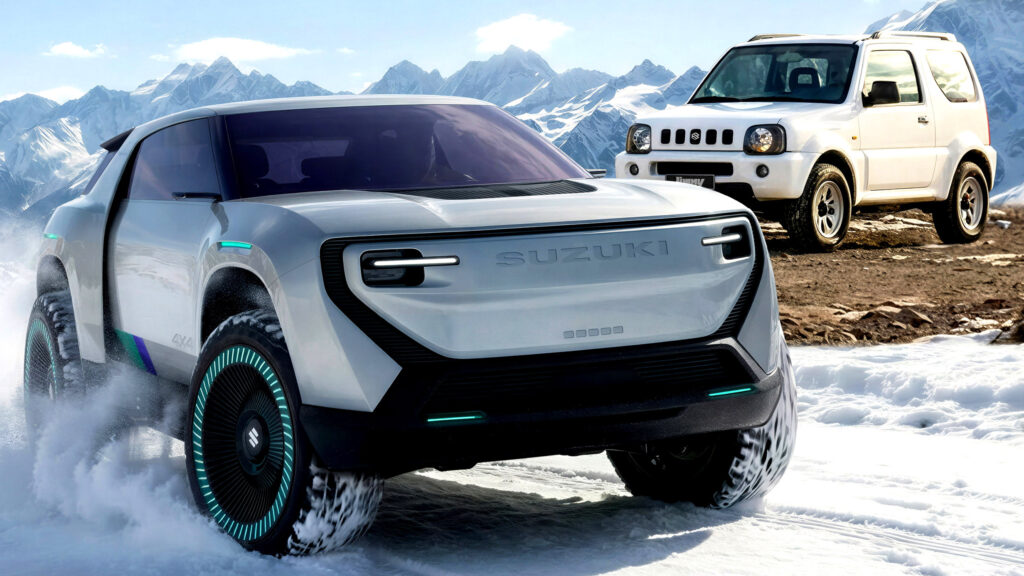
The popular Jimny in its current fourth-generation form has been on sale since 2018, which puts Suzuki well into the development cycle for whatever comes next. Until the factory shows its hand, Ford designer Christopher Giroux has put forward his own interpretation, with modularity as the organizing principle.

More: Lancia’s Past Just Came Roaring Back In A Gorgeous Modern Tribute

Giroux isn’t just another aspiring internet designer but a professional in the field. He spent the past six years designing cars at Ford Europe, and yet the Jimny is personal. His family owned two of the previous-generation cars, and that firsthand experience shaped this project. The result leans into sci-fi flourishes far more than the production car ever would.

Lunar Rover, Not Lunchbox

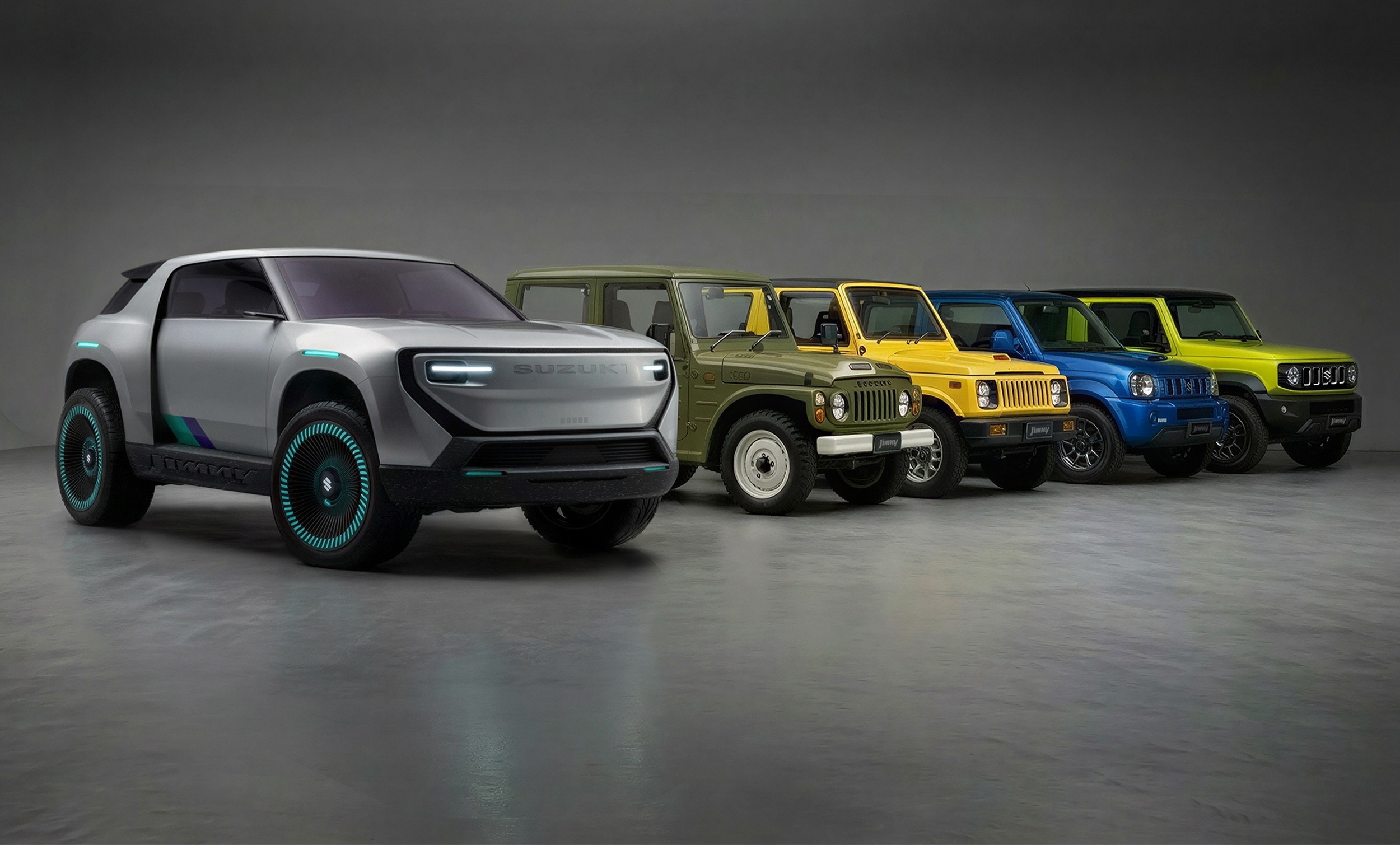
The boxy silhouette that defined every Jimny before it has been set aside. In its place is a muscular, sculpted body that looks built for a lunar expedition rather than a school run. The face wears minimalist LED headlights and a closed grille flanked by slim cooling intakes, and the rear treatment echoes the same theme to keep things cohesive.

\\\\\\\\\

Illustrations: Christopher Giroux

The profile is dominated by chunky multi-spoke wheels on grippy tires, with unusual intakes carved into the leading edge of the doors. Jimny lettering rides on the side skirts, blue LEDs sit on the fenders, and 4×4 decals confirm what the stance has already told you.

However, what is more interesting is the configurable bodystyle. The rear section of the roof can be removed together with the rear windows, creating a small pickup or a semi-convertible off-roader echoing the spirit of the original.

More: The Surprising Reason Why Suzuki Won’t Make A Jimny Pickup

The designer has also created a camper configuration, with a custom-fit tent turning the Jimny into a mobile basecamp. Another highlight is the functional illuminated compass on the hood, with part of it extending inside the cabin.

\\\\\\\\\\\

Illustrations: Christopher Giroux

Frustrated by the current model’s struggle to meet strict emission regulations, which led to its withdrawal from European markets in passenger form, Giroux decided to opt for a fully electric powertrain. Being a conceptual proposal, it carries no estimated output or range figures, but all-wheel drive is a given for anything wearing the Jimny badge.

More: Suzuki’s Most Practical Jimny Just Got Better, But You Still Need To Win A Lottery To Buy It

Suzuki had initially teased a fully electric version of the Jimny for Europe, but those plans appear to have been shelved. The current model received mild updates in 2025, proving that the company wants to extend its lifecycle without electrifying its tried-and-tested naturally-aspirated 1.5-liter engine.

 Suzuki’s Jimny Has Been Frozen Since 2018, A Designer Just Thawed It

Illustrations: Christopher Giroux

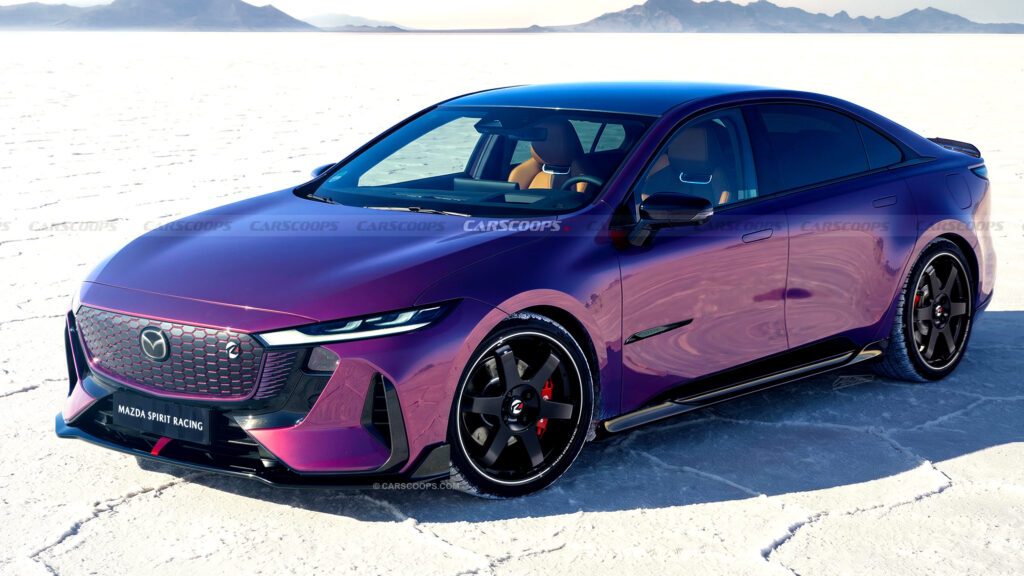
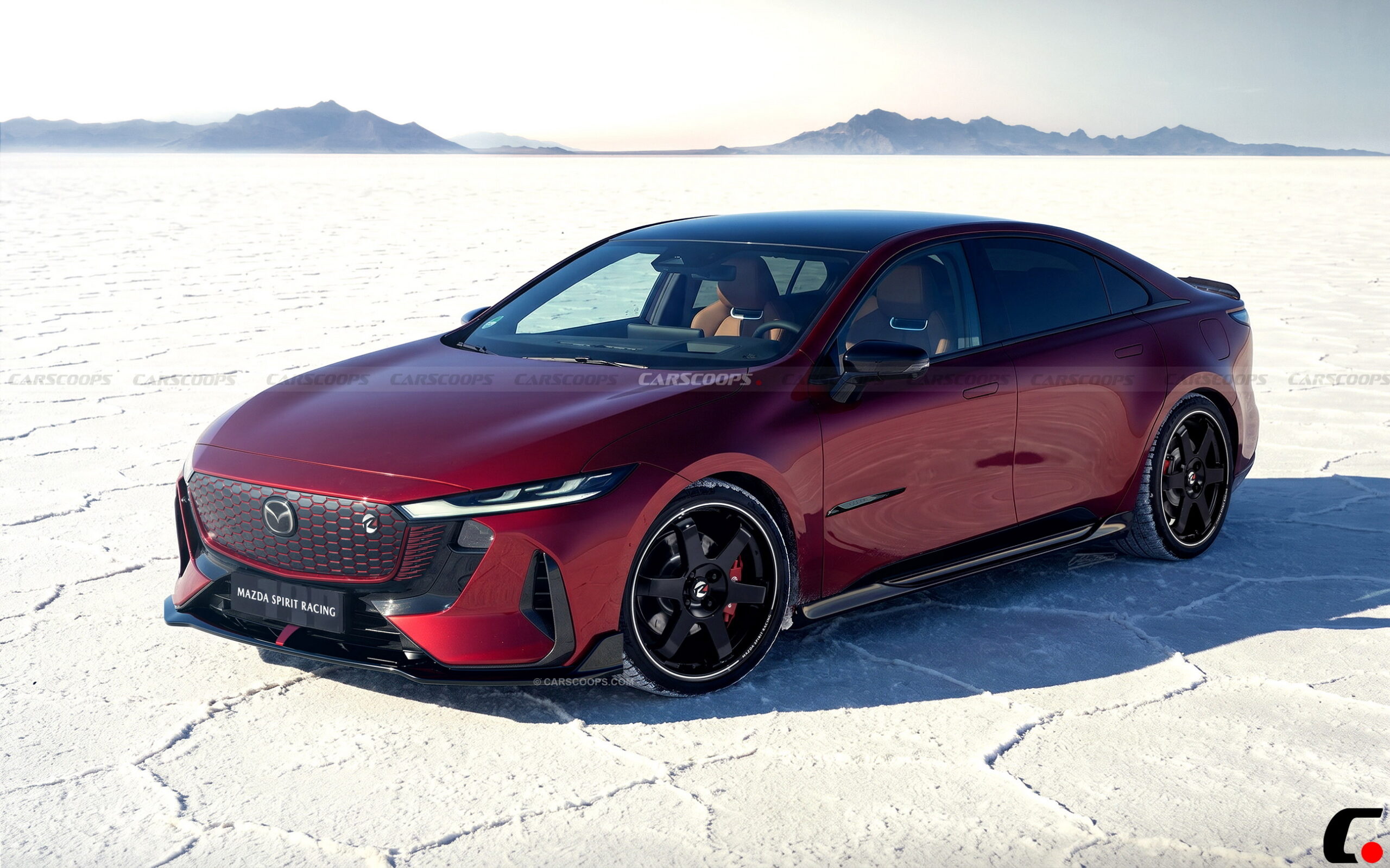
Our Mazdaspeed 6 Revival Ditches The Turbo Four For 536 HP Of Electric Power

  • We envisage a Mazdaspeed 6 revival under the Mazda Spirit Racing banner.
  • Proposed performance sedan would skip combustion for dual motors.
  • A low 3-second 0-60 mph time would put it in serious sport sedan territory.

Mazda’s standing in the performance world right now is pretty thin, especially when you weigh it against a back catalog that includes the Mazdaspeed3 and 6, plus the RX-7 and RX-8. The MX-5 Miata still earns its keep with the purists, but beyond the roadster you have to rewind to the Mazdaspeed era and the days when the rotary ruled the roost to find anything that really mattered.

See: Jaguar’s 1,000-HP Answer To Bentley Looks Nothing Like The Jaguar You Knew

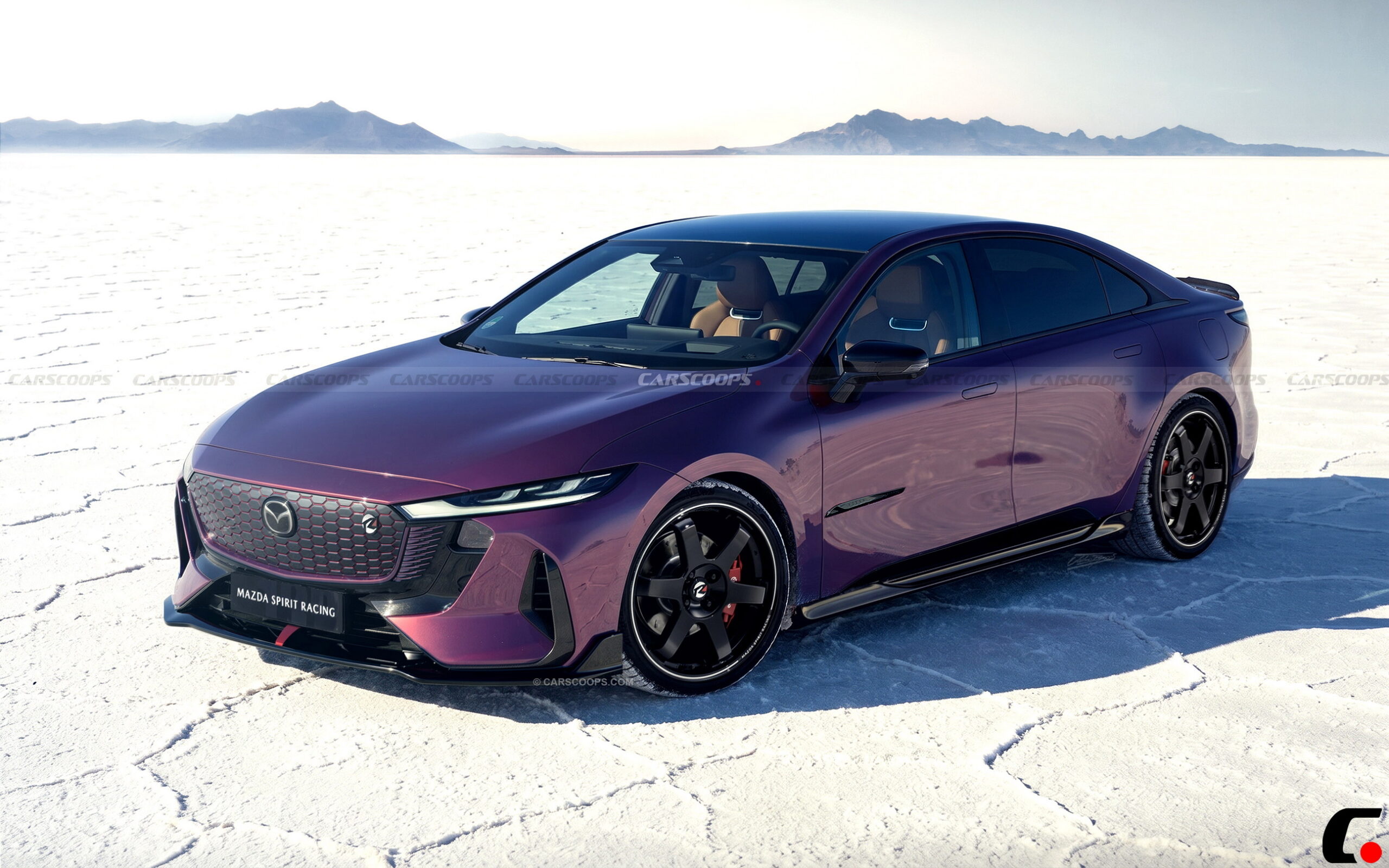
That got us thinking. What if Hiroshima’s quietly revived performance arm, Mazda Spirit Racing (MSR), turned its attention to the all-electric Mazda 6e and sharpened its claws? While there’s no indication that such a model is in development, we’ve envisioned what it could look like and explored its performance potential.

Subtle, But Sharp 

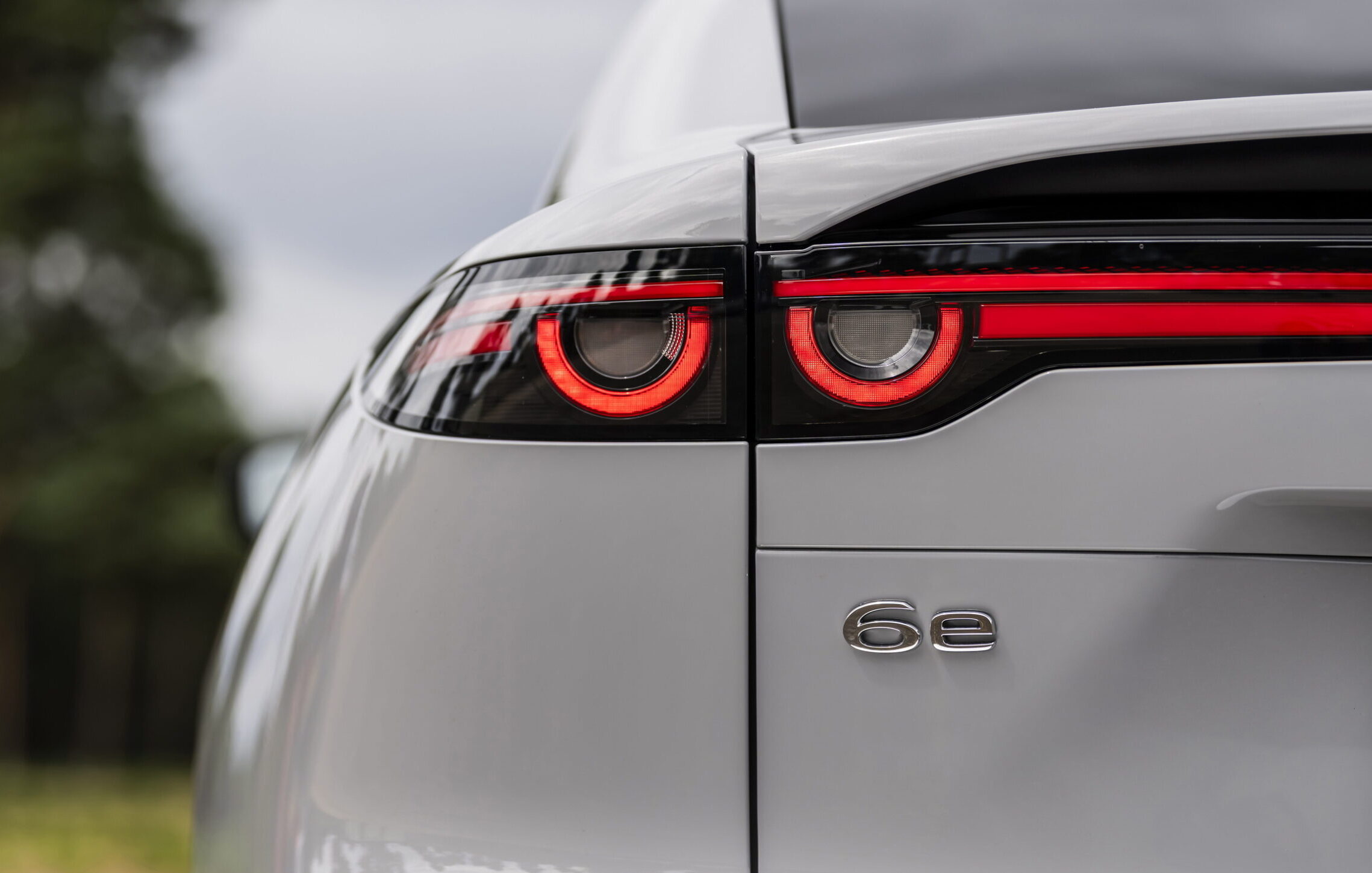
Mazda’s design team worked wonders reskinning the Deepal-based base 6e/EZ6, earning it the World Car of the Year Design award for 2026. Rather than ripping up the blueprints, we’ve taken a more restrained approach by giving it a lower, wider stance and aero-focused elements.

 Our Mazdaspeed 6 Revival Ditches The Turbo Four For 536 HP Of Electric Power
Illustrations Josh Byrnes / Carscoops

Up front, a closed-off grille sports a red-accented honeycomb pattern, while the bumper is reworked with deeper corner intakes and a pronounced splitter to aid front-end handling. In profile, the MSR’s pumped haunches wear larger, dark-finish alloys with Michelin Pilot Sport 5 rubber, while sculpted side skirts add visual aggression.

Around the back, our study sports a larger deployable spoiler, smoked taillights, and a diffuser that actually looks like it does something.

Luxury Focus

 Our Mazdaspeed 6 Revival Ditches The Turbo Four For 536 HP Of Electric Power
Illustrations Josh Byrnes / Carscoops

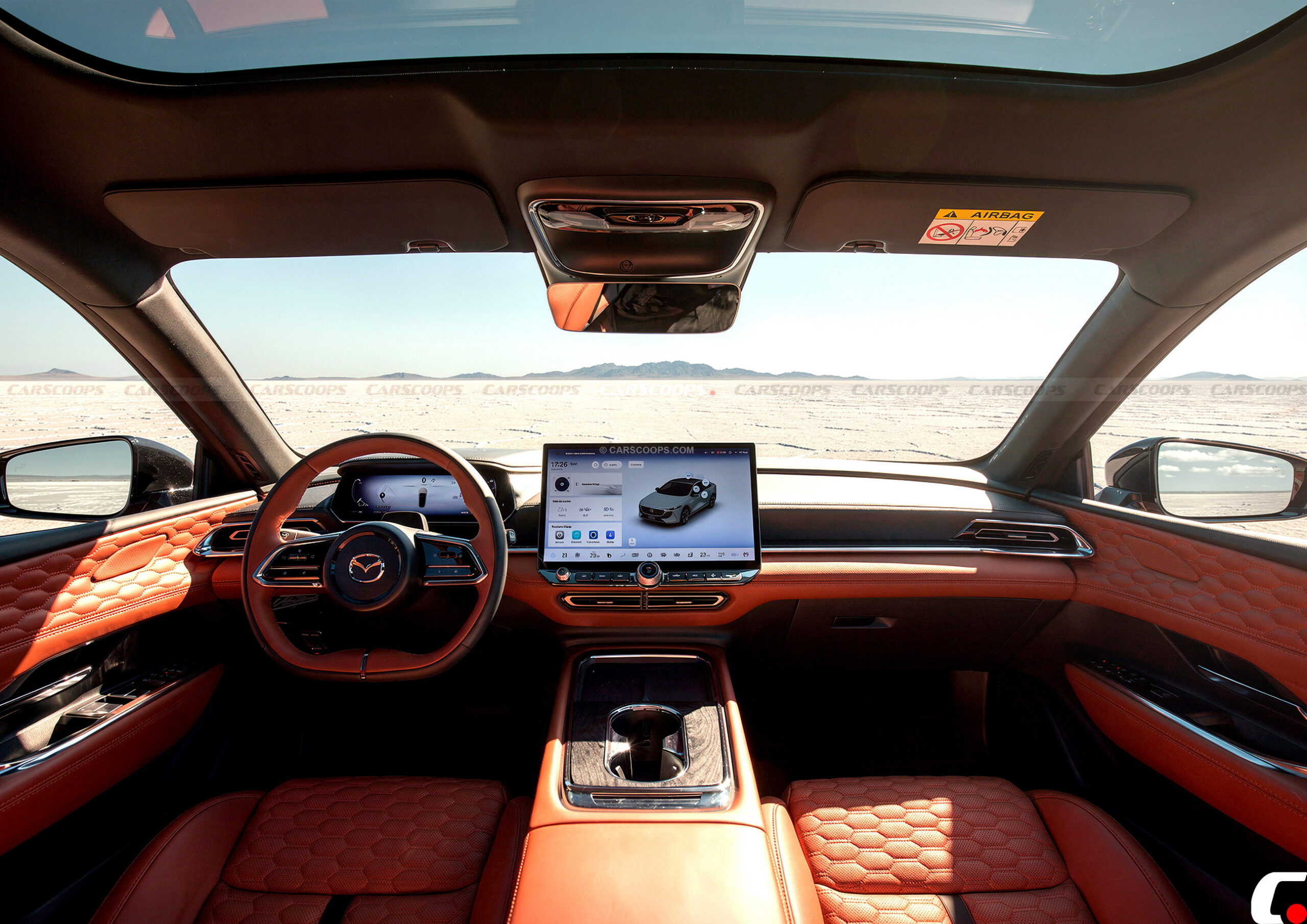
Inside, we’ve overhauled the cabin that’s more sport luxury than tarmac racer. The Nappa leather seats have been upgraded with deeper bolstering and RS-style honeycomb inserts. A thick-rim steering wheel, alloy pedals and unique graphics reinforce the performance brief.

See: BMW’s i3 Sedan Divided The Internet, So We Drew The i4 Coupe Instead

Customers have been vocal about the standard car’s reliance on the touchscreen, so our version brings physical controls back to the base of the infotainment display. The UX gains performance telemetry and driver-configurable drive modes.

Canyon Carving

\\\\\\\\\\\\\\\\

The standard European market Mazda 6e.

The 6e’s Changan-derived, rear-drive setup hasn’t exactly blown critics away with its uninspiring handling and middling performance. We believe this could be overcome by improved hardware, such as stiffer bushings, lower ride height, and recalibrated electric power steering.

Other upgrades could include adaptive damping, thicker anti-roll bars, and larger brakes with 8-piston calipers. Electric motor torque vectoring would go beyond Mazda’s current G-Vectoring Control software, offering improved turn-in and exit speeds.

Variable drive modes would span from comfort to track, featuring aggressive regen mapping, simulated gear shifts, boost mode, and a stability control system that allows some rear-end slip to aid rotation.

Double Trouble

 Our Mazdaspeed 6 Revival Ditches The Turbo Four For 536 HP Of Electric Power

Unlike the donor car, we envisage the Spirit Racing 6e to be a dual-motor affair with up to 536 horsepower (400 kW). It would be all-wheel-drive, with adjustable rear bias. Performance metrics? Realistically, the 0-60 mph (96 km/h) sprint should be completed within the low 3-second mark.

Also: Nissan’s New Skyline Is Coming To America As The Q50, And It May Bring Back The Manual

Battery-wise, it’ll employ the same 78kWh Lithium Iron Phosphate (LFP) battery as standard, delivering a WLTP-rated range of up to 430 miles (550km). DC fast charging will enable 10–80% top ups in 24 minutes.

Amped Rivals

 Our Mazdaspeed 6 Revival Ditches The Turbo Four For 536 HP Of Electric Power
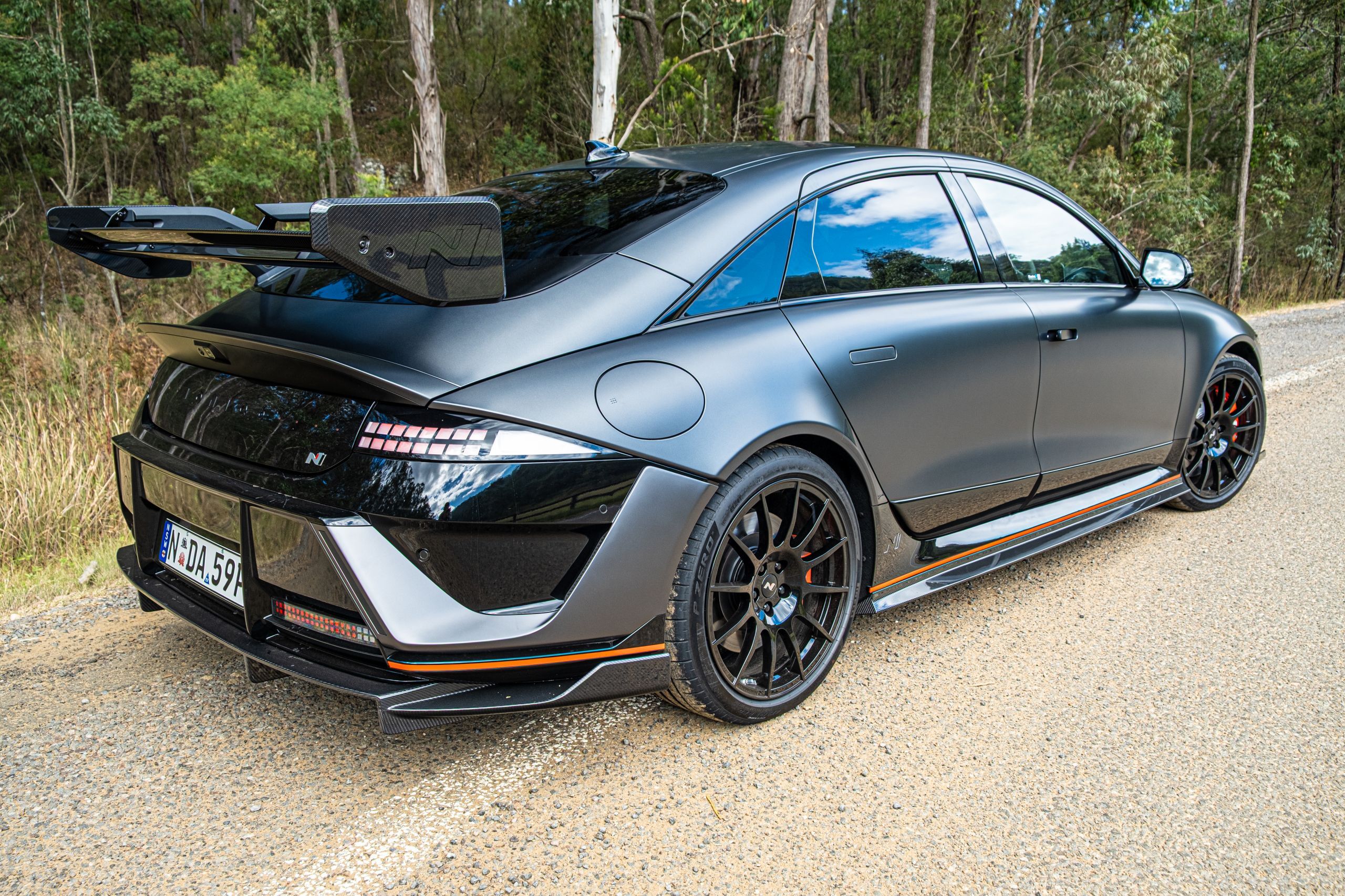
The Hyundai Ioniq 6 N (Photo Brad Anderson / Carscoops)

While proposed as a performance-handling EV, the 6e MSR would square against the Tesla Model 3 Performance and Hyundai Ioniq 6 N, rather than BMW’s insane upcoming quad-motor iM3. Other rivals could include the Polestar 2, the BYD Seal Performance, and the MG IM5 Performance.

Should the spirit of Mazdaspeed be revived with the 6e? We’d love to hear what you think in the comments below.

 Our Mazdaspeed 6 Revival Ditches The Turbo Four For 536 HP Of Electric Power
Illustrations Josh Byrnes / Carscoops

Subaru Keeps Trademarking ACX STI, And The Coupe Rumors Keep Getting Louder

  • Subaru might be working on a new sports car with an STI version.
  • Recent ACX and ACX STI trademark filings point to an EV.
  • A combustion sports car could be based on the Toyota GR Celica.

The rumor mill around Subaru’s performance division has been working overtime lately. Fans of Subaru Tecnica International have spent months chasing reports of a returning WRX STI hot hatch, but the company may also be working on a new sports coupe with a proper STI variant attached.

The Trademarks

According to CarSales, Subaru has trademarked the ACX and ACX STI nameplates with IP Australia, a callback to the ACX-II concept car from 1985. The Australian outlet leans toward a gasoline-powered application, pointing to separate “Flat Shift” and “Rev Sync” filings as supporting evidence. However, trademarks lodged elsewhere in the world tell a different story.

More: Subaru Can’t Sell You A Proper WRX STI, But It’ll Race One Against Cars With Nearly Double Its Power

The ACX, VPX, and ZPX names have already been trademarked in the US, Canada, and the UK alongside their respective STI variants. Each of those filings carries a specific description: “Automobiles and structural parts therefore electric cars.” That wording leaves little to the imagination.

\\\\\

Illustrations: Theottle

Of the three new names, only VPX has been paired with a Wilderness designation, which points toward something taller and more utilitarian, whether a truck, a crossover, or an SUV. ACX and ZPX arrive without that context, leaving only earlier rumors and reports to go on. One plausible home for either name is the long-rumored successor to the BRZ.

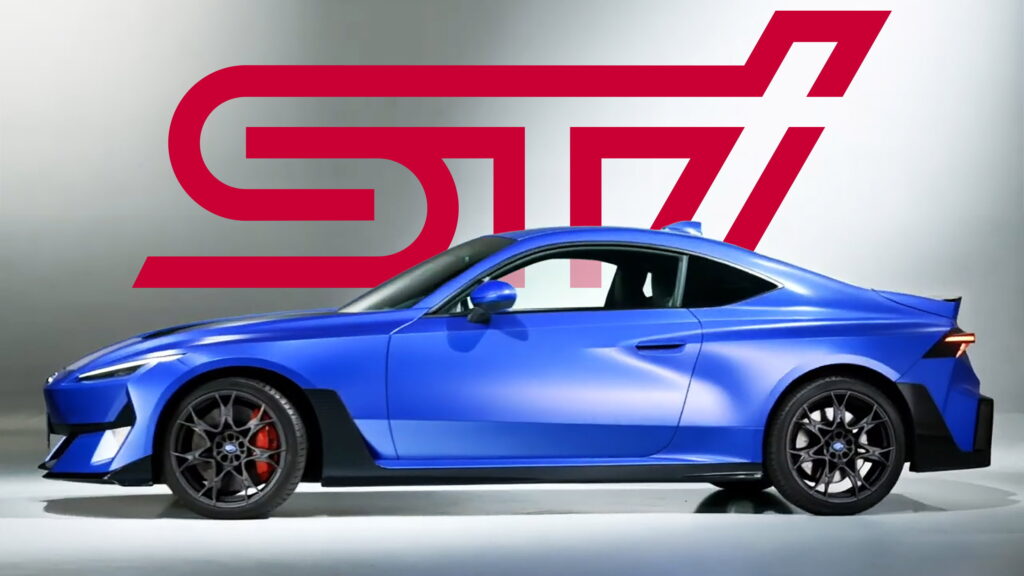
Independent digital artist Theophilus Chin has imagined that successor as a fully electric sports car, pulling design language from the Performance-E STI Concept into a modernized two-door silhouette that still reads as a BRZ.

What About ICE?

\\\\\

Illustrations Theottle

The ACX paperwork tilts heavily toward a zero-emission powertrain, but the ongoing Subaru-Toyota partnership leaves room for a combustion sports car to exist alongside it.

More: Subaru’s BRZ Finally Has A Turbo And AWD, Just Not In A Version You Can Buy

Subaru recently launched a widebody BRZ-based rally car running a turbocharged engine and all-wheel drive, built to compete in the JRC. Toyota, meanwhile, is testing a still-unidentified WRC contender with a two-door coupe profile, widely believed to be the competition version of the upcoming GR Celica.

\\\\\\

Subaru Boxer Rally Spec.Z

The two rally cars share nothing mechanically, but there is still a path for Subaru to field a sibling to the production Toyota GR Celica when that car arrives. Whether Toyota commits to a front-engined or mid-engined layout for the road car is still unresolved.

More: Subaru Says STI Is “Not Dead”, But Its Boxer May Be

Toyota has confirmed a next-generation GR 86 is coming, but the Subaru side of that partnership may diverge, with the next BRZ potentially going fully electric and adopting the elevated stance previewed by the Sport Mobility Concept.

The Toyota Van That Refused To Change For 22 Years Is Being Replaced, And It’ll Look Nothing Like Before

  • A new generation Toyota HiAce is expected to make its debut by early 2027.
  • It will switch to the TNGA platform and drop its long-used cab-over layout.
  • Multiple body styles are expected, along with an available hybrid powertrain.

After more than two decades of soldiering on through countless updates, Japan’s most familiar workhorse is finally getting a proper rethink. The Toyota HiAce remains one of the world’s most popular commercial vehicles, but the current H200 generation has been on sale in Japan since 2004, making a strong case for a successor. A new model is rumored to debut by early next year, marking the biggest change in the nameplate’s history.

More: This Van Should Be Dead By Now, But Toyota Keeps Updating It After 22 Years

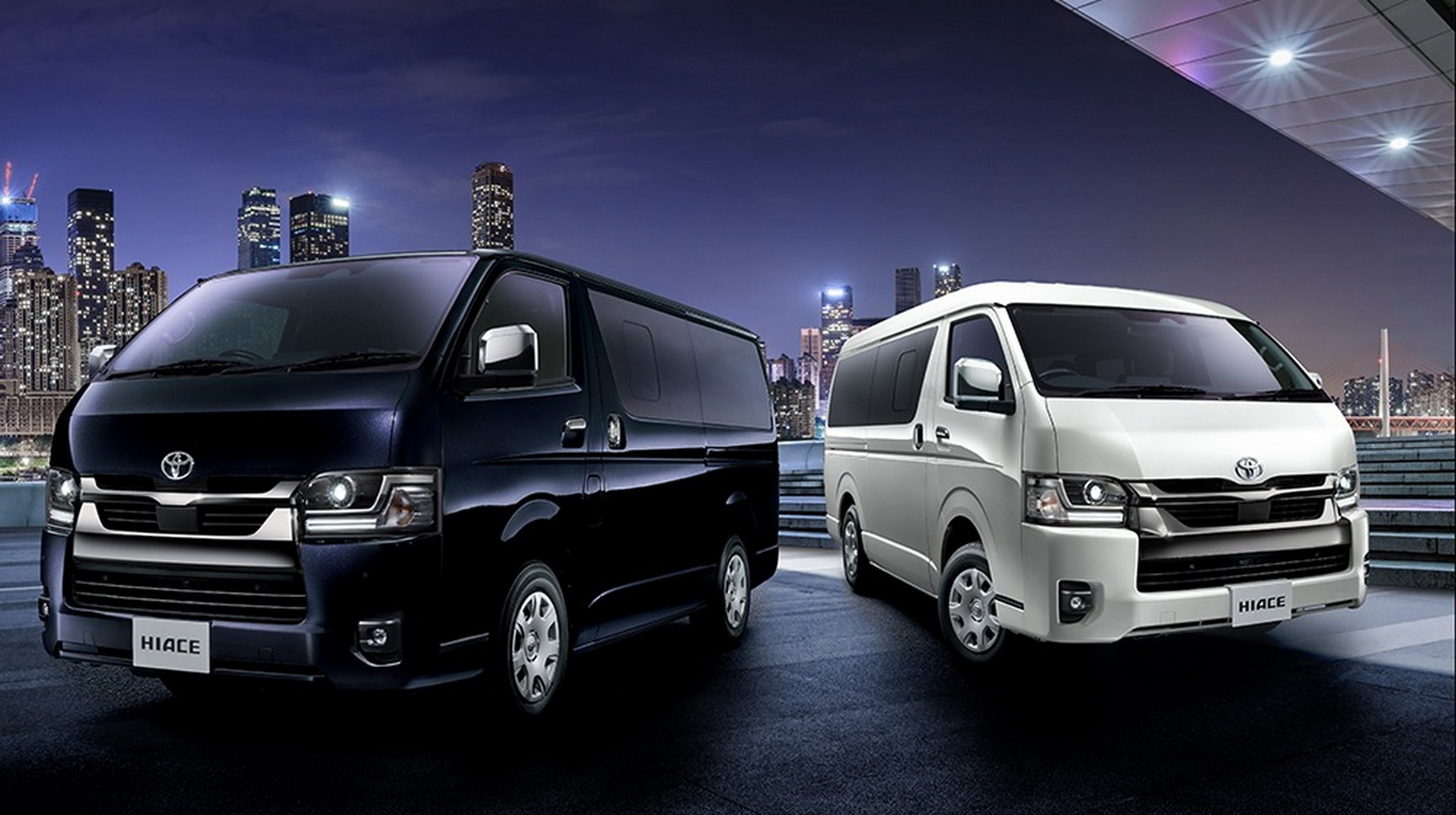
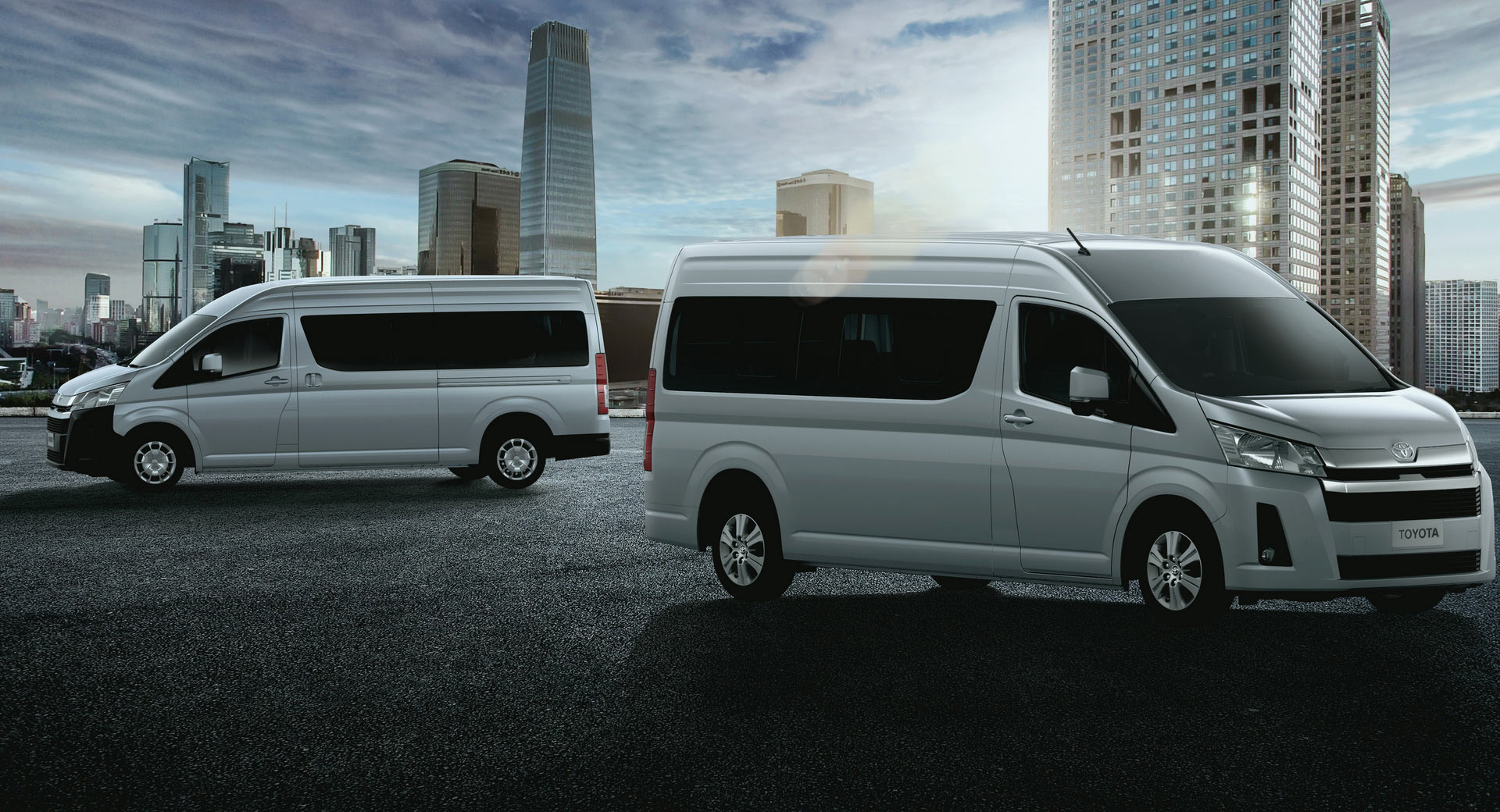
In 2019, Toyota introduced the H300 generation of the HiAce, though Japan stuck to the older cabover H200 van. The latter has received countless model year updates over the past 22 years, but it is inevitably getting closer to retirement.

What Will The Next HiAce Look Like?

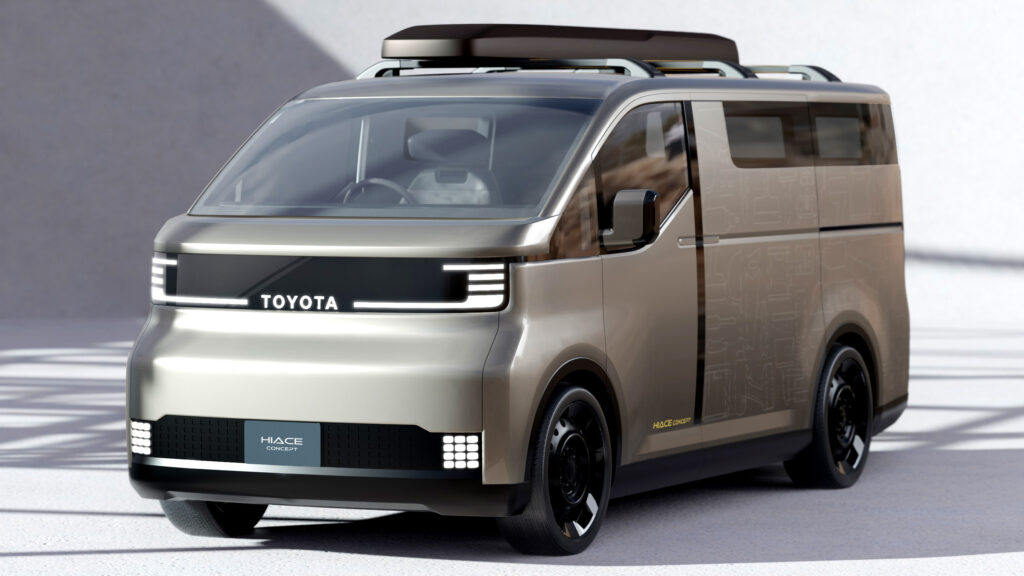
The Toyota HiAce Concepts that debuted at the 2025 Japan Mobility Show are the best indication of the next generation model, which will finally give Japanese buyers access to a modern Toyota light commercial vehicle (LCV).

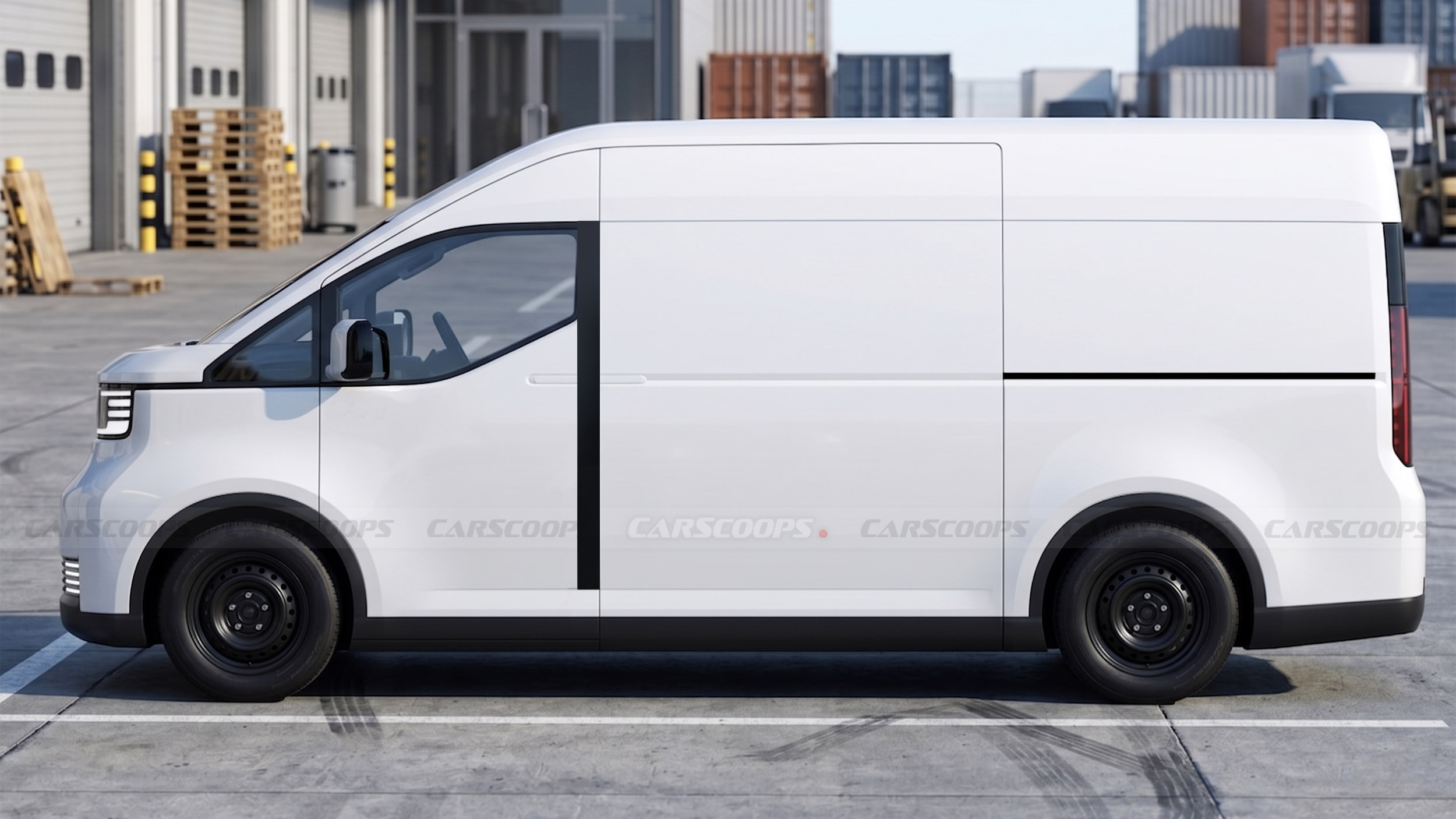
One of the concepts features a long-wheelbase, high-roof bodystyle, while the other is a standard van. Both have modern LEDs and clean surfacing inspired by the 2023 Toyota Kayoibako concept. Crucially, while the new HiAce will abandon the cab-over styling of the H200, it will have a shorter hood than the H300, making it more suitable for the tight roads of Japan.

 The Toyota Van That Refused To Change For 22 Years Is Being Replaced, And It’ll Look Nothing Like Before

Illustration: Thanos Pappas for CarScoops

Our exclusive rendering previews the upcoming production-spec HiAce as a white commercial van with a high roof and a long wheelbase, riding on black steelies. The narrow side windows of the concepts will likely be reserved for passenger-oriented trims, while the lighting units might gain simpler LED graphics for cost-saving reasons.

More: Toyota’s Next Corolla Cross Is Growing Up, And The RAV4 Should Be Worried

Toyota will most likely offer several bodystyle variants of the LCV, following the example of the current HiAce, which is available in different widths, heights, and lengths. It is safe to assume the new model will also serve as a base for passenger shuttles and even camper conversions.

Furthermore, the lineup will be joined by a smaller van based on the Daihatsu Kayoibako-K concept, designed for urban deliveries and short camping adventures.

TNGA Platform Brings Big Changes

\\\\\\\\\\

2025 Toyota HiAce Concepts

Local media reports suggest the new HiAce will share components with the H300 generation currently sold in markets such as the Philippines, Thailand, and Australia. The LCV is expected to ride on the TNGA platform, with improvements in safety and ride quality over the aging H200.

Besides switching from a mid-engined to a front-engined layout, the HiAce will reportedly introduce a self-charging hybrid powertrain option. This will likely be more powerful and more efficient than the existing diesel and gasoline engines.

More: This 14-Year-Old Van Refuses To Die And Somehow Keeps Getting New Gear

As hinted at by the Global HiAce BEV concept from 2023, a fully electric version of the LCV was under consideration. However, the latest rumors suggest the zero-emission powertrain has been put on hold due to shifting market conditions.

According to Creative Trend, citing information from local agency Apollo News Service, the new generation of the HiAce is expected to debut in late 2026 or early 2027. We will keep an eye out for more information about the popular van and update this story accordingly.

 The Toyota Van That Refused To Change For 22 Years Is Being Replaced, And It’ll Look Nothing Like Before
The current H200 generation (above) sold in Japan, and the H300 (below) sold in the Philippines.
 The Toyota Van That Refused To Change For 22 Years Is Being Replaced, And It’ll Look Nothing Like Before

Jaguar’s Type 00 Was Wild, The Production GT Could Take A Step Back

  • Jaguar will reveal its new electric GT sedan this September.
  • A 120 kWh battery targets about 435 miles of driving range.
  • Three electric motors are expected to produce over 986 hp.

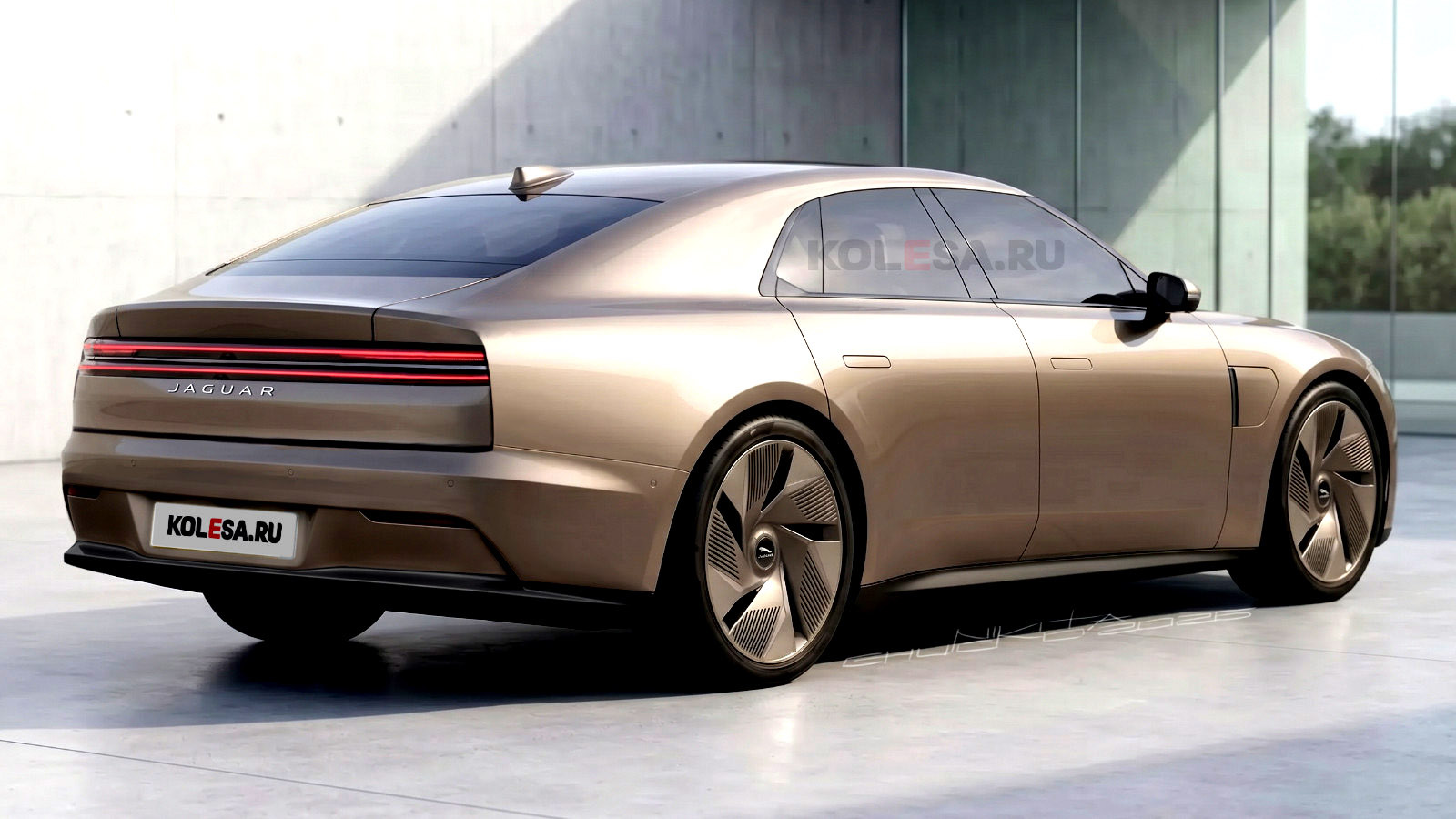
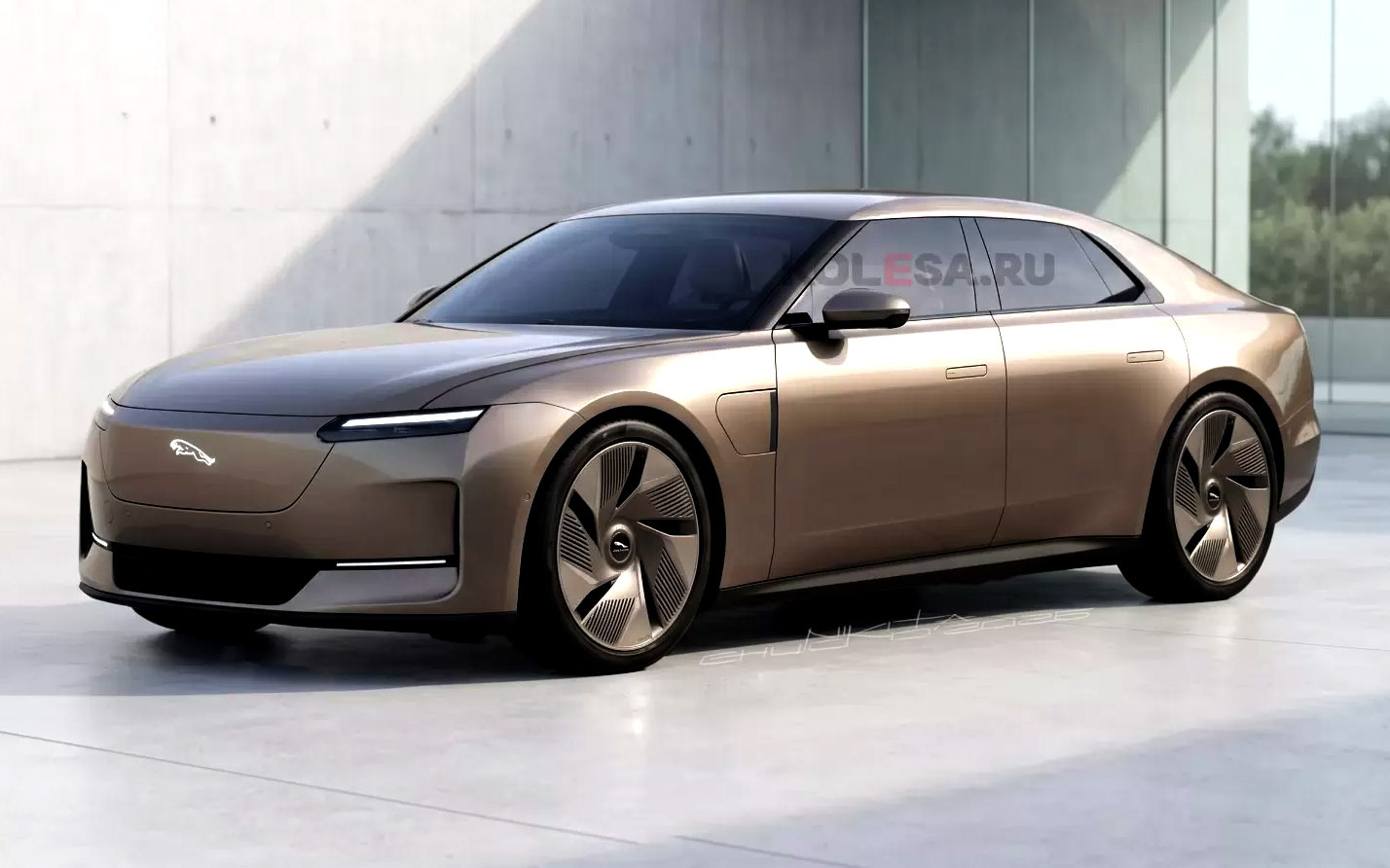
The Jaguar GT has been teased for what feels like an eternity, but the finish line is finally in sight. Jaguar shocked the world with the release of its wild Type 00 Concept, created to preview its upcoming flagship EV. Recent prototypes of this car have shown it will take key design inspiration from the study, but morph into a slightly more restrained four-door sedan.

With the September reveal drawing closer, a new set of renderings attempt to offer a glimpse at what the production version could look like. That said, the heavily camouflaged prototypes have kept key details well hidden, making it tricky to pin down exactly how far Jaguar will dial things back from the concept.

Read: Jaguar Benchmarked Its Electric GT Against One Classic Above All Others

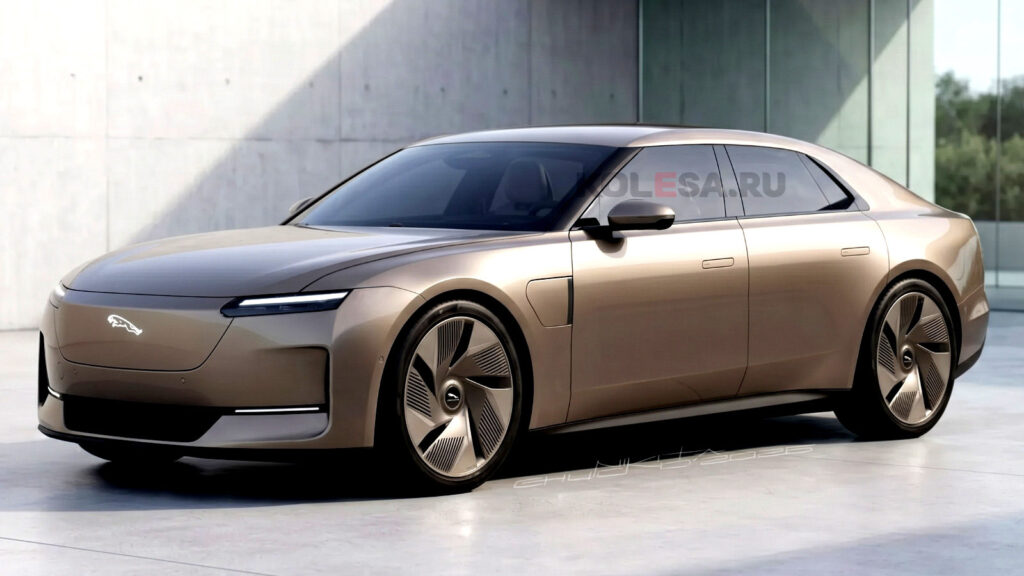
These new renderings, created by Nikita Chuyko for Kolesa, hint at a softened approach up front. The dramatic lighting signature gives way to more conventional LED headlights, paired with a cleaner, more familiar nose where a traditional grille would typically sit. There is still some flair, including an illuminated Jaguar badge, though the bumper trades concept-car aggression for smoother, more restrained curves.

 Jaguar’s Type 00 Was Wild, The Production GT Could Take A Step Back
Nikita Chuyko / Kolesa

The softer, more fluid treatment carries along the sides, where clean door skins replace the Type 00’s sharp shoulder line. Like a Porsche Taycan, charging flaps have been added to both front quarter panels, and there are also pop-out door handles. At the rear, a simple full-width LED lightbar stretches across the car, and while these renderings show a conventional rear window, from what we’ve heard, the production model may ultimately do without one.

Another detail worth noting, at least in prototype form, is that the GT appears to wear flared front and rear fenders that are absent from these illustrations, along with edgier detailing than seen here.

We also recently caught our first look at the interior, which places the driver in a cocooned position, framed by a tall center console and low-slung seats. The cabin leans into crisp lines and defined edges, anchored by an all-new steering wheel that looks lifted from a 1970s concept car. The dashboard is pared back, with a curved screen and digital gauge cluster taking over the role of traditional dials.

What Powers The Electric GT?

\\\\\\\\\\\\

Beyond the car’s design, we know it will sport a large 120 kWh battery pack that should give it about 435 miles (700 km) of range on the WLTP cycle. It’ll support ultra-fast charging, too, meaning 200 miles (322 km) of range will be added in as little as 15 minutes.

\\\\\\\

The Jaguar Type 00 Concept

Power comes from three electric motors drawing on that battery. Combined output is expected to be north of 986 hp and 959 lb-ft (1,300 Nm) of torque. None of which is exotic by current EV standards, but the Jaguar should still feel properly rapid, despite tipping the scales at as much as 5,952 lbs (2,700 kg).

Jaguar itself is targeting a 0-62mph (100km/h) time of around three seconds, a 155mph (250 km/h) top speed, and 350kW peak charging. Pricing is expected to start around $160,000, with sales beginning in 2027.

 Jaguar’s Type 00 Was Wild, The Production GT Could Take A Step Back
Nikita Chuyko / Kolesa

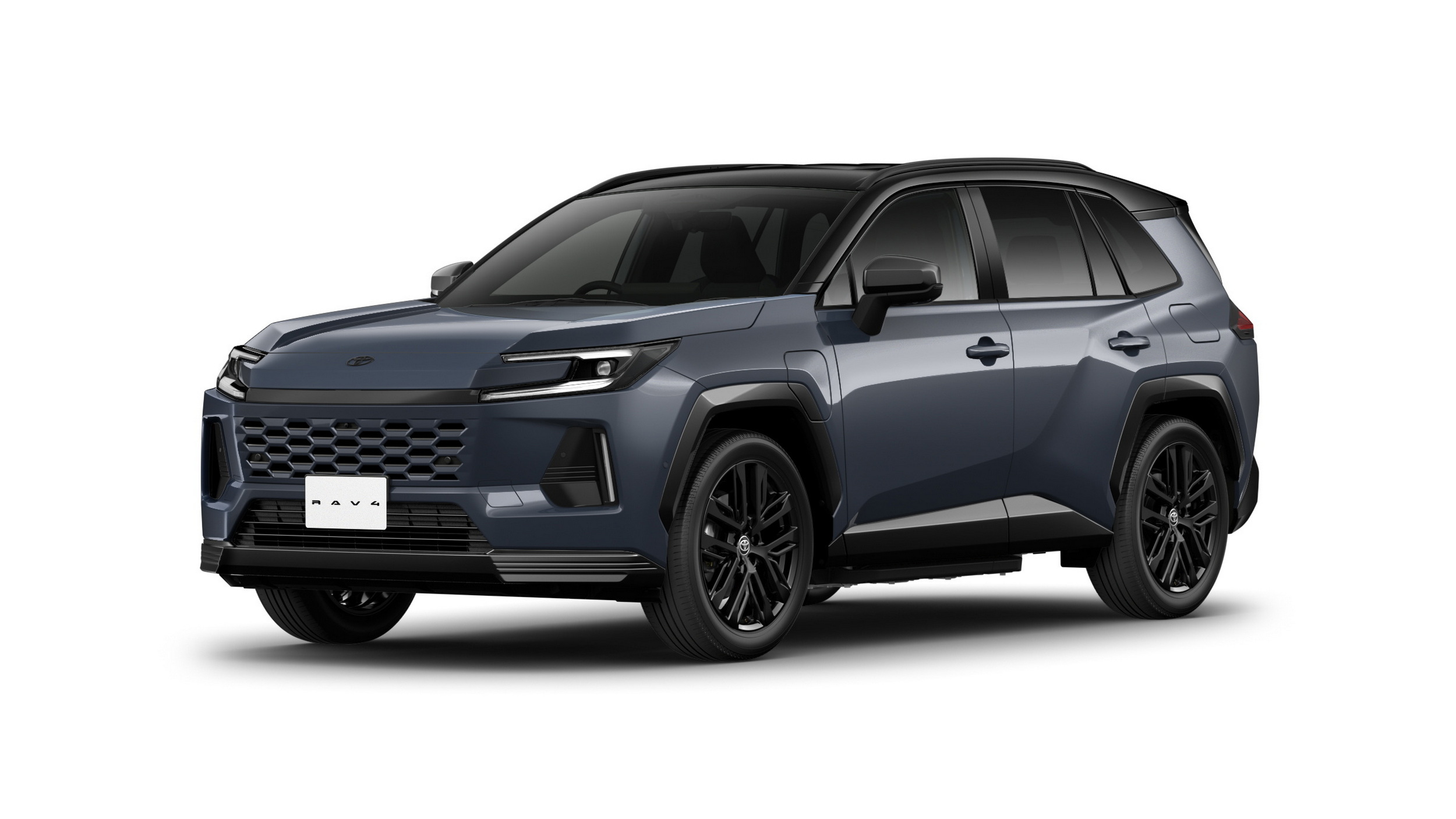
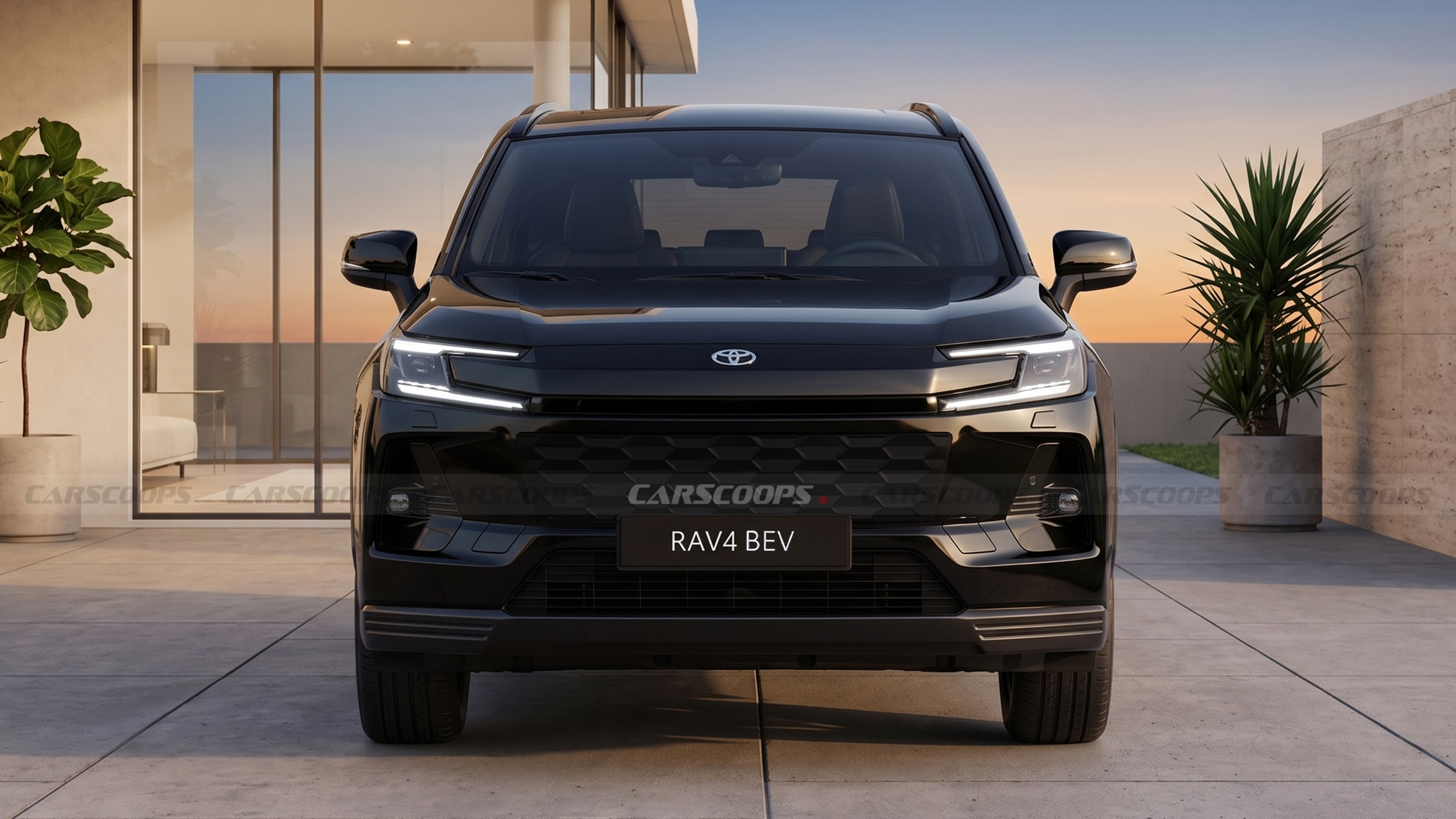
40,000 RAV4s Sell Every Month In The US, But An Electric Version Isn’t Coming

  • Toyota has ruled out an all-electric RAV4 in favor of purpose-built EV platforms.
  • The RAV4’s hybrid architecture can’t support a battery-electric conversion cleanly.
  • Instead, Toyota’s bZ lineup, led by the bZ, carries the company’s full EV ambitions.

As the world shifts to electric cars, Toyota has seemingly ruled out an all-electric variant of one of its best-selling SUVs. The move is an indication of a strong course by Toyota, which is opting to invest more in its broader electrification plan rather than turning one of its most successful cars into a battery-powered model.

Review: The 2026 Toyota RAV4 Finally Feels Like The SUV It Was Meant To Be

The report comes despite growing interest in EVs worldwide, particularly in Australia, where the bZ4X has seen a 300% increase in sales.

Toyota Shifts Focus Toward Dedicated EV Platforms

 40,000 RAV4s Sell Every Month In The US, But An Electric Version Isn’t Coming

It’s not just the bZ4X that has seen an uptick in numbers. With geopolitical tensions pushing more people towards EVs, Australia, one of many countries hit by rising fuel costs, recorded a record number of new EVs in March, accounting for 14.6 percent of new car sales and representing an 88.9 percent year-on-year increase.

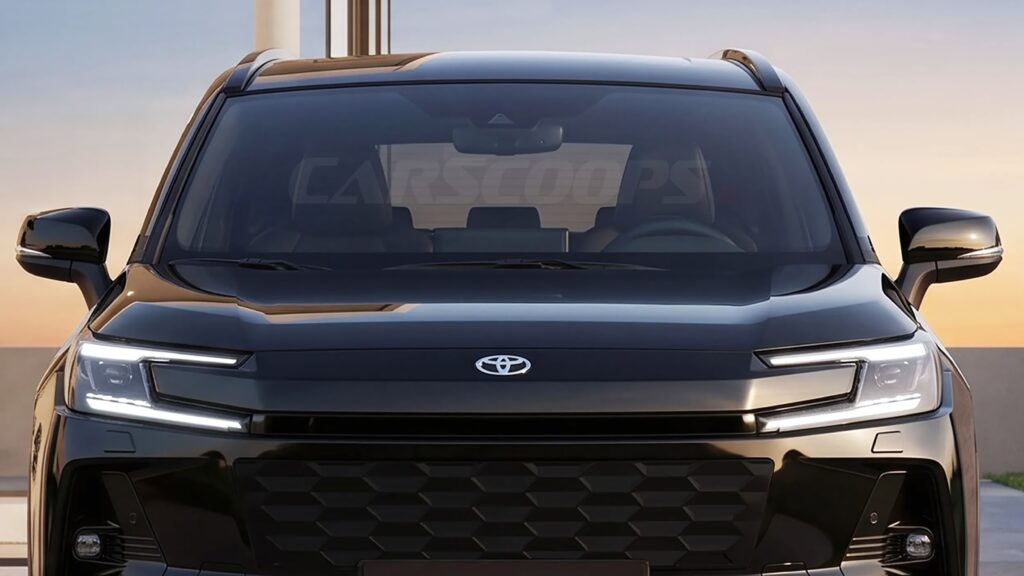
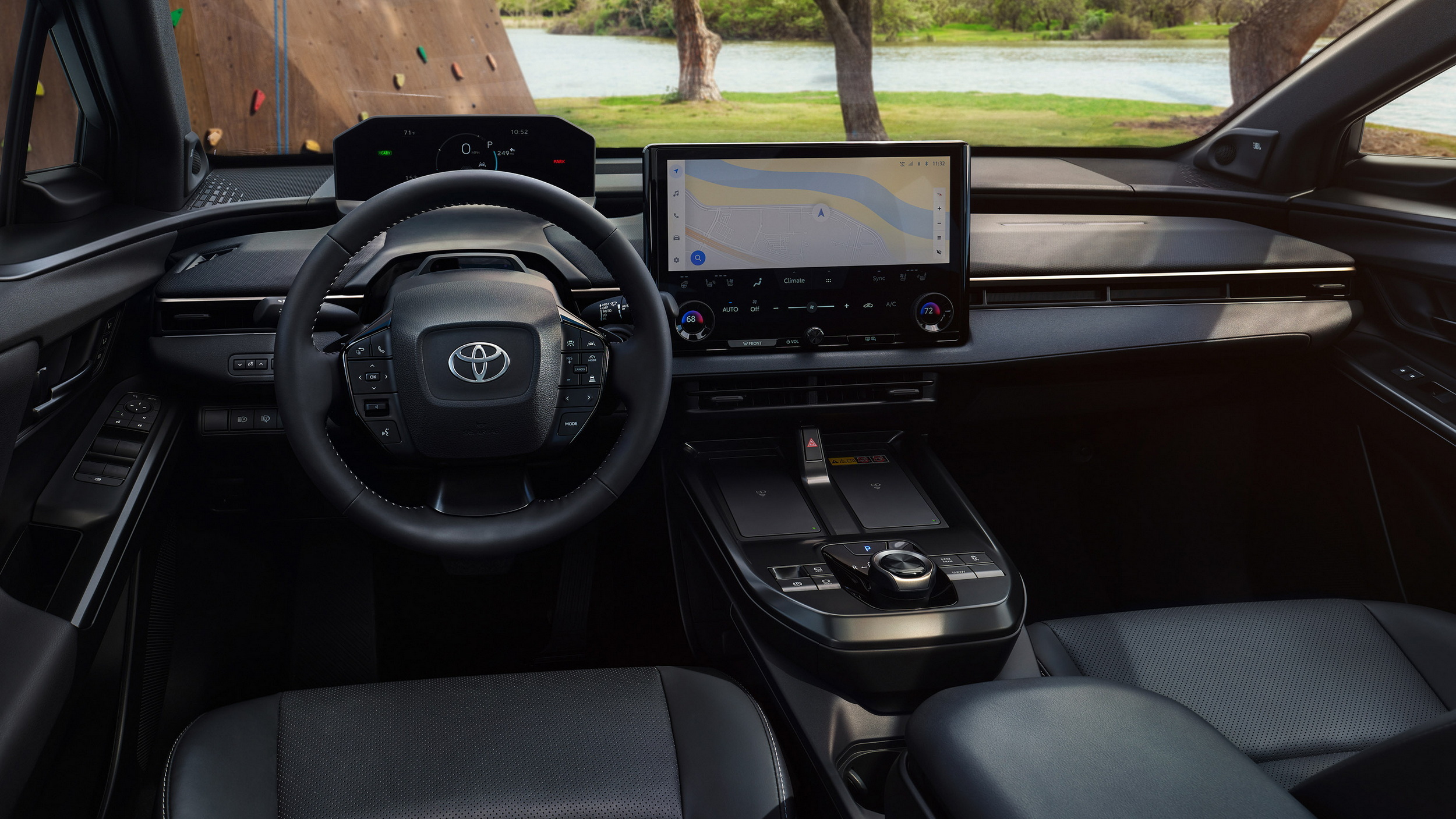
On paper, an EV version of the hot-selling RAV4, which sees 40,000 units shifted in the US each month alone, would seem like a match made in heaven.

But speaking to CarSales, RAV4 chief engineer Yoshinori Futonagane confirmed that we won’t be seeing an all-electric version of his car. Rather, Toyota is concentrating on its purpose-specific electric range under the bZ brand. The models (e.g., the Toyota bZ) are being introduced as core EVs and are designed from the get-go to improve driving range and overall performance.

Designed Without An EV In Mind

 40,000 RAV4s Sell Every Month In The US, But An Electric Version Isn’t Coming

Futonagane went on to explain that simply converting the RAV4 to a full EV will not fit within the company’s existing product roadmap. The RAV4 is based on a hybrid and plug-in hybrid platform, and Toyota’s EVs are built on separate bespoke platforms.

Toyota has opted for multiple pathways in its electrification strategy. The car manufacturer has invested heavily in hybrids, plug-in hybrids, and hydrogen vehicles rather than fully converting to battery-electric cars.

Is Toyota’s strategy the right move, especially against Chinese offerings, such as Jaecoo? Time will tell, but for now, Toyota isn’t in any way rushing to change track.

 40,000 RAV4s Sell Every Month In The US, But An Electric Version Isn’t Coming
Illustration Thanos Pappas for Carscoops
❌