Login
LoginFlorida Wants To Spend $197 Million Of EV Charger Money On Flying-Car Pads Near Golf Courses
- State got $197M for EV charging stations, but the funds are going elsewhere.
- Florida wants to establish 32 take-off and landing pads across the state.
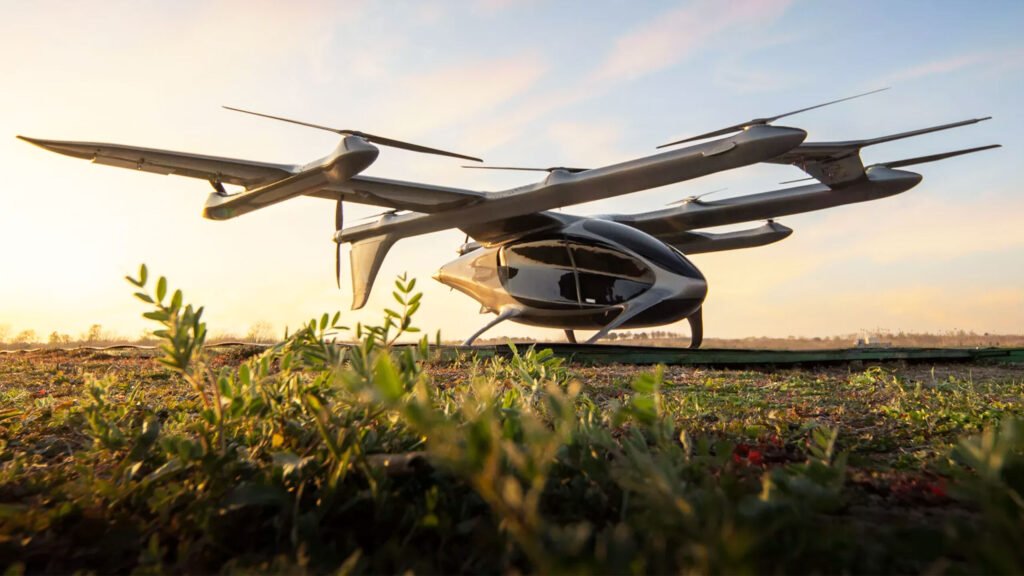
- According to officials, flying cars could help to combat highway traffic issues.
Through the Federal National Electric Vehicle Infrastructure (NEVI) program launched under the Biden administration, US states received millions of dollars to grow their local EV charging networks. Some of these taxpayer-funded chargers have been built, just not in Florida, where it wants to spend the money on flying cars.
Florida received $197 million through the NEVI program. That cash could have gone a long way toward expanding the state’s EV charging network, but according to state officials, the private market has already done enough for local owners to charge quickly and easily at public locations.
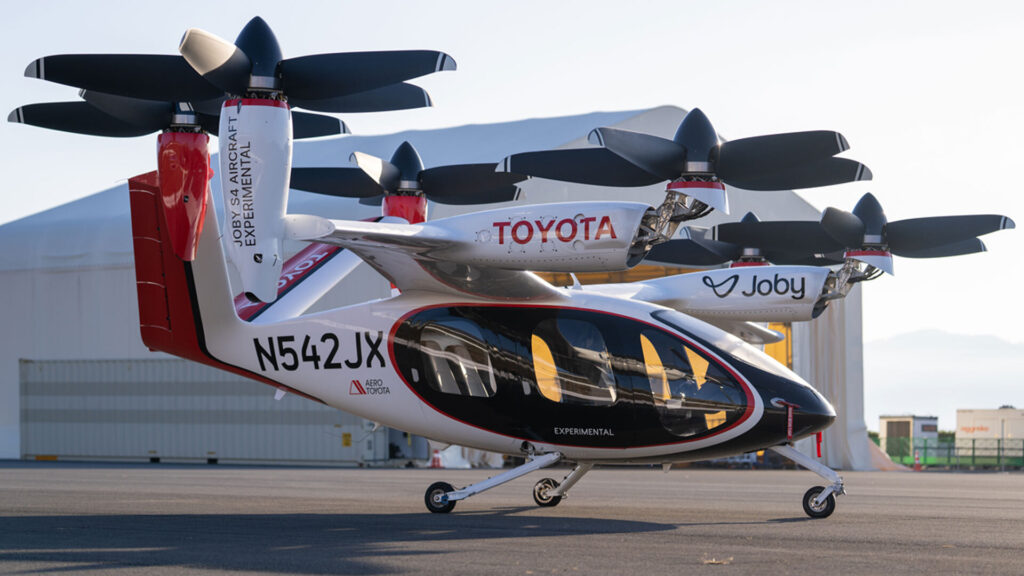
Read: Toyota’s Getting Into The Aircraft Manufacturing Business
A plan uncovered by the Miami Herald, surfacing after a records request filed in January, shows how the Florida Department of Transportation (FDOT) intends to spend the charger funding on an ‘Aerial Highway Network’ of electric vertical take-off and landing aircraft, or eVTOL, plus 32 take-off and landing pads scattered across the state. FDOT says it started planning for flying vehicles in 2021 and has spent more than three years on public engagement about the project.
Bad Luck For EV Owners
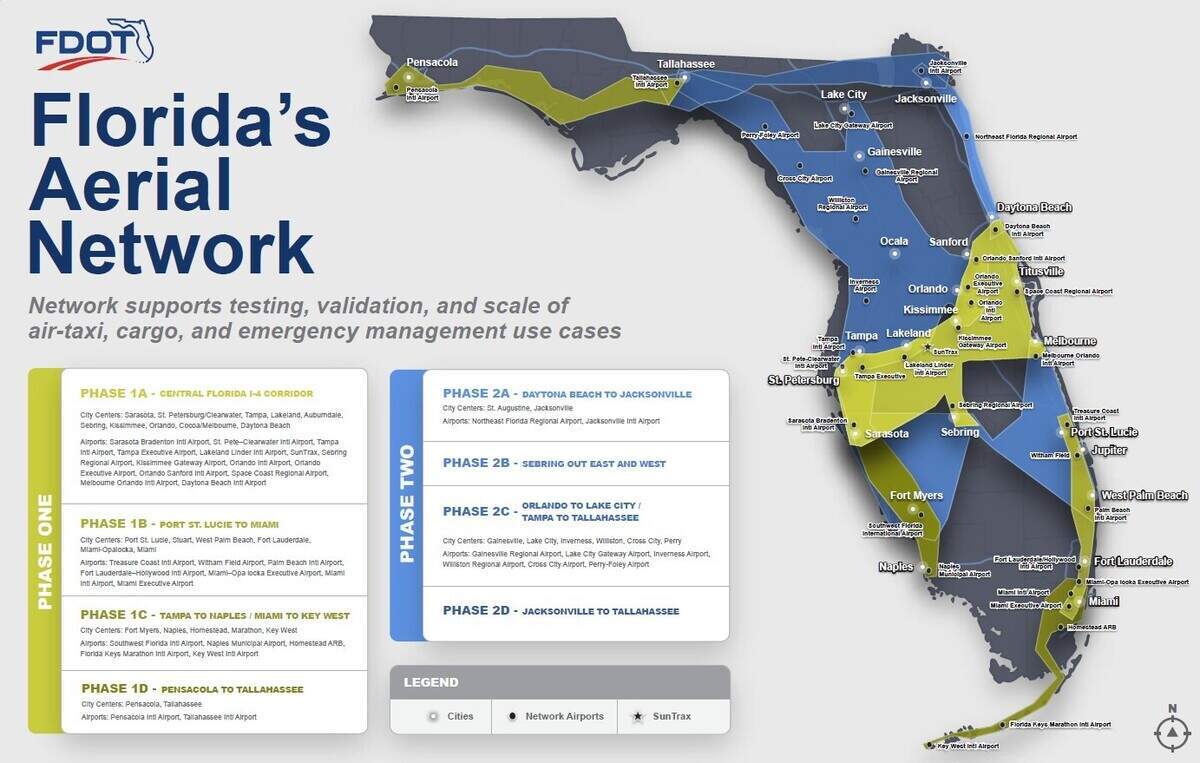
“The Florida Department of Transportation will not waste taxpayer dollars and spend it on everyday passenger vehicles,” the document reveals. “Instead, FDOT’s proposal…takes an innovative and strategic approach to offer the greatest benefits to Floridians by supporting a new emerging mode of transportation.”
Stephen Smith of the Southern Alliance for Clean Energy criticized the proposal, telling the Miami Herald, “Money is being hijacked from what would have benefited a large population to go to the oligarch, ultra-wealthy for these emergent technologies.”
$5.6 Million A Pad
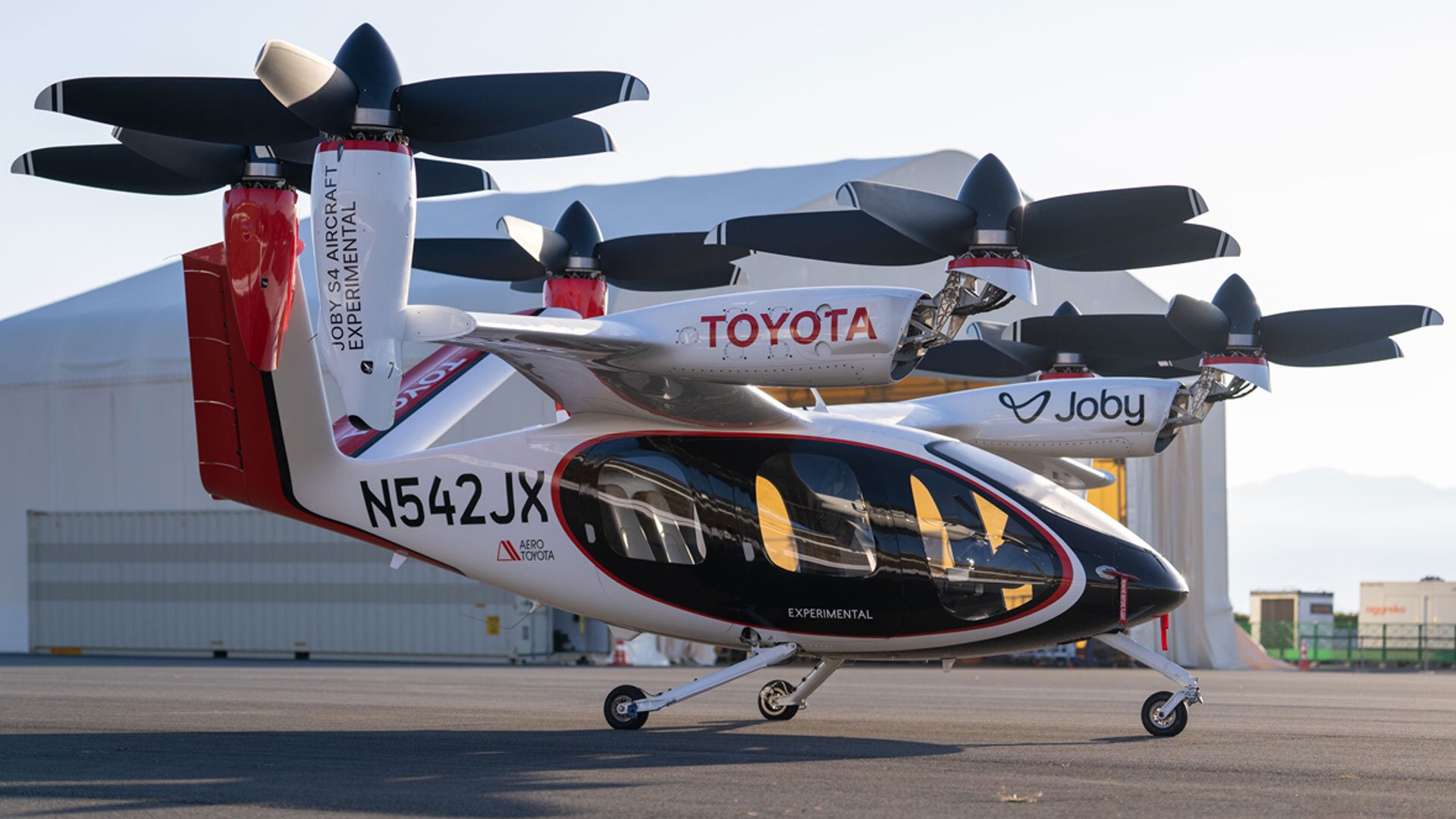
The plan estimates each pad will cost about $5.6 million to build, and they could land near airports, luxury apartment buildings, military bases, and golf courses. The list alone tells you who benefits: wealthy residents, not the EV owner stuck hunting for a working charger. The documents also indicate Florida could cover the required state matching share for some projects itself, rather than leaving that cost to private companies as is typically done under NEVI.
The Miami Herald’s report notes that there were 452 fast chargers and 1,708 Level 2 slow chargers in Florida as of January 2025, although it’s unclear how many there are now. While this number has increased since the NEVI funding was announced, thanks to private firms, Florida residents have the second-highest number of EVs in the country but have a below-average number of chargers per vehicle.
The Rules Allow It
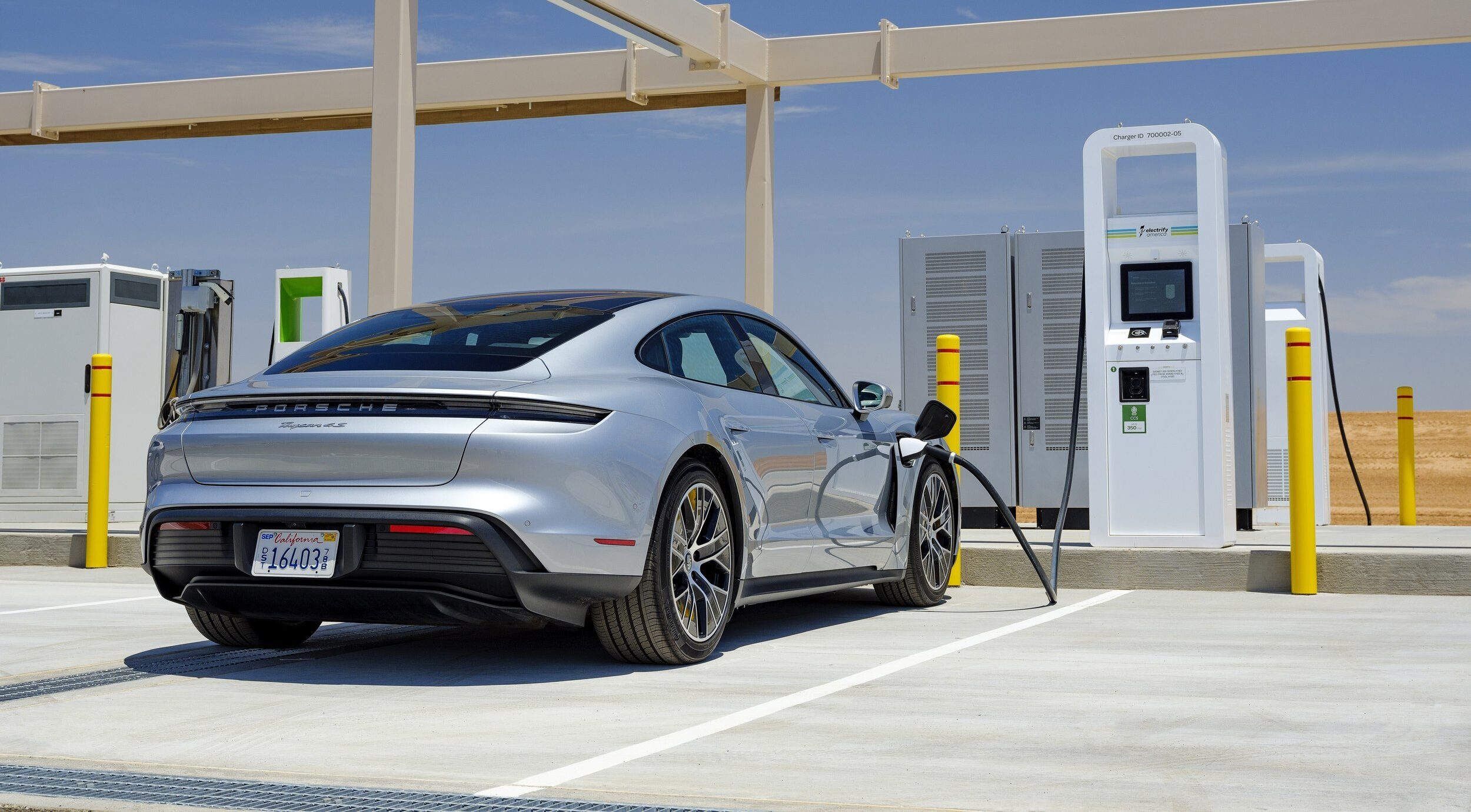
Under updated NEVI rules, funding awarded through the program can be redirected toward other charging needs. The Federal Highway Administration has reviewed Florida’s charger highway corridor and agrees it is fully built out. Other states have used that flexibility in very different ways. North Carolina, for instance, is putting the money toward chargers at apartment complexes for residents without home charging. On that basis, the FHWA is expected to approve Florida’s request to spend its share on flying cars.
Florida says its flying car ambitions will help ease highway traffic congestion, but unless hundreds, if not thousands of eVTOL are deployed, it’s hard to imagine them having a significant impact on traffic. The state would, of course, then need makers of eVTOLs to deploy and sell their aircraft locally, or elsewhere take-off and landing pads could sit idle.