Login
LoginThe Range Rover Sport Electric Is As Quick As The V8 And Looks The Same
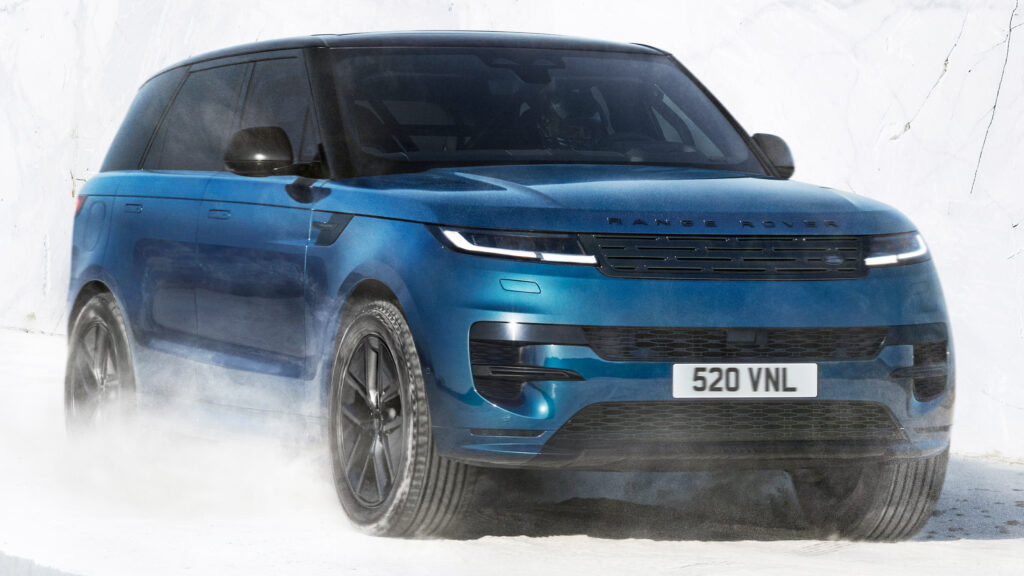
- The all-electric RR Sport uses a large 118.5 kWh battery and dual motors.
- These powerful motors deliver 542 hp and 627 lb-ft of torque.
- Charging the big battery from 10 to 80 percent takes as little as 22 minutes.
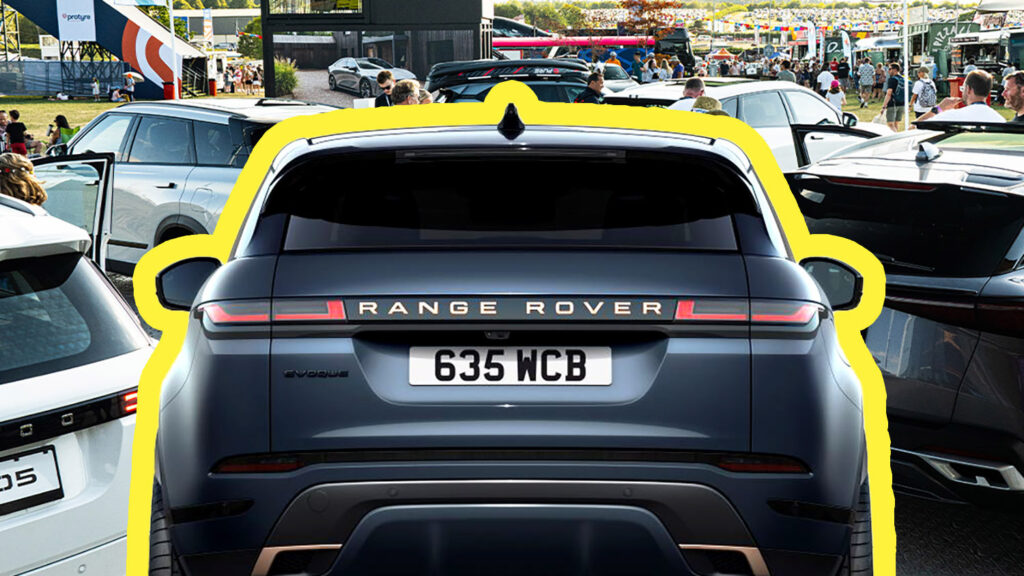
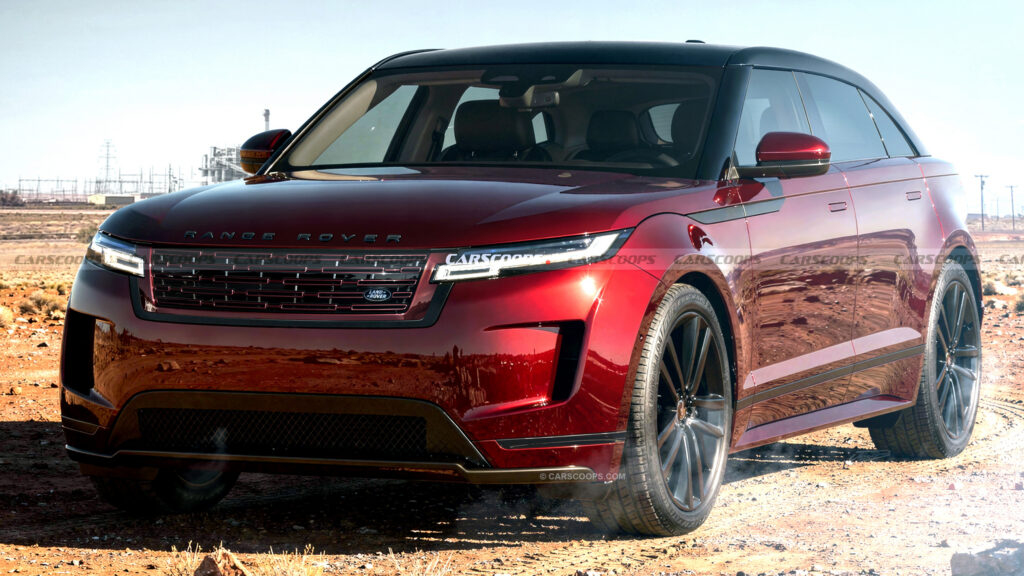
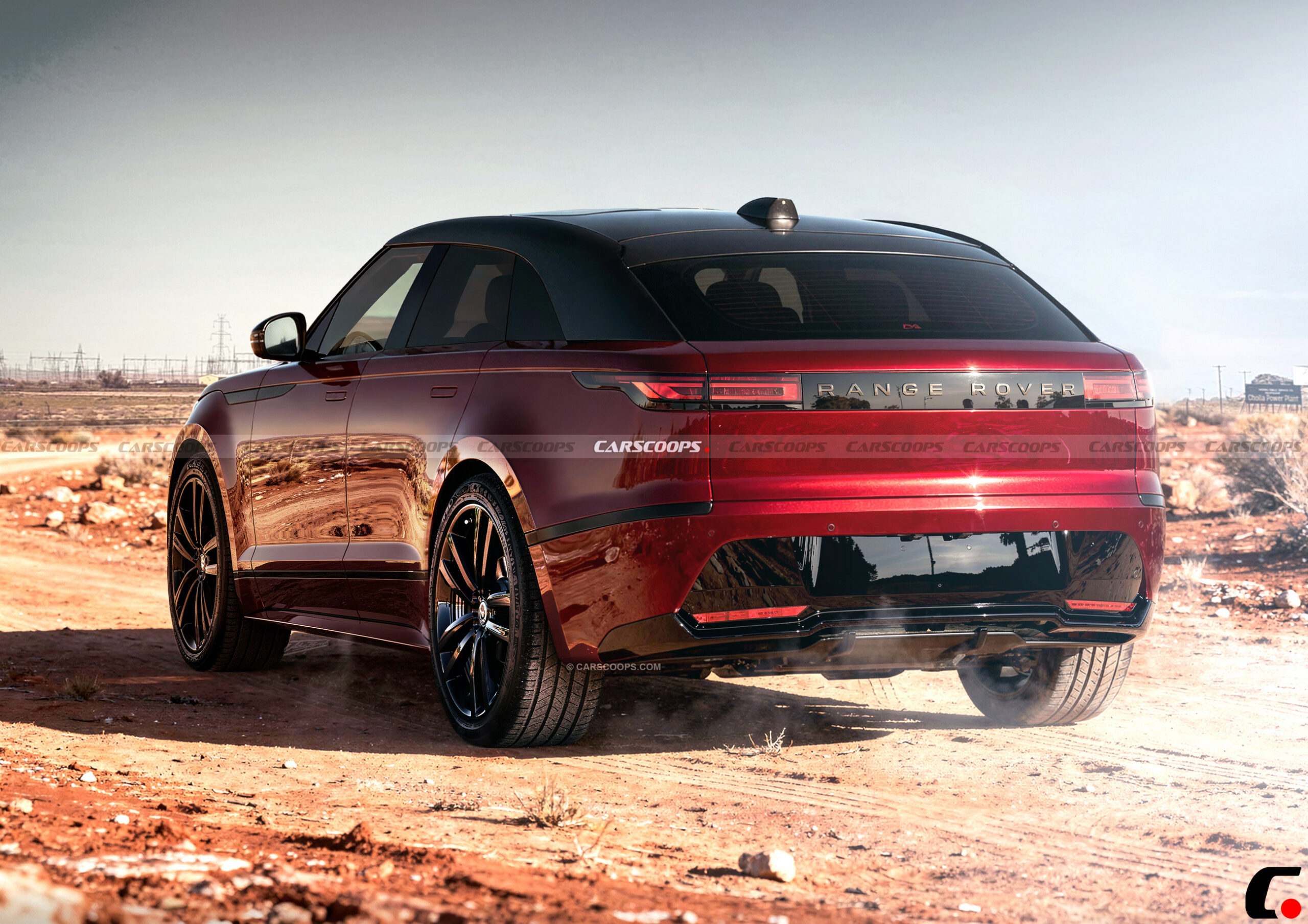
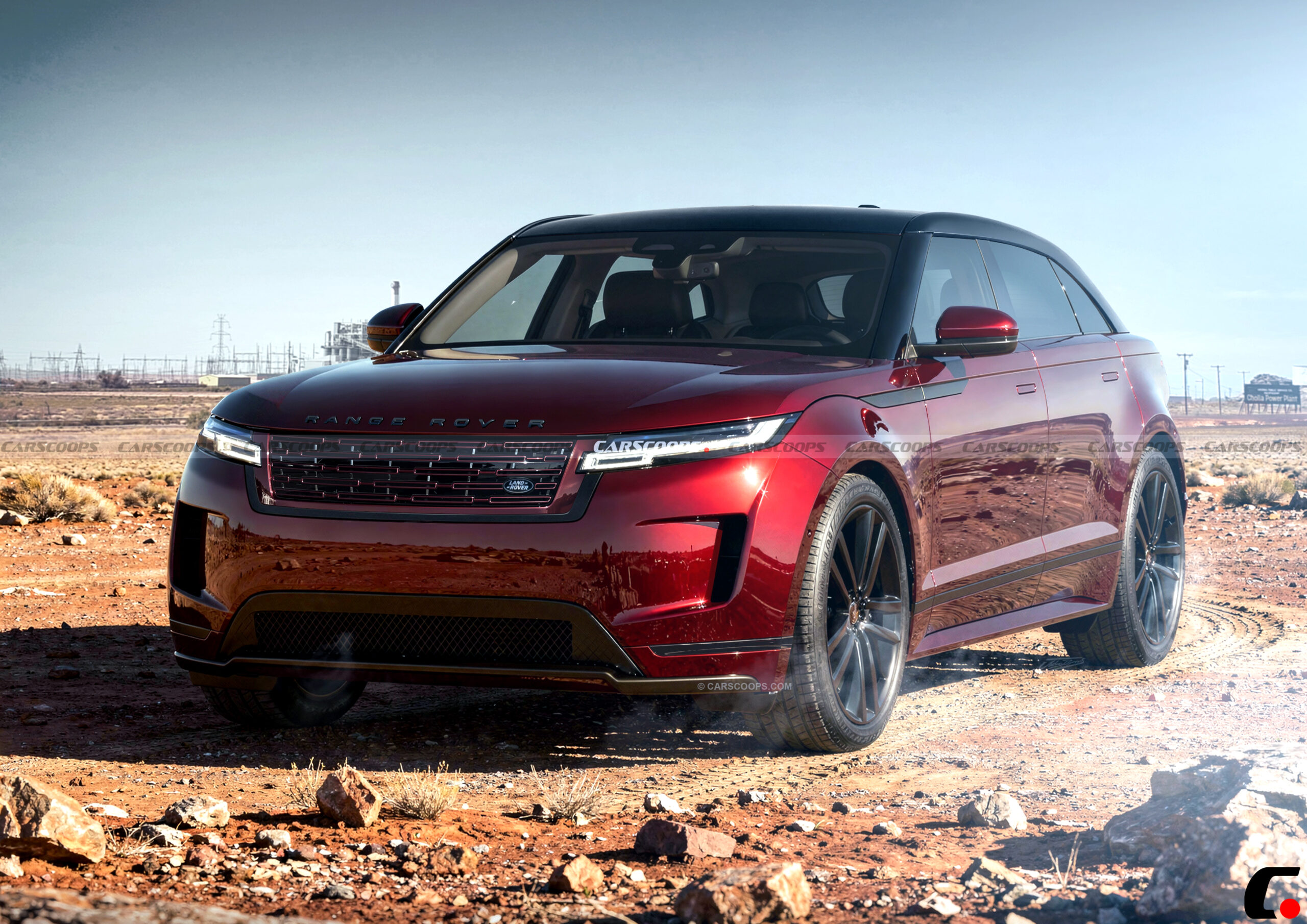
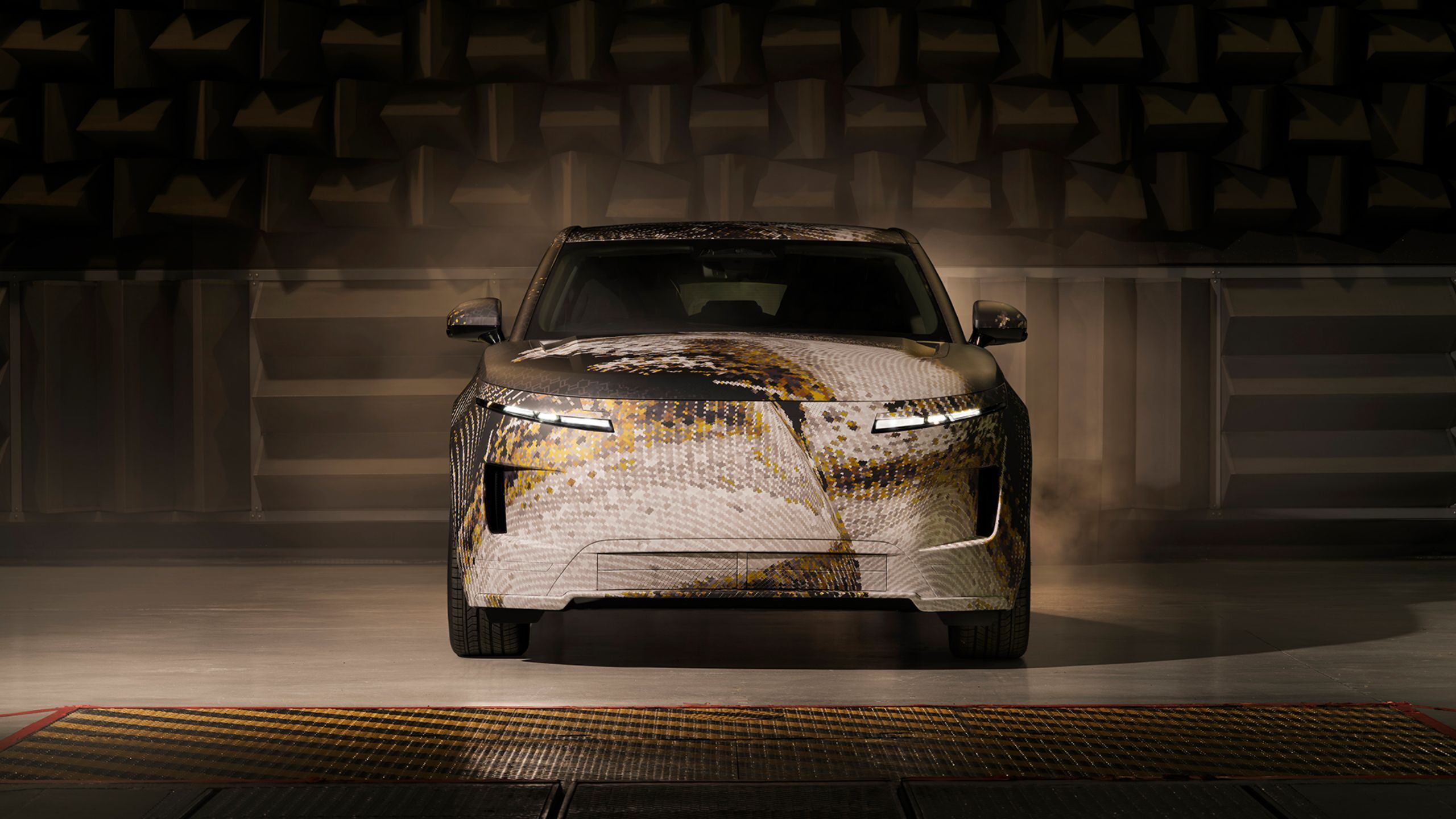
This is the all-new Range Rover Sport Electric, unveiled less than a month after JLR lifted the veil on the full-size Range Rover Electric. It borrows much of its technology from its larger sibling and looks virtually identical to the current combustion-powered model on sale.
Built on an updated version of the company’s Modular Longitudinal Architecture Flex (MLA-Flex) with an 800-volt electric system, the new model is driven by a gargantuan 118.5 kWh lithium-ion battery pack. You won’t get the same range from this battery as you will from a plug-in hybrid Range Rover Sport, but the battery is big enough to deliver a solid driving range of up to 373 miles (600 km).
Read: The Electric Range Rover Costs $25,000 More Than The Gas One And Tows A Ton Less
A pair of electric motors sends power to the pavement, delivering 542 hp and 627 lb-ft (850 Nm) of torque. With Dynamic Launch Control active, the EV reaches 62 mph (100 km/h) in 4.5 seconds, matching a supercharged V8-powered Range Rover Sport. Obviously, you won’t get the same aural thrills as the eight-cylinder model, but plenty of people appreciate the utter silence of a high-powered, performance EV, and that’s where this should deliver.
There Are Sounds, If You Want Them
Range Rover engineers have developed a special soundscape for the Sport Electric, claiming it “blurs the lines between music and engineering.” Whether it will give the SUV the emotion delivered by one of the V8 models remains to be seen.
Shoppers needn’t worry about the Range Rover Sport losing any of its off-roading credentials as it’s moved to electric power. It comes equipped with the most up-to-date version of the firm’s Intelligent Traction Management system, Dynamic Air Suspension and Active Roll Control. It also has twin valve dampers and an adaptive dynamics system that monitors 100 different parameters 500 times per second, giving the Range Rover Sport Electric extraordinary control of body roll and pitch.
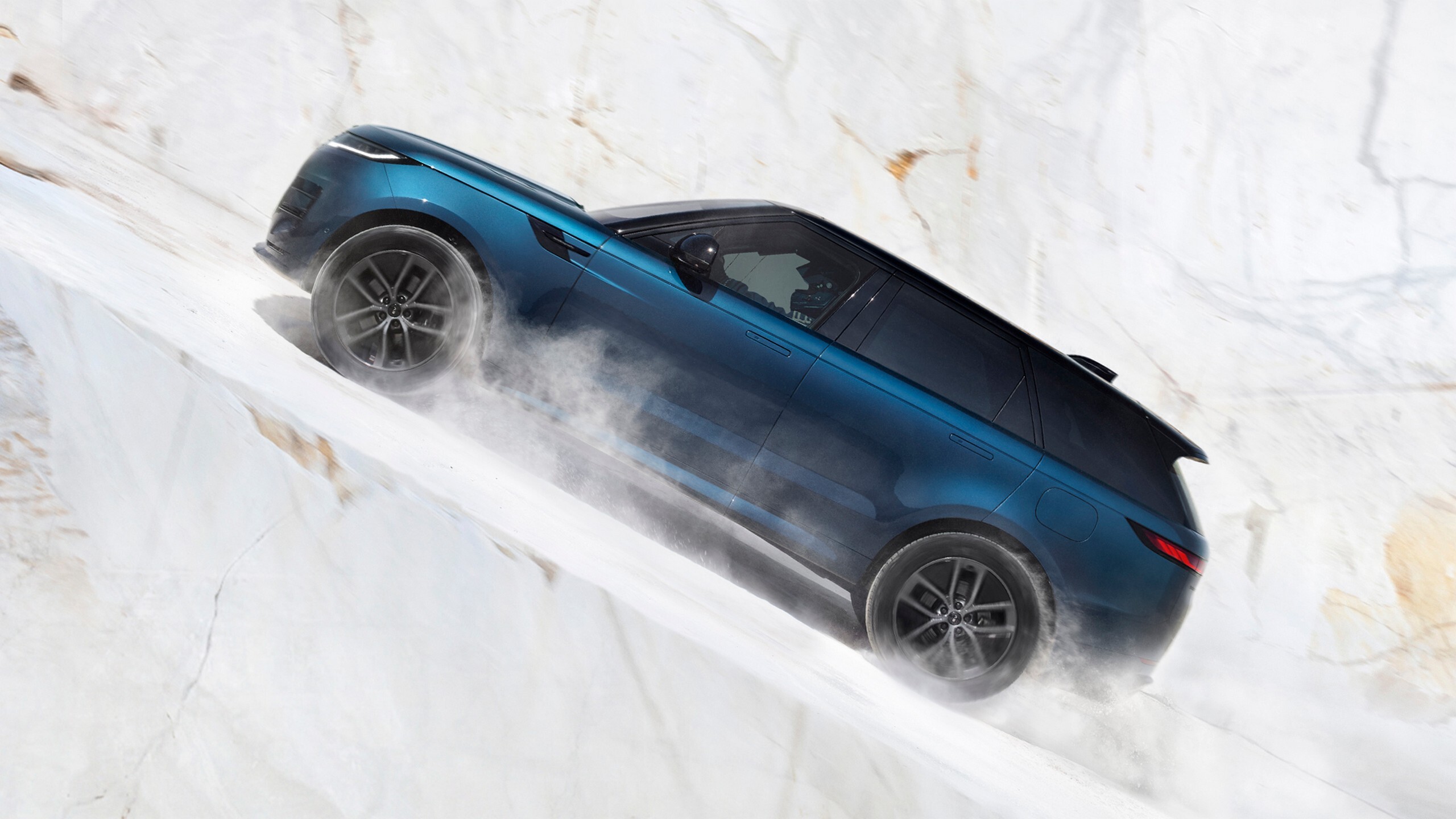
To show off the SUV’s credentials, Range Rover tested it at open-air Carrara marble quarries in Italy, where it tackled the slippery surfaces and steep inclines and declines with ease. Further boosting the model’s usability is all-wheel steering. It can also wade through up to 35.4 inches (900 mm) of water and tackle 45-degree inclines.
Stiffer And Sportier
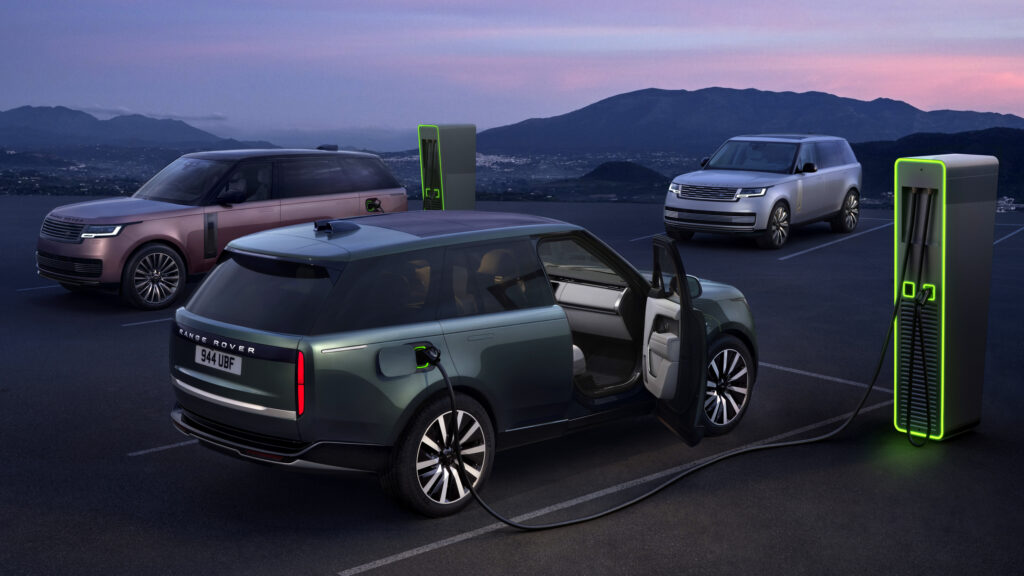
Compared to a current plug-in hybrid Range Rover Sport, the Electric model’s body structure is 61 percent stiffer, and the center of gravity is 2.8 inches (73 mm) lower. Like the full-sized model, the Range Rover Sport Electric supports DC fast charging at up to 350 kW, meaning the large battery can be charged from 10-80 percent in just 22 minutes, giving it up to 137 miles (220 km) of range in just 10 minutes.
Other than the lack of exhausts, it’s very hard to differentiate the EV from combustion-powered versions. With that being said, it does have a slightly more aerodynamic grille design and also has unique alloy wheels.
“Range Rover Sport is the most dynamic expression of Range Rover,” the firm’s managing director Martin Limpert said. “With Range Rover Sport Electric we’re taking that spirit of visceral engagement and desire into the electric age. It is first and foremost a Range Rover Sport. The seamlessly-integrated electric propulsion system means we’ve been able to unlock new levels of responsiveness and precision, with a uniquely tuned chassis set-up, performance-focused torque delivery, and distinctive sound profiles that ensure our clients enjoy the very best driver engagement in a sporting luxury SUV.”
The Range Rover Sport Electric will be sold in Dynamic HSE and Autobiography guises, the latter giving customers access to Range Rover’s Bespoke commissioning service, allowing for near-endless customization options. Customer deliveries will start in select markets in the first quarter of 2027, although the US will not be among them, with confirmation that the EV won’t be available for the 2027 model year.