Login
LoginAfter 62,000 Miles, The Healthiest EV Battery Belonged To A Kia, Not A Tesla
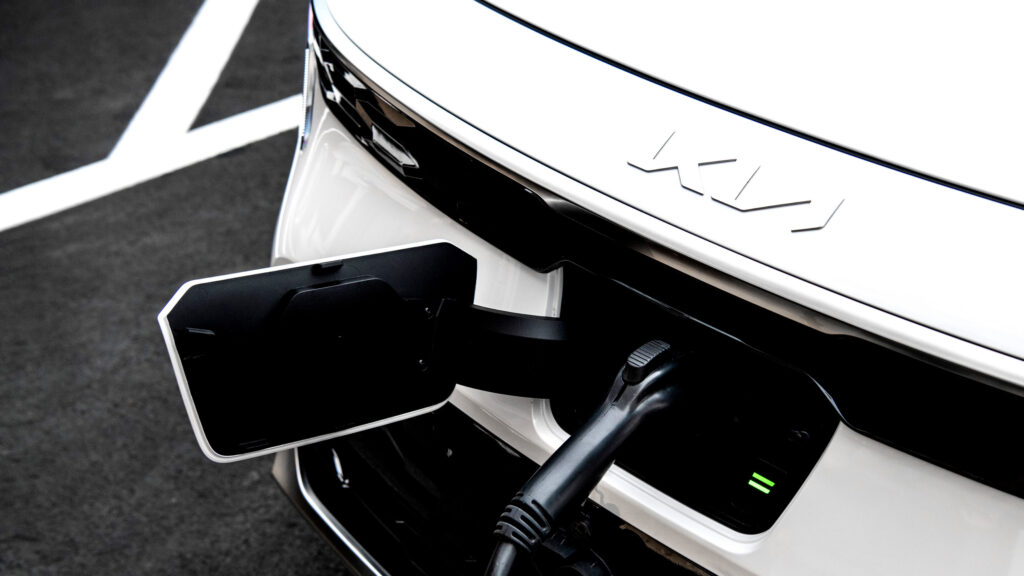
- Hyundai Motor Group swept the top three places for battery performance.
- The analysis ranked the Model 3 as Tesla’s best-performing vehicle.
- Other strong performers include the Volvo XC40 Recharge and Polestar 2.
Several years ago, prospective EV buyers had every reason to feel nervous about how long the battery pack would last. Battery technology has come a long way since EVs went mainstream, though, and a new study out of Sweden puts a number on how much capacity new EVs hold onto after 62,000 miles, or 100,000 km, of driving. The results may surprise you.
The study, run by online car marketplace Carla, went through 9,954 battery tests of EVs sold in Sweden between 2022 and 2026, using a diagnostic tool from AVILOO that measures a pack’s true state of health instead of leaning on the estimates the car itself provides. That distinction matters, because in-car readouts can sometimes paint a rosier picture than reality.
Read: A Seven-Year-Old Tesla Model 3 Survived 380,000 Miles, Its Range Did Not
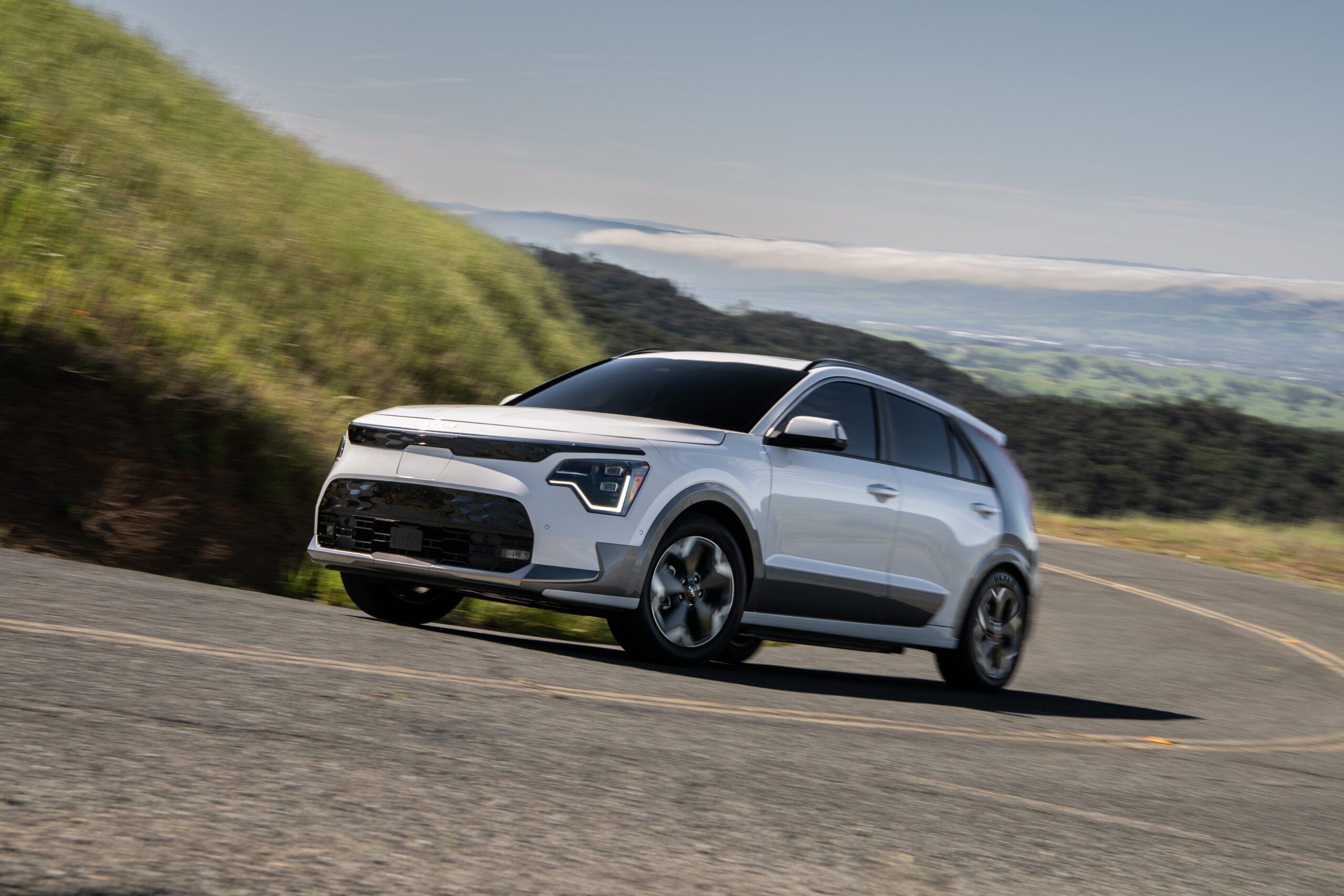
The Kia e-Niro came out on top, hanging on to an impressive 97.25 percent of its original capacity after 62,000 miles. It shares its 64 kWh battery with the Hyundai Kona, which nearly matched it at 97.18 percent, and the podium stayed within the Hyundai Motor Group family thanks to the Kia EV6 and its 77.4 kWh pack in third place.
Top-Performing EVs
| Model | Battery Health After 62K Miles |
| Kia e-Niro – 64 kWh | 97.25% |
| Hyundai Kona – 64 kWh | 97.18% |
| Kia EV6 – 77.4 kWh | 95.95% |
| Volvo XC40 Recharge – 69 kWh (CATL) | 94.70% |
| Polestar 2 – 78 kWh (CATL) | 94.35% |
| BMW i3 – 120 Ah | 93.77% |
| Polestar 2 – 78 kWh (LG Chem) | 93.53% |
| Tesla Model 3 – 60.5 kWh (CATL LFP) | 93.34% |
| Audi e-tron 50 – 71 kWh | 93.02% |
| Audi e-tron 55 – 95 kWh | 92.93% |
| Skoda Enyaq iV – 77 kWh | 92.88% |
| Tesla Model 3 – 78.8 kWh (LG Chem) | 92.83% |
| Tesla Model S – 96 cells | 92.80% |
| Volkswagen ID.4 – 77 kWh | 92.77% |
| Skoda Enyaq iV – 77 kWh | 92.60% |
| Tesla Model X – 96 cells | 92.52% |
| Volkswagen ID.4 – 77 kWh | 92.27% |
| Tesla Model Y – 78.8 kWh (LG Chem) | 92.18% |
| Audi Q4 e-tron – 77 kWh | 92.18% |
| Volkswagen ID.3 – 58 kWh | 91.79% |
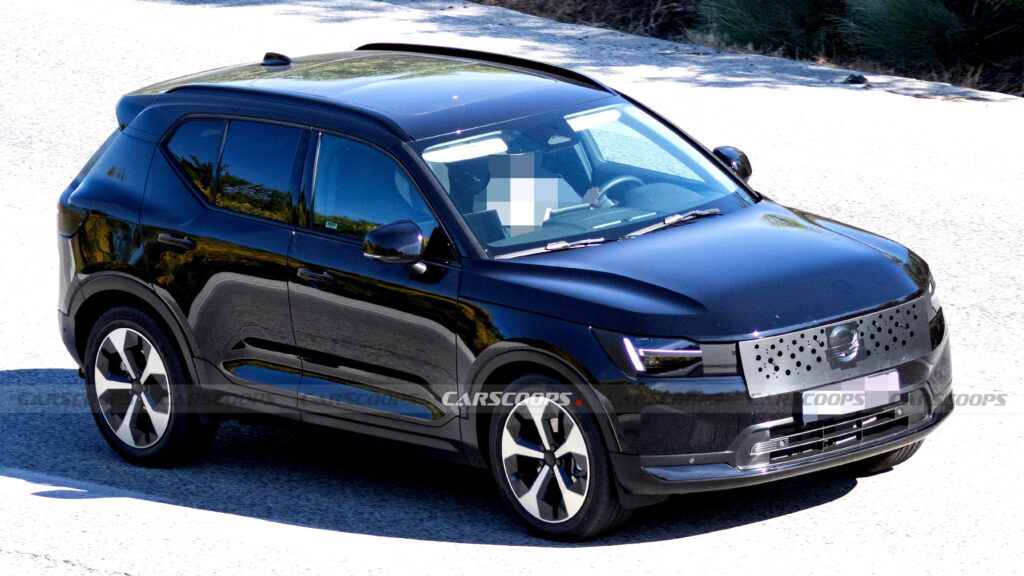
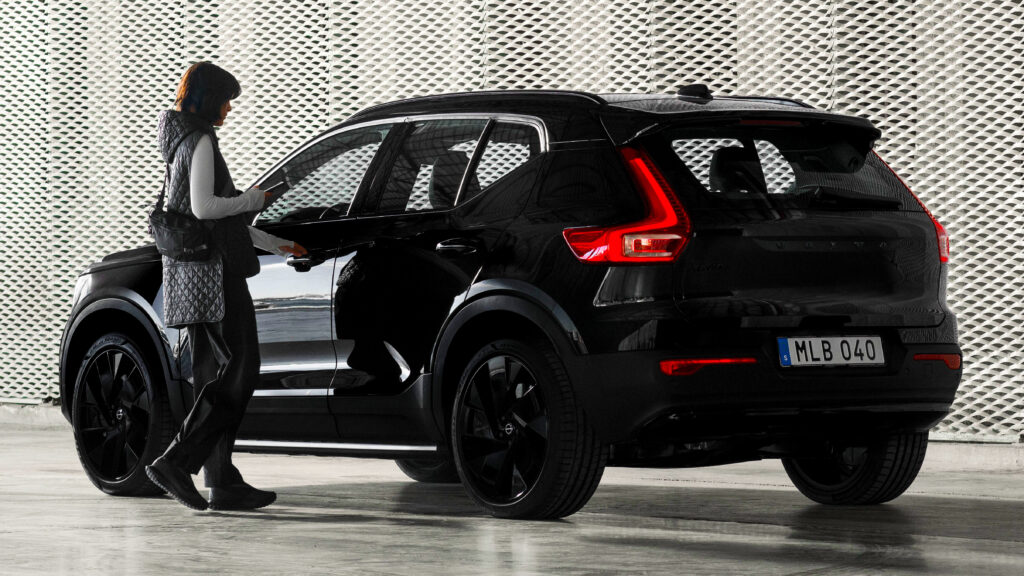
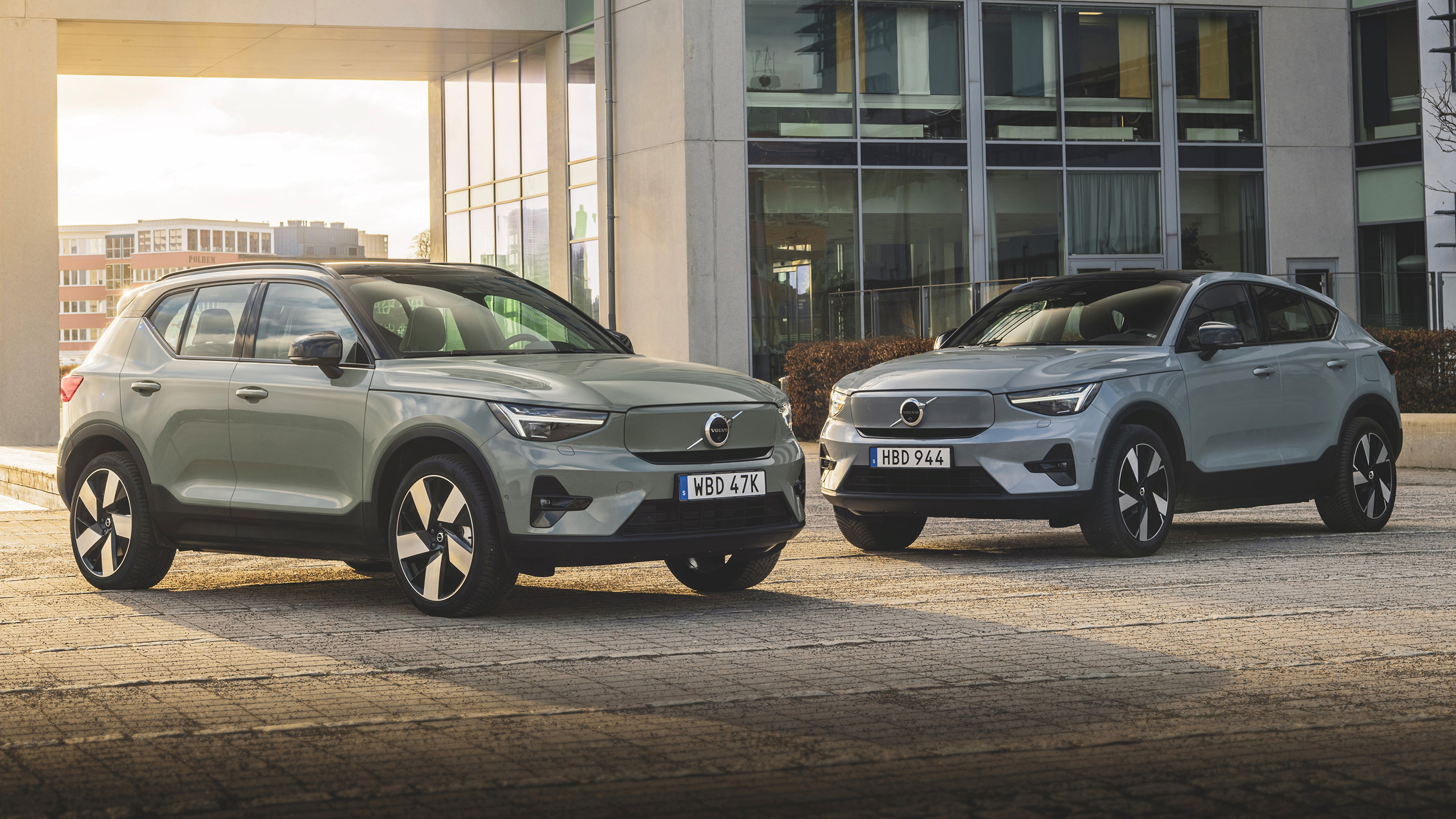
The strongest European EV was the Volvo XC40 and its CATL-sourced 69 kWh battery, which held 94.70 percent of its capacity after 62,000 miles, trailed closely by the Polestar 2 and its 78 kWh CATL pack at 94.35 percent. The BMW i3 and the LG Chem version of the Polestar 2 landed close behind at 93.77 percent and 93.53 percent.
What About Tesla?

The best-placed model from EV leader Tesla was the Model 3 fitted with a 60.5 kWh LFP battery from CATL, retaining 93.34 percent of its capacity. This put it slightly above the Model 3 with an LG Chem-sourced NMC battery at 91.5 percent.
Among the other EVs ranked inside the top 20 were the Audi e-tron 50 and 55 at 93.02 and 92.93 percent, respectively, the Skoda Enyaq iV at 92.88 percent, the Tesla Model S with 92.80 percent, the VW ID.4 at 92.77 percent, and the Tesla Model X at 92.52 percent.
The bigger lesson here is that the old fear of an EV’s battery dying young no longer holds up. Every car in this ranking kept more than 90 percent of its capacity past 62,000 miles, and most owners will not even reach that figure until three or four years of driving. The pack is now likely to outlast the car wrapped around it.