❌

Normal view

There are new articles available, click to refresh the page.
Before yesterdayElectric Vehicles - Latest News | Carscoops

Leapmotor’s Fast, Affordable B03 Lands In Europe, And VW And Renault Should Be Worried

  • Leapmotor is taking on the VW ID. Polo with the B03 subcompact electric hatch.
  • A 191 hp motor driving the front wheels pulls it to 62 mph in just 7.6 seconds.
  • The 54 kWh battery provides a WLTP range of 242 miles and V2L functionality.

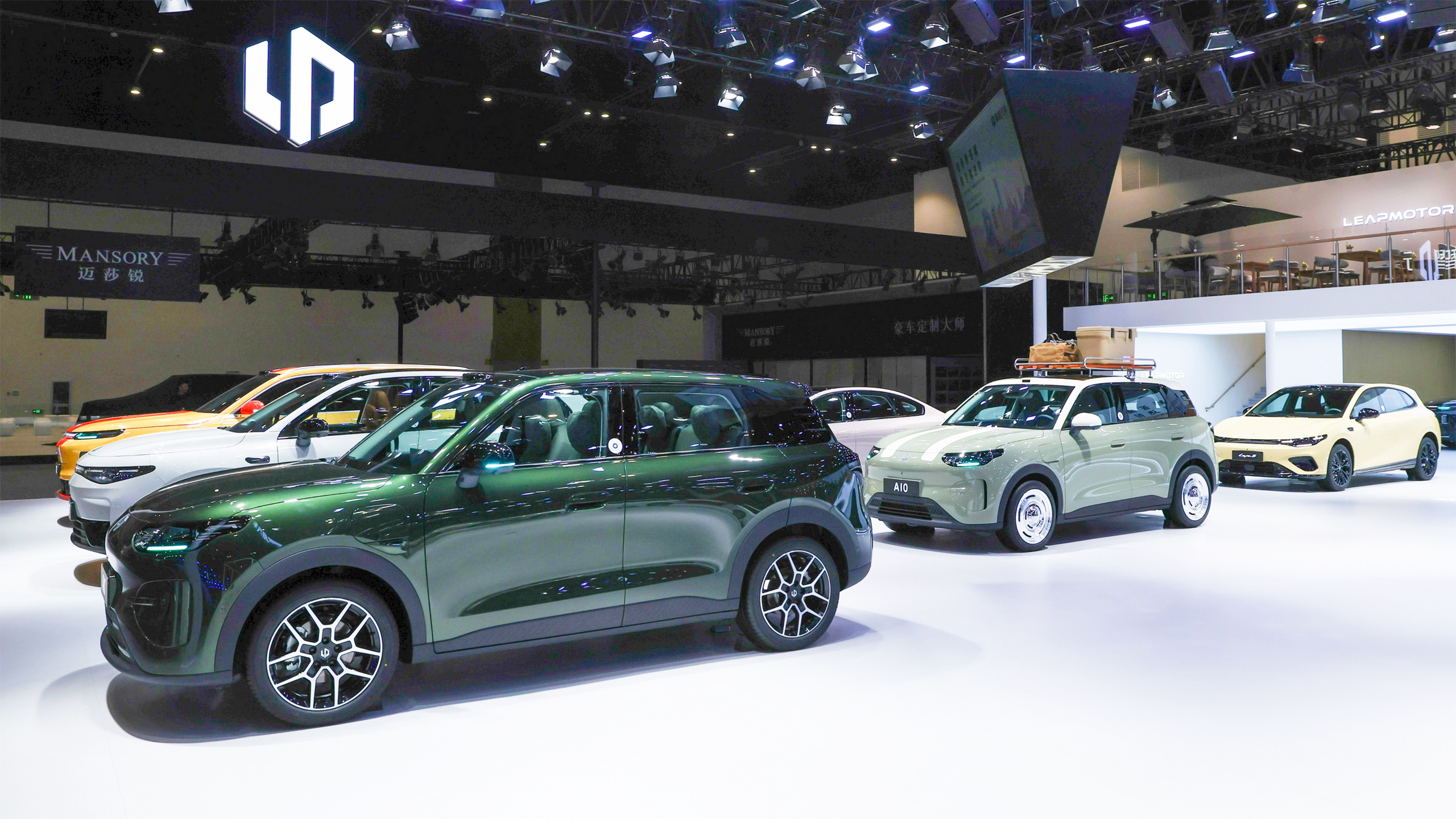
Chinese brands are out in force at this week’s Paris Motor Show, and the Leapmotor B03 is one of the cars putting Western brands on high alert. The B03 is a subcompact electric hatch designed to steal customers away from the VW ID. Polo and Renault 5 by offering more performance, more equipment and more range for a whole lot less cash.

You might have seen the B03 wearing another badge. The same car is known in China as the B05, where it costs less than €7,500 ($8,400), and even comes with Lidar driver assistance technology. Europe’s version misses out on the Lidar, and predictably is vastly more expensive, with an estimated target price of around €25,000 ($28,000). But it’s still likely to prove a hit with drivers who buy with their head, rather than their heart.

Related: Chinese Brands Are Building 90,000 Cars In Europe. In Ten Years, Make That 1.5 Million

The subcompact B03 slots above the existing T03, and below the crossover B03X says Leapmotor, which is part-owned by Stellantis. It comes standard with a 53 kWh battery that delivers a WLTP range of 242 miles (389 km). Rivals like the VW ID. Polo and Renault 5 can match, or even beat, that range claim, but not in their affordable entry-level configurations.

Almost Hot-Hatch Quick
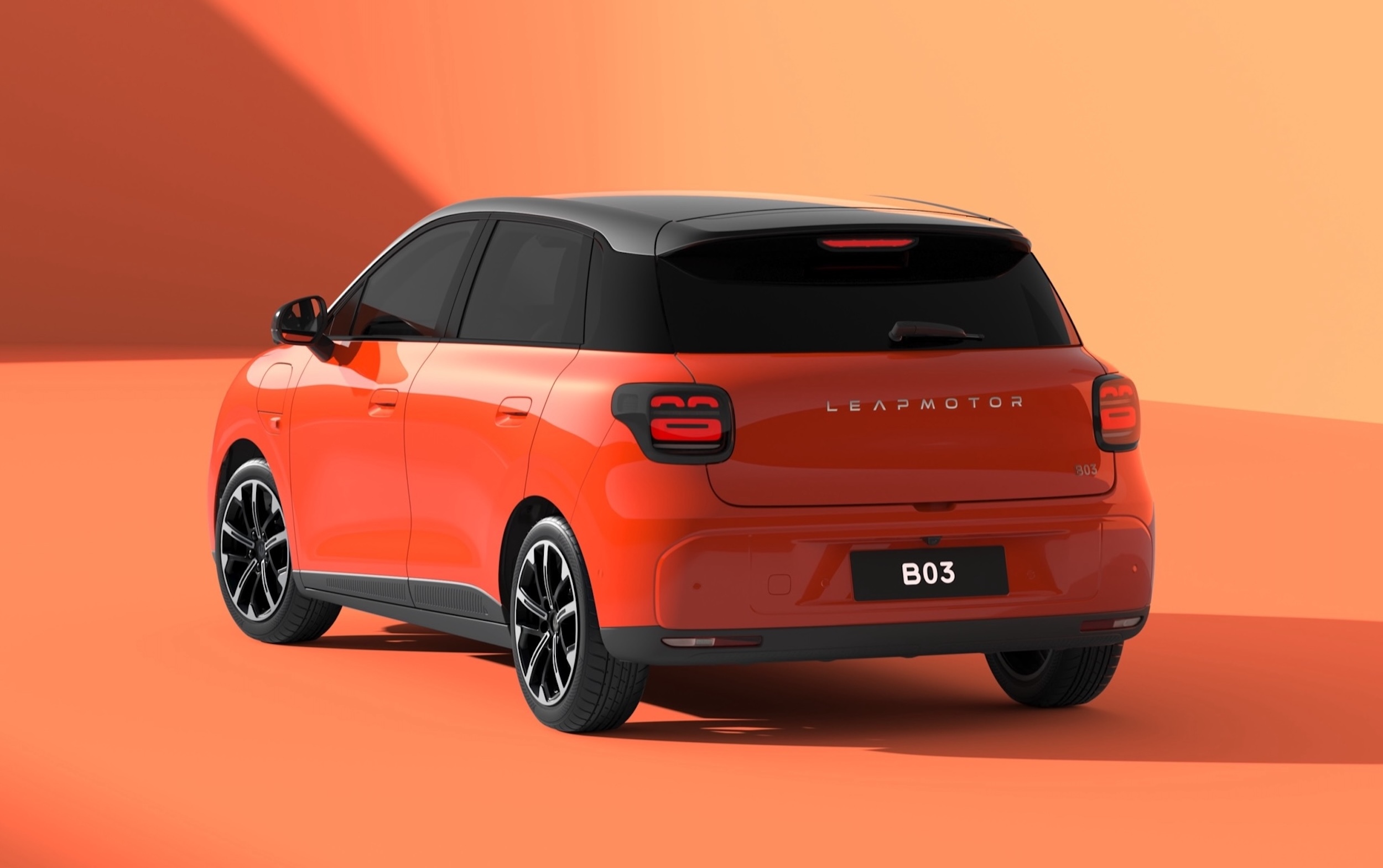
 Leapmotor’s Fast, Affordable B03 Lands In Europe, And VW And Renault Should Be Worried

Same goes for the powertrain. The B03 is powered by a single 191 hp (194 PS / 143 kW) electric motor that’s powerful enough to haul it to 62 mph (100 kmh) in just 7.6 seconds. That makes it only two tenths slower than the Alpine A290 GT hot hatch.

The Leapmotor wins don’t end there. Its 133 kW max charge rate is faster than anything Renault or VW can deliver, and allows the B03 to charge from 10-80 percent in 21 minutes. The Chinese car’s trunk is also significantly bigger than the Renault 5’s, and although the Polo’s is bigger again, only the B03 lets you crank the passenger seat fully flat to carry long loads. You also get an underfloor storage box for wet or muddy boots and clothes.

Instantly Forgettable
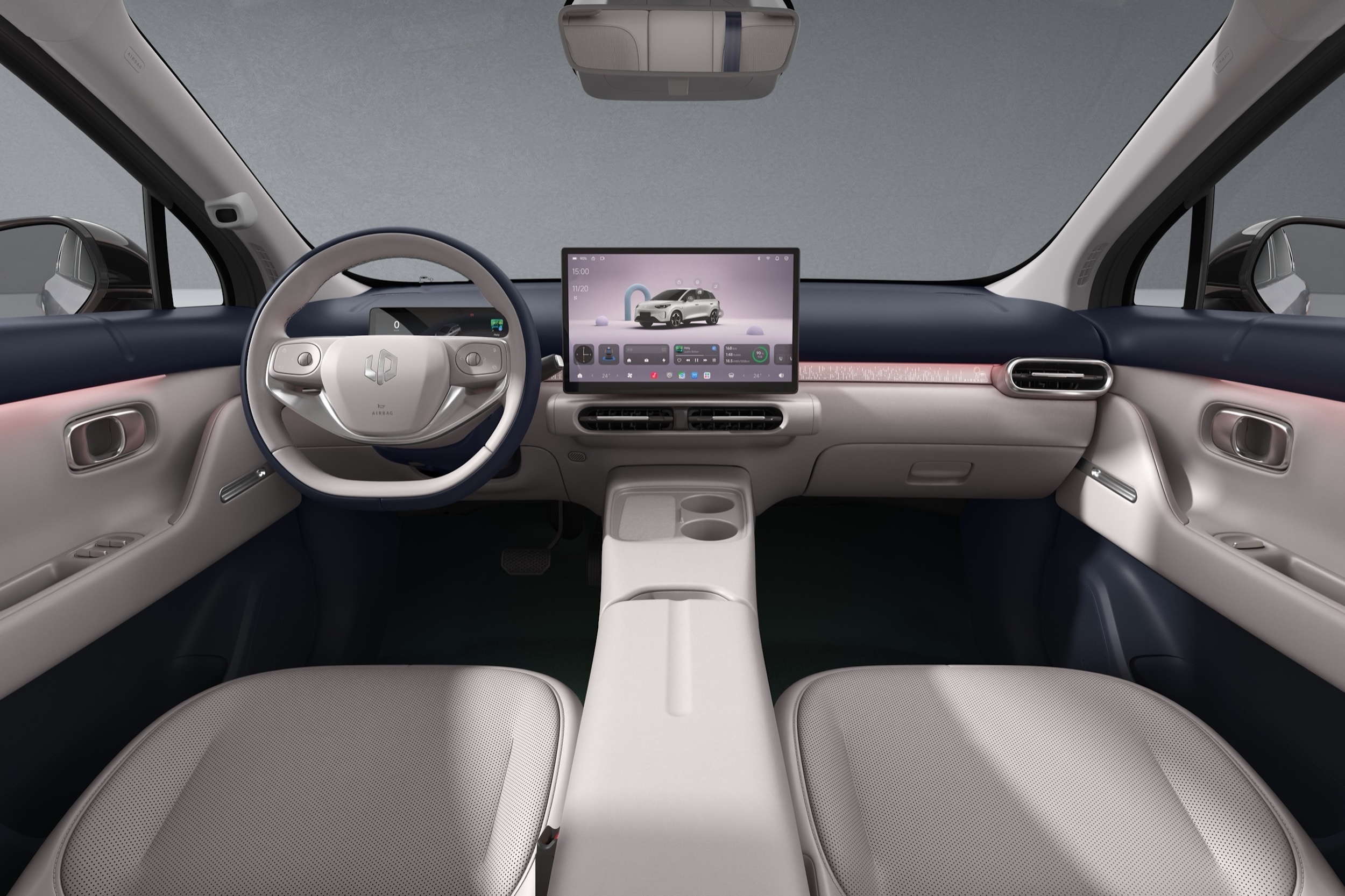
 Leapmotor’s Fast, Affordable B03 Lands In Europe, And VW And Renault Should Be Worried

What you don’t get is a memorable design. The B03 is blandly handsome on the outside, and the interior looks like the cabin of any number of other Chinese cars. It pairs a 14.6-inch touchscreen with an 8.8 inch digital gauge cluster, and promises easy voice-activated access to many functions. Which is a good thing, because real switches are in short supply.

But bland or not, the strong power and range specifications, and a generous equipment list that includes automatic LED lights, electrically folding mirrors, a heated six-way power driver’s seat, a heat pump and V2L capability, is going to have plenty of appeal for buyers who prioritize value when European sales kick off in 2027.
\\\\\\\\\\\\

Leapmotor

Chinese Brands Are Building 90,000 Cars In Europe. In Ten Years, Make That 1.5 Million

  • Around 90,000 cars from Chinese brands will be built in Europe this year.
  • European lawmakers are looking for ways to boost domestic manufacturing.
  • Spain has emerged as the hotbed for Chinese car production in Europe.

The European expansion of Chinese car manufacturers is in its early stages, and already, local production is growing rapidly. Within the next decade, as many as 1.5 million vehicles from Chinese brands could be built in Europe annually.

This year, Chinese brands like BYD, Leapmotor, and Chery are expected to manufacture approximately 90,000 of these vehicles in Europe, either in new factories or existing ones that have been underutilized. Global Mobility expects this figure to grow to 1 million units annually by 2030 and 1.5 million by 2035.

Read: The Chinese Brand That Didn’t Exist In Britain A Year Ago Just Outsold Honda And Mazda Combined

However, lawmakers in Europe are eager to ensure that brands don’t exclusively rely on Chinese parts when building new vehicles, and instead work with local suppliers. They’re doing this through the Industrial Accelerator Act (IAA), which aims to strengthen Europe’s industrial base and boost domestic manufacturing.

Chinese, But With European Parts

 Chinese Brands Are Building 90,000 Cars In Europe. In Ten Years, Make That 1.5 Million
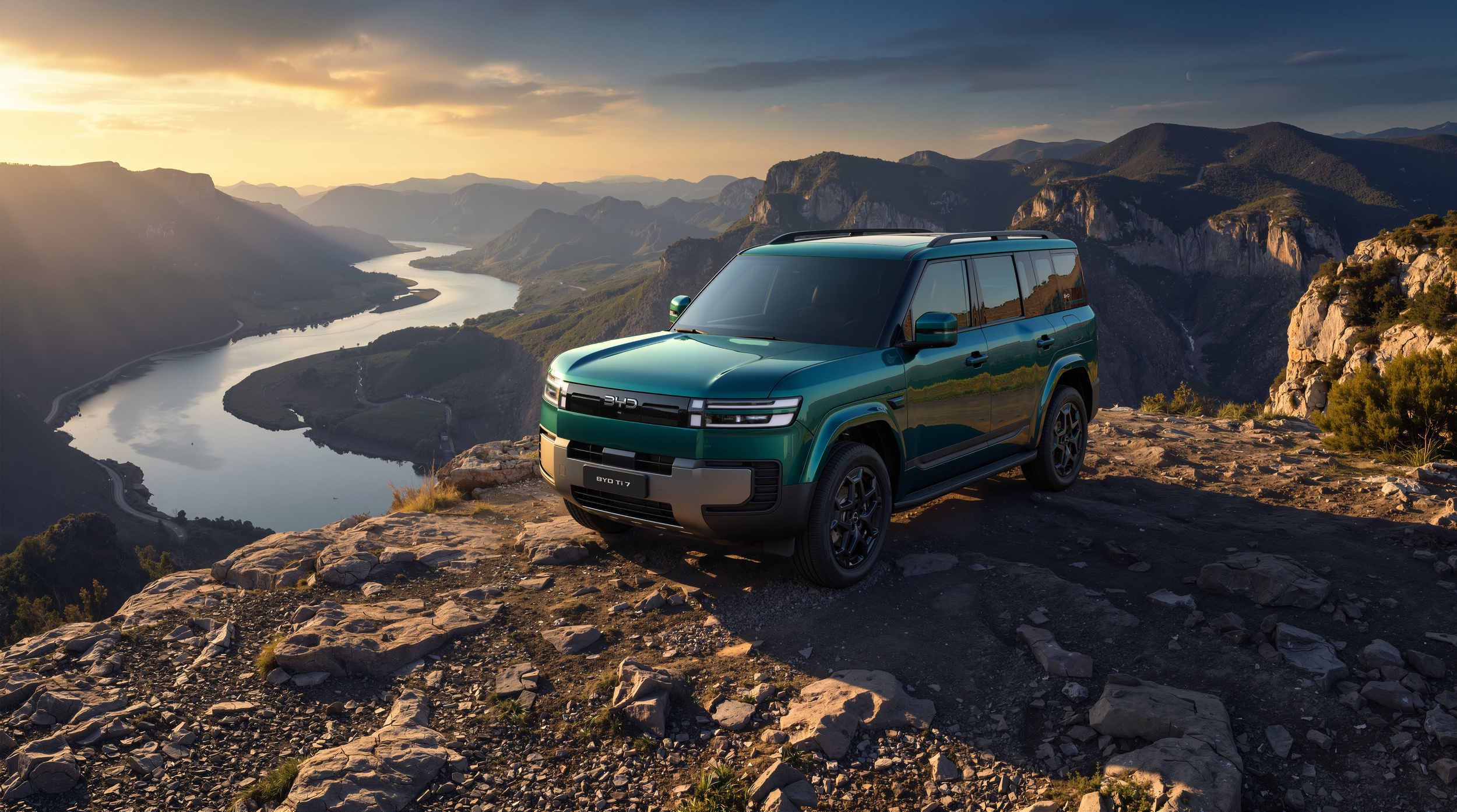
BYD Ti7

Details are still being ironed out, but the act is expected to introduce quotas for European parts to be used in vehicles manufactured across the continent. Without this act, “the main risk is that China will open pure assembly plants for Chinese components in the EU – with minimal economic added value for the Europeans,” economist Sander Tordoir said.

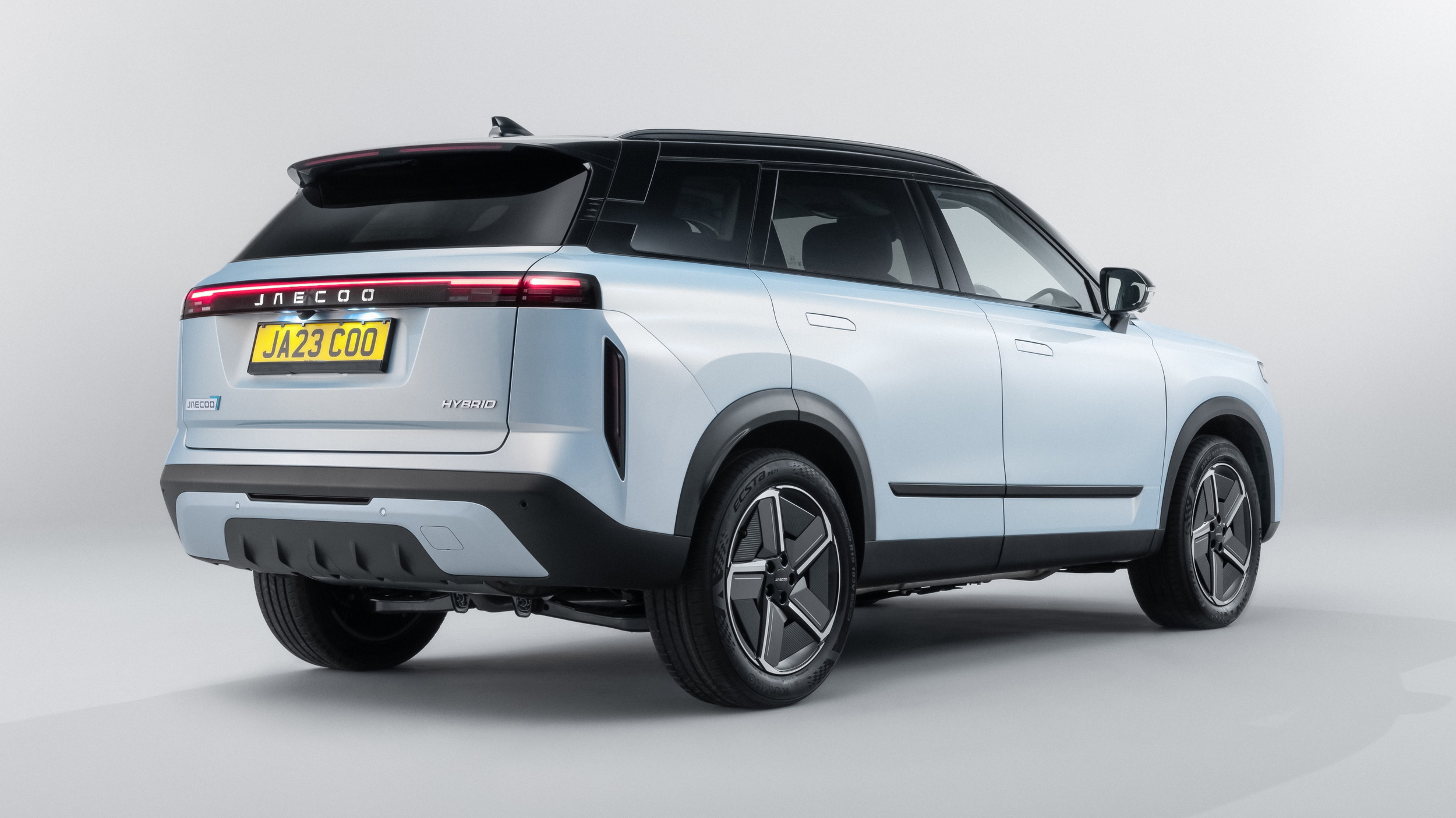
BYD will soon start production of its cars in Hungary and is also looking to add a plant in Spain to its local portfolio. In addition, several Jaecoo and Omoda vehicles are being built in Spain, and soon, Leapmotor will also start building EVs at the Stellantis site in Zaragoza. Geely will also manufacture vehicles in Valencia through a partnership with Ford.

 Chinese Brands Are Building 90,000 Cars In Europe. In Ten Years, Make That 1.5 Million
Leapmotor

The key reason Chinese brands are building locally is to avoid paying hefty import tariffs. However, if the IAA enforces car companies to increase their reliance on European suppliers and manufacture more components locally, brands like BYD, which have a high degree of vertical integration, will have to consider if the investments are worthwhile.

“Because, to be considered ‘Made in Europe,’ large parts of the components, including the battery, would then have to be manufactured locally,” Gregor Williams from the Rhodium Group think tank told Automobilwoche.

 Chinese Brands Are Building 90,000 Cars In Europe. In Ten Years, Make That 1.5 Million
Jaecoo 7
❌
❌