Normal view

There are new articles available, click to refresh the page.
Before yesterdayElectric Vehicles - Latest News | Carscoops

Lucid’s Flagship EV Broke So Often Even Jason Fenske Tapped Out

  • Jason Fenske’s 2025 Lucid Air began showing faults almost immediately.
  • Lucid failed to source a matching replacement Air for the YouTuber.
  • The automaker instead agreed to buy back the troubled EV outright.

On paper, the Lucid Air is one of the most accomplished electric sedans on sale, a technological tour de force wrapped in clean bodywork with class-leading efficiency. For one prominent YouTuber, the past eleven months of actually living with one have been a study in attrition.

Jason Fenske of Engineering Explained signed a three-year lease on a 2025 Lucid Air Touring last year. The problems started almost immediately. Door handles, phone-as-key functionality, the cupholder, the list grew quickly. Lucid reached out and promised to sort it.

Watch: Popular YouTuber Got Critical With Lucid, And Things Didn’t End With A Shrug

Fast forward a few months, and the YouTuber has reached his breaking point. During a recent four-day road trip, the Air kept suffering problems. For example, there was a time when the rear doors couldn’t be opened, even though they were unlocked. The HVAC system threw its own curveball.

As his dog sat in the rear, he noticed it was getting too hot. He checked the air vents and realized that while both were set to 65°F, one side was blowing much hotter than the other. He also experienced an issue where the reversing lines on the screen with the reversing camera would randomly disappear, and, most annoyingly, a number of Apple CarPlay issues, including it completely failing to load.

Then There’s A Big Safety Issue

His biggest issue is particularly concerning. Fenske also drives his Lucid Air with the vehicle’s Stop Mode set to hold. This essentially means that when it comes to a stop, it will automatically hold without applying the brake. It can also be set to roll, as a traditional automatic car would if you let off the brake while stopped. One time, when the YouTuber turned on the EV, put it into reverse, and lifted off the brake pedal, the car randomly started rolling forward. If this had happened on a steep hill, it could have caused an accident.

After contacting Lucid, the company first suggested it could take back Fenske’s Air and replace it with a like-for-like example, allowing him to continue his lease. That plan fell apart when Lucid couldn’t source a matching Air, so the automaker instead agreed to buy back the EV outright and reimburse him for every payment he’s made. It works out well for Fenske, though owners dealing with the same issue, minus the 4.2 million YouTube subscribers, probably shouldn’t expect identical treatment.
\\\\\\\\

Hyundai’s Ioniq 5 N Party Tricks Are Coming To Cars That Aren’t N

  • Hyundai will expand fake gearshifts and sounds beyond its performance EVs.
  • The tech is already being tested in non-N models like the Ioniq 9 SUV.
  • Lower-output EVs won’t get it, as the illusion depends heavily on power.

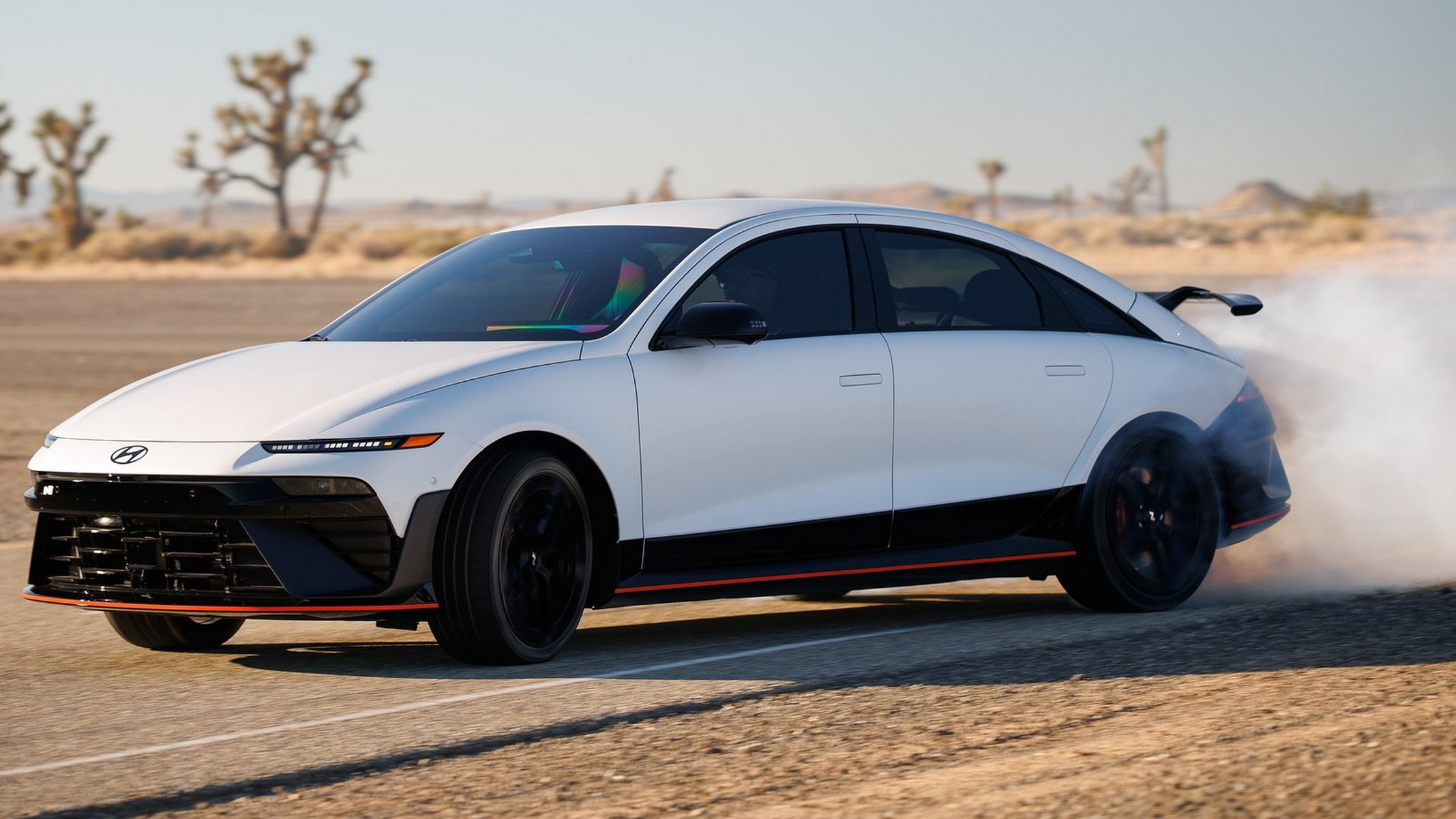
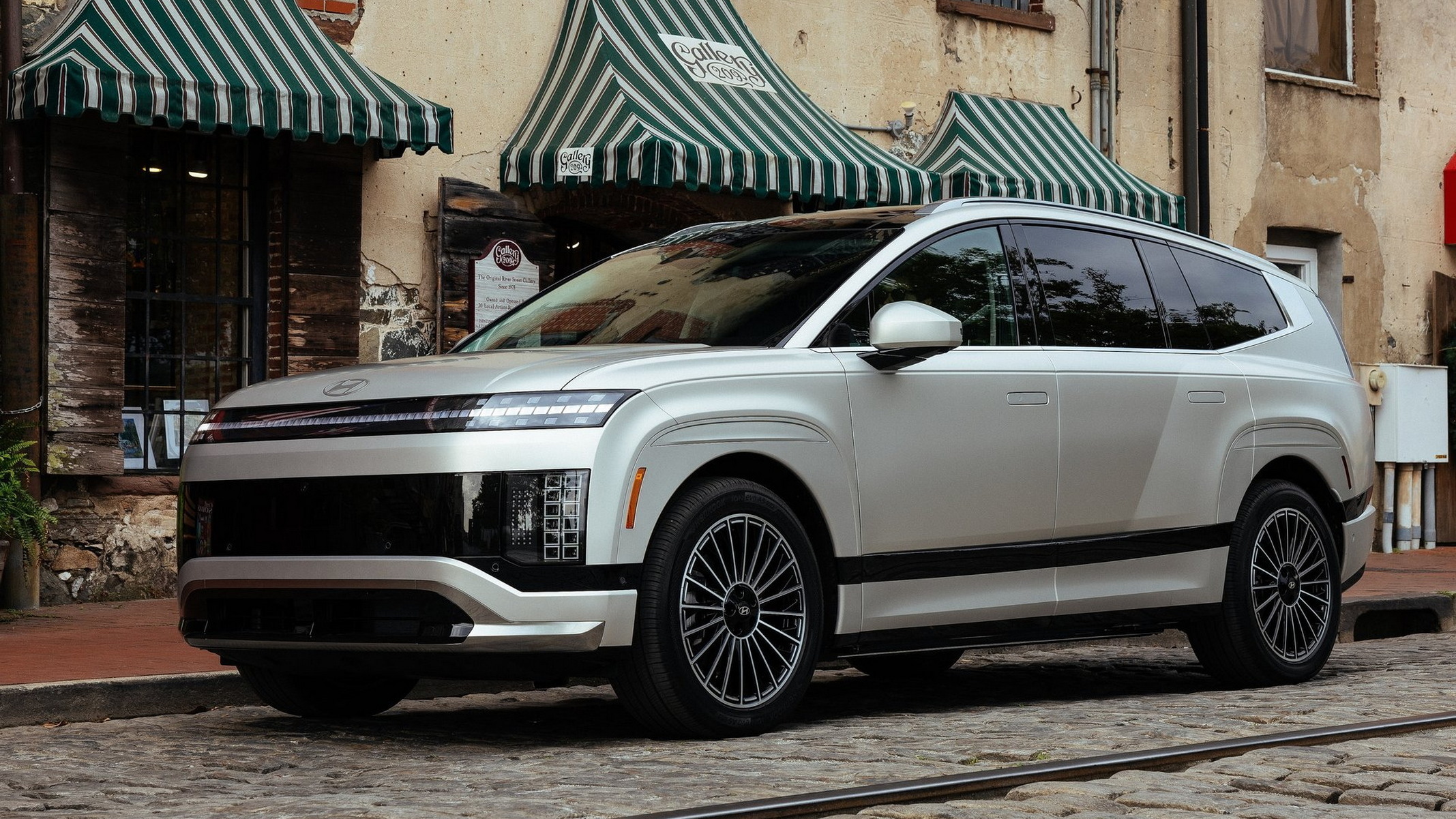
The Hyundai Ioniq 5 N made the driving experience engaging, playful, and more akin to the experience of a combustion car. After plenty of praise surrounding the fake gearshifts and engine noise used in this model, Hyundai expanded the tech to the 6 N and Ioniq 9. Soon, it’ll find its way into more mainstream Hyundai EVs.

More: Hyundai’s N Rule Was Simple Until The Ioniq 3 Made It Inconvenient

“We really want to have a proper [driving] experience – not just the sound, but a bit of the boost,” Hyundai Europe product vice president Raf van Nuffel told Carsales. What he’s referring to is that Hyundai doesn’t just use fake engine sounds. It manages power so that when drivers call for a ‘gear shift’, the car feels like a clutch engaged and released.

The system can be switched off, so drivers won’t have to use it. That said, it’s a defining feature of models like the 5 N, and most enthusiasts seem to enjoy it. Introducing the feature to the Ioniq 9 and other mainstream cars down the road could help Hyundai stand out from a crowd of otherwise silent contenders. Importantly, the brand says it won’t extend the features to base models, but there’s a reason for that.

 Hyundai’s Ioniq 5 N Party Tricks Are Coming To Cars That Aren’t N

“It is not something that we limit to N, but we have certain requirements – we do need a minimum level of power to have this clutch-type feeling. We are not going to offer it across the range, but definitely [there is] more to come without always having to go for 600 horsepower,” van Nuffel said.

There’s little doubt that fake engine sounds have been divisive. Despite that, plenty of automakers use them now, and they’re not just limited to EVs. Combustion cars often pipe in faux exhaust noise to “enhance” the driving experience. Hyundai is taking that approach and adding in more than just audible sensations. Considering that owners can choose if they want them or not, this seems like a win-win.

 Hyundai’s Ioniq 5 N Party Tricks Are Coming To Cars That Aren’t N

Cadillac Lyriq Lawsuit Says EVs Can Suddenly Brick Without Warning

  • Owners say SUVs can suddenly stop charging, starting, or driving.
  • Lawsuit claims GM knew about the defects before selling the Lyriq.
  • Plaintiffs allege some vehicles spent weeks or months at dealerships.

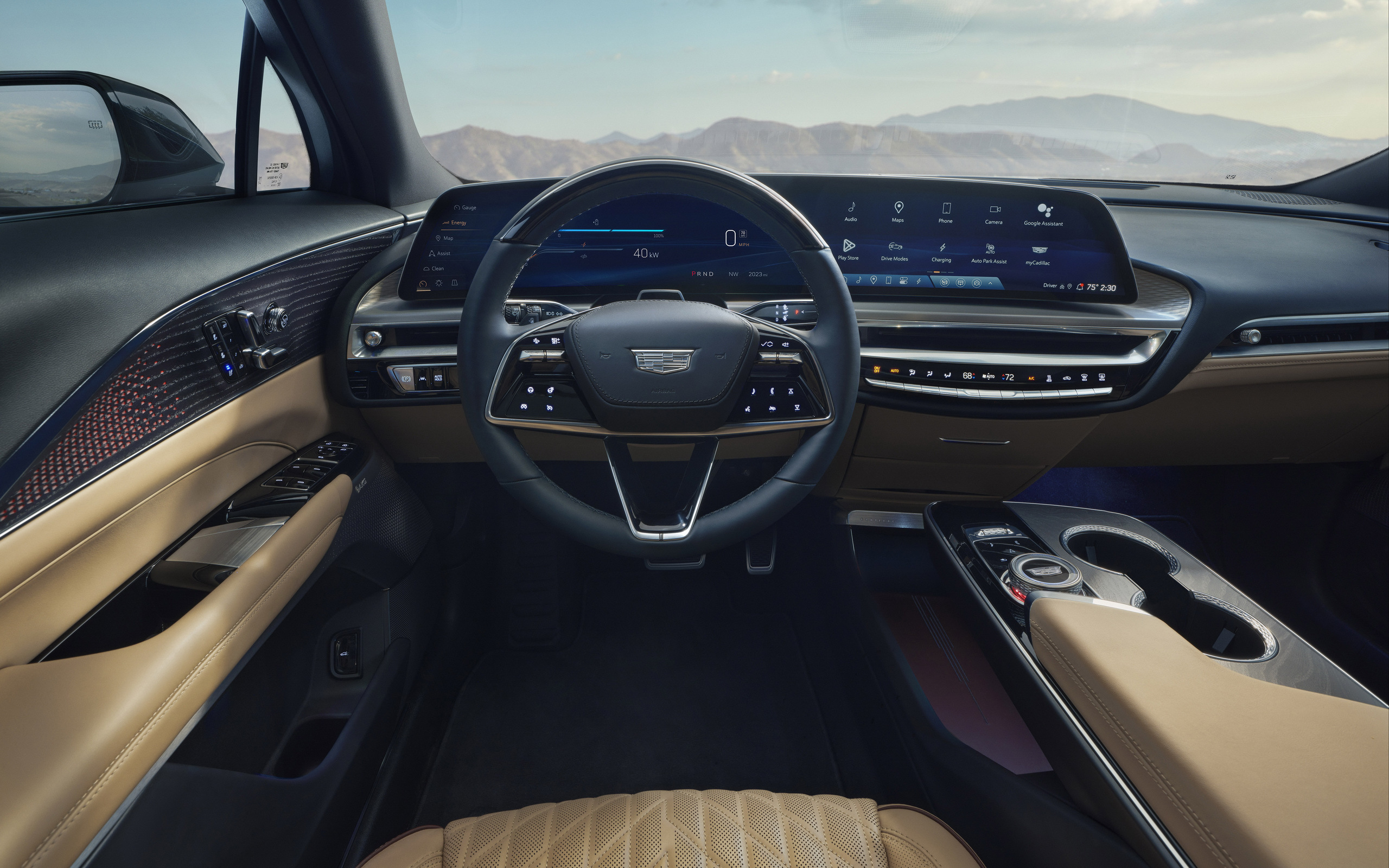
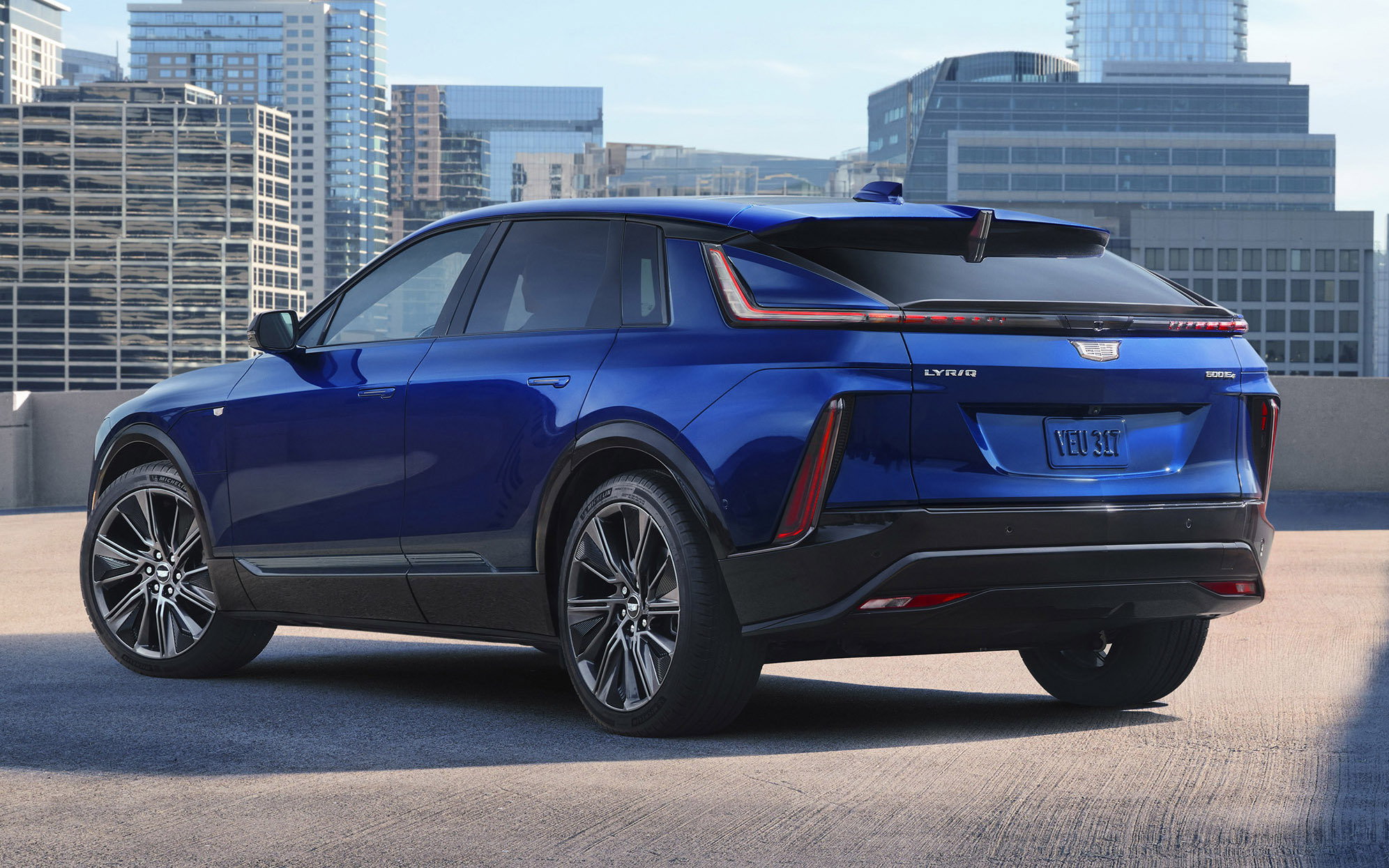
For something as expensive and high-tech as the Cadillac Lyriq, buyers probably expect a few software bugs here and there. Maybe a glitchy screen, a frozen app, or a charger that occasionally needs a second try. According to a new lawsuit against General Motors, some owners are dealing with something much worse: SUVs that suddenly become completely unusable.

A proposed class-action lawsuit filed in federal court in Washington claims the Cadillac Lyriq suffers from widespread electrical, software, and battery-management issues that can leave the electric SUV unable to start, charge, or drive. In other words, the lawsuit alleges that some Lyriqs effectively become very expensive driveway ornaments, or, in tech terms, bricks. We doubt owners find much comfort in that, regardless of whatever styling drew them in.

More: Thousands Of Cadillac EVs Recalled Over A Feature Meant To Impress

According to the lawsuit seen by Carcomplaints, Washington resident Wendy Cochran and Florida resident Charlene Riddle both say their Lyriqs suffered what’s described as “catastrophic electrical system failure.” Riddle claims GM told her a software fix was required, but that no fix was available at the time. Cochran, meanwhile, says her SUV became unusable, leaving her with lost time, added costs, and a vehicle now worth less than she paid.

 Cadillac Lyriq Lawsuit Says EVs Can Suddenly Brick Without Warning

Importantly, the filling calls into question failures with the Lyriq’s electrical architecture, battery-management modules, software systems, and vehicle control networks. All of those systems have to constantly work with one another. The plaintiffs point out that if one fails, it can cascade throughout the rest of the system and effectively brick the car.

One important piece of the puzzle is that the lawsuit claims that GM was aware about this issue and put the cars on the market anyway. The lawsuit alleges that the company had access to pre-production testing, engineering reports, warranty claims, dealership repair records, and consumer complaints, all of which pointed to the same issue. Even so, GM allegedly continued marketing the Lyriq as a premium, reliable luxury EV.

At this point, the ball is in GM’s court. It can respond by denying the allegations or, more likely, it could ask the judge to dismiss the case altogether. Generally, the next move comes within three weeks of the initial filing so we should have more news on the case soon.

 Cadillac Lyriq Lawsuit Says EVs Can Suddenly Brick Without Warning
GM

❌
❌