Login
Login
Waymo’s Robotaxis Sometimes Receive Guidance By Some Guy In The Philippines

- Lawmakers criticized Waymo’s growing reliance on Chinese suppliers.
- Some robotaxi operations are remotely managed from the Philippines.
- Senators raised national security concerns over foreign involvement.
Waymo chief safety officer Mauricio Peña fronted US lawmakers at a tense Senate hearing last week, where the self-driving tech company was accused of getting “in bed with China,” as it rolls out more of its robotaxis. The hearing also offered a reminder that beneath the polished image of AI, there’s still a reliance on human labor, often lower paid, sourced from abroad, and largely out of sight.
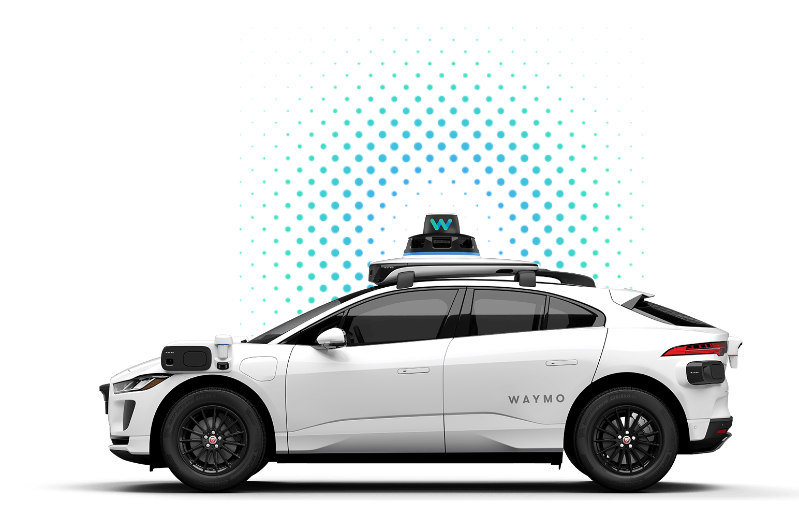
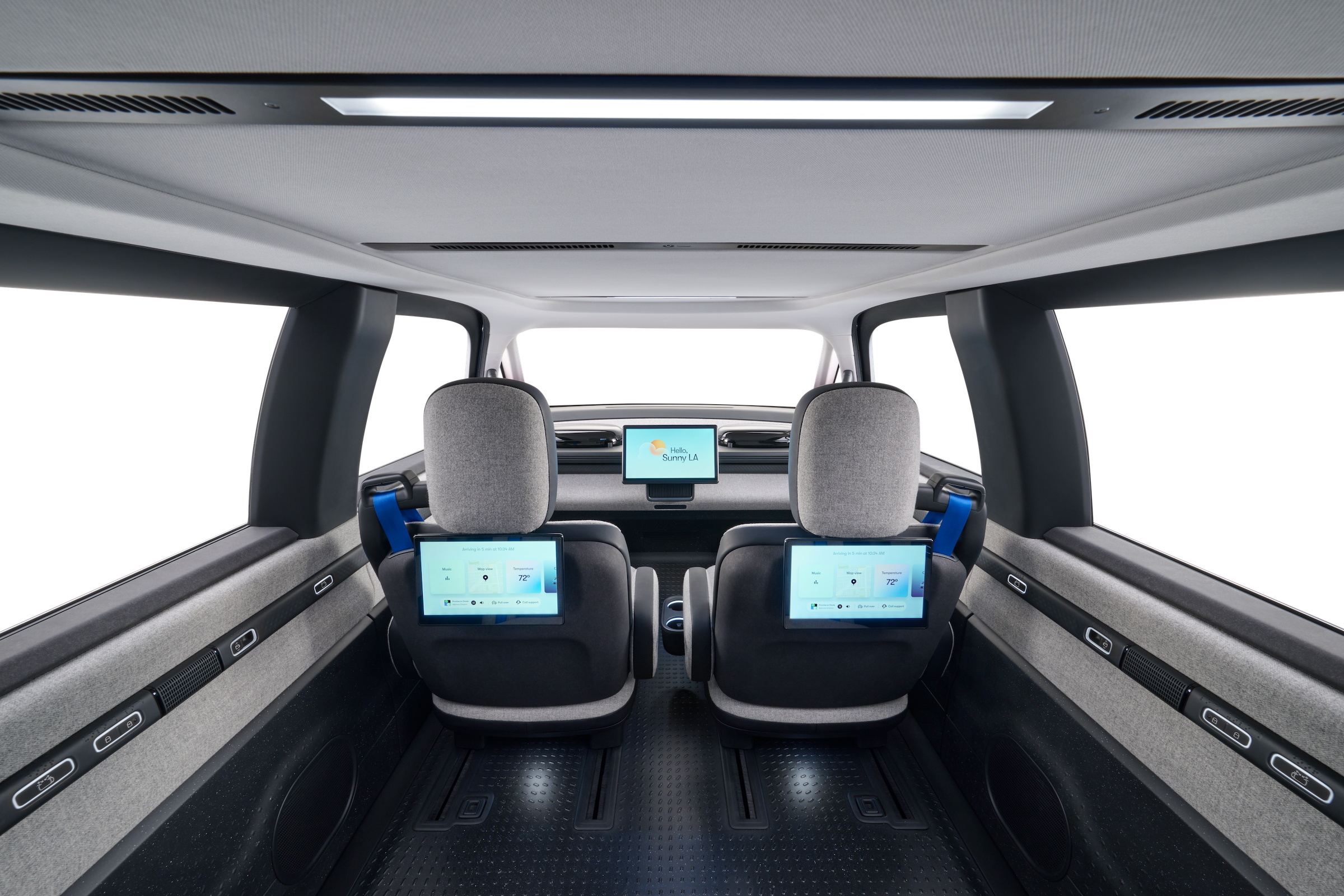
For years, the Google Alphabet-owned company has relied on the Jaguar I-Pace for its fleet, but Waymo is now preparing to roll out a next-generation, minivan-style robotaxi developed in partnership with Zeekr, a subsidiary of China’s Geely Group.
During the hearing, Peña told lawmakers that the United States is “locked in a race with Chinese companies for the future of autonomous vehicles.”
Read: Waymo’s Ready For One Of Europe’s Busiest Cities, But Is The City Ready?
He also warned that without a clear national framework, the industry could end up facing a fragmented patchwork of state regulations that slows investment and limits progress.
Lawmaker Questions Zeekr Partnership

Sen. Bernie Moreno from Ohio didn’t let the irony of Waymo using a Chinese vehicle for its fleet go unnoticed. “You said in your testimony that we’re locked in a race with China, but it seems like you’re getting in bed with China,” he retorted during the hearing.
“Giving a natural market to a Chinese company to ship us cars is making us better and creating more jobs for Americans? That’s completely ridiculous,” Moreno added.
According to Business Insider, Moreno went on to suggest that Waymo could be sidestepping US laws designed to curb Chinese involvement in sensitive vehicle technologies. He speculated that the company might be using a “backdoor” to avoid complying with the federal connected vehicle rule, which was finalized last year but has not yet been fully implemented.
Peña rejected that characterization. He maintained that the Zeekr vehicles have “no connectivity” and that all of the autonomous systems are installed in the United States. He also argued that leveraging a global supply chain gives Waymo the flexibility to grow faster and build in operational safeguards.
Overseas Operators Raise Flags
Still, the issue of oversight didn’t stop at the hardware. During the hearing, Waymo revealed that in addition to using remote operators in the US, it also has some working overseas.
When asked for a breakdown of operator locations, Peña said he didn’t have exact figures but confirmed that while some are based in the US, others are much farther away, including in the Philippines, Futurism reports.
“They provide guidance,” he argued. “They do not remotely drive the vehicles. Waymo asks for guidance in certain situations and gets an input, but the Waymo vehicle is always in charge of the dynamic driving tasks, so that is just one additional input.”
According to Senator Ed Markey of Massachusetts, “having people overseas influencing American vehicles is a safety issue,” adding that these are the jobs that Americans should have. He called the use of remote human operators outside the US “completely unacceptable,” according to Business Insider.
In a statement to Carscoops, Waymo emphasized that no remote employees drive the vehicles.
“Waymo’s fleet response teams are located in the U.S. and abroad. As we scale globally – including to London and Tokyo – we need some Fleet Response functions outside of the U.S. It is very important to note, however, their role is never to drive the vehicle remotely. Our technology, the Waymo Driver, is in control of the dynamic driving task, even when it is receiving guidance from remote assistance”, the spokesperson said.
Tesla Joins the Conversation
The vice president of vehicle engineering at Tesla, Lars Moravy, was also in attendance at the Senate hearing. He said that the US needs to “modernize regulations that inhibit the industry’s ability to innovate,” or risk losing the autonomous vehicle race.
“Federal regulations for vehicles have not kept up with the pace of the rapid evolution of technology,” Moravy said. He added that many safety standards still in place were designed decades ago and no longer account for today’s technical realities.
Update: We’ve added quotes from Mauricio Peña and a statement from Waymo.