Normal view

There are new articles available, click to refresh the page.
Before yesterdayMain stream

Volvo’s First Commercial Van Looks Familiar Because It Is

  • Volvo turned the EX30 into a two-seat electric commercial vehicle for fleets.
  • The rear bench is replaced by a flat floor offering 1,000 liters of cargo space.
  • Conversion is available on new stock and applies across the full EX30 lineup.

The EX30 may be the smallest SUV in Volvo’s lineup, yet that hasn’t stopped the brand from turning it into a working vehicle. Meet the Volvo EX30 Cargo, a second-stage conversion developed by the brand’s UK arm, pitched as a compact and very quick way to move parcels around town.

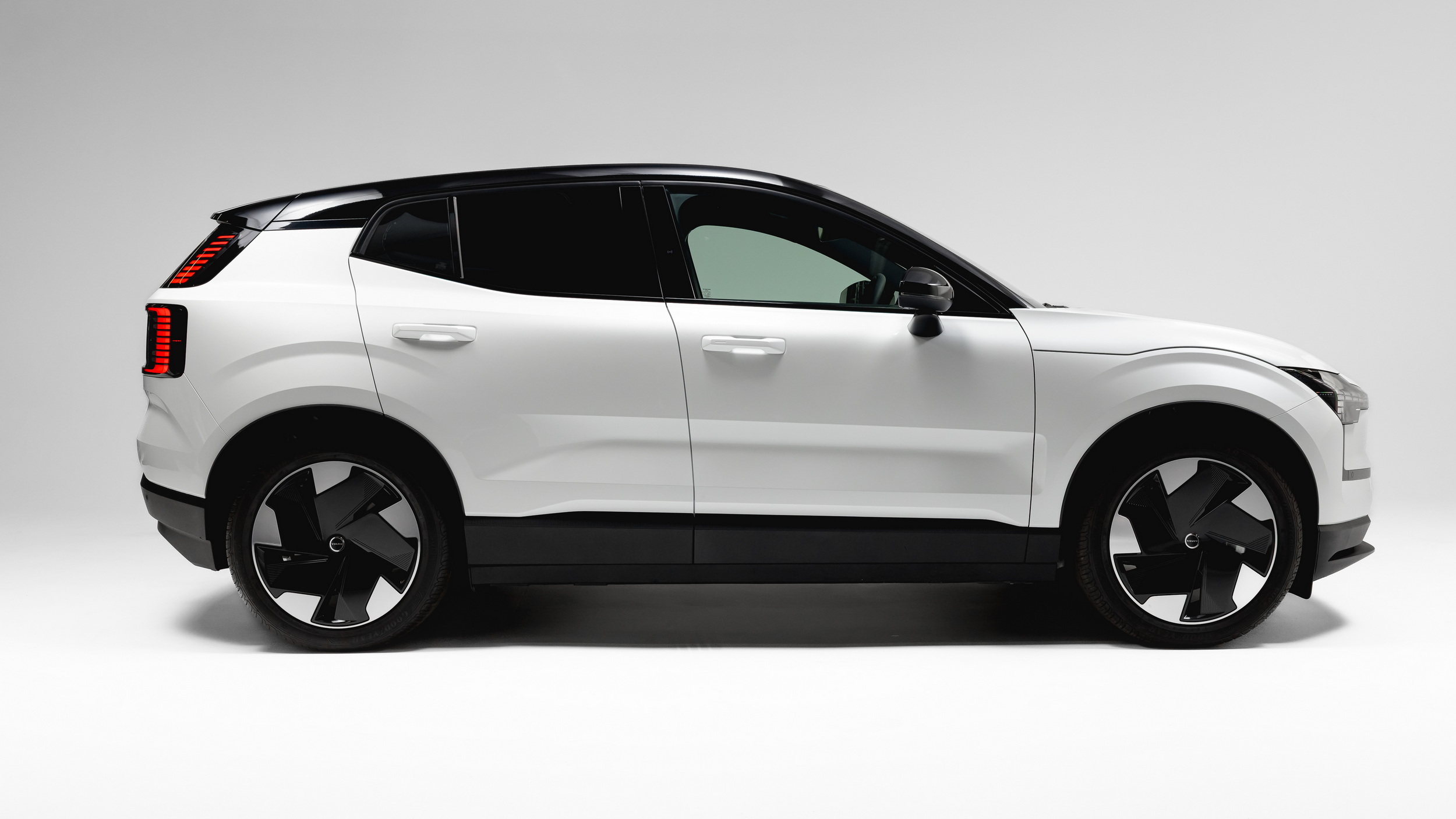
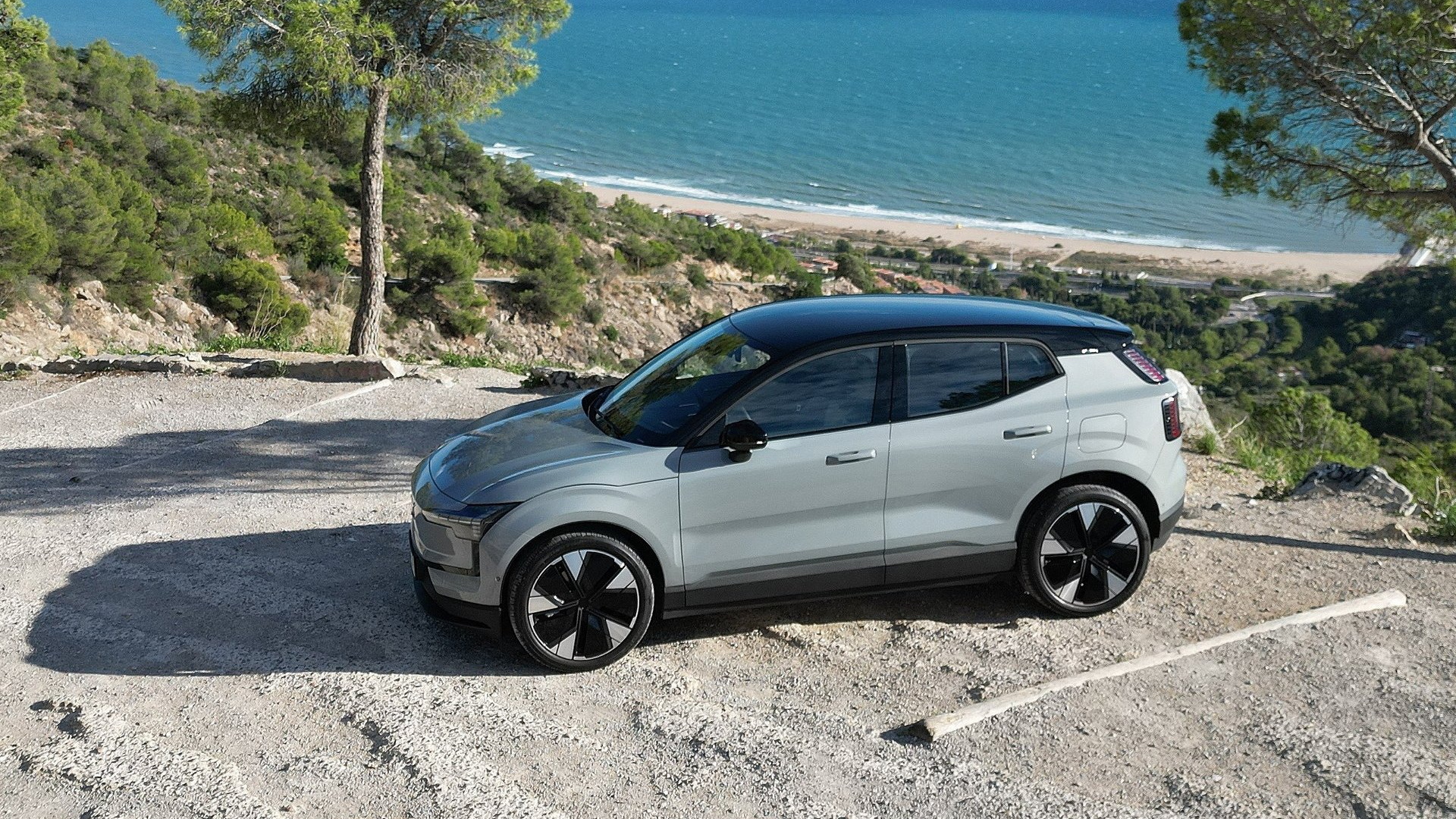
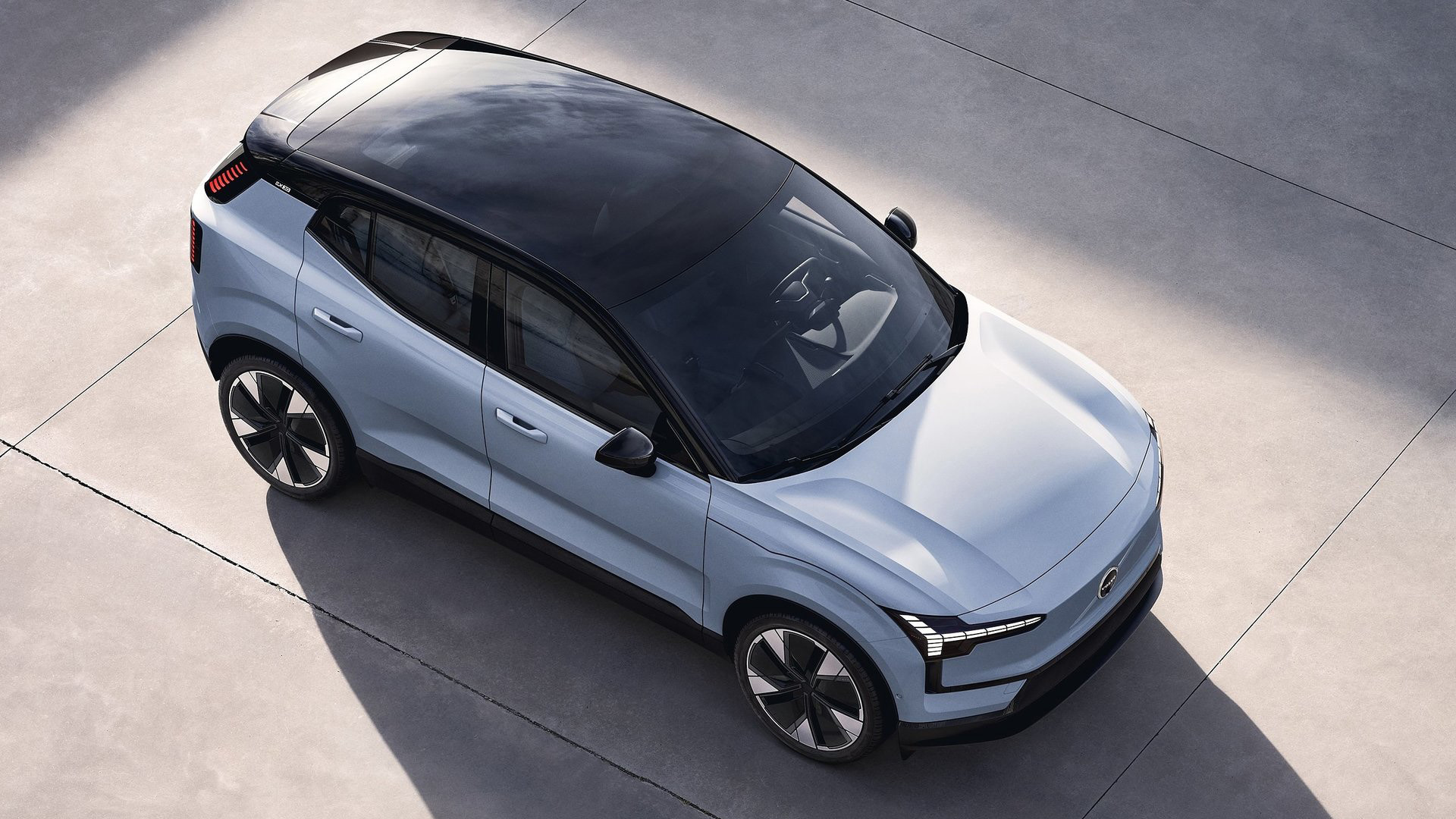
From the outside, Volvo’s first commercial vehicle looks just like a regular EX30 if you look past the pitch-black rear windows. Volvo will even offer it in Cross Country form, adding a tougher look and a touch more ground clearance for those who like their delivery runs with a bit of attitude.

More: After Just Two Years, Volvo Drops Its Cheapest EV From America

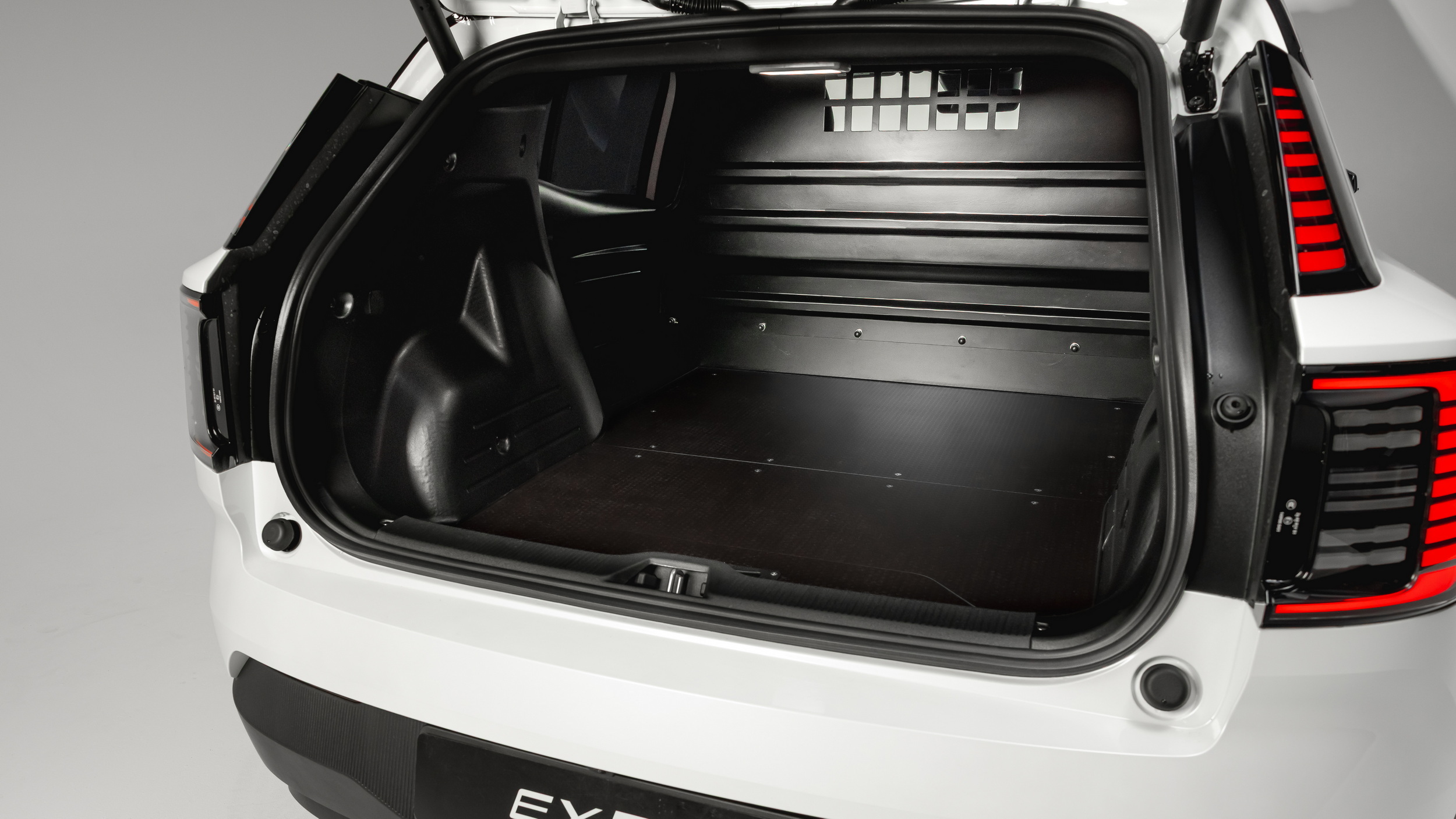
Open the tailgate, though, and the illusion falls away. What you find is effectively a two-seat van hiding inside a small SUV shell. The rear bench has been removed entirely, pushing cargo capacity from 318 liters (11.2 cu ft) in the passenger version to a much more useful 1,000 liters (35.3 cu ft).

To make it genuinely usable, Volvo added a bulkhead to separate the cargo area, paired with a flat load floor and tougher interior paneling that should shrug off daily abuse. Around the back, the rear doors now open wider, there’s an extra work light for low-visibility jobs, and an underfloor subframe brings additional mounting points into play. Payload capacity is rated at 390 kg (860 lbs).
 Volvo’s First Commercial Van Looks Familiar Because It Is

Despite its work-focused role, the EX30 Cargo retains the performance, safety, and technology of the standard model. After all, the conversion can be applied to both new vehicles and existing stock, making it available across the full lineup.

Review: New Zeekr X Got Me Questioning My Feelings For Volvo

The base Cargo Core trim comes equipped with automatic LED headlights, 18-inch Aero alloy wheels, adaptive cruise control, front and rear parking sensors, a rearview camera, and wireless Apple CarPlay and Google Android Auto.

Stepping up to the Cargo Plus adds 19-inch wheels, a black roof, heated seats and steering wheel, dual-zone climate control, a wireless charging pad, Pilot Assist, and a Harman Kardon premium audio system.
 Volvo’s First Commercial Van Looks Familiar Because It Is

In terms of performance, the entry-level EV offers 148 hp (110 kW / 150 PS), while the twin-motor AWD flagship delivers 422 hp (315 kW / 428 PS). The most powerful version completes the 0-100 km/h (0-62 mph) sprint in 3.6 seconds, making it an unexpectedly rapid way to deliver a small parcel in Britain.

More: New Base Volvo EX30 In Europe Has 45% Less Power Than Yours

The bad news is that the EX30 Cargo is exclusively available through Volvo UK’s fleet sales channels, so private buyers are excluded. Pricing starts at £36,010 ($48,200), which is £2,950 ($3,900) more than the least expensive passenger version. Availability in other markets has not been confirmed and appears unlikely.
\\\\\\

Volvo UK

After Just Two Years, Volvo Drops Its Cheapest EV From America

  • Volvo will discontinue the EX30 in the U.S. after the 2026 model year.
  • Tariffs, tax-credit changes, and slowing EV demand likely sealed its fate.
  • Small electric SUV will remain on sale in Canada, Mexico, and other markets.

Volvo is suffering a new setback as the short-lived EX30 is leaving the USA after this model year. The automaker confirmed the news that will see both the normal and Cross Country versions of the electric crossover exit the U.S just two years after launch. Meanwhile, Volvo will continue selling it in Mexico and Canada, which makes the reasoning behind the decision easier to piece together.

On paper, the EX30 made a lot of sense. It was positioned as Volvo’s most affordable EV, starting at just over $40,000, with up to 422 horsepower in dual-motor form and EPA range estimates of around 253–261 miles depending on configuration. It was quick, stylish, and small enough to appeal to urban buyers who didn’t need a full-size electric SUV.

More: Canada Could Give China’s Biggest Carmaker A Backdoor Into The US Market

In reality, the U.S. market just wasn’t ready for it. The EX30 is tied to a Chinese-built EV architecture like the one used in the Zeekr X. That complicated life for Volvo when President Trump enacted steep tariffs on Chinese-made vehicles. Volvo shifted U.S. supply to Belgium to get around the issue, only to end up hit by more tariffs later on.

 After Just Two Years, Volvo Drops Its Cheapest EV From America

At the same time, Trump killed the EV tax credit for imported vehicles and then all vehicles. Sales reflected that change. Volvo shifted just over 5,400 EX30s in the U.S. during 2025. A Volvo spokesperson confirmed the situation to The Drive, saying it is “a thorough evaluation of our business and operational strategies and is a direct response to shifting market conditions and financial factors.”

Importantly, Volvo isn’t backing away from electrification overall. The brand will continue selling the EX40 and EX90 in the U.S., and the upcoming EX60 is still likely coming later this year. The EX30 didn’t flop in America because it was a bad car. It just ended up being launched at the worst time possible for a small, imported EV. Most automakers worldwide would struggle with such a task, and it’s why so many have changed their EV plans.

 After Just Two Years, Volvo Drops Its Cheapest EV From America

After Just Two Years, Volvo Drops Its Cheapest EV From America

  • Volvo will discontinue the EX30 in the U.S. after the 2026 model year.
  • Tariffs, tax-credit changes, and slowing EV demand likely sealed its fate.
  • Small electric SUV will remain on sale in Canada, Mexico, and other markets.

Volvo is suffering a new setback as the short-lived EX30 is leaving the USA after this model year. The automaker confirmed the news that will see both the normal and Cross Country versions of the electric crossover exit the U.S just two years after launch. Meanwhile, Volvo will continue selling it in Mexico and Canada, which makes the reasoning behind the decision easier to piece together.

On paper, the EX30 made a lot of sense. It was positioned as Volvo’s most affordable EV, starting at just over $40,000, with up to 422 horsepower in dual-motor form and EPA range estimates of around 253–261 miles depending on configuration. It was quick, stylish, and small enough to appeal to urban buyers who didn’t need a full-size electric SUV.

More: Canada Could Give China’s Biggest Carmaker A Backdoor Into The US Market

In reality, the U.S. market just wasn’t ready for it. The EX30 is tied to a Chinese-built EV architecture like the one used in the Zeekr X. That complicated life for Volvo when President Trump enacted steep tariffs on Chinese-made vehicles. Volvo shifted U.S. supply to Belgium to get around the issue, only to end up hit by more tariffs later on.

 After Just Two Years, Volvo Drops Its Cheapest EV From America

At the same time, Trump killed the EV tax credit for imported vehicles and then all vehicles. Sales reflected that change. Volvo shifted just over 5,400 EX30s in the U.S. during 2025. A Volvo spokesperson confirmed the situation to The Drive, saying it is “a thorough evaluation of our business and operational strategies and is a direct response to shifting market conditions and financial factors.”

Importantly, Volvo isn’t backing away from electrification overall. The brand will continue selling the EX40 and EX90 in the U.S., and the upcoming EX60 is still likely coming later this year. The EX30 didn’t flop in America because it was a bad car. It just ended up being launched at the worst time possible for a small, imported EV. Most automakers worldwide would struggle with such a task, and it’s why so many have changed their EV plans.

 After Just Two Years, Volvo Drops Its Cheapest EV From America

Canada Hands Out First China EV Permits, But Not Everyone Is Getting A Turn

  • Permits will be granted on a first-come basis.
  • Tesla, Volvo, and Polestar should benefit first.
  • First 24,500 permits run from March to August.

Canada is preparing to reopen its doors, at least partially, to Chinese-built electric vehicles. In the coming months, it will begin issuing permits at a sharply reduced tariff rate. However, locals should not expect the market to be immediately flooded with new and innovative EVs, as has happened in parts of Europe and Australia.

Under Canada’s new trade agreement with China, up to 49,000 EVs built in China can be imported at the reduced 6.1 percent tariff, down from the 106.1 percent rate imposed in 2024.

Read: After Letting China In, Canada Hopes Korea Comes Too

Global Affairs Canada said in an import-control notice published on February 26 that, from March 1 through August 31, the first 24,500 permits will be handed out on a simple first-come, first-served basis.

Given that it has only been six weeks since the reduced tariff was announced, automakers looking to enter the Canadian market for the first time are unlikely to secure a significant share of these initial permits.

Which Companies Stand To Gain Most?

 Canada Hands Out First China EV Permits, But Not Everyone Is Getting A Turn

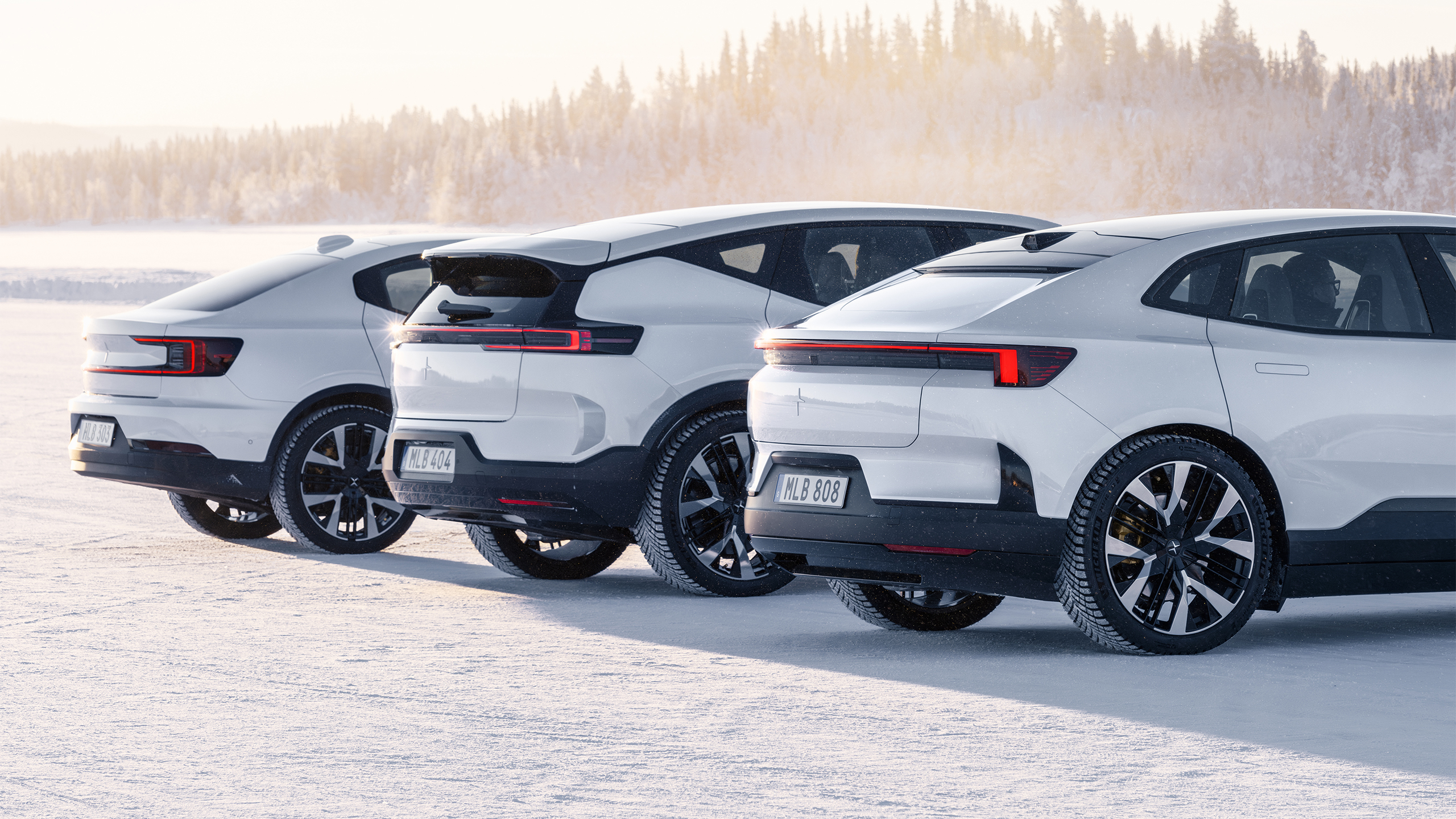
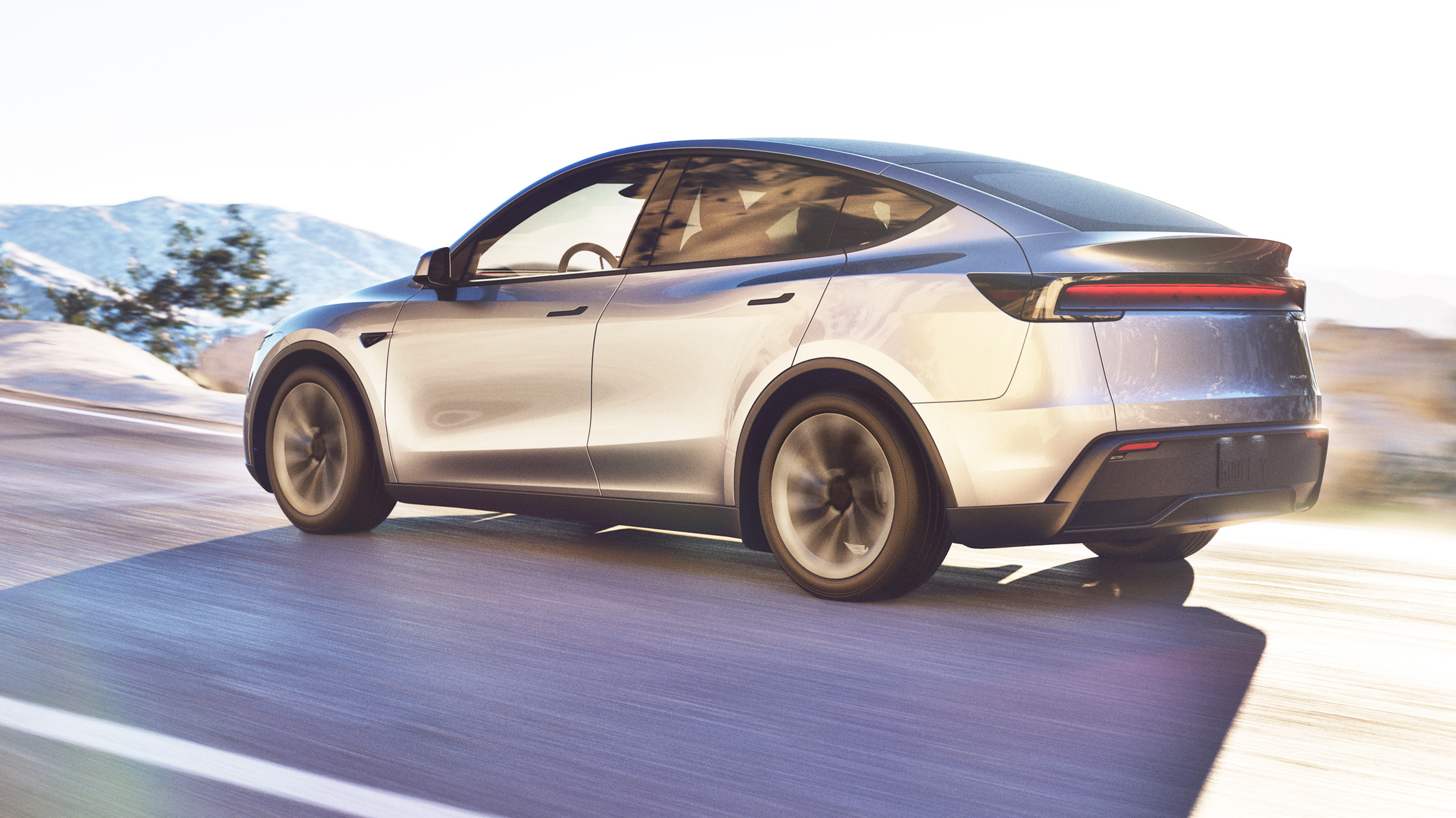
Instead, established firms are expected to benefit first. Volvo and Polestar, for example, had been exporting EVs from China to Canada prior to the 2024 tariff hike and likely retain the production flexibility to resume shipments for the Canadian market. Tesla also built China-made EVs for Canada before the tariffs took effect and is considered a frontrunner for the early permits.

Speaking to Auto News, Global Affairs spokesperson Samantha Lafleur said there is no predetermined limit on the number of permits each automaker may receive, although temporary limits could be introduced during the initial six months. Lafleur added that the department “will monitor the application and issuance of import permits for the purpose of providing equitable access to the quota to eligible applicants.”

Second Phase Of The Import Quota

 Canada Hands Out First China EV Permits, But Not Everyone Is Getting A Turn

The second quota of 24,500 permits will open on September 1, 2026, and run through February 28, 2027. Any permits unused during the first six months will be added to this second allocation period.

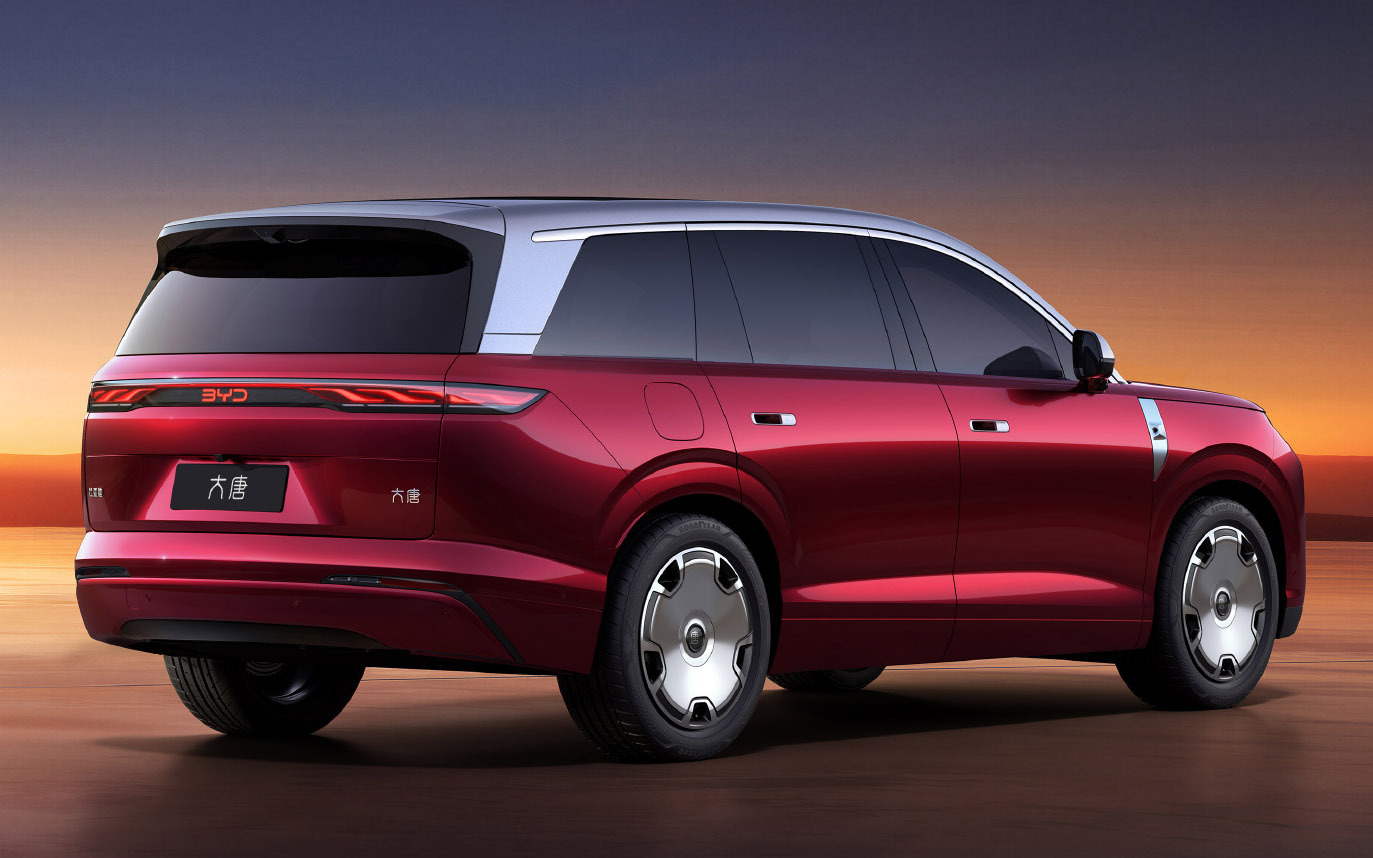
Canadians waiting for the most competitive offerings from China will be watching closely for the potential arrival of BYD and Geely, the country’s two largest automakers. As reported by Auto News, BYD has acknowledged it is evaluating sales in Canada. Geely, meanwhile, could expand its footprint beyond Volvo and Polestar by introducing additional brands such as its namesake marque and Zeekr, among others.

 Canada Hands Out First China EV Permits, But Not Everyone Is Getting A Turn
❌
❌