Normal view

There are new articles available, click to refresh the page.
Yesterday — 14 April 2026Main stream

Cadillac Lyriq Lawsuit Says EVs Can Suddenly Brick Without Warning

  • Owners say SUVs can suddenly stop charging, starting, or driving.
  • Lawsuit claims GM knew about the defects before selling the Lyriq.
  • Plaintiffs allege some vehicles spent weeks or months at dealerships.

For something as expensive and high-tech as the Cadillac Lyriq, buyers probably expect a few software bugs here and there. Maybe a glitchy screen, a frozen app, or a charger that occasionally needs a second try. According to a new lawsuit against General Motors, some owners are dealing with something much worse: SUVs that suddenly become completely unusable.

A proposed class-action lawsuit filed in federal court in Washington claims the Cadillac Lyriq suffers from widespread electrical, software, and battery-management issues that can leave the electric SUV unable to start, charge, or drive. In other words, the lawsuit alleges that some Lyriqs effectively become very expensive driveway ornaments, or, in tech terms, bricks. We doubt owners find much comfort in that, regardless of whatever styling drew them in.

More: Thousands Of Cadillac EVs Recalled Over A Feature Meant To Impress

According to the lawsuit seen by Carcomplaints, Washington resident Wendy Cochran and Florida resident Charlene Riddle both say their Lyriqs suffered what’s described as “catastrophic electrical system failure.” Riddle claims GM told her a software fix was required, but that no fix was available at the time. Cochran, meanwhile, says her SUV became unusable, leaving her with lost time, added costs, and a vehicle now worth less than she paid.
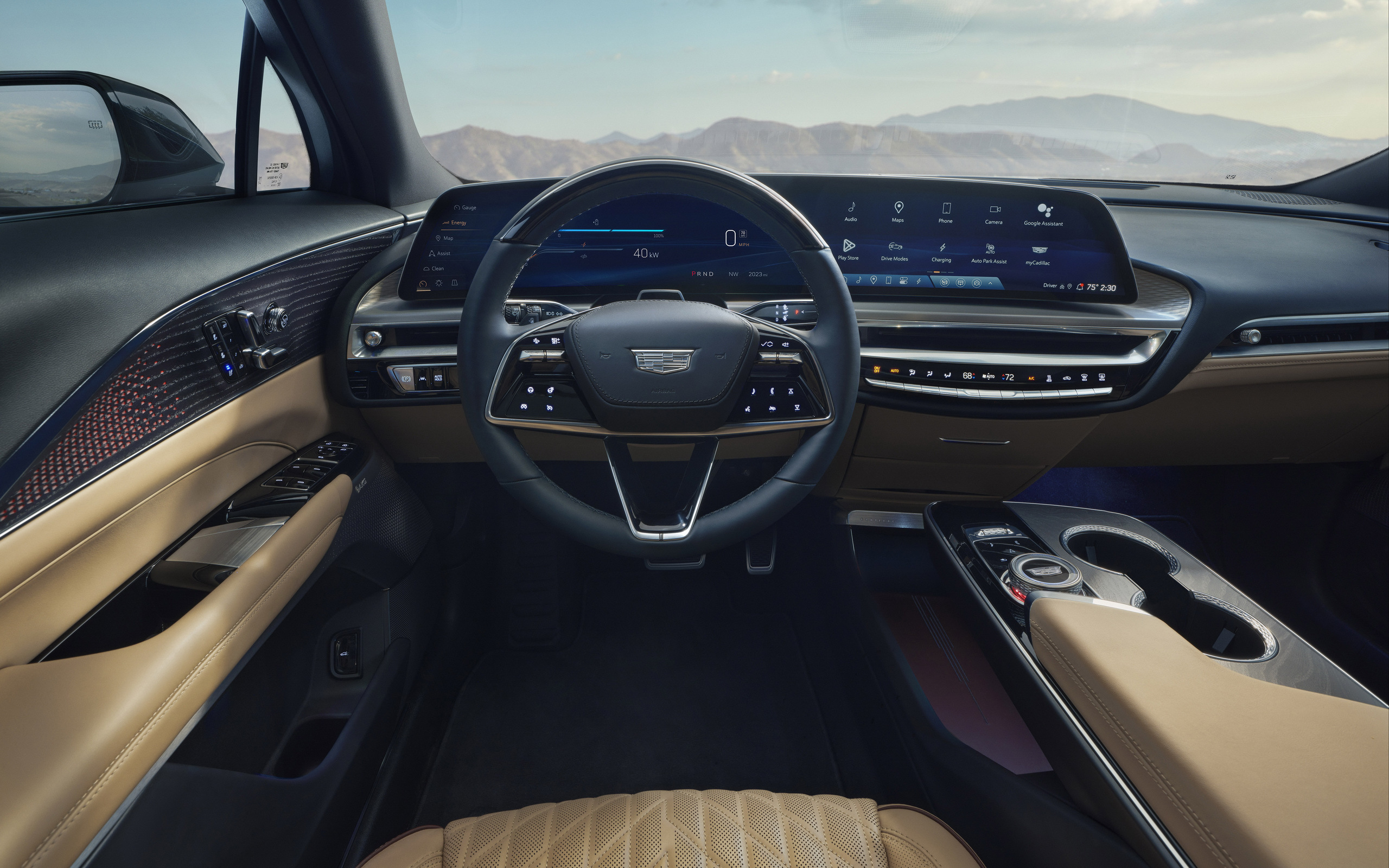
 Cadillac Lyriq Lawsuit Says EVs Can Suddenly Brick Without Warning

Importantly, the filling calls into question failures with the Lyriq’s electrical architecture, battery-management modules, software systems, and vehicle control networks. All of those systems have to constantly work with one another. The plaintiffs point out that if one fails, it can cascade throughout the rest of the system and effectively brick the car.

One important piece of the puzzle is that the lawsuit claims that GM was aware about this issue and put the cars on the market anyway. The lawsuit alleges that the company had access to pre-production testing, engineering reports, warranty claims, dealership repair records, and consumer complaints, all of which pointed to the same issue. Even so, GM allegedly continued marketing the Lyriq as a premium, reliable luxury EV.

At this point, the ball is in GM’s court. It can respond by denying the allegations or, more likely, it could ask the judge to dismiss the case altogether. Generally, the next move comes within three weeks of the initial filing so we should have more news on the case soon.
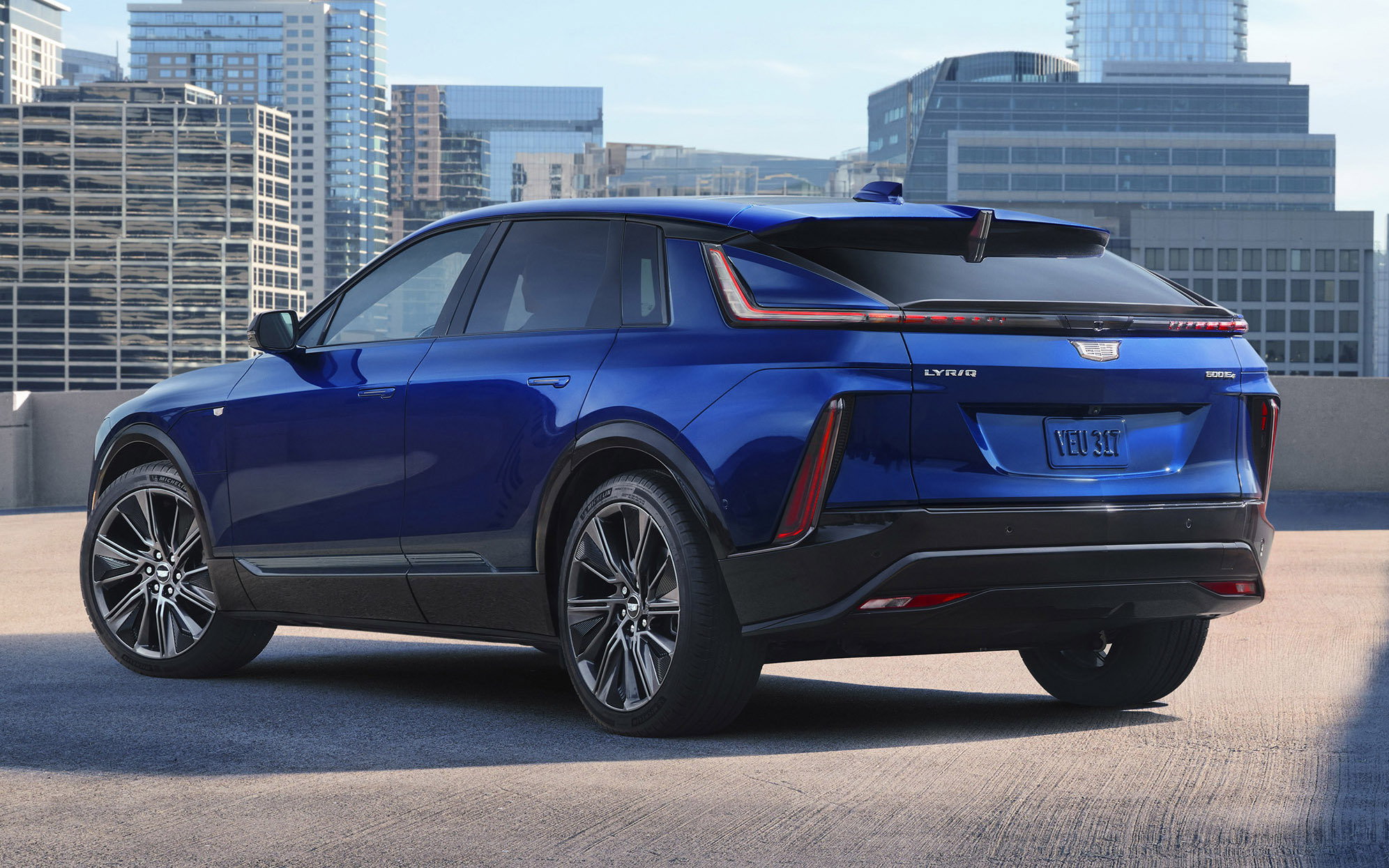
 Cadillac Lyriq Lawsuit Says EVs Can Suddenly Brick Without Warning
GM

Before yesterdayMain stream

US Senator Calls Chinese Cars “Cancer,” Wants Permanent Ban

  • US lawmaker wants permanent block on Chinese cars, software, and partnerships.
  • Industry groups back ban, citing security fears and unfair competition concerns.
  • Trump previously signaled openness to Chinese brands building factories in US.

Chinese-brand cars now account for one in 10 new cars sold in Europe, but you won’t find a BYD or Xiaomi on sale in the US, and one Ohio senator is determined to maintain that situation. He wants to make absolutely sure Chinese car brands never make it to America in the form of auto imports, partnerships, or even just lines of code buried in software.

Senator Bernie Moreno is preparing legislation that goes beyond the current restrictions introduced in early 2025 by the Biden administration. Those rules already shut out Chinese passenger cars over concerns they could harvest sensitive driver data. Moreno’s proposal aims to slam every remaining door, then double lock them just in case.

More: Toyota Is Selling A New EV In China For Less Than A 15-Year-Old Used Corolla

Speaking at an automotive event ahead of the New York International Auto Show, he didn’t exactly hold back, as Reuters reported.

“We don’t allow Huawei to come into our telecommunications infrastructure,” Moreno said, referencing the US block on the Asian tech giant. “We’re not going to allow Chinese automakers into this market. We’re going to prevent the cancer from coming into our market, and we’re going to need the other countries to do chemotherapy.”

Appealing To Other Nations

Subtle? Not exactly. Effective at grabbing attention? Absolutely. The plan isn’t just about imports. Moreno wants to block anything with Chinese ties, including software integrations and joint ventures. In other words, even a hint of Chinese involvement could be enough to disqualify a vehicle from US roads under his vision. He also hopes Mexico, Latin America, Canada and even Europe will follow suit.

 US Senator Calls Chinese Cars “Cancer,” Wants Permanent Ban
Xiaomi

Unsurprisingly, American automakers and industry groups are on board. They’ve been lobbying hard to keep the barriers high, arguing it protects both national security and domestic jobs. It also conveniently keeps a wave of competitively priced EVs from shaking up the market.

An Attack On Fair Trade

China, for its part, isn’t thrilled. Officials have pushed back, calling the approach protectionist and accusing the US of stacking the deck against fair competition. That tension adds another layer to an already delicate economic relationship between the two countries.

And there’s an added complication here. Donald Trump has previously said he’d welcome Chinese automakers building factories in the US, as long as they hire American workers.

New Video Shows Tesla Nearly Going Off Overpass With Mom And Baby Inside

  • Texas lawsuit says Tesla FSD steered a Cybertruck into barrier.
  • Driver says the system aimed straight at a concrete divider.
  • The crash allegedly caused spinal injuries and wrist damage.

Update: There’s now video of the Houston Cybertruck crash. Footage shared by Hilliard Law, which represents the woman in the lawsuit, shows the electric truck, reportedly operating in self-driving mode, failing to follow a right-hand curve and continuing straight toward an overpass barrier. The driver attempts to intervene, but it is already too late, and the impact is severe. She is now suing Tesla for $1 million, alleging the system did not perform as promised.

'TERRIFYING': Dashcam video shows the moment a Tesla Cybertruck, allegedly operating in self-driving mode, nearly sent a Houston mom and her infant off a bridge before violently crashing into an overpass barrier.

The woman claims she suffered multiple injuries from the incident… pic.twitter.com/DgcnHp2FtZ

— Fox News (@FoxNews) March 17, 2026

Tesla’s Full-Self Driving (Supervised) system has placed advanced semi-autonomous capability in the hands of thousands of owners across the United States. The technology remains one of the most closely watched developments in the industry. Yet despite its promise, the system is still far from flawless, and according to a recent lawsuit filed against Tesla, it can also be dangerous.

The suit, filed in Harris County Court in Houston, Texas, alleges that Tesla Cybertruck owner Justine Saint Amour was using the FSD system in August last year while traveling along the 69 Eastex Freeway. As the electric pickup approached a Y-shaped junction near the Houston Metro 256 Eastex Park & Ride, the vehicle’s onboard systems should have followed the right-hand curve of the freeway.

FSD Navigation Error Alleged

Instead, the lawsuit claims the Tesla attempted to continue straight ahead toward a concrete barrier. The driver reportedly took control just before impact but was unable to avoid the obstacle, with the Cybertruck striking the barrier head-on. A 1-year-old child was also in the back seat at the time but was not injured.

Read: Tesla On FSD Suddenly Swerves And Crashes Into A Tree, Claims Driver

The impact reportedly left the woman with two herniated discs in her lower back, a herniated disc in her neck, sprained wrist tendons, and neuropathy. Chron reports that dashcam footage captured the crash, showing the Cybertruck attempting to negotiate the curve at the interchange but ultimately hitting the barriers.

\\\\\\\

Camera Only System Criticized

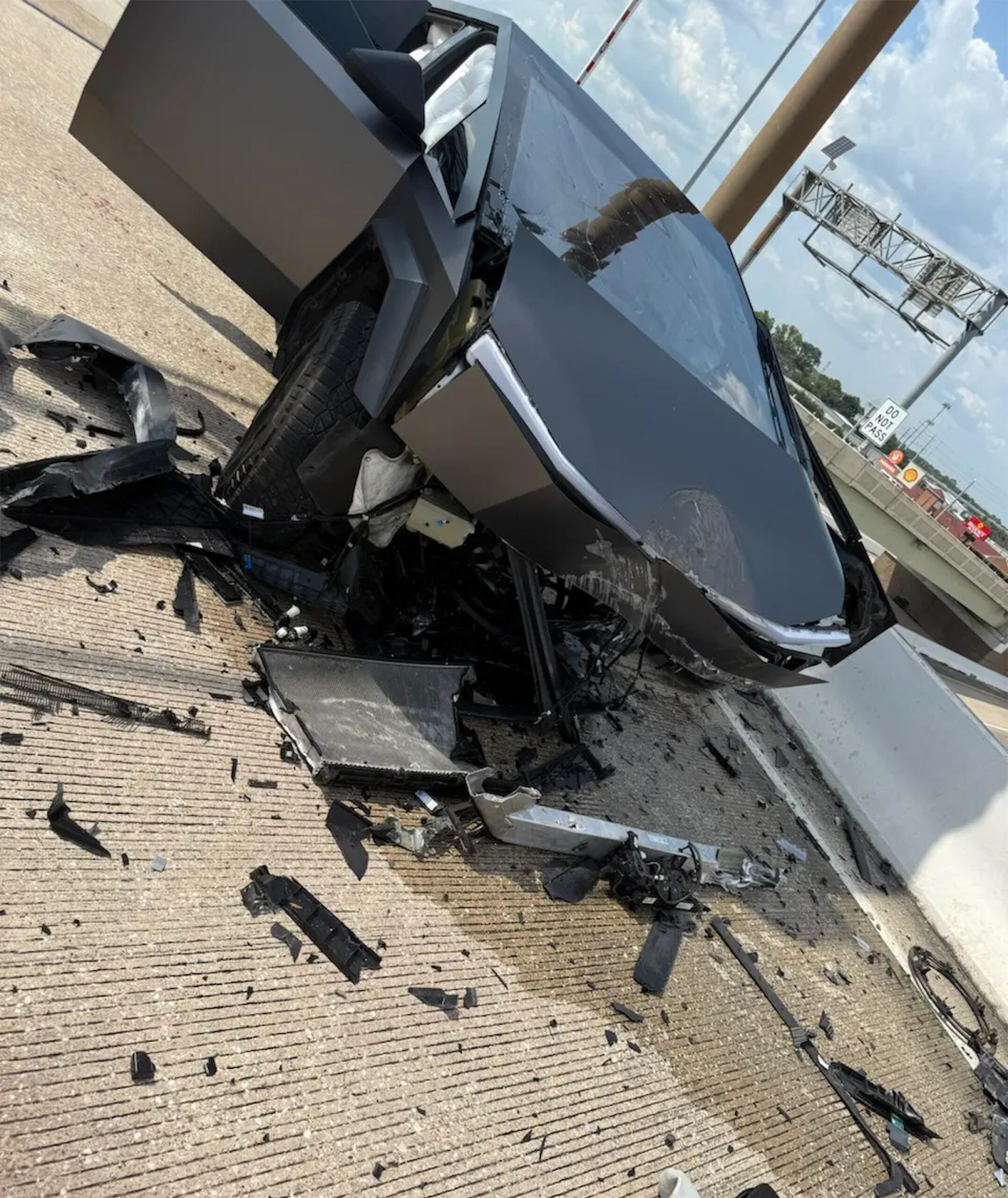
An image taken after the crash shows that the front of the blacked-out Cybertruck took a serious hit, and that the front bumper shattered, leaving pieces of bodywork strewn across the road.

The lawsuit further alleges that Tesla’s decision to rely exclusively on a camera-based system for its self-driving technology, rather than incorporating radar or LiDAR sensors, contributed to the crash. It also claims Elon Musk is “an aggressive and irresponsible salesman” with a history of “making dangerous design choices.”

“Tesla’s decisions made Justine’s accident inevitable,” Saint Amour’s lawyer, Bob Hilliard, told Chron. “This company wants drivers to believe and trust their life on a lie: that the vehicle can self-drive and that it can do so safely. It can’t, and it doesn’t.”

The lawsuit accuses Tesla of negligence and seeks more than $1 million in damages.

 New Video Shows Tesla Nearly Going Off Overpass With Mom And Baby Inside
Hilliard Law Firm
❌
❌