
Normal view

There are new articles available, click to refresh the page.
Today — 14 April 2026Main stream

VW’s ID. Lineup Looked Like The Future, Turns Out People Wanted The Past

  • VW admits ID. models missed mark on design, usability and emotional appeal.
  • New leadership focuses on customers not egos to reshape future EV lineup.
  • Return of buttons, names and identity aims to reconnect brand with buyers

VW rebounded from the dieselgate scandal determined to do better, but the German brand’s boss has admitted that some of those early efforts landed wide of the mark. Now he’s on a mission to right some ID. wrongs and win back the crowd it drifted away from.

“It was clear to me that we were actually losing our core,” CEO Thomas Schäfer told journalists at the presentation of the heavily facelifted ID.3 Neo. The former Skoda chief, who bagged the top Wolfsburg job in 2022, says the brand had drifted from the VW people knew and loved.

Related: VW ID.4’s Death Could Lead To Birth Of An American Pickup

The problems were everywhere once you started looking. Styling that didn’t quite feel right, confusing touch controls, and a naming strategy that ditched familiar badges in favor of cold tech-speak. Turns out customers didn’t love slider controls for basic functions, and they definitely missed the clarity of names like Golf and Tiguan.
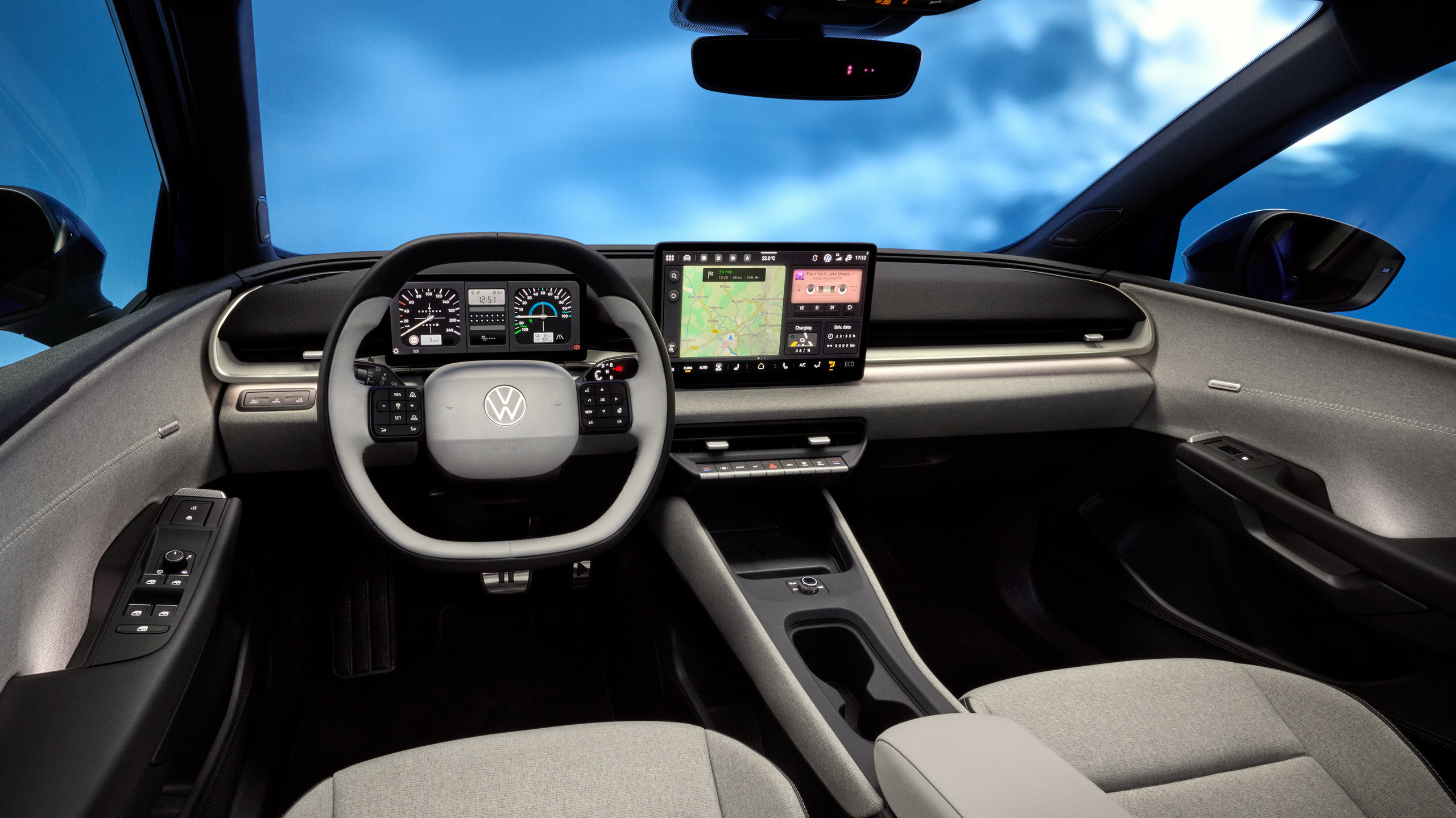
 VW’s ID. Lineup Looked Like The Future, Turns Out People Wanted The Past
The new ID. Polo’s interior.

Schäfer didn’t just tweak things around the edges. He gathered hundreds of managers, threw every issue on the table, and asked for brutal honesty. “We had to change ourselves, we had to create a new mindset,” Auto Express reports the CEO saying. He recalled how his wider team reacted with relief rather than resistance when he laid out the new plan.

Ask The Customer

Engineering boss Kai Grünitz says the reset goes deeper than pretty design. “We are doing customer clinics a lot,” he explained, signalling a shift away from gut feeling toward actual feedback. That means features get tested by real people before making production, not just approved in boardrooms because the CEO has decided he likes something and engineers don’t feel able to push back.

\\\\\\

Exterior styling is getting a rethink, too, following the Schäfer-assisted exodus of Klaus Bischoff, architect of the mostly bland first-generation ID. cars. New creative boss Andy Mindt, who came from Bentley, has pushed for simpler, more timeless shapes, plus interiors that don’t require a tutorial. Physical buttons are coming back, and even door handles are being reconsidered so they actually work when your hands are full.

“We sell emotions, we sell memories,” Grünitz said, summing up the new direction, which is really just about getting back to the old direction. If VW can pull that off again with the help of cars like the new ID. Polo (below), maybe the people’s car maker really can find its groove.
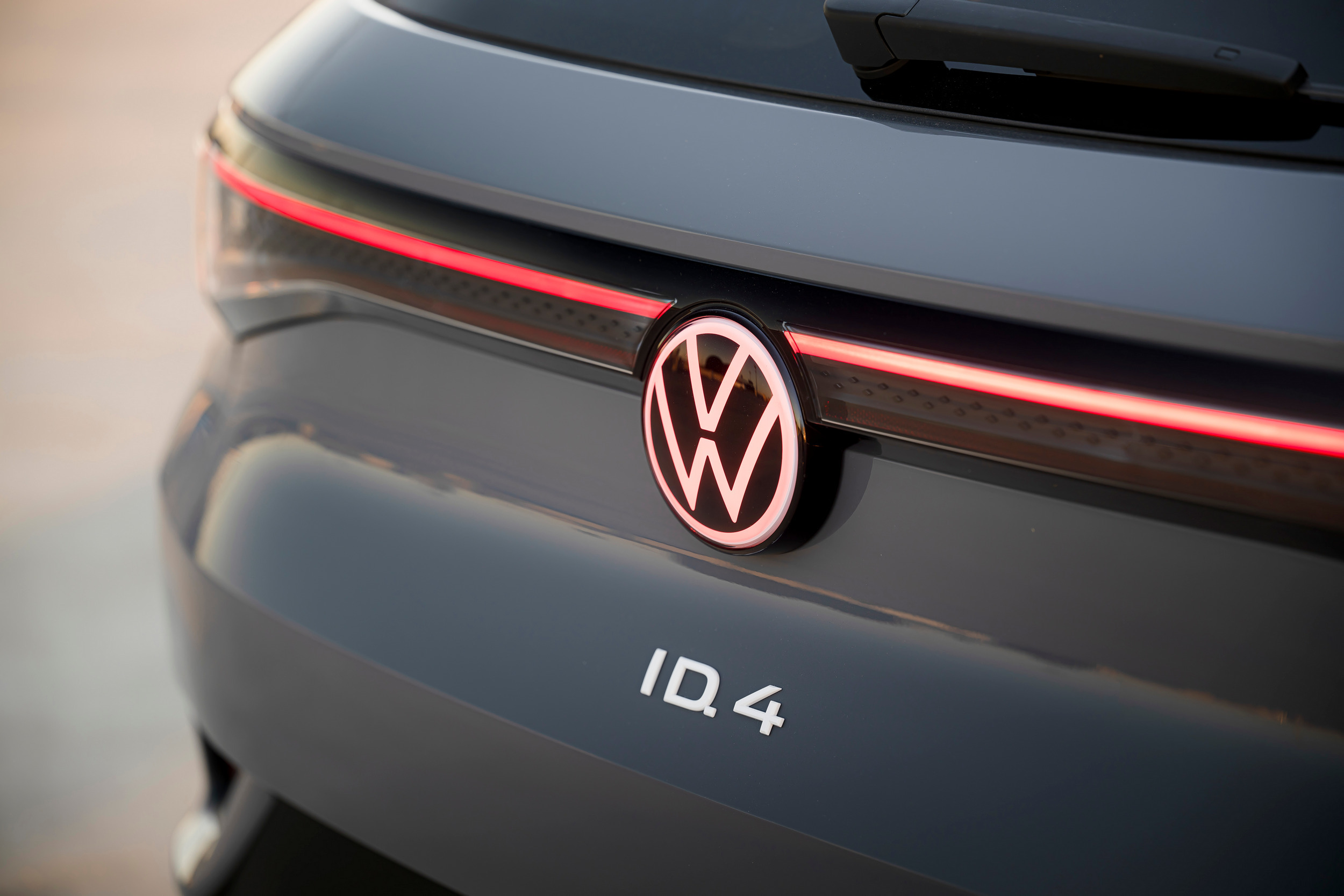
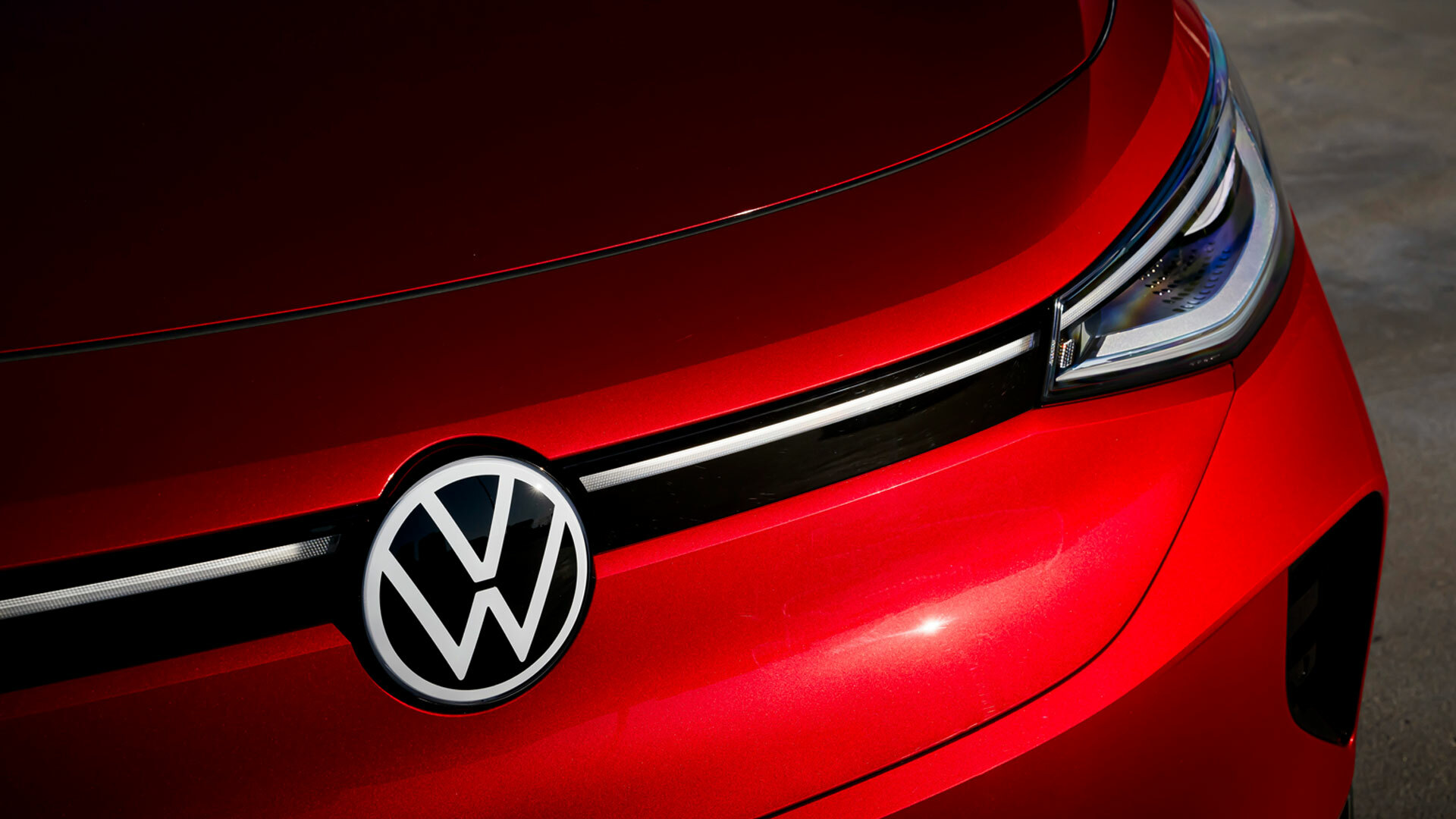
\\\\\\\\
Before yesterdayMain stream

Volkswagen Renames Its Hatch To ID.3 Neo, But The Real Change Is Inside

  • VW ID.3 Neo refresh brings a few subtle design and tech tweaks.
  • The electric hatch arrives next month with hardware upgrades.
  • Other ID EVs also now gain the same updated software platform.

Volkswagen is preparing another update for its compact electric hatchback. In mid-April, the company will unveil a revised version of the ID.3, which will carry the new ID.3 Neo name. The refreshed model brings a mix of hardware and software changes intended to keep the hatch competitive for the rest of the decade, at least until the long-anticipated ID. Golf eventually reaches showrooms.

Alongside the announcement, the automaker released a set of official design sketches. They show a shape that remains immediately recognizable as an ID.3, but with styling cues that align it more closely with Volkswagen’s next batch of electric models, including the ID. Polo and ID. Cross.

More: Volkswagen To Slash 50,000 Jobs After Profits Fell Off A Cliff

Most of the visual changes are concentrated at the front. The headlights are now linked by a slim grille element, creating a more cohesive face, while the bumper intakes adopt a simpler, cleaner design. From the side, the proportions look largely untouched.

\\\\\

Out back, however, the taillights gain updated LED graphics, and the lower section of the tailgate is now finished in body color rather than contrasting trim. Volkswagen is also expected to expand the palette with new exterior colors and wheel options.

Volkswagen design chief Andreas Mindt says the update focuses on refining the car’s overall presence. The goal, he explained, was to deliver “clean proportions, confident surfaces, and a sharper digital character” for one of the company’s most important electric models.

The ID.3 first arrived in 2019 as Volkswagen’s inaugural purpose-built EV, marking the start of the brand’s modern electric era. A facelift followed in 2023, so the upcoming ID.3 Neo effectively represents the model’s second major update since its original launch.

New Software And More Buttons

A major focus of the ID.3 Neo is the new Innovision infotainment system, which introduces an integrated app store for audio and video streaming, gaming, charging services, and parking services. Inside the cabin, Volkswagen has also eliminated the controversial touch-sensitive steering wheel controls, replacing them with traditional tactile buttons.

In addition, a new digital vehicle key option allows owners to unlock and access their cars using a smartphone or smartwatch without needing to carry a physical key fob or install a dedicated app.

\\\\\\

Updates For Other ID Models

On the practical side, Volkswagen is rolling out Vehicle-to-Load (V2L) capability across the ID lineup. This allows owners to draw up to 3.6 kW of electricity from the high-voltage battery through a 230V socket inside the cabin or by using an external adapter. That output can power tools, charge e-bikes, or run camping equipment when the car is parked.

More: VW Locks Gas Tiguan In Until 2035 With Two Major Updates Planned

The software package also receives additional functionality. Updates include Travel Assist with traffic light detection, along with support for One-Pedal Driving.

Kai Grünitz, Member of the Volkswagen Board of Management responsible for Technical Development, said: “The new software generation brings more performance and an even better customer experience to the ID. models. The new Volkswagen electric models in the small and compact vehicle segments – ID. Polo, ID. Polo GTI, ID. Cross – will also soon be launched on the market with these new innovations, offering more flexibility in everyday life and for leisure activities.”

More Power And Range For The ID.4 and ID.5

 Volkswagen Renames Its Hatch To ID.3 Neo, But The Real Change Is Inside

While a full facelift for the ID.4 is expected later this year, Volkswagen has already outlined a smaller round of updates for the current model and its coupe-styled sibling, the ID.5.

More: VW’s 1 Millionth EV Took 12 Years, Its 2 Millionth Took 10 Months

Beyond the updated software, the Pure trims of both electric crossovers will receive a new electric motor called the APP 350. The unit recently appeared in the closely related Ford Explorer and Capri EVs. It produces 187 hp (140 kW / 190 PS) and is said to deliver more torque while consuming less energy than the previous motor.

Efficiency gains also come from a new 58 kWh lithium phosphate battery pack. Combined with the updated motor, Volkswagen says the changes increase the WLTP range of the ID.4 by 40 km (25 miles).

 Volkswagen Renames Its Hatch To ID.3 Neo, But The Real Change Is Inside

Volkswagen

❌
❌