
Reading view

There are new articles available, click to refresh the page.

VW’s New Golf EV Was Supposed To Arrive In 2028. It Won’t
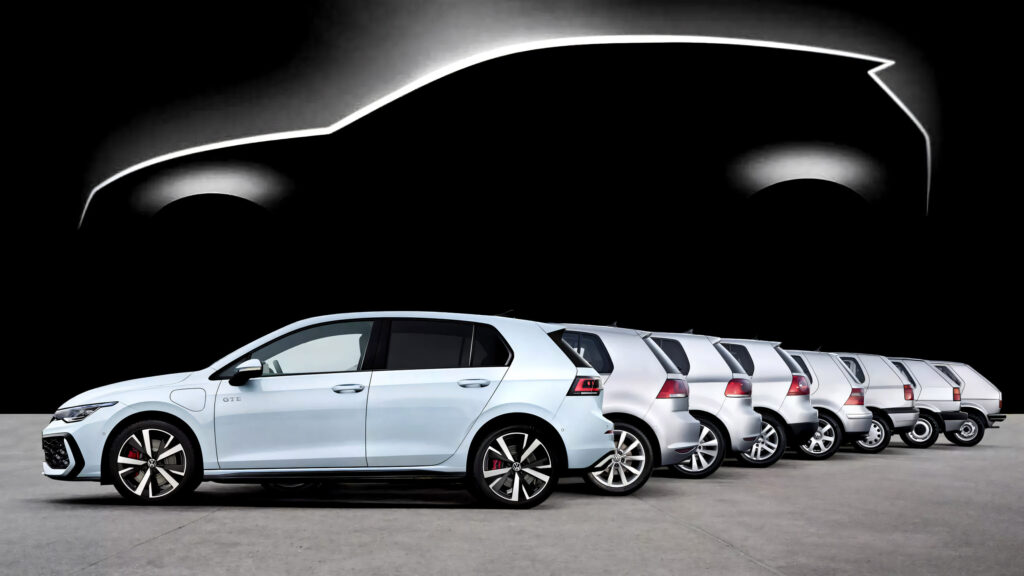
  • The electric Golf will be underpinned by VW’s new SSP architecture.
  • VW is integrating Rivian’s zonal software into the next-gen platform.
  • Production of the current Golf will shift to Mexico in mid-2027.

Volkswagen was supposed to launch the ninth-generation Golf in 2028, offering it as an EV for the very first time. However, the brand has now revealed that this will no longer be the case, in part to give VW enough time to ensure that a mass-market model like it is free of issues before it hits the market, unlike the original ID.3.

Speaking at the Financial Times Future of the Car summit in London earlier this week, VW brand chief executive Thomas Schäfer stated, “We have a fantastic line-up now that we do not need an electric Golf in 2028,” adding that VW is “well set with what we have in our portfolio with our vehicles.”

Read: Honda’s Civic Type R Held This Record For 3 Years, VW’s 321 HP Golf Just Took It Back

Schäfer didn’t provide an updated timeline as to when the new Golf could arrive, but we probably won’t see it until 2030 or later. Part of the delay can be attributed to VW’s launch schedule of its new Scalable Systems Platform (SSP), designed to replace the MEB architecture used by many of its current EVs.

A Golf With Rivian Tech
 VW’s New Golf EV Was Supposed To Arrive In 2028. It Won’t
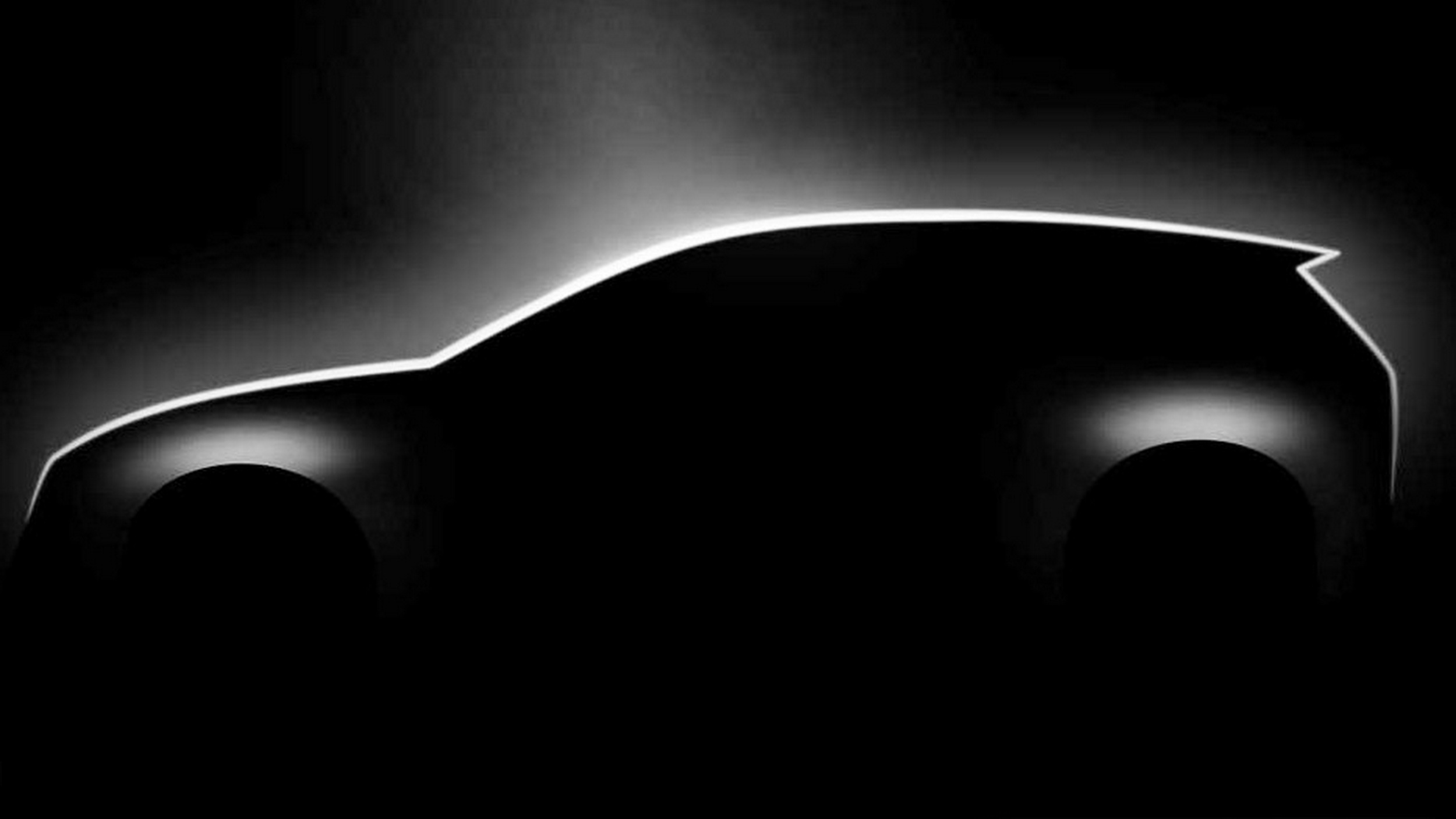
VW ID. Golf teaser

This platform will first be used by Audi, then introduced to Porsche models, and later used to underpin VW models. The slow timeline for getting this platform to market is due in part to its integration of an 800-volt system and the use of software co-developed with Rivian. As noted by Automotive World, using this new zonal architecture software on a vehicle as popular as the Golf isn’t something that can be rushed.

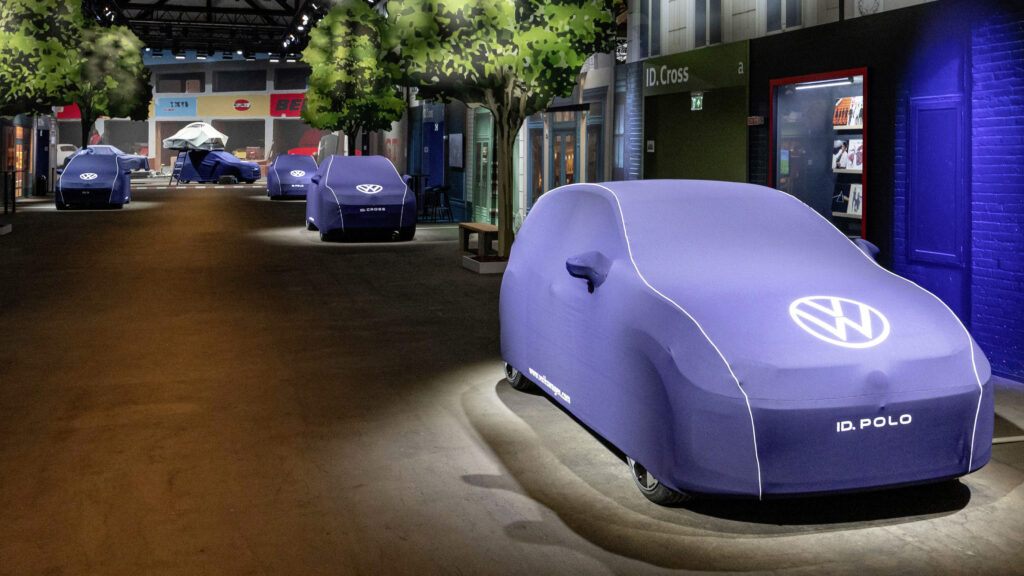
In the interim, VW has more than enough offerings for those in the market for a small and affordable EV. It recently unveiled the new ID.3 Neo and ID. Polo models, and is also planning to launch an electric ID. Cross later this year, and then an ID. Tiguan. In addition, the current Golf isn’t going anywhere, and its production will shift from Wolfsburg, Germany, to a plant in Mexico in the middle of next year.

Importantly, the current Golf will remain in production alongside the all-electric, ninth-generation model. However, updates will be made to the current car to make it look similar to the EV.
\\\\\\\\\

VW’s ID. Lineup Looked Like The Future, Turns Out People Wanted The Past

  • VW admits ID. models missed mark on design, usability and emotional appeal.
  • New leadership focuses on customers not egos to reshape future EV lineup.
  • Return of buttons, names and identity aims to reconnect brand with buyers

VW rebounded from the dieselgate scandal determined to do better, but the German brand’s boss has admitted that some of those early efforts landed wide of the mark. Now he’s on a mission to right some ID. wrongs and win back the crowd it drifted away from.

“It was clear to me that we were actually losing our core,” CEO Thomas Schäfer told journalists at the presentation of the heavily facelifted ID.3 Neo. The former Skoda chief, who bagged the top Wolfsburg job in 2022, says the brand had drifted from the VW people knew and loved.

Related: VW ID.4’s Death Could Lead To Birth Of An American Pickup

The problems were everywhere once you started looking. Styling that didn’t quite feel right, confusing touch controls, and a naming strategy that ditched familiar badges in favor of cold tech-speak. Turns out customers didn’t love slider controls for basic functions, and they definitely missed the clarity of names like Golf and Tiguan.

 VW’s ID. Lineup Looked Like The Future, Turns Out People Wanted The Past
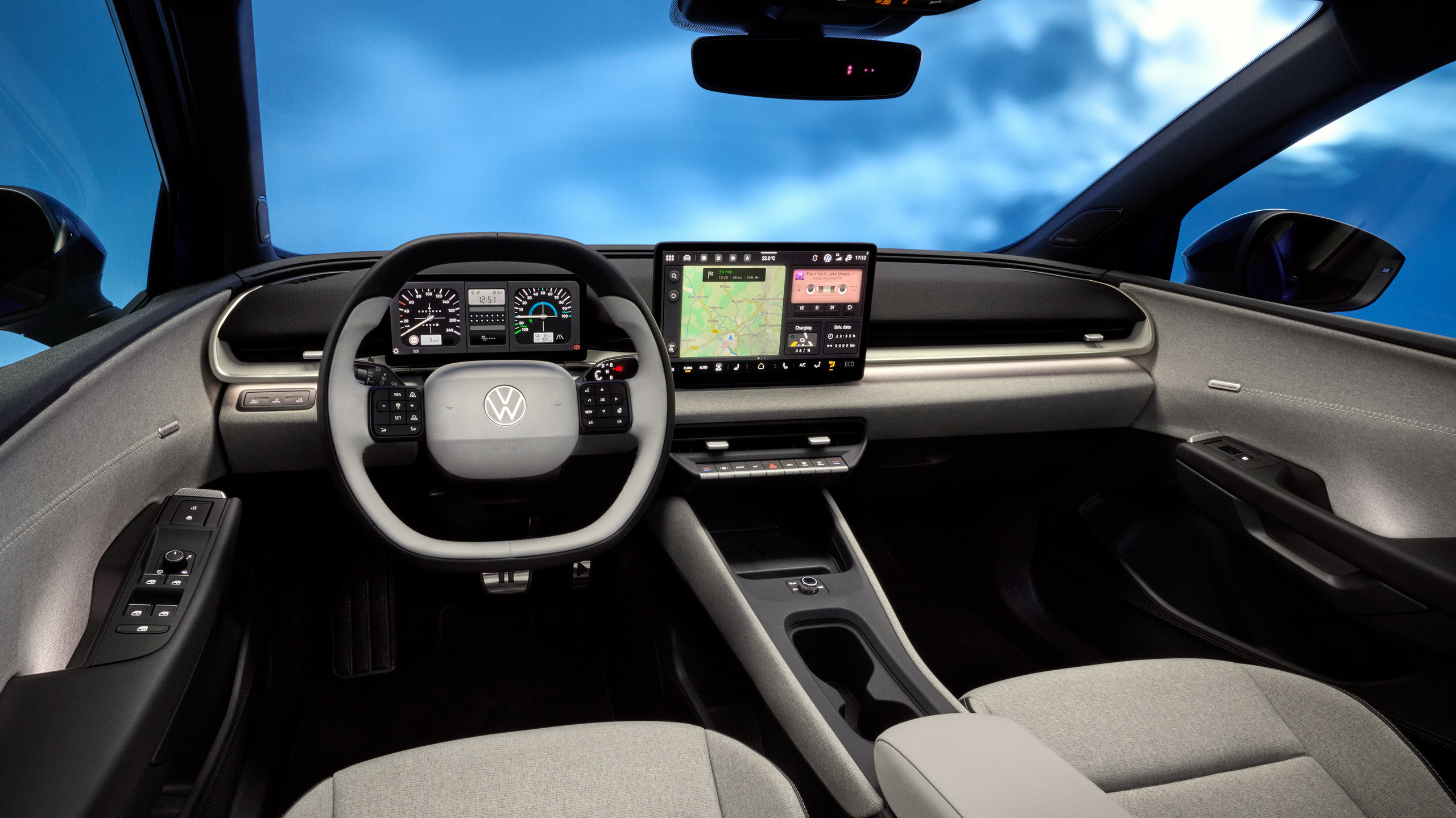
The new ID. Polo’s interior.

Schäfer didn’t just tweak things around the edges. He gathered hundreds of managers, threw every issue on the table, and asked for brutal honesty. “We had to change ourselves, we had to create a new mindset,” Auto Express reports the CEO saying. He recalled how his wider team reacted with relief rather than resistance when he laid out the new plan.

Ask The Customer

Engineering boss Kai Grünitz says the reset goes deeper than pretty design. “We are doing customer clinics a lot,” he explained, signalling a shift away from gut feeling toward actual feedback. That means features get tested by real people before making production, not just approved in boardrooms because the CEO has decided he likes something and engineers don’t feel able to push back.

\\\\\\

Exterior styling is getting a rethink, too, following the Schäfer-assisted exodus of Klaus Bischoff, architect of the mostly bland first-generation ID. cars. New creative boss Andy Mindt, who came from Bentley, has pushed for simpler, more timeless shapes, plus interiors that don’t require a tutorial. Physical buttons are coming back, and even door handles are being reconsidered so they actually work when your hands are full.

“We sell emotions, we sell memories,” Grünitz said, summing up the new direction, which is really just about getting back to the old direction. If VW can pull that off again with the help of cars like the new ID. Polo (below), maybe the people’s car maker really can find its groove.

\\\\\\\\
❌