Login
VW’s Hypermiling Supercar Is Back
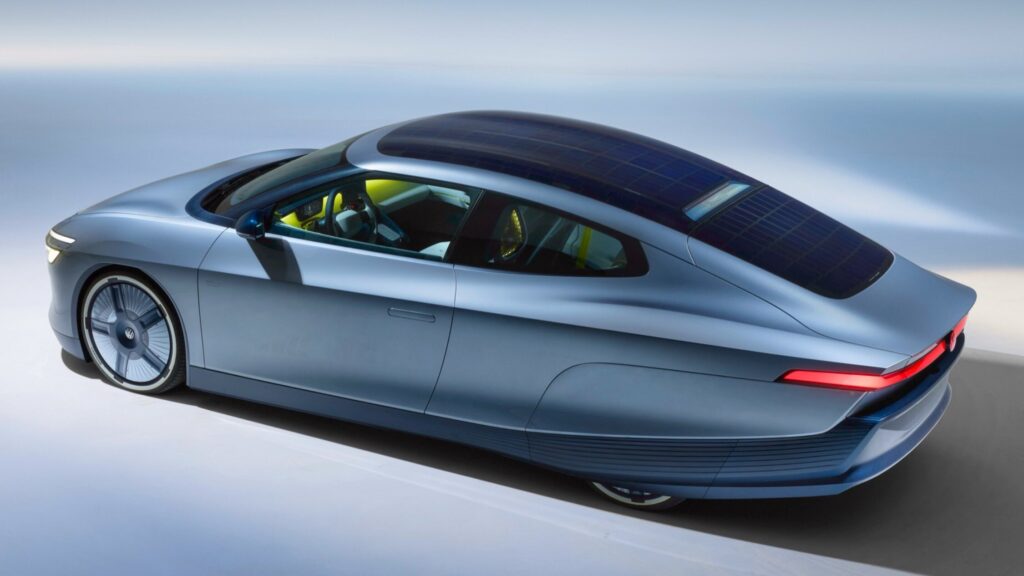
- VW turned its electric ID. Polo into a concept coupe with a slippery 0.158 Cd.
- The 2+2 achieved a proven 400+ mile range from a modest 54.9 kWh battery.
- Carbon bodywork inspired by the 2013 XL1 conceals a 133 hp electric motor.
Speed thrills, but VW thinks efficiency can too. The German brand has just whipped up a new hyper-frugal EV concept that channels the style and spirit of its bonkers XL1 from 2013. And the range figures are kind of wild.
Called the Mission Efficiency, the teardrop-shaped 2+2 coupe has a fairly conventional front end, but the extended bodywork tapers at the rear over an incredibly narrow track. That slippery shape and runway model-skinny 155-section tires help deliver a 0.158 Cd drag coefficient. For a bit of context, the Lucid Air, the most aerodynamically efficient production car on sale, has a 0.197 Cd.
Related: 5 Surprising Similarities Between Tesla’s Cybercab And VW’s XL1
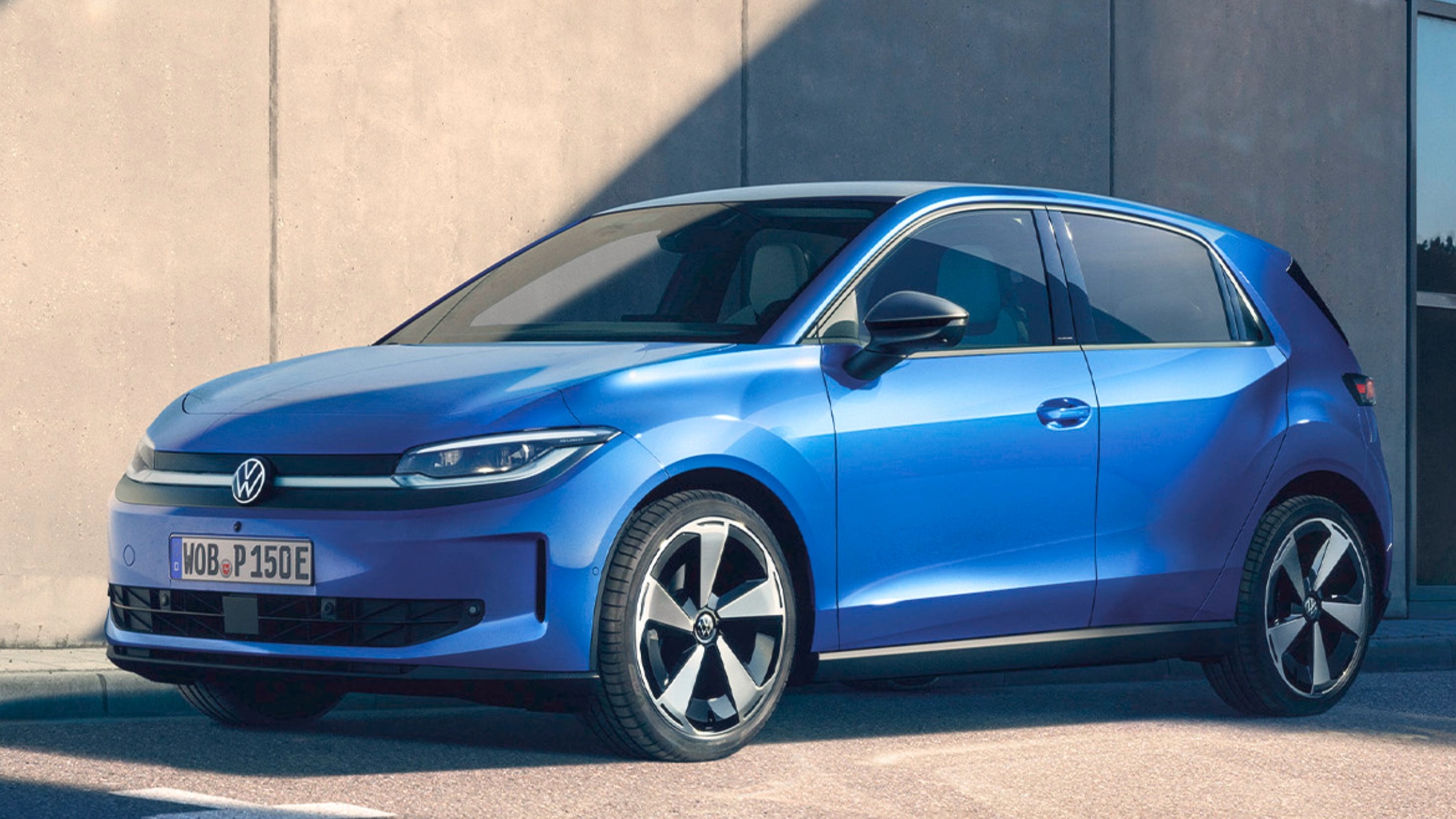
Under the skin, the Mission Efficiency is effectively the new ID. Polo, an electric hatch that rides on VW’s MEB+ EV platform. A single 133 hp (135 PS / 99 kW) motor drives the front wheels for a 9-second zero-to-62 mph (100 km/h) time. And there’s a 54 kWh (usable) battery under the floor, which is essentially the production Polo’s 52 kWh pack but with the lifespan-enhancing safety buffer removed to squeeze out another 2.9 kWh.
But while a 138 mm (5.4 inches) taller and 722 mm (28.4 inches) shorter Polo equipped with the 52 kWh battery achieves around 5.4 miles per kWh, the concept recorded 6.48 mpkWh. On a real-world 794-mile (1,278 km) trip from VW’s Wolfsburg base to Vienna, Austria, it eked out the equivalent of 412 miles (663 km) from a single charge. Engineers also added a 370 W photovoltaic panel to the glass, which it reckons could be worth 18.6 miles (30 km) of range per day in good weather.
Who Needs Brake Fluid, Anyway?
Other efficiency-boosting tricks employed to achieve that feat include using electro-mechanical rear brakes to save weight by junking the hydraulic lines and fluid. The Polo platform is topped with an aluminium structure, and the doors, trunk and hood are made from CFRP composite. And inside, there’s no infotainment screen or even speakers, the idea being that your smartphone and a portable Bluetooth speaker will do the same job.
Will VW put the Mission Efficiency on sale? It certainly won’t be mass-produced, but ideas like the fluid-free rear brakes could possibly make it to a future production EV. And let’s not forget that VW did sell 250 examples of the original XL1.
Conceived by the VW Group’s late Ferdinand Piech as a kind of economy yin to his Bugatti Veyron’s power-crazed yang, the XL1 was built like a hypercar and featured a carbon body, carbon brakes and gullwing doors. But instead of a quad-turbo V12 it got an 800 cc two-cylinder diesel hybrid powertrain making just 68 hp (69 PS). Zero to 62 mph took 12.7 seconds.
Weirdly though, it was fantastic fun to drive. I had a go back in 2019 (pics below) and was blown away by the feel from the unassisted steering, and the kind of chassis balance you’d expect from a supercar. The ID. Polo hardware means the Mission Efficiency won’t be anything like as tactile. But its mission is even more relevant.