
Normal view

There are new articles available, click to refresh the page.
Today — 4 February 2026Main stream

Tesla’s Sales Collapsed By Nearly 90% In The Land Of EVs

  • VW ID.3, Toyota bZ4X, and Urban Cruiser beat Model Y.
  • EVs made up 94 percent of all new car sales in Norway.
  • Tesla sales increased in Italy, Spain, Sweden, and Denmark.

It’s no secret that Tesla’s dominance in Europe has been under pressure for a while, but few expected just how steep the drop would be in one of its most loyal markets. While Elon Musk’s polarizing behavior and the rise of competitive alternatives have chipped away at Tesla’s popularity across the continent, one country had stood firm. Until now.

Read: Europe Just Replaced Tesla With A New EV Sales Champion

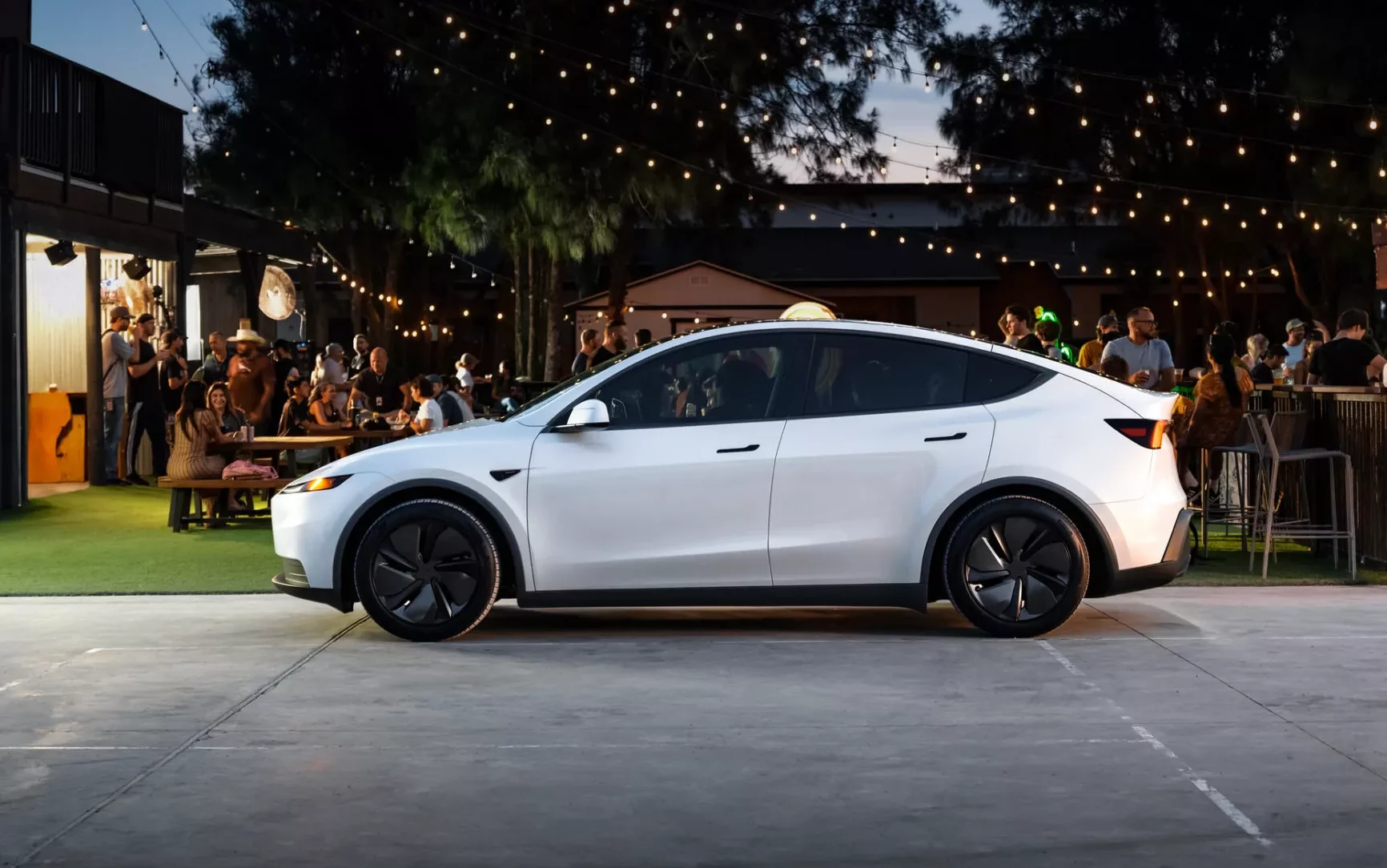
It turns out that even Norway, long considered Tesla’s European stronghold, may be losing interest. New registration data from January 2026 shows that only 62 units of the Tesla Model Y were delivered in Norway last month, accounting for just 2.8 percent of new car sales.

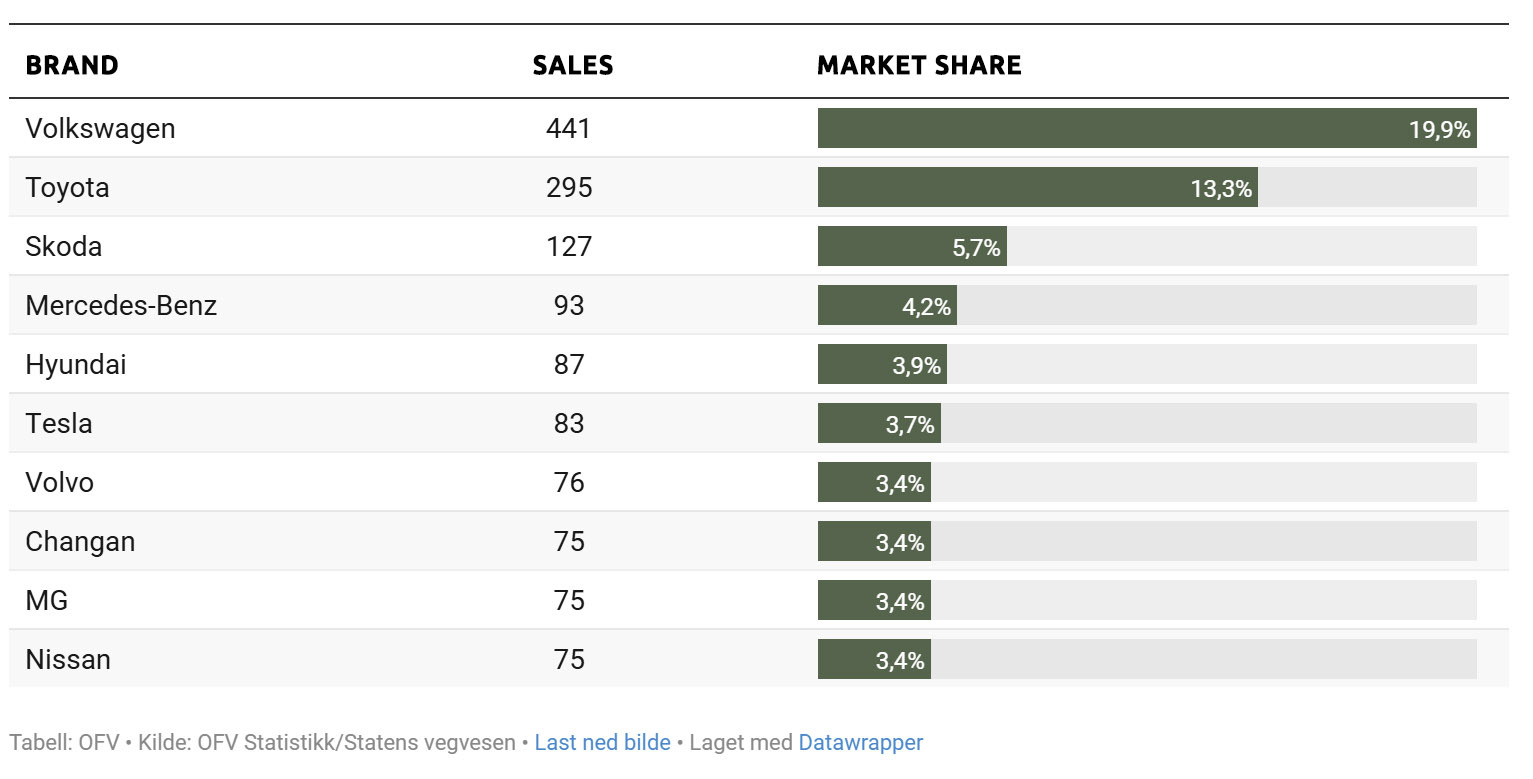
Across its full range, Tesla sold just 83 vehicles in total, marking an 88 percent decline compared to the same period last year.

Changing of the Guard

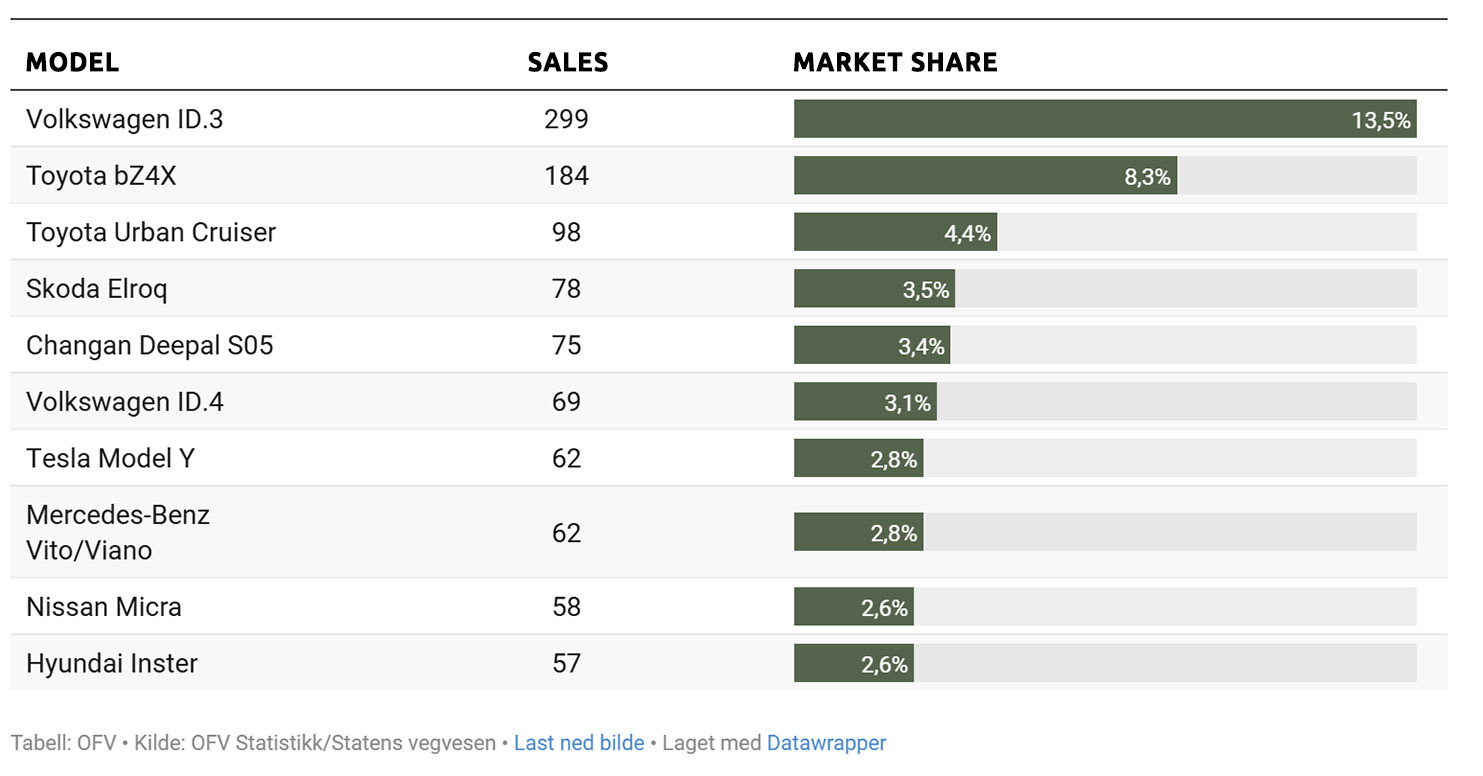
Several other electric vehicles now comfortably outpace the Model Y in Norwegian sales. Leading the pack in January was the Volkswagen ID.3, with 299 units registered, nearly five times as many as the Tesla.

Norway January 2026 Sales by Model
 Tesla’s Sales Collapsed By Nearly 90% In The Land Of EVs

The Toyota bZ4X followed with 184, ahead of the Toyota Urban Cruiser at 98 and the Skoda Elroq at 78. Even the relatively obscure Deepal S05 managed to beat the Model Y with 75 new registrations, while the Volkswagen ID.4 came in just above Tesla’s numbers with 69.

EVs Still Reign Supreme

Despite Tesla’s stumble, the Norwegian EV market remains overwhelmingly electric. A staggering 94 percent of all new vehicles sold in Norway last month were EVs. Diesel cars accounted for just 98 sales, while only 7 petrol-powered vehicles were registered across the entire country, the lowest number on record.
 Tesla’s Sales Collapsed By Nearly 90% In The Land Of EVs

While Tesla endured a difficult month in Norway, it did actually experience a bump in sales in certain European markets. For example, sales rose 70 percent in Spain to 456 examples. Additionally, sales jumped 75 percent in Italy to 713 units, rose 26 percent in Sweden to 512, and increased 3 percent in Denmark to 458.

Likely contributing to this growth are the newly available, affordable, and stripped-out versions of the Model 3 and Model Y. These Standard variants were introduced to breathe new life into Tesla’s aging lineup, which has been increasingly criticized for lagging behind newer, more dynamic competitors.

Still, Tesla’s European picture remains mixed. A Reuters report highlights significant losses in key markets: sales in France fell 42 percent, Belgium dropped 31 percent, and the Netherlands saw a dramatic 67 percent decline. In Portugal, the dip was modest but noticeable at just over 3 percent.

New Threats on the Horizon

It will be interesting to see how the rest of 2026 plays out for Tesla in Europe. A growing number of Chinese brands are launching several new models in Europe, and in the second quarter, BYD will start mass production at its plant in Szeged, Hungary, allowing it to sell EVs tariff-free in the region.

Norway January 2026 Sales by Brand
 Tesla’s Sales Collapsed By Nearly 90% In The Land Of EVs
Before yesterdayMain stream

Tesla Just Did Something No Automaker Has Ever Pulled Off In Norway

  • Tesla shatters Norway’s all-time yearly sales record, with a month still left.
  • Model Y leads a 34.6% YTD surge as buyers sprint to beat a new tax hike.
  • Tesla’s global sales are expected to drop 7 percent by the end of this year.

Tesla may be battling slumping sales across the US, Europe, and China this year, but there’s one corner of the world where Elon Musk can still hang the “Mission Accomplished” banner without irony.

Also: BYD Sold Nearly Three Times As Many Cars As Tesla In Europe

In Norway, the EV-obsessed Nordic nation, Tesla has secured its most impressive bragging right of 2025 with a near 35 percent sales lift year-to-date.

Tesla Broke a Long-Standing Record

The US electric vehicle brand is pulling in buyers so hard that it has sold more cars in the first 11 months of this year than any automaker has ever managed in an entire 12-month period in Norwegian history.

According to fresh registration data from OFV, the country’s official vehicle registry, Tesla moved 28,606 cars from January through November, blowing past Volkswagen’s long-standing record of 26,575 set back in 2016.

November alone saw a stunning 6,215 new Teslas hit the road, nearly triple last year’s tally, as Norwegians rushed to dealerships ahead of a scheduled EV tax hike landing on January 1.

Norway at one time exempted all EVs from tax in an effort to boost take-up, and even after a circa-$50k cap was introduced, most low- and mid-ranking Model 3s and Ys were below the threshold and still avoided the duty. But that limit is set to be lowered again next year and will scoop up Tesla’s most popular EVs.

The most popular of those in Norway right now is the Model Y, which remains the country’s favorite crossover even after a brief sales dip early in the year. Once the long-awaited refresh arrived in Q2, the Y rebounded strongly.

Norway’s Relentless EV March

 Tesla Just Did Something No Automaker Has Ever Pulled Off In Norway
Tesla

But even drivers who are turned off by CEO Elon Musk and the Tesla brand are still loving electric power. An incredible 98.3 percent of all new cars sold last month were fully electric, Reuters reports, keeping Norway on track for its goal of ending new combustion-engine sales entirely in 2025.

VW grew its sales by almost 50 percent YTD and Kia by an incredible 153 percent, but neither gets close to Tesla’s market share.

And yet, Norway’s Tesla boom stands in stark contrast to the company’s global reputation for 2025. Worldwide deliveries are expected to fall 7 percent, consultancy Visible Alpha says, and US sales dropped 24 percent in October, having enjoyed a brief 18 percent rise in September as buyers tried to get into an EV before the federal tax credit program ended.

Norway EV Sales 2025
BrandNOV-25YTD-25Diff. YTD
1 Tesla6,21528,60634.6%
2 Volkswagen2,19818,69049.8%
3 Volvo1,86711,41118.1%
4 BMW1,1048,60442.7%
5 Toyota3098,171-34.6%
6 Skoda9587,28223.0%
7 Audi6285,63613.6%
8 Ford8465,57573.4%
9 Mercedes-Benz5885,17659.9%
10 Hyundai6625,027-5.6%
11 Nissan3824,412-13.5%
12 MG4874,278-3.8%
13 BYD1724,19676.1%
14 XPeng5293,36795.5%
15 Kia5513,262153.1%
16 Polestar3513,22370.4%
17 Peugeot2622,35528.3%
18 Lexus1271,66221.2%
19 Porsche1721,43333.7%
20 Mazda3181,404-10.3%
SWIPE

OFV

Norway’s Public Buses Have A Chinese Backdoor No One Knew About

  • Ruter’s tests showed electric buses could be shut down from China.
  • Norway’s transport ministry began reviewing cybersecurity standards.
  • Around 850 Yutong buses operate in Norway, with 300 based in Oslo.

As vehicles grow ever more connected, a new kind of security concern is taking shape. In Norway, public buses built by a Chinese manufacturer have become a focal point of that debate. Even thousands of miles from their country of origin, the company behind them reportedly has the capability to shut them down remotely.

More: Chinese-Made Car Slammed After Shocking Crash Test Failure, Gets Four Stars Anyway

The discovery comes out of Ruter, the nation’s largest public transport operator. It uncovered the potential security risk during a secret test inside of its own sealed facility.

Cyber Check or Cause for Alarm?

During that investigation, it tested a Dutch-built bus along with a Chinese one. Those from Yutong, a Chinese manufacturer, had Romanian SIM cards hidden inside the system.

According to Yutong, those SIM cards enable remote software updates and technical troubleshooting. While that may be true, the connection also gives Yutong the theoretical power to stop the buses or render them inoperable via a software update.

At this stage, Ruter has emphasized that it has found no evidence of malicious activity.

The tests were part of a broader cybersecurity audit designed to assess vulnerabilities in electric vehicles. Ruter CEO Bernt Reitan Jenssen emphasized that the agency is now “moving from concern to concrete knowledge,” implementing new safeguards and tightening procurement standards to ensure full local control.

 Norway’s Public Buses Have A Chinese Backdoor No One Knew About

Who Holds the Keys?

These measures include creating internal firewalls, isolating the buses from external cloud systems, and working with national authorities to strengthen cybersecurity protocols across the transport sector.

Norway’s Minister of Transport Jon-Ivar Nygård praised the initiative to NRK, stating the government is reviewing risk exposure from suppliers in nations outside Norway’s security alliances. “Together with players like Ruter, we will ensure that this sector is less exposed to risk,” he said.

The issue comes at a time when Norway is rapidly expanding its fleet of Chinese-built buses. Of the roughly 1,300 electric buses now in service nationwide, around 850 are made by Yutong. In Oslo and Akershus alone, about 300 operate daily.

While Ruter stresses that the likelihood of a shutdown is low, the test highlights a larger debate about foreign control over critical infrastructure. “It’s unlikely that these buses would ever be used in this way,” Jenssen said, “but that doesn’t mean we shouldn’t take it very seriously.”

For the moment, Ruter is ensuring that each bus can continue to function independently by removing the SIM cards, effectively keeping operations local and offline.

Photos Ruter

❌
❌