Login
LoginUsed EVs Look Like A Steal, Until You Pay Repairs And Insurance Premiums
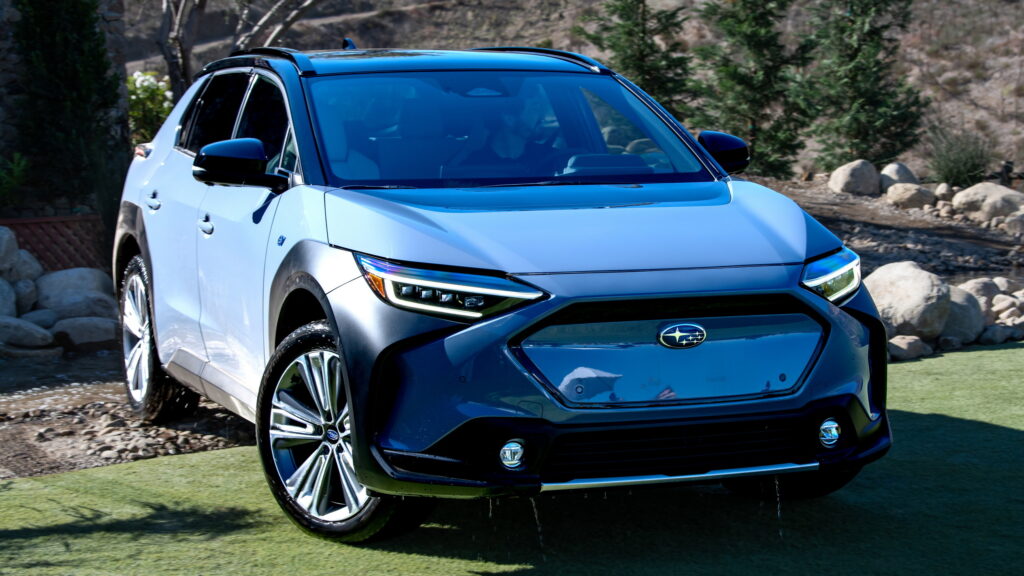
- Data suggests that the average used EV costs just ~$1,000 more than a used ICE car.
- Analysts warn that there are some hidden costs of running an EV that need to be considered.
- Components, accident repairs, and insurance cost more on average for EVs than for ICE vehicles.
In the past, used EVs may have been considered a bit of a gamble, especially if they were packing a few years under their belt. But things are changing. A report from Cox Automotive says that used EV sales in March were up 27.7% compared with the previous year.
Even more telling was that the March figures were a whopping 53.9% higher than February’s. There are several reasons driving the change, but according to CNBC, experts warn that while cheap EVs may look attractive, there are a few hidden considerations buyers should still be wary of.
An Influx Of Used EVs
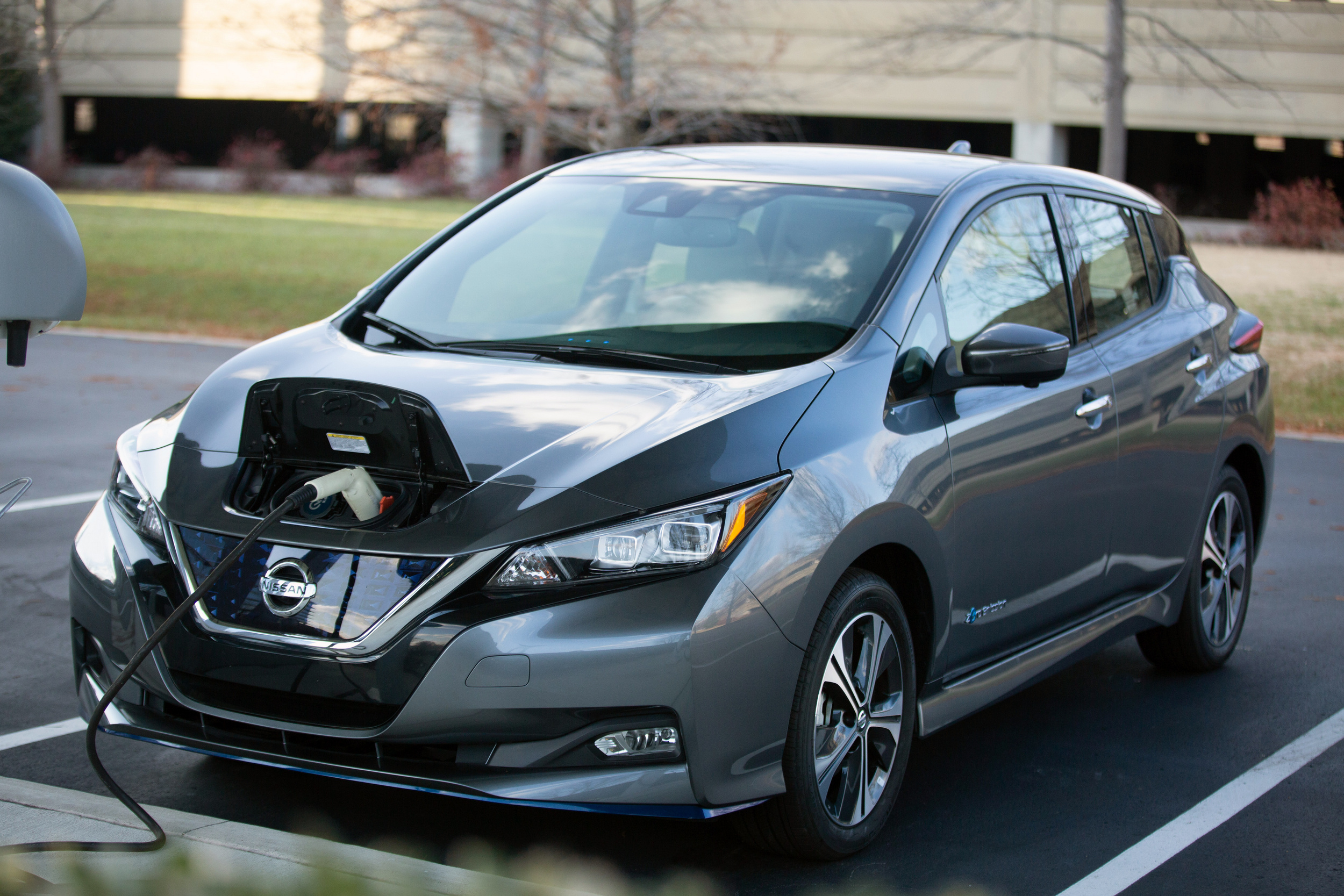
One reason is the simple fact that as more people buy new EVs, more used EVs end up at dealer lots as their leases end. According to Joseph Yoon, a Consumer Insights Analyst at Edmunds, “Where we had the highest concentration of leasing happen was between the tail end of 2022 and all the way through 2023, and since most leases are three years long, all those cars… are coming back to dealer lots in droves.”
Read: America’s Used EV Market Is Heating Up For One Simple Reason
This means that much of the depreciation has already occurred, translating into some attractive deals for those looking at the used market. In fact, 44% of those EVs sold in March of this year were priced below the $25,000 mark.
More Choices & Price Parity
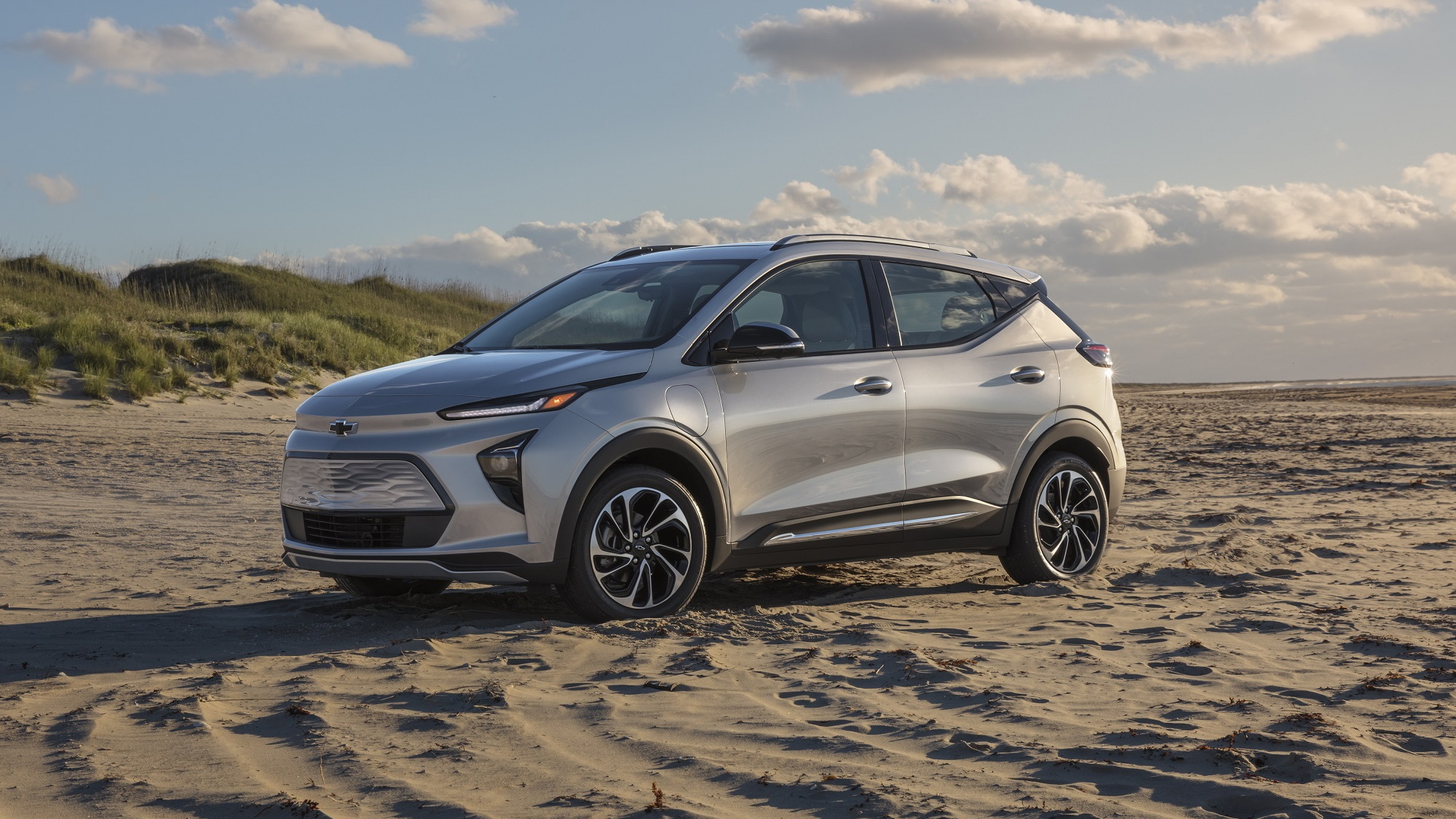
Whereas previously electric vehicles were offered by only a handful of manufacturers, nowadays there’s a veritable smorgasbord of options coming into the used market. And with more options comes lower prices as well. The average price of a used EV in March was $34,653, according to Cox Automotive. Contrast that with the average price of a used gas car being $33,641, and price parity isn’t far off.
With used EVs no longer bearing price premiums over their gas-powered equivalents, they are now more accessible to buyers who have long aspired to jump on the EV bandwagon but were unable to in the past. But it’s not just lower purchase prices that are seen as appealing. Promises of cheap running costs are just as enticing.
Costs To Consider
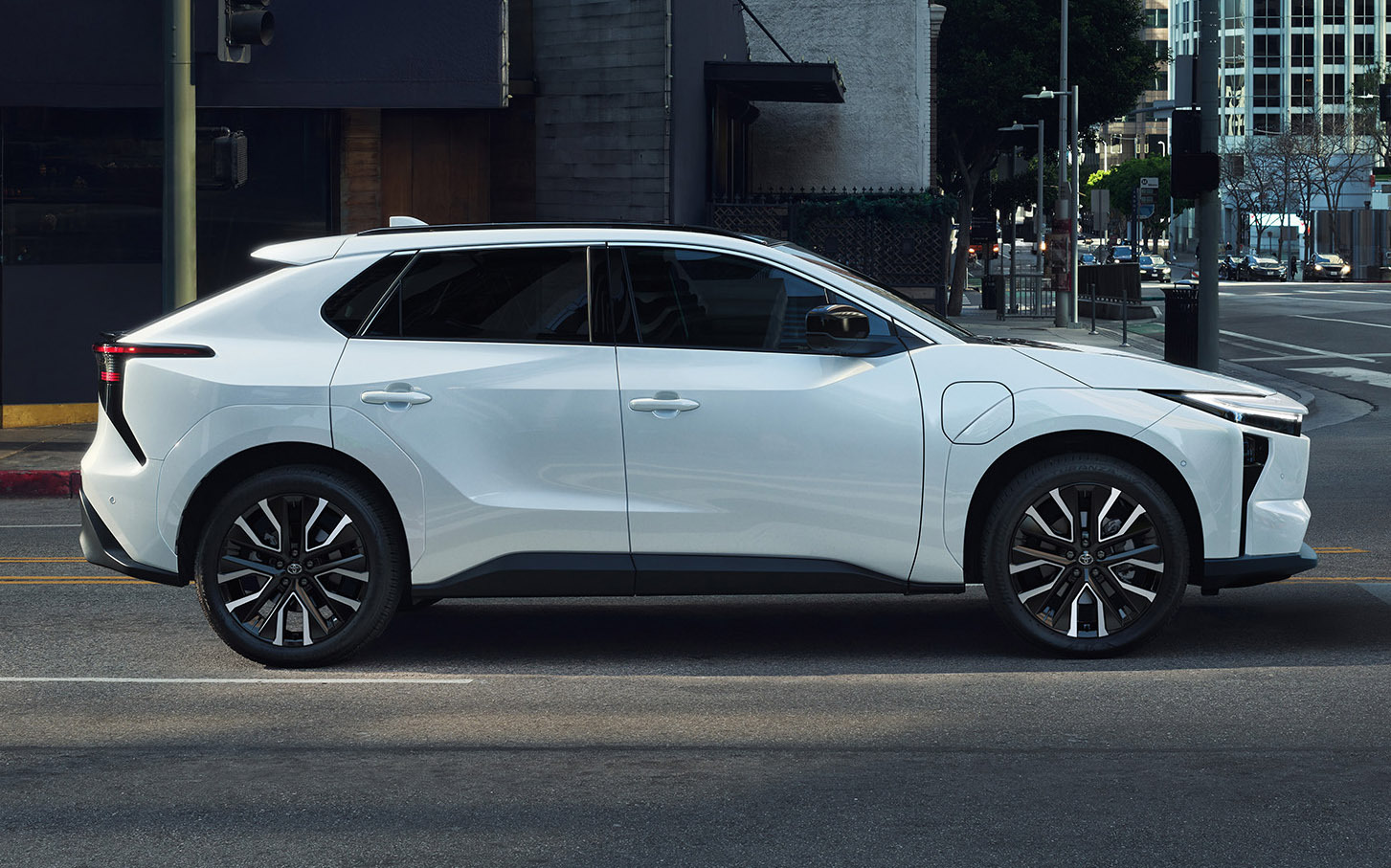
Charging an EV, especially if you use a home charger, can be pretty cheap, according to a Kelley Blue Book report. Taking into account a 1,015-mile monthly average, home-charging an EV worked out to an average of $59.66. But not everyone has the ability to install one of those. If you’re forced to use public fast charging exclusively, then things are a little different. That cost rises to $169, which is higher (albeit not by much) than the $147.24 gas bill that an average gas-powered vehicle with a 30mpg fuel efficiency figure would cost you.
See Also: The Average New Car Costs $50K, So Americans Are Emptying Used Car Lots
Another of the biggest benefits that EV makers regularly promote is their relative lack of maintenance. It’s true that you don’t need to spend money on engine oil changes and filters because an EV doesn’t have a gasoline engine. Also, since EVs use regenerative braking to recover energy under deceleration, their brake pads also benefit from longer lifespans. However, there is one consumable component that EVs go through faster than gas cars, and that’s tires. According to Consumer Reports, this is primarily due to the higher curb weight of EVs contributing to accelerated tread wear.
Components’ Costs

EVs also have some pretty expensive components that can run you a pretty sum if they go wrong outside of warranty. Chief among these is the traction battery, where replacement costs can range from $5,000 to $15,000. That’s why the advice from experts is to seek out a used EV that still has warranty coverage remaining. Generally, EV batteries come with an eight- or ten-year warranty, and in most cases these are transferable to a subsequent owner.
Collision repairs are another area where EVs tend to cost more. In 2025, fully battery-powered cars cost an average of $6,395 to repair after a collision, compared with $5,105 for gas-powered vehicles, according to Mitchell International, which specializes in claims and collision technology.
Insurance is similarly pricier. The average annual cost of insuring an EV runs to $4,058, versus $2,732 for a comparable gas car, according to a 2025 report from insurance website Insurify. That said, the actual figure varies considerably by model, insurer, and location, and a used EV will generally cost less to insure than a new one.