Reading view

There are new articles available, click to refresh the page.

Volvo Pulls 40,000 EVs Back For Costly Battery Replacement
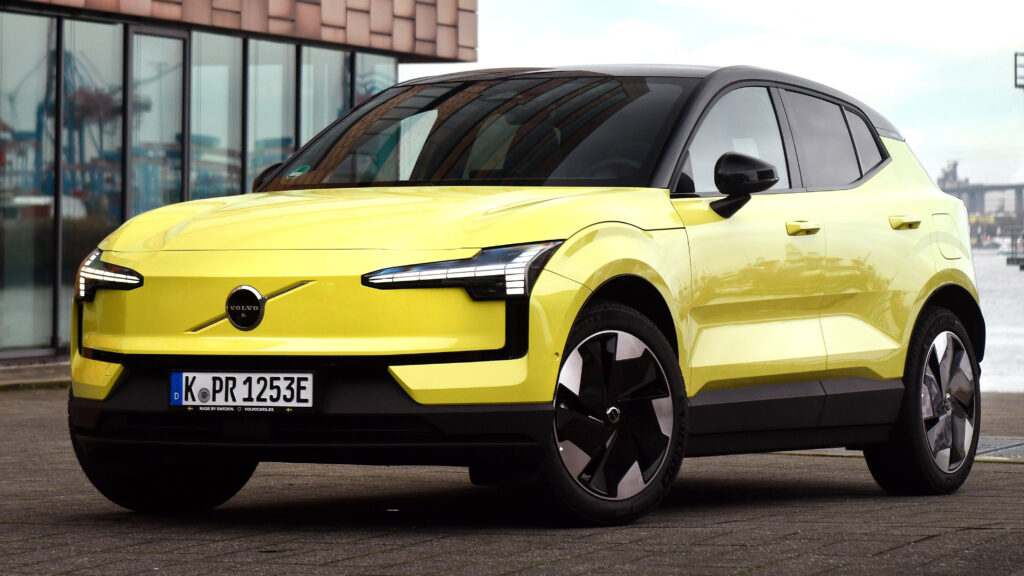
  • Volvo is recalling over 40,000 EX30 EVs due to a fire risk.
  • The crossovers need to have their battery packs replaced.
  • Owners should limit charging to 70% in the meantime.

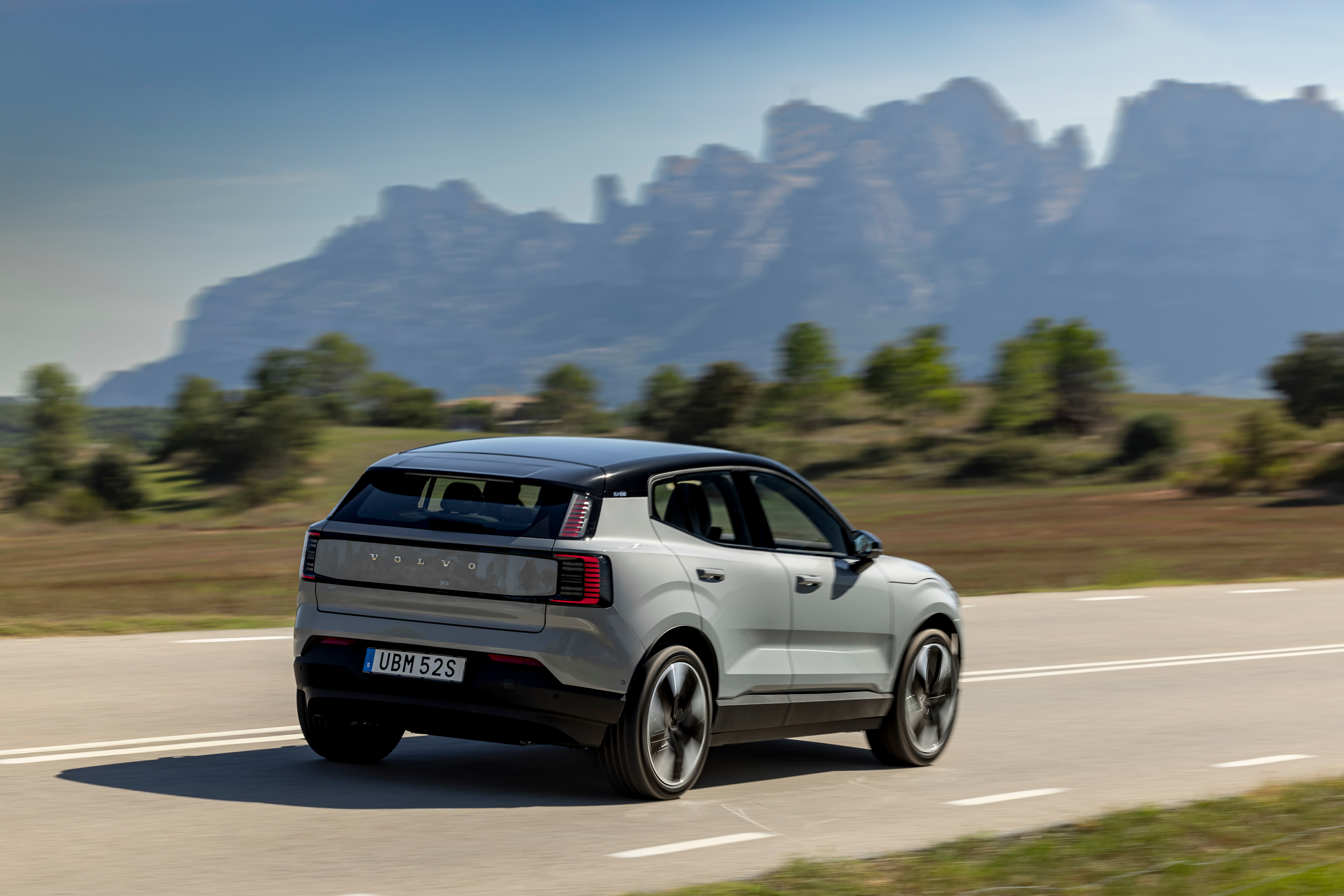
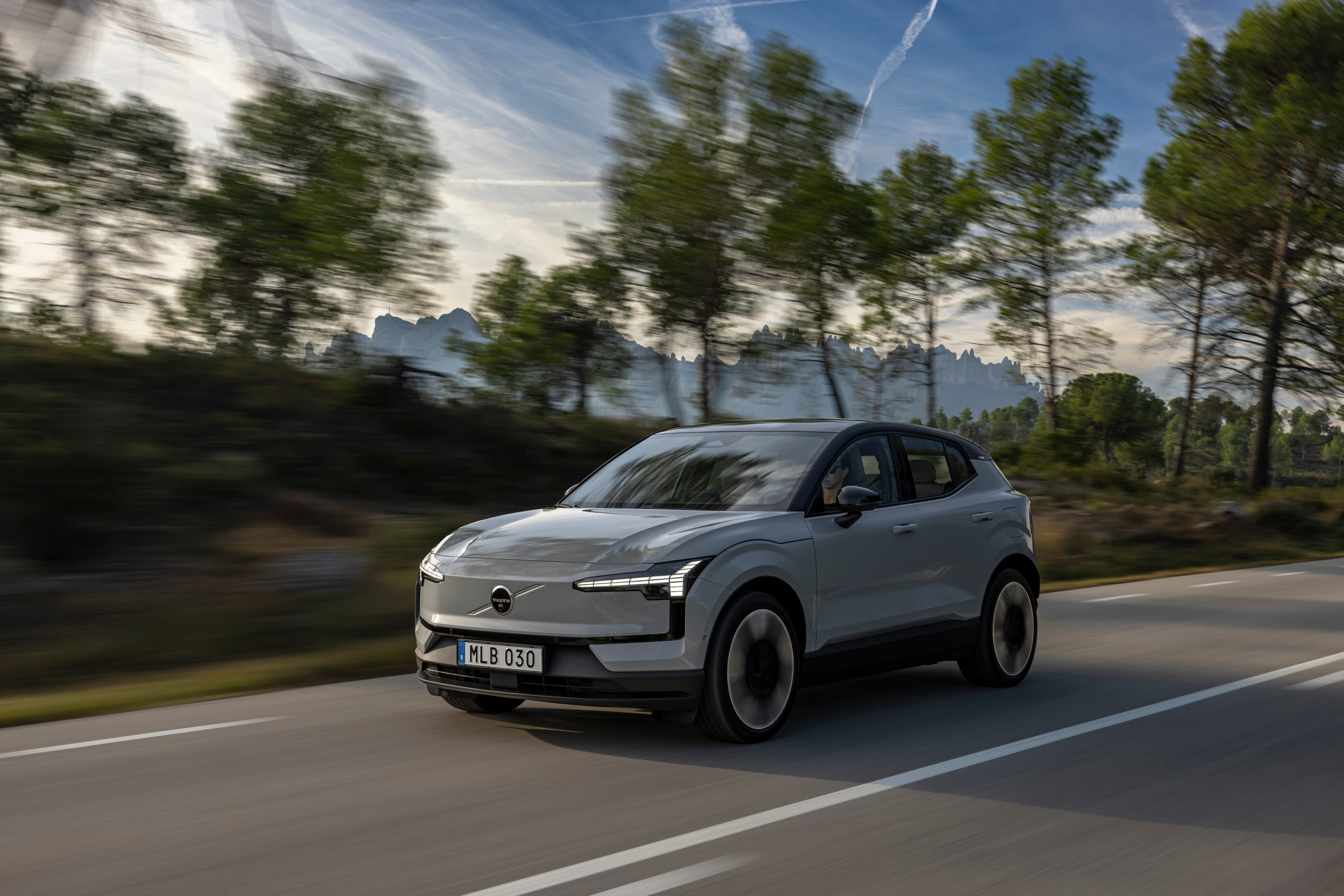
Another day, another EV recall, and this time it is Volvo’s smallest electric offering in the firing line. The EX30, positioned as the brand’s entry-level EV, is being recalled over a potential fire risk.

While the recall hasn’t been posted by the National Highway Traffic Safety Administration yet, Reuters reports it involves 40,323 vehicles worldwide, including an unspecified number sold in the United States, and will require “replacing modules in the high-voltage battery packs.”

More: Volvo Warns 40 EV Owners To Park Outside Now

Specifics are few and far between, but the recall is said to impact the EX30 Single-Motor Extended Range and Twin-Motor Performance. A spokesperson told the publication the company is reaching out to customers to “advise them of next steps.”

Little is known about the issue at this point, but the problematic batteries were reportedly made by Shandong Geely Sunwoda Power Battery Co. Volvo said the mysterious issue has been addressed and the Geely joint venture will supply them with new battery cells.
 Volvo Pulls 40,000 EVs Back For Costly Battery Replacement

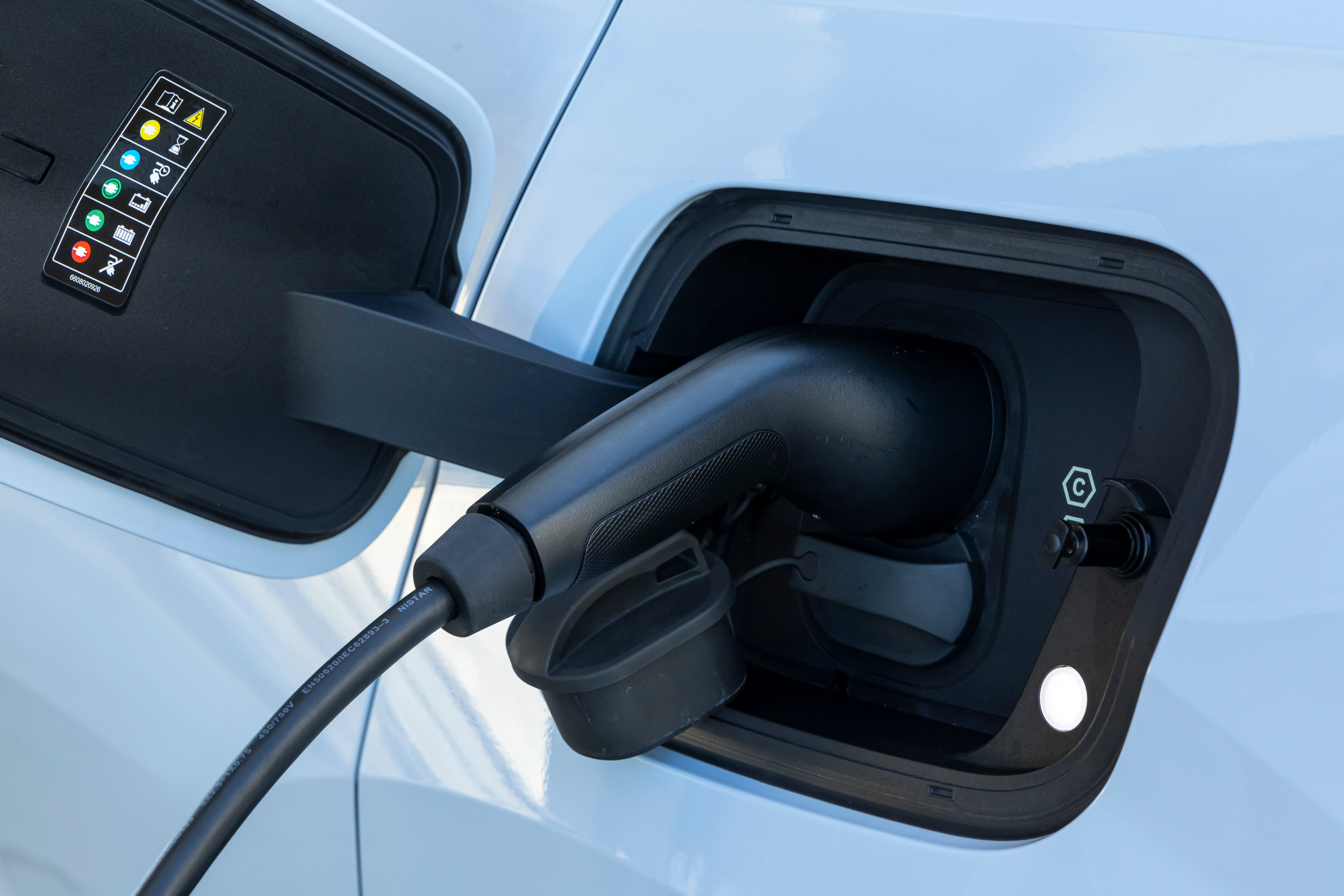
It’s unclear what the problem was, but it appears to be related to a high-state of charge. As a result, Volvo is telling customers to limit the battery to a 70 percent charge. This reportedly eliminates the risk of a fire, but parking outside – away from buildings and other vehicles – is probably a good idea.

Volvo’s relative silence isn’t very reassuring, but the company previously recalled 40 EX30s over a fire risk in January. That recall involved 2025 models, which had a high-voltage battery that could short circuit and overheat. This was blamed on a “process deviation,” which could “result in the formation of lithium plating growth.” If this occurs, there could be an internal cell short.
 Volvo Pulls 40,000 EVs Back For Costly Battery Replacement

At the time that recall was announced, Volvo didn’t have a fix for the issue. However, it told owners to limit charging to 70% and to park outside, away from structures.

It remains unclear if the two recalls are related, but they’re shaping up to be a huge mess for a company that has heavily invested in EVs. In fact, Reuters estimates the latest recall alone could cost around $195 million.
 Volvo Pulls 40,000 EVs Back For Costly Battery Replacement

There’s Still Hope For Volvo Wagons After All

  • Volvo’s SPA3 platform debuts with the new EX60 electric SUV.
  • Battery cells can now be mounted outside the wheelbase zone.
  • Platform lets Volvo build sleeker EVs without crossover height.

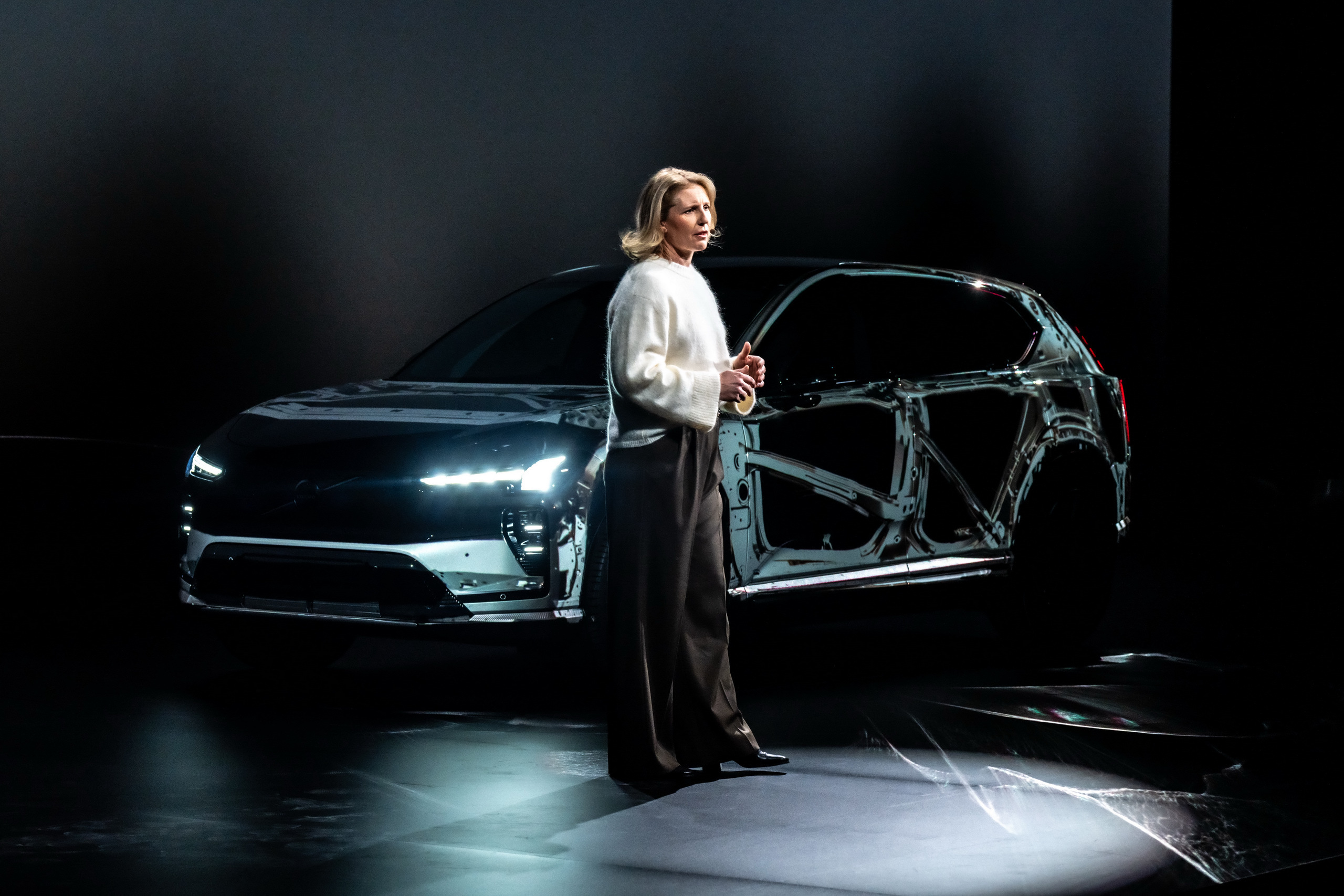
Like so many other car manufacturers, Volvo’s line-up is becoming increasingly dominated by crossovers and high-riding SUVs, but there’s hope for those who like sedans and estates. According to the Swedish carmaker, the new SPA3 platform for the EX60 offers the flexibility to support low-slung vehicles.

The new underpinnings, which debut in the EX60, have been created in such a way that battery capacity doesn’t determine the height of the vehicle. This is an important distinguishing point between it and the EX90 and ES90’s SPA2 platform, which is an adapted version of the combustion platform.

Read: Volvo Just Gave Its Three-Row EV A Huge Upgrade

In an interview with Autocar, Volvo’s chief technology officer Anders Bell explained that SPA3 enables future EVs to stay closer in width and height to their combustion counterparts. Without having to stretch dimensions just to fit large battery packs, the platform avoids compromising interior space.

 There’s Still Hope For Volvo Wagons After All

Bell added that over 7 kWh of battery capacity can be shifted ahead of the front wheels, opening up more possibilities for weight distribution and design flexibility.

That flexibility comes from a clean-sheet rethink of the platform’s fundamentals. “We can make [cars] high. We can make them low,” said Bell. “It’s all in scalability, and this is unlocked by removing the combustion engine, the exhaust, fuel tanks and everything from the equation, and finding new ways to build up the bone structure and the scalability of the platform.”

Whereas adapted combustion platforms force battery packs to sit entirely between the axles, SPA3 gives designers more room to work with. Cells can now be placed ahead of the scuttle, using more of the floorpan without compromising crash safety or vehicle dynamics.

New Designs Are Now Possible

 There’s Still Hope For Volvo Wagons After All
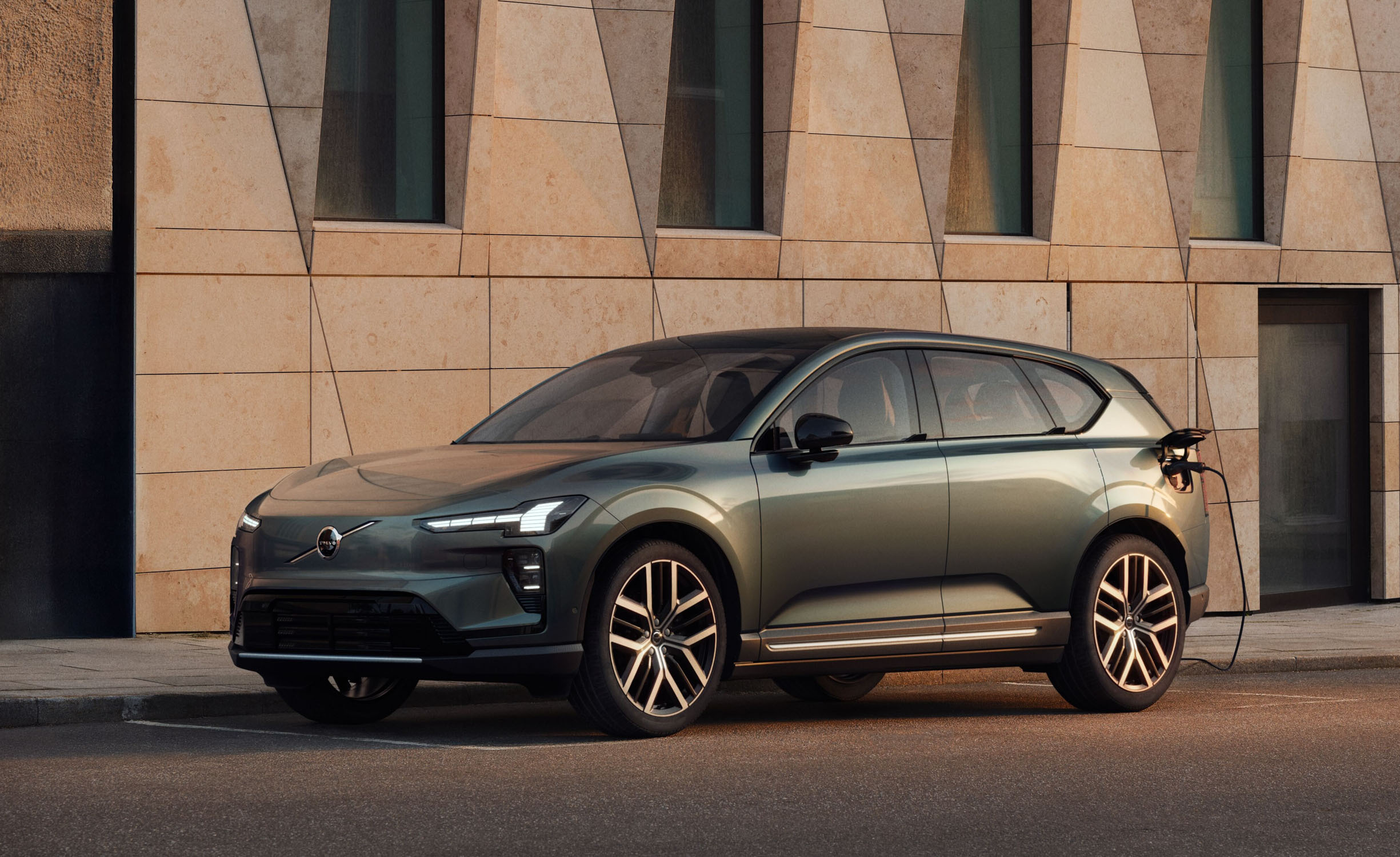
Volvo EX60

This means that “in a lower car, you can depopulate cells in the rear footwell, because this is actually what sets the lowest height of a car: the rear-seat passenger.” He noted that many current EVs based on ICE platforms look like baby SUVs because the cars must be raised to accommodate a flat battery pack between the wheels.

By pushing modules ahead of the windscreen, Volvo also creates space for what Bell calls “foot garages.” Similar to those found in the Porsche Taycan and Audi E-tron GT, these recessed floor sections allow for lower seating positions. The result is an EV interior that feels more like a traditional car, with lower rooflines and more natural driving ergonomics.

According to Bell, the new architecture gives Volvo the option to build just about anything it wants. “We can do low. We can do sleek. We can do high. We can do MPVs… It’s all in the cookbook. What we choose to do, however, is a different story.”

A New S60, or V60?

 There’s Still Hope For Volvo Wagons After All
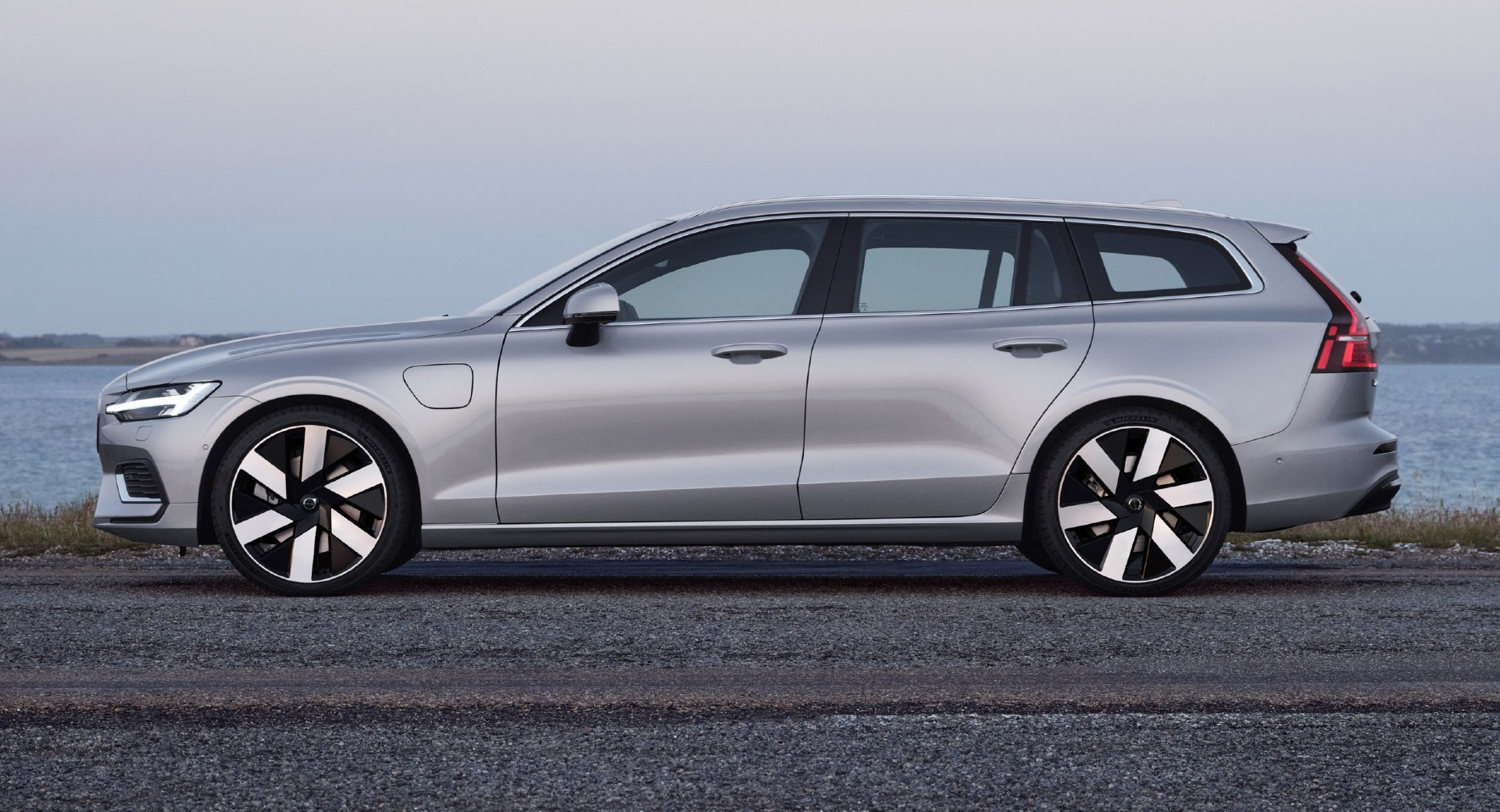
Volvo V60

While Volvo wouldn’t reveal what kind of low-slung cars it might have in the works, Bell reiterated it can now go “very low, like proper low,” adding “you can achieve this fantastic bandwidth so we can make super-sleek cars, like there’s no battery pack that affects the height of the roof.”

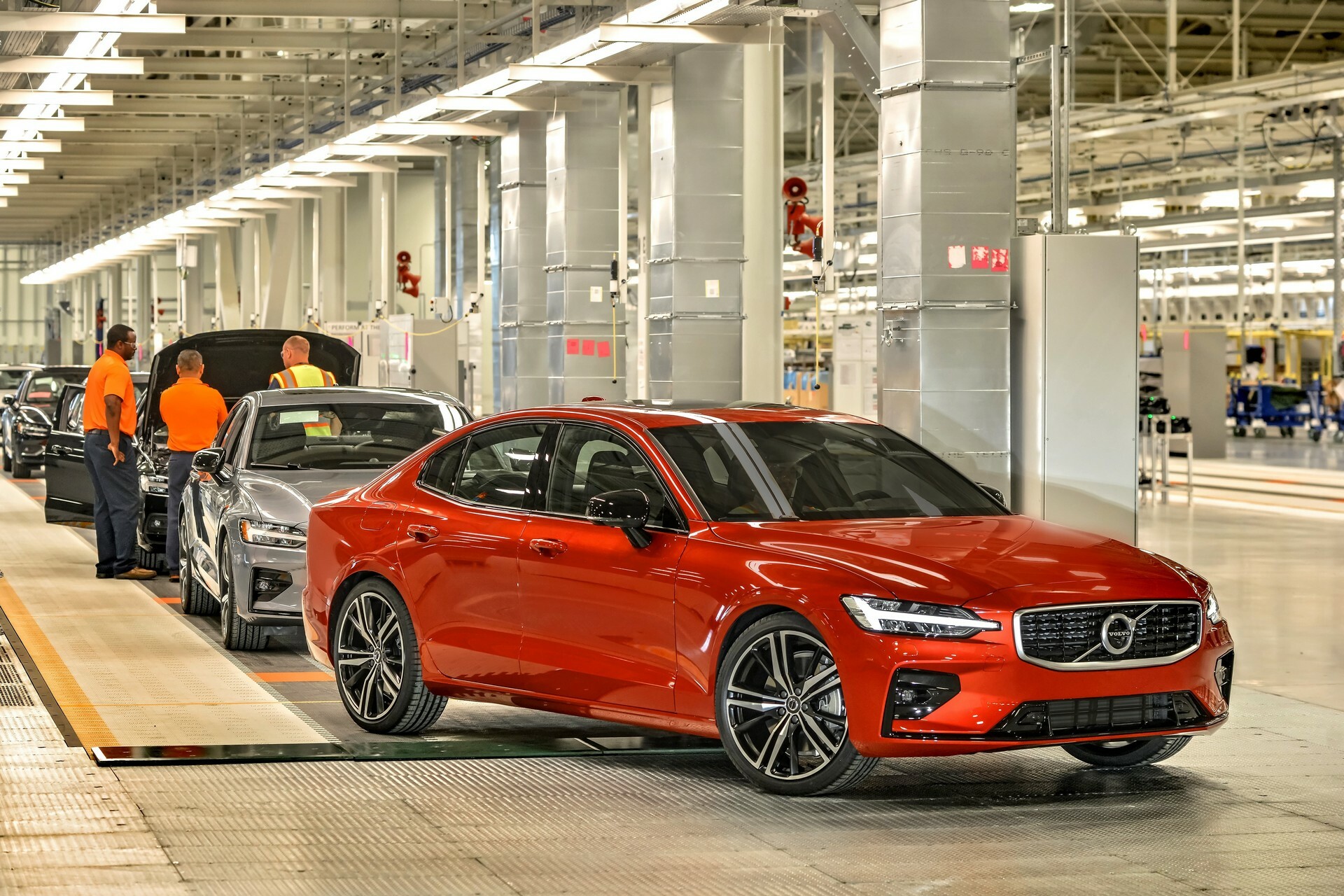
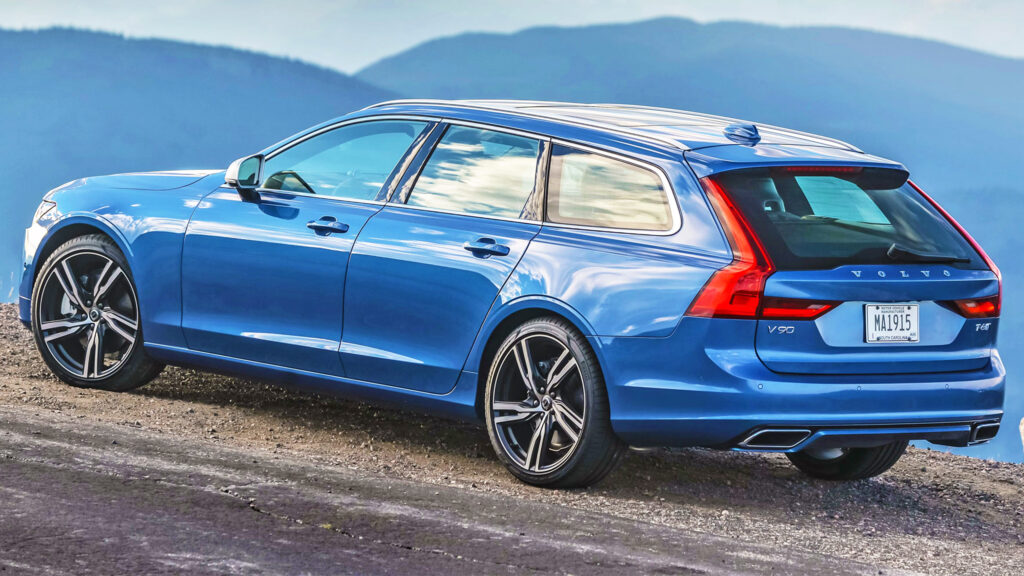
In theory, this could mean electric versions of sedans like the S60 or S90 could be possible, as well as estates like a new V60 and V90. Such models could look a whole lot more appealing than the ES90, which is Volvo’s current closest car to an electric sedan, but actually sits as high as a crossover because of the ICE-derived underpinnings.

 There’s Still Hope For Volvo Wagons After All
Volvo S60

Volvo’s New 400-Mile SUV Has One Feature Tesla Owners Will Be Jealous Of

  • Volvo’s EX60 delivers 400 miles of range and 400 kW charging.
  • First Volvo EV with native Tesla Supercharger access in US.
  • Rugged EX60 Cross Country adds lift, air suspension, and flair.

Volvo calls the new EX60 a game-changer and for once, that might not be completely marketing hyperbole. This new SUV is the brand’s most important EV yet and it rolls into the segment with some impressive numbers on paper.

More: The New EX60 Is The First Volvo To Talk Back At You

It offers 400 miles of EPA-estimated range, 400 kW fast-charging capability, and native access to Tesla’s Supercharger network. It’s also arriving with a special soft-roader variant.

Volvo Enters Long-Range Territory

The new peak of the EX60 lineup is what the brand calls the P12 AWD Electric. It boasts 400 miles (644 km) of EPA-rated range in North America and a more generous 503 miles (810 km) of estimated range in Europe and other regions around the world, likely due to the differences in testing methods, though Volvo didn’t clarify this in its international release.

That immediately puts it ahead of all other previous Volvo EVs and squarely in the same space as the Tesla Model Y Long Range, if not ahead of it. But wait, there’s more.

\\\\\

Charging at 400 kW enables the EX60 to add up to 173 miles (278 km) of range in just 10 minutes. Keep in mind that you’ll need a charger capable of handling such speed, which is very rare in the U.S. right now. Not even Tesla’s Supercharger network, which this car has native support for, often offers such speeds. Still, the fact that the capability is built in shows where Volvo expects the infrastructure to go.

Powertrain Options

In total, Volvo is offering the EX60 with three powertrains and seven trim levels. The P6 RWD delivers up to 310 miles (499 km) of range, the P10 AWD provides 320 miles (515 km), and then the P12 AWD brings the 400 miles (644 km) we’ve already discussed.

The brand backs its battery technology with a 10-year warranty. That’s a key point, given that this is a completely new and untested platform for Volvo.

\\\\\\\\\\\\\\\\\\\\\\\\\\\

Dubbed the SPA3, the brand pairs this new architecture with a HuginCore computing system. This setup introduces several key technologies, including cell-to-body battery construction, mega casting, and next-generation in-house electric motors.

Volvo says this all equates to less weight, better efficiency, better manufacturer scalability, and importantly… lower cost to the consumer. In the end, it matches the carbon footprint of the smaller EX30. While the brand hasn’t publicly mentioned specific pricing per trim, it has said to expect that a well-equipped EX60 to cost around $60,000.

Design Inside and Out

\\\\\\\\\\\\\\\\

Visually, the EX60 doesn’t reinvent Volvo’s design language so much as it evolves it. The car manages a 0.26 drag coefficient thanks to a low nose, a sloping roofline, and tapered sides. In the cabin, the long wheelbase and flat floor enable extra legroom in the rear along with a large cargo area.

Tech highlights include a 28-speaker Bowers & Wilkins audio system, headrest speakers for all four main seats, and Apple Music with Dolby Atmos built in.

The EX60 Runs Google Gemini AI

 Volvo’s New 400-Mile SUV Has One Feature Tesla Owners Will Be Jealous Of

Let’s not forget the AI assistant that Volvo says will speak like a normal person and accept the same type of speech inputs. The system runs Google’s Gemini AI atop Android Automotive OS so it should be snappy and smooth, but we’ll have to test it to be sure. The new multi-adaptive safety belt is something else to get excited about, as are the other safety innovations in the EX60.

Volvo leveraged a reinforced safety cage using boron steel, a wide array of sensors, and constant environmental monitoring to go beyond what they say are current regulatory standards. In other words, Tesla might not be the only manufacturer with safety scores that go beyond NHTSA or IIHS ratings in the near future.

A Cross Country Version on the Way

\\\\\\\\\\\\\\\\\\\\\\\\\

Volvo also confirmed that an EX60 Cross Country model will be heading to the U.S., though it’ll debut in Europe first. This version gets 20mm (0.8 inches) of extra ride height as standard, with another 20mm (0.8 inches) available via an adjustable suspension system. Forty millimeters (1.6 inches) might not sound like much, but the Cross Country packs more than just lift.

There are underbody skid plates, wider arches, unique wheels, and exclusive Frost Green paintwork. It also comes standard with all-wheel drive and will be offered only with the P10 and P12 powertrains

\\\\\\\\\\\\\\

Availability

European customers can already place orders for the EX60. U.S. order books will open in late spring, with production kicking off around the same time at Volvo’s Swedish plant. The P6 and P10 models will arrive first this summer, followed by the long-range P12 not long after.

\\\\\\\

The New EX60 Is The First Volvo To Talk Back At You

  • Volvo’s new EX60 SUV can add 211 miles of range in 10 minutes.
  • One teaser image appears to show a third row of seats folded down.
  • The BMW iX3-rivalling EX60 will be revealed in full on January 21.

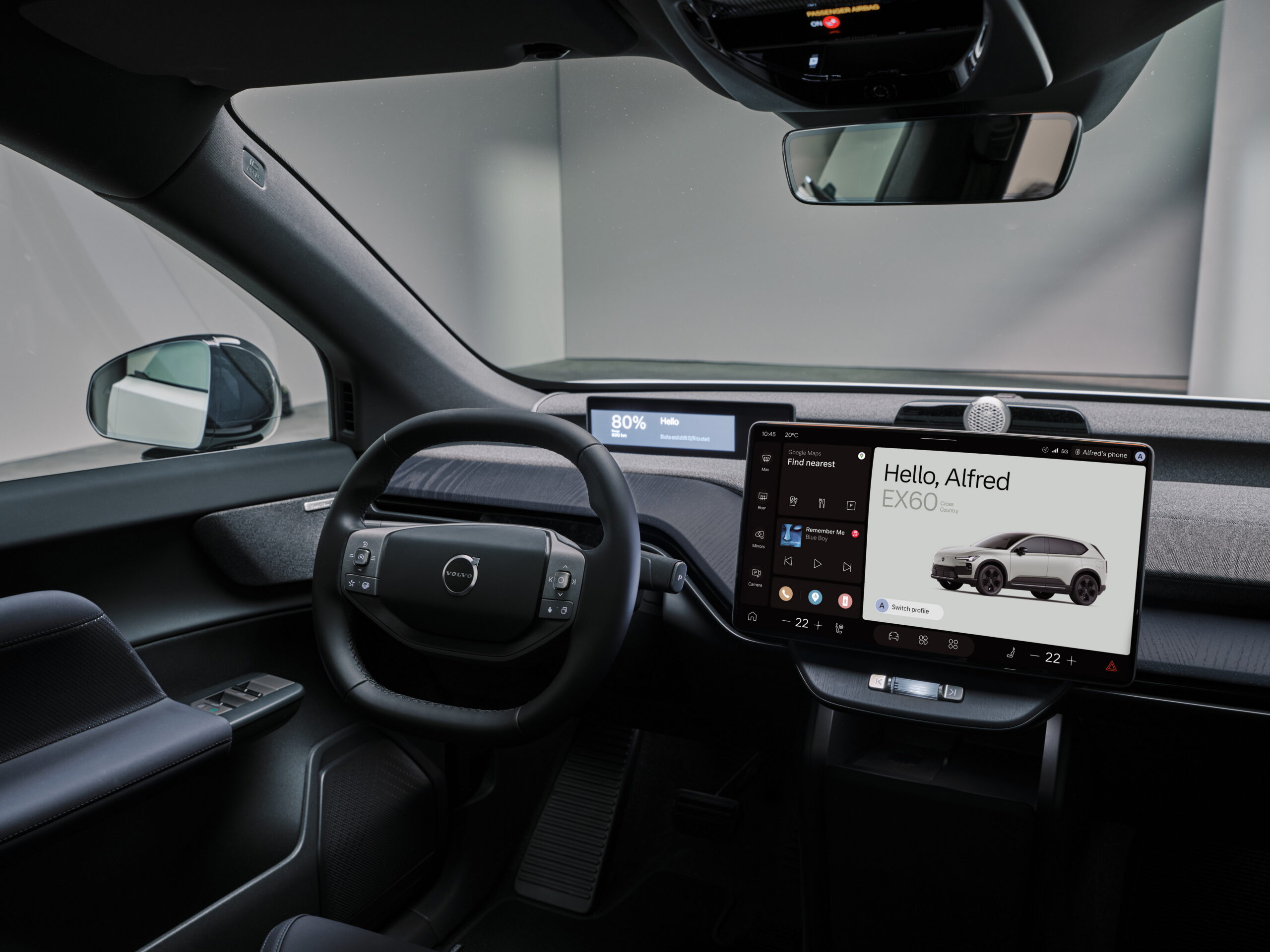
Update: Volvo continues to tease the upcoming EX60, releasing new photos that include our first, albeit obstructed, view of the interior, along with fresh details about the tech it will carry. Chief among them is the integration of Google’s Gemini AI assistant.

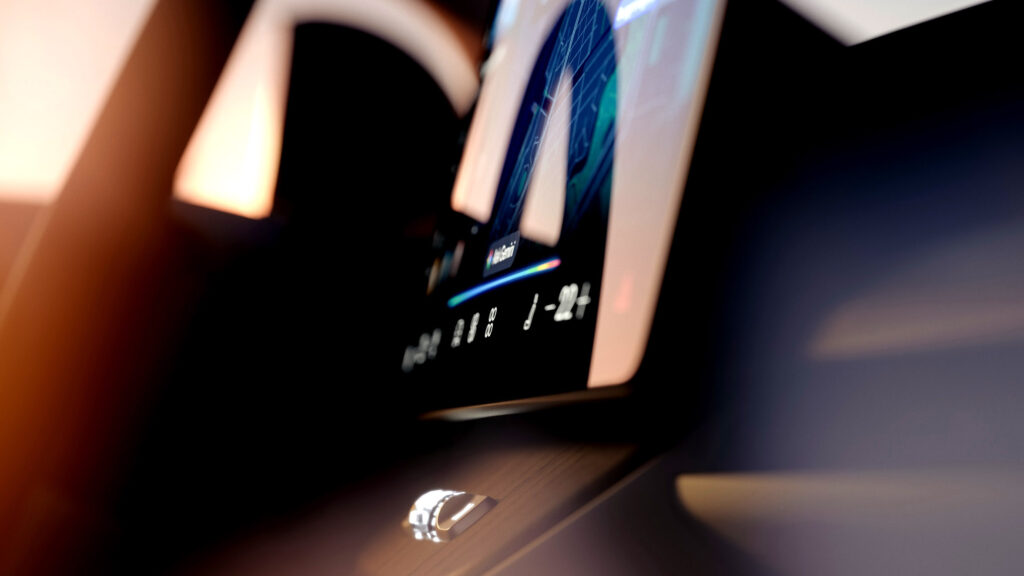
Taking center stage in what appears to be a clean, minimalist dashboard is a tall portrait-style infotainment screen. Below it, there’s what seems to be a physical scroll knob, possibly flanked by tactile controls on the lower console, though the blurred image makes it hard to say for sure.

AI That Talks Back

\\\\\

However, Volvo says the interface won’t rely solely on taps and swipes. The EX60 will be its first model to launch with Gemini, which lets drivers speak naturally, without needing to memorize set phrases or divert attention to screens.

“Drivers can ask Gemini to find a hotel booking address in their email, check if a recently bought item fits in their EX60 trunk, or brainstorm ideas for an upcoming road trip,” Volvo says.

Also: VW Brings Back Physical Buttons After Admitting Touchscreens Are A Disaster

Gemini is directly integrated into Volvo’s newly named HuginCore system, an in-house platform combining proprietary software with technologies from Google, NVIDIA, and Qualcomm.

Powering it all is next-generation hardware, including Qualcomm’s Snapdragon Cockpit and Auto Connectivity platforms, along with NVIDIA’s DRIVE AGX Orin chip, giving the EX60 the highest processing capacity of any Volvo to date.

And, as with most modern cars, Volvo says the EX60 will continue to evolve long after it leaves the showroom, thanks to over-the-air updates and ongoing Gemini development.

 The New EX60 Is The First Volvo To Talk Back At You

Original story continues below.

Volvo’s about to drop a crucial new electric car, and it looks like it’s bringing receipts. The EX60 launches later this month but a teaser this week revealed range figures that none of its BMW, Mercedes and Tesla rivals can match, and a hint that it might come with seating for seven.

We’ll have to wait until the debut on January 21 to get the full breakdown of what’s under the EX60’s skin, but the fact that the EX90’s little brother is rated at 503 WLTP miles (810 km) of electric range is enough to generate headlines.

Related: He Built The Volvo You Remember, Now He Has To Fix What It Became

For context, BMW’s brand new iX3 has up to 500-miles (805 km) rating, and the GLC 400 with EQ Technology that debuted at the same Munich Auto Show last September is only good for 443 miles (713 km), Mercedes says. Tesla’s most touring-focused Model Y can’t even crack 400 miles (644 km).

Fast Charging

Volvo also says you won’t have to spend too much time hanging around charging stations when you do eventually need a top-up. Thanks to its 800-volt electrics the EX60 can add 211 miles (340 km) of range in as little as 10 minutes. You also get a 10-year warranty on the battery.

 The New EX60 Is The First Volvo To Talk Back At You

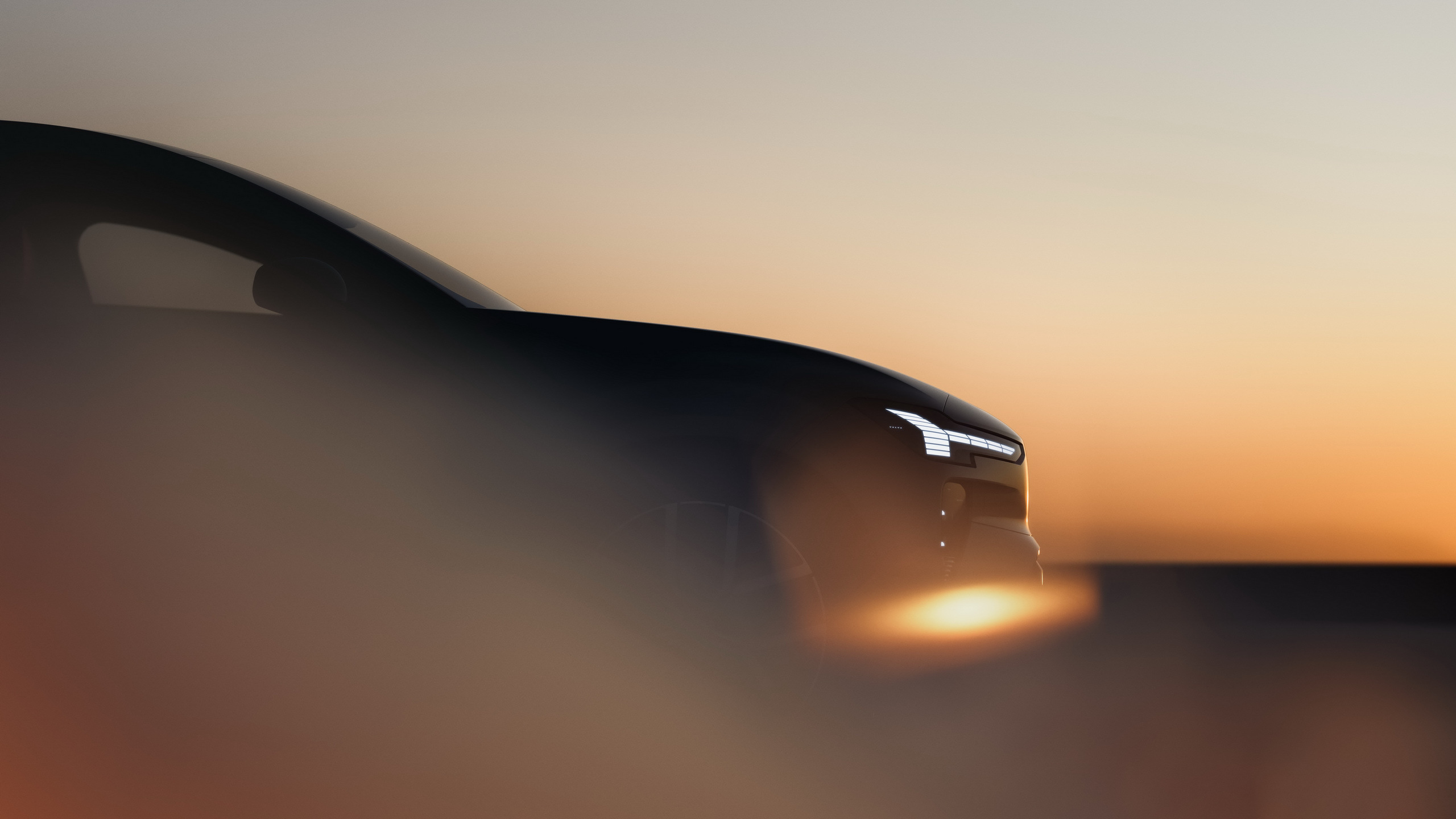
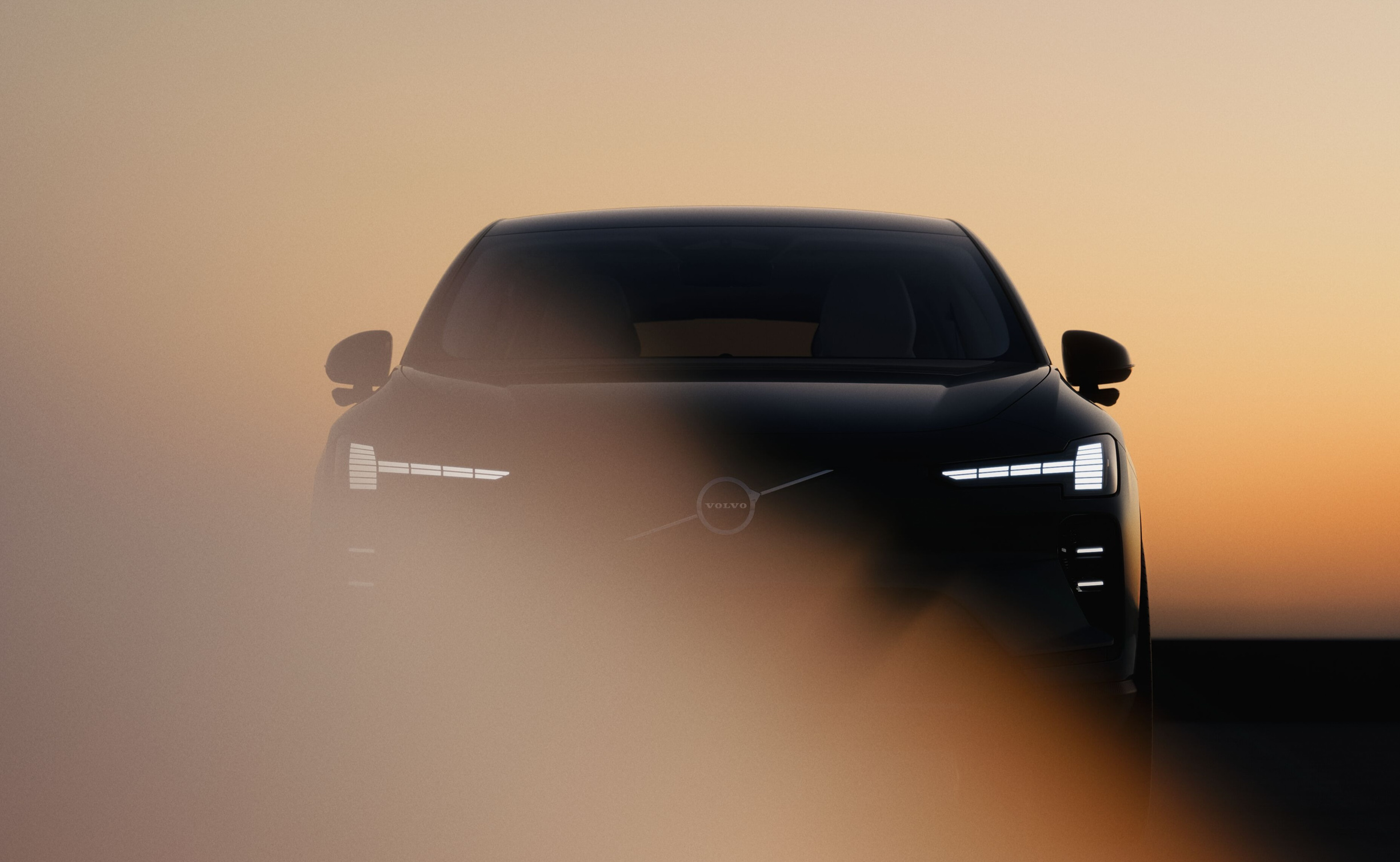
We’ve already had a sneak look at the rear and profile of the EX60 in previous teasers, and along with revealing the electric range, Volvo has now given us a look at the front. The brand’s trademark Thor hammer DRLs are present, made up of segmented LEDs, and we can also make up a pair of ADAS sensors mounted below each door mirror.

Reinventing the Seatbelt

The EX60 is the first Volvo to ride on the company’s SPA3 platform, an upgrade of the earlier SPA2 architecture that underpins models like the EX90. It’ll also be the first of the brand’s cars to get Volvo’s new adaptive seatbelt, which uses sensors to work out the height, weight and shape of a passenger before deciding how much belt force they need in a crash.

Seating for Seven

 The New EX60 Is The First Volvo To Talk Back At You
Volvo

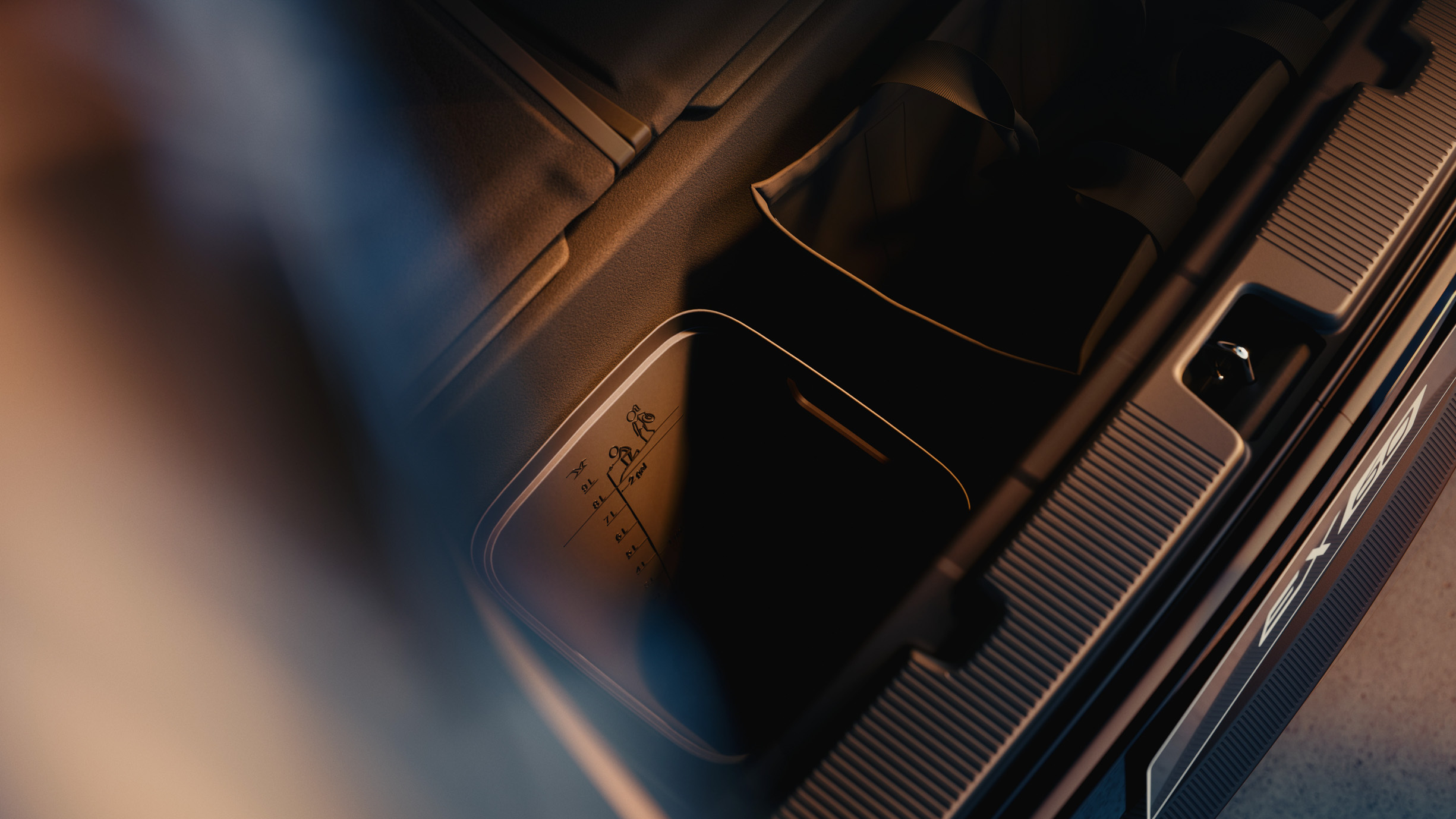
And unlike its BMW iX3 and Mercedes GLC rivals, which are strictly two-row affairs, it looks like the EX60 could have a small third row of seats stashed under the trunk floor. Though Volvo hasn’t mentioned anything about seven seats, in the image of the trunk it definitely looks like there are two seats folded away.

The picture of the body-in-white also shows mountings for a 50:50 split third-row, and the impression we get is there would still be enough space for a few shopping bags even if the seats were in use. We’ll find out more on January 21.

\\\\\\

Volvo

❌