Reading view

There are new articles available, click to refresh the page.

Lucid Cuts 12% Of Its Workforce As The EV Shakeout Intensifies
  • Layoffs focus on salaried corporate roles.
  • Arizona factory workers are not affected.
  • Profitability now defines Lucid’s strategy.

The automotive industry never slows down, and EV brands feel that pressure more than most. Lucid is responding to the market and to its own position by cutting 12 percent of its workforce. The move comes as it attempts to tighten spending and move closer to profitability as it ramps up Gravity production.

The layoffs were confirmed to Bloomberg in an emailed statement, following the leak of an internal memo from interim CEO Marc Winterhoff that circulated within the company and was seen by Techcrunch.

In the memo, Lucid addresses the cuts head on. “Saying goodbye to colleagues is never easy,” Winterhoff wrote. “We are grateful for the contributions of those impacted by today’s actions, and we are providing severance, bonus, continued health benefits, and transition support to help them through this period.”

More: Lucid Built Its First $50K Midsize EV Prototypes, But Still Hasn’t Shown A Single One

Bloomberg reports that the majority of workers affected are salaried and corporate roles. Hourly workers tied directly to manufacturing, logistics, and quality operations at Lucid’s Arizona facility are not expected to be part of this reduction. That’s not all that shocking, given the brand’s need to ramp up production of the Gravity SUV and continue development of its Midsize platform.

“Importantly, today’s actions do not affect our strategy,” Winterhoff wrote. “Our core priorities remain unchanged, and we continue to focus on the start of production of our Midsize platform. With disciplined execution, we are also focused on further expansion into the robotaxi market, continued ADAS and software development, and growth in sales of Lucid Gravity and Air across existing and new geographies.”

A Murky Future
 Lucid Cuts 12% Of Its Workforce As The EV Shakeout Intensifies

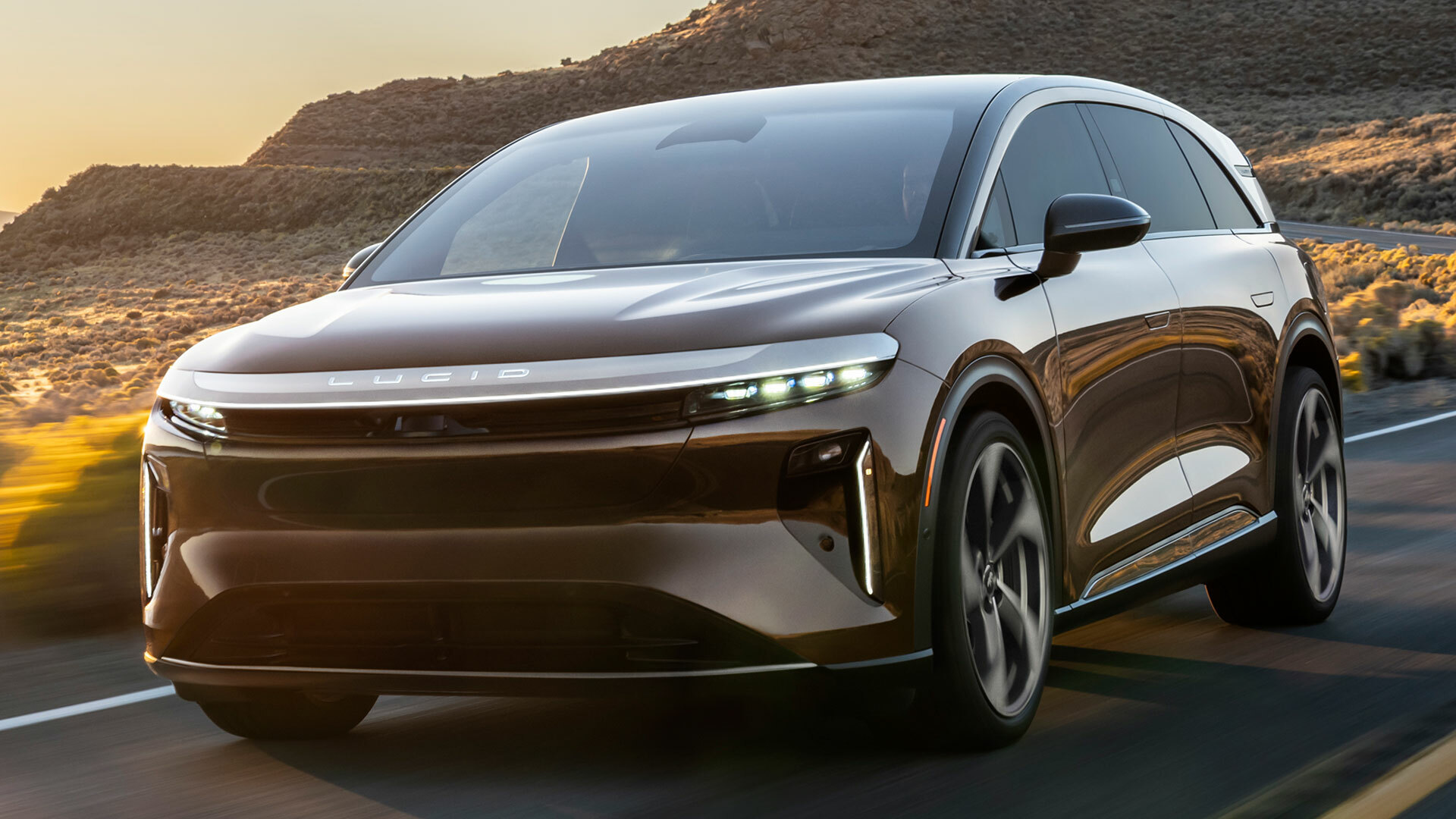
Right now, Lucid’s momentum is almost entirely pinned on the Gravity SUV. It undoubtedly broadens appeal beyond the ultra-luxury Air sedan expanding its reach to a more popular segment. That said, it’s not exactly what most buyers would consider mainstream or affordable.

That’s why the Midsize platform is so key to Lucid’s future. Tesla’s Model 3 and Model Y turned a niche player into a volume powerhouse, and Lucid is hoping for a similar inflection point.

Rivian is following a similar playbook with the R2. By the end of the year, we should have a clearer picture of who is getting closer to that goal. In a cooling US EV market, profitability is no longer a nice to have. It is the whole game.
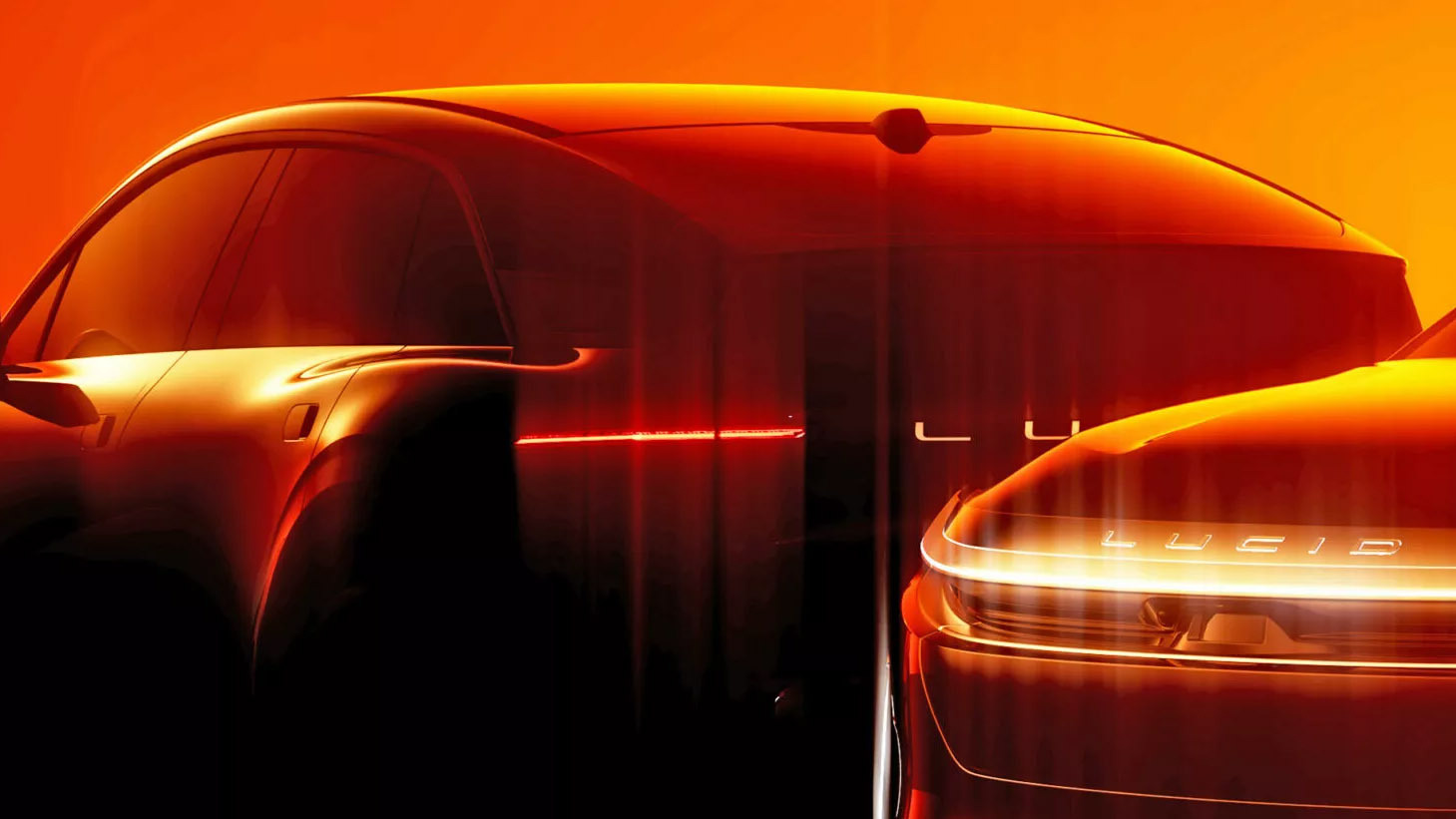

 Lucid Cuts 12% Of Its Workforce As The EV Shakeout Intensifies
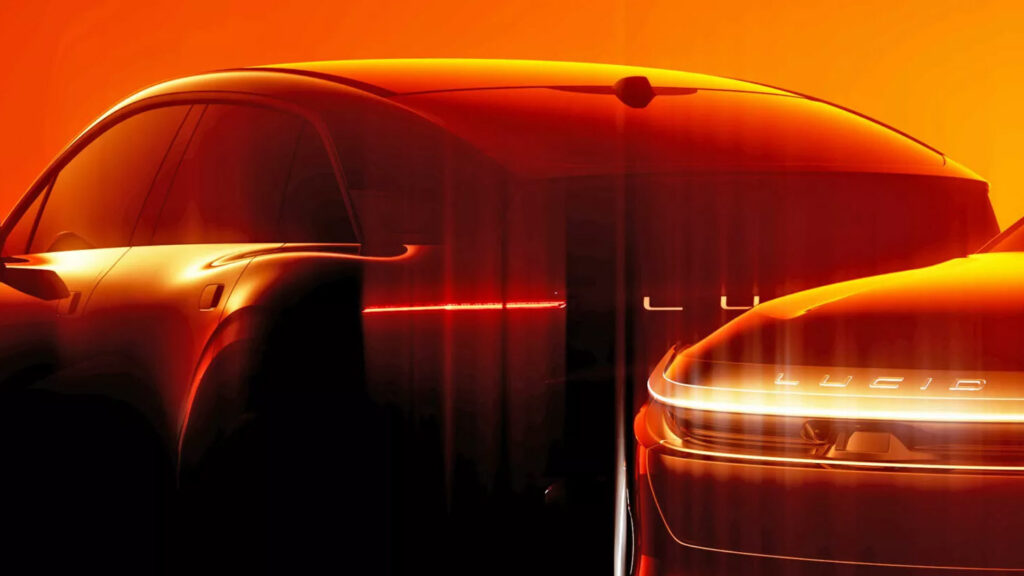
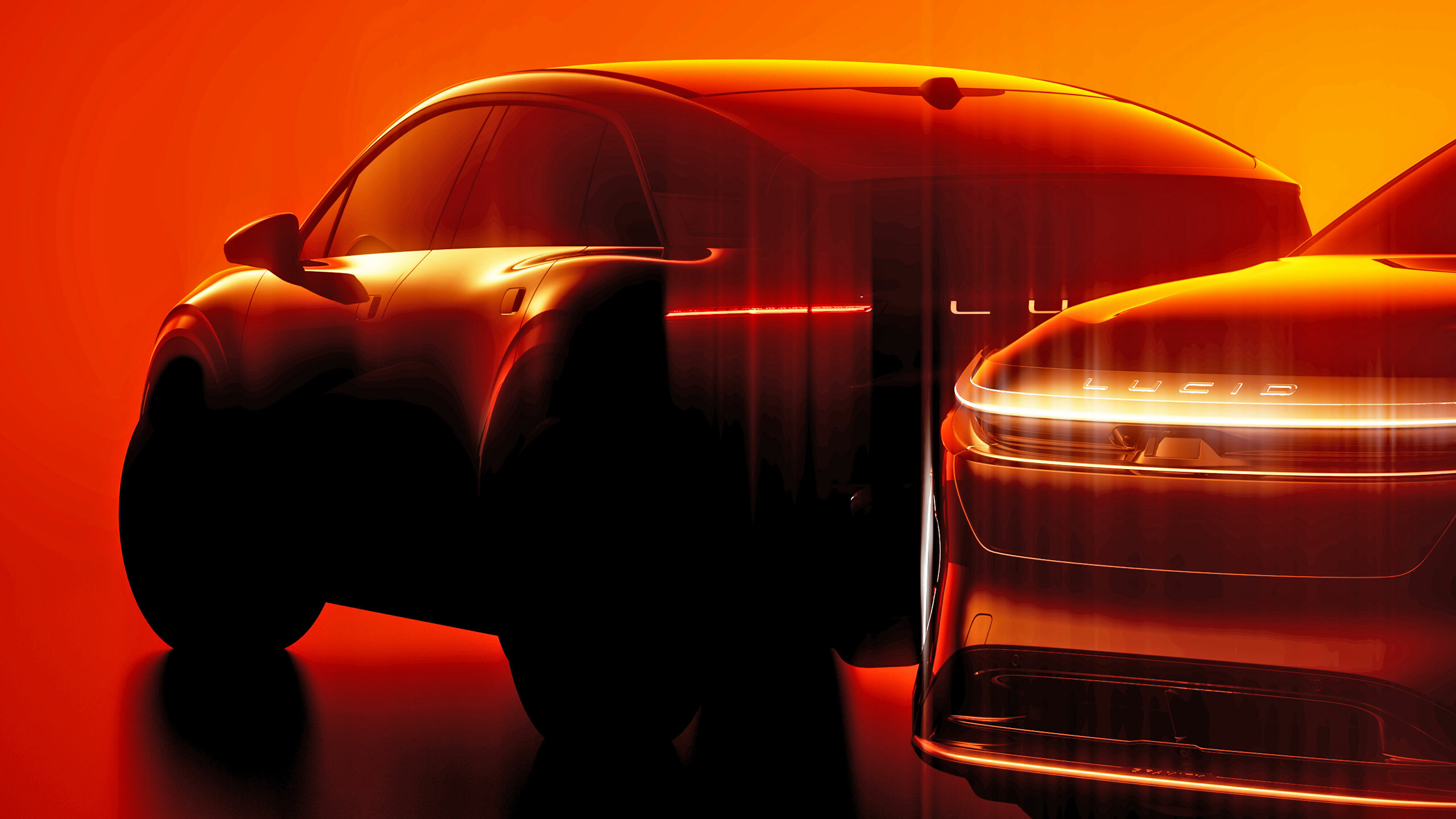
Lucid’s upcoming mid-size SUV

EV Range Claims Still Sound Great, Until Freezing Temps Hit

  • All 24 EVs were driven until they could not hold speed.
  • Two small EVs lost just 29 percent of claimed range.
  • Several big names gave up more than 40 percent range.

Winter has a way of exposing weaknesses, and in Norway it does so without mercy. A group of 24 of the newest and best EVs were recently subjected to one of the most demanding range tests imaginable in the depths of Scandinavia’s winter, and it was an American made EV that came out on top.

Read: 90% Of Vehicles Sold In Norway Last Year Were Electric

Conducted by Norwegian publication Motor as part of its biannual El Prix winter range program, the evaluation set out to measure how bitter cold affects real world driving range, and some of the findings are striking.

How The Test Was Conducted

Held twice a year, in winter and in summer, the drive follows a predetermined route. This time, 24 EVs were evaluated in temperatures that dipped as low as -24°F (-31°C), the coldest conditions recorded in the test event’s history and well below previous editions, when temperatures rarely fell under 14°F (-10°C).

For much of the global population, numbers like these might as well belong in weather reports from another planet. Still, they provide a useful stress test. As in previous El Prix runs, each car was driven along the set route until it could no longer maintain the posted speed limit.

The Winners

 EV Range Claims Still Sound Great, Until Freezing Temps Hit

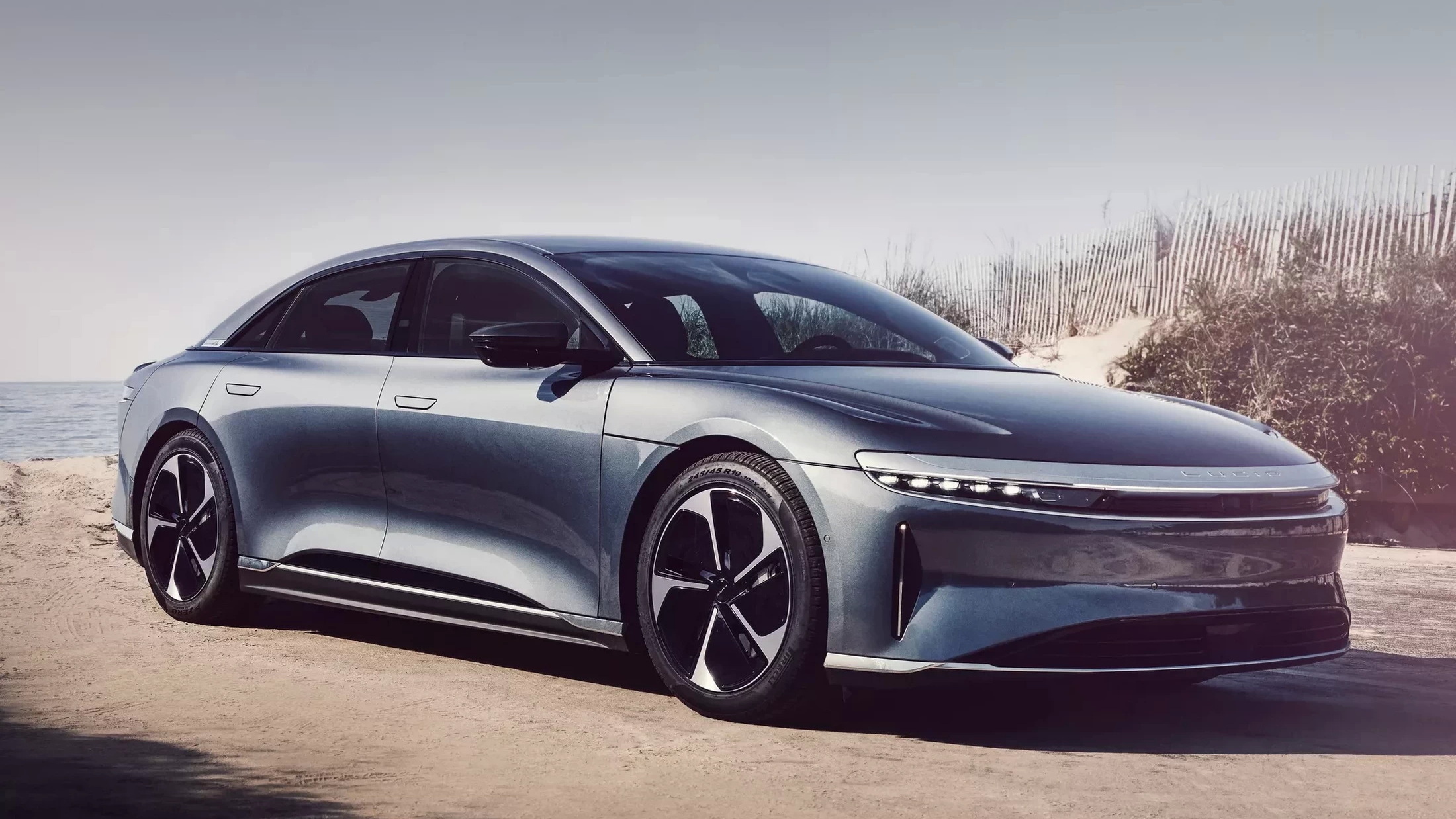
Coming into the test, the Lucid Air had the highest quoted WLTP range of 960 km (596 miles). In Motor’s winter run, it covered 520 km (323 miles) before the battery was fully depleted. On the other hand, while that figure was higher than any of the other cars evaluated, it is still 46 percent lower than the claimed range.

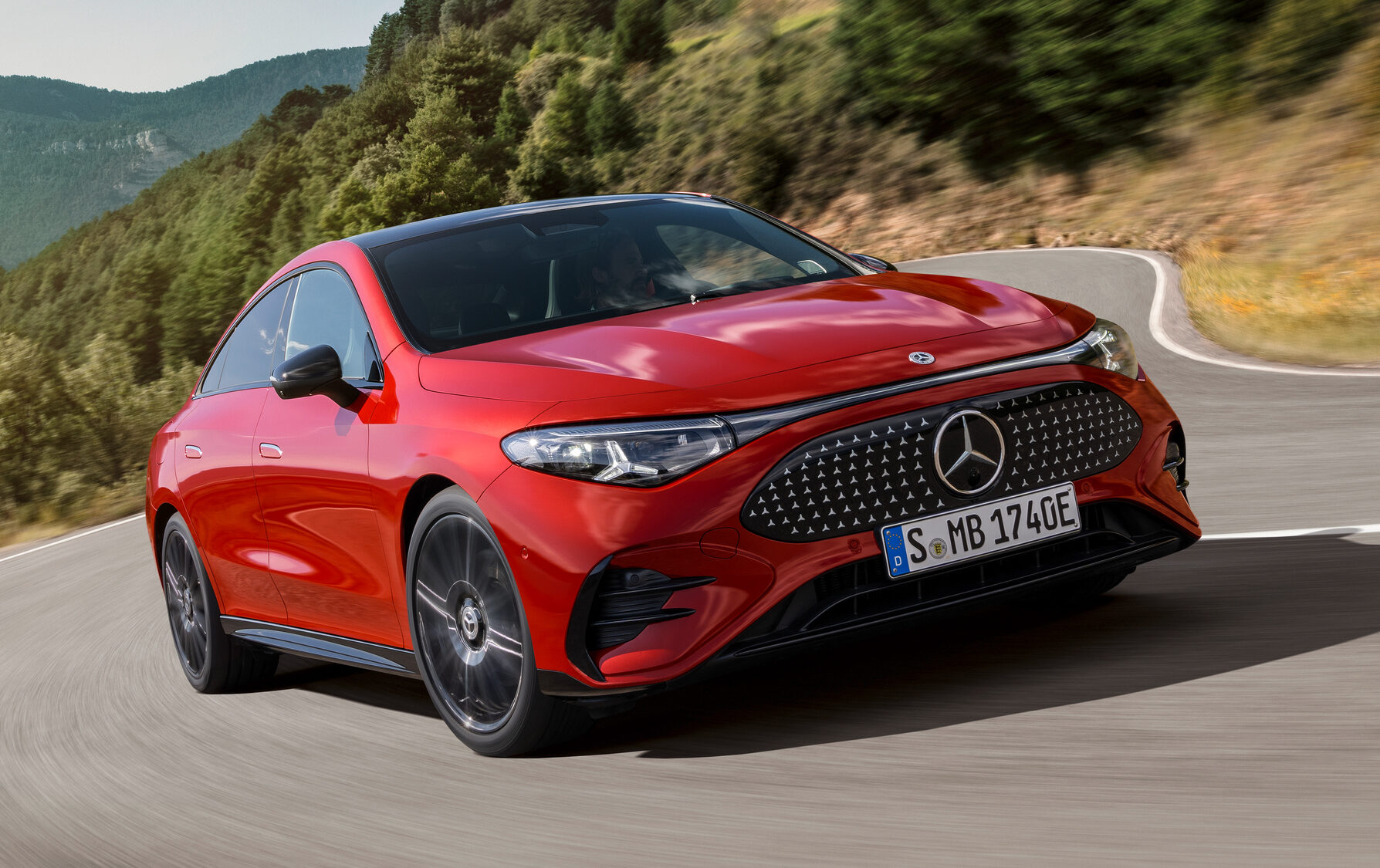
In terms of outright driving range in the frigid conditions, the Mercedes-Benz CLA also performed well, driving 421 km (261 miles), or 41 percent less than its claimed 709 km (440 miles) WLTP figure. Other strong performers included the Audi A6, which traveled 402 km (250 miles), the BMW iX with 388 km (241 miles), and the Volvo ES90 with 373 km (232 miles).

 EV Range Claims Still Sound Great, Until Freezing Temps Hit
Mercedes-Benz CLA

Two Ways To Look at Numbers

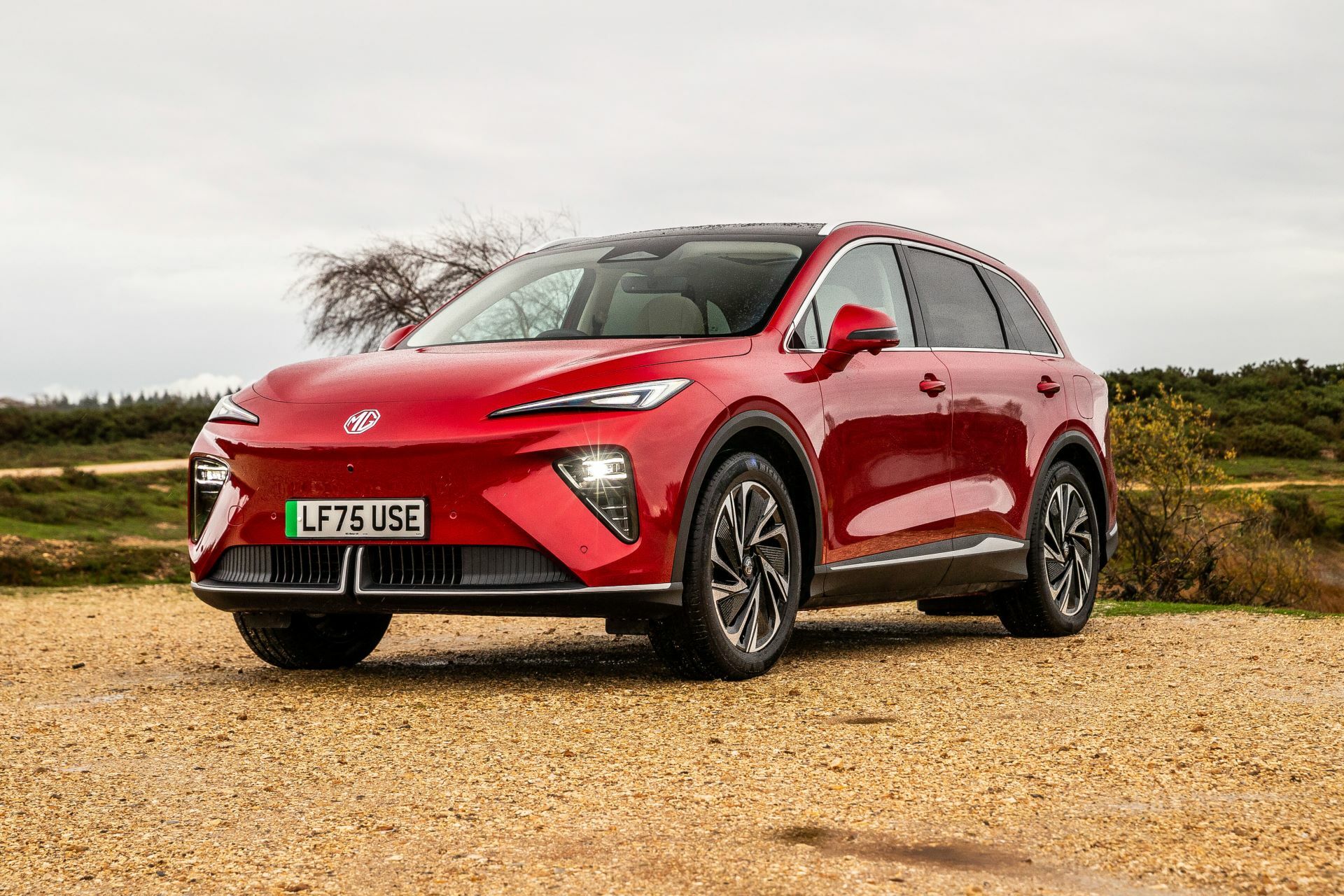
Total driving range, though, is not the most revealing part of the story. What stands out more is how much, or how little, each car’s range shrinks in the cold. By that measure, the MG 6S EV and Hyundai Inster led the field, with their ranges falling just 29 percent from their WLTP claims. They recorded 345 km (214 miles) and 256 km (159 miles), respectively.

 EV Range Claims Still Sound Great, Until Freezing Temps Hit
MG6S EV

A second Chinese MG also performed well, namely the IM6, with its range falling 30 percent from a claimed 505 km (314 miles) to 352 km (219 miles). The KGM Musso was another strong performer, seeing just a 31 percent drop in its range from 379 km (235 miles) to 263 km (163 miles).

At the other end of the scale, the Opel Grandland matched the Lucid Air for the steepest decline, surrendering 46 percent of its claimed range in the cold. The Volvo EX90 was not far behind with a 45 percent drop, while the Tesla Model Y and Suzuki eVitara each gave up 43 percent. The Skoda Elroq and Mercedes CLA also struggled to contain losses, both finishing with a 41 percent reduction.

Cold EV Test
VehicleWLTPCold RangeDiff.
Lucid Air960 km (597 mi)520 km (323 mi)-46%
Mercedes CLA709 km (441 mi)421 km (262 mi)-41%
Audi A6653 km (406 mi)402 km (250 mi)-38%
BMW iX641 km (398 mi)388 km (241 mi)-40%
Volvo ES90624 km (388 mi)373 km (232 mi)-40%
Volvo EX90611 km (380 mi)339 km (211 mi)-45%
Tesla Model Y629 km (391 mi)359 km (223 mi)-43%
Hyundai Ioniq 9600 km (373 mi)370 km (230 mi)-38%
Kia EV4594 km (369 mi)390 km (242 mi)-34%
Ford Capri560 km (348 mi)339 km (211 mi)-40%
Xpeng X9560 km (348 mi)361 km (224 mi)-36%
Mazda 6e552 km (343 mi)348 km (216 mi)-37%
Zeekr 7X541 km (336 mi)338 km (210 mi)-38%
Smart #5540 km (336 mi)342 km (213 mi)-37%
Skoda Elroq524 km (326 mi)309 km (192 mi)-41%
MG IM6505 km (314 mi)352 km (219 mi)-30%
MG 6S EV485 km (301 mi)345 km (214 mi)-29%
Opel Grandland484 km (301 mi)262 km (163 mi)-46%
VW ID. Buzz449 km (279 mi)277 km (172 mi)-38%
Changan S05445 km (277 mi)293 km (182 mi)-34%
Voyah Courage440 km (273 mi)300 km (186 mi)-32%
Suzuki eVitara395 km (245 mi)224 km (139 mi)-43%
KGM Musso379 km (235 mi)263 km (163 mi)-31%
Hyundai Inster360 km (224 mi)256 km (159 mi)-29%
SWIPE

Motor.No

Lucid Built Its First $50K Midsize EV Prototypes, But Still Hasn’t Shown A Single One

  • Lucid has completed prototypes for its midsize EV platform.
  • The new platform prioritizes lower costs and manufacturability.
  • Production is scheduled for late 2026 at high volume scale.

It’s official, Lucid has built its first midsize EV prototypes, the production version of which may be called Earth. The details, including hard platform specs and complete styling, are still largely under wraps. That said, one thing is wildly clear. This is the most important piece of Lucid’s path forward.

The update comes straight from Nick Twork, Lucid’s Head of Communications, who shared that he recently spent time in the brand’s prototype build area watching the first midsize vehicles come together. According to Twork, the new EVs retain the same core DNA as the larger Air sedan and Gravity SUV.

More: Lucid Owner Gets A $50,000 Lesson On Depreciation

In other words, expect the same space efficiency, driving dynamics, and lengthy range. According to Twork, this vehicle pushes things forward thanks to “dramatically improved manufacturability and cost structure.” He also teased that the finished products “are going to surprise people.”

Can Lucid Make It Work at Scale?

That last part may sound like standard corporate hype, but the emphasis on manufacturability is the real key to not just the vehicle itself, but the future of the brand.

Lucid has already proven it can engineer some of the most advanced EVs on the market. What it hasn’t proven, at least at scale, is that it can build them profitably. The Air and Gravity have impressed on paper and on the road, but they’ve also come with premium price tags and heavy cash burn behind the scenes.

Spent time in our prototype build area today watching the first full Lucid midsize vehicles come together. Same Lucid DNA as Air and Gravity – space, efficiency, dynamics, and range – paired with dramatically improved manufacturability and cost structure. These are going to… pic.twitter.com/3K4qQ7b3oC

— Nick Twork (@ntwork) January 23, 2026

Lucid has confirmed that the new platform will underpin three different body styles, none of which will be sedans. In that sense, it’s designed to scale in a way that the Air and Gravity simply can’t, at least in their current forms.

That’s why the company’s focus on simplified manufacturing matters so much. If Lucid can preserve even a portion of its signature advantages while meaningfully reducing production costs, it could give it a foothold for the long term that it desperately needs.

Read: Rivian’s New $45,000 EV Is Coming By June

Production is currently slated for late 2026, placing Lucid’s midsize EV just behind the Rivian R2 that will launch “by June” this year. The fact that we haven’t seen it totally unveiled seems to indicate that Lucid has a lot to manage between now and then. Expect pricing to start around $50,000.

 Lucid Built Its First $50K Midsize EV Prototypes, But Still Hasn’t Shown A Single One

Lucid Owner Gets A $50,000 Lesson On Depreciation

  • Lucid Air Grand Touring originally retailed for $124,950 new.
  • Seller drove 6,500 miles before listing it online this month.
  • Buyer avoided steep depreciation, gaining a flagship EV deal.

While Lucid has carved out a niche in the premium EV market with impressive engineering and design, even the most advanced models aren’t immune to real-world ownership realities. Software hiccups aside, the Lucid Air remains a strong contender, but like many luxury electric vehicles, it faces steep depreciation, a fact this particular seller encountered firsthand.

Read: Spilled Water Bricks Lucid, Repair Costs As Much As A Used Corolla

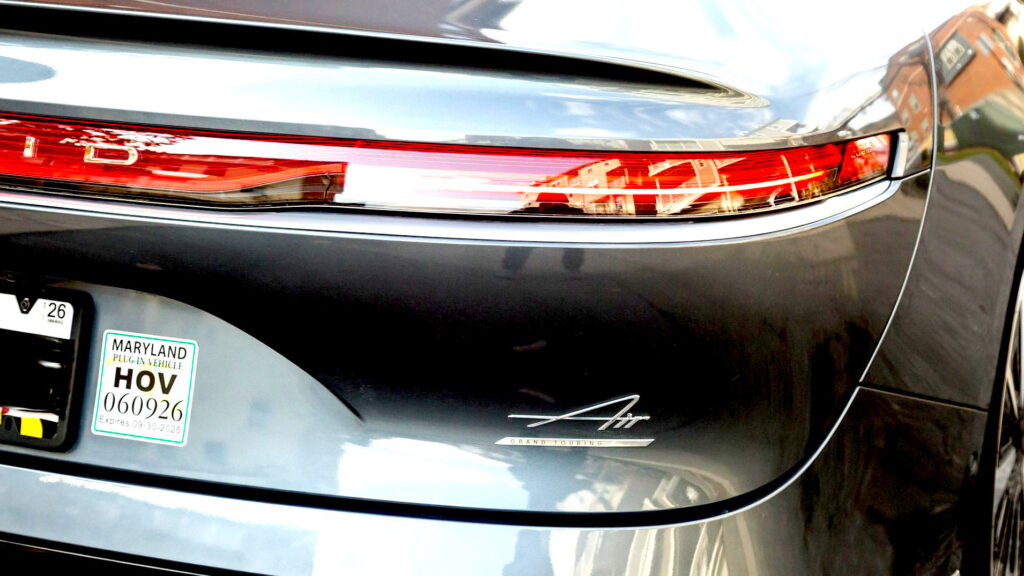
This 2025 Air, finished in Fathom Blue Metallic, is the Grand Touring variant. It sits near the top of Lucid’s lineup, just below the range-topping Air Sapphire, which plays in near-hypercar territory when it comes to straight-line performance.

A look at the window sticker shows a base price of $110,900 before destination charges. This example came well-optioned, including the $5,500 Tahoe extended leather package, Lucid’s $2,500 DreamDrive Pro driver assistance system, and $3,750 power front seats equipped with massage and ventilation.

What’s The Price Of Premium?

 Lucid Owner Gets A $50,000 Lesson On Depreciation

With these extras and a $1,500 delivery fee, the total MSRP climbed to $124,950 before taxes. The seller acquired the car less than a year ago, making the next part of the story particularly painful.

According to the Cars & Bids listing, the original owner bought it in February of last year and drove it just 6,500 miles (10,500 km) before putting it up for sale a few days ago. Despite being in near-new condition, it sold for only $75,500. That’s a brutal financial loss of $49,450. And that’s before taxes and other expenses like registration fees. It’s a sharp reminder of how rapidly luxury EVs can shed value.

\\\\\\\\\\\\\\\\

Cars & Bids

The good news, if you’re the buyer, is that much of that initial depreciation has likely already happened. Although the car will continue to lose value over time, as most do, the worst of the drop may be behind it. Some 2022 Air Grand Touring models are now changing hands for prices in the mid-$50,000 range, so this one may continue along that curve.

Read: Popular YouTuber Got Critical With Lucid, And Things Didn’t End With A Shrug

Still, for a long-term owner, there’s reason to feel good about the purchase. They’ve essentially sidestepped nearly $50,000 in immediate depreciation, while gaining access to one of the most refined and tech-laden luxury sedans available.

The Air Sapphire has attracted most of the buzz over the past couple of years, but the Grand Touring remains extraordinarily impressive. It has a pair of electric motors with a combined 819 hp, allowing it to hit 60 mph (96 km/h) in around 3 seconds. In addition, it has an exceptional driving range of 512 miles (824 km), among the highest of any current EV in the market.

\\\\\\\\\\\\\

Cars & Bids

❌