Reading view

There are new articles available, click to refresh the page.

Mercedes Sales Are Out And The Most Interesting Thing Is What They Won’t Tell Us
  • Mercedes continues to struggle as global sales fell 6% in Q1.
  • The company was hammered by a 27% decline in China.
  • Automaker boasts about EVs, but wants you to forget some.

We’re nearly a third of the way through April, but first quarter sales data continues to trickle out. Some of the latest numbers are from Mercedes and they’re painting a mixed picture.

Starting in the United States, Q1 passenger car retail sales fell approximately 3% to around 70,000 units. Unfortunately, it’s hard to get an accurate picture of things as the automaker no longer breaks sales down by model. Instead, the company now lumps vehicles together and cherry picks numbers that it likes.

More: Germany’s EV Market Was In Freefall A Year Ago, Now EVs Are Outselling Gas Cars

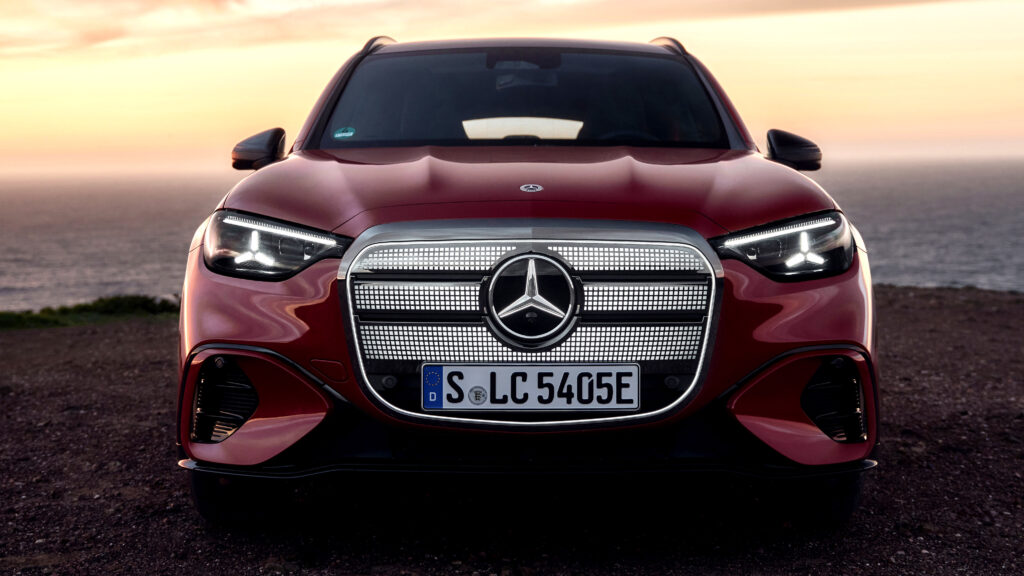
With that massive and annoying caveat aside, Mercedes said they had a “strong performance despite significant market headwinds.” Maybach sales jumped 22%, while the G-Class saw a 16% increase. The SL received a 47% boost, while the GLC and GLE were up 17% and 19%, respectively.

Mercedes also claimed that “customer interest and excitement surrounding the CLA continues to build across the U.S. market.” However, the company declined to provide numbers, so they were presumably pretty bad. The automaker stopped short of confirming this, but implied the situation will improve as “wider availability” is expected in the second quarter as they originally prioritized European sales.

Mercedes US Retail Sales Q1
 Q1 2026Diff.
Mercedes USA Passenger Cars70,000-3%
Mercedes Vans USA8,500-6%
Total Sales78,500-3%
SWIPE
 Mercedes Sales Are Out And The Most Interesting Thing Is What They Won’t Tell Us

The firm didn’t even bother mentioning the EQE, EQE SUV, EQS, or EQS SUV. This implies sales were as hot as an Anchorage dumpster fire in January, but surely a yoke will turn things around.

On the van side of the equation, sales fell 6% to roughly 8,500 units. The automaker could barely feign interest, but said they remain “focused on delivering versatile, premium van solutions that support evolving business needs.”

That’s meaningless nonsense, but at least we can look forward to the new VLE and VLS. The latter is getting an ultra-luxurious Maybach variant that promises private jet levels of comfort.

Sales Down Globally As Well
 Mercedes Sales Are Out And The Most Interesting Thing Is What They Won’t Tell Us

Zooming out, global passenger car sales fell 6% in the first quarter to around 419,400 units. This came despite a 9% increase in EVs, which found around 44,300 takers.

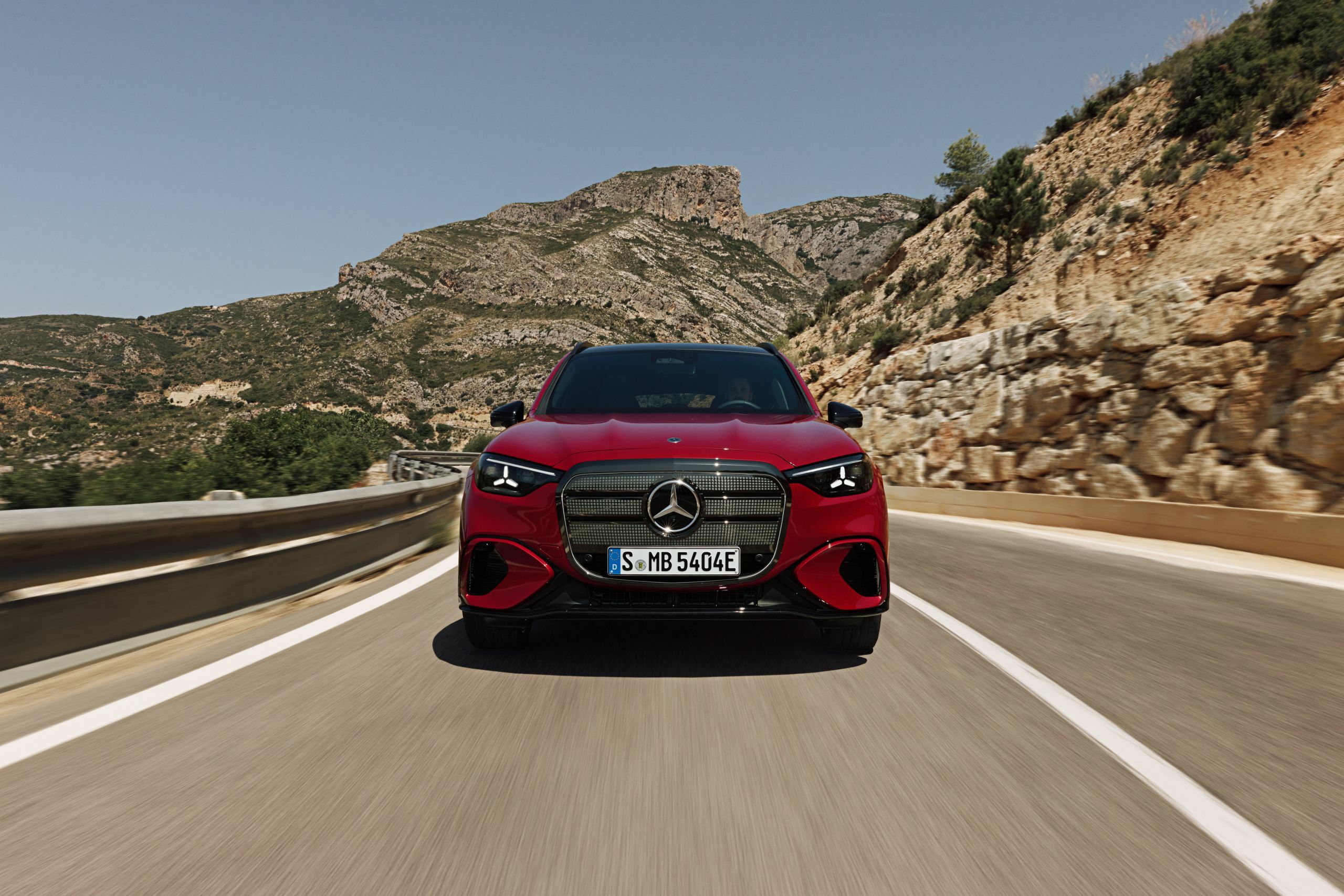
Speaking of which, the automaker said the “new electric GLC has generated more orders in the first three months than any other electric vehicle in our history.” They added order books for the CLA, GLB, and GLC EVs are “filled well into the second half of the year.”

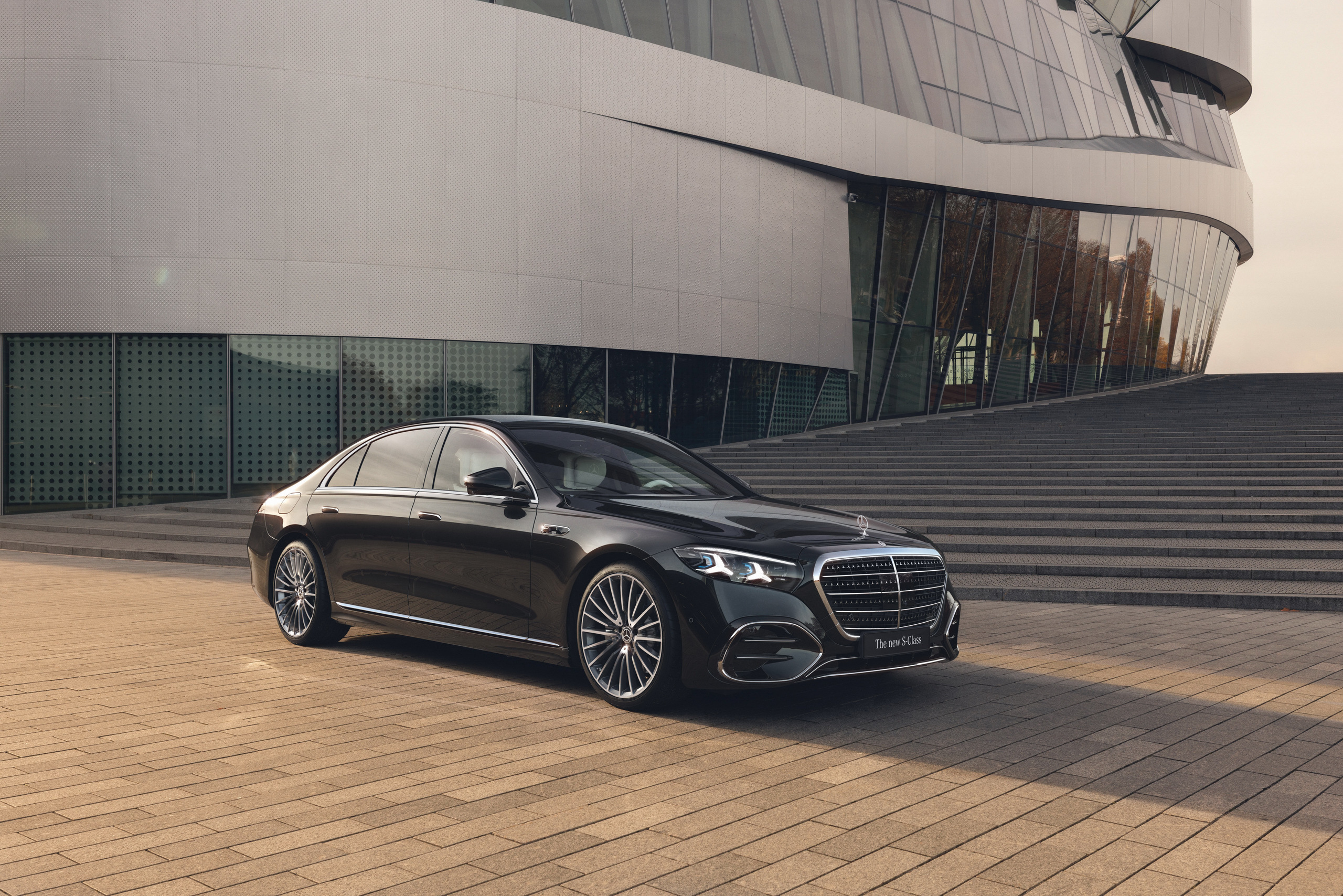
EVs weren’t the only bright spot as European orders for the facelifted S-Class were “above expectations.” The automaker is also expecting to receive a boost from the updated GLE and GLS.
 Mercedes Sales Are Out And The Most Interesting Thing Is What They Won’t Tell Us

Confusingly, the global release said American car sales climbed 20% to 81,100 units. The company noted these are rounded “preliminary figures,” but that’s significantly more than the 70,000 mentioned earlier. However, this appears to be a case of retail sales vs overall numbers.

This, combined with a lack of model level details, results in a confusing maze of piecemeal information that – at times – seems contradictory. Regardless, the brand is tanking hard in China as sales were down 27% to around 111,600 units.

When it comes to vans, global sales fell 3% to approximately 80,300 units. Sales of EVs spiked 29%, but Mercedes only sold 6,100.

Mercedes Global Sales Q1
 Q1 2026Diff.
Mercedes-Benz Group499,700-6%
–    thereof BEVs50,400+11%
   
Mercedes-Benz Cars419,400-6%
–    thereof BEVs44,300+9%
   
Mercedes-Benz Cars sales by segment*  
–    Top-End61,500-5%
–    Core248,000-6%
–    Entry109,800-7%
   
Mercedes-Benz Cars sales by regions and markets  
Europe**158,400+7%
–    thereof Germany49,300+9%
Asia153,500-23%
–    thereof China111,600-27%
North America***89,600+16%
–    thereof U.S.81,100+20%
Rest of World17,900-14%
SWIPE

A $103K Chinese Luxury Sedan Outsold The BMW 7, Panamera, And Maybach S-Class Combined

  • Sales of the Maextro S800 now exceed key German luxury rivals.
  • Domestic EV brands are winning buyers once loyal to foreign cars.
  • Porsche deliveries in China dropped 26 percent last year.

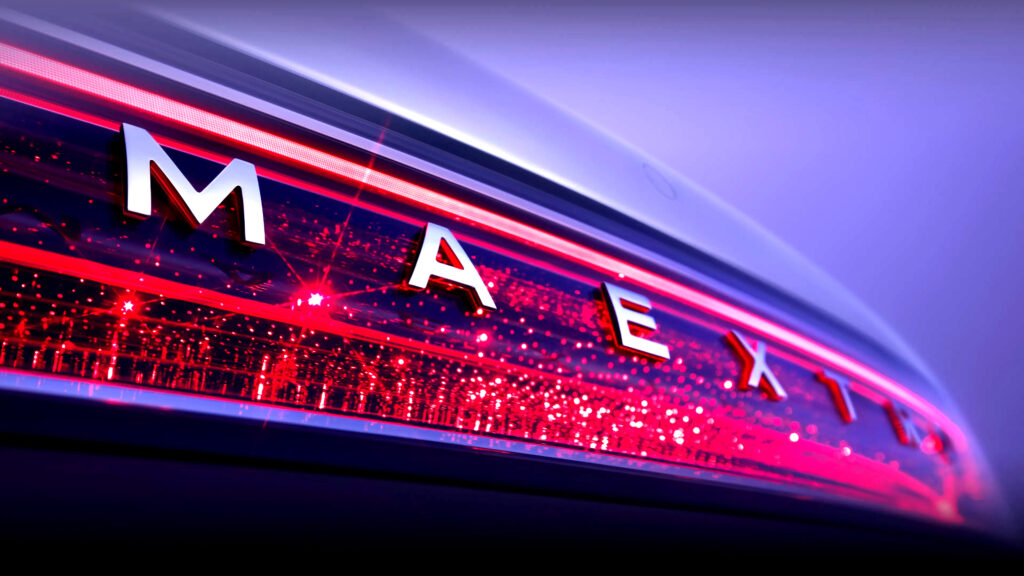
Most people outside China have probably never heard of the Maextro S800. Yet this large Chinese luxobarge has quietly begun outselling some very familiar names. In recent months, it has moved more units than the Porsche Panamera, BMW 7-Series, and Mercedes-Maybach S-Class combined in China.

Foreign automakers are all struggling to compete with homegrown competition in the Chinese market, not least of all, Porsche. The German sports car brand is at a problematic stage, experiencing one of the biggest drops in sales, both in China, and globally.

Read: Porsche Is Shutting Down A Third Of Its Dealerships In China

The number of deliveries in China fell by approximately 26 percent last year, Bloomberg reports. And, for all its territories in 2025, Porsche had supplied approximately 279,449 cars to customers all around the world. That’s 10 percent below the year prior.

Chinese Demand Wanes

\\\\\\\\\\\\\\

Maextro S800

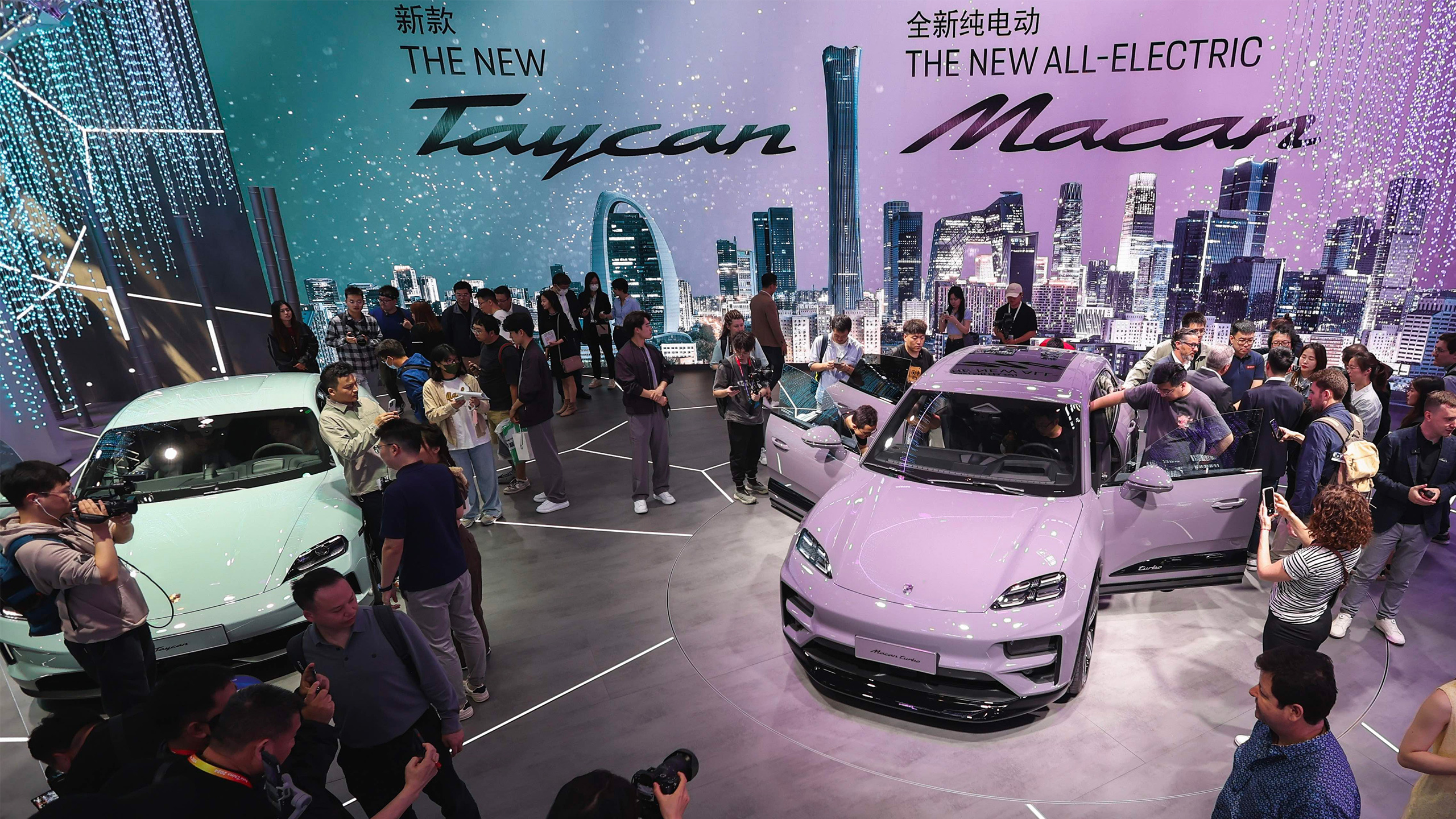
For years, China had been Porsche’s single most important growth engine. Wealthy buyers were drawn in by the brand’s reputation for performance and status. That dynamic has shifted with the emergence of a new generation of consumers, who are more aware of the advantages of electric vehicles and the idea of electric propulsion.

Combine that with Chinese automaker’s unique grasp of how to cater to the wants and needs of the home market consumer, as well as the ability to consistently beat Western offerings on price and performance, and it’s little wonder why cars like the S800 are doing so well in a segment that was once rich with Germany’s finest.

Still, the rate at which Chinese automakers have been able to capitalize within the luxury automobile market is nothing short of alarming. Their model lines are competing head-on with long-established luxury brands throughout Europe and, in most instances, provide highly advanced digital and battery technology that buyers are seeking.

However, for consumers, local EV makers are viewed as a representation of innovation, rather than being compromised, especially when it comes to younger buyers.

Strong Local Offerings

\\\\\\\\\\\\\\\

Maextro S800

Brands like Huawei’s Maextro, Xiaomi, and BYD have gained market share in the luxury EV range. The S800, for instance, starts at the equivalent price of $103,000, which is around 40 percent cheaper than the Panamera.

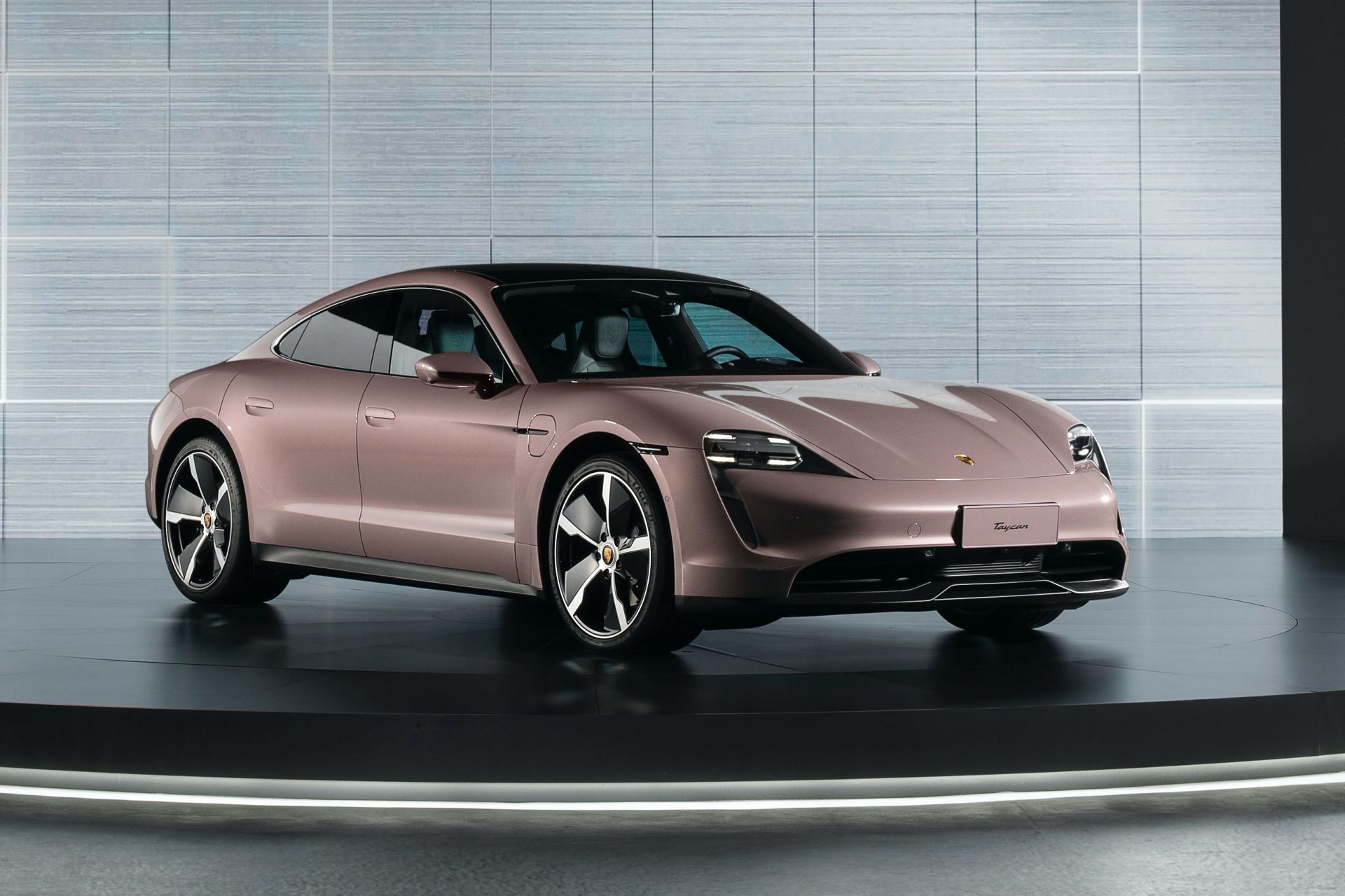
Xiaomi’s SU7 EV, meanwhile, is not only quicker than the all-electric Taycan to 100 km/h (2.1 seconds vs 2.7 seconds), it has a higher top speed (350 km/h vs 270 km/h) and offers nearly double the horsepower and torque (1,548 PS / 1,770 Nm vs 884 PS / 890 Nm). And it does all that, while costing a third of the price of the Porsche.

Having expansive product offerings and high levels of domestic loyalty, such firms have started attracting clients who, not too long ago, would have only considered a car with a foreign badge as worthy.

But, in the case of Porsche, this change is a challenging fact. Prestige alone is no longer sufficient to ensure success. So much so that Bloomberg reports that Porsche is not only downsizing its dealer structure, but is also in the process of winding down its EV charging network.

Righting The Ship

 A $103K Chinese Luxury Sedan Outsold The BMW 7, Panamera, And Maybach S-Class Combined

Under the leadership of its new CEO, Michael Leiters, Porsche has started to re-evaluate its strategy. The company is leaning on its traditional strengths, focusing on relatively high-margin sports cars and SUVs and pushing a bit heavier on the full complexity electrification. The idea is not to compete on price with the domestic manufacturers of EVs but to shore up what makes the brand unique.

Leiters has told investors the company is looking to see margins improve, though modestly this year. These difficult times have tightened Porsche’s operations’ profit margins, and the company hopes for better cost control and a well-defined product strategy to stabilize performance. The approach is cautious optimism as opposed to quick promises of a turnaround.

China Still Remains Part Of The Plan

 A $103K Chinese Luxury Sedan Outsold The BMW 7, Panamera, And Maybach S-Class Combined

Even though Porsche are scaling back their presence in China, they’re not ready to throw in the towel just yet. “The needs of Chinese customers have fundamentally changed,” Porsche China President Alexander Pollich said. “We are a niche brand, a small-scale manufacturer that can hardly change the economic environment, nor reverse the overall market trend. What we can do is to truly examine ourselves and strengthen the core capabilities.”

Porsche will be launching the all-electric Cayenne in the near future and will also introduce more gasoline-powered and plug-in hybrid SUVs, with China-only models high on the agenda. To support this effort, the company is establishing an all-new development hub in Shanghai that will operate independently from Germany.

First on the agenda is designing a new infotainment system that can better match the unique demands of Chinese buyers, likely with native integration for the local apps many owners use daily, rather than relying on the global software stack developed in Germany. In a market that is evolving as quickly as China’s, that kind of local focus may prove just as important as performance or prestige.

 A $103K Chinese Luxury Sedan Outsold The BMW 7, Panamera, And Maybach S-Class Combined
❌