Reading view

There are new articles available, click to refresh the page.

VW’s Fix For Heavy Campervans Is An Inflatable Kitchen
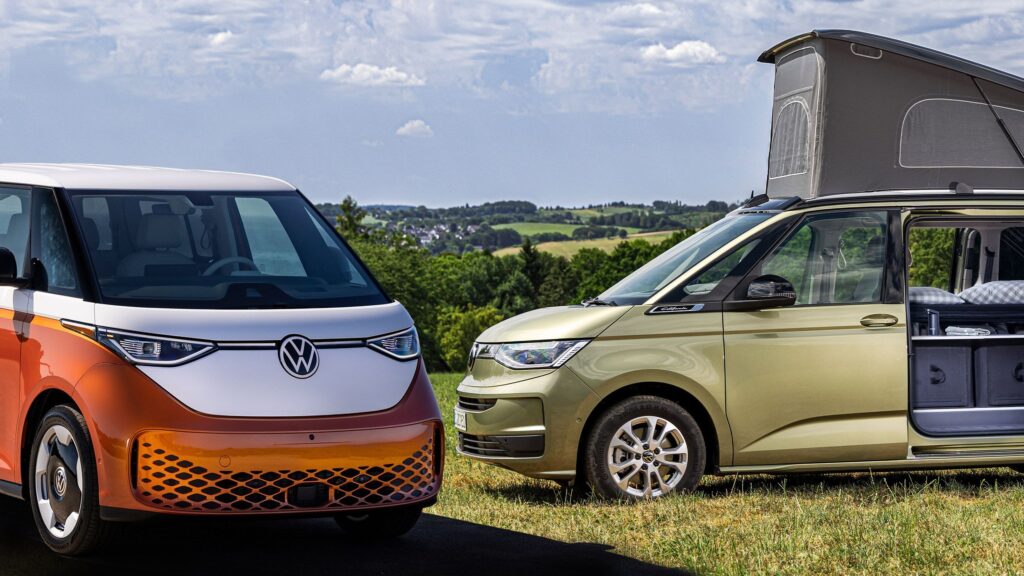
  • VW ID. California Cruise previews all-electric campervan family.
  • It is joined by an inflatable camping kit for the California Beach.
  • Modular kitchen and bed unclip for effortless everyday driving.

Volkswagen’s commercial division is bringing two premieres worth a look to the Caravan Salon 2026 in Germany. The headliner is the ID. California Cruise concept, which previews an entire family of electric campers. Next to it sits a California Beach kitted out with inflatable kitchen and bed modules, the idea being that one vehicle can handle the daily commute and the weekend escape without asking you to pick a side.

Starting with the ID. California Cruise, the company has yet to publish photos but confirmed it will be based on the ID. Buzz platform. The concept is expected to go a step further than the already available Good Night kit, which adds a folding bed, window blinds, and a 48-hour climate control mode for €2,600 ($3,000).

More: VW’s $3K ID.Buzz Camping Kit Adds A Bed And Runs The A/C For Two Full Days

\\\\\

Volkswagen Commercial Vehicles

VW says the ID. California Cruise “lays the foundation for a new family of electric campervans set to arrive step by step through 2028”. The company had confirmed a California version of the ID. Buzz back in 2023, though the project stalled over worries about market demand. The rest of the details will land during Caravan Salon in Düsseldorf, which runs from August 28 through September 6, 2026.

Blow-Up Camping

Alongside the electric concept, VW has revealed a pair of inflatable interior modules for the T7-based California Beach in partnership with startup Stuff Bubble. Instead of leaning on heavy, permanently mounted wooden cabinets and metal framing that eat into everyday usability, the two companies looked to kitesurfing, paragliding, and inflatable tent structures for the ultra-lightweight modular system.

\\\\\\\\

Volkswagen Commercial Vehicles

The inflatable kitchen measures 120 x 44 x 47.5 cm (47.2 x 17.3 x 18.7 in) and clips straight into the existing luggage shelf mounting rails of the California Beach. It weighs under 10 kg (22 lbs) and includes an integrated closed water circuit. A split design lets you use it inside the vehicle or pull it out and set it up at a campsite or a lakefront pitch.

More: VW Wants $72K For A Camper That Comes Without The Camper

The inflatable bed system features a breathable multi-layer construction measuring 200 x 134 cm (78.7 x 52.8 inches). It can be configured as a single bed weighing 6 kg (13.2 lbs) or a double bed weighing 12 kg (26.5 lbs). Combined with the upper pop-up roof bed, the van to sleep up to four adults.

One-Person Setup, Zero Dead Weight

\\\\

Volkswagen Commercial Vehicles

VW claims that the kitchen and the bed can be installed and removed by a single person in a matter of minutes. The setup converts the van into a fully functional camper without forcing owners to haul around permanent additional weight during routine city driving. Furthermore, the modules can also be adapted to fit the rest of the Multivan T7 lineup, which recently gained subtle styling upgrades and new screens.

More: The New VW Caddy Gets The Golf’s Best Screen And Its Worst Touchscreen Habit

The inflatable modules will be showcased at the Caravan Salon in a California Beach. There, the automaker plans to gather customer feedback “to help shape future development” meaning we could be seeing the accessories enter production in the near future.

Stefan Mecha, CEO of Volkswagen Commercial Vehicles, said that the new product “appeals to customers who do not want a permanently fitted interior but still want to enjoy the comforts of camping on spontaneous getaways, festival weekends or outdoor adventures.”
 VW’s Fix For Heavy Campervans Is An Inflatable Kitchen
VW ID.Buzz

VW Studied A Gas Backup Engine For The ID. Buzz But Ran Out Of Room

  • VW once considered a range-extender version of the ID. Buzz.
  • Tight overhangs and EV-dedicated platform made it impossible.
  • A new multi-energy Space platform will underpin future vans.

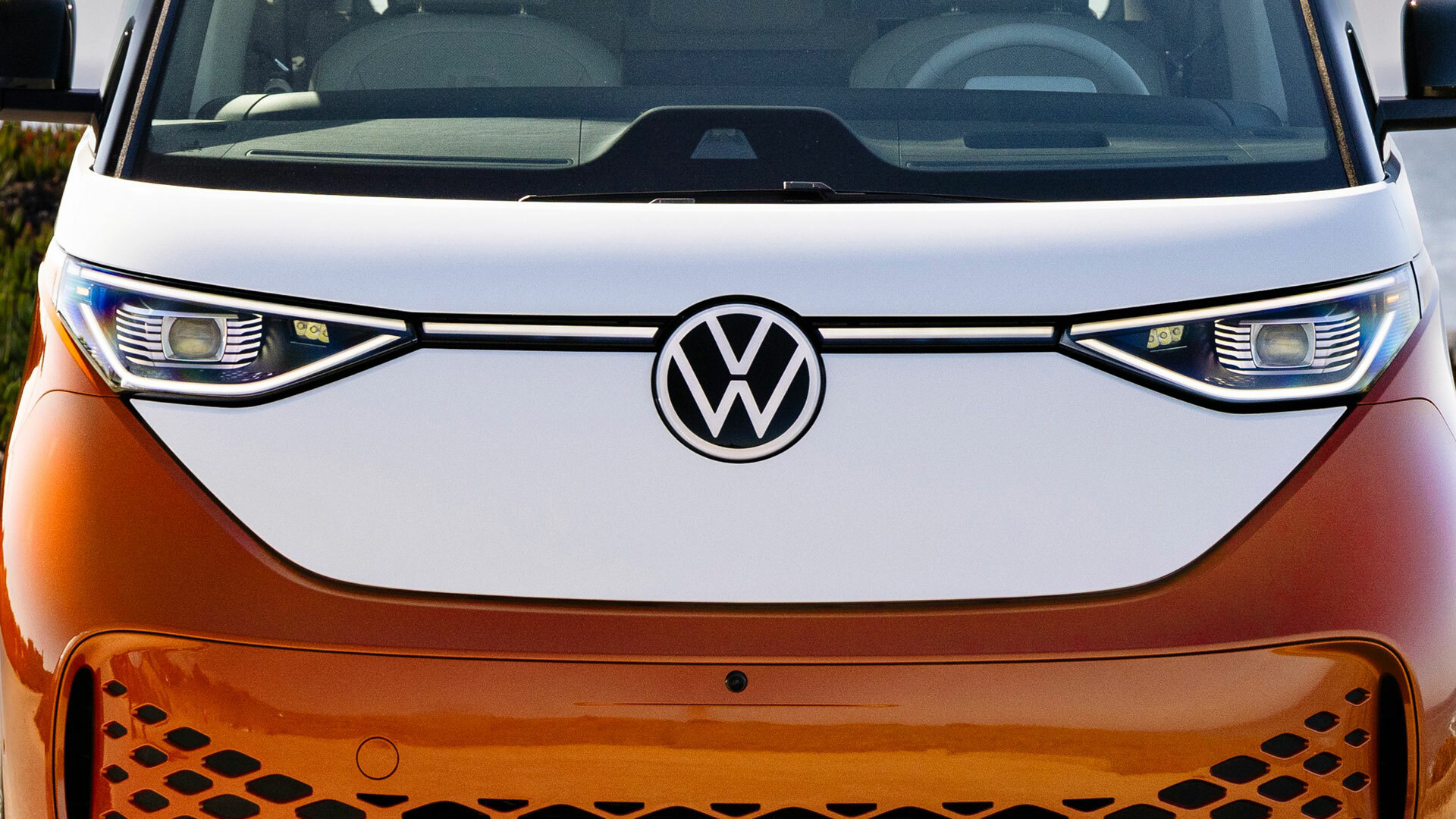
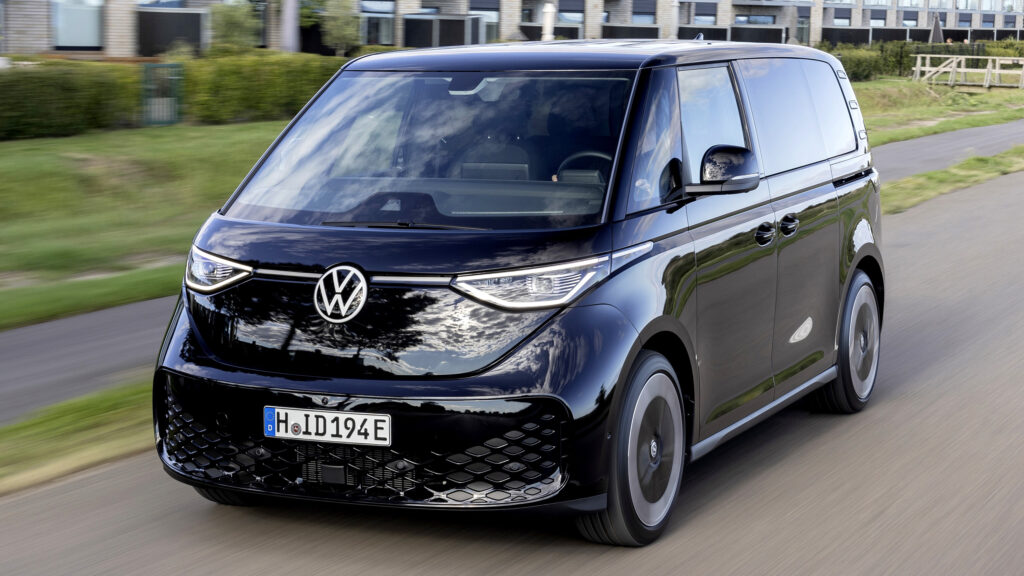
The fully electric VW ID. Buzz hasn’t found the audience VW hoped for in North America, and that has the company weighing some drastic options. One was a range-extender powertrain, an idea that died on packaging grounds. Meanwhile, VW is developing a new multi-energy architecture for its future LCV lineup, meant to reduce complexity and cut costs.

The ID. Buzz news comes from Stefan Mecha, CEO of VW Commercial Vehicles. Speaking to Australian outlet Go Auto, he conceded that a combustion-engined variant had been on the table: “I would not be telling the truth if I said we have not looked at this. Is this a feasible exercise? Probably not… I think from this end, the ID. Buzz is an electric vehicle and it will stay an electric vehicle.”

More: VW’s 2026 ID. Buzz Adds 335 HP And Real Buttons, America Gets Neither

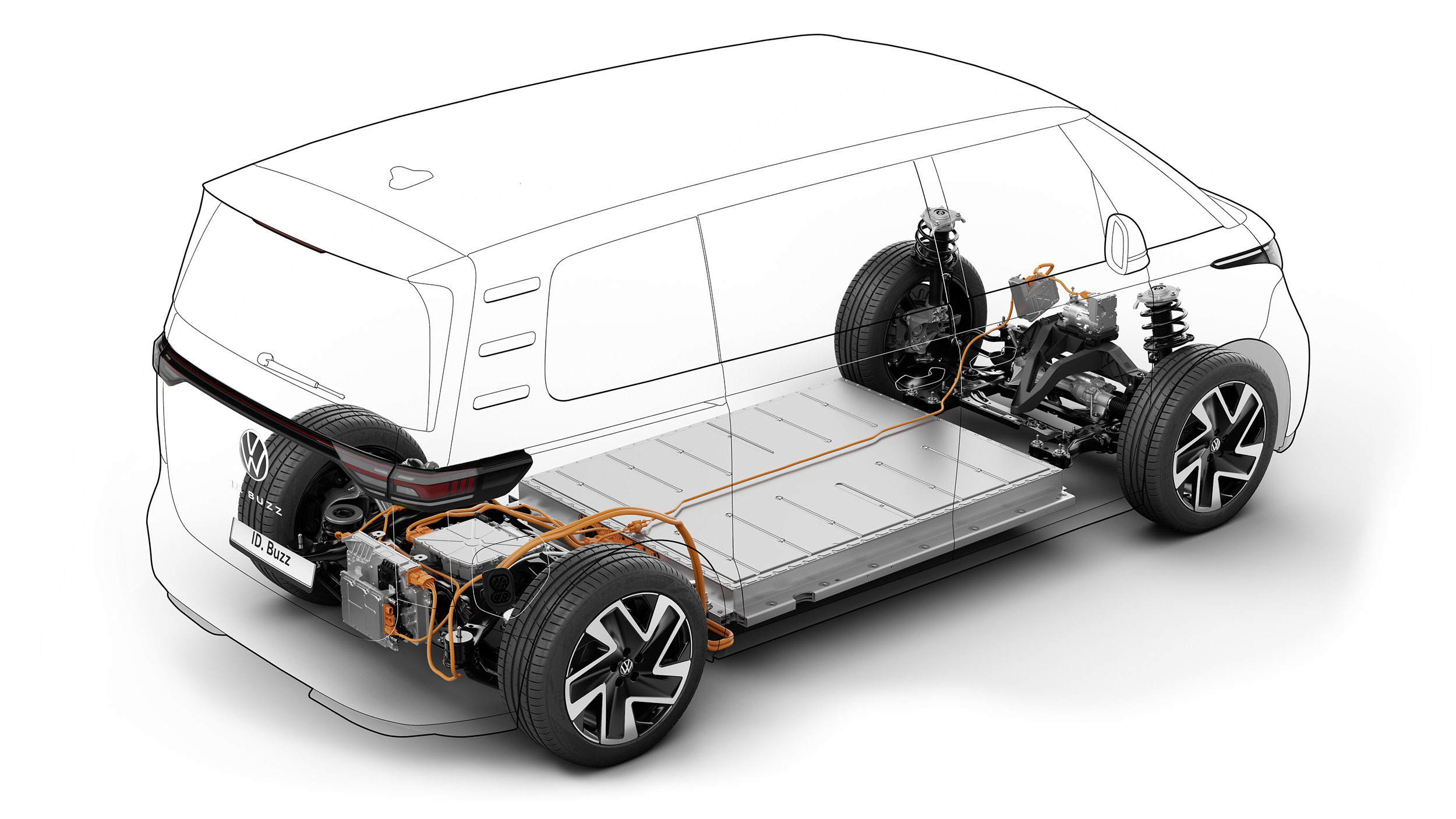
The van’s short overhangs and EV-only bones left nowhere to put a range extender. The MEB architecture was built for battery electric vehicles and nothing else, so shoehorning in a combustion engine would have meant an expensive redesign.

 VW Studied A Gas Backup Engine For The ID. Buzz But Ran Out Of Room

VW moved 60,700 ID. Buzz vans in 2025, double its 2024 tally. North America accounted for just 6,140 of them, which is why the brand skipped the 2026 model year entirely to clear leftover stock. The EV returns to the US for 2027 with minor updates and a camping-friendly trim joining the lineup.

One Platform To Rule Them All

In the same interview, Mecha laid out a structural overhaul aimed at what he calls “costly platform fragmentation” across the LCV portfolio.

More: 140,000 Jobs Are At Now Risk At VW

The company currently relies on four separate platforms right now. The Caddy and Multivan T7 sit on MQB, the ID. Buzz uses MEB, the Transporter T7 shares its underpinnings with the Ford Transit Custom, and the Crafter has a larger bespoke chassis of its own.

 VW Studied A Gas Backup Engine For The ID. Buzz But Ran Out Of Room
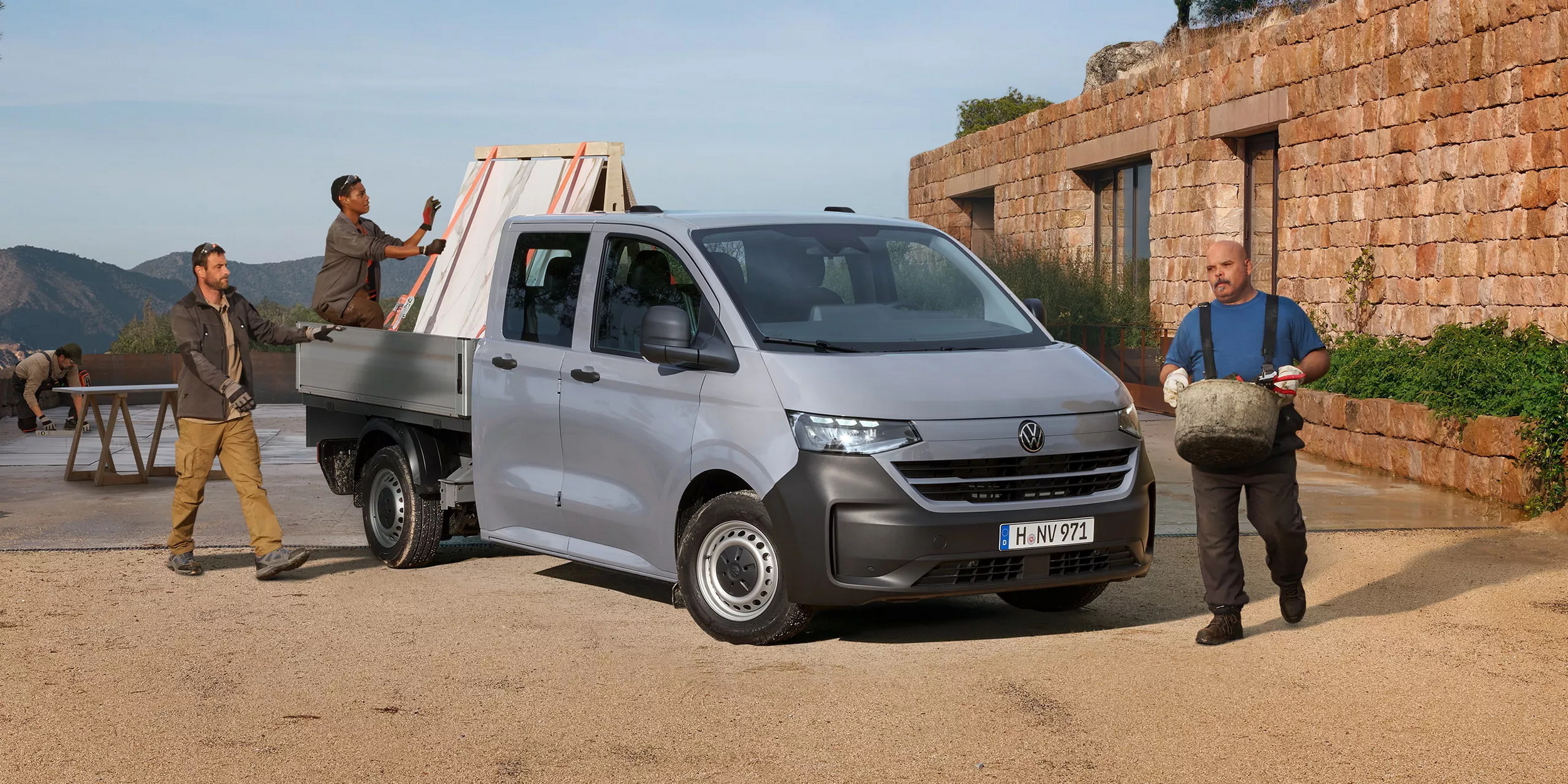
The Ford-based VW Transporter T7 in pickup bodystyle.

To streamline manufacturing and R&D, Volkswagen will retool its Hanover plant and develop a new common architecture for the next decade dubbed the Space platform. This is expected to underpin the next-generation Caddy, Multivan, and Transporter lineups, and supply components for the next Crafter.

Drawing conclusions this early would be premature, but the ID. Buzz faces an uncertain future given the scale of the cuts announced across the VW Group range.

More: VW Group Is Killing Half Its Cars By 2030, And Some Big Names Are At Risk

Mecha said commercial buyers are moving to fully electric vans more slowly than expected, leaving VWCV on the hook for hefty carbon emissions penalties under European fleet rules. The Space platform was conceived as an EV architecture, but it’s being adapted to take hybrid powertrains as well.

More Electric Vans

 VW Studied A Gas Backup Engine For The ID. Buzz But Ran Out Of Room
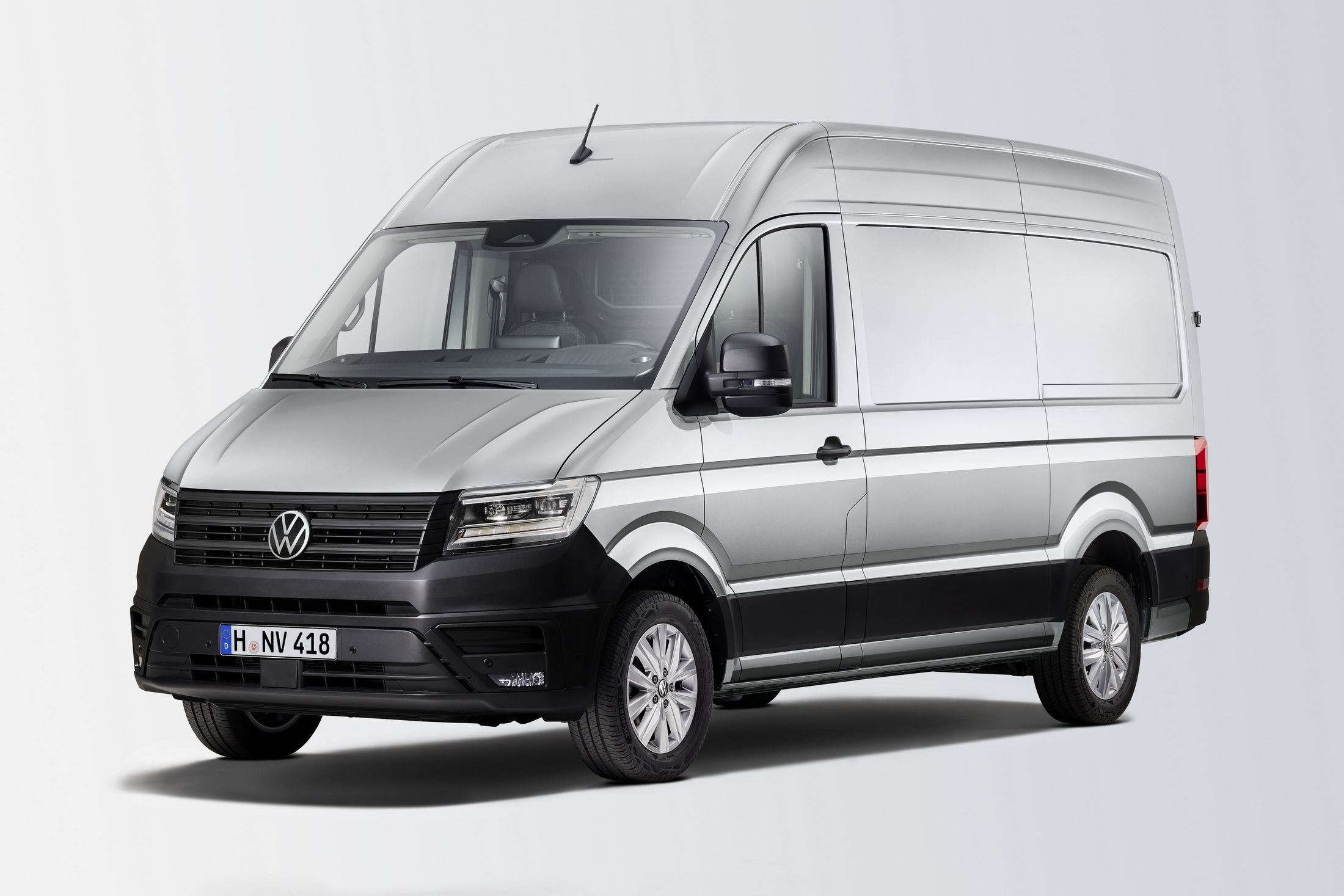
VW Crafter

Before the new platform arrives, VW is working on expanding its electric LCV lineup next to the ID. Buzz and the e-Transporter. One is a successor to the e-Crafter that was sold between 2018 and 2022. The updated model will likely offer a significantly longer range, improving the usability of the large van to rival the Ford e-Transit and Renault Master E-Tech.

More: VW Revives A Decades-Old Name For The Multivan, But Not Everywhere

The automaker is also considering a zero-emission variant of the Caddy. The current generation of the compact van debuted in 2020 and received a facelift in mid-2026, offering diesel and PHEV powertrain options.

It remains to be seen whether the e-Caddy will utilize an electrified version of the MQB architecture, as seen in the discontinued e-Golf, or jump into the MEB platform.

 VW Studied A Gas Backup Engine For The ID. Buzz But Ran Out Of Room
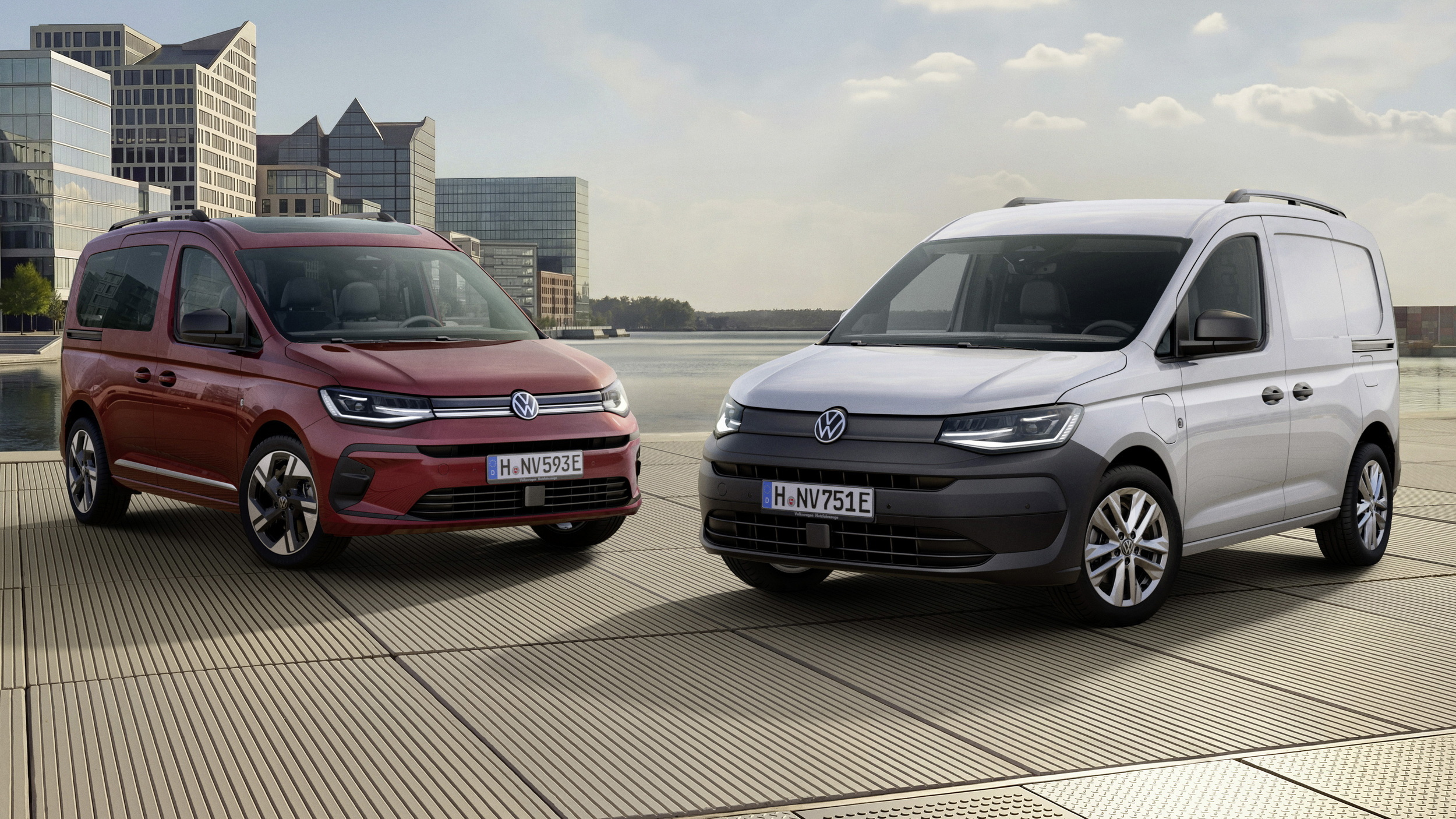
The facelifted VW Caddy in passenger and LCV forms.
❌