Normal view

There are new articles available, click to refresh the page.
Before yesterdayVehicles

China’s Answer To Europe’s EV Tariffs Came With A Gas Tank

  • Chinese brands shifted toward plug-in hybrids after EV tariffs arrived.
  • European officials now appear ready to target that growing loophole.
  • New duties may slow growth but probably won’t stop China expansion.

When the European Union slapped tariffs on Chinese-built EVs in late 2024, the expectation was that it would slow the flood of low-cost imports heading into the region. Instead, many Chinese automakers simply reached for Plan B. That plan came with a fuel tank, and sales of Chinese hybrids have rocketed in Europe since then.

Related: Europe Tried To Block Chinese Cars But Ended Up Helping Them Instead

But according to a report from German business newspaper Handelsblatt, Brussels is preparing a fresh trade offensive aimed at Chinese plug-in hybrids. The move would effectively extend the tariff battle beyond pure EVs and close what many European manufacturers now see as an obvious loophole.

The Numbers Behind The Alarm
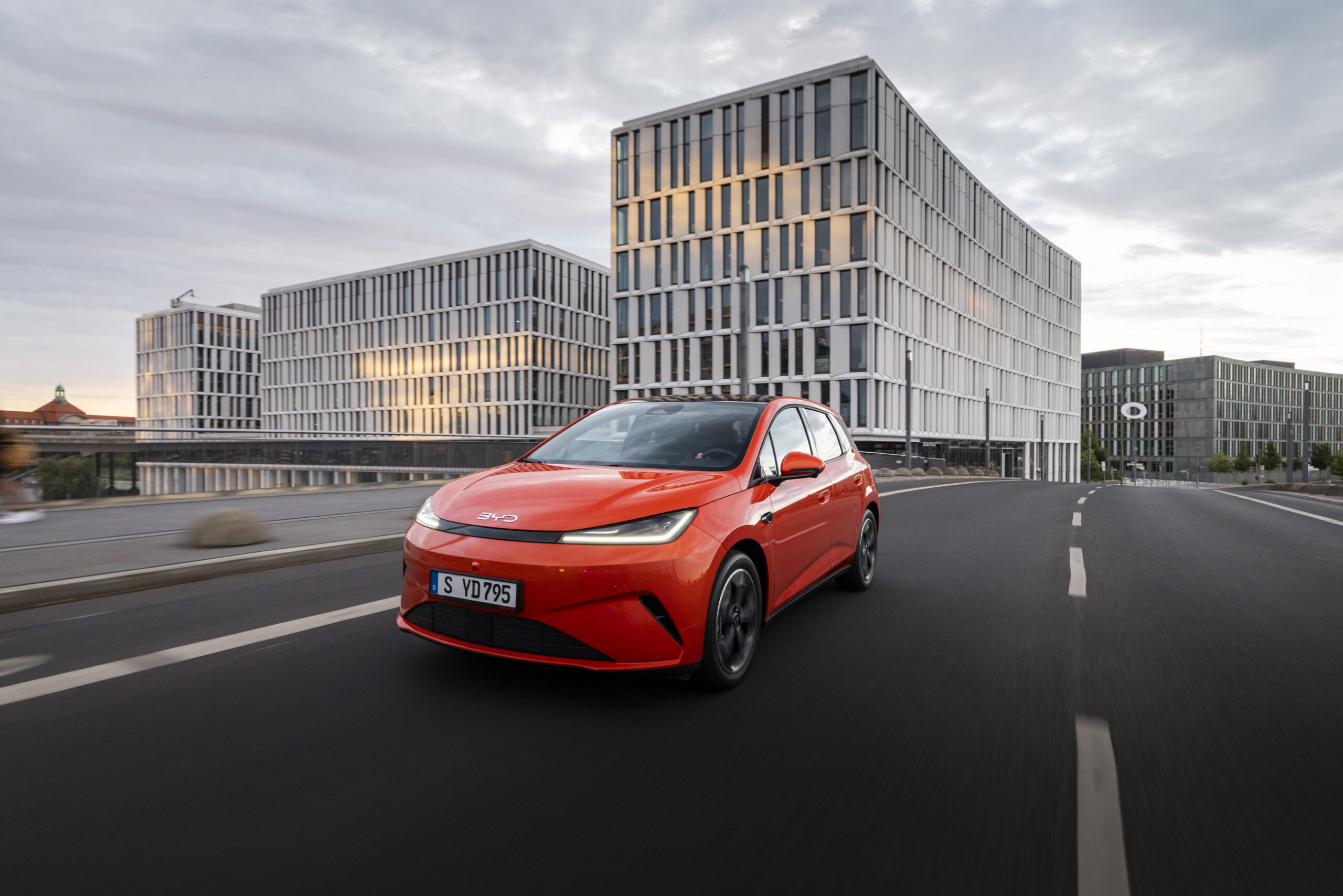
 China’s Answer To Europe’s EV Tariffs Came With A Gas Tank

One industry executive told Handelsblatt that Chinese manufacturers were quick to spot the opportunity and exploit it. In the executive’s view, it represents “an open flank that the EU must close.”

Some of the numbers help explain the concern. BYD’s European plug-in hybrid registrations reportedly climbed far faster than its EV sales this year, while Chery shipped tens of thousands of plug-in hybrids into the region and only a fraction as many battery electric vehicles, Handelsbaltt reports. For European automakers already struggling to defend market share against a Chinese industry that now supplies one in every 10 new cars sold in Europe, that’s an uncomfortable trend.

The proposed measures are still at the discussion stage, but reports suggest an official investigation is already being prepared. If approved by member states, tariffs could potentially be introduced in the coming months.

China Is One Step Ahead
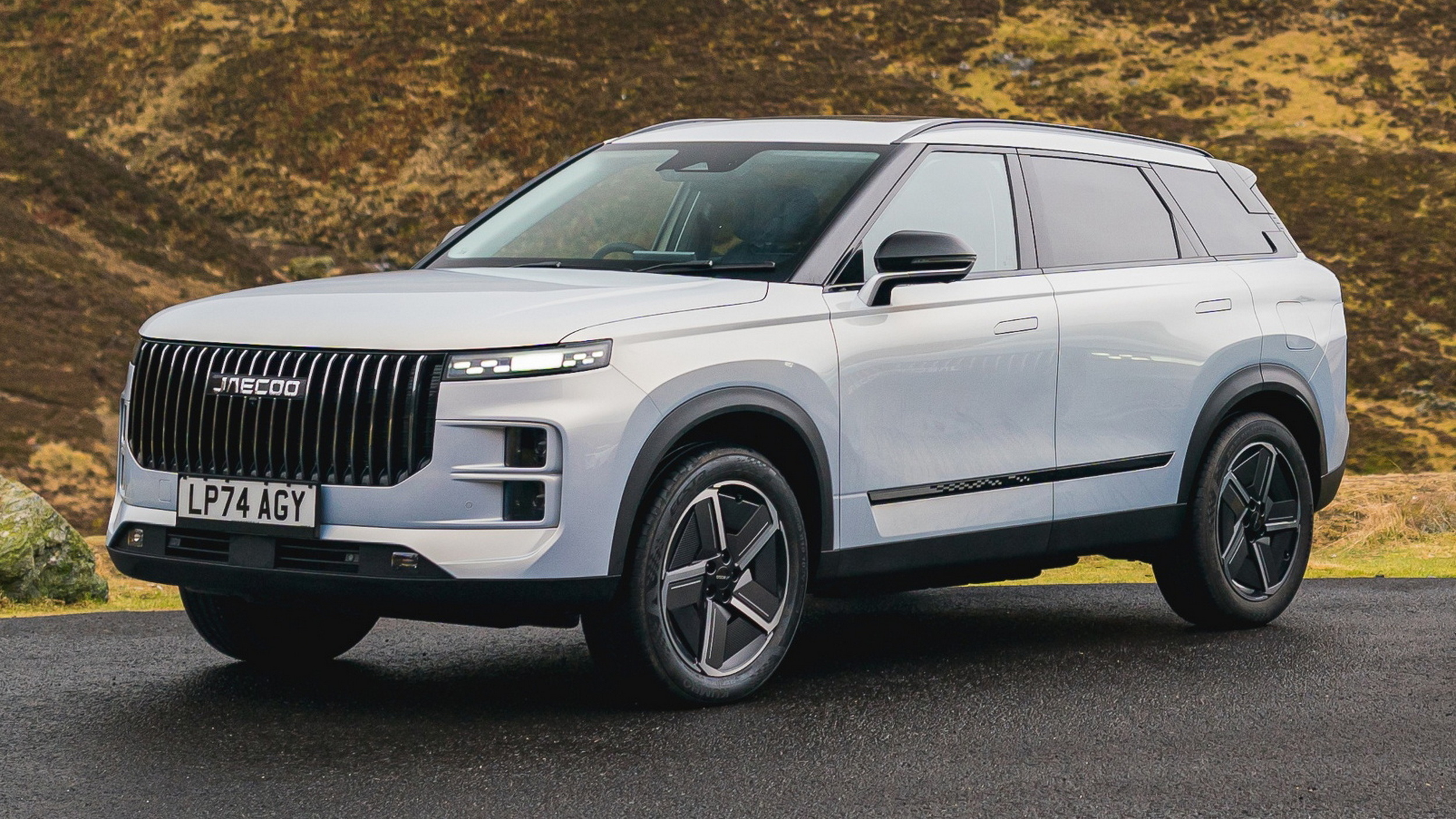
 China’s Answer To Europe’s EV Tariffs Came With A Gas Tank

Not everyone believes they’ll change the bigger picture, though. UBS analyst Patrick Hummel argues that additional duties are unlikely to derail Chinese expansion plans completely because profit margins in Europe are still so attractive. Many automakers are also moving production closer to European customers, borrowing underutilized plants from established players like Nissan, or planning brand new local factories to avoid tariff problems for good.

Political attitudes appear to be shifting, and governments that were previously reluctant to provoke Beijing are becoming more receptive to tougher trade measures as concerns grow about industrial competitiveness. But at the same time consumer acceptance and interest in Chinese brands is only growing. Rules and tariffs might make life harder for the Chinese, but one thing’s for sure: they’re not about to U-turn on their European expansion plans any time soon.
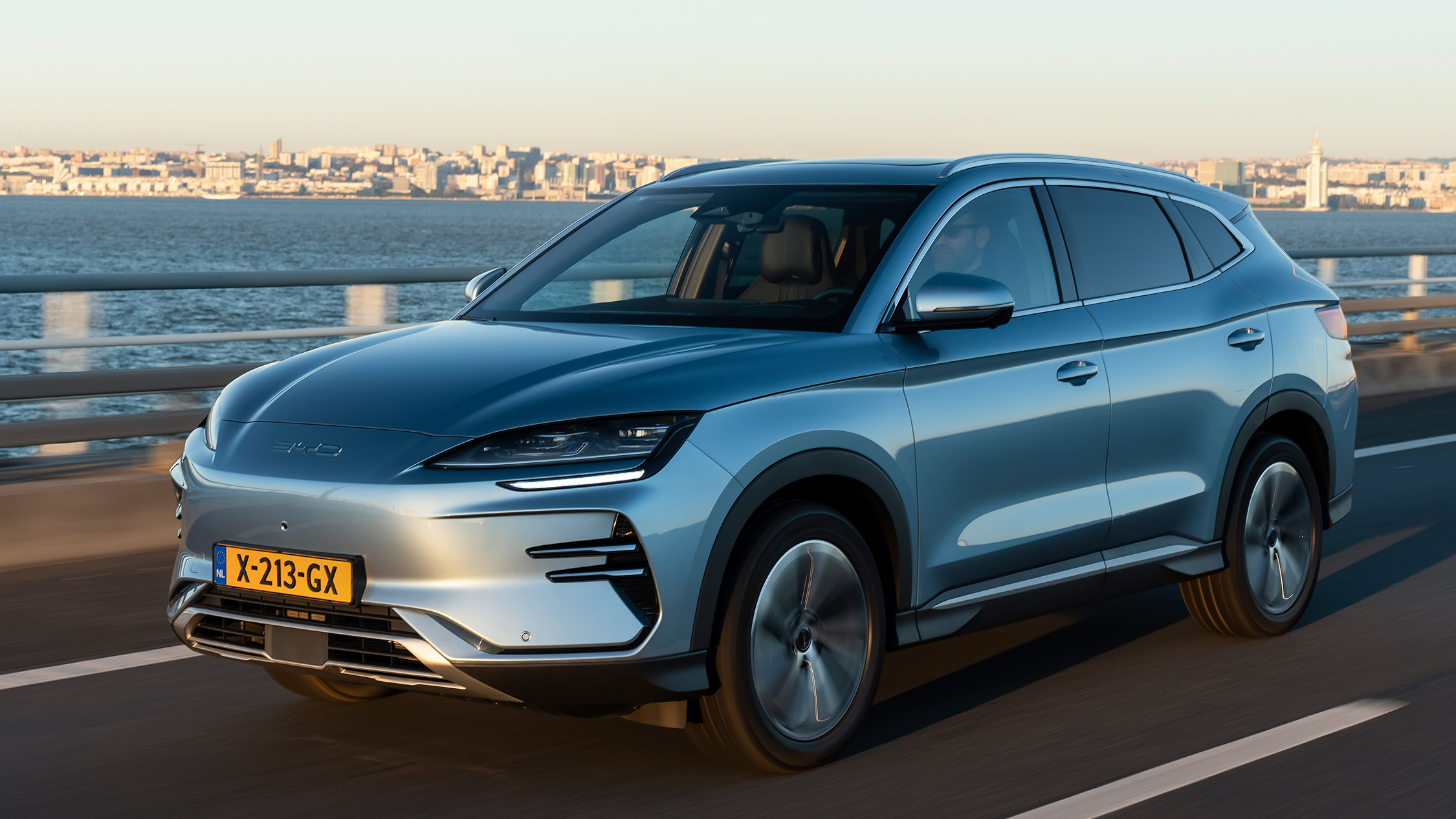
 China’s Answer To Europe’s EV Tariffs Came With A Gas Tank

Jaecoo, BYD

Toyota’s Record Sales Year Couldn’t Outrun Trump’s $8.8 Billion Tariff Bill

  • Toyota announced the FY2026 results, including a record ¥50.68 trillion revenue.
  • US tariffs dealt a ¥1.38 trillion blow, pushing North American operations into the red.
  • Company expects a further 20% profit dip in FY2027 due to Middle East instability.

Toyota released its financial results for the previous fiscal year, revealing a bittersweet reality: while consumers are buying their cars in record numbers, global but trade wars and geopolitical chaos are taking a serious bite out of the bottom line.

For fiscal year 2026, which ran from April 1 through March 31, Toyota Motor Corporation booked record revenue of 50.68 trillion yen ($323.42 billion), up 5.5 percent year over year. Operating income, however, dropped by roughly 1 trillion yen ($6.4 billion) to 3.77 trillion yen ($24 billion).

More: Toyota’s Next Corolla Cross Is Growing Up, And The RAV4 Should Be Worried

The single biggest culprit was a 1.38 trillion yen ($8.8 billion) hit from US tariffs. That alone was enough to drag Toyota’s North American division into a rare operating loss of 298.6 billion yen ($1.9 billion) excluding swaps, even though regional vehicle sales actually grew 8.5 percent. Selling more cars and losing money doing it is not the equation Toyota wants to be solving.

 Toyota’s Record Sales Year Couldn’t Outrun Trump’s $8.8 Billion Tariff Bill
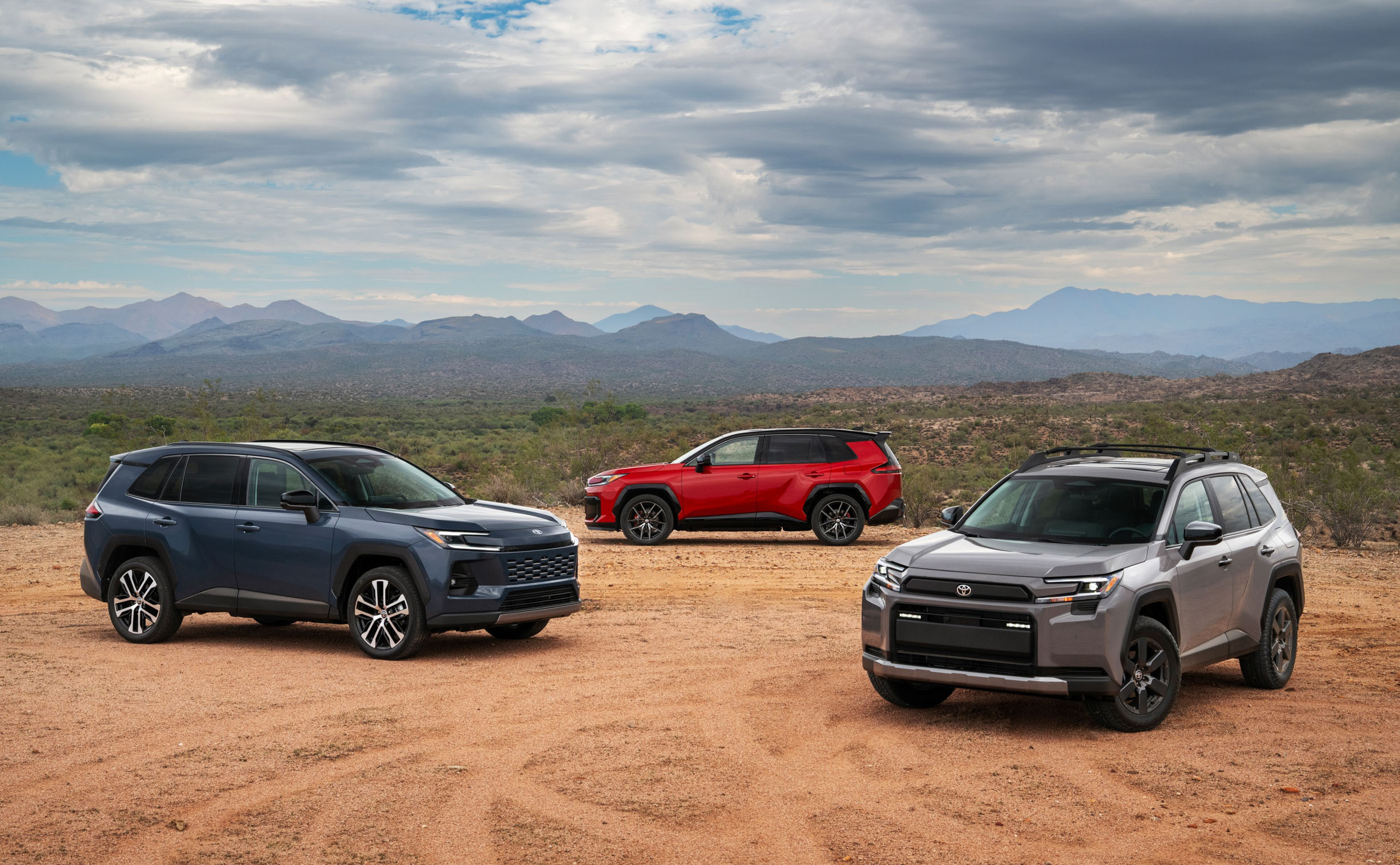
Toyota RAV4

To combat these trade frictions, Toyota will begin exporting US-built models to Japan starting this year, including the Camry sedan, the Highlander SUV, and the Tundra pickup. This move is less about covering local demand and more of a strategic effort to balance trade relations with the US.

More: A Texas-Built Full-Size Pickup Is Now On Sale In The Country That Invented The Kei Car

The 2026 results were quite positive for global sales of electrified vehicles, which reached 5.04 million units, making up 48.1% of total volume (11,283 million). These include 4.62 million HEVs, 175,000 PHEVs, and 243,000 BEVs, with the latter surging by 68.4% compared to last year. For FY2027, Toyota expects to more than double its BEV sales to 598,000 units.

What’s Next For Toyota?

 Toyota’s Record Sales Year Couldn’t Outrun Trump’s $8.8 Billion Tariff Bill
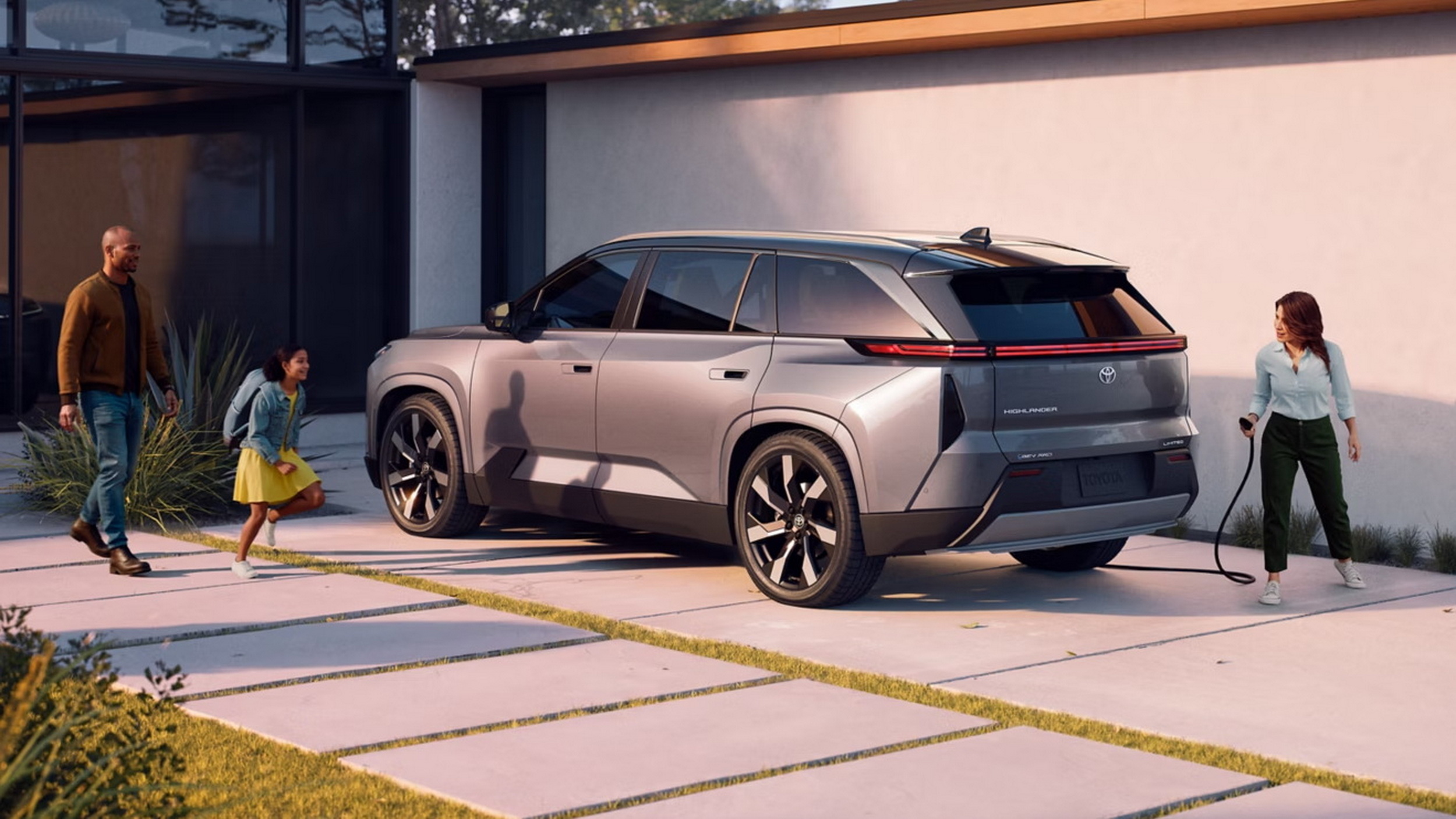
Toyota Highlander EV

The overall forecast for FY2027 is rather cautious. Toyota expects sales volume to hold roughly steady, but operating income is forecast to fall 20.3 percent to around 3 trillion yen ($19.1 billion). The company is bracing for an additional 670 billion yen ($4.27 billion) in costs tied to economic and logistical disruptions over the coming year.3

More: The Toyota Van That Refused To Change For 22 Years Is Being Replaced, And It’ll Look Nothing Like Before

Toyota specifically called out the “destabilization” of the Middle East and the ongoing war there, which are pushing materials and energy costs higher. Combined with ongoing tariff pressures and a massive 1.8 trillion yen ($11.48 billion) investment in R&D, Toyota is signaling to investors that the next 12 months will be a period of defensive maneuvering.

 Toyota’s Record Sales Year Couldn’t Outrun Trump’s $8.8 Billion Tariff Bill
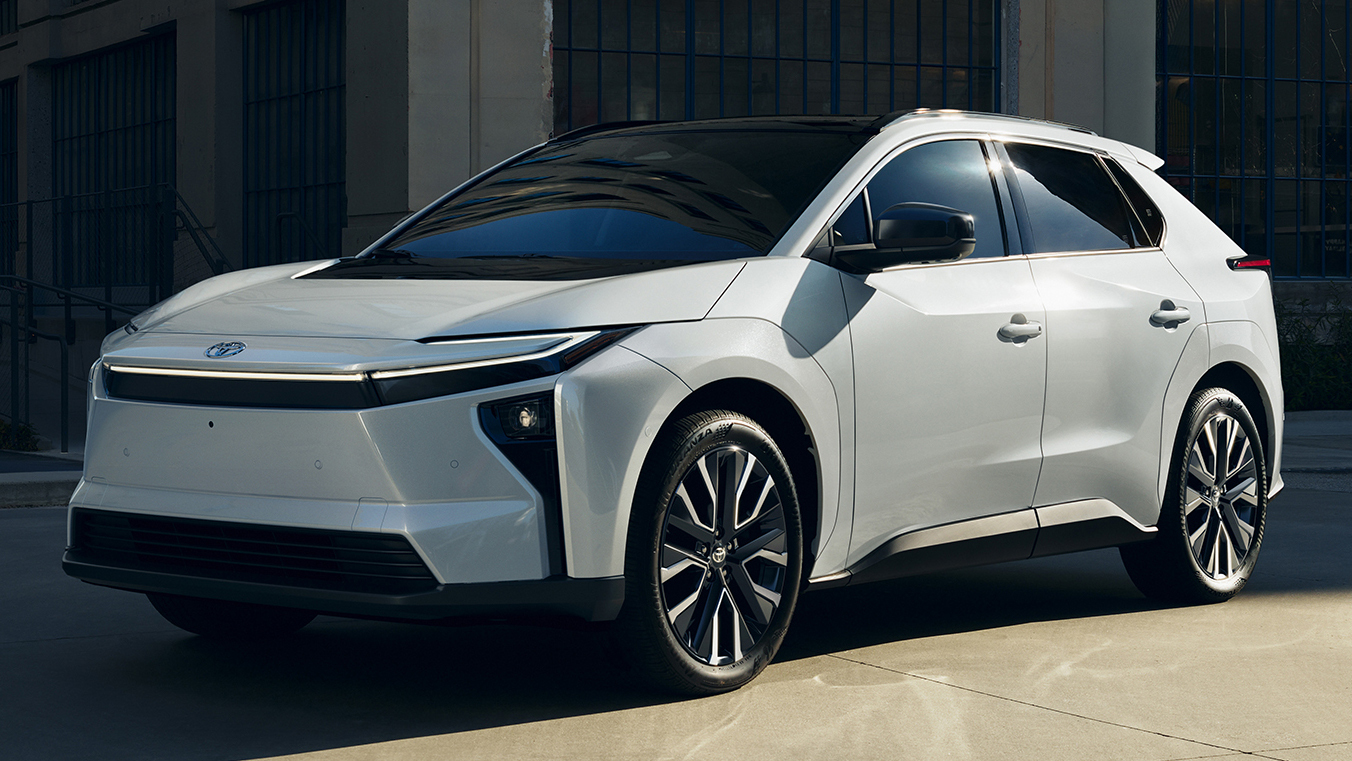
Toyota bZ

Shareholders aren’t being left empty-handed. Toyota declared a full-year FY2026 dividend of 95 yen ($0.61) per share and plans to bump it to 100 yen ($0.64) for FY2027. Toyota stock currently trades at 2,913 yen ($18.58), down 14 percent since the start of the year.

More: Toyota’s Most Powerful Land Cruiser Ever Is A $112K Hybrid Americans Can’t Buy

Toyota’s newly appointed President, Kenta Kon, said: “I feel there is still significant room for improvement in our management and administrative operations. Those of us in such positions, by further examining where our abilities truly lie, can move beyond simply managing the front lines and instead get directly involved to support operations.”

Below you can watch the entire presentation that was streamed earlier today from Japan.

❌
❌