❌

Normal view

There are new articles available, click to refresh the page.
Before yesterdayElectric Vehicles - Latest News | Carscoops

Rivian Has Already Issued The First Recall For The R2

  • A fault with the company’s rear-view camera is behind the recall.
  • A total of 98,828 Rivian R1S, R1T, and R2 models are impacted.
  • Rivian says most models have already been fixed.

Customer deliveries of the Rivian R2 started only three months ago, and already, the electric SUV has been caught up in its first recall. It’s not the only Rivian model impacted either, as tens of thousands of R1S and R1T models are also being recalled over the same issue.

The recall notice says that a software issue in the R1S, R1T, and R2 models falls foul of Federal Motor Vehicle Safety Standards. On the face of it, that sounds quite troubling, but it isn’t overly significant and certainly isn’t something Rivian owners should be losing sleep over.

Read: Rivian Service Followed The Wrong Instructions For Years, And One Owner Already Got Hurt

The company says that if the stability control system is disabled in one of the different drive modes, a safety alert will appear on the infotainment screen, asking whether the driver would like to return to a mode where the ESC is enabled. If a driver then puts the vehicle into reverse without making a selection, this notification will remain on screen, overlapping the rear-view camera image, which is a no-no according to safety standards.
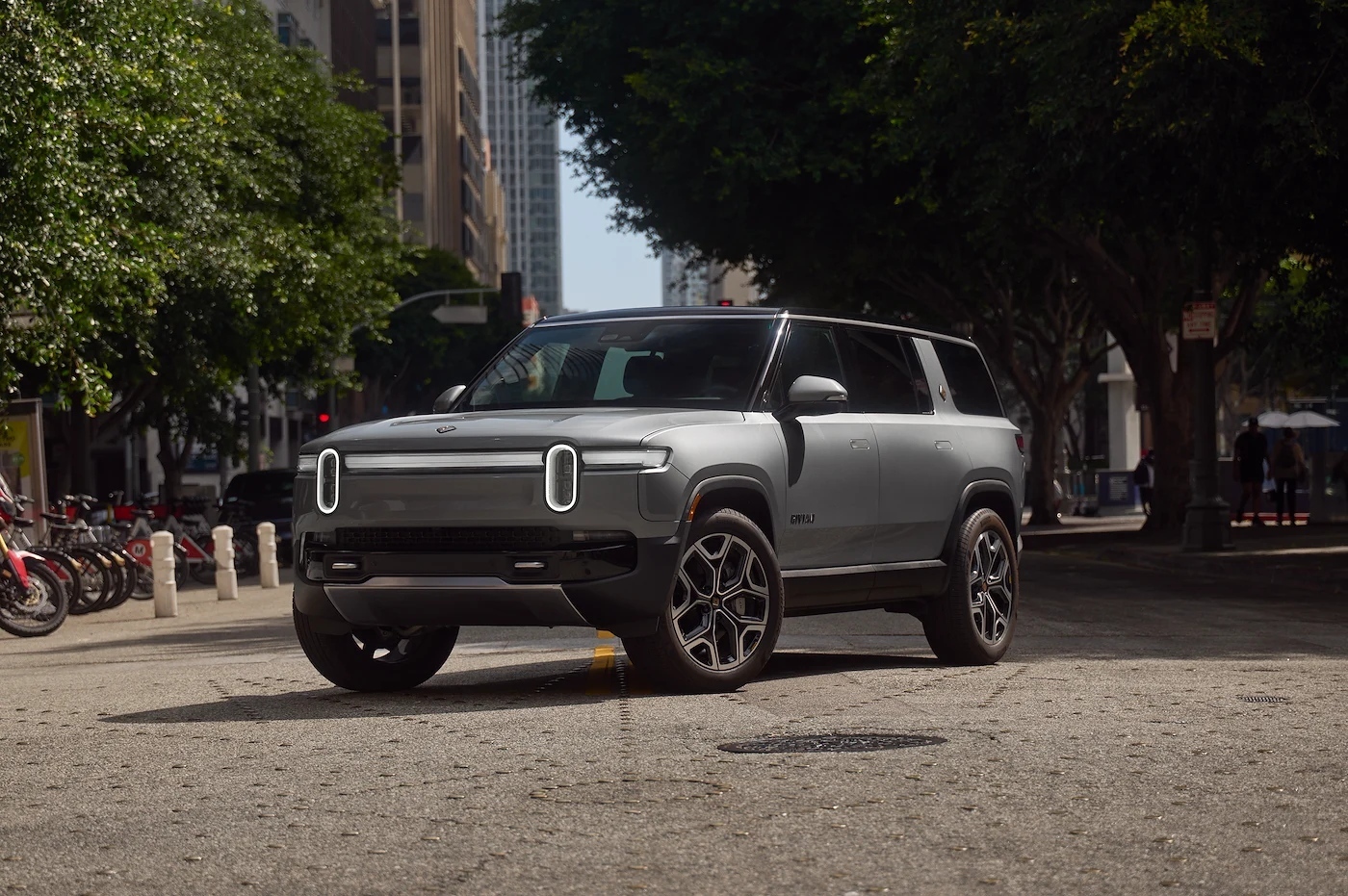
 Rivian Has Already Issued The First Recall For The R2

A total of 98,828 Rivian models are impacted. These start with 2,481 examples of the 2027 R2, manufactured between April 23, 2026, and August 10, 2026. In addition, 62,259 Rivian R1S models built from March 30, 2022, to August 6, 2026, through the 2022-2027 model years are involved, as are 34,088 Rivian R1Ts built from August 23, 2021, to July 6, 2026.

 Rivian Has Already Issued The First Recall For The R2

Rivian says it discovered the issue during internal testing from July through September and adds that before the recall notice was even issued, an over-the-air software update had already rectified the fault in most models. In fact, it says the update has already been rolled out to 96 percent of the R2s involved, as well as 95 percent of R1S and R1T models. Chances are, if you own an impacted model, it was already updated and fixed before the recall.
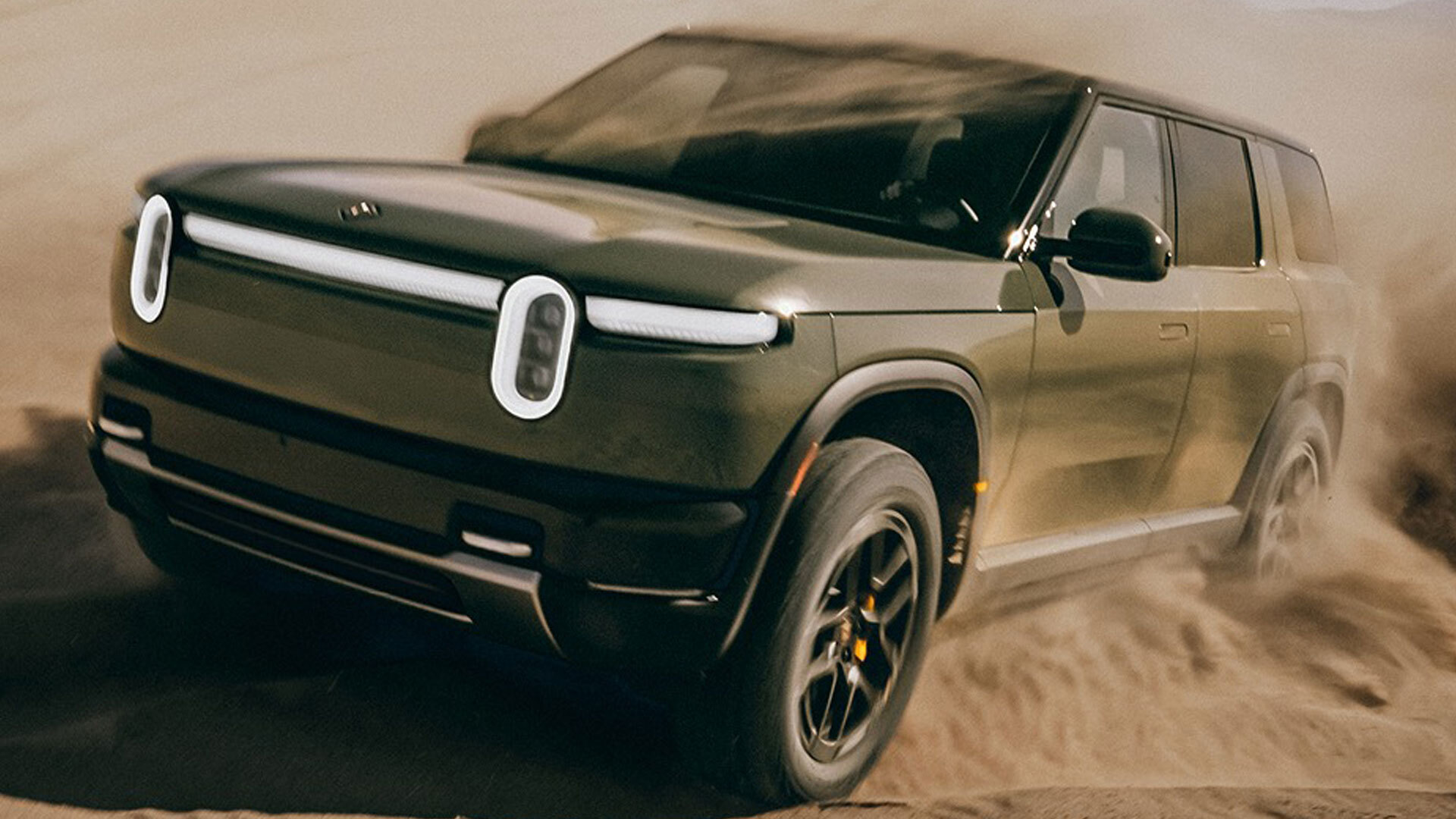
 Rivian Has Already Issued The First Recall For The R2

Hyundai Ioniq 9 Recalled Because The Seats Can Squish Kids

  • The Ioniq 9 is being recalled for a similar issue to the Palisade.
  • More than 5,300 Hyundai Ioniq 9s are being recalled in the United States.
  • Hyundai will start alerting impacted owners from November 9.

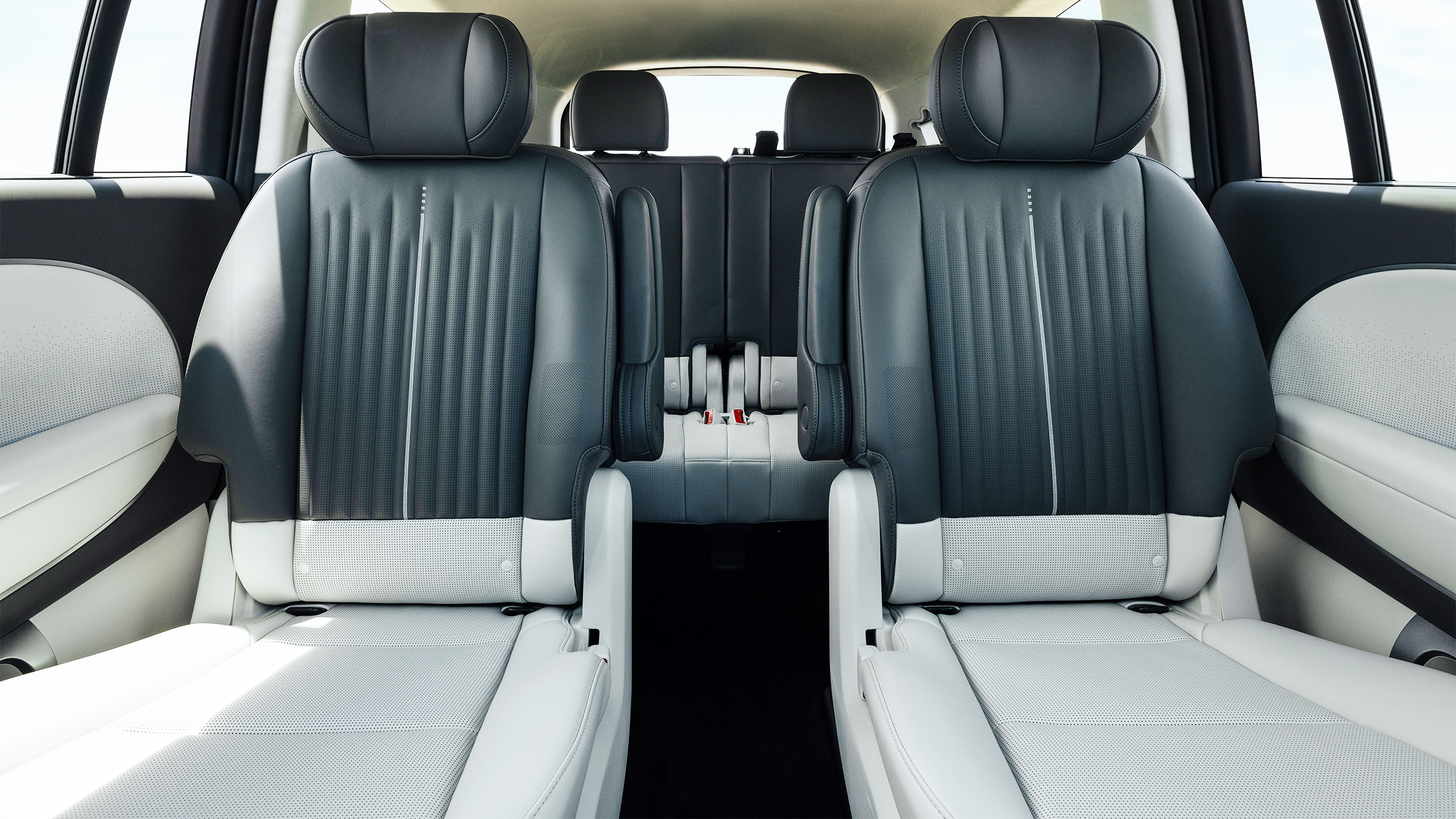
More than six months after tens of thousands of Hyundai Palisade models were recalled due to dangerous power-folding seats, the electric Ioniq 9 is being recalled for a similar issue. Hyundai says it’s aware of five consumer complaints about the defect and has been notified of two alleged injuries.

As was the case with the Palisade, Hyundai says the second-row power-seat assemblies of the 2026 Ioniq 9 may not respond if they come into contact with an occupant or object while folding away. This issue attracted global attention in March when it was revealed that a two-year-old girl was crushed by the folding seats of a 2026 Palisade.

Read: Child Death Leads To 2026 Hyundai Palisade Recall, But Still No Fix

This latest recall affected 5,360 Hyundai Ioniq 9 models manufactured between March 17, 2025, and May 4, 2026, with the Korean car manufacturer reporting that 100 percent of recalled vehicles have the fault.

While the issue is similar to the one which impacted the Palisade, it’s not identical. Hyundai notes the Ioniq 9 uses different seat architectures, software, motors, and supplier components to the Palisade and that it evaluated the Ioniq 9’s seats separately.

What’s The Fix?

\\\\\\\\\\

Hyundai says it began investigating the second-row folding seats of the Ioniq 9 in March and it determined the seats can fold at forces over the company’s established limits.

 Hyundai Ioniq 9 Recalled Because The Seats Can Squish Kids

Owners of affected models will be alerted from November 9. Prior to this date, Hyundai is urging owners to use caution while operating the power-folding seat functions. To resolve the potentially deadly fault, dealership technicians will inspect the seat controller software version and update the logic for the power seat functions. Owners who have opted in to receive over-the-air software updates will receive a fix this way.

It’s not just the Hyundai Palisade and Ioniq 9 that have been hit with a power folding seat issue. Earlier this year, Kia recalled hundreds of 2027 Telluride models, noting they also lacked sufficient anti-pinch protection for second-row occupants. In July, GM revealed the electric Vistiq could also have a similar fault, this time impacting its third-row seatbacks.

\\\\\\\\

Ford Recalls Mustang Mach-E Because A Battery Repair Can Make Things Worse

  • Recall affects just 86 Mustang Mach-Es.
  • Replacement controllers can falsely report battery health.
  • Ford warns of power loss and potential fire risk.

There are few things an EV driver needs to trust more than the little number telling them how much battery is left. Unfortunately, 86 Ford Mustang Mach-E owners may have discovered an unusually creative way for that number to lie. Ironically, the problem only exists because their cars were previously repaired.

Ford is recalling certain 2023-2025 Mustang Mach-Es equipped with lithium iron phosphate (LFP) batteries after discovering an issue involving replacement Battery Energy Control Modules, or BECMs. According to the automaker, every one of the 86 vehicles included in the recall is estimated to have the defect.

Read: Ford Recalls 288,000 Explorers Because The Roof Trim Keeps Flying Off

The problem is almost comically simple. When a replacement BECM was installed, it initialized the battery’s State of Health at a fresh-from-the-factory 100 percent instead of inheriting the actual State of Health from the battery already in the vehicle. That’s considerably more consequential than simply being off by a percentage or two.

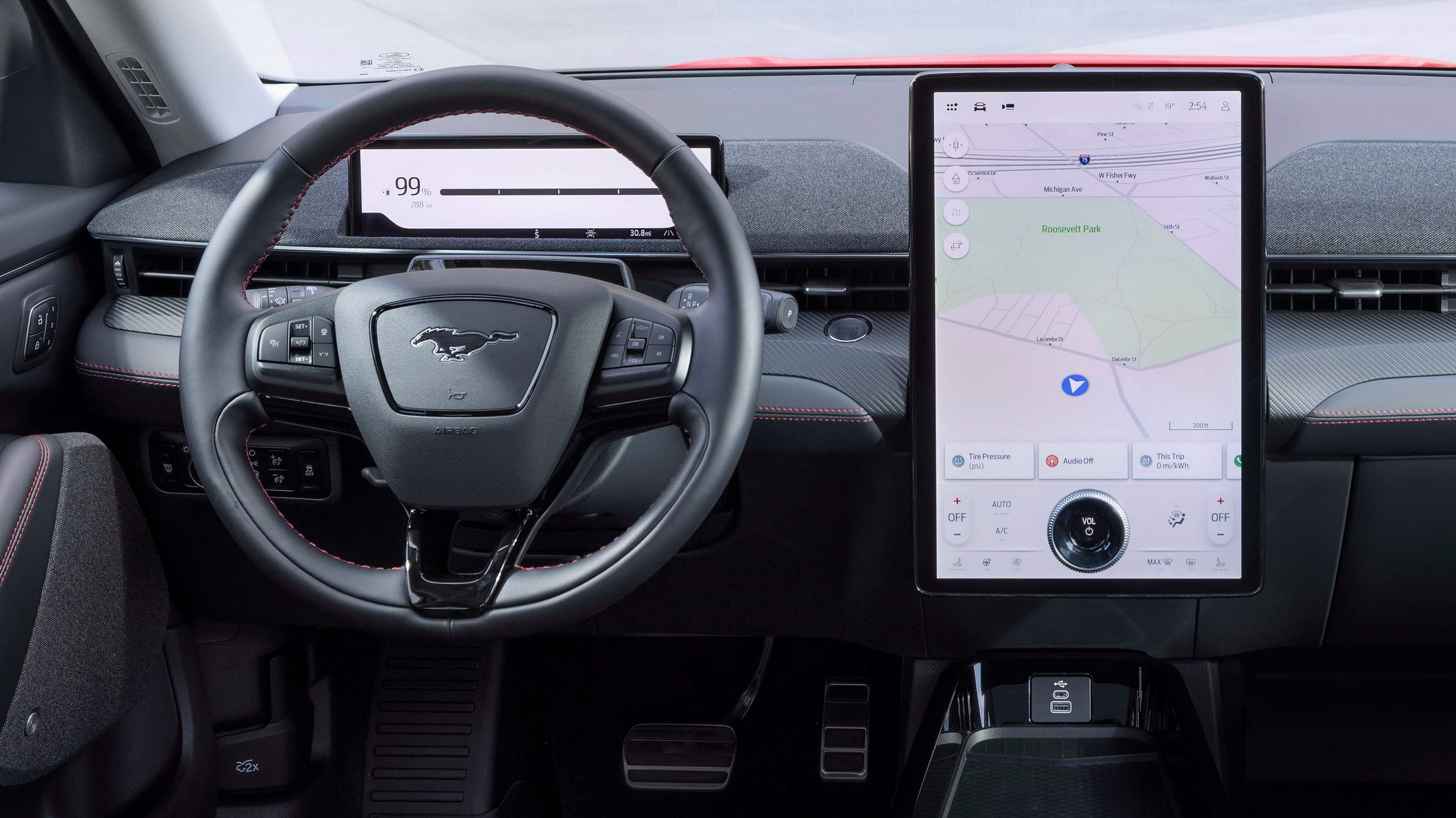
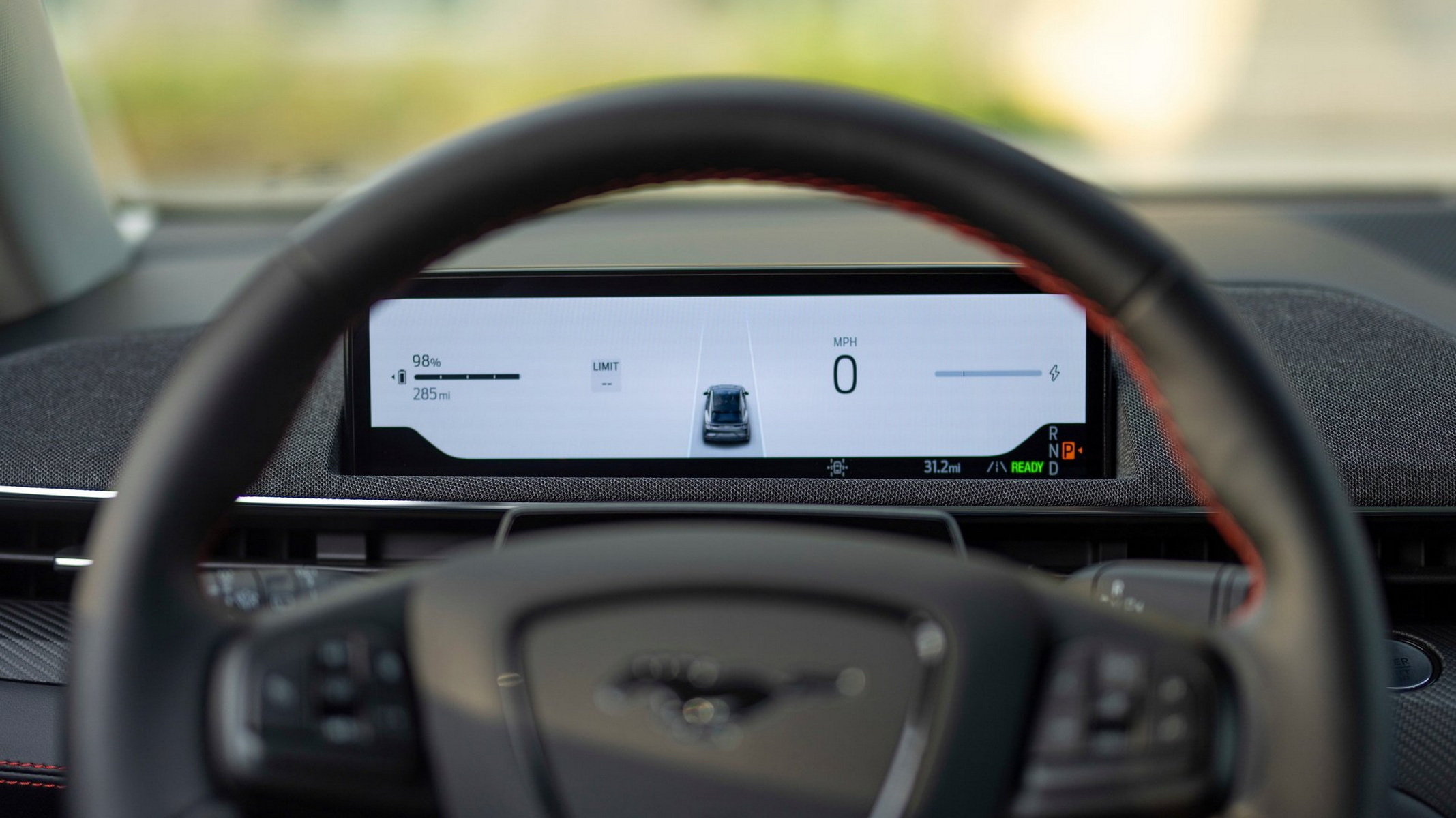
Since the car believes its battery is healthier than it really is, Ford says it can also display an artificially high State of Charge on the instrument cluster. In other words, the Mach-E can tell its driver that there’s more juice in the tank than there actually is. That discrepancy can eventually cause unexpected power limitation and ultimately a complete loss of motive power. Drivers may see a wrench or turtle warning light as the vehicle begins limiting power.

 Ford Recalls Mustang Mach-E Because A Battery Repair Can Make Things Worse

There is another, potentially more serious concern. Ford says the incorrect State of Health calculation may increase lithium plating within the battery cells as DC fast-charging cycles accumulate. Severe lithium plating can increase the risk of thermal venting and, potentially, a vehicle fire. Thankfully, there’s no indication that things have reached that point. As of its filing, Ford said it wasn’t aware of any crashes, injuries, or fires related to the issue. It also hadn’t identified any field reports specifically tied to the State of Health overestimation problem.

The solution is a simple software update that will allow the BCEM to recognize and then use the actual state of health that the corresponding battery has. It’s an extremely small recall, but also a fascinating reminder of just how much modern EVs rely on software knowing exactly what’s happening inside the battery.

 Ford Recalls Mustang Mach-E Because A Battery Repair Can Make Things Worse

Photos: Ford

❌
❌