Normal view

There are new articles available, click to refresh the page.
Before yesterdayMain stream

VW’s Next Electric SUV Looks More Like A Tiguan

  • VW will rename the updated ID.4 as the ID. Tiguan in 2027.
  • Design shifts closer to the familiar look of the brand’s SUVs.
  • Physical buttons return, replacing the much-criticized sliders.

Volkswagen’s replacement for the ID.4 is not shaping up as a clean-sheet electric SUV. Instead, the company seems set to give the existing formula a fairly thorough rethink, reworking what it already has rather than tearing it up and starting again from scratch.

And it will likely arrive wearing a badge most buyers already know. Volkswagen is preparing to pin the Tiguan name onto what will become its core compact EV, a move meant to make the brand’s electric lineup feel less like a collection of tech codes and more like the VW showroom people already recognize.

Read: VW Locks Gas Tiguan In Until 2035 With Two Major Updates Planned

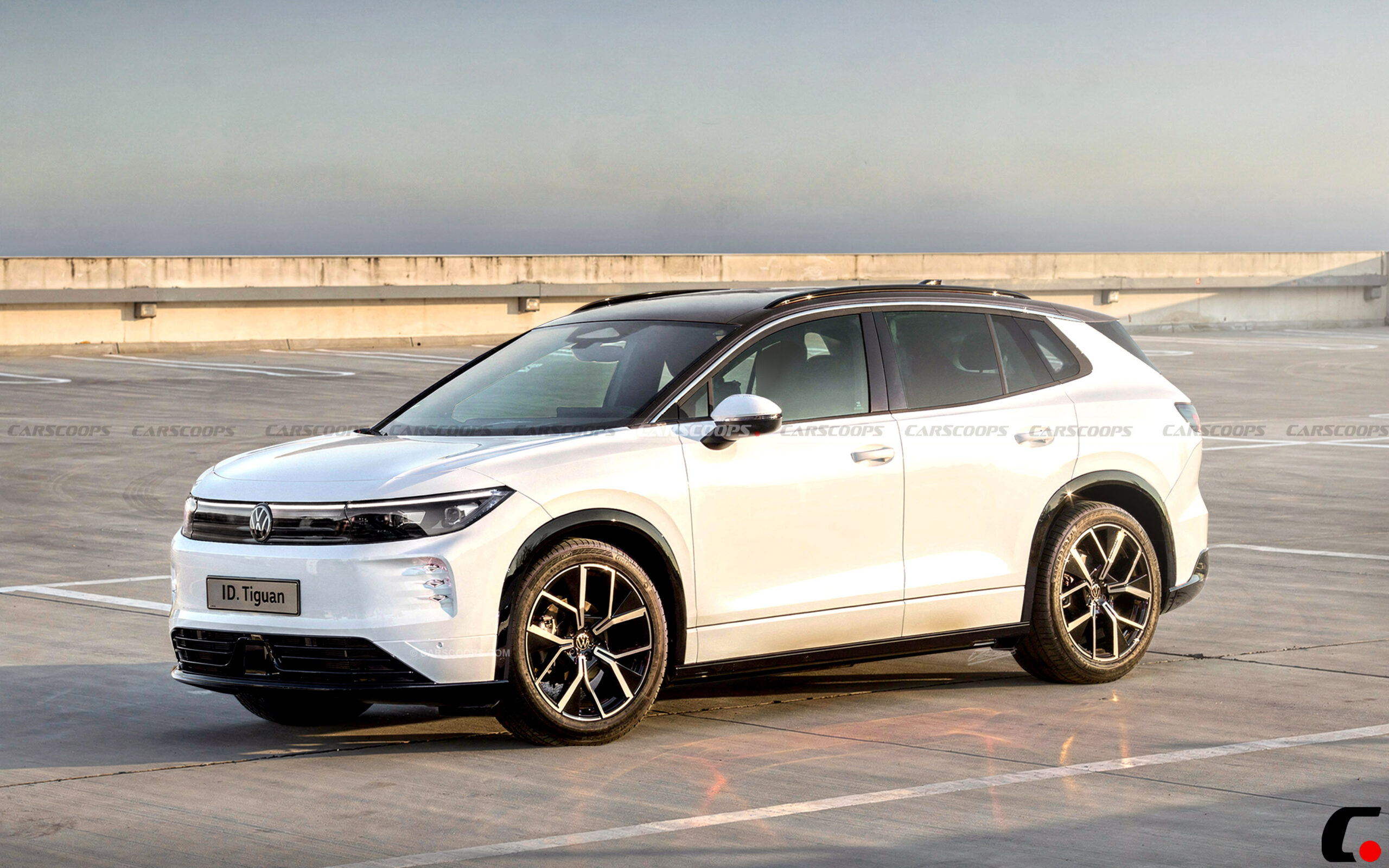
Recent prototype sightings give us a good idea of where the design is headed. Using those clues, we put together a production-style rendering and gathered everything currently known about the upcoming model.

Design Direction
 VW’s Next Electric SUV Looks More Like A Tiguan
Illustrations Josh Byrnes / Carscoops

Arguably, the electric Tiguan won’t get your pulse racing in the same way, say, Mazda’s new CX-6e will, but that’s okay. Visually, the ID. Tiguan retains the ID.4’s underlying proportions but refines them with more conventional SUV cues.

Also: Kia Killed The Stinger, But An EV8 GT Might Redeem Everything

The front fascia is a squarer affair, ditching the rounded look in favor of rectangular LED headlights connected by a full-width light bar and an illuminated VW badge. A more upright bumper with subtle vertical elements exudes minimalism. 

In profile, it now has a straighter shoulder line, revised window graphics, and linear lower cladding. The roofline remains largely unchanged, while the flush door handles have been replaced by a conventional ‘pull-action’ setup. Out back, a full-width taillight cluster mirrors the front, while a revised bumper and subtle roof spoiler clean up the overall look.

Buttons Are Back!
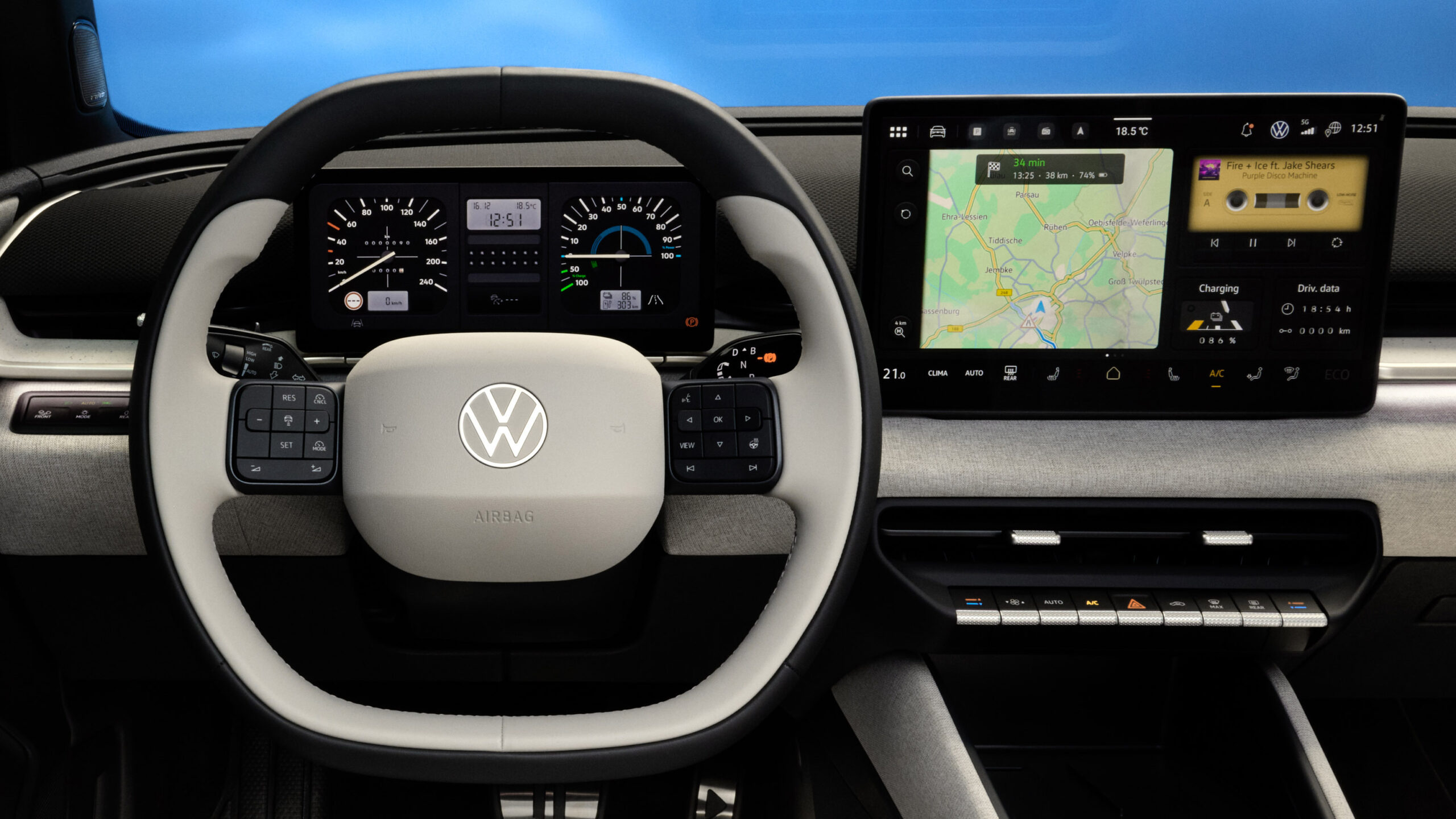
 VW’s Next Electric SUV Looks More Like A Tiguan
The ID. Polo shown here will be the first of several VWs to restore physical cabin controls.

Inside, the previous and much-despised haptic feedback and slider setup from the ID.4 will be ditched. A large infotainment screen will remain, but like the new ID. Polo, it will bring back proper physical buttons for the steering wheel and HVAC controls, plus an actual volume knob.

See: Ford’s $30K Electric Pickup Wants To Beat Cybertruck At Its Own Game

On the tech front, it will bring AI integration with ChatGPT, conversational voice commands, and other connected services. Interior quality is also set to improve, with increased recycled materials and fabric surfaces. Occupant space will largely stay the same, offering generous rear-seat legroom and a flat floor. 

Under The Skin
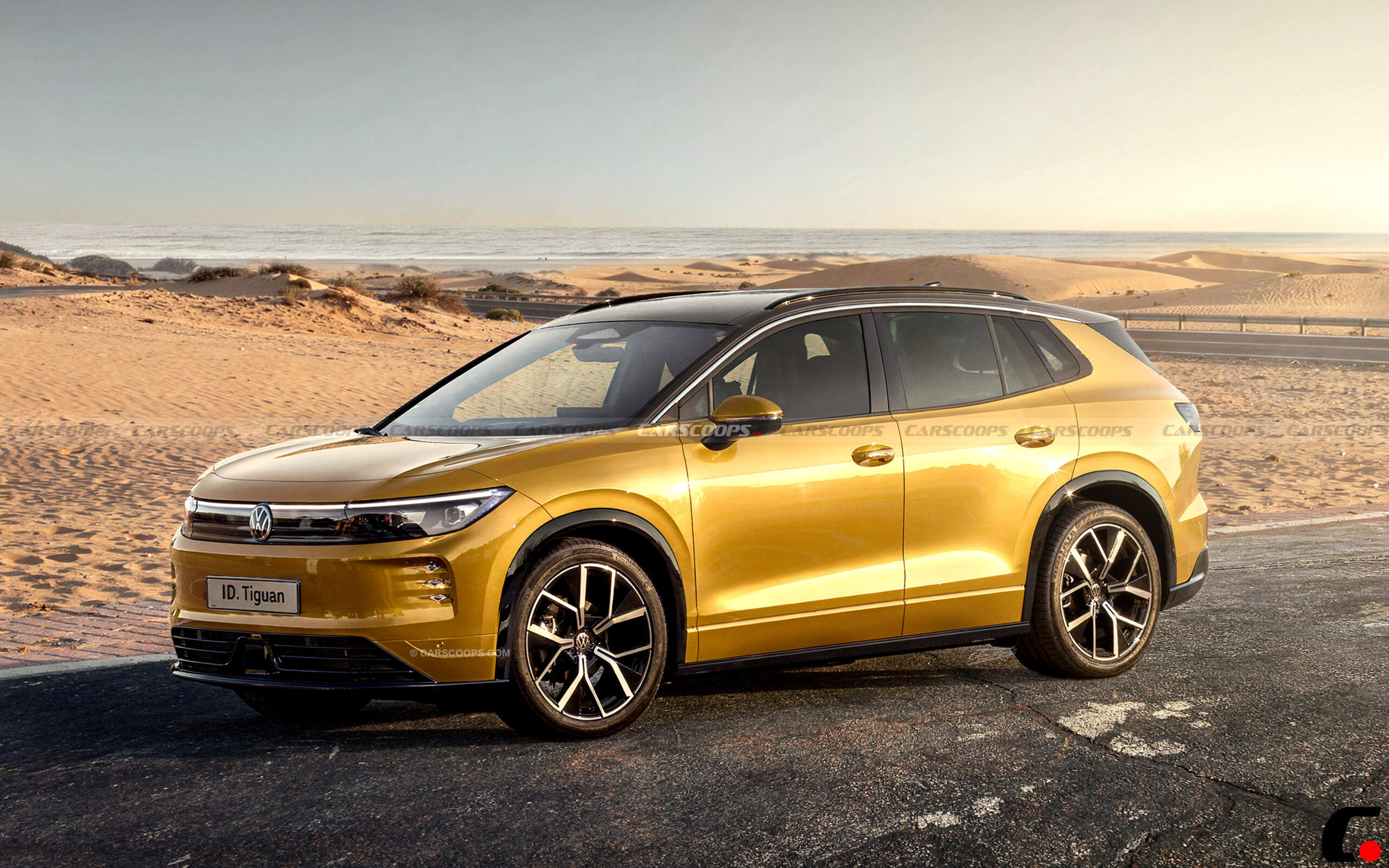
 VW’s Next Electric SUV Looks More Like A Tiguan
Illustrations Josh Byrnes / Carscoops

Under the skin, the ID. Tiguan will continue to ride on Volkswagen Group’s MEB architecture, most likely in its updated MEB+ form. The overall battery and chassis layout should remain familiar, with MacPherson struts up front and a multi-link rear suspension. Expect recalibrated driver-assistance systems and a handful of upgraded safety features to round out the updates.

As previously reported, powertrain options are also expected to closely mirror the current lineup with minor tweaks. Base variants will continue to use a single motor on the rear axle, developing around 282 hp (210 kW). Dual-motor, all-wheel-drive versions will yield close to 335 hp (250 kW).

Also: The Next Hyundai Elantra Will Look Nothing Like The Car In Your Driveway

The 400-volt system will employ LFP batteries with roughly 77kWh to 86kWh of capacity, targeting WLTP metrics in the 311-342 mile (500–550km) range, alongside improved DC fast-charging capability.

\\\\\\\\\\

Rivals and Reveal

When it arrives, the ID. Tiguan will find itself in very busy territory. The usual suspects are all here, including the Tesla Model Y, Ford Mustang Mach-E, Hyundai Ioniq 5, Kia EV6, Skoda Enyaq, Zeekr 7X, and Peugeot e-5008. Volkswagen is expected to reveal the model sometime in 2026, with sales likely following in 2027.

So, what do you make of the ID. Tiguan’s familiar, slightly more conventional look? Let us know your thoughts in the comments.
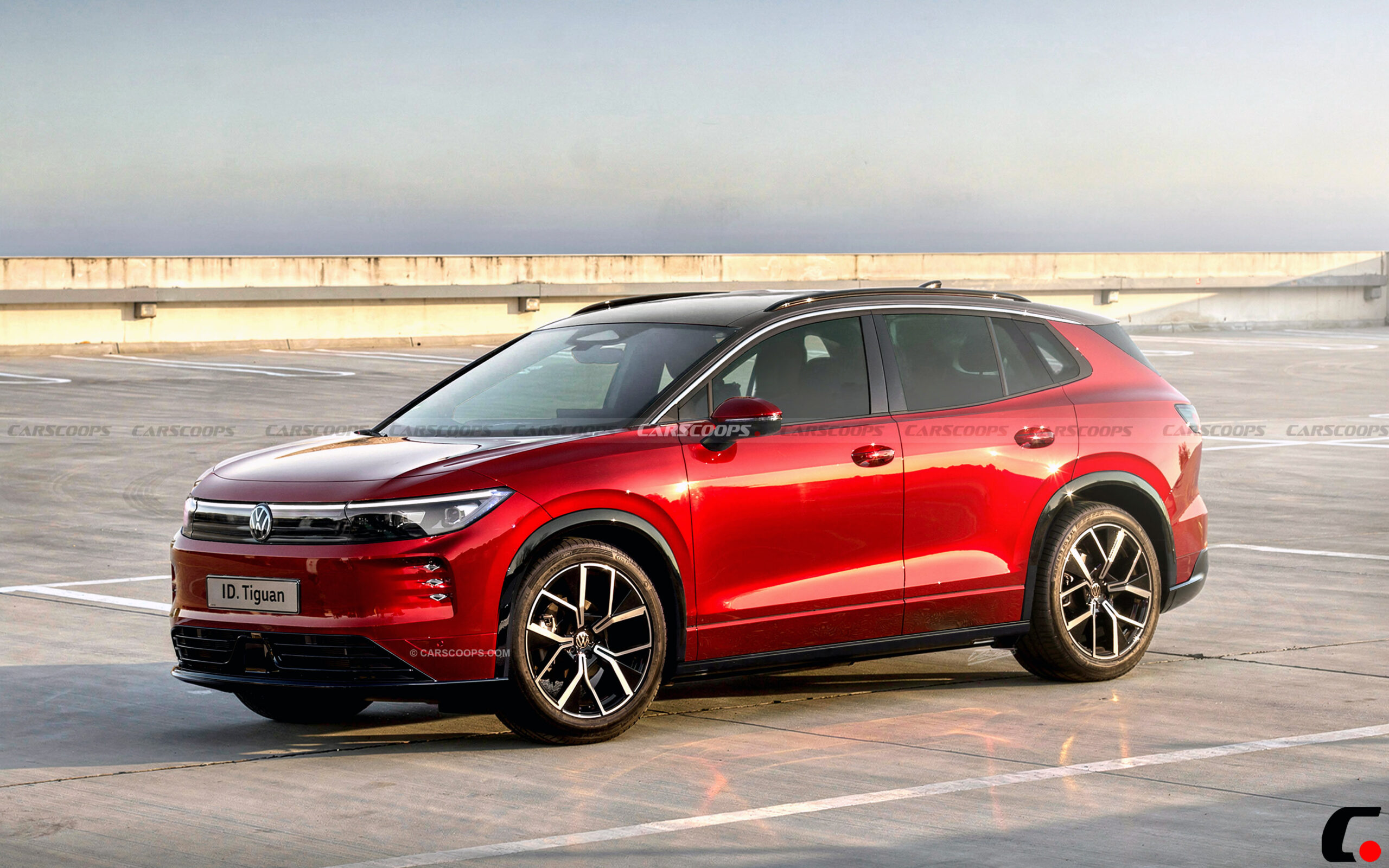
 VW’s Next Electric SUV Looks More Like A Tiguan
Illustrations Josh Byrnes / Carscoops

VW Locks Gas Tiguan In Until 2035 With Two Major Updates Planned

  • VW confirmed two facelifts for the EU-spec Tiguan.
  • ICE-powered production now expected to last until 2035.
  • Facelifted ID.4 may adopt the ID. Tiguan name in 2027.

Volkswagen has offered the first glimpse of the next-generation Golf but the same announcement in Wolfsburg also brought notable news about the Tiguan. The compact SUV is set for two major updates that will effectively extend its lifecycle until at least 2035.

During the first meeting of 2026, Works Council Chairwoman Daniela Cavallo revealed that Volkswagen is planning “two extensive product upgrades for the best-selling Tiguan for the years 2028 and 2031”.

Review: We Drove The 2025 VW Tiguan And It’s Not What You Expect, But It’s What You Need

Cavallo was referring to the European-market Tiguan, which was followed by the larger Tayron in October 2024. That model later evolved into the North American-market Tiguan, although without the third-row seating and hybrid options.

The Double Facelift Strategy

Most models receive a single mid-cycle refresh before slowly drifting toward retirement. The Tiguan, however, is getting special treatment. VW has already locked in two updates for the SUV, which rides on the MQB Evo architecture.

 VW Locks Gas Tiguan In Until 2035 With Two Major Updates Planned

The first facelift, scheduled for 2028, will likely bring the interior tech up to speed with Volkswagen’s newer models. Expect a renewed focus on physical controls, paired with more capable software. If recent VW updates are anything to go by, exterior changes may stay fairly restrained, limited to revised bumpers and LED lighting signatures, plus a few new colors and wheel designs.

More: The Tiguan R Could Return Stronger Than Ever

The second facelift is planned four years later, or eight years after the current generation first arrived. That update should deliver more noticeable design revisions, keeping the Tiguan looking current in the crowded compact SUV segment and aligned with Volkswagen’s evolving design language.

Powertrains will also need attention. A stronger dose of electrification will likely be required to keep the lineup compliant with Europe’s steadily tightening emissions rules.

Increasing Life Expectancy

 VW Locks Gas Tiguan In Until 2035 With Two Major Updates Planned
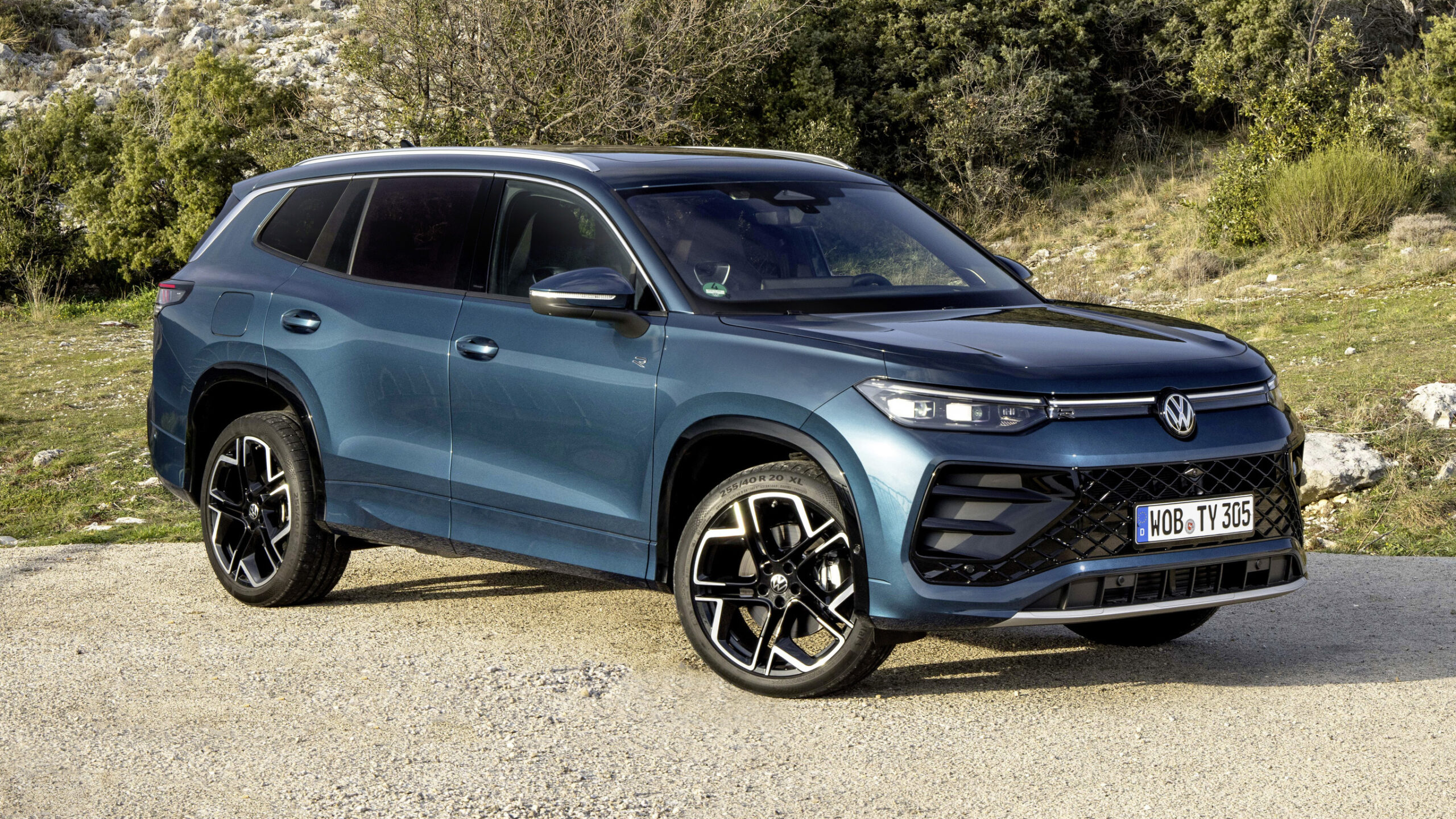
EU-spec VW Tiguan

By launching a major refresh as late as 2031, Volkswagen is effectively guaranteeing the ICE-powered Tiguan a long life. The new plan pushes the SUV’s lifecycle to at least 2035, lining up with company plans to keep combustion engines on sale in Europe until the middle of the next decade.

More: VW Liked Its Design Boss So Much, He’s Now Leading Every Brand

A similar fate appears likely for the current ICE-powered Golf. Reports suggest it could remain on sale until around 2035, even after the fully electric ID. Golf arrives before 2030. So while the electric future is clearly coming, Volkswagen is not in a rush to turn off the lights on its combustion models.

Production remains split across two continents. The EU-spec Tiguan is built in Wolfsburg, Germany, alongside the Tayron, while the US-spec version rolls out of Volkswagen’s Puebla plant in Mexico. The company has not confirmed long-term plans for either model, but a pair of facelifts sounds far more plausible than funding entirely new generations.

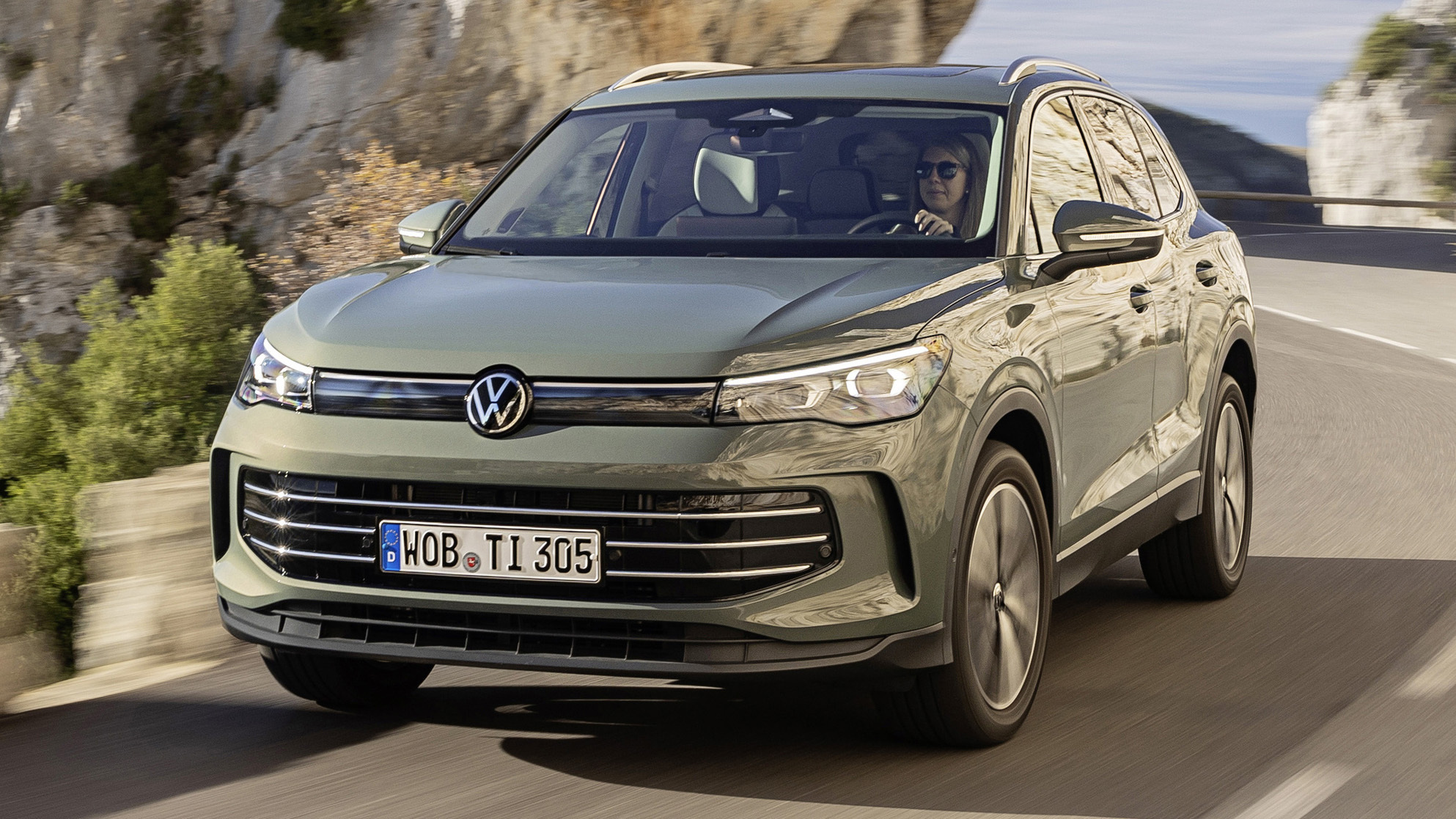
What About The ID Tiguan?

 VW Locks Gas Tiguan In Until 2035 With Two Major Updates Planned
EU-spec VW Tayron

Volkswagen has also confirmed two upcoming EVs built in Wolfsburg on the new SSP architecture. They are the ID. Golf and the ID. Roc, both expected to arrive toward the end of the decade. Before their arrival, the company plans substantial updates for the current MEB-based ID.3 and ID.4.

More: VW’s 1 Millionth EV Took 12 Years, Its 2 Millionth Took 10 Months

While nothing is official yet, the facelifted ID.4 is rumored to adopt the ID. Tiguan name as part of Volkswagen’s new naming strategy. The electric crossover is also expected to abandon its curvier styling in favor of a more traditional SUV design. Inside, look for a heavily revised cabin and mechanical upgrades aimed at improving power, range, and efficiency.

By keeping the Tiguan name alive across two different platforms, VW is hedging its bets. Whether buyers choose hybrid or fully electric, Wolfsburg seems keen to make sure there is still a Tiguan sitting in the driveway over the next decade.

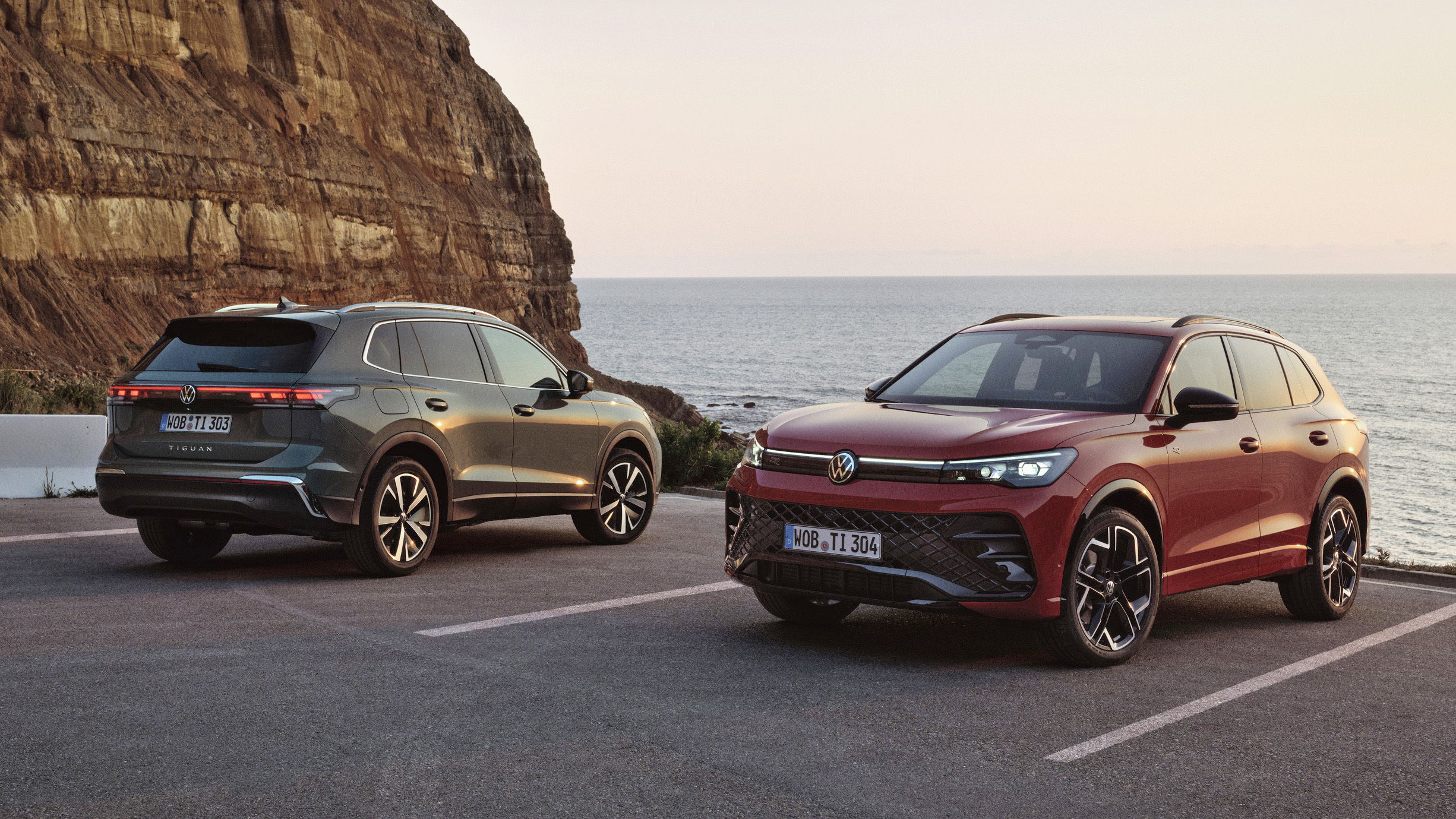
 VW Locks Gas Tiguan In Until 2035 With Two Major Updates Planned
The current VW ID.4 GTX (left) and the Tiguan R-Line (right).

VW’s 1 Millionth EV Took 12 Years, Its 2 Millionth Took 10 Months

  • Volkswagen has delivered its 2 millionth EV, an ID. 3 hatch.
  • It only celebrated the 1 millionth electric car in April 2025.
  • New affordable models like ID. Polo and ID. Cross coming.

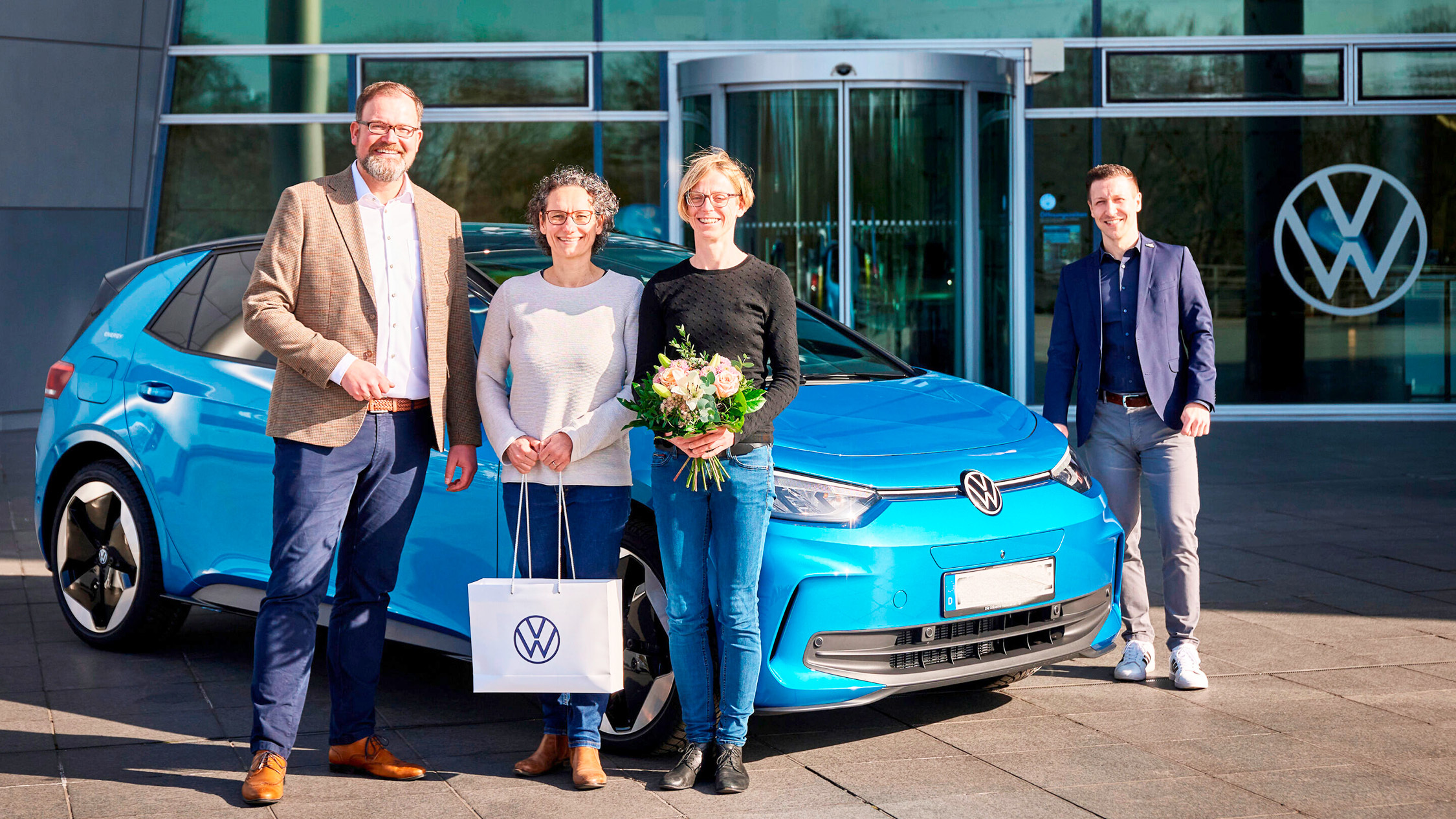
Volkswagen has just handed over its 2 millionth fully electric vehicle, and the pace is what really grabs you. It took 12 years to reach the first million. The 2 millionth car showed up just 10 months later.

The anniversary car is an ID. 3 hatch, built in Zwickau, Germany, and delivered to a customer at the Transparent Factory in Dresden. The ID. 3 kicked off VW’s large-scale MEB era back in 2020, though the modern electric journey really began with the e-up in 2013 and the company experimented with a small number of electric Golfs as far back as the 1980s.

More: VW’s ID. Polo Interior Brings Back Something You Thought Was Gone For Good

Volkswagen only celebrated its 1 millionth EV, an ID.3 GTX, last April. That means the brand effectively doubled its lifetime electric output in less time than it takes some automakers to add a new paint color to mark a model-year changeover.

ID. 4 Led The Charge

The heavy lifter in that sales charge is the ID. 4 SUV, which together with its ID. 5 fastback brother clocked up roughly 901,000 deliveries worldwide, proving SUVs still rule even in the electric age. The ID. 3, whose sales potential is restricted by the fact that it’s not available in North America, follows with around 628,000 units, while the larger and more premium ID. 7 has added another 132,000 to the tally.

 VW’s 1 Millionth EV Took 12 Years, Its 2 Millionth Took 10 Months

Europe is the engine behind much of that growth. Roughly one in five cars sold there is now electric, and Volkswagen has carved out a leading role in the region. The US market has definitely cooled, but globally, the trajectory is still pointing upward.

More EVs On The Way

And VW isn’t slowing down. A refreshed ID. 4 badged as the ID. Tiguan is on the way this year, and the new ID. Polo (seen below) and first ever electric GTI, the ID. Polo GTI, will take the fight into the affordable small car segment.

An ID. Cross SUV spinoff follows soon after and an electric ID. Golf is also looming on the horizon. At this pace, don’t be surprised if we’re talking about 3 million before your summer tan has faded.

\\\\\\\\\

VW

❌
❌