Login
LoginThis Electric Crossover Starts At $7K, Batteries Not Included
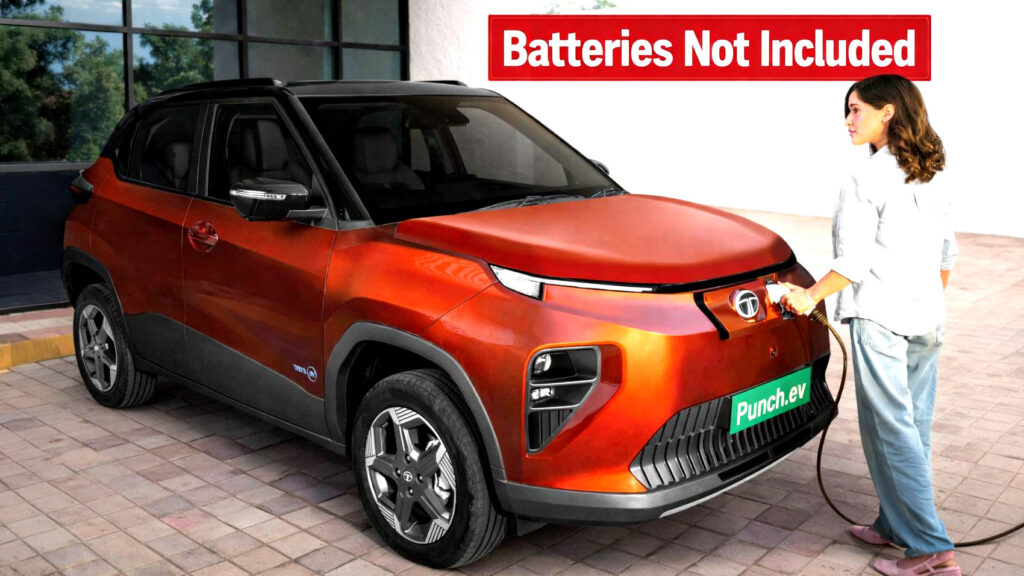
- The Tata Punch EV gets an early facelift in India.
- Brings styling tweaks, more power, and extra range.
- Starts at $7,150 if you lease the battery separately.
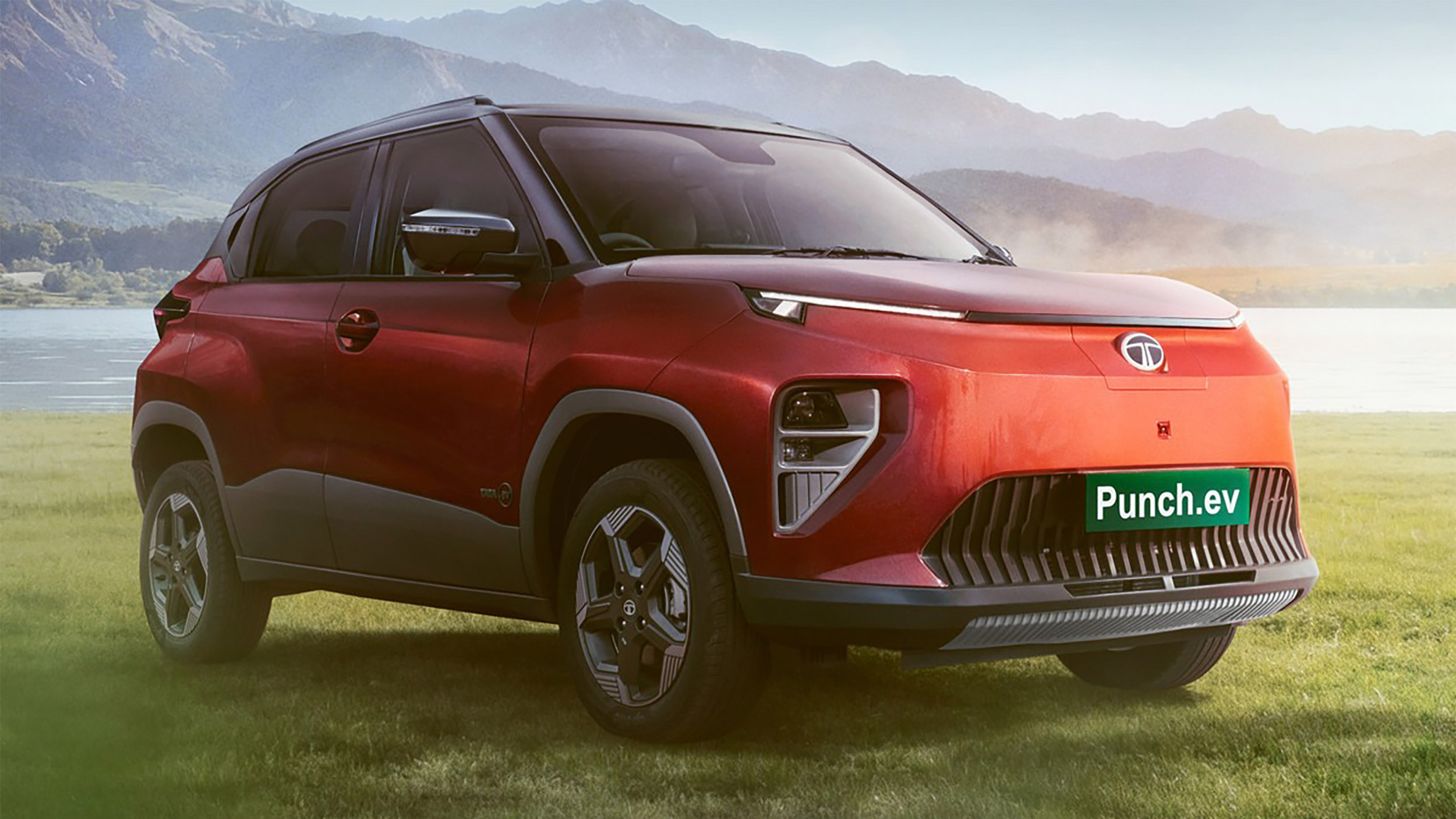
Two years. That’s all Tata Motors has given the fully electric Punch before wheeling out a facelift. In the fast-moving world of small EVs, standing still is not an option. The 2026 Tata Punch EV goes beyond a nip and tuck, bringing a larger battery, quicker charging, and a finance trick designed to make the sticker price look far friendlier.
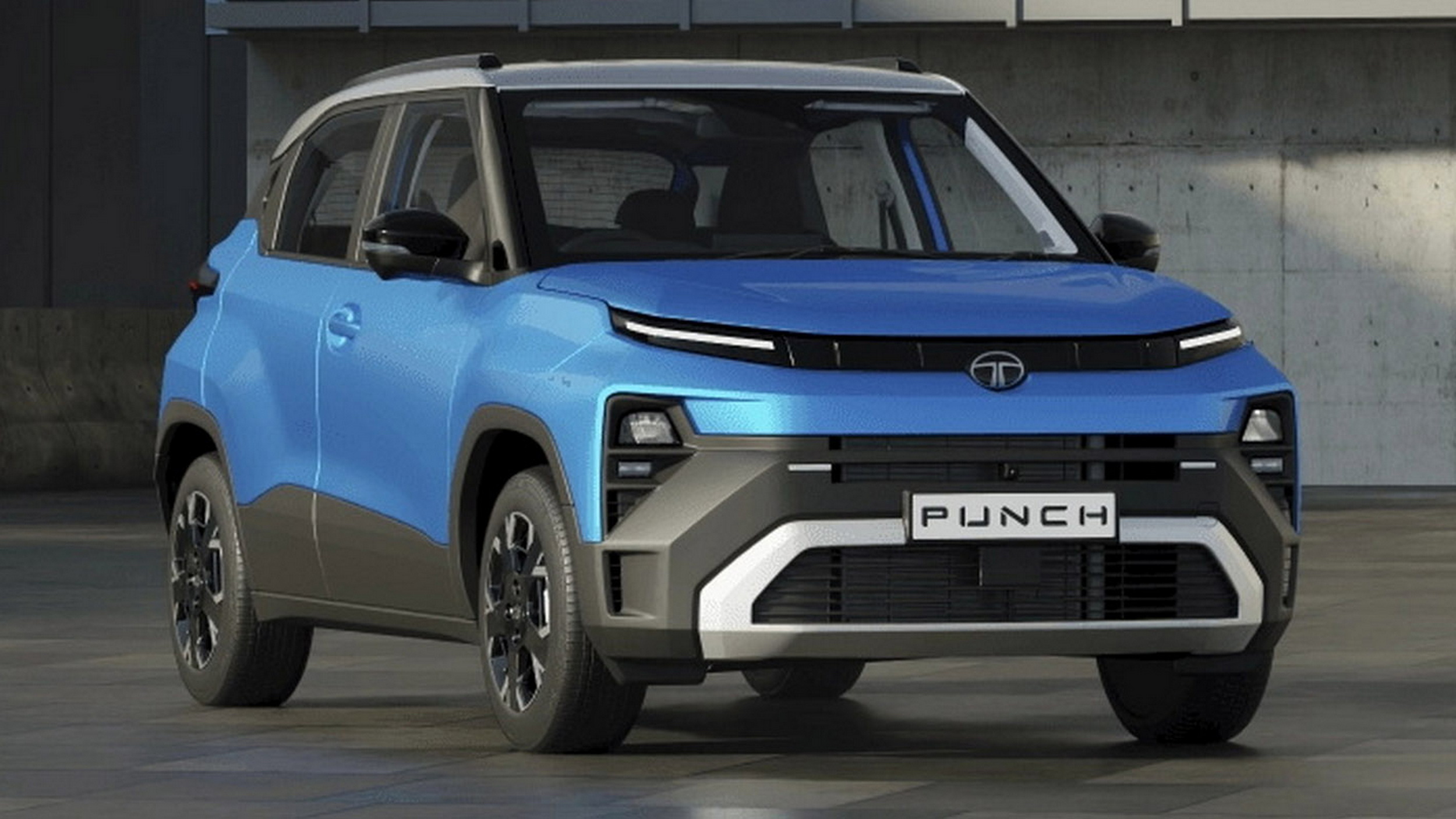
Starting with the exterior, the Punch EV gains a redesigned face with a cleaner bumper, though the split headlights have been carried over. It also benefits from new 16-inch alloy wheels and full-width taillights that mirror the recently facelifted ICE-powered Punch.
More: Land Rover’s Owner Built A Baby Land Rover For Less Than A Bespoke Paint Job
The interior is largely unchanged. Higher trims pack dual 10.25-inch displays, wireless charging, ventilated seats, a voice-activated sunroof, and a 360-degree camera. Six airbags are standard across the range, although the base car makes do without an infotainment screen.
More Punch And Longer Range
More important changes hide under the skin. The Punch EV benefits from larger battery packs with capacities of 30 kWh and 40 kWh, each up by 5 kWh.
Tata claims a real-world range of up to 355 km (221 miles), which is 75 km (47 miles) more than before. Charging gets a lift too. The updated Punch EV now supports a 65 kW DC fast charger, up from 50 kW, cutting the 20-80 percent top-up time to 26 minutes.
There’s a modest bump in output as well. Power rises by 6 hp (5 kW). The Medium-Range version makes 85 hp (65 kW), while the Long Range variant produces 127 hp (95 kW). Tata says the latter hits 0-100 km/h (0-62 mph) in 9 seconds, trimming 0.5 seconds from the previous figure.
The Price Hack
Here’s where things get interesting. Despite the added kit, Tata has lowered the entry price. The attention-grabbing ₹6.49 lakh ($7,150) starting figure comes via a BaaS (battery as service) scheme. You buy the car, but lease the battery separately at ₹2.6 per km ($0.029 per mile).
More: JLR’s Parent Company Made An Electric SUV With Drift Mode For Just $25K
Prefer to own the lot outright? Prices then range from ₹9.69 lakh ($10,700) to ₹12.59 lakh ($13,900), depending on specification. Even so, that undercuts the pre-facelift model, which makes the updated Punch EV look like stronger value.
At 12,000 km a year, the battery lease works out to ₹31,200 (about $348). Drive 15,000 km and it rises to ₹39,000 (about $435) annually. Over five years at that higher mileage, you would pay ₹1.95 lakh (around $2,175). Add that to the ₹6.49 lakh ($7,150) purchase price and the total comes to roughly ₹8.44 lakh (about $9,325), still below the ₹9.69 lakh ($10,700) entry point of the version that includes the battery. The more you drive, the smaller the gap becomes.
The ICE-powered Tata Punch, meanwhile, ranges from Rs. 5.59 Lakh ($6,200) to Rs. 10.54 Lakh ($11,700).