Reading view

There are new articles available, click to refresh the page.

Mercedes Keeps A-Class Alive, But Next-Gen May Drop Gas Power
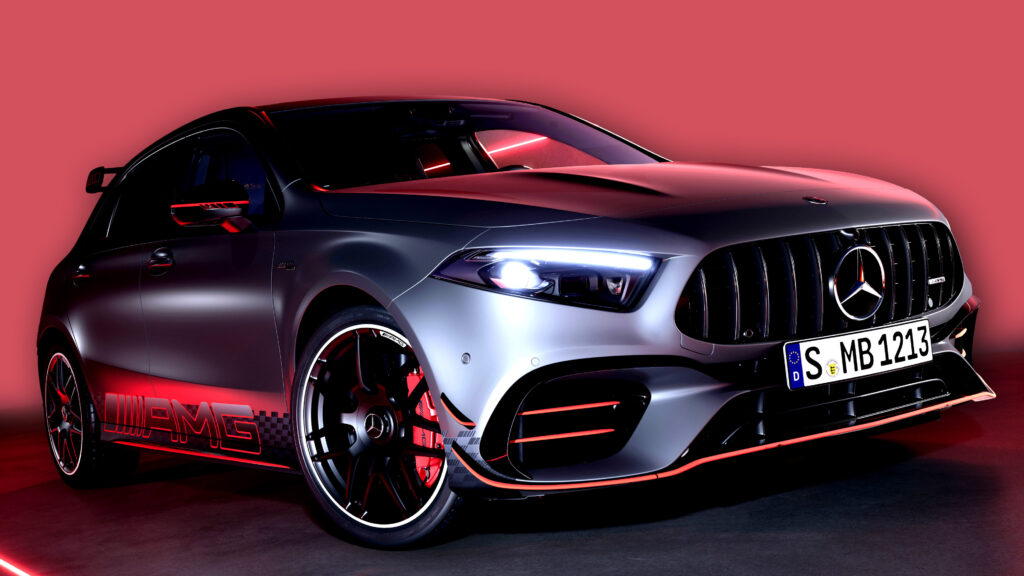
  • Despite reports it might disappear, the A-Class looks set to stay.
  • The next generation will use Mercedes’ new MMA platform.
  • A Euro 7-ready hybrid model could join the electric version too.

The Mercedes A-Class looks to be sticking around for the foreseeable future, just not in its current guise. Despite initial speculation that the model was going to be culled, as Benz tries to consolidate its offerings, a replacement for the existing model may very well come to fruition, albeit as an EV.

Although plans haven’t yet been announced, in an interview with Design Director Robert Lesnik Auto Express gleaned info that the new hatchback will probably arrive towards the end of the decade as an EV.

Current expectations suggest the next-generation model could debut around 2029, after the existing A-Class completes an extended production run expected to last until 2028.

More: Mercedes CEO Suggests They May Drop Some Entry-Level Models

The current A-Class debuted all the way back in 2018, making the model well overdue for a refresh by the time the new generation rolls around.

EV Architecture
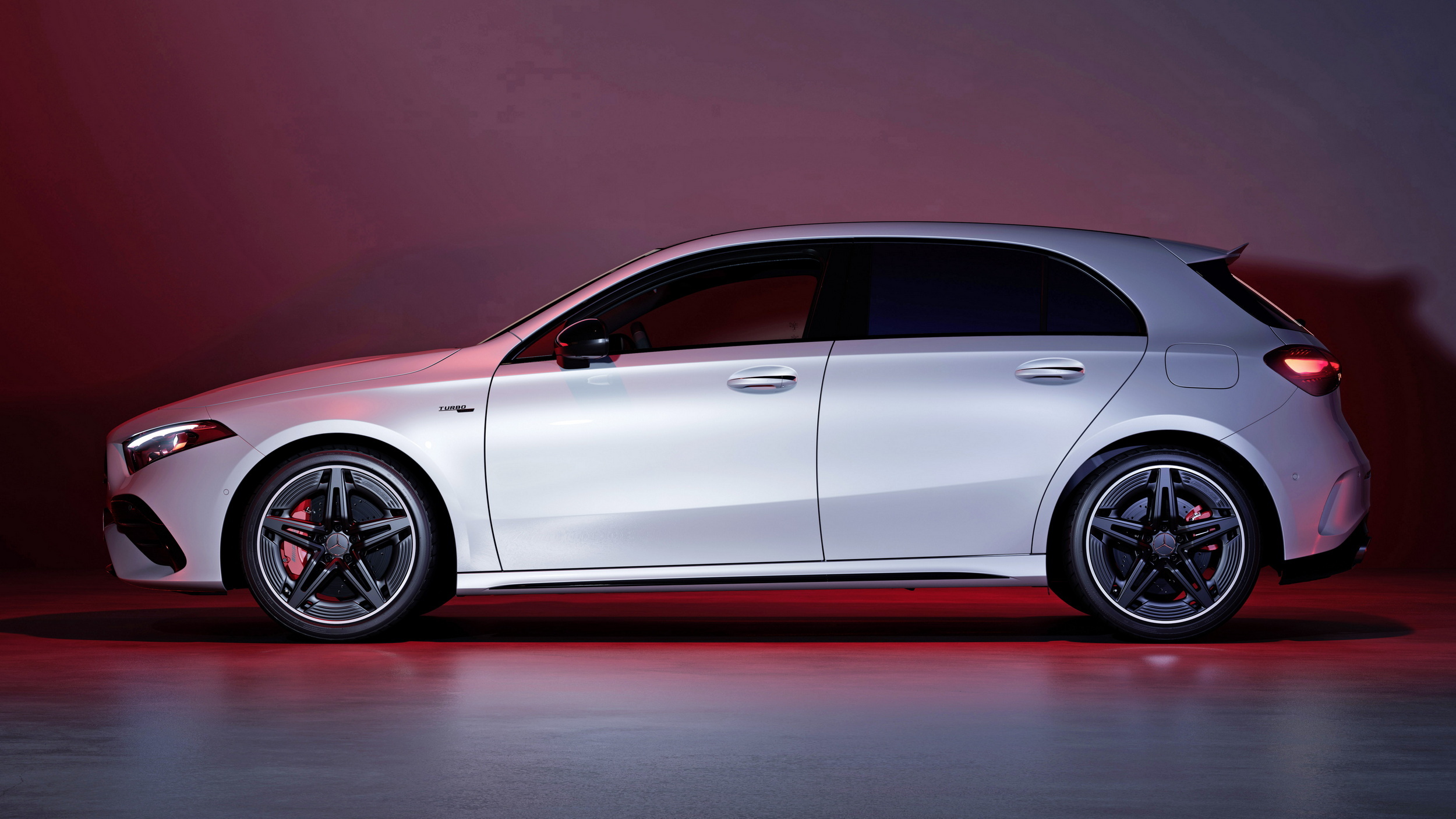
 Mercedes Keeps A-Class Alive, But Next-Gen May Drop Gas Power

In order meet the needs of the next-generation A-Class, Mercedes intends to transfer the production of the current A-Class to the Hungary plant in the next year. Lesnik claimed the production line wouldn’t require a significant revision to meet the specific requirements of the new MMA (Modular Mercedes Architecture) platform. Mercedes focuses on expanding the versatility of the MMA platform to give next-gen EV technology, innovative design, and cost efficiency.

The MMA platform grants the company the flexibility to fit the same all-electric powertrain and hybrid unit as in the CLA model, underpinning the next-generation A-class. Mercedes developed this hybrid system to meet the stringent Euro 7 emissions standards to be implemented by 2027.

When Mercedes first outlined its compact MMA lineup in 2023, it planned four models including the CLA, CLA Shooting Brake, GLA, and GLB. Lesnik indicated that an electric A-Class would effectively become a fifth model in that family.

A-Class, Not An EQA

Mercedes has decided its somewhat confusing decision to separate its EV models under their own “EQ” brand wasn’t the best way forward. Which is why the A-Class name is likely to remain in place of the EQA.

Lesnik also confirmed that the A-Class will remain stylish, with a “cab-back” approach, as opposed to the original upright shape adopted by the A-Class of the 90s. The design is also expected to avoid the streamlined styling seen on models like the EQE and EQS, instead following the CLA’s longer-hood proportions and more traditional hatchback profile.
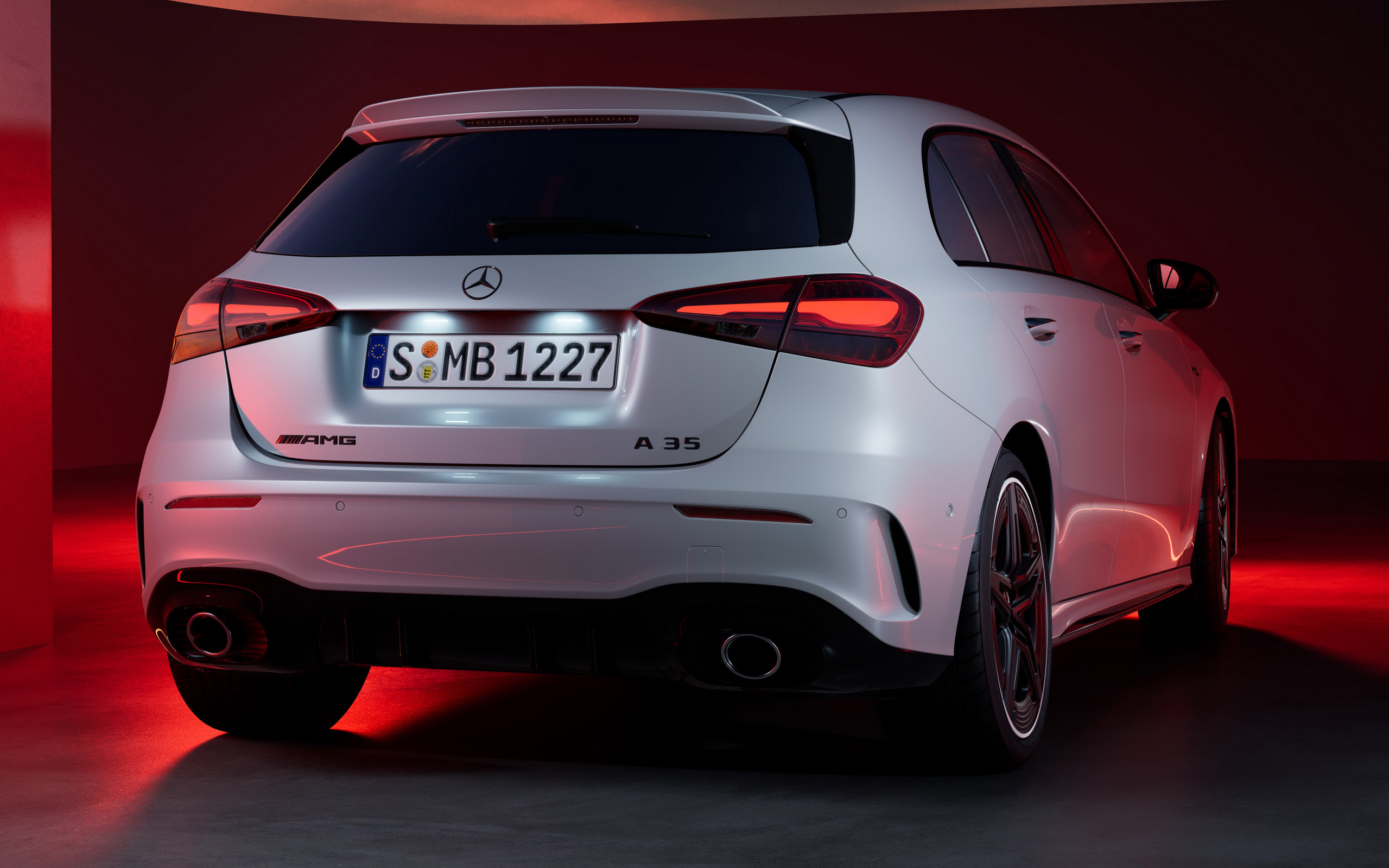
 Mercedes Keeps A-Class Alive, But Next-Gen May Drop Gas Power

Most Western Carmakers Could Be Pushed Out Of China By 2030

  • Foreign brands are losing ground to China’s EV tech dominance.
  • EV adoption in China rose, despite slower overall car sales.
  • Toyota, VW, and GM are restructuring their China operations

The hugely important Chinese car market is continuing to prove challenging for foreign automakers. Chinese manufacturers are maintaining their dominance on the home front, as the world’s largest car market continues to move towards electric and plug-in hybrid vehicles.

Domestic demand for these so-called New Energy Vehicles rose by 18 percent in 2025. This contrasts with the situation in Europe and the US, where the slowdown in EV adoption steals the headlines.

Tech Wars

One reason why imported cars are falling out of favor is the ability of local carmakers to adapt and update to changing technologies on the ground at a much faster pace. As brands such as BYD, Geely, and Changan continue to battle each other on tech features, they’re leaving Western manufacturers in the dust.

Read: EV Makers Just Got A New Problem In China, And It Starts In 2026

The ability for Chinese automakers to not only develop and implement new tech, but also integrate seamlessly with other existing Chinese tech (such as the WeChat and AliPay “super apps”) is something that consumers value highly.

 Most Western Carmakers Could Be Pushed Out Of China By 2030

According to Xiao Feng, speaking to the Wall Street Journal, this could mean that foreign car makers could mostly be pushed out of the Chinese car market by 2030. Save for some big players, such as Tesla, Toyota, and VW, it’ll be hard for imports to compete on both features and EV tech.

Passenger Car Slowdown

Although the adoption of EVs and plug-in hybrids is moving forward rapidly, last year China’s passenger car market grew at its slowest pace in three years, scoring a 4 percent increase and a total of 23.7 million vehicles.

Meanwhile, EV sales have been bolstered by local subsidies, with 2025 incentives being up to $2,900 when consumers traded in their old car for an EV or plug-in hybrid. Some 11.5 million car sales were made through the trade-in incentive, although in December, new car sales reportedly fell by 14%, due to some localities “running out” of their budgets for the incentives.

See Also: BMW And Porsche Just Lost China’s Luxury Market To A $100,000 Newcomer

 Most Western Carmakers Could Be Pushed Out Of China By 2030

It’s reported that Beijing will be looking at curtailing subsidies in 2026. Meanwhile, fierce local competition continues to affect both local and foreign brands, with many competitors seemingly locked into a price war.

One study, conducted by the China Automobile Dealers Association, claims that only 30 percent of dealers remained profitable in the first half of 2025, with 75 percent of those surveyed admitting they sold at least a few cars below cost.

Foreign Car Makers Restructure

Last year saw the departure of Mitsubishi from the Chinese market, as the company opted to end all manufacturing and sales, while JLR also underwent a significant scaleback in its product offerings. VW stopped making cars at its Nanjing plant.

Even Tesla, arguably the strongest non-local player, saw sales drop by around 5 percent while it lost the world’s best-selling EV tag to BYD.

However, with China being the largest market, many others are choosing to restructure rather than abandon ship completely. Toyota is building a new Lexus EV plant in Shanghai, VW is ready to launch a whole range of China-specific models, and GM will offer all its products with either an EV or a plug-in hybrid option.

 Most Western Carmakers Could Be Pushed Out Of China By 2030

Toyota Split Its EV Strategy In Two, And The US Isn’t Getting The Good Half

  • Toyota will double down on hybrids and ICE in key regions.
  • China will remain Toyota’s electric-first market going forward.
  • GR GT V8 hybrid proves Toyota’s engine push isn’t just talk.

Saying the automotive world is in a bit of limbo may be an understatement. On one hand, you have the world’s largest market, China, accepting EVs and plug-in hybrids in even greater numbers than ever before. Meanwhile, in Europe, manufacturers are pulling back on their EV manifestos as the European Union provides some respite in the face of slower-than-predicted adoption.

Toyota, by contrast, has always been pro-ICE. For years, the company has questioned its competitors and governments, who have been advocating exclusively for electric vehicles. And while the company has shown off various plans for EVs, they’ve maintained a more balanced approach.

Read: Toyota GR GT Looks Like A Batmobile And Hits Like A Supercar

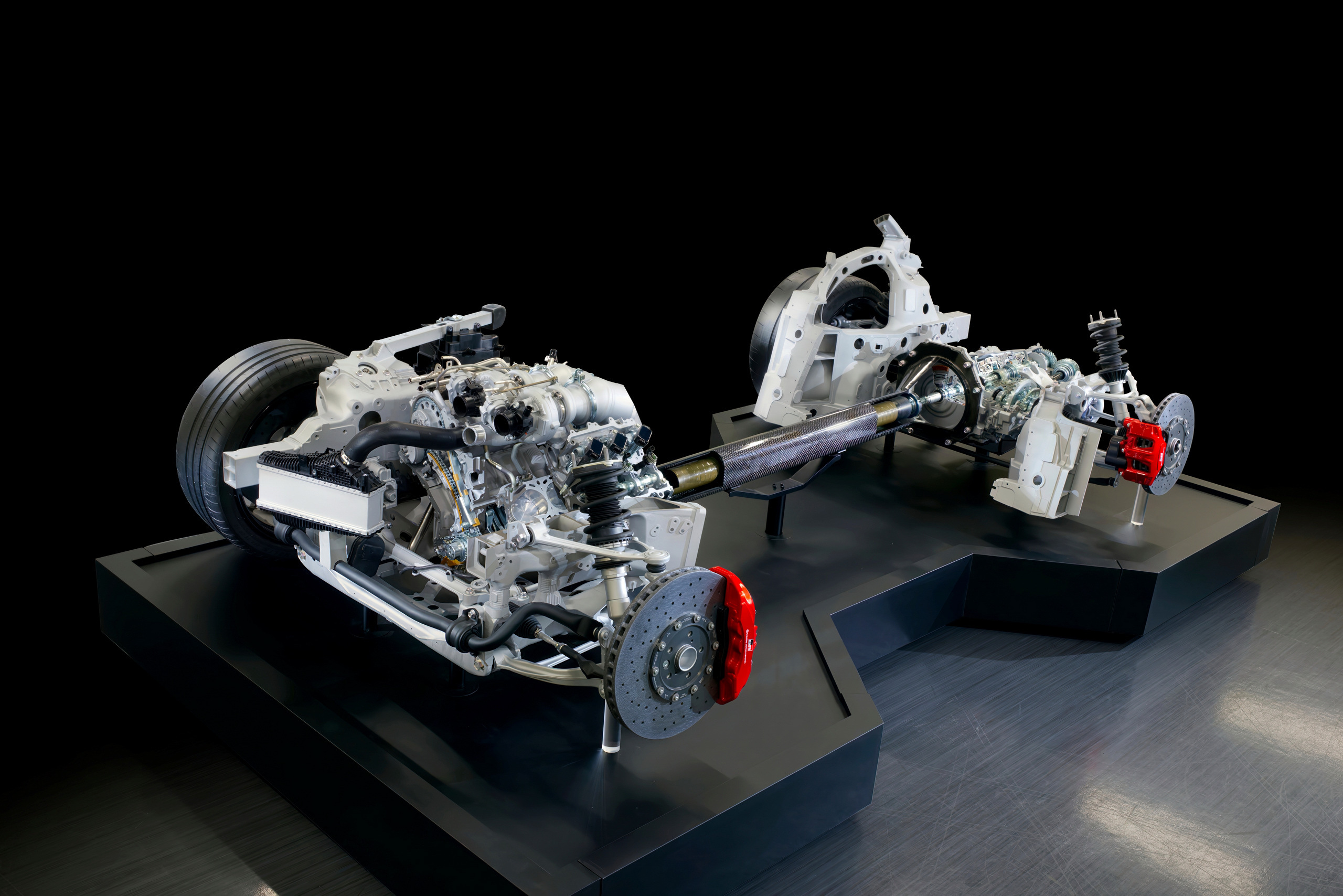
Now, it may be clear that Toyota wasn’t going to say goodbye to combustion without a fight, but we imagine not many would have predicted the unveiling of the GR GT: a production-slated halo supercar with a ferocious twin-turbocharged 4.0-liter hybridized V8 engine.

The Fight for Identity

 Toyota Split Its EV Strategy In Two, And The US Isn’t Getting The Good Half

In an era of tightening emissions regulations and downsized powertrains, the decision to green-light a V8 may seem almost rebellious. But for Toyota, the GR GT isn’t about volume or compliance alone. It’s about identity.

Nikkei Asia notes that the GR GT has been built without the assistance of Yamaha, unlike its spiritual forefathers, the 2000GT and Lexus LFA. “Automobiles, as an industrial product, are in danger of becoming commoditized,” says Toyota Chairman Akio Toyoda. “The engine still has a role to play,” underscoring the importance of the in-house powerplant.

 Toyota Split Its EV Strategy In Two, And The US Isn’t Getting The Good Half

The reality is that Toyota’s focus on keeping engines around will permeate throughout its lineup for the foreseeable future. In June 2025, Toyota convened suppliers at an internal combustion engine rally, where executives outlined plans to develop new engines, including high-output units, while maintaining overall engine production volumes through 2030.

It was a clear signal that Toyota sees a long runway for combustion, even as the market fragments.

Satisfying the Giants: US vs China

 Toyota Split Its EV Strategy In Two, And The US Isn’t Getting The Good Half
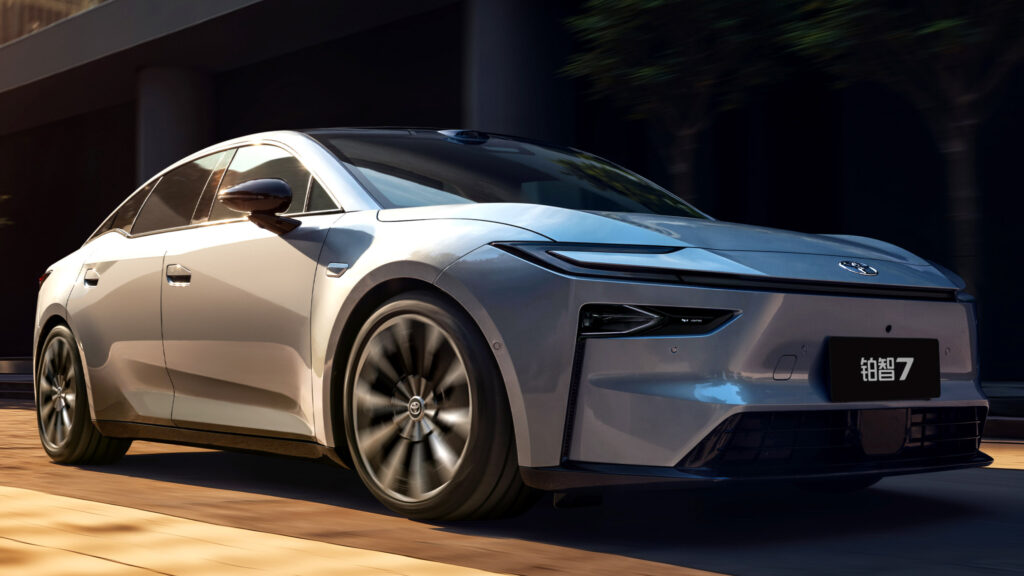
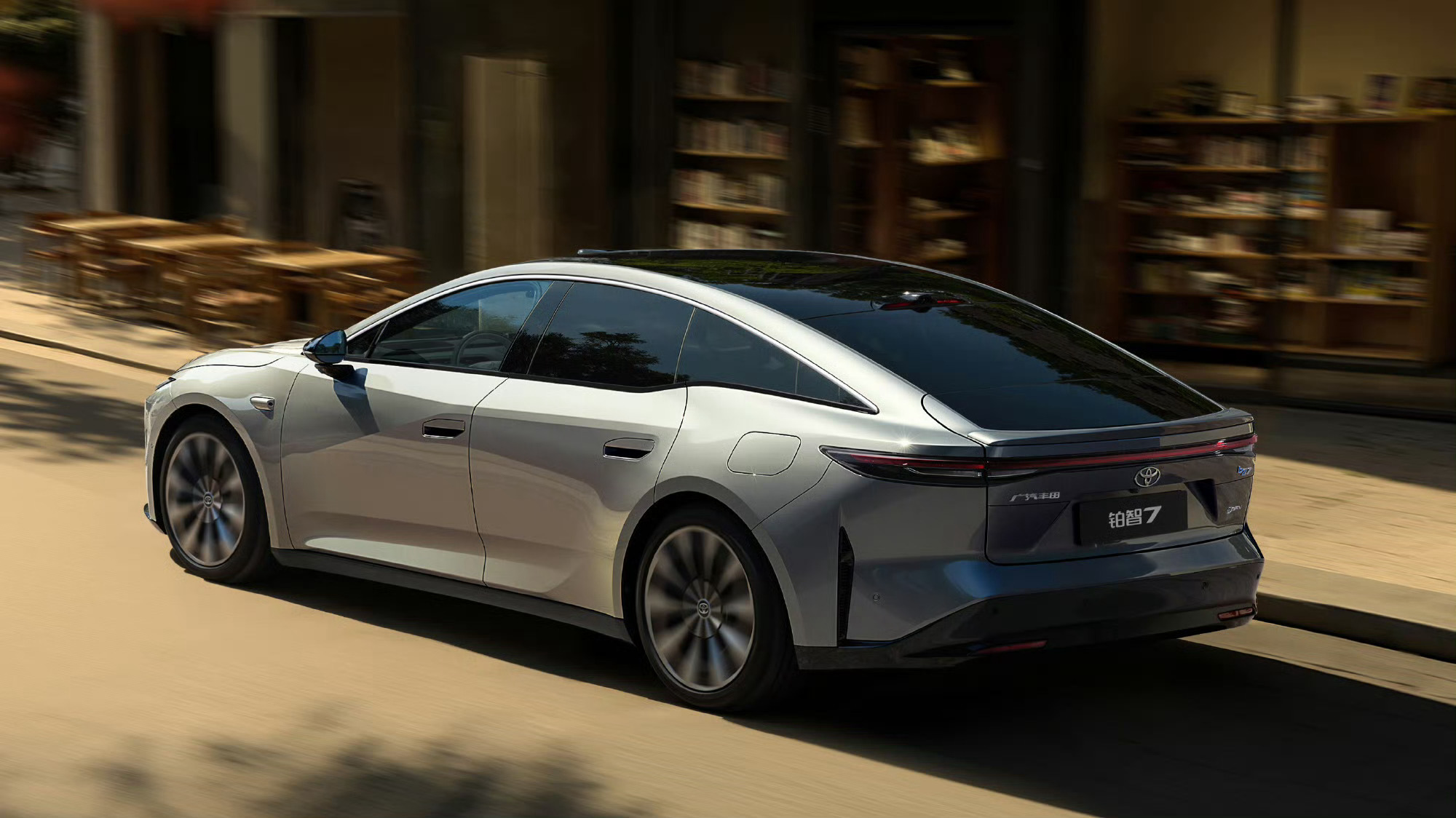
Toyota bZ7

However, Toyota is still hedging its bets with EVs, especially when it comes to China. Over there, the car-buying population continues to march towards an all-electric future.

Toyota, like all foreign manufacturers, is feeling the pinch against local rivals. At a supplier event in Shanghai last summer, a Toyota executive drew rare applause by declaring, “In China, we will focus not on cars for the global market, but on cars made specifically for China.”

More: Toyota’s New Flagship bZ7 Sedan Is Here But Not For Us

He added pointedly that if Japan’s headquarters hesitated on investment, he would “explain things to them directly.”

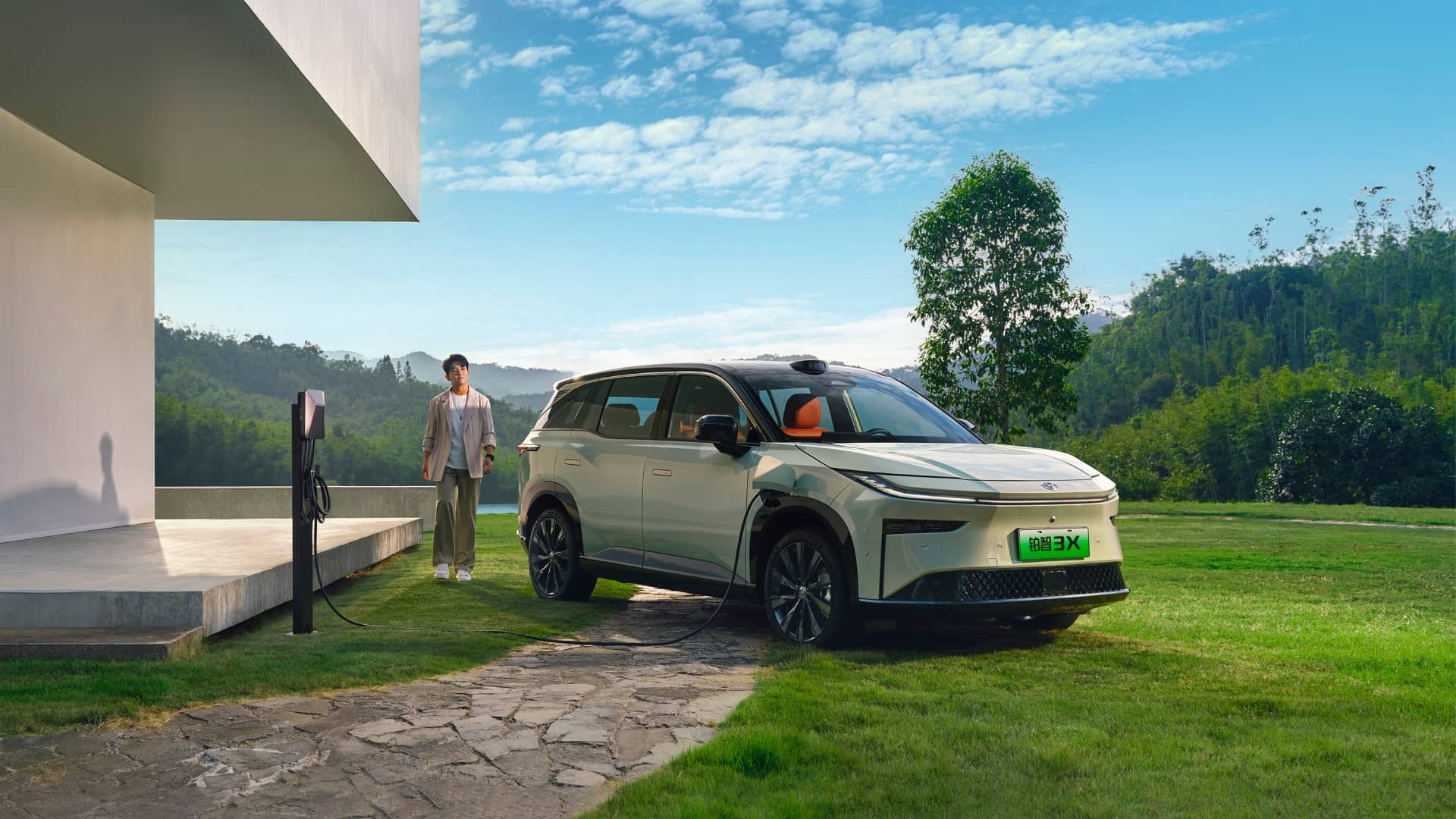
That shift is already visible in the product lineup. The bZ3X electric SUV, launched in March 2025 through GAC Toyota, was co-developed with Guangzhou Automobile Group and uses cost-effective lithium iron phosphate batteries. Priced from 109,800 yuan or about $15,300, it surpassed 10,000 units in monthly sales by November. A bZ7 electric sedan is set to follow.

 Toyota Split Its EV Strategy In Two, And The US Isn’t Getting The Good Half

Hybrid Momentum in America

Back in the US, where EV adoption is not as clear-cut, Toyota is investing in hybrid production. The move is driven by strong demand as hybrids accounted for roughly 13 percent of new-vehicle sales in the U.S. during the third quarter of 2025.

Toyota opened its new battery plant in North Carolina on November 12. Toyota Motor North America President Tetsuo Ogawa called it “a pivotal moment in our company’s history.”

On the same day, Toyota announced plans to invest up to $10 billion over five years to expand U.S. production of hybrids and related components, boosting output at five American plants and reducing reliance on Japanese imports.

Is Betting on Everything the Smartest Bet?

 Toyota Split Its EV Strategy In Two, And The US Isn’t Getting The Good Half
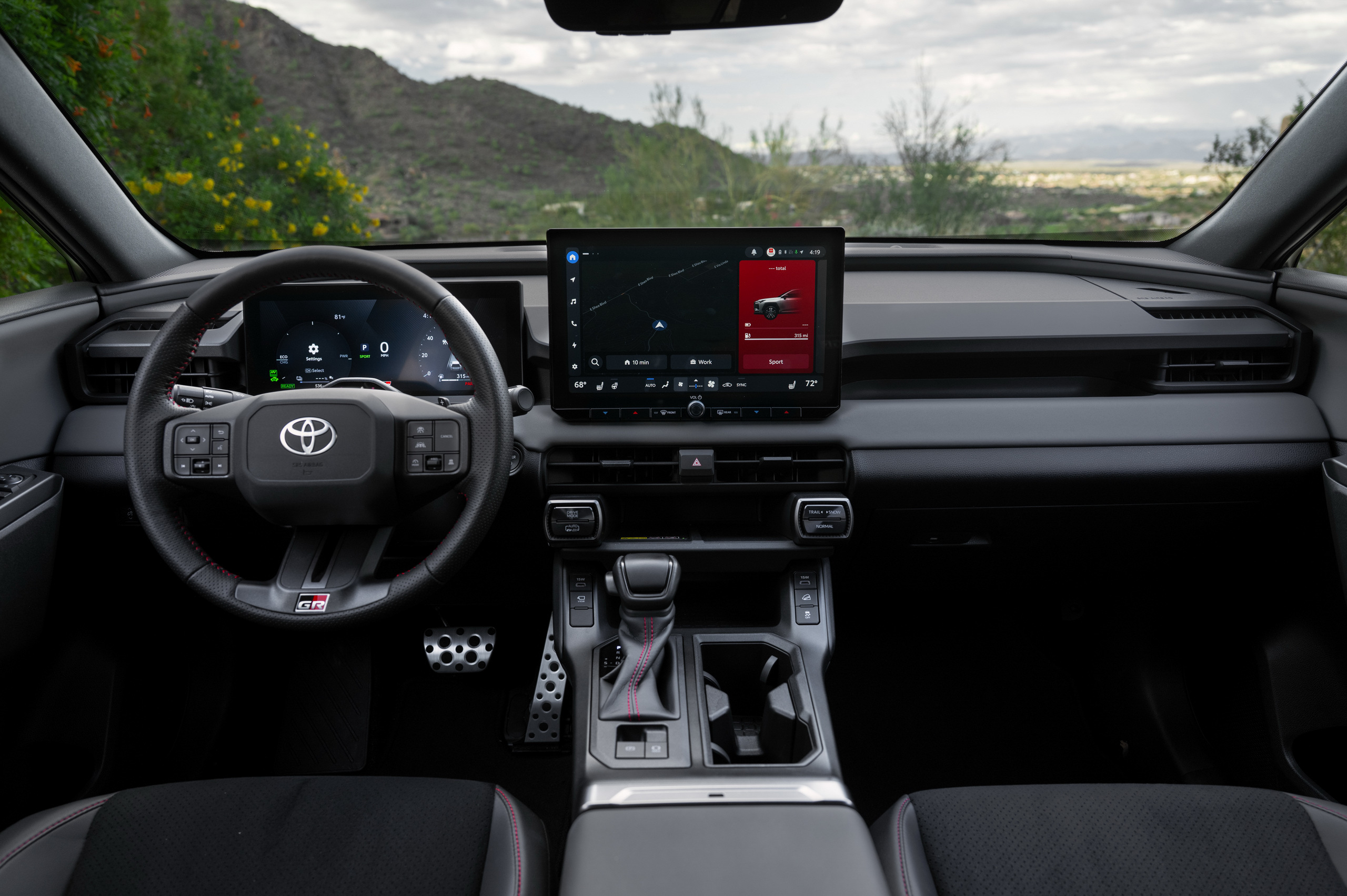
2026 Toyota RAV4 GR Sport Hybrid

Of course, building cars powered by everything from V8 hybrids to LFP-battery EVs is expensive. Toyota spent ¥1.3 trillion on R&D in the year ending March 2025, which is roughly on par with BYD, and well ahead of many rivals.

To manage the burden, Toyota has begun leaning more openly into partnerships, including work with NTT on AI-based crash prevention and a collaboration with Waymo on autonomous driving.

In a market increasingly obsessed with picking a single technological winner, Toyota’s refusal to do so may look risky. But if the global auto future really is plural rather than uniform, betting on engines, rather than shunning them, may yet prove to be the company’s most calculated move of all.

 Toyota Split Its EV Strategy In Two, And The US Isn’t Getting The Good Half

❌