Reading view

There are new articles available, click to refresh the page.

Pupil Transportation Around the World: A Comparative Look at U.S., Australia

Pupil transportation is one of the most visible ways a nation demonstrates its commitment to education. Every school day, millions of students travel from home to classroom using systems designed not only for efficiency, but for safety and equity. While Australia and the U.S. share similarities as large, developed, federal nations, their approaches to pupil transportation reflect important structural and cultural differences. 

By examining governance, fleet design, funding models, rural challenges, and safety standards, it becomes clear that both countries aim for the same goal—safe and reliable access to education—but achieve it through different methods.

Both Australia and the U.S. operate under federal systems of government but differently distribute the responsibility for pupil transportation. In the U.S., pupil transportation is primarily managed at the local school district level. States establish regulatory frameworks, and federal safety standards govern vehicle manufacturing. However, day-to-day operations—routing, hiring drivers, maintaining fleets—are typically handled by individual districts or contracted providers. This creates a highly localized system, where policies can vary significantly from one district to another.

In Australia, pupil transportation is largely administered at the state and territory level rather than by individual school districts. States such as New South Wales, Queensland, Victoria, and Western Australia design and oversee their own school transport assistance schemes. The federal government plays a minimal operational role. This state-centered approach results in more centralized control within each state, even though policies differ between states.

What’s Different with Pupil Transportation?

The key difference is the scale of control. U.S. decisions are often made at the district level. Australian decisions are typically made at the state level. Both models allow flexibility, but Australia’s approach tends to create more uniformity within each state.

Perhaps the most recognizable feature of American pupil transportation is the yellow school bus. The U.S. yellow bus is a national symbol. Nearly every public school district operates dedicated fleets painted in a standardized shade of yellow. Strict federal safety standards regulate construction, and compartmentalized seating design has been central to American school bus safety philosophy for decades.

Australia does not have the same universal yellow bus requirement. School buses in Australia may be white, yellow, or another color depending on the contractor or region. While clearly marked as school services, they do not carry the same nationally standardized appearance as American buses. This reflects a difference in cultural identity. In the U.S., the yellow bus represents childhood and public education. In Australia, school transportation is more functionally defined than symbolically branded.

Another major difference involves seatbelt policies. In Australia, seatbelts are common in school buses and often required in newer vehicles. In contrast, large American school buses traditionally rely on compartmentalization rather than seatbelts, although seatbelt requirements are expanding in some states. These differing design philosophies reflect variations in regulatory priorities and historical safety research.

One of the clearest contrasts between the two systems is how they interact with public transit. In the U.S., pupil transportation is generally separate from public transportation systems. School buses are dedicated vehicles serving only students. Even in large cities, districts often operate independent fleets rather than relying on municipal transit systems, though some districts do provide older students with transit passes.

In Australia, especially in urban areas, students frequently use public bus, train, or tram systems. Discounted or free student travel passes are common. Rather than maintaining fully separate fleets in metropolitan areas, Australia often integrates students into existing public transport networks.

This integrated approach can increase efficiency and reduce duplication of services. However, it also means that student riders share space with the general public. The American model, by contrast, prioritizes separation and controlled environments for school-aged passengers.

What’s Similar with Pupil Transportation?

Both nations face significant rural transportation challenges due to their size and geography. In the U.S., rural districts may cover hundreds of square miles, with students traveling long distances on highways and country roads. In states such as Montana or Texas long travel times are common.

Australia faces similar challenges, especially in remote outback regions. In some parts of Western Australia or Queensland, students may travel extremely long distances to reach school. However, Australia often applies strict distance-based eligibility rules. Students must live beyond a minimum distance from their nearest appropriate school to qualify for subsidized transportation. Families living closer may be responsible for arranging their own transport.

In contrast, many American districts provide transportation to all eligible students within the district, even if they live relatively close to school. The U.S. model often prioritizes broader access, while Australia’s system focuses on distance-based need.

In extremely remote parts of Australia, boarding schools are sometimes used as a practical solution due to travel distances. While boarding options exist in the U.S., they are far less central to the public education system.

Funding structures also reveal differences. In the U.S., transportation funding varies by state and is often supported by local tax revenue. This can lead to disparities in fleet age and service quality between wealthier and less affluent districts.


Related: Pupil Transportation Around the World: A Comparative Look at U.S., Germany
Related: Pupil Transportation Around the World: A Comparative Look at the U.S. and Colombia
Related: Pupil Transportation Around the World: A Comparative Look at the U.S. and India
Related: What Differs Between Pupil Transportation in the U.S. and the U.K.?


Australia typically funds pupil transportation at the state level. Many routes are operated by private contractors under government agreements. Rather than school districts owning large fleets, governments often contract services to private bus companies. This contractor-based system requires strong oversight to ensure compliance and safety standards.

The American system uses a mix of district-owned fleets and contracted providers. However, district ownership remains more common in the U.S. than in Australia.

Both countries prioritize safety, but enforcement structures differ. In the U.S., strict stop-arm laws require motorists to stop when a school bus is loading or unloading students. Violations can result in significant fines. This legal framework reinforces the protective environment surrounding the school bus.

Australia does not use the same stop-arm system in most regions. Instead, safety relies more heavily on general road rules, bus signage and public awareness. The American stop-arm system creates a highly visible and enforceable protective zone around students.

Despite these differences, Australia and the U.S. share core principles. Both aim to provide safe, reliable transportation that supports equal access to education. Both must manage long distances, rural isolation and funding constraints. Both rely on regulated driver accreditation and vehicle inspection systems.

The primary differences lie in structure and philosophy. The U.S. emphasizes a distinct, symbolic and highly regulated dedicated school bus system. Australia emphasizes state-level coordination, contractor delivery and integration with public transit.

In the end, both systems reflect national priorities and geography. Whether through the iconic yellow bus traveling down an American suburban street or a state-contracted bus crossing the wide landscapes of the rural Australian Outback, pupil transportation remains a vital link between home and classroom. Each country has developed a model suited to its environment, but both share a common mission: ensuring that distance does not prevent opportunity.

Watch for the next article in this series as we travel to another continent-sized country – Brazil.


Bret E. Brooks is the chief operating officer for Gray Ram Tactical, LLC, a Missouri-based international consulting and training firm specializing in transportation safety and security. He is a keynote speaker, author of multiple books and articles, and has trained audiences around the world. He can be reached at BretBrooks@GrayRamTacticalTraining.com.

The post Pupil Transportation Around the World: A Comparative Look at U.S., Australia appeared first on School Transportation News.
Missing Washers Put A Ford EV At Risk Of Fire

  • Ford has issued two new recalls for the Transit and E-Transit.
  • Both involve missing washers, but are entirely separate.
  • Recalls address slipping engines and a busbar connection.

Ford is already dominating the recall chart and we can add two more campaigns to their early lead. Both of them involve the Transit and one is hot stuff.

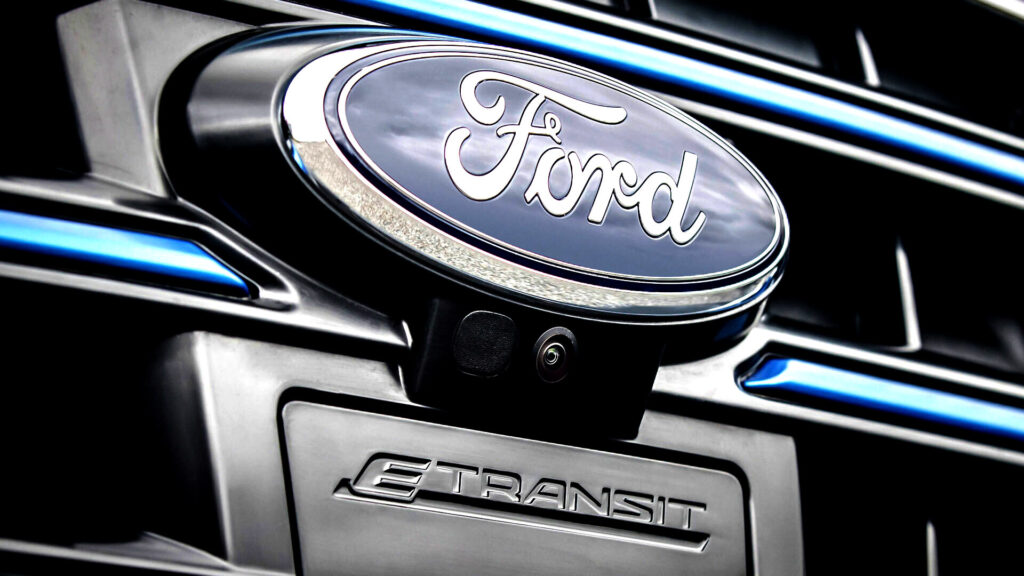
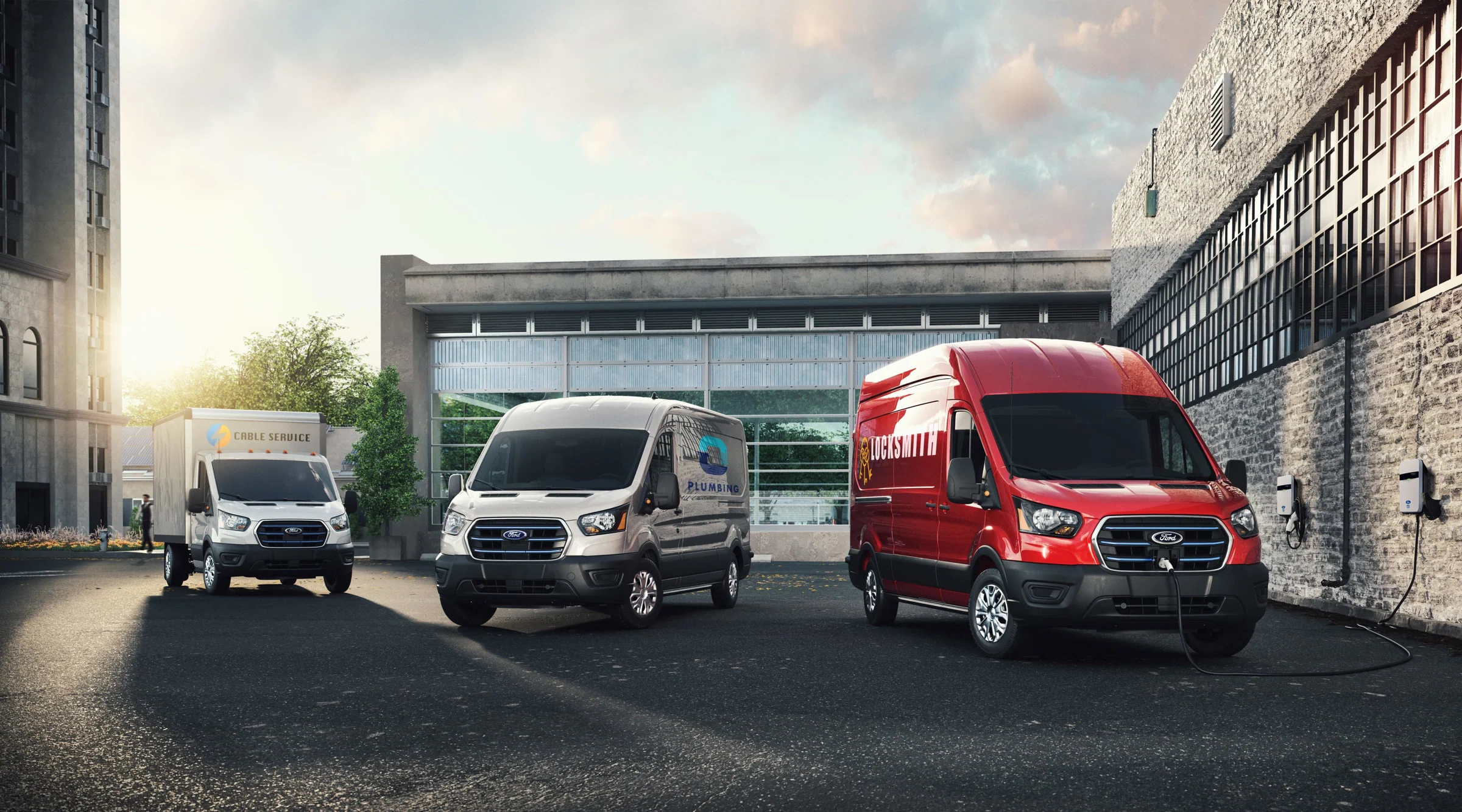
As you may have guessed, it involves a fire risk on the 2026 E-Transit. The van’s high-voltage battery pack could be missing washers, which can “cause high electrical resistance or electrical arcing.” This increases the risk of a fire as well as the potential for a loss of propulsion.

More: Ford’s Work Van Just Got A Lot Smarter, But You’ll Pay The Price For 2026

98 vehicles are impacted and the issue was traced back to missing washers on bolts used to secure busbar connections in the battery pack. Ford became aware of the issue last November, when a worker noticed two bolts were missing conical washers.

 Missing Washers Put A Ford EV At Risk Of Fire

This kicked off an investigation, which eventually blamed the problem on a supplier sorting error that failed to detect the absence of washers during production. Thankfully, this appears to have been a rare oversight as Ford isn’t aware of any field reports and believes just 1 percent of the recall population is impacted, which equates to one van.

However, it’s better to be safe than sorry, so dealers will inspect and replace the busbar fasteners as needed. If there’s a bigger issue, technicians will replace the entire busbar.

Loose Engine Crossmembers

 Missing Washers Put A Ford EV At Risk Of Fire

The second recall involves 1,403 Transit vans from the 2023 and 2024 model years. These vehicles have engine crossmembers that may not have been properly secured, which means the engine can shift and, potentially, result in brake failure or a loss of drive power.

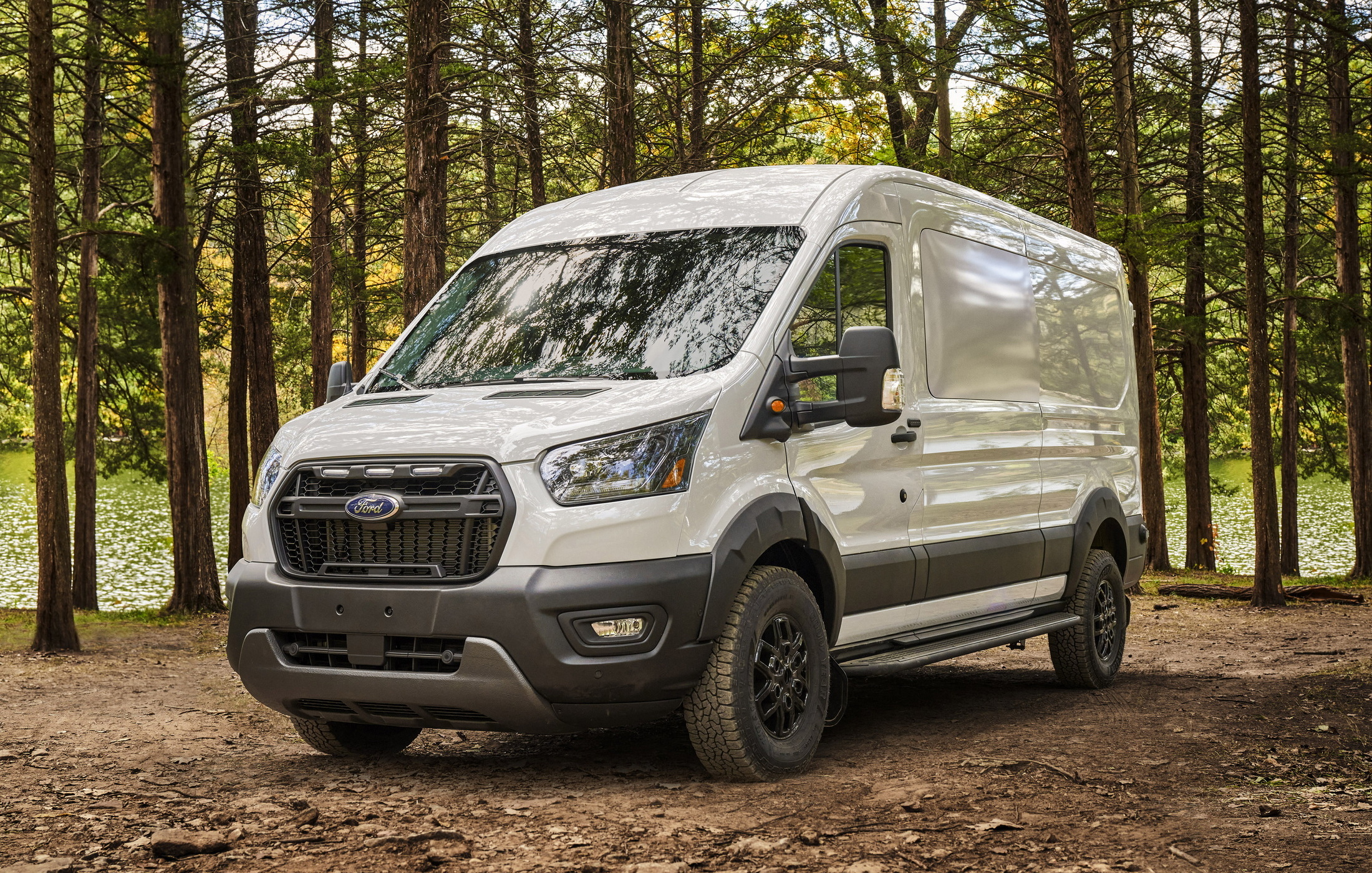
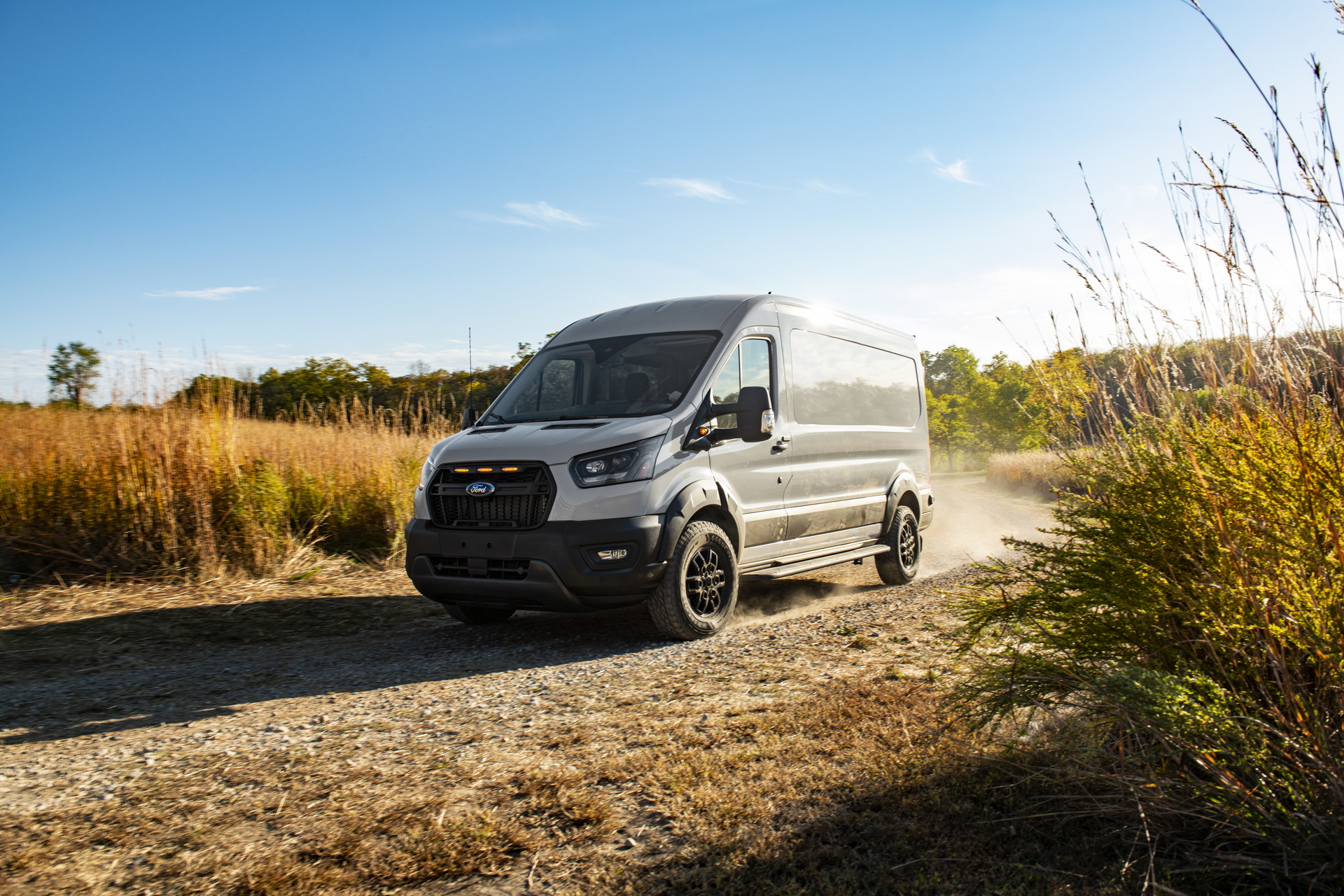
The models were equipped with the off-road focused Trail package and the government says fasteners used to secure the engine crossmember to the vehicle body may not have included a washer. This can result in joint failure over time, causing the engine to slip out of position.

 Missing Washers Put A Ford EV At Risk Of Fire

Last summer, Ford learned the Transit Trail modifier used substitute bolts that may not have included washers. This hadn’t been validated, so the automaker ran a series of tests to examine the possible implications. These “confirmed engine slip and loss of clamp load on assemblies with no washers.”

No problems have been reported and 1.1 percent of the vehicles are believed to be missing washers. Notification letters will go out later this month and dealers will replace the crossmember fasteners.

 Missing Washers Put A Ford EV At Risk Of Fire

Pupil Transportation Around the World: A Comparative Look at U.S., Germany

Standing on a platform at a Bahnhof or train station in Germany early one morning, watching students filter onto a regional train with backpacks slung over their shoulders, it struck me just how different pupil transportation is here compared to what I have spent most of my career studying and teaching in the U.S. No flashing lights. No crossing arms. No dedicated “school-only” environment. Just students, moving confidently and independently through a public transportation system designed to include them.

In Germany, pupil transportation is not treated as a specialized service owned and operated by schools. Instead, it is understood as a shared civic responsibility. One woven into the fabric of public infrastructure, reinforced by law, education and cultural expectations. The result is a system that looks radically different from the yellow-bus model most Americans know, yet functions with remarkable efficiency and safety.

One of the most noticeable differences I encountered was how heavily Germany relies on public transportation—known broadly as Öffentlicher Personennahverkehr (ÖPNV)—to move students. In cities and suburbs alike, students routinely use Linienbusse (city buses), Straßenbahnen (trams), U-Bahn and S-Bahn systems, and Regionalzüge (regional trains). These are not “student-only” vehicles. They are the same systems used by office workers, retirees and tourists.

Students who qualify for transportation assistance receive a Schülerticket or Jugendticket, subsidized or fully funded by local municipalities (Kommunen) or the federal states (Länder). In many regions, these passes are valid beyond school hours, reinforcing the idea that mobility is part of daily life—not a narrowly defined school function.

As I observed students navigating routes and transfers, it became clear that independence is not optional here. It is expected. Even younger students demonstrate a working knowledge of timetables (Fahrpläne), platform signage and transfer points. This competence does not appear by accident. Verkehrserziehung—traffic and transportation education—is introduced early in German schools and reinforced repeatedly as children grow.

The Differences of U.S. Yellow School Bus Transportation

Back home in the U.S., pupil transportation is far more centralized and tightly controlled. School districts typically operate or contract dedicated fleets governed by extensive regulations at both the federal and state levels. American school buses are marvels of passive safety engineering, built to protect students even in hostile traffic environments. However, this model also ties student mobility to specialized vehicles, specialized drivers and funding streams that are increasingly fragile.

In Germany, the focus shifts away from specialized vehicles and toward system-wide safety design. Around schools, I consistently saw Tempo-30-Zonen. Reduced speed zones enforced not just by signage, but by roadway narrowing, raised crosswalks and visual cues that force drivers to slow down. Fußgängerüberwege (pedestrian crossings) are clearly marked, well lit, and treated seriously by drivers.

Cycling infrastructure is another major pillar. Germany’s Radwege—dedicated bicycle lanes—are often physically separated from vehicle traffic, not merely painted lines on asphalt. Students cycling to school are not treated as anomalies. They are anticipated users of the transportation system.

In the U.S., safety strategies often compensate for infrastructure shortcomings by relying heavily on the school bus itself. Stop arms, flashing lights and strict loading procedures act as mobile safety zones. In Germany, safety is embedded into the environment long before a student ever steps onto a vehicle.

Walking and cycling to school are not fringe behaviors here, rather they are normalized. Younger students often walk together along designated Schulwege (school routes), sometimes participating in what Germans call a Laufbus, the equivalent of a “walking bus.” These routes are mapped, communicated to families, and designed to minimize risk exposure.

Older students routinely travel alone, whether on foot, by bike, or via public transit. While this level of independence might raise eyebrows in the U.S., in Germany it is viewed as a critical developmental step. Children are taught how to assess risk, not avoid it entirely.

Dedicated school buses—Schulbusse—do exist in Germany, primarily in rural regions where public transit coverage is limited. However, even these buses look different from their American counterparts. They are often standard coaches or city buses with minimal external markings. They lack stop arms or specialized lighting systems, reinforcing the notion that responsibility for student safety does not rest solely on the vehicle.

This difference is jarring for American professionals, but it reflects a deeper cultural expectation: All road users share responsibility for safety, and traffic laws are consistently enforced. German driver training standards are rigorous, and compliance with Verkehrsregeln (traffic rules) is culturally ingrained.

Special needs transportation further illustrates Germany’s integrated approach. Students with disabilities receive individualized transportation accommodations arranged through municipal authorities in coordination with social services, not solely through school systems. This may involve specialized vehicles, door-to-door service or escorted travel on public transit depending on need.

Accessibility is treated as a societal obligation rather than an educational exception. In the U.S., special education transportation is often managed almost entirely by school districts, adding complexity and cost to already strained systems. Germany distributes that responsibility across public institutions.


Related: Pupil Transportation Around the World: A Comparative Look at the U.S. and Colombia
Related: Pupil Transportation Around the World: A Comparative Look at the U.S. and India
Related: What Differs Between Pupil Transportation in the U.S. and the U.K.?


Lessons Learned

Perhaps the most important lesson I took from being in Germany is philosophical. The German pupil transportation system assumes that safety is created through design, education and accountability — not isolation. Students are not shielded from the transportation system. They are trained to function within it.

In the U.S., we often build systems designed to protect students from risk. Germany builds systems designed to reduce risk at its source. That difference matters. Especially as U.S. districts face driver shortages, rising costs and expanding safety mandates.

Germany’s model is not directly transferable to every American community. Many U.S. regions lack the density, transit infrastructure or legal frameworks to replicate it wholesale. Rural geography, suburban sprawl and fragmented governance present real challenges. But the value lies in the comparison.

By studying Germany’s use of ÖPNV, Schulwegplanung (school route planning), Verkehrserziehung, and integrated accessibility models, U.S. transportation leaders can identify concepts—not replicas—that may strengthen our own systems. Infrastructure investment, early safety education, shared responsibility, and multimodal planning all have a place in the American conversation.

Being in Germany reminded me that pupil transportation is not just about moving students. It is about shaping how young people engage with their communities. When transportation is treated as a shared civic responsibility rather than a standalone service, students gain more than a ride. They gain independence, situational awareness and confidence that extends far beyond the school day.

Watch for my next article in this series, where we travel “down under” to explore how Australia conducts pupil transportation.


Bret Brooks

Bret E. Brooks is the chief operating officer for Gray Ram Tactical, LLC, a Missouri-based international consulting and training firm specializing in transportation safety and security. He is a keynote speaker, author of multiple books and articles, and has trained audiences around the world. He can be reached at BretBrooks@GrayRamTacticalTraining.com.

The post Pupil Transportation Around the World: A Comparative Look at U.S., Germany appeared first on School Transportation News.
❌