Reading view

There are new articles available, click to refresh the page.

France’s Slowest Famous Car Is Coming Back As A $17,000 EV

  • Citroen revives historic 2CV nameplate with affordable electric city car.
  • Retro-inspired styling channels original while targeting practical buyers.
  • Electric hatch promises low pricing, emotional appeal, and practicality.

Citroen is bringing back one of Europe’s most recognizable economy cars, and this time it will only look like a snail, and not accelerate like one. The legendary 2CV, or tin snail as it was affectionately nicknamed due to its 30-second zero-to 62 mph (100 kmh) time, is officially returning as a tiny electric hatch designed to put affordable mobility back on the menu for cash-strapped European buyers.

The confirmation came during Stellantis’ investor presentation in Michigan, where Citroen boss Xavier Chardon finally acknowledged what rumors have suggested for months. The famous nameplate is making a comeback, complete with styling inspired by the original car’s unmistakable curved silhouette.

Related: Fiat’s Low-Cost Pandina Replacement Has Three Seats And The Driver Sits In The Middle

According to previews shown during the presentation, the new model keeps the cheerful, rounded profile that made the original instantly recognizable. It won’t be an exact retro copy, though. Instead, Citroen appears to be blending classic proportions with design cues borrowed from newer concepts and modern EVs.

The revived 2CV debuts in concept form at this fall’s Paris Motor Show, then goes on sale in 2028 for less than €15,000 – around $17,000/£13,000 at current exchange rates. That would make the C1 replacement one of Europe’s cheapest electric cars, even undercutting the Dacia Spring, Renault Twingo and BYD’s Dolphin Surf.

Simplicity A Priority

 France’s Slowest Famous Car Is Coming Back As A $17,000 EV

Citroen says the project follows the same philosophy that shaped the original postwar 2CV, which famously prioritized practicality, simplicity, and low running costs over luxury or performance. Speaking during the event, Chardon said the new model would be “a true people’s car designed for real life,” and is one of seven new Citroen’s launching by 2030.

That theme fits neatly into Stellantis’ new strategy to produce smaller, less expensive electric cars in Europe. The automaker plans to build the new 2CV in Italy alongside a similarly nostalgic Fiat city car inspired by the original Panda.

Regulations Favor Affordable Cars

\\\\\\\\\\\\\\\\\\\\

This isn’t just about Citroen being benevolent to drivers struggling with affordability. European regulators are considering incentives favoring smaller EVs built locally, giving automakers fresh motivation to chase the entry-level segment many brands abandoned years ago.

Renault’s recent success with retro-flavored electric models like the Renault 5 likely helped prove there’s still strong demand for nostalgic small cars with modern mechanicals. If Citroen can actually deliver a genuinely affordable, practical EV with real personality, the humble little 2CV might once again become transportation for the masses.
Citroen

Stellantis Puts Cheap Cars Under $30,000 Back On America’s Menu

  • Stellantis plans a wave of affordable new vehicles before the decade’s end.
  • New global STLA One platform supports hybrids, EVs, and gasoline models.
  • Jeep, Ram, Peugeot, and Fiat receive biggest investments in a $70 billion plan.

Stellantis just pulled the covers off a gigantic new global strategy, and buried beneath all the boring corporate jargon is something buyers will really care about. Affordable cars are back.

The company says it plans several new sensibly-priced vehicles for North America, including two models priced below $30,000, and seven coming in under $40,000, all before the decade ends.

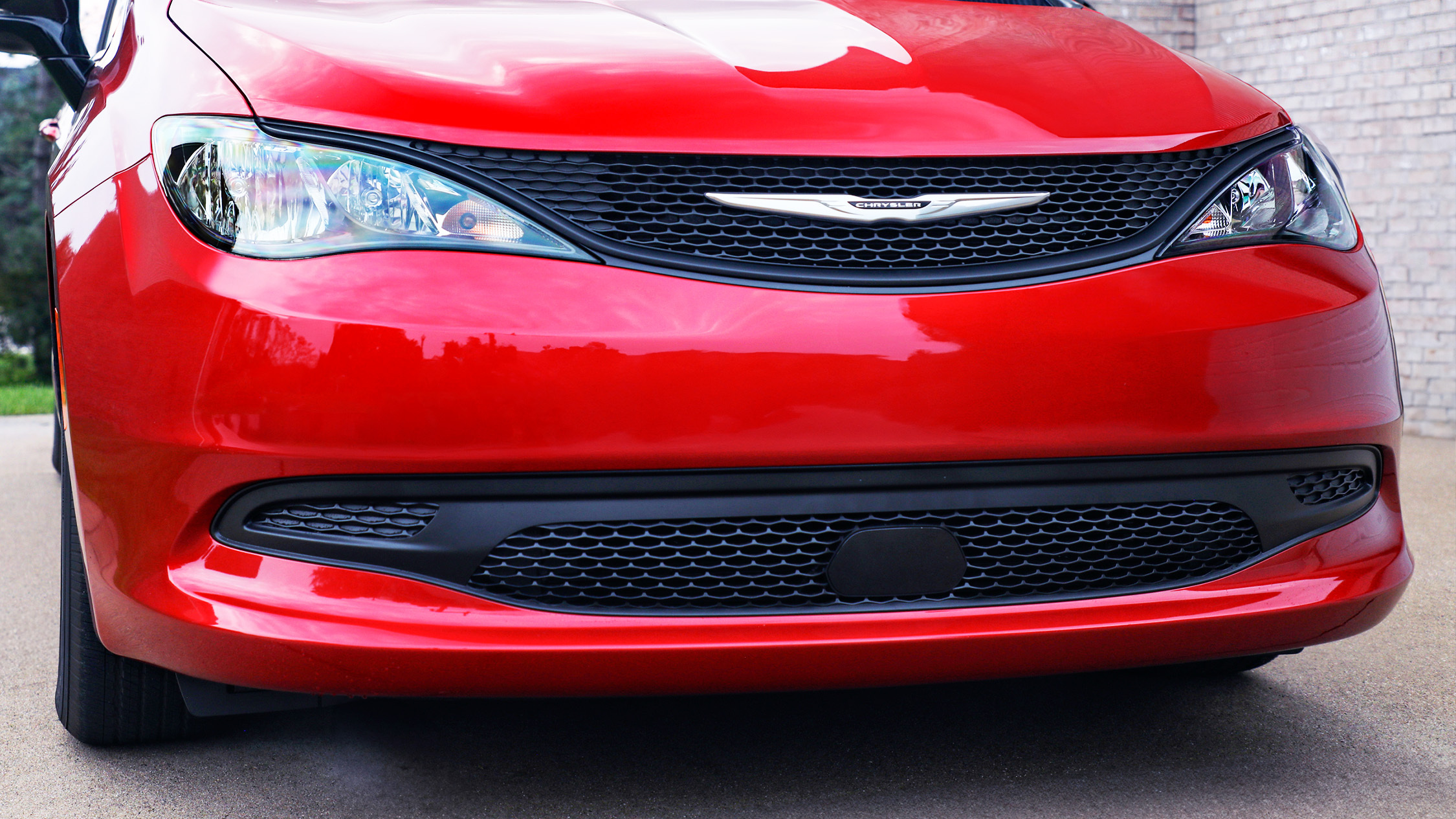
Also: Stellantis Quietly Showed Dealers A New Chrysler Starting In The $20,000s

North America will receive 11 all-new vehicles by 2030 as part of a wider global product offensive involving more than 60 launches and 50 major refreshes. And rather than trying to push EVs to audiences that don’t necessarily want an electric car, Stellantis is still betting on a broad mix of powertrains. The company confirmed future plans include 29 EVs, 15 plug-in hybrids or range-extenders, 24 hybrids, and nearly 40 combustion or mild-hybrid vehicles.

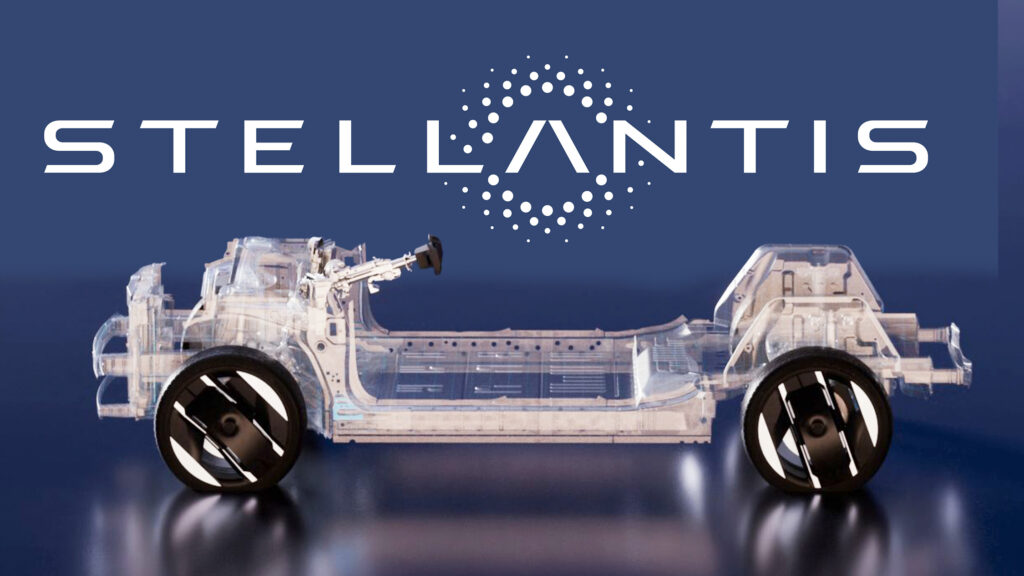
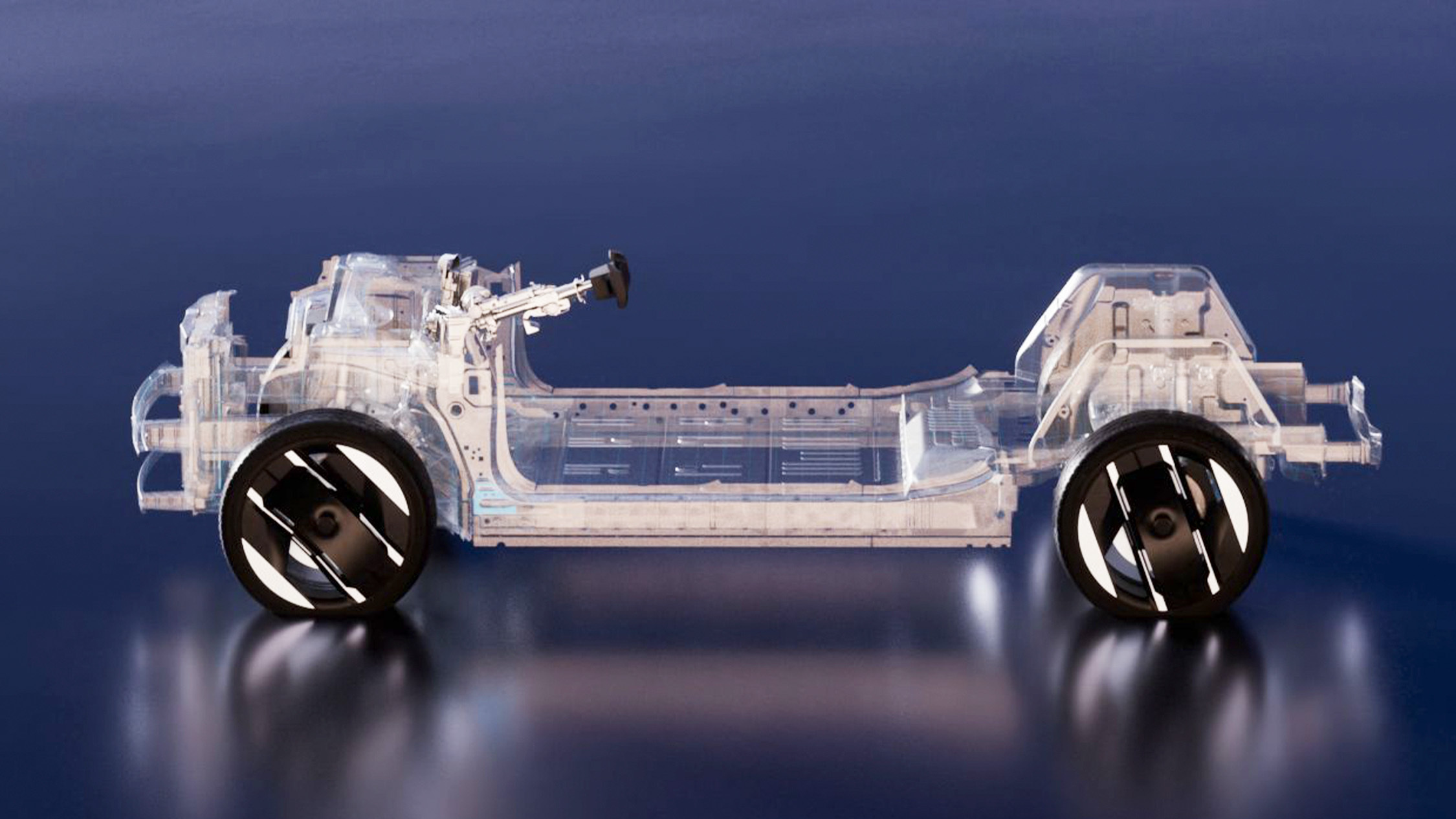
The backbone of this new strategy is a fresh modular architecture called STLA One that will underpin more than 30 models globally. Launching in 2027, it’s designed to replace multiple existing platforms with one scalable setup, supporting everything from compact hatchbacks to midsize SUVs.

 Stellantis Puts Cheap Cars Under $30,000 Back On America’s Menu

Stellantis says it’s engineered specifically for different propulsion systems and can feature steer-by-wire tech, STLA AutoDrive autonomy, and STLA Brain software architecture. It will also deliver something called STLA SmartCockpit to allow drivers more interaction with their cars, and EVs get cell-to-body battery integration to reduce cost and weight.

Related: Stellantis And JLR Want To Co-Develop And Build Cars In America

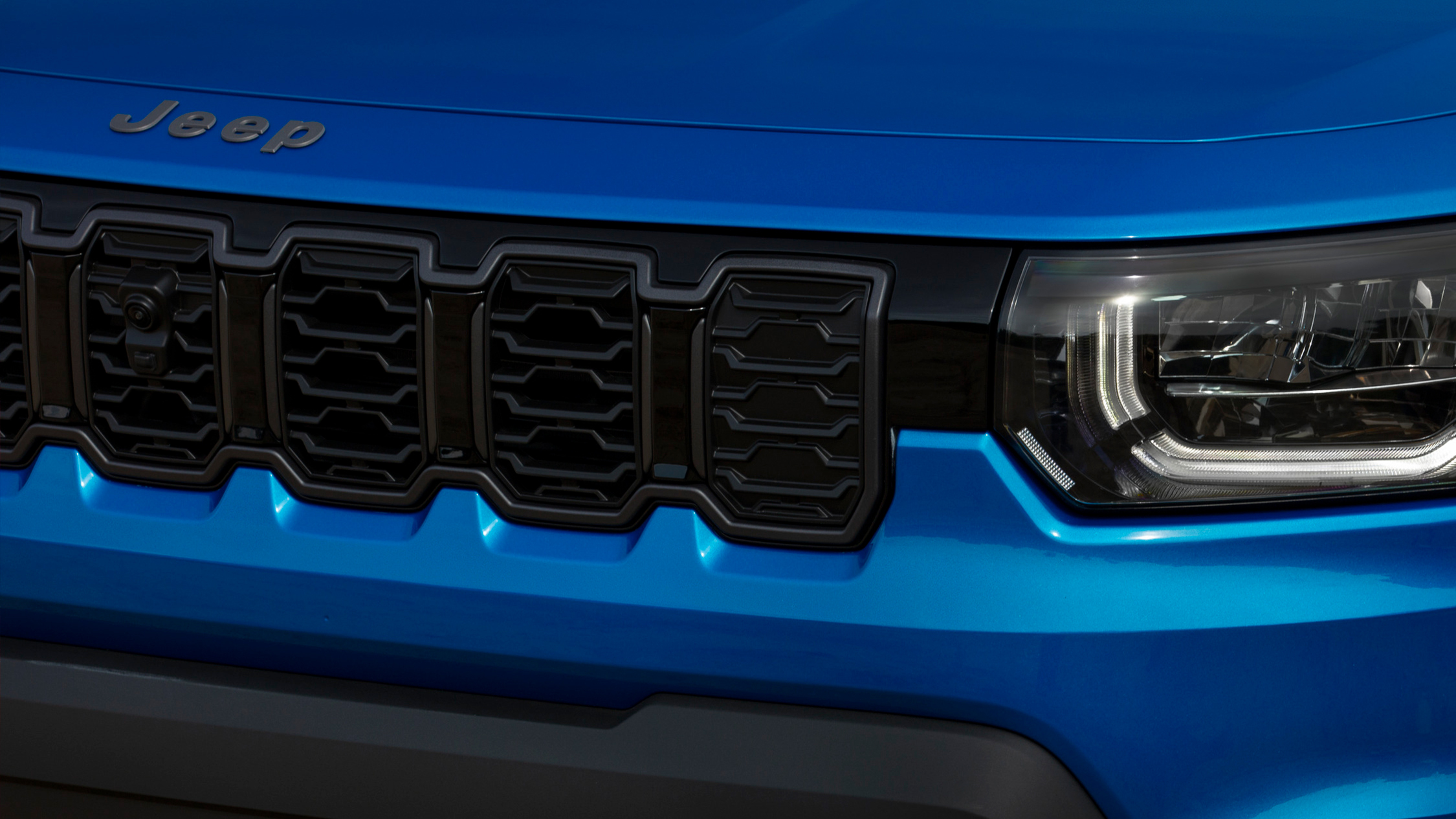
The automaker is also reshuffling its brand priorities. Jeep, Ram, Peugeot, and Fiat have now become the company’s four primary global brands and receive the lion’s share of future investment. Around 70 percent of development spending will go toward those names and the Pro One commercial vehicle business.

Other Brands Play Second Fiddle

 Stellantis Puts Cheap Cars Under $30,000 Back On America’s Menu

Other brands still survive, though they’ll get what they’re given when it comes to hardware, rather than get a say in what that hardware is. Alfa Romeo, Dodge, Chrysler, Citroen, and Opel are positioned as strong regional players using shared technology and platforms. Maserati also gets a time extension with two new flagship E-segment models promised, while Lancia and DS continue operating as niche specialty brands. 

Europe’s side of the plan includes a fresh wave of compact crossovers, hybrids, and city EVs designed to better compete against Chinese rivals rapidly expanding across the continent. Those cars could include the return of the iconic back-to-basics Citroen 2CV. Stellantis is also teaming up with its long-time partner in China, Dongfeng, to build and sell Voyah-brand cars in Europe.

And earlier this week it announced it was partnering with Jaguar Land Rover to develop cars for North America, a deal that could help JLR sidestep punishing import tariffs on the European-built cars it sells in the US.

 Stellantis Puts Cheap Cars Under $30,000 Back On America’s Menu

Stellantis

❌