Reading view

There are new articles available, click to refresh the page.

The 1,600 Jobs And $3.5 Billion Plant GM Promised Indiana Are Now On Hold
  • GM’s battery plant with Samsung was supposed to house 1,600 employees.
  • The plant would initially have 30 GWh of capacity for up to 300,000 EVs.
  • Site may switch from nickel-rich batteries to lithium iron phosphate batteries.

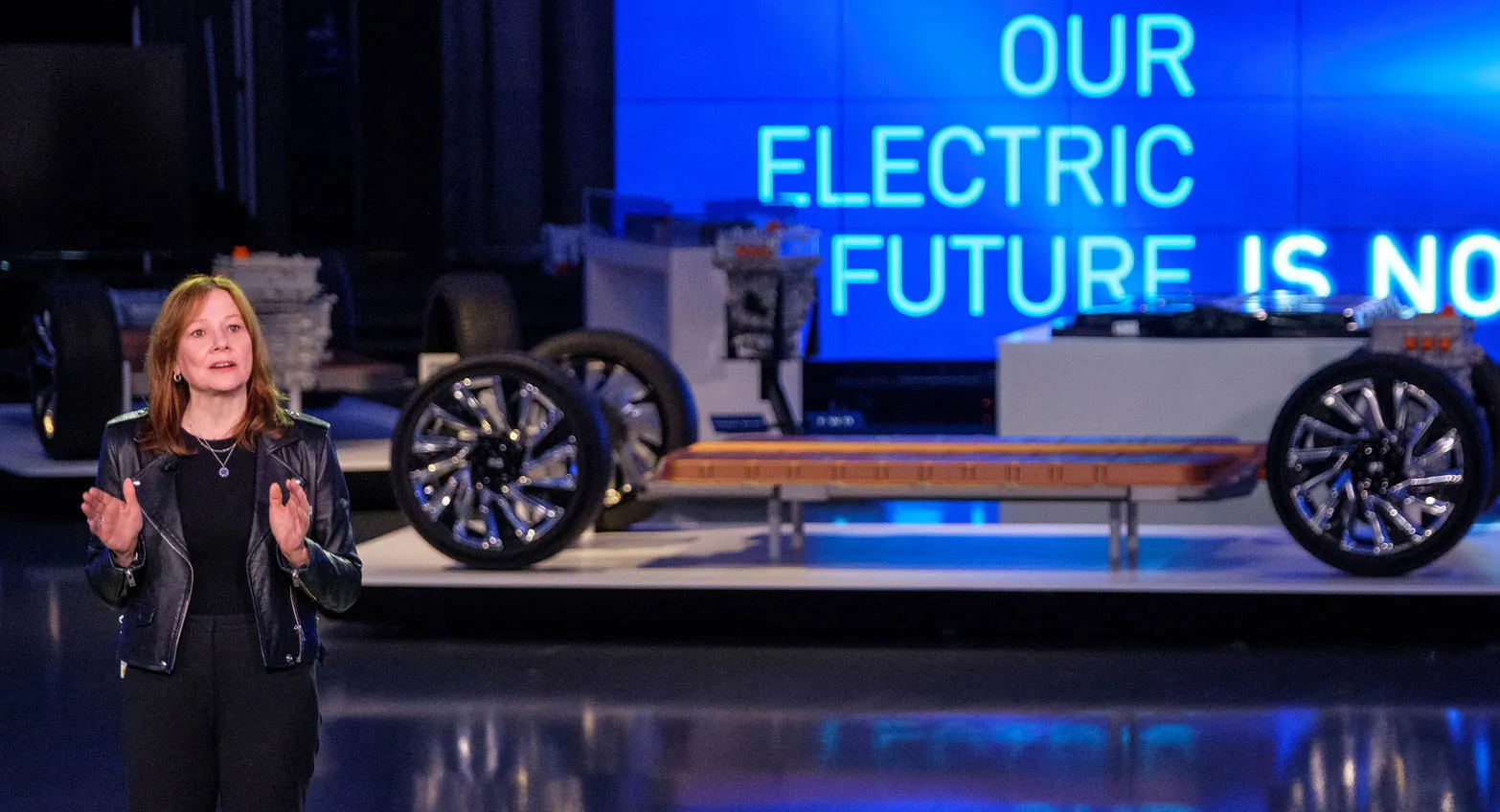
Another U.S. electric vehicle battery plant is on shaky ground as local EV demand keeps sliding. This one is the massive facility GM and Samsung have been building near New Carlisle, Indiana, and its future is now anything but certain.

The $3.5 billion plant was announced three years ago with initial plans for it to produce nickel-rich prismatic batteries. GM anticipated the site would initially have 30 GWh of capacity, meaning it could produce battery packs for up to 300,000 EVs annually. Capacity was then supposed to ramp up to 36 GWh.

Read: GM’s EV Dream Plant Is Now A Gas Powerhouse In The Making

The problem is what’s happened to the market since. With the Trump administration killing off the $7,500 federal EV tax credit, U.S. demand has cratered, and it’s getting harder for automakers and tech firms to justify writing checks this big for plants of this size.

GM has confirmed that construction of the plant will be paused. In a statement to Detroit News, GM spokesperson Kevin Kelly said: “Construction of the battery cell plant in New Carlisle, Indiana will be paused to align production capacity with current demand. GM and Samsung SDI will communicate plans for the site at a future date.”

The plan, for now, is to finish the building’s exterior as quickly as possible. However, after that, the future of the site remains unclear.

GM’s EV Mistakes

 The 1,600 Jobs And $3.5 Billion Plant GM Promised Indiana Are Now On Hold

It’s possible the car manufacturer could completely withdraw from its joint venture with Samsung, which is exactly what it did in late 2024 when it pulled out of its partnership with LG Energy Solution on a Michigan battery plant. GM reportedly sold its stake to LG for $1 billion.

An alternative is for GM and Samsung to remain partners and instead manufacture more common lithium-iron phosphate batteries at the site.

If GM pulls out of its joint venture with Samsung, it’ll come at a cost. The company has already revealed it took up to $8.7 billion in EV-related charges and write-downs in 2025, and the money invested in the Indiana plant could be yet another misstep in its EV strategy. The site was supposed to employ up to 1,600 workers and initially set to set producing battery cells this year, although this was later delayed to 2027 a couple of years ago.
 The 1,600 Jobs And $3.5 Billion Plant GM Promised Indiana Are Now On Hold

Mercedes’ Next EVs Are Ditching CATL For Samsung, Starting In 2028

  • Future Mercedes models based on its MMA platform will use Samsung’s batteries.
  • Several existing Mercedes-Benz EVs already use advanced NMC battery packs.
  • The current Mercedes CLA 250+ and CLA 350 source battery packs from CATL.

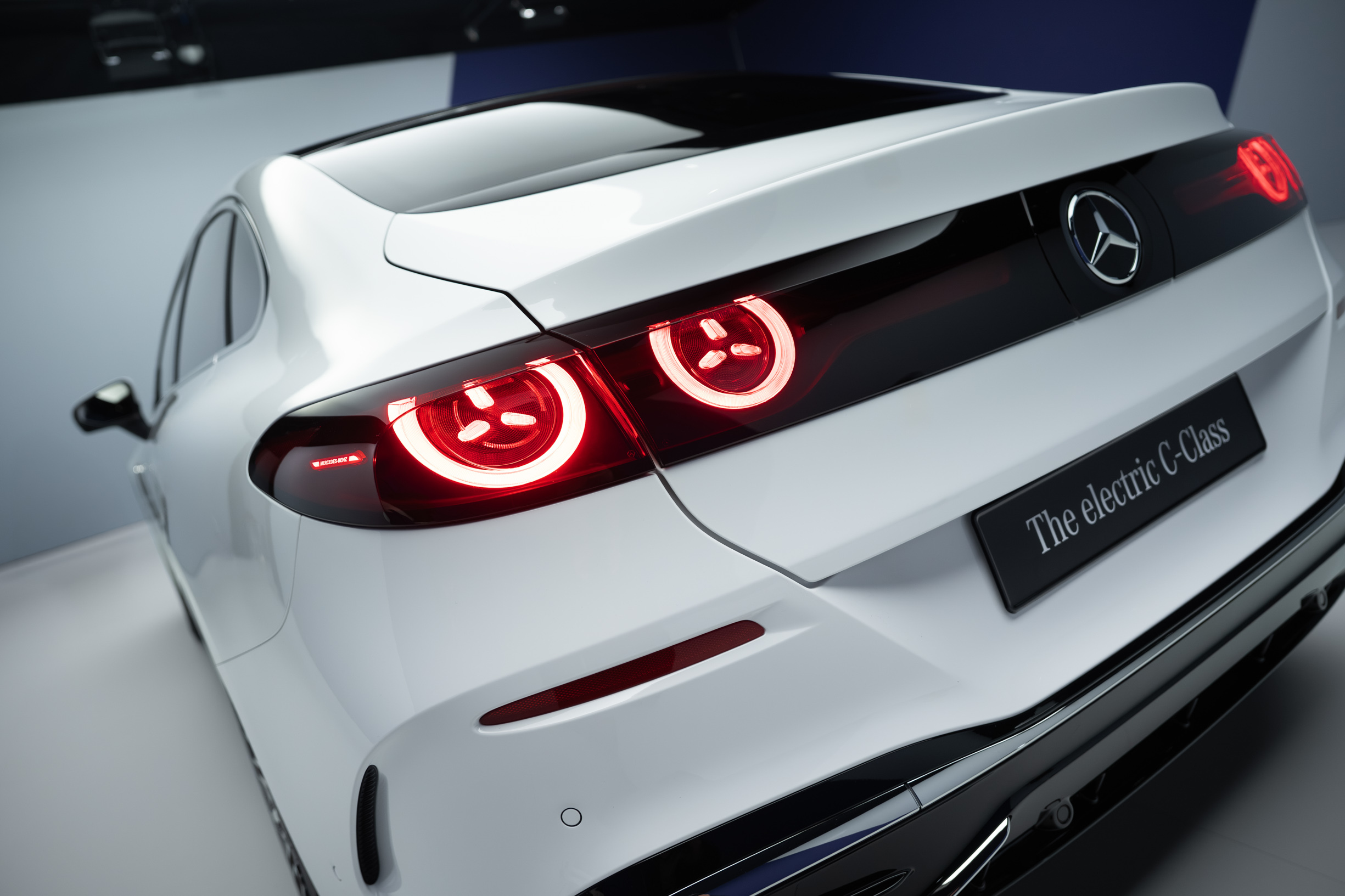
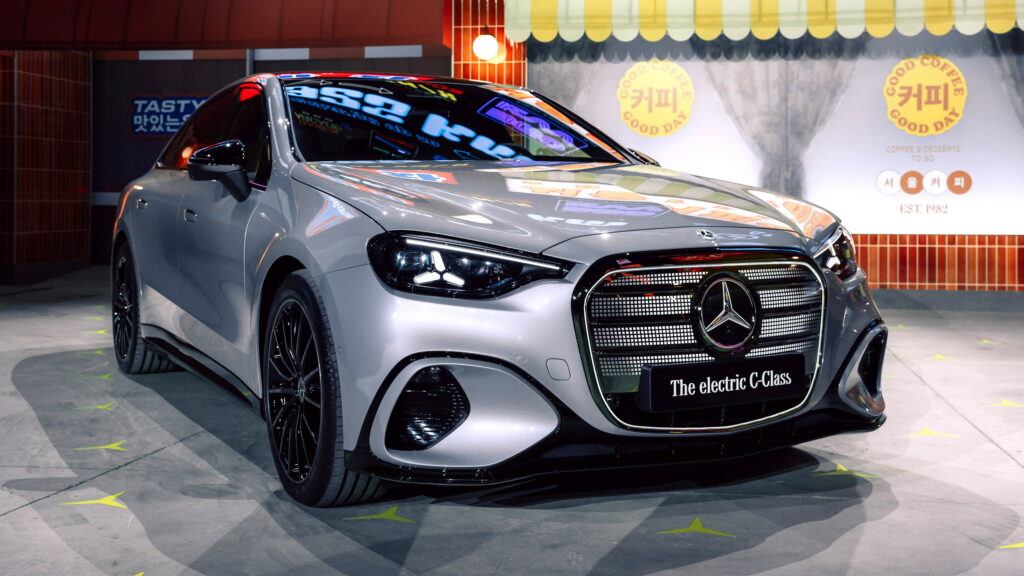
Just after unveiling its all-new electric C-Class, Mercedes-Benz confirmed a key piece of its future EV strategy. The next generation of its electric models will draw power from battery cells supplied by South Korea’s Samsung SDI.

The agreement, signed earlier this week, secures a steady flow of nickel, cobalt, and manganese (NMC) battery cells. Samsung claims these packs will deliver strong energy density, long service life, and the kind of sustained output and range figures premium EV buyers have come to expect, at least on paper.

Read: Mercedes’ Electric C-Class Is The BMW i3’s Neue Nightmare

Mercedes has yet to put a firm date on when these NMC batteries from Samsung will make their debut. Still, industry insiders point to models built on the upcoming Mercedes Modular Architecture (MMA) from 2028 onward. That would cover a wide spread of compact and mid-size SUVs, along with a handful of coupes that, for now, remain unnamed.

German Cars, Asian Batteries

 Mercedes’ Next EVs Are Ditching CATL For Samsung, Starting In 2028

The German brand already offers several of its EVs with NMC batteries, including the CLA 250+ and CLA 350 4Matic, sourced from China’s CATL. In addition, the all-electric Mercedes VLE uses a 115 kWh NMC battery pack, while the newly-revealed electric C-Class uses a 94.5 kWh NMC battery, promising a range of up to 472 miles (760 km).

“This partnership brings together the innovative DNA of both companies,” Samsung SDI said. “It is meaningful in that SAMSUNG SDI has secured a battery order aimed at strengthening its position in the global EV market.”

There are trade-offs between nickel, cobalt, and manganese (NMC) batteries and lithium iron phosphate (LFP) packs, the two chemistries currently dominating the EV space. NMC’s headline advantage is energy density, which means more range from a similarly sized battery, something premium brands tend to prioritize.

LFP, on the other hand, takes a more pragmatic approach. These packs are typically more durable over time and can be charged to 100 percent far more frequently without accelerating degradation. That makes them well suited to daily-use scenarios, even if they cannot quite match NMC’s outright range potential.

\\\\\\\\\\\\\\
❌