Normal view

There are new articles available, click to refresh the page.
Before yesterdayMain stream

Ford’s New Electric Van Has A Chinese Secret

  • Ford debuts the EV-only Transit City van in Europe for last-mile urban delivery.
  • Payload ranges from 2,392 lbs. to 3,373 lbs. across three body configurations.
  • It is based on a Chinese platform and will be manufactured in China too.

Ford Pro’s van lineup is already sprawling, with models like the fully electric E-Transit Custom and E-Transit covering a lot of ground. Still, that hasn’t stopped Ford Pro from adding another name to the roster with the all-new Transit City. Built on an EV-focused platform developed by Jiangling Motors Corporation (JMC) and assembled in China, it will be offered in mainland Europe and the UK.

To further slash costs, Ford has pursued an aggressively simplified strategy. There’s just one trim, no options list, and very little room for personalization. It’s as pared back as it gets. The design follows suit. You get a straightforward look with modern LED lighting linked by a closed-off grille, clean body surfaces, black wheels, and unpainted plastic bumpers that make no attempt to hide their budget-friendly intent.

More: Volvo’s First Commercial Van Looks Familiar Because It Is

The Transit City is available in three body styles, including a standard panel van, a long-wheelbase high-roof variant, and a chassis cab version. The latter is designed to serve as a blank canvas for conversions by aftermarket specialists.

\\\\\\\\\\\

Payload capacity ranges between 1,085 kg (2,392 lbs) and 1,530 kg (3,373 lbs), depending on the specification. As for the available space at the back, the largest van can hold up to 8.5 cubic meters (300 cubic feet) of cargo and has a loading space length of 3,070 mm (120.9 inches).

More: VW’s ID. Buzz Picks Up A Feature No Minivan Has Any Business Offering

Despite its budget character and lack of options, the standard equipment is quite generous for the segment. The dashboard features a 12.3-inch touchscreen running Ford’s SYNC 4 infotainment system, a digital instrument cluster, and plenty of storage compartments.

Furthermore, the van comes standard with adaptive cruise control, lane-keeping assist, front and rear parking sensors, a rearview camera, and even a heated driver’s seat.

\\\\\\\\\\

A Dedicated EV

Unlike other models in Ford Pro’s commercial vehicle lineup, the Transit City is a dedicated battery-electric vehicle with no internal combustion or hybrid variants on the horizon. The company claims the electric powertrain will help reduce maintenance costs by up to 40% compared to a diesel van.

More: These Chinese Trucks Look Like Ford Rejects

It rides on a ladder-frame chassis developed by the JMC joint venture and is fitted with a front-mounted electric motor producing 148 hp (110 kW / 150 PS). Energy is stored in a 56 kWh Lithium Iron Phosphate (LFP) battery pack, allowing a WLTP range of up to 254 km (158 miles). While that might sound modest to some, Ford notes that typical users in this segment average less than 110 km (68 miles) per day.

Charging is handled via an 87 kW peak DC fast-charging rate, enabling 50 km (31 miles) of range to be added in 10 minutes, or a 10-80% top-up in approximately 33 minutes. Using the standard 11 kW AC charger, a full charge takes about five hours.

Focused On Affordability

Ford hasn’t put a price tag on it yet, but it has made confirmed that the Transit City will slot between the smaller E-Transit Custom and the full-size E-Transit. Right now, those models start at £43,630 ($58,300) and £49,545 ($66,200), respectively, which gives a fairly tight window for where this new addition is likely to land.
Volvo’s First Commercial Van Looks Familiar Because It Is

  • Volvo turned the EX30 into a two-seat electric commercial vehicle for fleets.
  • The rear bench is replaced by a flat floor offering 1,000 liters of cargo space.
  • Conversion is available on new stock and applies across the full EX30 lineup.

The EX30 may be the smallest SUV in Volvo’s lineup, yet that hasn’t stopped the brand from turning it into a working vehicle. Meet the Volvo EX30 Cargo, a second-stage conversion developed by the brand’s UK arm, pitched as a compact and very quick way to move parcels around town.

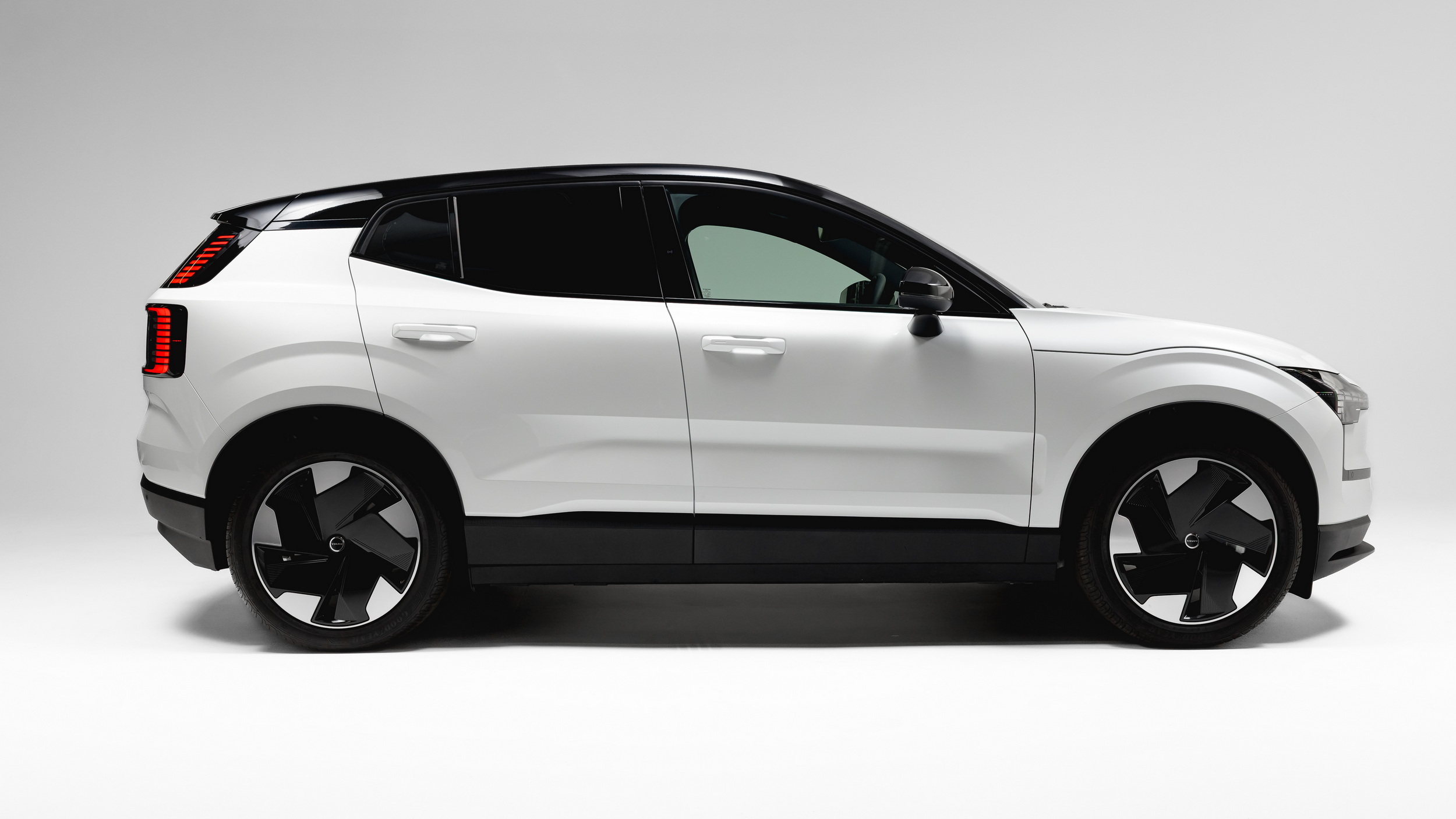
From the outside, Volvo’s first commercial vehicle looks just like a regular EX30 if you look past the pitch-black rear windows. Volvo will even offer it in Cross Country form, adding a tougher look and a touch more ground clearance for those who like their delivery runs with a bit of attitude.

More: After Just Two Years, Volvo Drops Its Cheapest EV From America

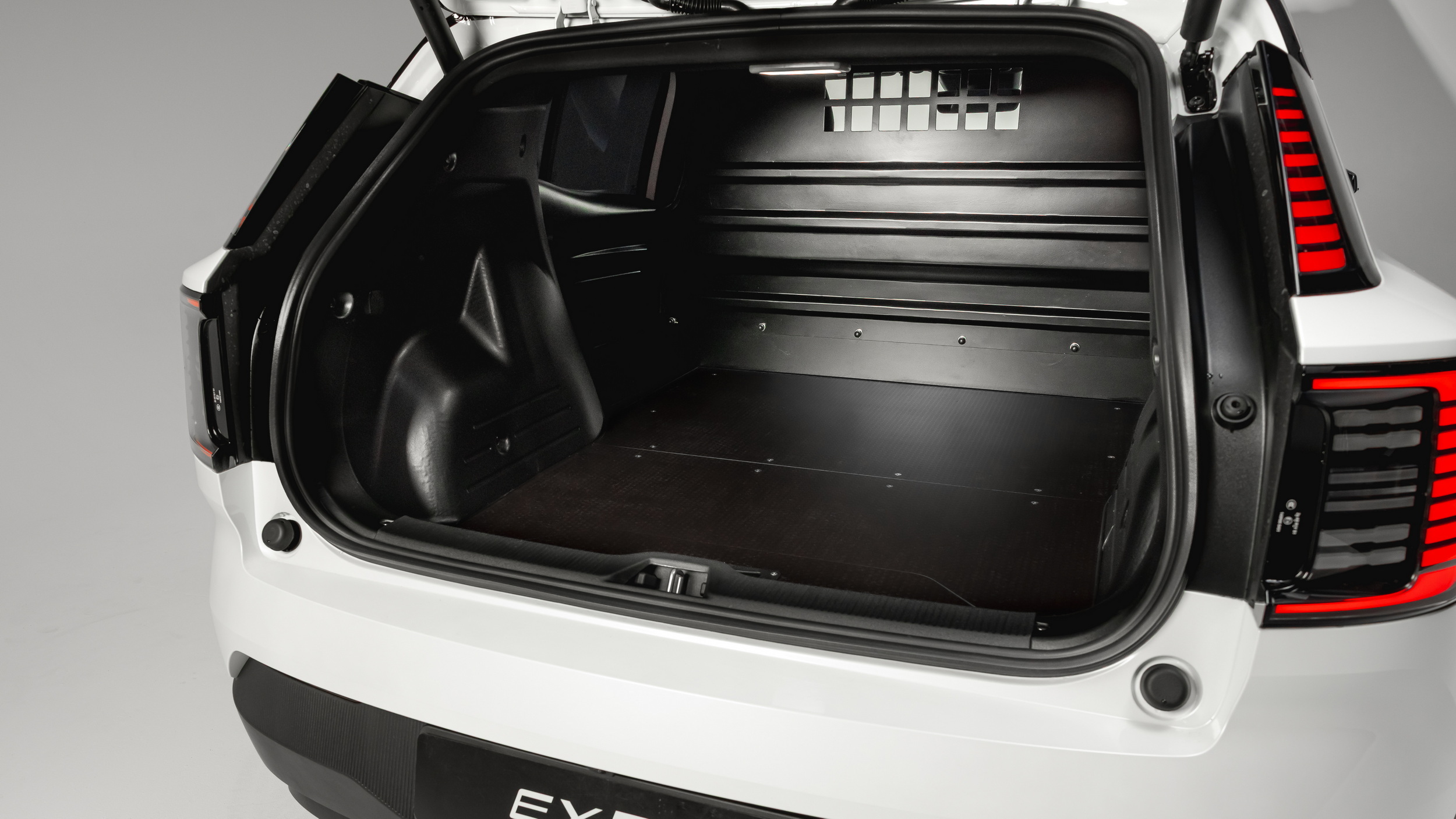
Open the tailgate, though, and the illusion falls away. What you find is effectively a two-seat van hiding inside a small SUV shell. The rear bench has been removed entirely, pushing cargo capacity from 318 liters (11.2 cu ft) in the passenger version to a much more useful 1,000 liters (35.3 cu ft).

To make it genuinely usable, Volvo added a bulkhead to separate the cargo area, paired with a flat load floor and tougher interior paneling that should shrug off daily abuse. Around the back, the rear doors now open wider, there’s an extra work light for low-visibility jobs, and an underfloor subframe brings additional mounting points into play. Payload capacity is rated at 390 kg (860 lbs).

 Volvo’s First Commercial Van Looks Familiar Because It Is

Despite its work-focused role, the EX30 Cargo retains the performance, safety, and technology of the standard model. After all, the conversion can be applied to both new vehicles and existing stock, making it available across the full lineup.

Review: New Zeekr X Got Me Questioning My Feelings For Volvo

The base Cargo Core trim comes equipped with automatic LED headlights, 18-inch Aero alloy wheels, adaptive cruise control, front and rear parking sensors, a rearview camera, and wireless Apple CarPlay and Google Android Auto.

Stepping up to the Cargo Plus adds 19-inch wheels, a black roof, heated seats and steering wheel, dual-zone climate control, a wireless charging pad, Pilot Assist, and a Harman Kardon premium audio system.

 Volvo’s First Commercial Van Looks Familiar Because It Is

In terms of performance, the entry-level EV offers 148 hp (110 kW / 150 PS), while the twin-motor AWD flagship delivers 422 hp (315 kW / 428 PS). The most powerful version completes the 0-100 km/h (0-62 mph) sprint in 3.6 seconds, making it an unexpectedly rapid way to deliver a small parcel in Britain.

More: New Base Volvo EX30 In Europe Has 45% Less Power Than Yours

The bad news is that the EX30 Cargo is exclusively available through Volvo UK’s fleet sales channels, so private buyers are excluded. Pricing starts at £36,010 ($48,200), which is £2,950 ($3,900) more than the least expensive passenger version. Availability in other markets has not been confirmed and appears unlikely.

\\\\\\

Volvo UK

Lexus Quietly Killed Its Smallest EV, And Hardly Anyone Noticed

  • With the UX gone, the RZ stands as Lexus’s sole EV.
  • The UX 300e used a modest 54.3 kWh battery pack.
  • That small battery capped range at just 186 miles.

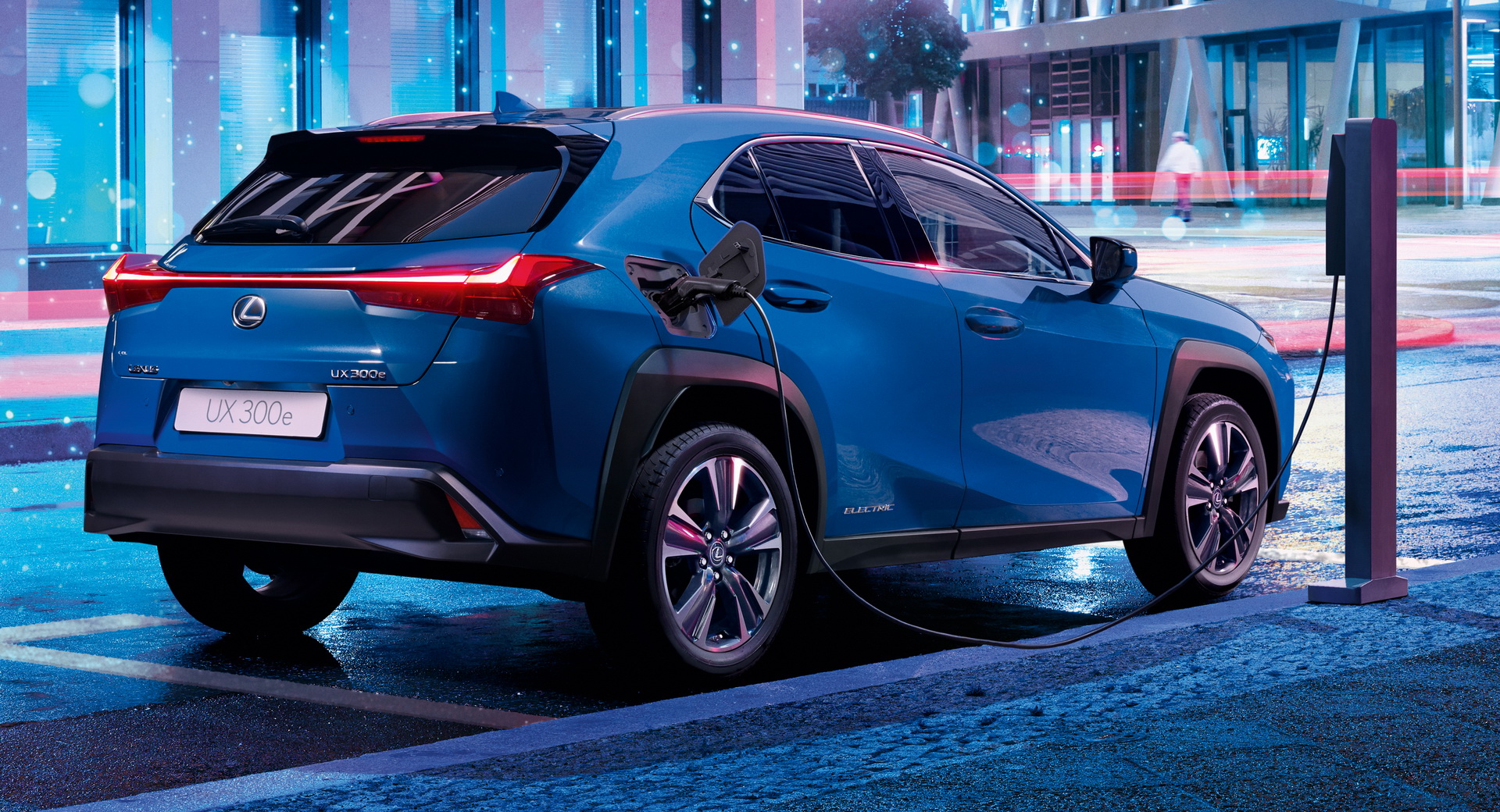
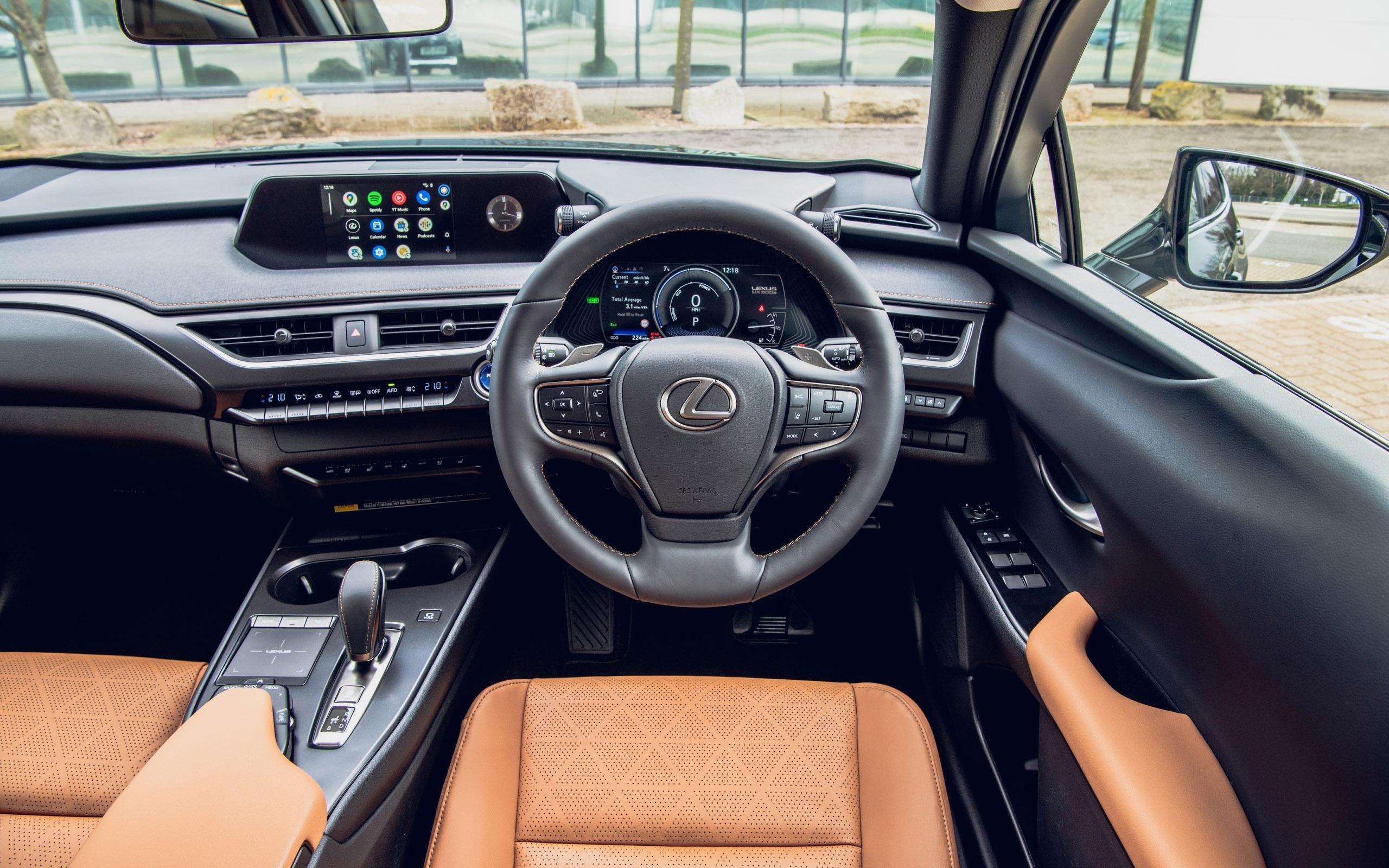
The all-electric Lexus UX 300e has quietly shuffled off the UK stage, five years after it first plugged in, and this is not just a local goodbye. Its exit is part of a wider wind-down across several global markets. The model’s demise means Lexus no longer has a small, relatively affordable EV available, and there’s no word on whether anything is in the works to replace it.

UK media first spotted that the UX 300e had vanished from the brand’s online configurator, which naturally sparked a round of speculation. Lexus soon confirmed the car had been removed from sale in late 2025.

Read: Lexus Can’t Even Pretend To Care About The 2026 UX

Lexus offered no detailed explanation for pulling the plug, reports Auto Express. Slow sales seem the obvious culprit, coupled with the fact that the car was beginning to feel its age. Fewer than 3,400 examples were sold in Britain from launch to the end, which is not quite the breakout success you would hope for in a rapidly expanding EV market.

Never That Impressive

 Lexus Quietly Killed Its Smallest EV, And Hardly Anyone Noticed

The regular UX soldiers on and is still a decent, if aging, option. The UX 300e, though, felt compromised from day one. Its 54.3 kWh battery delivered a rated 186 miles (300 km), which was underwhelming even at launch and quickly became difficult to justify. Then there was the CHAdeMo connector, once championed by the first-generation Nissan Leaf but now largely sidelined by the rest of the industry. Not a great combination if you were hoping for future-proof.

The UK isn’t the only market where the UX 300e has recently been cancelled. In mid-2025, it was also pulled from sale in Australia, likely also due to slow sales. It was also very expensive, starting at AU$80,720 ($56,500) and topping out at AU$88,190 ($61,800), making it more than AU$30,000 ($21,000) more expensive than some new Chinese rivals that offer similar levels of luxury and refinement but better driving ranges and charging speeds.

 Lexus Quietly Killed Its Smallest EV, And Hardly Anyone Noticed

As Autoblog reported, the same pattern has played out elsewhere, with the electric version being discontinued across parts of Europe and Japan without much fanfare.

The demise of the UX 300e leaves the larger RZ as Lexus’s only current EV. The Japanese firm is planning other EVs, most notably its own version of the new Toyota Highlander, positioned as a large, expensive three-row SUV.

\\\\\\\\\\\

Nearly 1 In 3 EV Chargers Are Mischarging UK Drivers

  • About 31.5 percent of tested chargers fell outside limits.
  • Some units delivered far less energy than shown.
  • Public charging costs and taxes add to driver concerns.

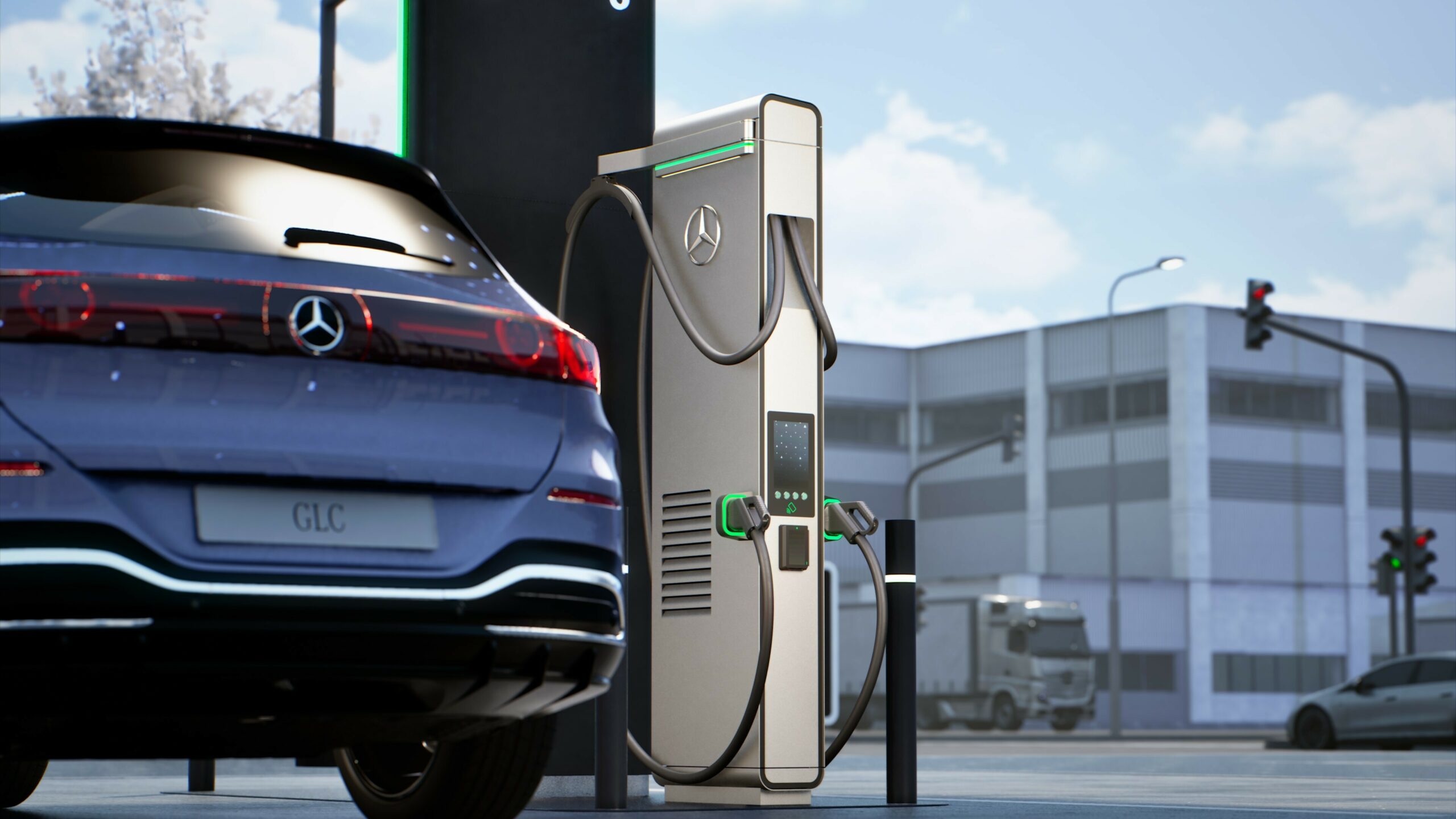
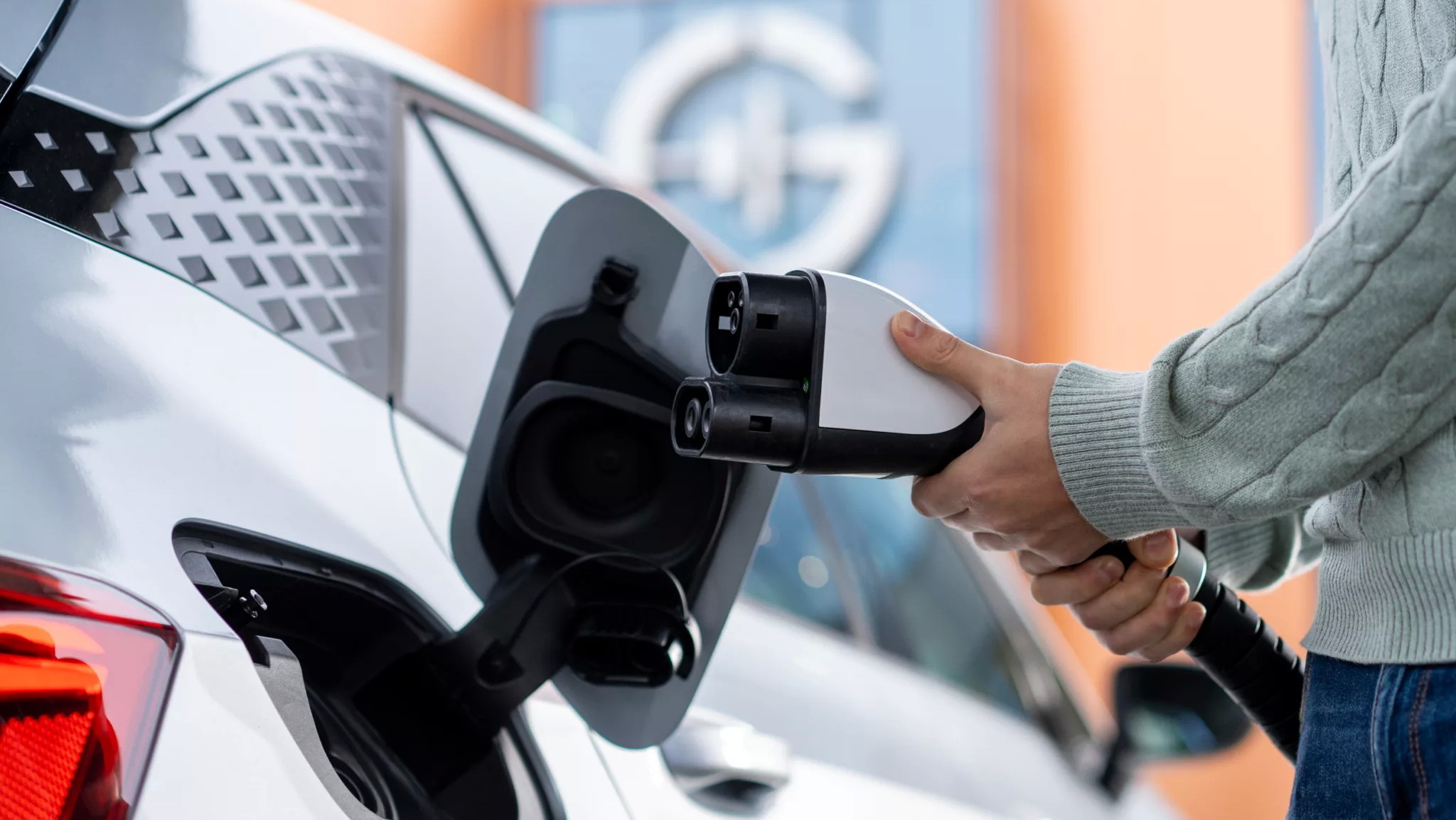
Refueling is something most drivers don’t think about too much. They plug in or insert a fuel nozzle, press go, and wait to see how bad the bank account damage is in the end. Now, EV drivers in the UK might be thinking twice before they plug in at a public charging station. A new study found that almost one in three mis-calculated the energy provided during a session.

According to independent inspection provider EVCI Global, 31.5 percent of the chargers it reviewed either overestimated or underestimated the energy transferred to vehicles. In roughly 15 percent of cases, errors exceeded five percent, with a small number showing what the company described as “materially larger deviations.”

EVCI says this effectively leaves EV drivers carrying more financial risk than petrol car owners, who enjoy far tighter oversight every time they pull up to a pump.

More: BYD’s New EV Chargers Are So Fast They’re Arranged Like Gas Station Pumps

The study, first reported by The Telegraph, highlights how different standards are for EV chargers when compared to gas or diesel fuel pumps. Fuel dispensers are subject to strict statutory verification and typically must operate within a tolerance of -0.5 to +1 percent.

 Nearly 1 In 3 EV Chargers Are Mischarging UK Drivers

By contrast, most public EV charge point meters are allowed a margin of error of up to +2 percent. Even so, EVCI says nearly a third of the units it tested fell outside that permitted window.

The company argues that public chargers should be brought under a formal verification regime similar to fuel pumps. It has also raised the issue with relevant government departments, pushing for clearer oversight and enforcement.

Extreme Cases And Industry Response

In one extreme case cited by CEO Craig Marsden, a charger was found to be delivering 37 percent less electricity than the figure displayed on-screen. Importantly, there were also cases where the chargers actually under-valued the amount of juice they provided, so drivers paid less. The findings have been presented to the Transport Select Committee.

“People with EVs need to know that they’re getting what they’re paying for, the same way that they do at petrol pumps,” Marsden said.

 Nearly 1 In 3 EV Chargers Are Mischarging UK Drivers

EVCI argues that this situation creates a two-tiered situation where EV owners are at greater risk of losing money. That’s especially true for those who don’t have access to off-street parking and home charging networks. Such individuals rely heavily on public charging infrastructure and could end up paying more than their fair share. A long charging session can exceed £70, and annual costs may approach £2,000. That’s without the errors included.

Industry Response To Accuracy Claims

Industry body ChargeUK has pushed back on the report, saying that the inaccuracies are isolated cases. It also pointed out that measuring electricity transfer is more complex than measuring liquid fuel.

Also: PHEVs Promised Efficiency, Drivers Are Burning Three Times More Fuel

A spokesperson for the Department for Transport told the newspaper that public EV charge points are expected to measure and supply exactly the electricity they claim to deliver. They added that meters at most public chargers are regulated to ensure accuracy within 2 percent.

That said, EV drivers will no doubt want to see a dramatic improvement in the next EVCI report. Otherwise, adoption rates could take a hit.

 Nearly 1 In 3 EV Chargers Are Mischarging UK Drivers

❌
❌