Reading view

There are new articles available, click to refresh the page.

Stellantis Admits EV Bet Went Too Far, $26 Billion Later
  • Stellantis posts $26.3B net loss for FY 2025.
  • Dividend suspended, $5.9B bonds issued.
  • ICE and hybrid pivot lifts H2 shipments.

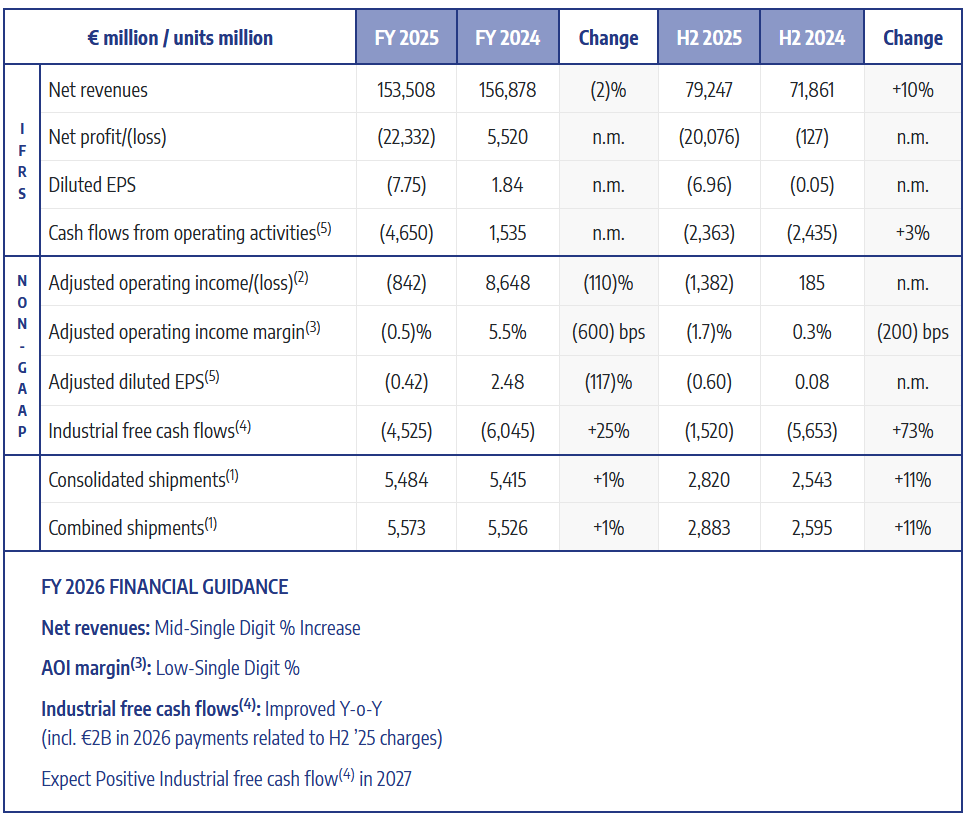
Stellantis has published its 2025 financial results, and they make for sobering reading. The headline figure is a €22.3 billion deficit, equal to $26.3 billion at current rates, marking the group’s first-ever annual loss. That swing looks even worse when set against 2024’s €5.5 billion ($5.8 billion) profit, which was already down 70% compared to 2023. In the span of two years, the company has gone from profitable to deep in the red.

The group, which owns 14 brands including Abarth, Alfa Romeo, Chrysler, Citroen, Dodge, DS Automobiles, Fiat, Jeep, Lancia, Maserati, Opel, Peugeot, Ram, and Vauxhall, attributes the damage to €25.4 billion ($30 billion) in “unusual charges,” largely tied to what it calls a “profound strategic shift to meet customer preferences.” In plain terms, Stellantis overestimated how quickly the market would pivot toward electric mobility and is now paying to recalibrate.

More: Stellantis Bet Big On EVs, Now It’s Betting On The Engine Europe Wrote Off

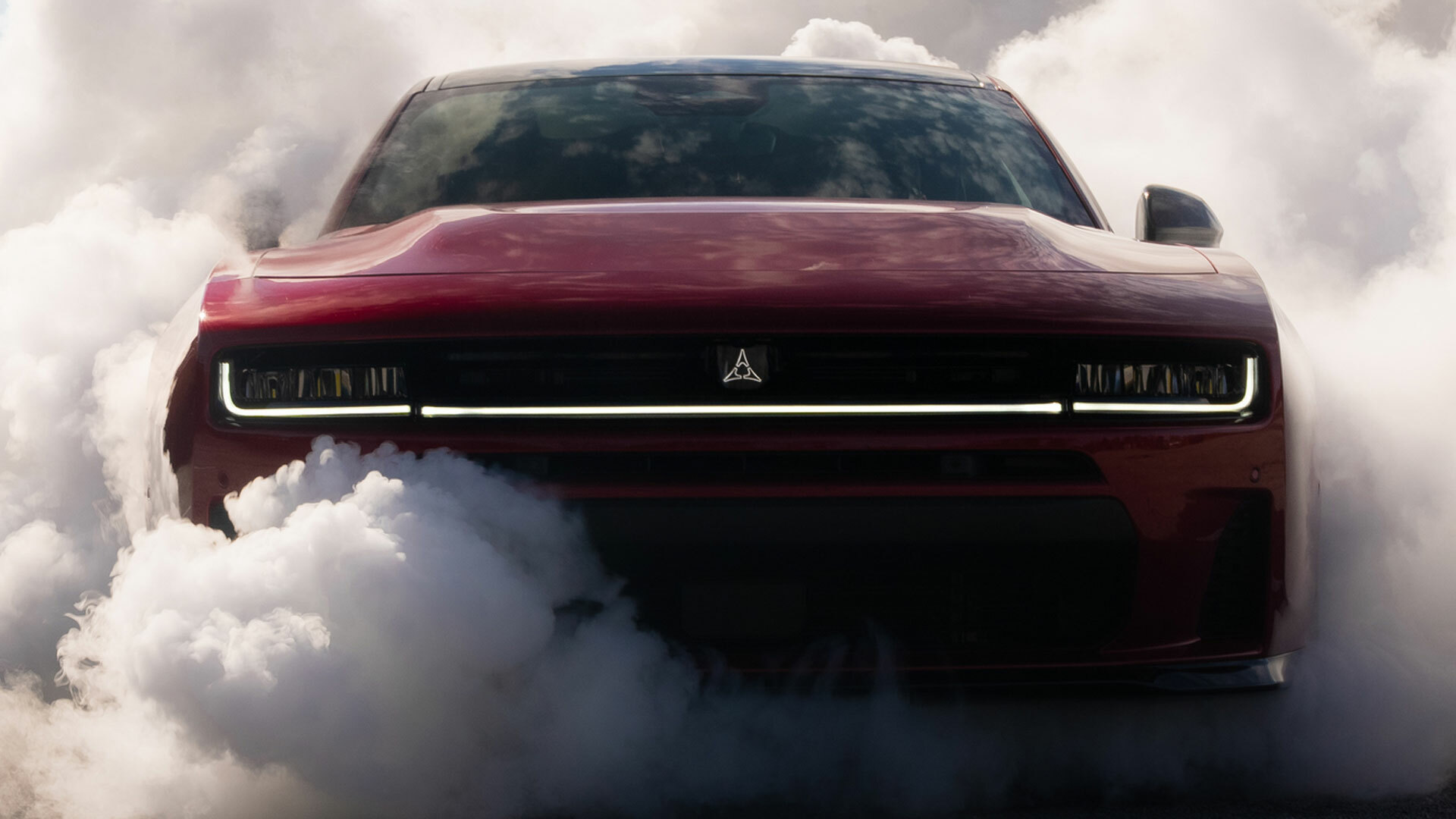
That is only part of the story. It wasn’t just a matter of customers being slow to embrace EVs. Several of Stellantis’ electric efforts, particularly in the US, struggled on their own terms. Models such as the Dodge Charger Daytona EV and the Jeep Wagoneer S were priced at the upper end of their segments yet struggled to justify that positioning against established rivals.

Rethinking Its EV Strategy

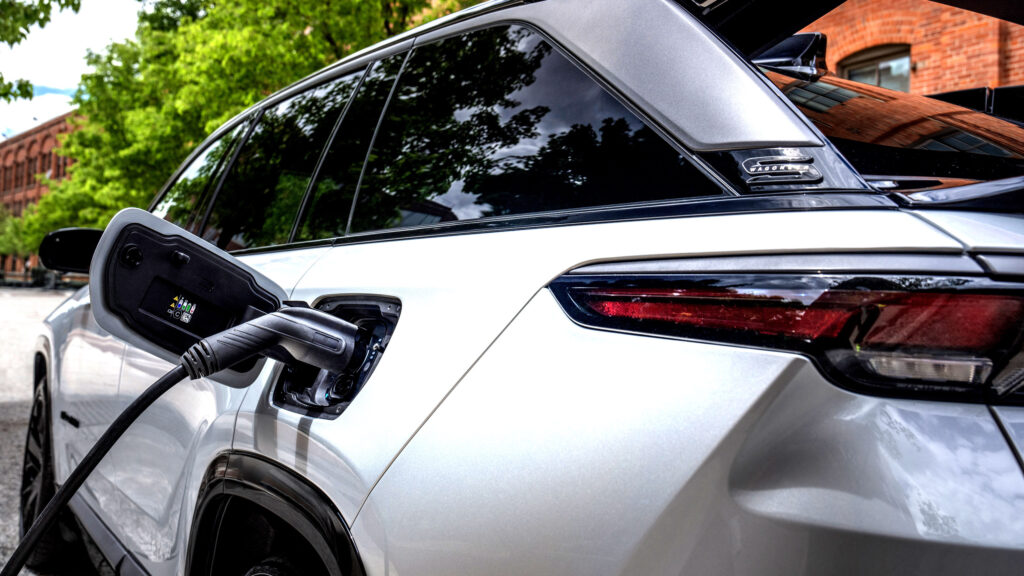
Regardless, that recalibration means canceling several electric models that were in development, mainly for the US market, and putting new emphasis on high-margin combustion engines. The return of the HEMI V8 in North America is the obvious attention grabber.

In Europe, diesel and mild-hybrid gasoline options are being folded back into the lineup across several current and upcoming models, including the now-delayed Alfa Romeo Stelvio and Giulia replacements.
 Stellantis Admits EV Bet Went Too Far, $26 Billion Later

“Our 2025 full year results reflect the cost of over-estimating the pace of the energy transition and of the need to reset our business around our customers’ freedom to choose from the full range of electric, hybrid and internal combustion technologies,” said Stellantis CEO Antonio Filosa.

“In the second half of the year we began to see initial, positive signs of progress with the early results of our drive to improve quality, strong execution of the launches of our new product wave and a return to top line growth. In 2026 our focus will be on continuing to close the execution gaps of the past, adding further momentum to our return to profitable growth.”

How Does Stellantis Plug The Gap?

The financial strain has prompted the board to suspend the 2026 dividend and authorize up to €5 billion ($5.9 billion) in hybrid bonds to shore up liquidity. Industrial free cash flow remained firmly negative at €4.5 billion ($5.3 billion), although that represents a 25% improvement on the previous year.
 Stellantis Admits EV Bet Went Too Far, $26 Billion Later

Net revenue totaled €153.5 billion ($181.1 billion), down 2% year-on-year. The decline is attributed to exchange rate headwinds and net pricing drops in the first quarter of 2025, neither of which tends to flatter the bottom line.

More: Stellantis Adds A Third Shift Where You Least Expect It

The group posted an adjusted operating loss of €842 million ($993.5 million). Still, the second half of the year showed signs of stabilization. Revenues rose 10% and shipments climbed 11% as inventories normalized. Stellantis also highlighted that H2 2025 marked the first six months under its renewed leadership team, a detail clearly intended to signal that the worst may already be in the rearview mirror.

Shipments Went Up But Shares Go Down

Combined shipments for 2025 reached 5.573 million vehicles, up 1% year-on-year. That keeps Stellantis in fifth place globally by volume, behind Toyota (11.3 million), Volkswagen Group (8.98 million), Hyundai Motor Group (7.27 million), and General Motors (6.11 million).

Momentum was stronger in the second half, with 2.883 million shipments, up 11% over H2 2024. North America did most of the heavy lifting, posting a 39% H2 increase as inventories returned to more normal levels and demand improved.

Investors, however, appear less convinced. Reuters reports that Stellantis shares have fallen by more than 30% this year, sliding to their lowest level since the PSA-FCA merger in 2021.
 Stellantis Admits EV Bet Went Too Far, $26 Billion Later

Stellantis

New Lancia Crossover Appears In The Wild Hiding A Famous Old Name

  • Lancia’s flagship crossover was spotted in winter tests.
  • New Gamma will offer electric, mild-hybrid, and PHEV options.
  • It will be built in Melfi, Italy, alongside the DS No8.

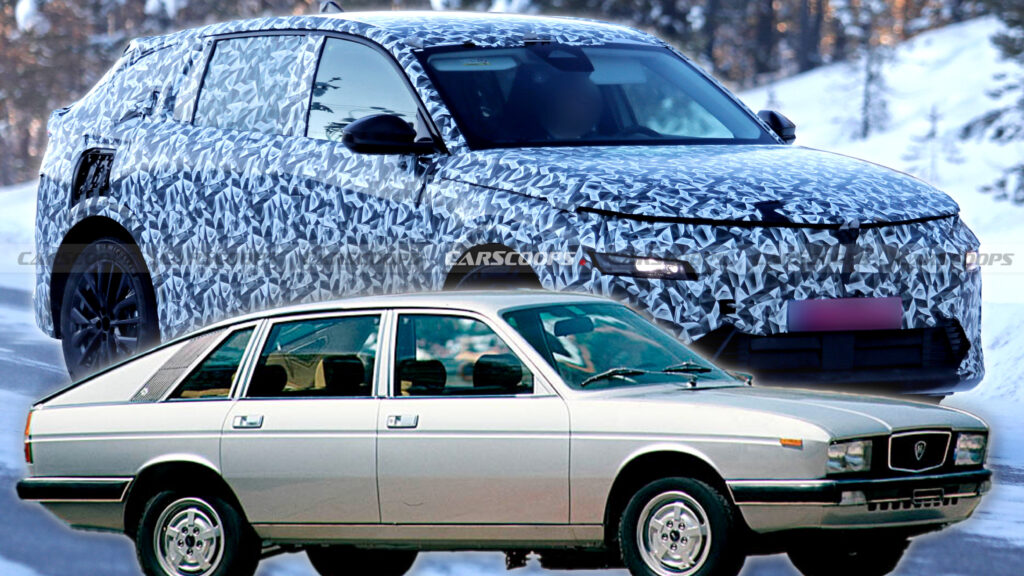
Stellantis’ grand Lancia revival, or as they called it, ‘Renaissance’, has not exactly burst out of the gates. The new Ypsilon subcompact hatchback has struggled to gain momentum, which is not quite a surprise. Still, phase two is already taking shape, and it brings with it a familiar name. The Lancia Gamma is coming back.

More: Lancia HF Integrale Returns With White Wheels And Something To Prove

This time, it arrives as an electrified crossover, and our spies have spotted a prototype for the first time during winter testing. The test car reveals enough to give us a better sense of what to expect ahead of its official debut later this year.

\\\\\\

Unlike the original Gamma, which was offered from 1976 through 1984 as a fastback saloon and coupe, the new model takes a very different route. It is now a crossover, effectively the Italian sibling to France’s DS No8. From the spy shots, the Gamma appears more upright than the DS, leaning closer to coupe-SUV territory than to a traditional crossover.

Design Direction Takes Shape

\\\\\\\\

Baldauf

At the front, expect familiar cues borrowed from the smaller Ypsilon. The split LED headlight layout looks set to return, joined by an illuminated T-shaped grille that, intentionally or not, brings to mind a Mandalorian helmet. Down below, the lower bumper intake has a clean, contemporary design and seems to incorporate active shutters flanking an ADAS sensor.

Down the sides, the surfacing closely mirrors the DS, right down to the door handles and mirror caps, though the Gamma appears to get slightly larger windows. The wheels look modest in size, which is usually a giveaway that this is not the upcoming HF performance version.

More: One Lancia Ypsilon HF Is Fast The Other Just Pretends

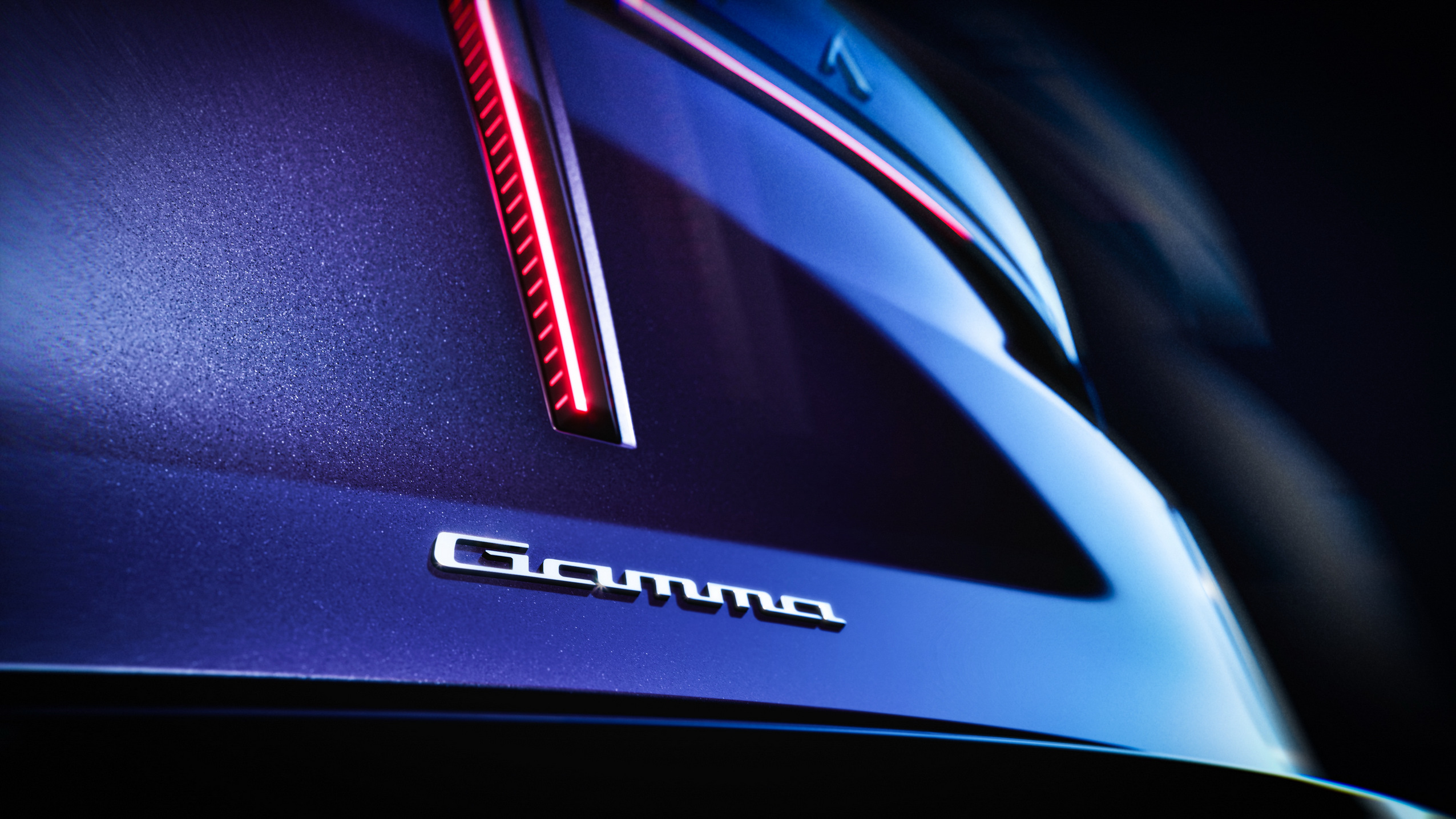
At the rear, heavy camouflage does its best to hide the details, but you can still make out the coupe-style rear glass flowing into what seems to be an integrated spoiler. An official teaser released in late 2024 indicates that the full-width LED taillights will adopt a T-shaped lighting signature, directing your eye toward the Gamma lettering across the sculpted tailgate. There are no visible tailpipes beneath the diffuser, reinforcing the likelihood that this particular prototype is fully electric.

Inside, expect a mix of premium and sustainable materials, along with Lancia’s signature “tavolino,” a mini round coffee-table integrated into the center console. The digital setup should include a 10.25-inch instrument cluster paired with a 16-inch infotainment display running the Lancia SALA system.

A Broader Powertrain Mix

 New Lancia Crossover Appears In The Wild Hiding A Famous Old Name

Like the DS No8, the Lancia Gamma will sit on Stellantis’ STLA Medium platform and roll out of the Melfi plant in Italy. Both models were originally pitched as fully electric, but Stellantis has since recalibrated. Mild-hybrid and plug-in hybrid options are now part of the plan.

More: Stellantis Bet Big On EVs, Now It’s Betting On The Engine Europe Wrote Off

Looking at what Stellantis already has on the shelf, we can speculate on the powertrain lineup. The entry-level Gamma is expected to be powered by a turbocharged 1.2-liter mild-hybrid unit generating 143 hp (107 kW / 145 PS). At the opposite end, the Gamma HF could pack dual electric motors delivering up to 370 hp (276 kW / 375 PS), complete with AWD.

\\\\\\\\\

In terms of range, the larger 97 kWh battery pack could allow the Gamma to cover up to 435 miles (700 km) between charging stops.

Lancia has confirmed the new Gamma will arrive in 2026, so expect a steady drip of details over the coming months. It will later be joined by a new Lancia Delta in 2028, rounding out a three-model lineup for the revived Italian brand.

\\\\\\\\\

Baldauf

Stellantis Revives Opel’s Hot Hatch, In A Very Different Form

  • The Corsa GSE is a fully-electric hot hatch version.
  • It will likely use a 278 hp motor with a limited-slip diff.
  • Expect sharper looks, bigger brakes, and tighter suspension

Stellantis has confirmed a new performance version of the Opel and Vauxhall Corsa subcompact hatchback. It will wear the GSE badge, effectively reviving the spirit of the long-retired Vauxhall Corsa VXR and its Opel Corsa OPC twin, only this time with electrons instead of petrol.

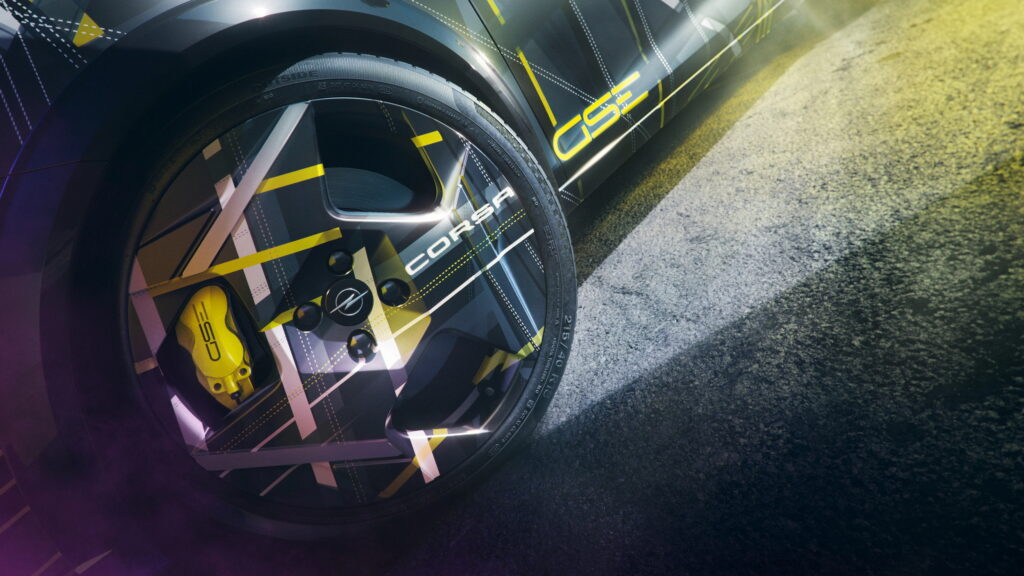
So far, the company has released a single teaser image of the upcoming hot hatch, zoomed tightly on the front wheel. The car wears a camouflage wrap featuring Corsa and GSE lettering, along with black, yellow, and white graphics. The 18-inch alloy wheels have a distinctive three-spoke design, with yellow brake calipers visible behind them.

More: The First Electric GTI Isn’t From VW

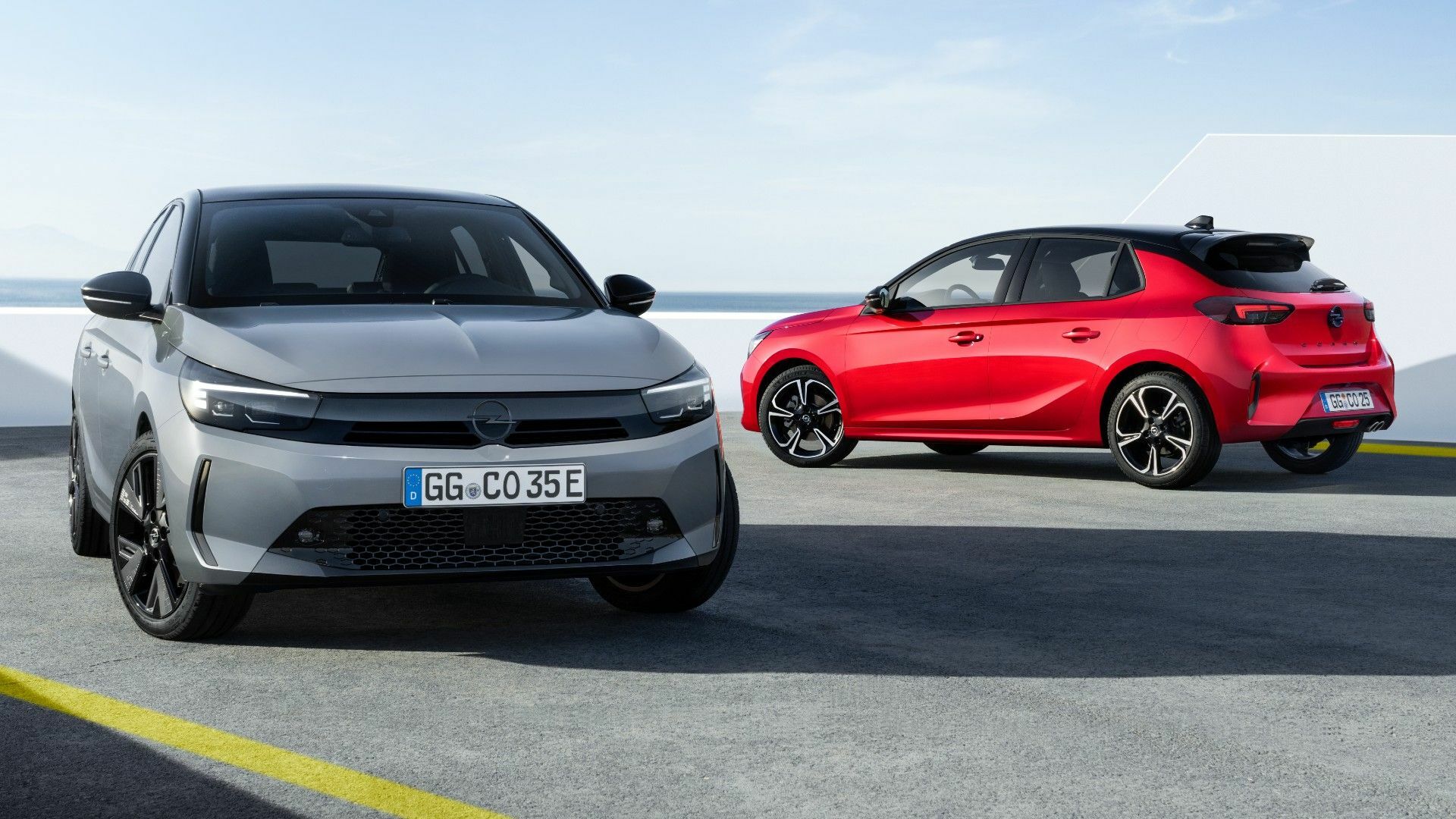
The body panels appear largely unchanged from the current-generation Corsa introduced in 2019 and updated in 2023. The GSE does gain additional cladding around the wheel arches, echoing the treatment seen on the new Peugeot E-208 GTI.

 Stellantis Revives Opel’s Hot Hatch, In A Very Different Form
Opel Mokka GSE

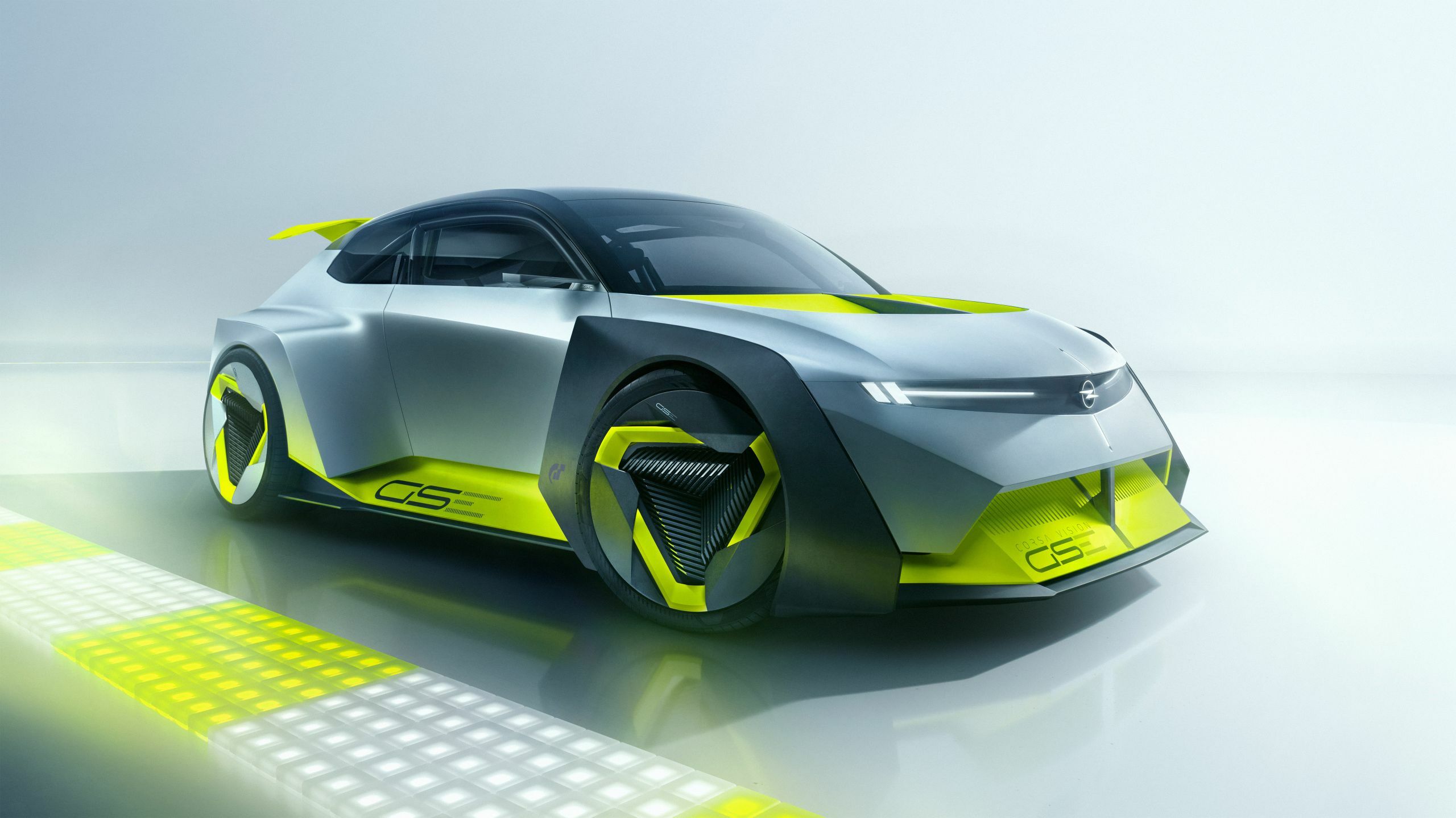
Expect redesigned bumpers and a few sharper details borrowed from the unhinged Opel Corsa GSE Vision Gran Turismo concept. Whether it also gains a slimmer Vizor grille with updated LEDs is still anyone’s guess, but it would hardly be a surprise.

Shared Underpinnings

Stellantis is keeping the hard numbers quiet for now, yet the safe money says the Corsa GSE will share its hardware with the Mokka GSE subcompact SUV. That puts it in the same technical family as the Abarth 600e, Alfa Romeo Junior Veloce, Peugeot E-208 GTI, and Lancia Ypsilon HF.

More: One Lancia Ypsilon HF Is Fast The Other Just Pretends

Like those cars, it is expected to use a front-mounted electric motor producing 278 hp (207 kW or 280 PS) and 345 Nm (254.5 lb-ft) of torque. A Torsen limited-slip differential, uprated brakes, and a firmer suspension setup complete the package. Power will likely come from the familiar 54 kWh lithium-ion battery, good for an estimated 200-230 miles (322-370 km) of range.

 Stellantis Revives Opel’s Hot Hatch, In A Very Different Form
Opel Corsa GSE Vision Gran Turismo Concept

According to Eurig Druce, Managing Director of Vauxhall and the Stellantis UK Group:

“The Corsa GSE will combine small and agile practicality with thrilling, pure electric, motorsport-inspired power and dynamics. Vauxhall has a proud heritage of hot hatches, and we’re excited to now offer customers those same thrills but combined with the electrifying performance and zero emissions in use of these new GSE models.”

More: Opel Corsa Gains Sporty Bits, Lowered Suspension, And More Power By Irmscher

The Opel and Vauxhall Corsa GSE will arrive in Europe and the UK later this year, stepping in as the new flagship of the Corsa lineup above the GS Line. Alongside its Peugeot E-208 GTI and Lancia Ypsilon HF relatives, it will square up against the upcoming VW ID.Polo GTI and the rumored Hyundai Ioniq 3 N.

 Stellantis Revives Opel’s Hot Hatch, In A Very Different Form
The facelifted version of the Opel Corsa F debuted in 2023.

Stellantis Traded A $5B EV Battery Plant For A Nice Dinner In Toronto

  • Stellantis is selling their stake in NextStar Energy for just $100.
  • Move comes amid lackluster EV sales and changing regulations.
  • LG is shifting focus from EVs to energy storage systems.

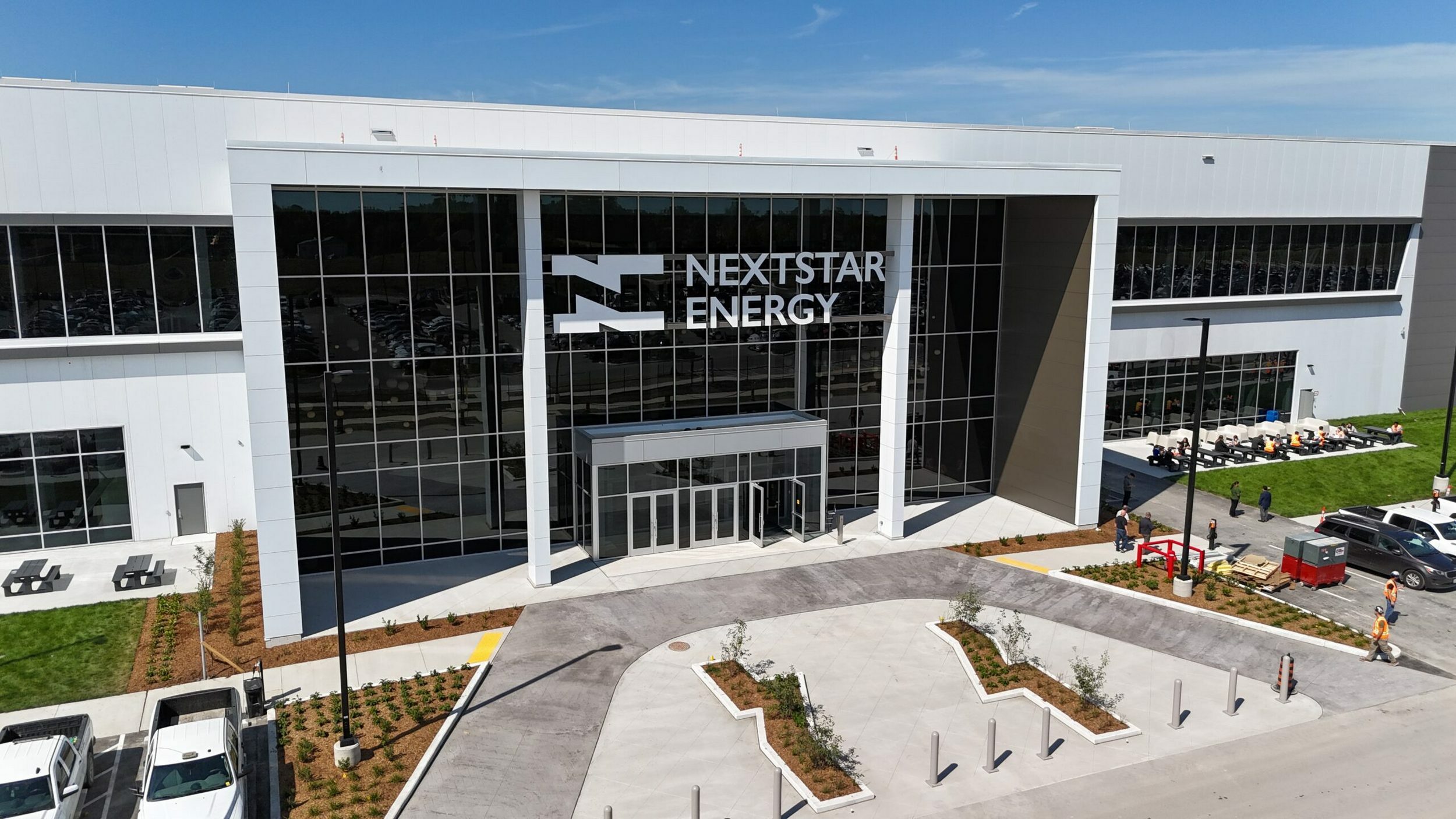
Stellantis is pivoting away from electric vehicles as the company embraces the ‘power of choice.’ This has cost them billions and they’re selling their 49% stake in NextStar Energy to LG Energy Solution.

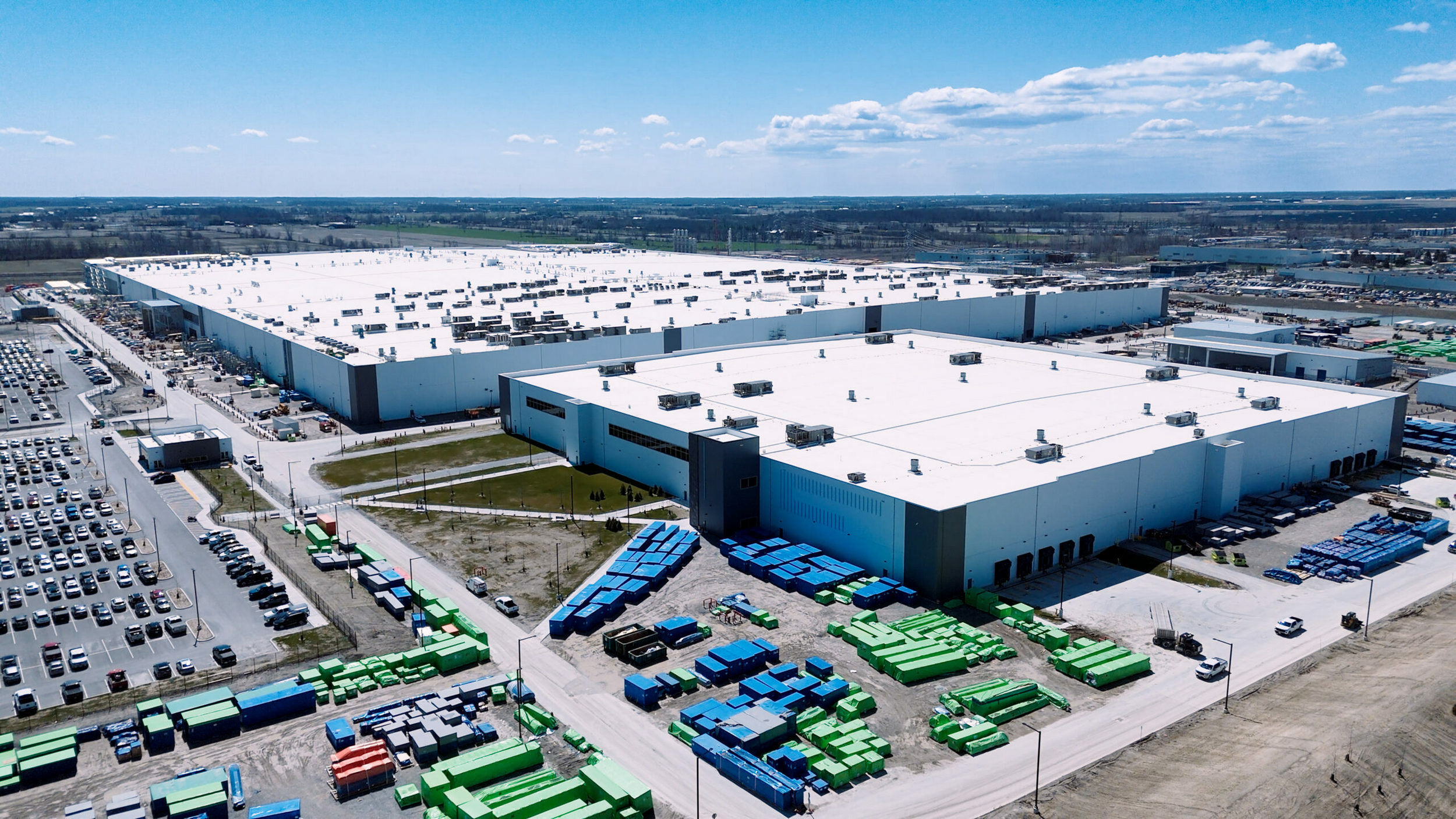
This is an interesting development as the NextStar Energy joint venture was established in 2022 and aimed to create Canada’s first large-scale battery manufacturing facility in Windsor. The plant was originally designed to employ approximately 2,500 people and have an annual production capacity of more than 45 gigawatt hours.

More: Stellantis’ Big Bet On EVs Was A $20 Billion Mistake

Battery module production began in the fall of 2024 and mass production of lithium-ion battery cells followed in November of 2025. While more than $3.7 billion ($5 billion CAD) has been invested into the facility, a lot has changed since 2022.

Electric vehicle adoption has grown more slowly than many automakers anticipated and the Trump administration recently eliminated federal tax credits. On top of that, tariffs have complicated things and automakers are now turning their attention away from EVs.

Stellantis didn’t go into many specifics, but called the move a “strategic decision” that was mutually agreed upon. They went on to describe themselves as a “committed customer” that “will continue to source battery products from NextStar Energy.”

 Stellantis Traded A $5B EV Battery Plant For A Nice Dinner In Toronto

Stellantis CEO Antonio Filosa said, “By enabling LG Energy Solution to fully leverage the Windsor facility’s capacity, we are strengthening its long-term viability while securing the battery supply for our electric vehicles. This is a smart, strategic step that supports our customers, our Canadian operations, and our global electrification roadmap.”

Those sentiments were echoed by LG Energy Solution CEO David Kim, who stated “LG Energy Solution sees growth opportunities in North America by situating a key production hub in Canada. Full ownership of NextStar Energy will enable us to respond swiftly to the growing demand from the ESS [Energy Storage System] market and position us to play a key role in Canada’s EV industry by securing additional North American-based customers.”

Despite the upbeat rhetoric, The Detroit News reports Stellantis sold their stake for just $100. That’s a token amount, especially given the sizable investment into the facility.

 Stellantis Traded A $5B EV Battery Plant For A Nice Dinner In Toronto

Stellantis’ Big Bet On EVs Was A $20 Billion Mistake

  • Stellantis has announced they’re ‘resetting’ their business.
  • Company is dialing back on EVs and embracing choice.
  • Expects to lose up to $24.8 billion in second half of 2025.

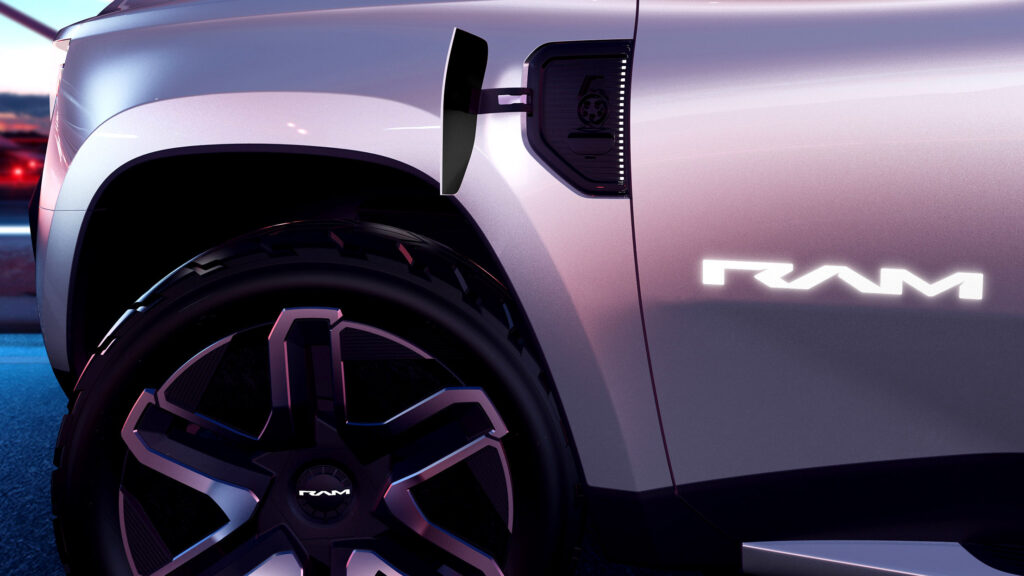
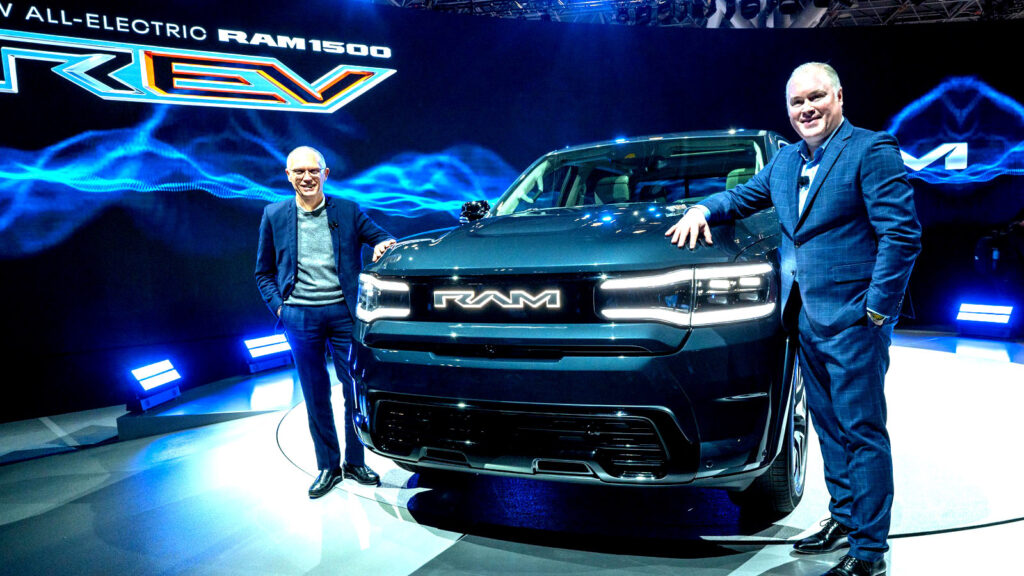
Following the ouster of Carlos Tavares, Stellantis has been making big changes. As part of the shakeup, the company killed plug-in hybrids in North America and axed the fully electric Ram 1500 REV. Ram also brought back the 5.7-liter Hemi V8 and the supercharged 6.2-liter V8 in the TRX.

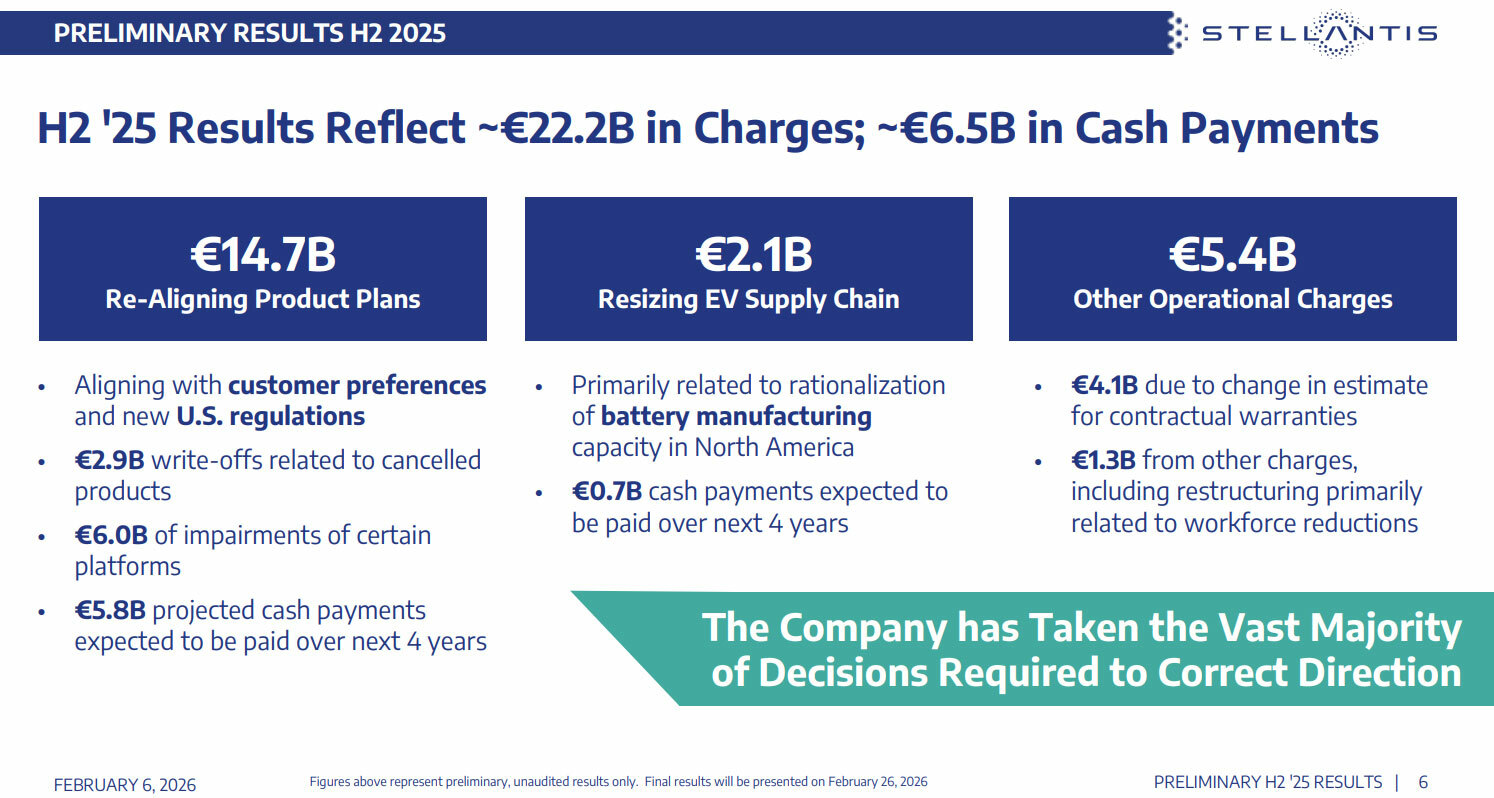
These are notable developments and they’re costing Stellantis a fortune. In particular, the automaker announced a $26.2 (€22.2) billion charge that is primarily related to their shift towards “freedom of choice.” This effectively means consumers can choose the powertrain of their liking as the company will offer internal combustion engines, hybrids, and EVs.

More: Stellantis Quietly Kills Its Plug-In Hybrids In America

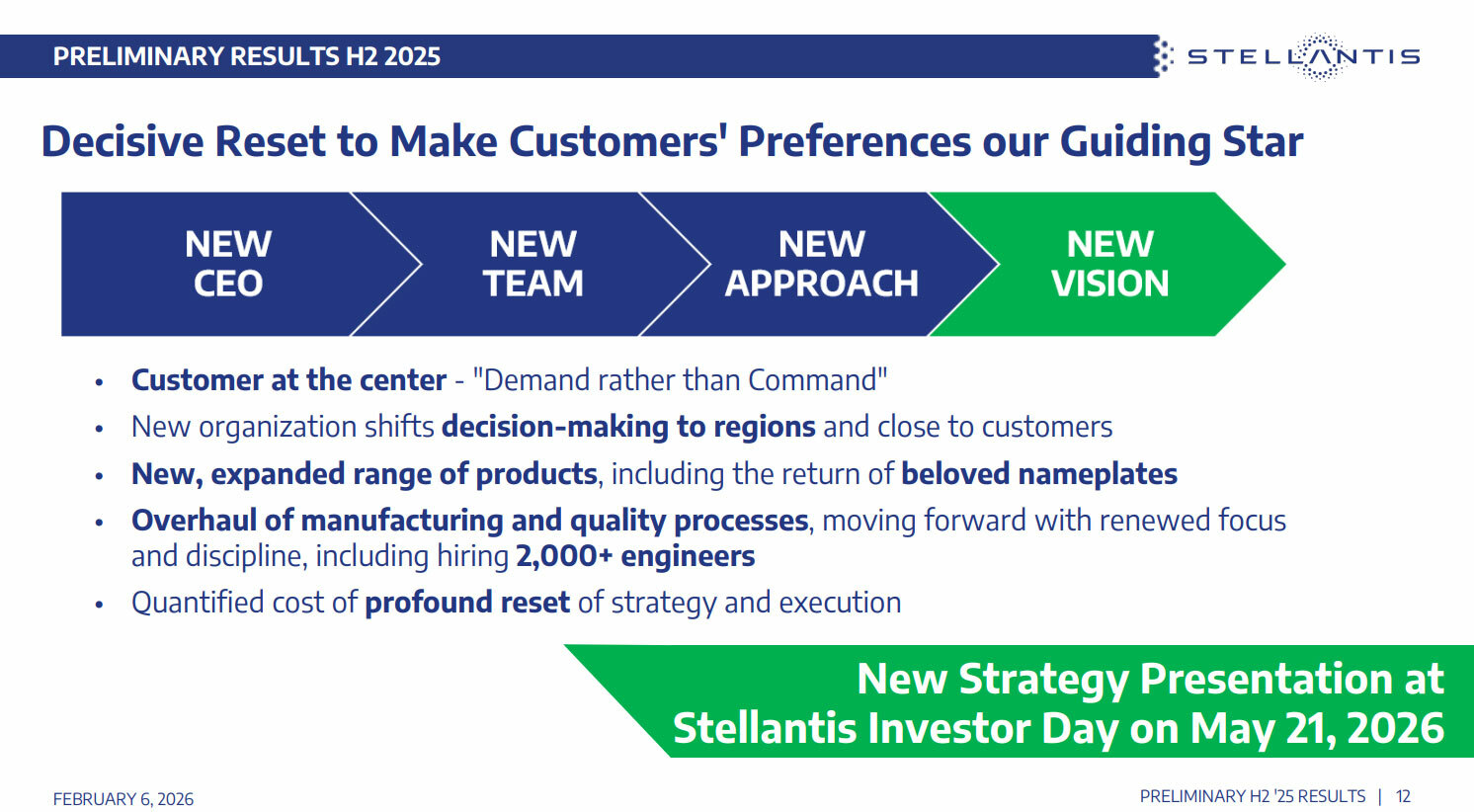
The revelation was part of a larger announcement, where the company revealed a “reset of its business.” We’ll learn more during Stellantis’ Investor Day event on May 21, but the automaker is dialing back on EVs as the “pace … needs to be governed by demand rather than command.”

 Stellantis’ Big Bet On EVs Was A $20 Billion Mistake

CEO Antonio Filosa said, “The reset we have announced today is part of the decisive process we started in 2025, to once again make our customers and their preferences our guiding star.” He added the massive charges “largely reflect the cost of over-estimating the pace of the energy transition that distanced us from many car buyers’ real-world needs, means and desires.”

Filosa also slammed his predecessor as he noted the “impact of previous poor operational execution, the effects of which are being progressively addressed by our new team.”

Breaking Down The Numbers

 Stellantis’ Big Bet On EVs Was A $20 Billion Mistake

Stellantis said $17.4 (€14.7) billion was due to re-aligning product plans with customer preferences and new emission regulations in the United States. It also reflects “significantly reduced expectations for BEV products.” Speaking of which, the company is writing off $3.4 (€2.9) billion related to cancelled projects.

Stellantis is also taking a $2.5 (€2.1) billion hit to “resize” their EV supply chain, while $6.4 (€5.4) billion is from other changes in the company’s operations such as workforce reductions in Europe.

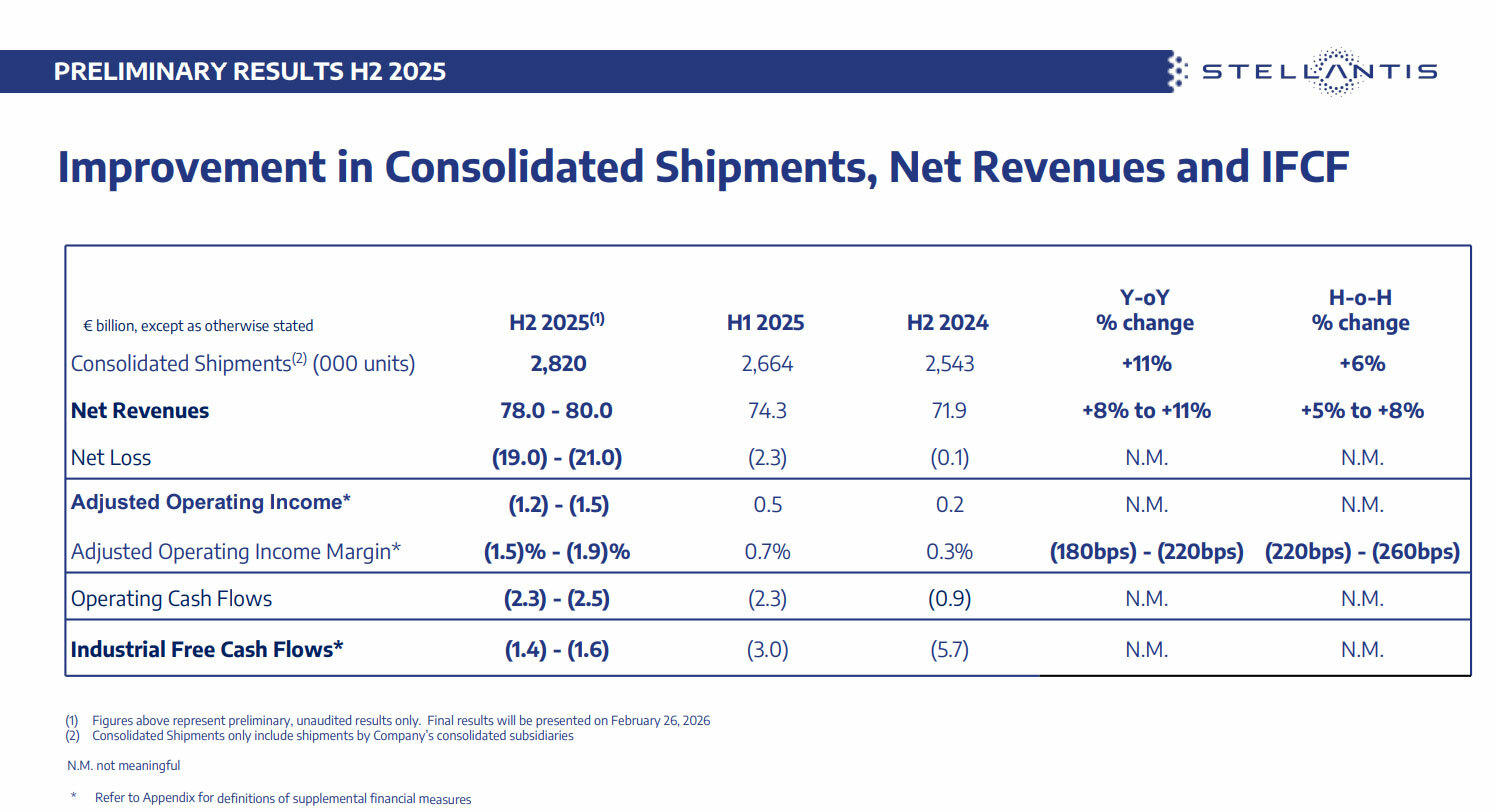
For the second half of 2025, the company expects revenues of $92.2 – $94.6 (€78 – €80) billion. While that sounds pretty good, the company is expecting a net loss of $22.4 – $24.8 (€19 – €21) billion.

 Stellantis’ Big Bet On EVs Was A $20 Billion Mistake

That’s a jaw dropping figure and Stellantis is responding by eliminating the annual dividend for 2026. The company’s board also authorized issuing up to $5.9 (€5) billion in bonds.

Needless to say, investors were spooked and Stellantis stock tumbled a staggering 23.69% to close at $7.28 (€6.16) per share.

A Few Silver Linings

 Stellantis’ Big Bet On EVs Was A $20 Billion Mistake

Despite a lot of bad news, Stellantis revealed some positive developments including that second half consolidated shipments rose 11% to 2.8 million units. The company went on to note they saw growth in a number of key markets including North America, South America, Enlarged Europe, China, and the Middle East & Africa region.

The company is also addressing quality problems and this seems to be working. Stellantis said the “number of issues reported for vehicles in their first month of service decreased over 50% in North America, and over 30% in Enlarged Europe since the beginning of 2025.” The company chalked part of this early success up to improved methods and beefing up their engineering teams.

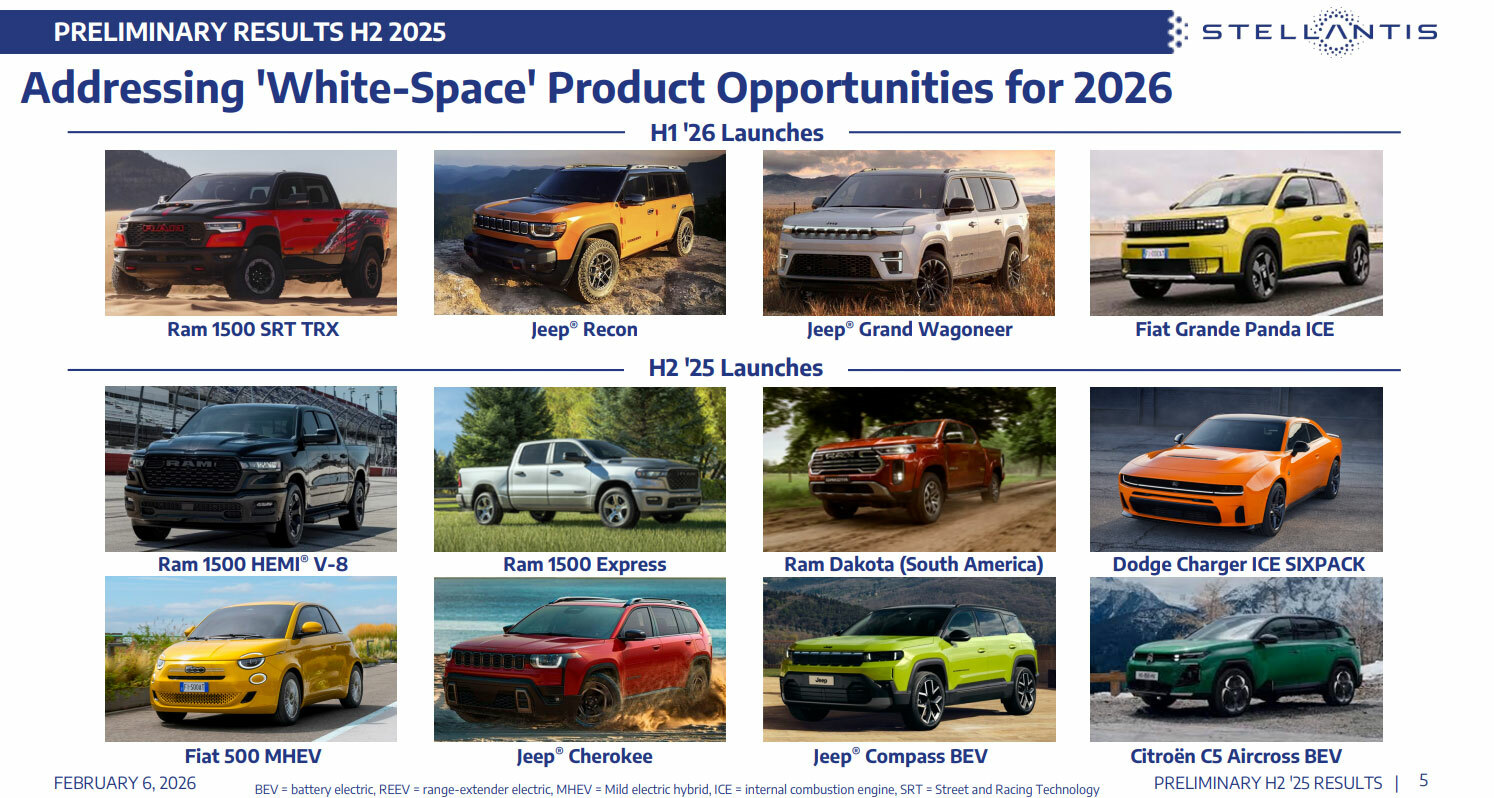
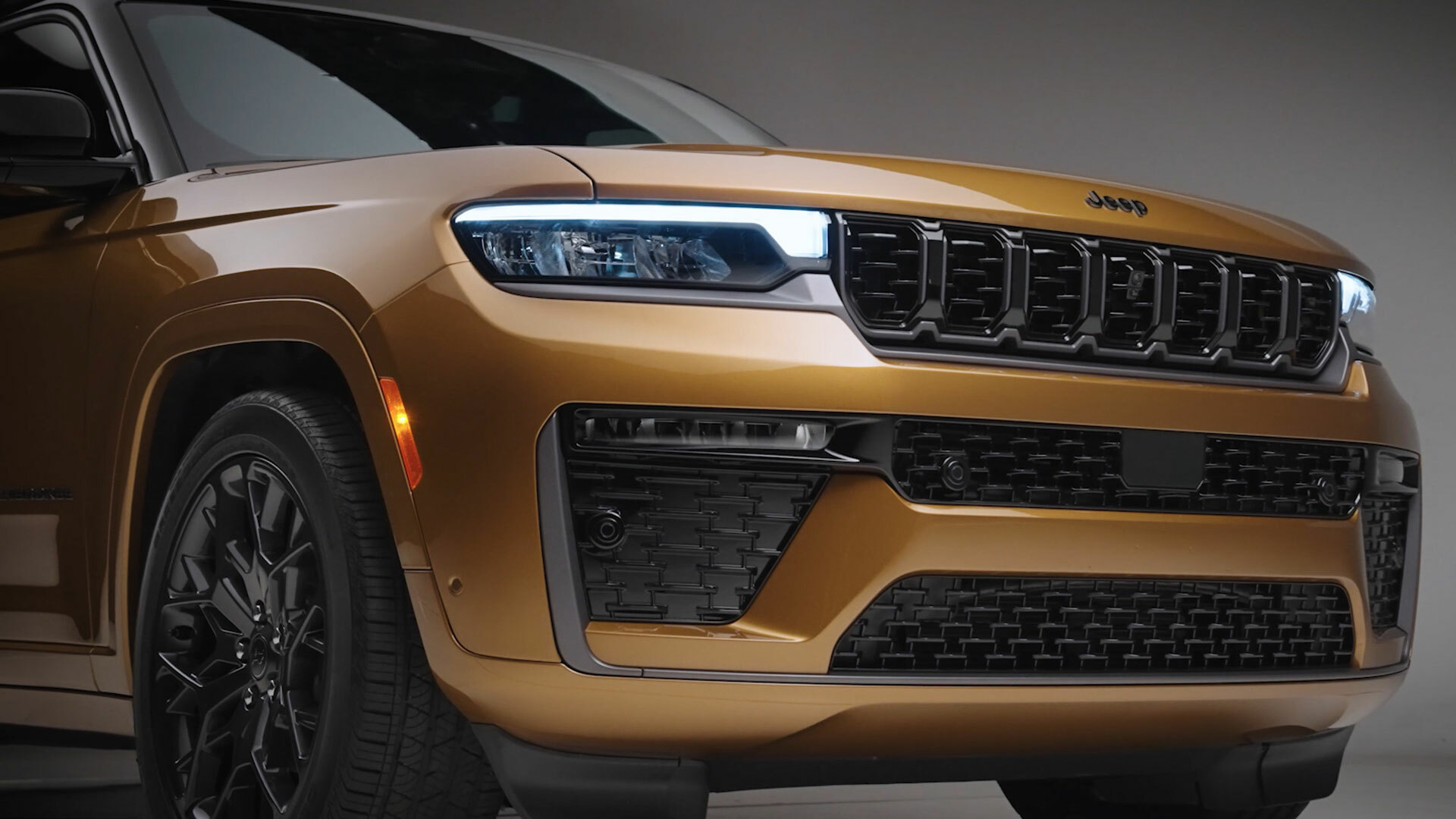
Furthermore, Stellantis is hoping a slew of new and updated products will drive sales. Key among them is the new Jeep Cherokee, Compass, and Recon as well as the facelifted Grand Cherokee and Grand Wagoneer. The Dodge Charger should also get a boost from a new twin-turbo inline-six, while the Hemi-powered Ram 1500 is already proving popular.

 Stellantis’ Big Bet On EVs Was A $20 Billion Mistake
❌