Reading view

There are new articles available, click to refresh the page.

BMW’s i3 Sedan Divided The Internet, So We Drew The i4 Coupe Instead
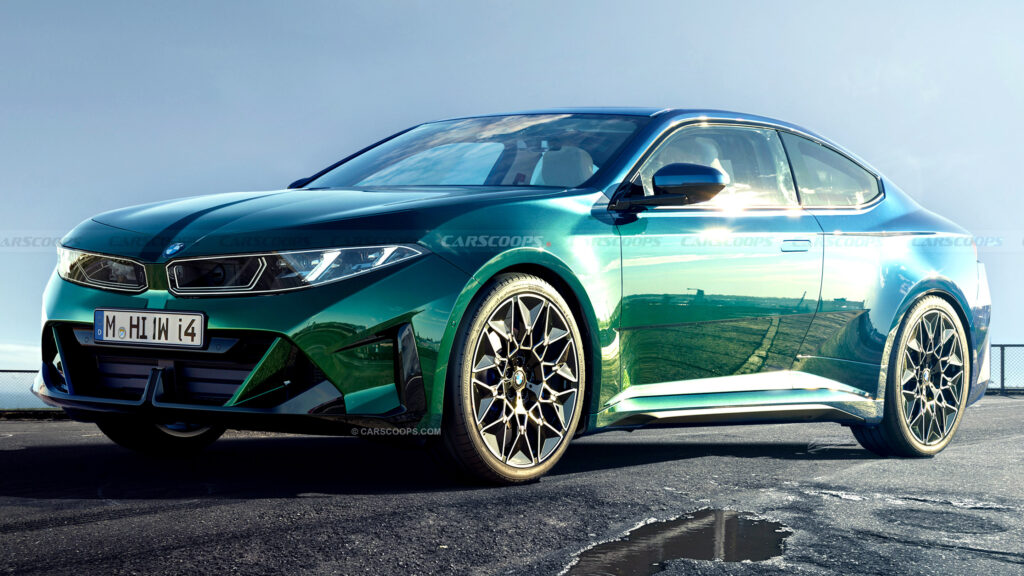
  • We imagine a sleeker two-door i4 Coupe as an addition to the i3 Sedan.
  • Sportier chassis tuning and rear-drive bias would sharpen its dynamic character.
  • Neue Klasse architecture enables quad-motor setups with serious performance.

As electric platforms reshape proportions, design identity is facing a quiet but meaningful test across the industry. BMW has stirred up an online storm of controversy with its latest i3 electric Sedan. Set to complement the petrol-powered 3 Series, its Neue Klasse styling and stance have divided opinion far and wide.

See: BMW Showed Just Enough Of The i3 Touring For Someone Else To Finish The Job

The good news is BMW has confirmed the NA0-coded i3 will get a touring variant to dial back some of the sedan’s less flattering aspects, but a two-door coupe feels like a more natural extension of the range. Curious? Read on as we put pen to pixel and envisage what it might look like.

Keeping The Good Bits
 BMW’s i3 Sedan Divided The Internet, So We Drew The i4 Coupe Instead
Illustrations Josh Byrnes / Carscoops

Let’s address the elephant in the room – styling. BMW has a long history of iconic design, from strong axle-to-dash ratios to twin kidney grilles, the Hofmeister Kink, and balanced proportions. The i3 Sedan, however, rewrites that familiar playbook in ways that feel unfamiliar. Its front-drive proportions still read as athletic, yet the upright stance exudes nervousness.

See: Hyundai’s New Pickup Truck Will Be Everything The Santa Cruz Refused To Be

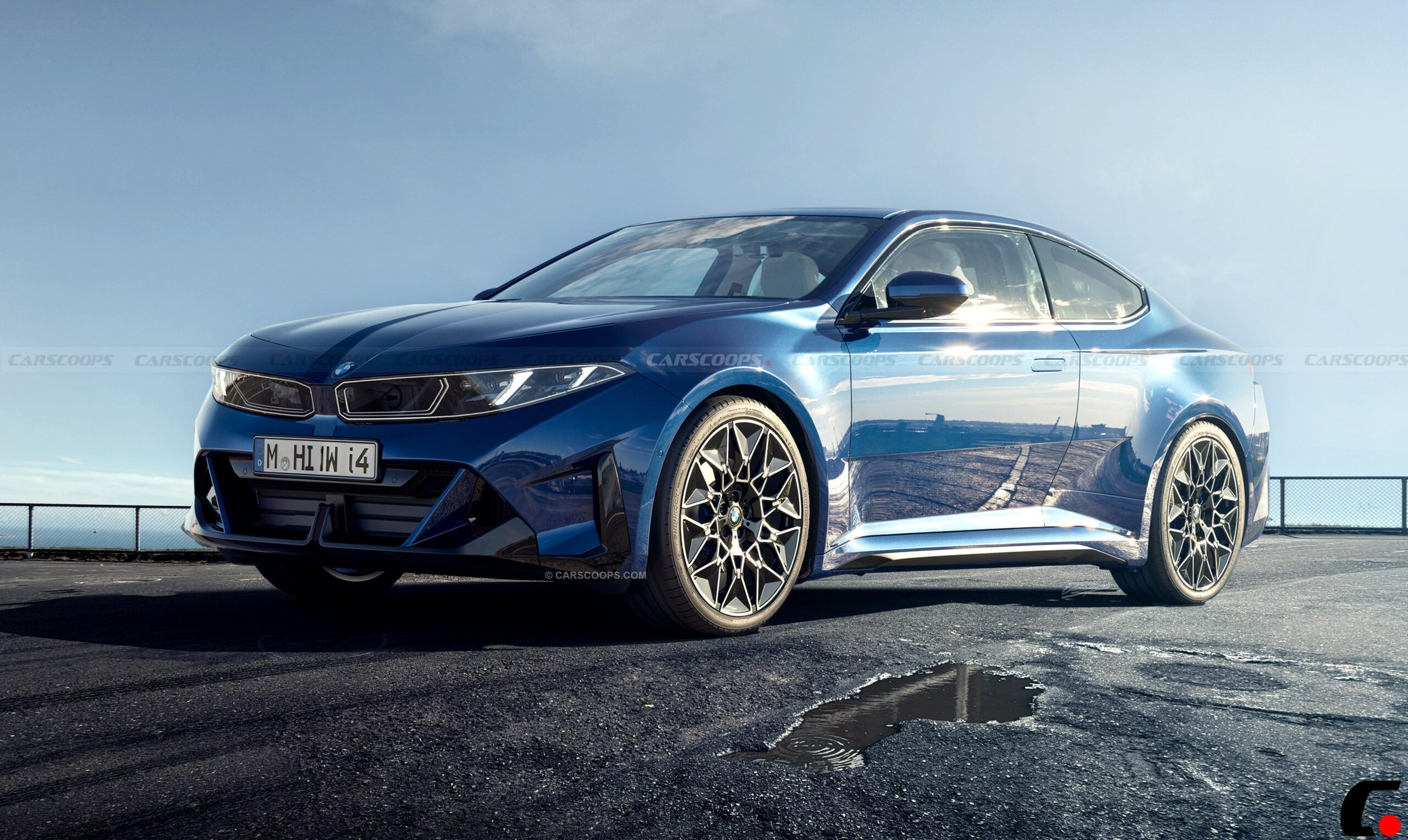
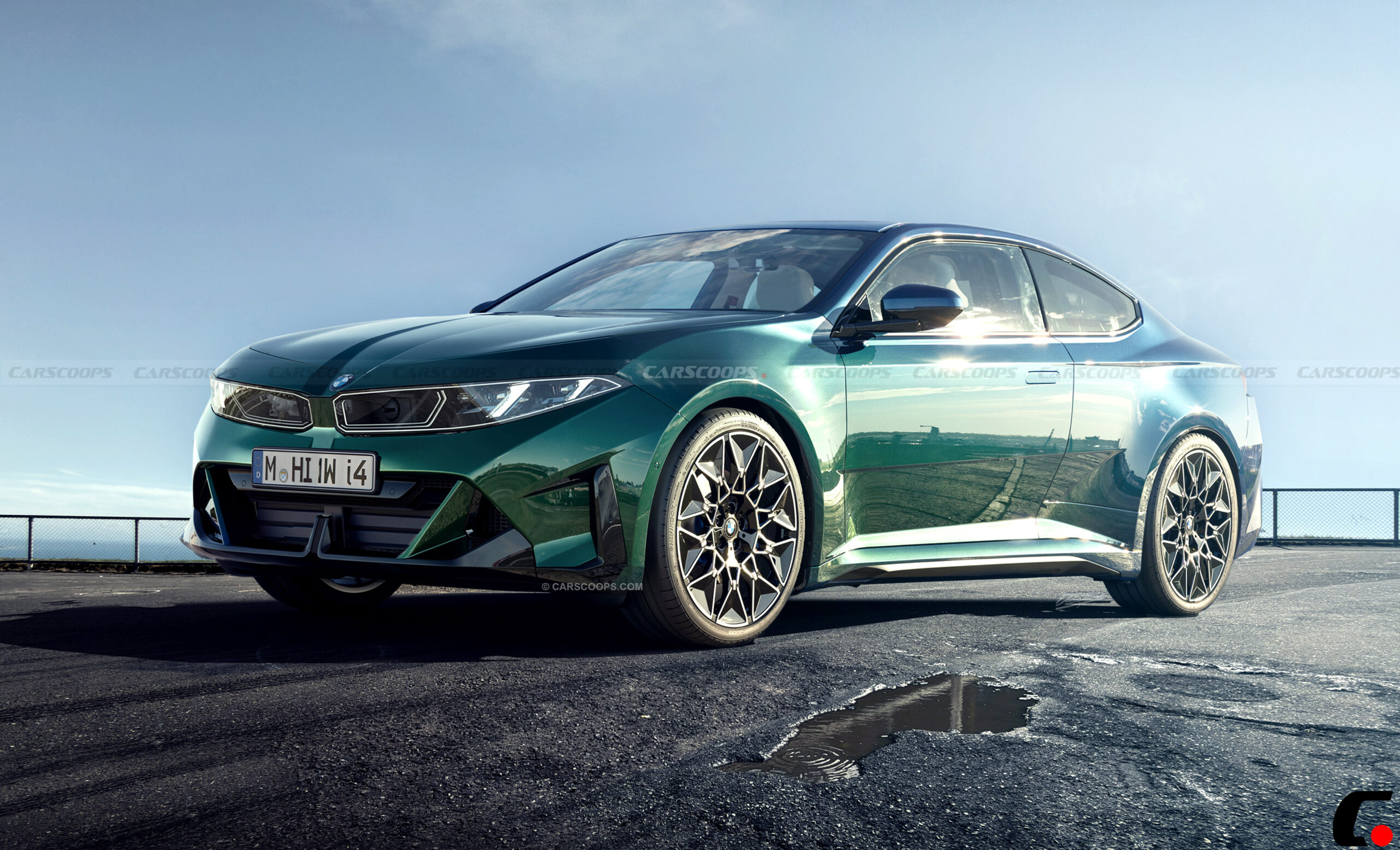
Our study keeps the better aspects of the i3, but translates it into a more svelte two-door form. We’ve lowered the roofline, elongated the doors, and given it a tighter glasshouse, with better proportions skewed toward visual dynamism rather than rear-seat usability.

The leading edge of the facia now leans forward in a shark-nosed fashion, and the grille’s lighting signature now has three-dimensional depth to avoid the perspective distortion that plagues the sedan’s nose. Out back, we envisage bolder haunches, a ducktail spoiler and slimmer, 3-dimensional OLED taillights.

Digital Drive

\\\\\\\

The interior of the new BMW i3 sedan.

Inside, the i4 coupe would ideally mirror the sedan’s radical shift in cabin philosophy, and its Panoramic IDrive display stretching across the dashboard. However, we’d ditch much of the touch-sensitive interfaces (including that steering wheel) for physical controls and swap the dash for one that’s more driver-oriented.

Also: Bentley Hasn’t Shown The Barnato SUV’s Face Yet, So We Did It For Them

Despite its coupe format, a practical 2+2 layout will be central to the deal, and largely retain the same 114.1 in (2,898 mm) wheelbase as its four-door donor car. Chassis tuning would likely skew sportier than the sedan, with adaptive dampers, rear-wheel-drive bias, and near 50:50 weight distribution forming the baseline.

Volts To Velocity
 BMW’s i3 Sedan Divided The Internet, So We Drew The i4 Coupe Instead

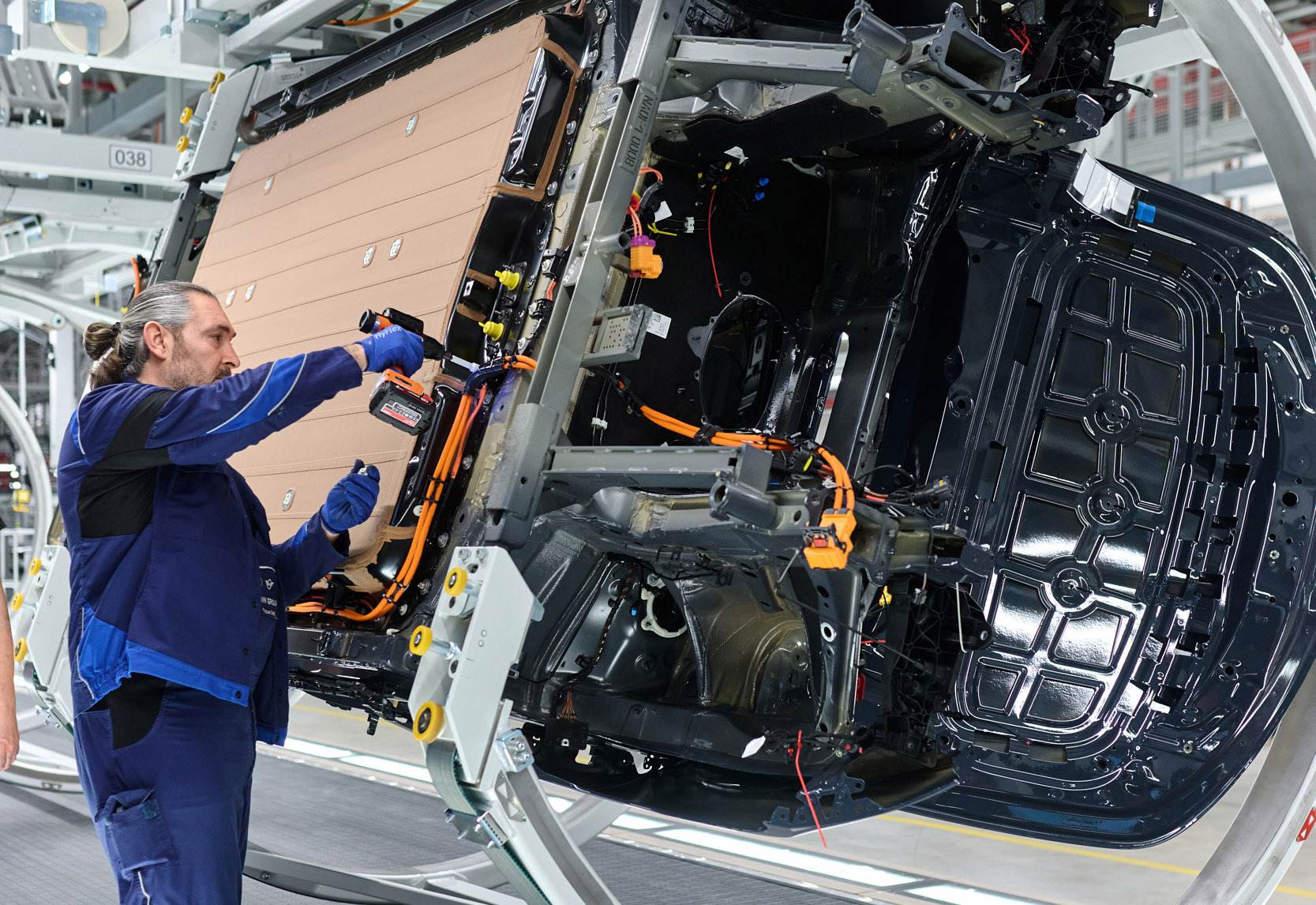
Like the sedan, the i4 coupe uses BMW’s sixth-generation eDrive system, which is built around cylindrical battery cells and an 800-volt electrical architecture. Battery capacity would sit around 75–90 kWh usable, delivering up to approximately 600 km (WLTP) or 440 miles (EPA) depending on configuration.

More: Ford’s $30K Pickup Wants To Beat Cybertruck At Its Own Game

Output for the dual-motor i4 50 xDrive model could exceed 463 hp (345 kW) and 476 lb-ft (645 Nm) of torque. A thumping i4M variant would amp the pace, with quad motors generating close to 1000 hp, and a rear-drive mode that decouples the front axle.

Future Outlook
 BMW’s i3 Sedan Divided The Internet, So We Drew The i4 Coupe Instead
Illustrations Josh Byrnes / Carscoops

BMW has not announced plans for an i4 coupe, so its arrival remains speculative. However, with Neue Klasse models forming the backbone of BMW’s next-generation EV strategy, additional bodystyles beyond the i3 sedan and wagon appear inevitable.

Would you love to see the i4 coupe come to life, or rather a straight-six-powered ICE version? Share your thoughts in the comments below.
\\\\\\\\\\\\\\\

The Neue Klasse 6-Series BMW Won’t Build Looks Better Than The Ones It Will

  • An independent artist blends the 4- and 8-Series into one sleek coupe.
  • The concept follows Neue Klasse design cues with a more exotic edge.
  • BMW has yet to confirm any plans to bring back the 6-Series name.

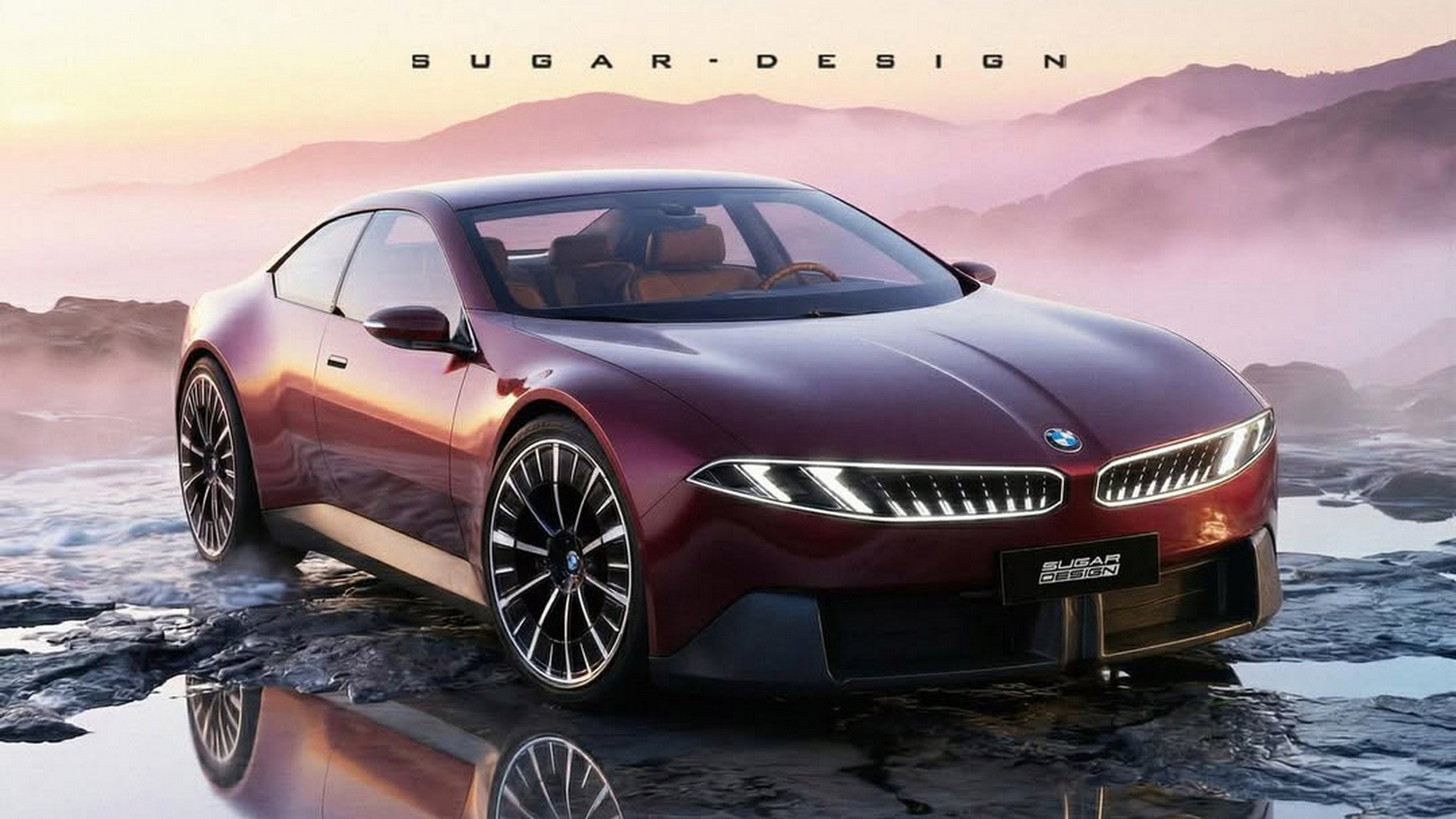
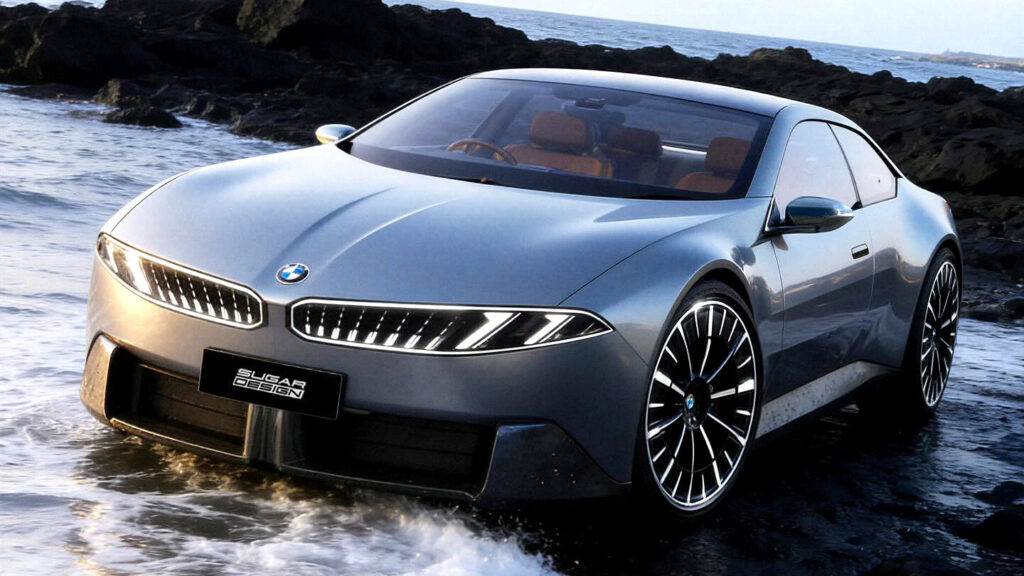
The BMW 6-Series Coupe may have been retired in favor of the soon-to-be discontinued 8-Series Coupe, but interest in the nameplate hasn’t disappeared. For some enthusiasts, the idea of a modern revival still holds real appeal. One of them is digital artist Sugar Design, who has imagined a return of the 6 as a midsize two-door coupe for the Neue Klasse era.

The front end of the digital concept leans heavily on the BMW i3, borrowing its slim LEDs integrated into an illuminated grille. This time, though, the 6-Series sits wider and lower than its sibling. It adds sharper bumper intakes, a more pronounced shark-nose profile, and larger alloy wheels to dial up the attitude.

More: BMW Sends Off The 8-Series In E31 Colors And All The M Branding It Could Find

The profile keeps things clean, taking clear cues from the Vision Neue Klasse concept. It may not match the classic dash-to-axle proportions of earlier models, yet the overall stance still lands as striking and suitably exotic.

\\\\\\\\\\

Illustrations Sugardesign

The rear end clearly borrows from the limited-run Skytop convertible, itself built on the 8-Series Coupe platform, just like the Speedtop shooting brake. You can see it in the wide, sculpted rear haunches, the razor-thin taillights, and the crisp tailgate edge. Even the diffuser looks like it means business, tying the whole thing together with a properly athletic finish.

More: BMW Showed Just Enough Of The i3 Touring For Someone Else To Finish The Job

Sugar Design didn’t go into detail on the powertrain, but everything about this points to a fully electric setup. The proportions and surfacing suggest it rides on BMW’s Neue Klasse platform, likely sharing its underpinnings with the smaller i3 and iX3.

A Long Bloodline Of Coupes

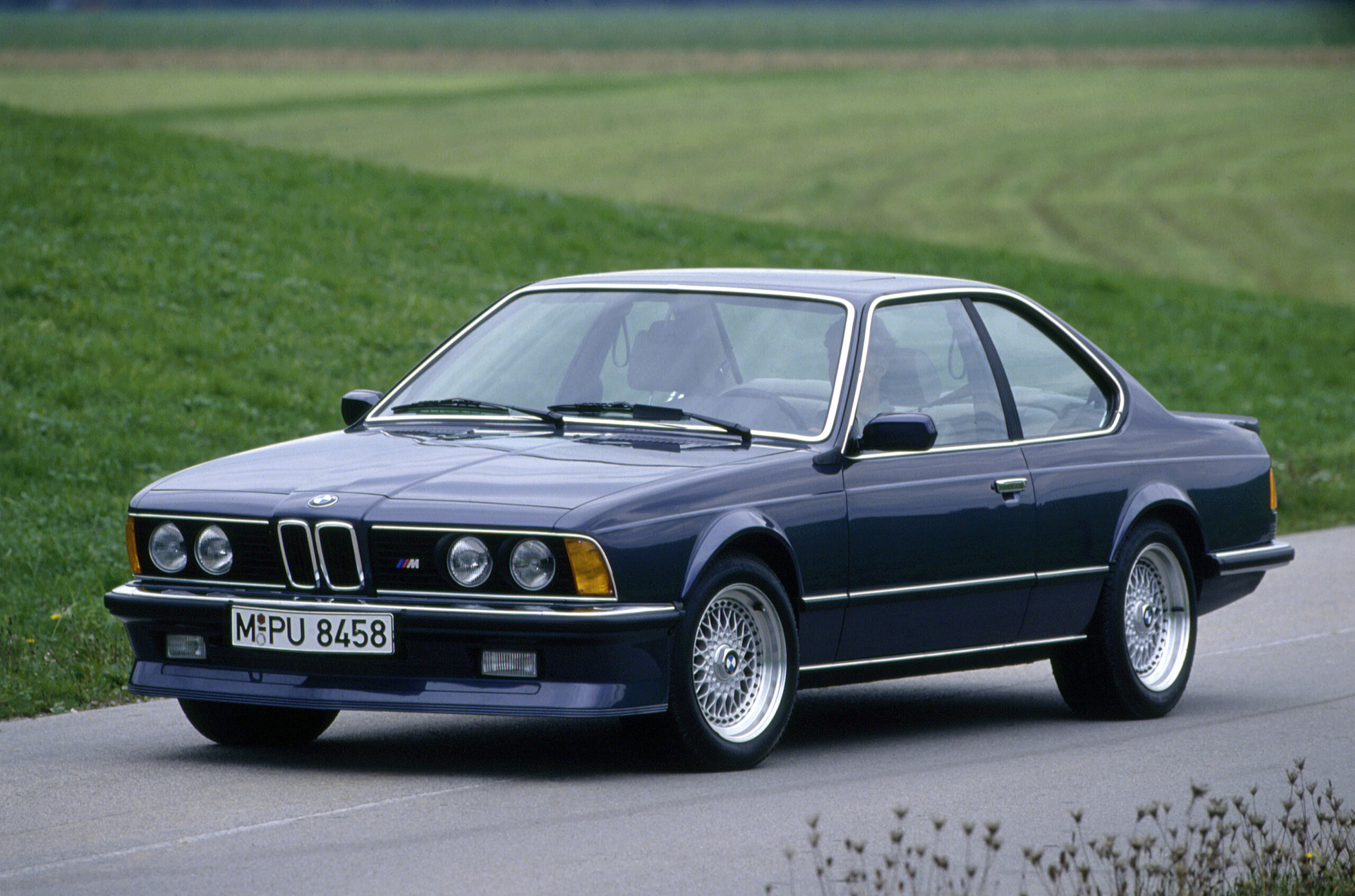
The digital concept nods to the 50th anniversary of the original E24 generation (1976–1989), still widely regarded as the most attractive 6-Series ever made, though that may not be an especially high bar given its modern successors.

\\\\\\

The nameplate returned with the Bangle-era E63 (2003-2010), followed by the F13 (2011-2018), which was also offered in Convertible (F12) and Gran Coupé (F06) variants. BMW also introduced the unrelated G32 6-Series GT (2017-2023) five-door liftback, though it had a relatively short run.

A New Role

The independent designer suggests that a Neue Klasse 6-Series could take on the role of both the 4-Series Coupe (G22) and 8-Series Coupe (G15), much like how the Mercedes-Benz CLE replaced the C-Class and E-Class Coupe/Convertible models.

More: Someone Should Make This BMW M6 V12 Restomod A Reality

 The Neue Klasse 6-Series BMW Won’t Build Looks Better Than The Ones It Will

Such an approach could simplify BMW’s lineup and help reduce development costs, while keeping a larger, more premium coupe in the range.

Even so, it’s hard to say whether putting resources into such a niche segment really adds up, especially when an electric successor to the 4-Series Coupe would likely cover what most buyers actually want.

 The Neue Klasse 6-Series BMW Won’t Build Looks Better Than The Ones It Will

Illustrations: Sugardesign_1

BMW Showed Just Enough Of The i3 Touring For Someone Else To Finish The Job

  • The i3 Touring will shares its design with the sedan up to the B-pillars.
  • A longer roof and revised rear will give the wagon added practicality.
  • Production starts in 2027 following the sedan’s launch in late 2026.

The new BMW i3 sedan has finally filled in enough blanks to picture what its more practical wagon sibling might look like. With BMW confirming an i3 Touring, independent artists have stepped in to interpret the brand’s vague teasers and turn them into something more tangible.

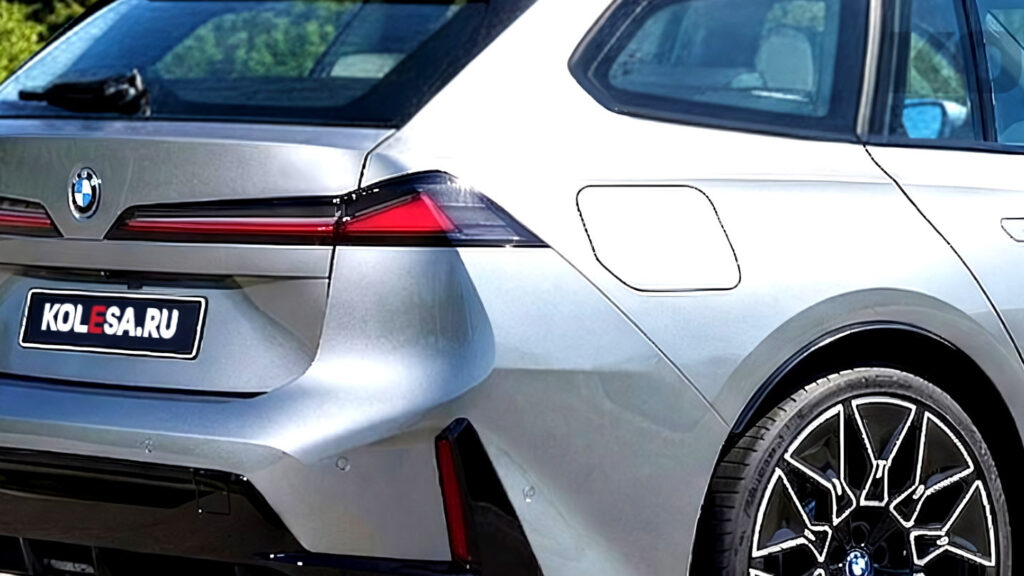
Nikita Chuyko from Kolesa and Theophilus Chin have each offered their own interpretation of the fully electric wagon, and while both follow the same basic blueprint, the details diverge. In each case, the sheet metal mirrors the i3 sedan up to the B-pillars. What distinguishes the i3 Touring is the extended roof and the redesigned tail.

More: The iX3 And i3 Will Send Video Of Your Worst Moments On The Road To BMW

BMW’s own teaser hints at a rising beltline behind the C-pillars, a small tweak meant to inject some visual tension into the longer body. Theottle leans heavily into that idea, exaggerating the upward sweep, while Chuyko opts for a more restrained interpretation. The production version could land somewhere in the middle, keeping things sporty without overdoing it.

\\

Illustrations Kolesa / Nikita Chuyko

At the rear, both designers carry over the slim LED taillights and rear bumper from the i3 sedan, focusing their changes on the tailgate and the sloping rear glass. Theottle retains the sculpted lines beside the BMW emblem and adds a more contemporary roof spoiler, similar to the one seen on the iX3 SUV.

More: BMW Gives China’s Stretched iX3 Door Handles The Rest Of The World Can’t Have

We suspect that the production i3 Touring will likely keep the sedan’s 114.1-inch (2,898 mm) wheelbase, meaning any increase in overall size will likely come from a longer rear overhang.

\\\\\

Illustrations Theophilus Chin

The interior will also be carried over, including the pillar-to-pillar display on the base of the windshield and the 17.9-inch infotainment touchscreen. Rear passengers should benefit from slightly improved headroom, along with a more generous cargo area.

Also: BYD Says Five-Minute Charging Adds 310 Miles, BMW Says Read The Fine Print

Underneath, the i3 Touring will share its 800-volt Neue Klasse architecture with the i3 sedan and the iX3 SUV. A potential 50 xDrive variant is expected to produce 463 hp (345 kW / 469 PS) and 645 Nm (476 lb-ft) of torque, offering more than enough performance for a family-oriented model.

The i3 sedan targets an EPA range of 708 km (440 miles) between charges, though the wagon’s less aerodynamic shape will likely reduce that figure slightly. Even so, it should be capable of adding 249 miles (400 km) of range in just 10 minutes when connected to a 400 kW charger.

\\\\\\

BMW has confirmed that production of the i3 sedan will begin in August 2026, with first deliveries scheduled for the fall. The i3 Touring is expected to follow in 2027, as part of the 40 new and updated models the company plans to introduce by the end of that year.

The Bavarian automaker is also preparing an ICE-powered 3-Series Touring, which will mirror the design and technology of the Neue Klasse-based i3 Touring while riding on an updated version of the current CLAR platform.

Bentley Hasn’t Shown The Barnato SUV’s Face Yet, So We Did It For Them

  • New Barnato will sit below the Bentayga as Bentley’s first fully-electric SUV.
  • Output could reach up to 1,140 hp, pointing to serious performance potential.
  • Its sleek styling draws from the EXP 15 concept with crisp, sharp, modern details.

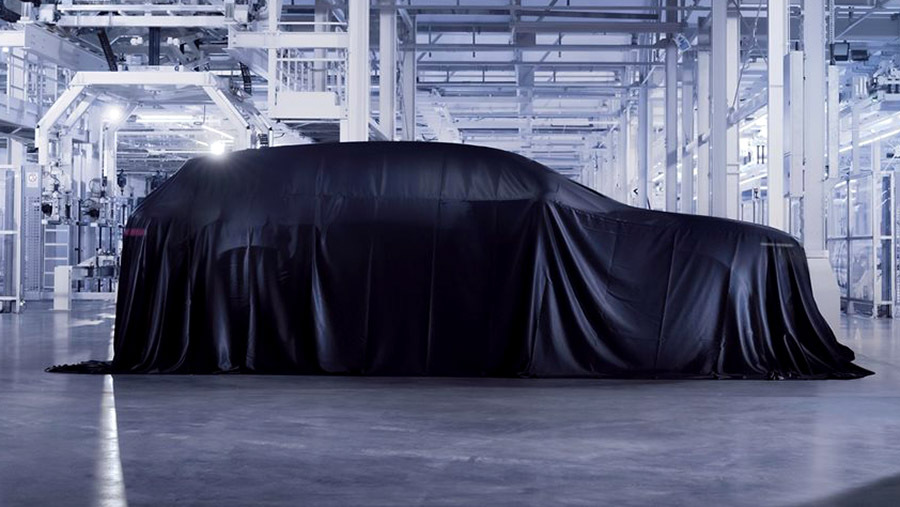
Bentley is getting ready to widen its SUV lineup with a second high-riding model, one that will slot in below the Bentayga. This time, though, the formula changes. Instead of another combustion-powered offering, the new arrival is set to be fully electric.

Early reports pointed to the name ‘Mayon,’ which appeared in a trademark filing with the European Union Intellectual Property Office last year. However, more recent intel points to the ‘Barnato’ name being used; after all, it carries more heritage honoring Le Mans winner and Bentley owner Woolf Barnato. 

Future Cars: The Luxurious Hyundai Flagship We Never Got Is About To Change

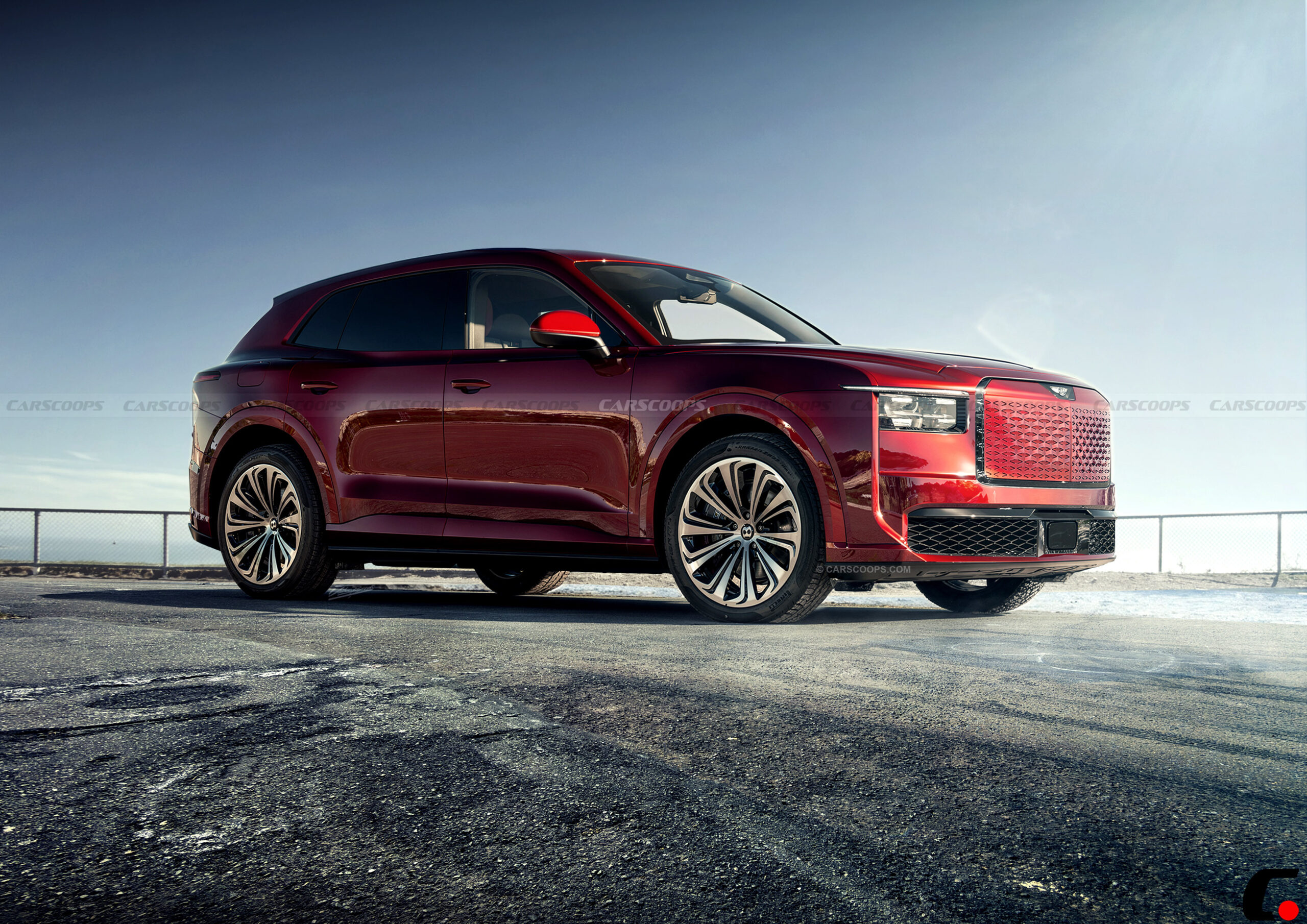
Our sleuths behind the lens have already captured heavily camouflaged prototypes testing in winter conditions, yet we’ve gone one step further by digitally decoding its design and exploring everything else we know ahead of its expected debut.

Sleeker Than The Bentayga

 Bentley Hasn’t Shown The Barnato SUV’s Face Yet, So We Did It For Them
Illustrations Josh Byrnes / Carscoops

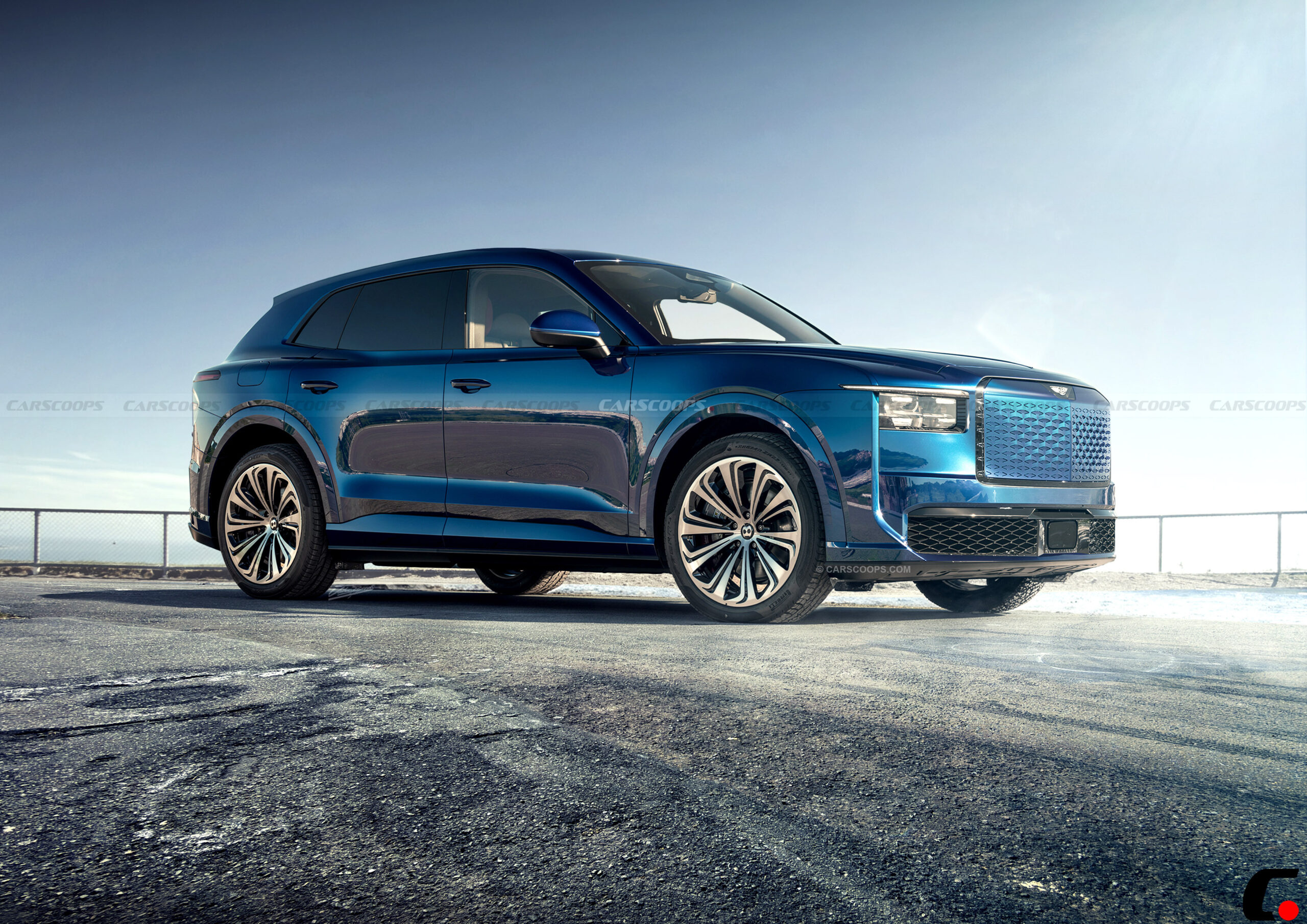
Unlike the much-criticised Bentayga, the Barnato is a sleeker affair that draws part inspiration from the brand’s futuristic EXP 15 concept.

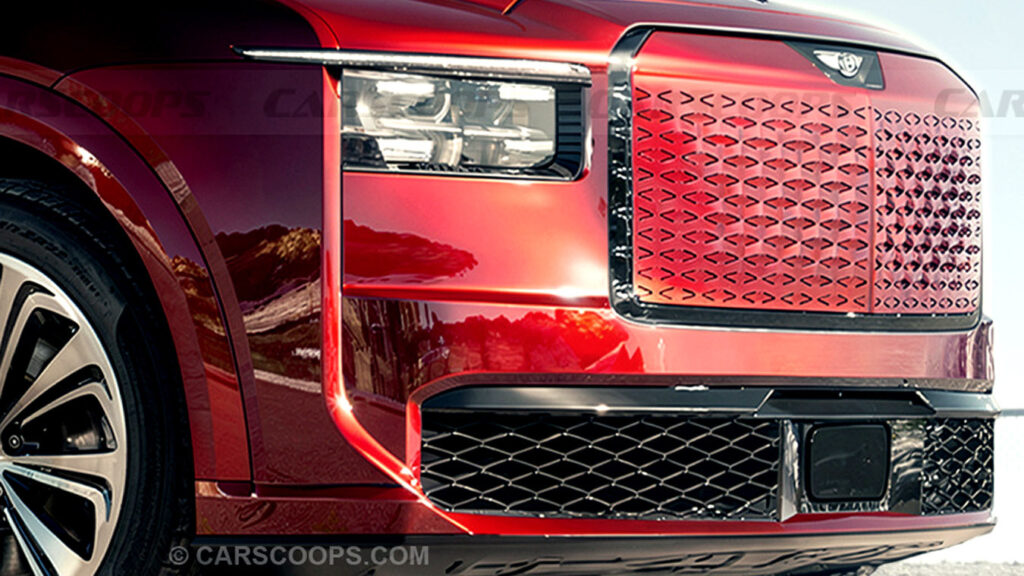
At the front, the fascia evolves Bentley’s familiar matrix grille theme into a closed-off interpretation that hints at its electrified powertrain. The headlights adopt four distinct lighting elements, accompanied by a horizontal DRL strip that spears into the front fenders, and lower down, a wide lattice-detailed intake aids cooling and aerodynamic efficiency.

From the side, it appears shorter and more athletic than the Bentayga, with pronounced muscular haunches and frameless windows adding a sportier character. A scalloped shoulder line emphasises stately dynamism, while at the rear, the SUV features slim, jewel-like LED taillights, and a  Taycan-style rear diffuser profile aids airflow.

Digital Cabin Experience

\\\\

SH Proshots

Inside, Bentley is mixing old-school craftsmanship with a very modern digital backbone. Front and center sits a sweeping curved OLED display that cascades into the center console, echoing the layout seen in the latest Porsche Cayenne Electric. It runs on Android Automotive OS, backed by quicker processors, sharper AI voice control, and access to downloadable apps. There’s even a 3D digital model of the Barnato embedded in the system, letting occupants manage various functions directly through the interface.

Also: Bentley Rewrites Its Future With A New Flying Spur Sedan That Breaks All The Rules

Other goodies will include an OLED instrument cluster with 3D overlays, an augmented-reality head-up display, and digital key functionality. A new three-spoke steering wheel features physical buttons and knurled scroll wheels, and we can expect seating configurations to include four- and five-seat layouts.

There’s also a curious bit of hardware carried over from the wider VW Group playbook. A multi-function left-hand column stalk, first seen on the Audi Q3, joins a right-hand stalk that doubles as the transmission selector, similar to the setup in the Volkswagen ID.4. Even so, the materials and finish leave no doubt about where this sits in the hierarchy. It still feels unmistakably Bentley.

Platform And Powertrain

\\\\\\\\\\\\

The Barnato rides on the VW Group’s Premium Platform Electric (PPE) architecture shared with the upcoming Cayenne Electric. Battery capacity is expected to reach 113 kWh, enabling high-performance and long-distance touring. Bentley claims 100 miles (160 km) of range can be recovered in less than seven minutes.

Using the electron-equipped Porsche as a reference point, power levels could range from 402 hp (300 kW/408 PS) to over 1140 hp (850 kW) in flagship variants. All models will likely feature dual-motor all-wheel drive as standard, with the rear motor featuring direct oil cooling to manage heat during sustained performance driving.

Rivals And Reveal

 Bentley Hasn’t Shown The Barnato SUV’s Face Yet, So We Did It For Them

The Barnato is being lined up for the top tier of performance SUVs, going head to head with heavy hitters like the Mercedes-Maybach EQS SUV, Rolls-Royce Cullinan, Lotus Eletre, Lamborghini Urus, Aston Martin DBXFerrari Purosangue and Luce, and the flagship Range Rover SV. Serious company, then.

Expect electrified offerings from Porsche to act as the technical yardstick here, setting the pace in areas like performance, software, and charging capability.

 Bentley Hasn’t Shown The Barnato SUV’s Face Yet, So We Did It For Them
Illustrations Josh Byrnes / Carscoops

VW’s Next Electric SUV Looks More Like A Tiguan

  • VW will rename the updated ID.4 as the ID. Tiguan in 2027.
  • Design shifts closer to the familiar look of the brand’s SUVs.
  • Physical buttons return, replacing the much-criticized sliders.

Volkswagen’s replacement for the ID.4 is not shaping up as a clean-sheet electric SUV. Instead, the company seems set to give the existing formula a fairly thorough rethink, reworking what it already has rather than tearing it up and starting again from scratch.

And it will likely arrive wearing a badge most buyers already know. Volkswagen is preparing to pin the Tiguan name onto what will become its core compact EV, a move meant to make the brand’s electric lineup feel less like a collection of tech codes and more like the VW showroom people already recognize.

Read: VW Locks Gas Tiguan In Until 2035 With Two Major Updates Planned

Recent prototype sightings give us a good idea of where the design is headed. Using those clues, we put together a production-style rendering and gathered everything currently known about the upcoming model.

Design Direction

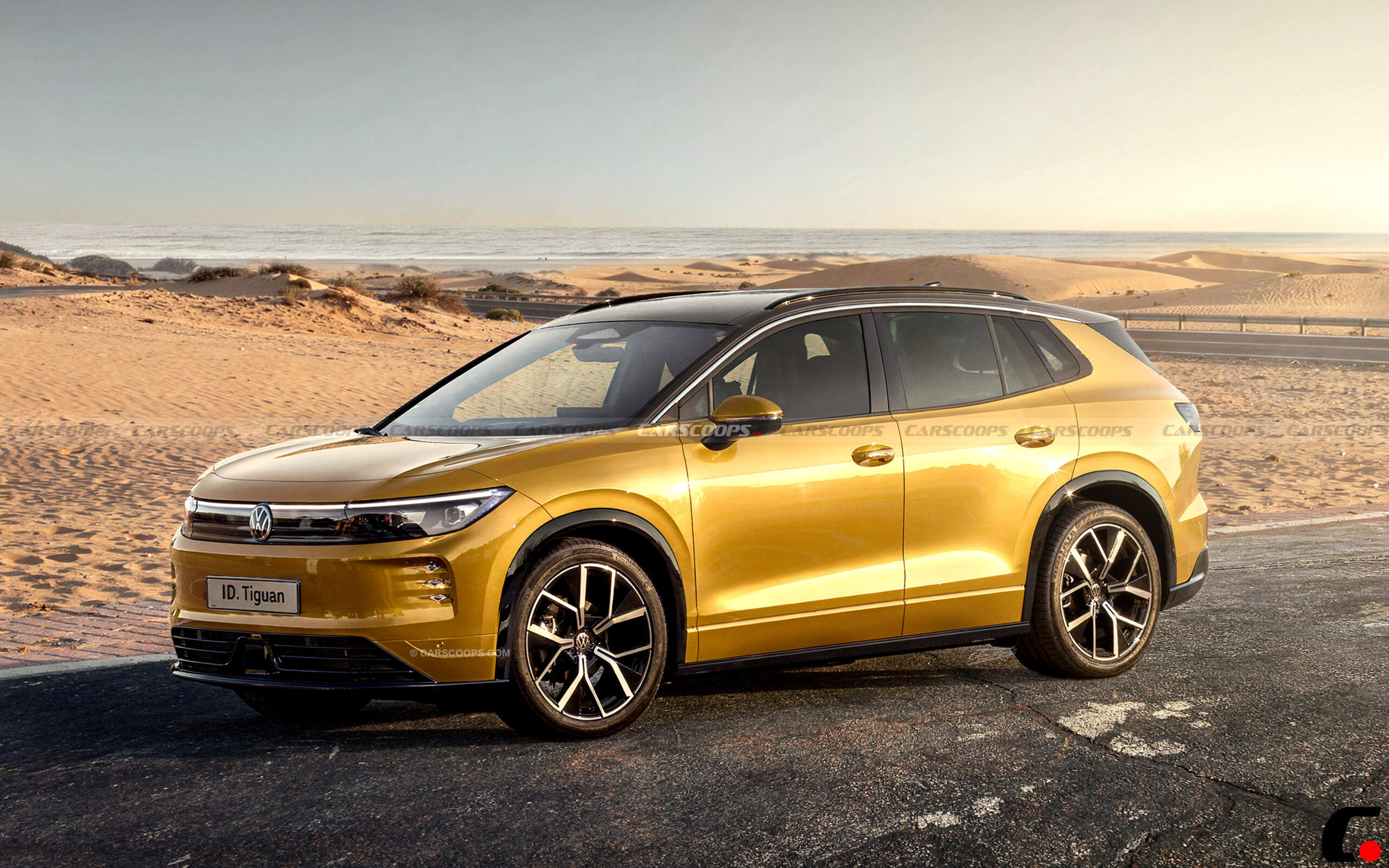
 VW’s Next Electric SUV Looks More Like A Tiguan
Illustrations Josh Byrnes / Carscoops

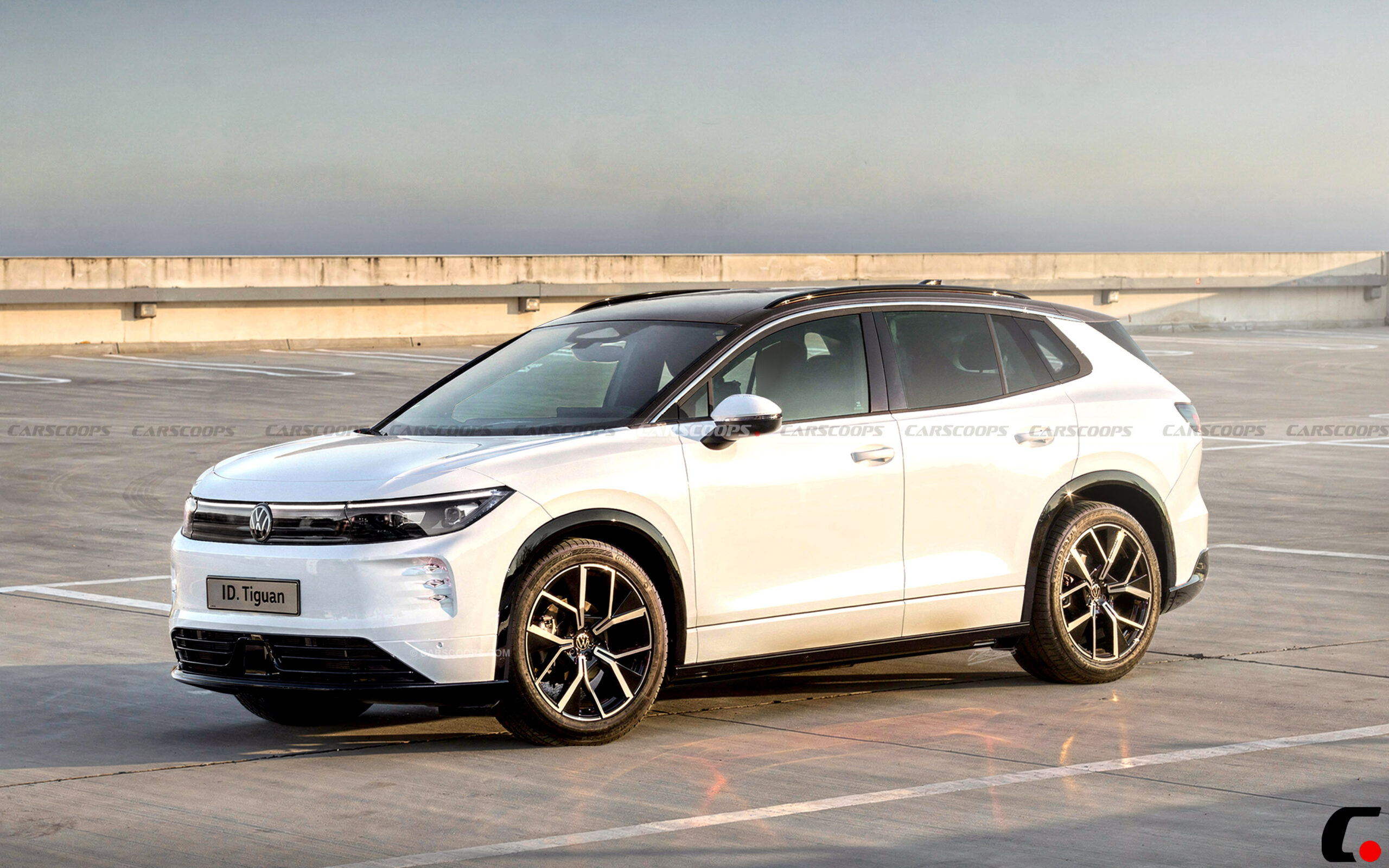
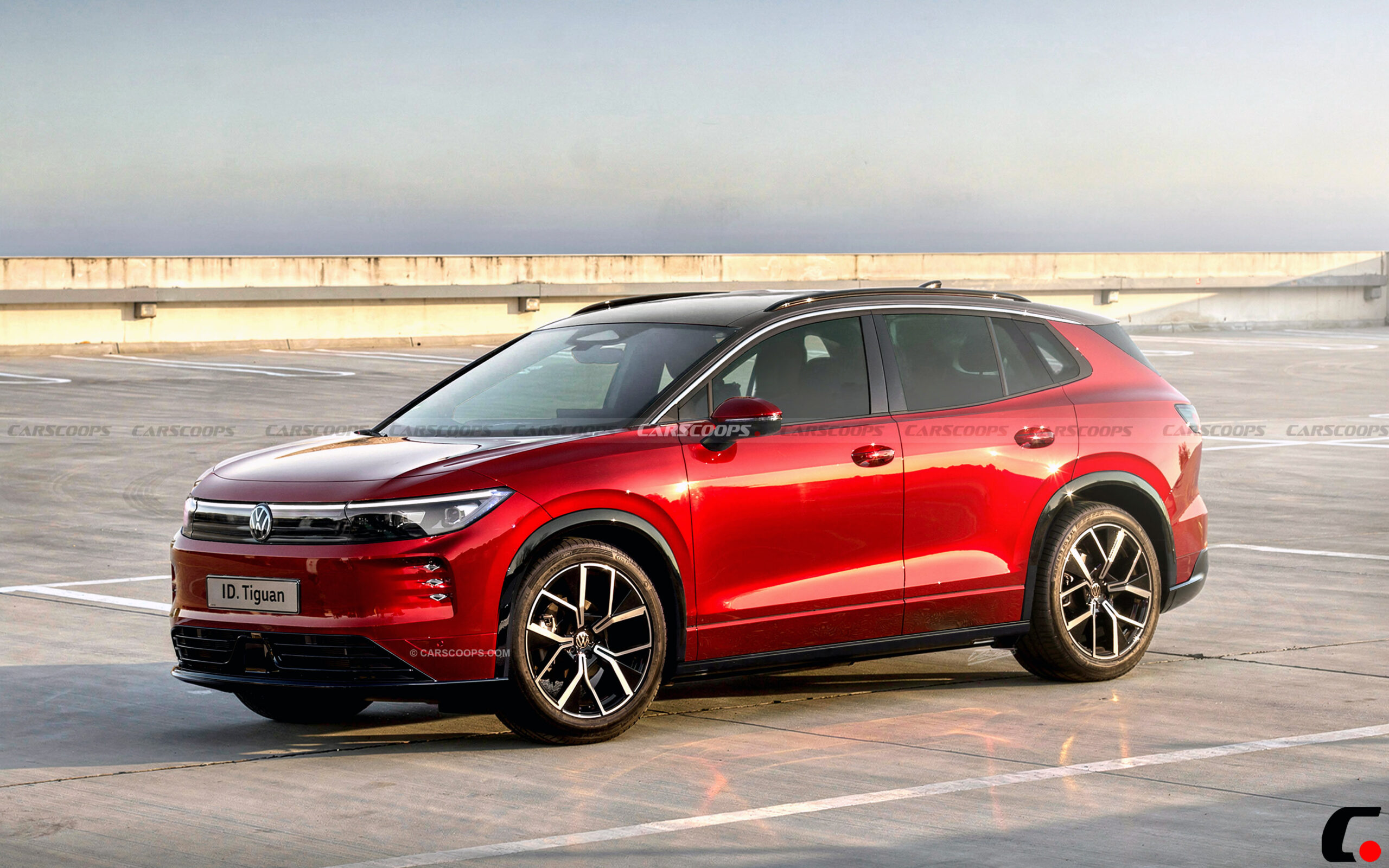
Arguably, the electric Tiguan won’t get your pulse racing in the same way, say, Mazda’s new CX-6e will, but that’s okay. Visually, the ID. Tiguan retains the ID.4’s underlying proportions but refines them with more conventional SUV cues.

Also: Kia Killed The Stinger, But An EV8 GT Might Redeem Everything

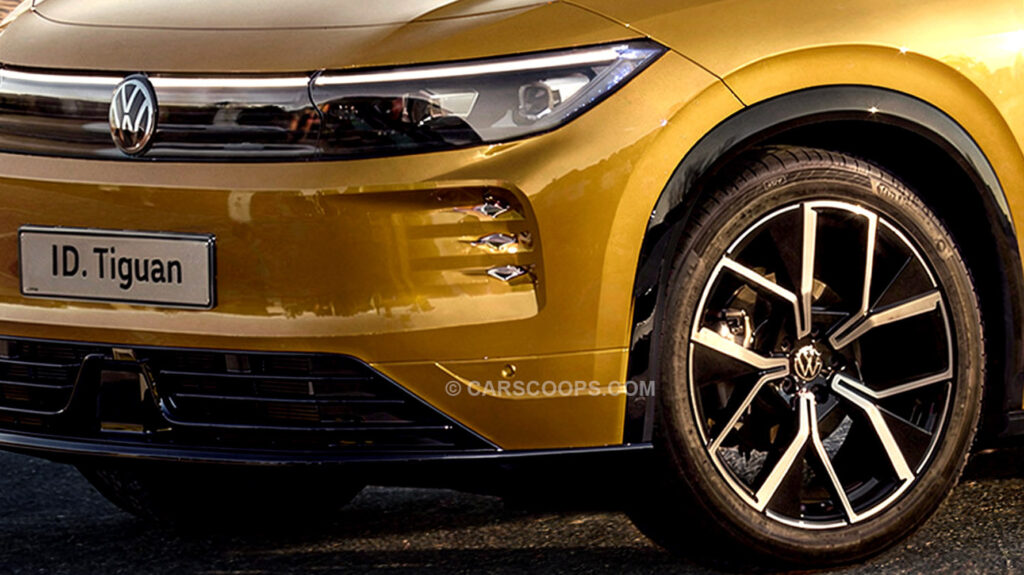
The front fascia is a squarer affair, ditching the rounded look in favor of rectangular LED headlights connected by a full-width light bar and an illuminated VW badge. A more upright bumper with subtle vertical elements exudes minimalism. 

In profile, it now has a straighter shoulder line, revised window graphics, and linear lower cladding. The roofline remains largely unchanged, while the flush door handles have been replaced by a conventional ‘pull-action’ setup. Out back, a full-width taillight cluster mirrors the front, while a revised bumper and subtle roof spoiler clean up the overall look.

Buttons Are Back!

 VW’s Next Electric SUV Looks More Like A Tiguan
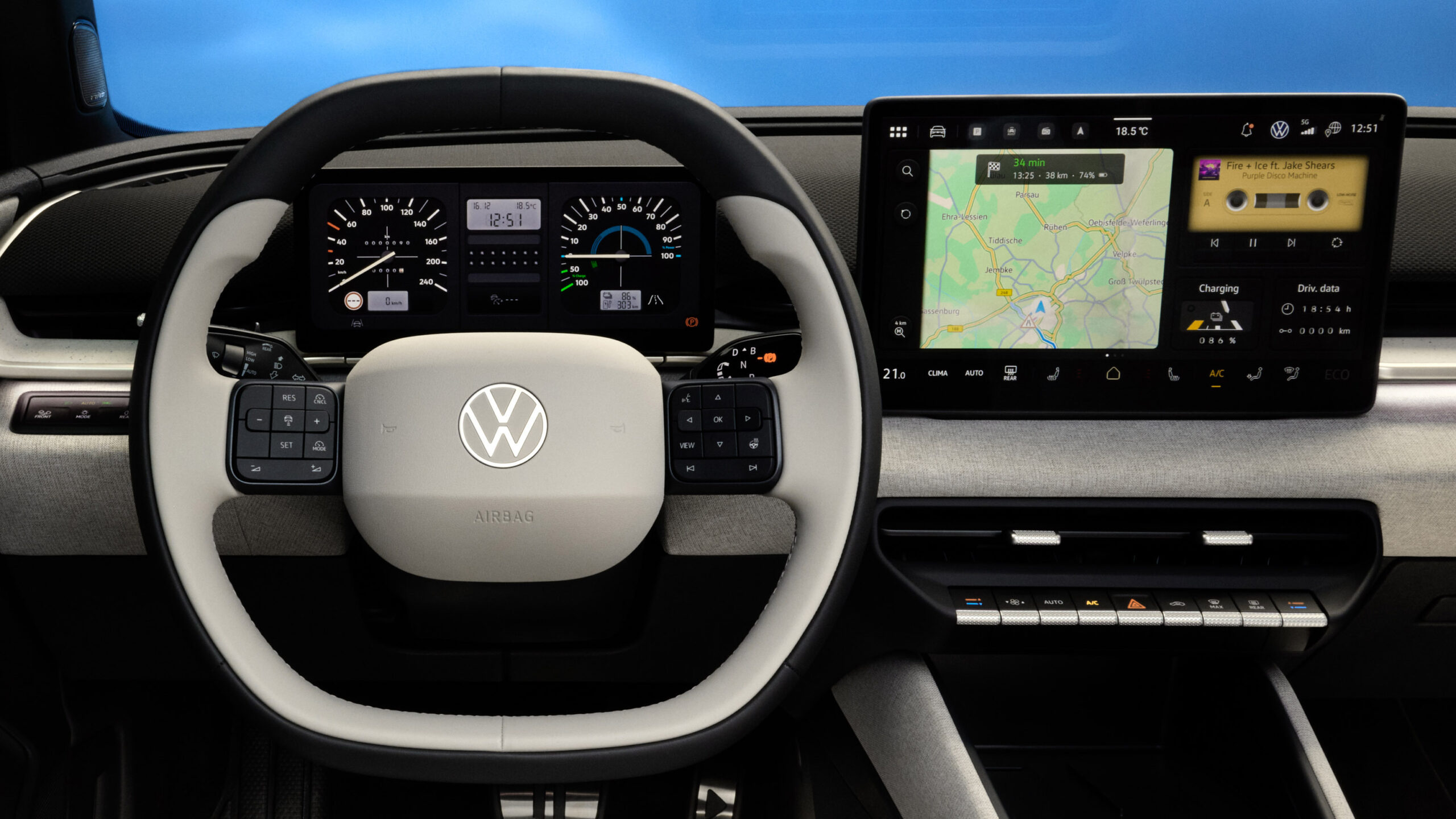
The ID. Polo shown here will be the first of several VWs to restore physical cabin controls.

Inside, the previous and much-despised haptic feedback and slider setup from the ID.4 will be ditched. A large infotainment screen will remain, but like the new ID. Polo, it will bring back proper physical buttons for the steering wheel and HVAC controls, plus an actual volume knob.

See: Ford’s $30K Electric Pickup Wants To Beat Cybertruck At Its Own Game

On the tech front, it will bring AI integration with ChatGPT, conversational voice commands, and other connected services. Interior quality is also set to improve, with increased recycled materials and fabric surfaces. Occupant space will largely stay the same, offering generous rear-seat legroom and a flat floor. 

Under The Skin

 VW’s Next Electric SUV Looks More Like A Tiguan
Illustrations Josh Byrnes / Carscoops

Under the skin, the ID. Tiguan will continue to ride on Volkswagen Group’s MEB architecture, most likely in its updated MEB+ form. The overall battery and chassis layout should remain familiar, with MacPherson struts up front and a multi-link rear suspension. Expect recalibrated driver-assistance systems and a handful of upgraded safety features to round out the updates.

As previously reported, powertrain options are also expected to closely mirror the current lineup with minor tweaks. Base variants will continue to use a single motor on the rear axle, developing around 282 hp (210 kW). Dual-motor, all-wheel-drive versions will yield close to 335 hp (250 kW).

Also: The Next Hyundai Elantra Will Look Nothing Like The Car In Your Driveway

The 400-volt system will employ LFP batteries with roughly 77kWh to 86kWh of capacity, targeting WLTP metrics in the 311-342 mile (500–550km) range, alongside improved DC fast-charging capability.

\\\\\\\\\\

Rivals and Reveal

When it arrives, the ID. Tiguan will find itself in very busy territory. The usual suspects are all here, including the Tesla Model Y, Ford Mustang Mach-E, Hyundai Ioniq 5, Kia EV6, Skoda Enyaq, Zeekr 7X, and Peugeot e-5008. Volkswagen is expected to reveal the model sometime in 2026, with sales likely following in 2027.

So, what do you make of the ID. Tiguan’s familiar, slightly more conventional look? Let us know your thoughts in the comments.

 VW’s Next Electric SUV Looks More Like A Tiguan
Illustrations Josh Byrnes / Carscoops

A New Range Rover Velar Is Coming, But It Doesn’t Look Like An SUV Anymore

  • The next-gen Range Rover Velar will be sold only as an EV.
  • The new model will ride on JLR’s EMA electric platform.
  • Land Rover is reshaping the Velar into a high-riding sedan.

An all-new Range Rover Velar is just around the corner, and it will be very different from the model we know today in more ways than one. The next generation will switch to EV-only power, marking a seismic change for the nameplate. It will also look quite different. Land Rover will move away from the traditional SUV silhouette of the current version and adopt a lower-slung shape that resembles a high-riding sedan.

Read: New Velar Starts Looking More Like A Range Rover Sedan

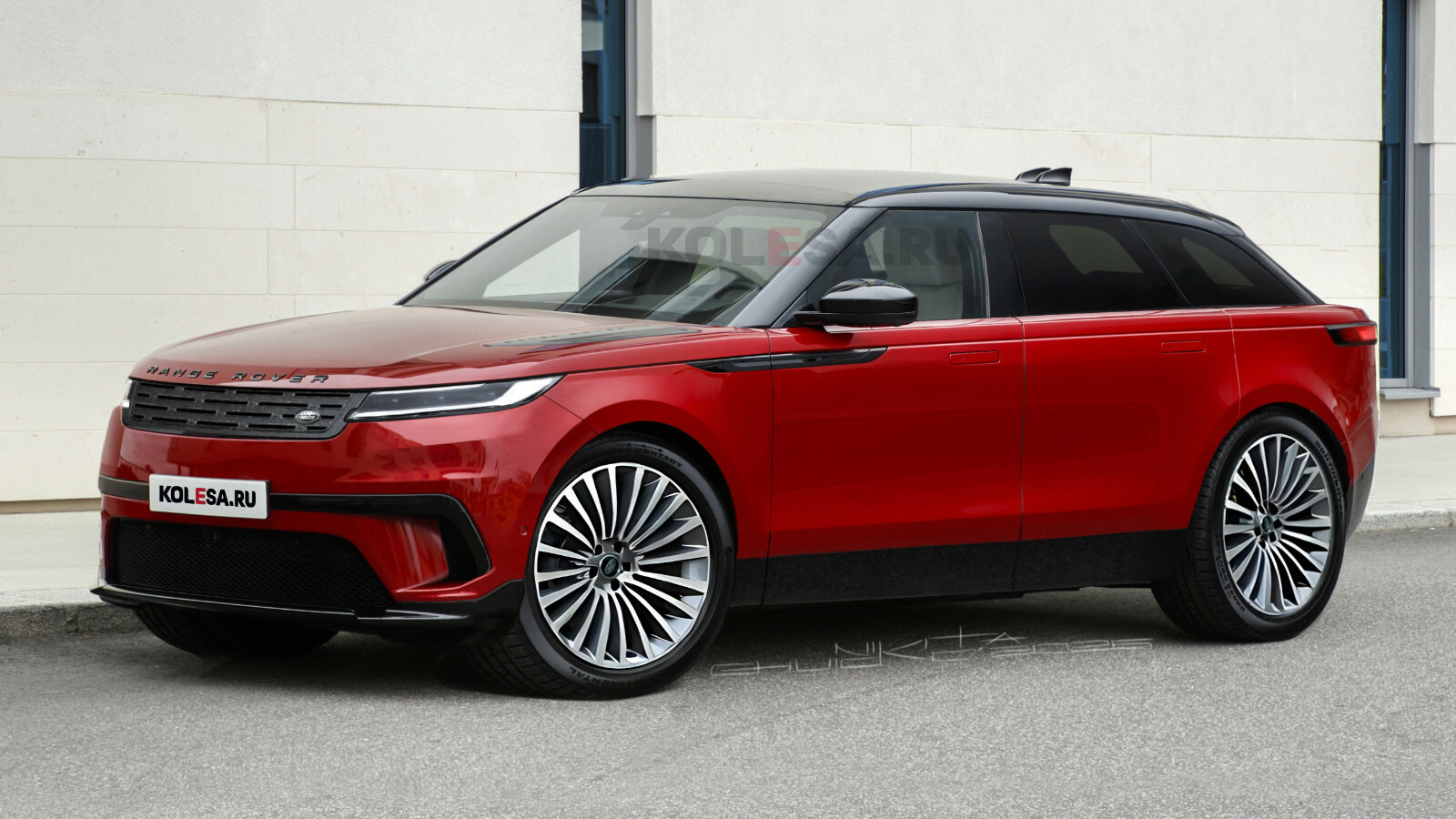
Hot on the heels of a camouflaged prototype of the new Velar testing in the European snow, a pair of fresh renderings previewing the model has surfaced. We will have to wait and see whether the second-generation Velar looks like this when it reaches production, but if it does, it will certainly stand apart.

 A New Range Rover Velar Is Coming, But It Doesn’t Look Like An SUV Anymore
Illustrations Nikita Chuyko/Kolesa

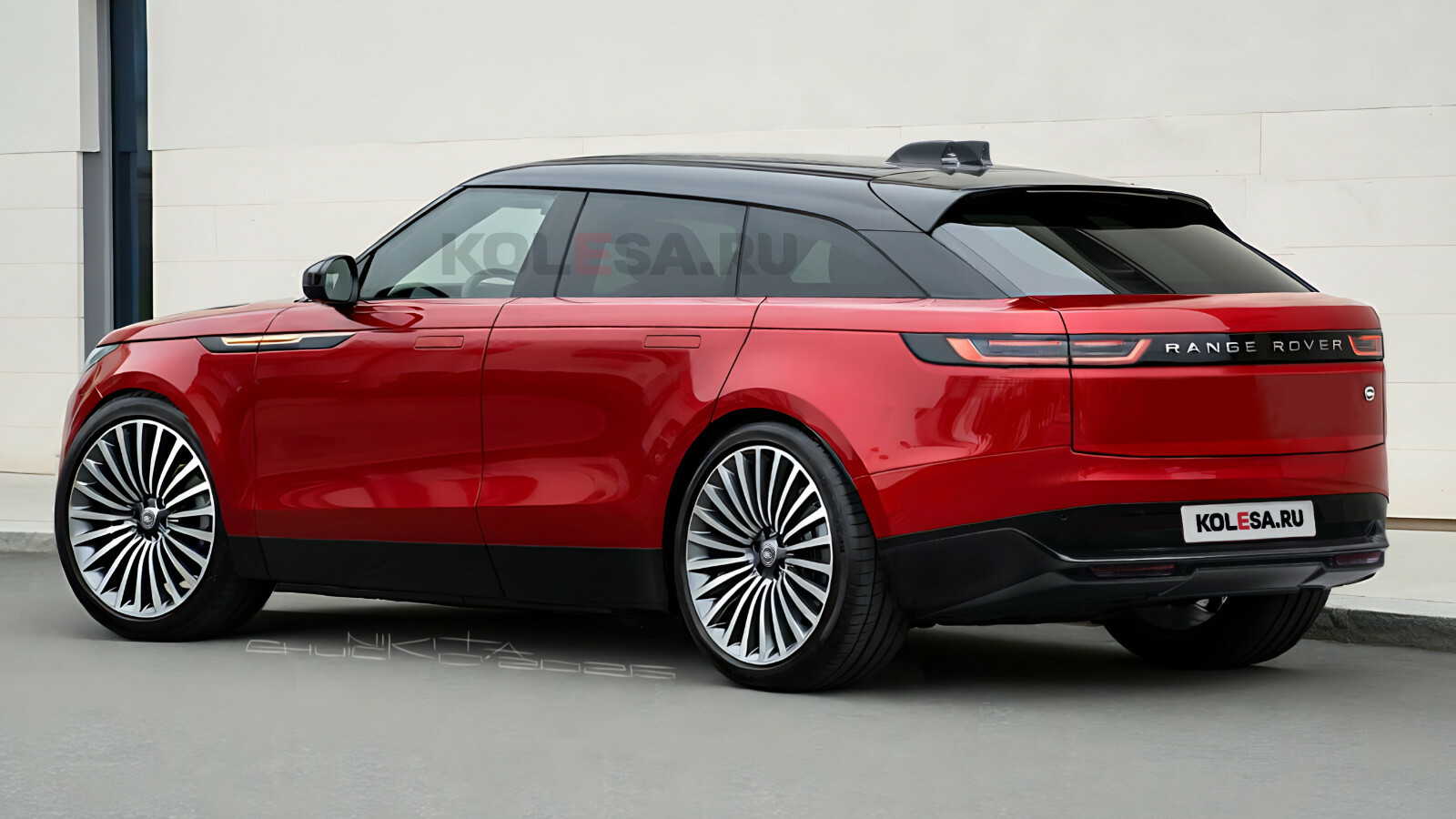
These images, created by Nikita Chuyko for Kolesa, suggest the next Velar will retain a few recognizable cues from today’s model, though they have been reshaped into something closer to the Volvo ES90’s fastback-like profile. Up front, it still looks unmistakably Range Rover, with slim LED headlights and a relatively small upper grille defining the face

Future Cars: Ford Killed Fiesta For A Crossover, Now It Might Return Like This

The body itself sits noticeably lower. That would be controversial on something like a Land Rover Defender, but it is unlikely to trouble most Velar buyers. Realistically, few owners ever take their vehicles off-road, so the move toward a sleeker, road-focused profile may make sense.

 A New Range Rover Velar Is Coming, But It Doesn’t Look Like An SUV Anymore
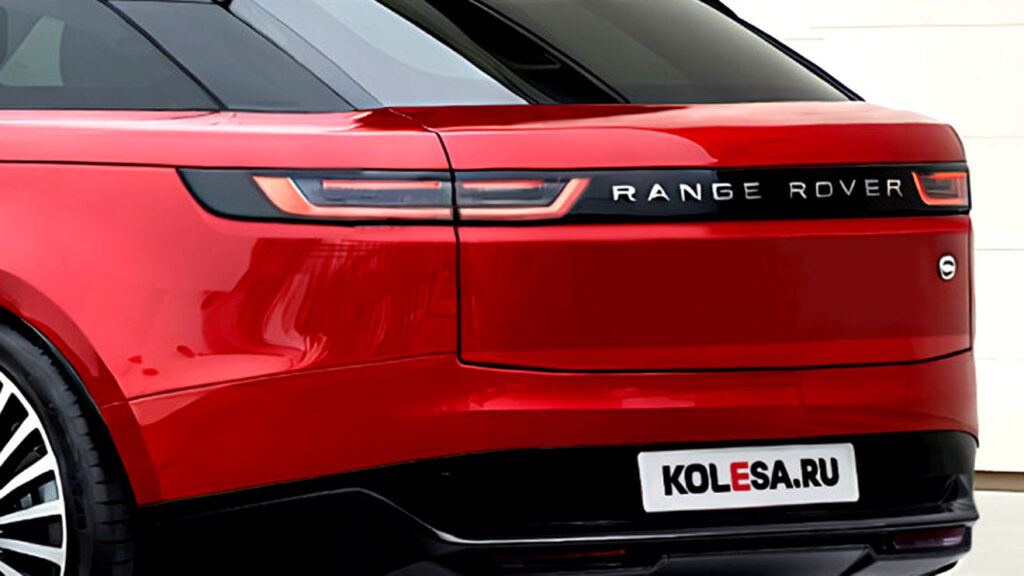
Illustrations Nikita Chuyko/Kolesa

No doubt the most curious element of the redesigned Velar will be its rear. As spy shots have shown, there’s a short and stubby decklid, as well as a steeply raked rear window, which looks a little odd. Also visible in these renders are slim LED taillights and a blacked-out lower bumper.

The Juicy Details

Underpinning the new Velar will be the new Electrified Modular Architecture (EMA), as it will be sold exclusively as an EV. It could debut with the same 117 kWh battery pack planned for the full-size Range Rover Electric, although a slightly smaller pack remains possible. Either way, engineers will face pressure to ensure it delivers enough range and performance to replace the outgoing combustion-powered version.

\\\\\\\\\\
❌