Normal view

There are new articles available, click to refresh the page.
Today — 10 June 2026Electric Vehicles - Latest News | Carscoops

Mexico’s First Homegrown EV Seats Six And Costs $8,600

  • The Olinia Uno is powered by a tiny 14.7 kWh LFP battery pack.
  • Driving the front wheels is an electric motor delivering just 17 hp.
  • Olivia says the EV is best suited to last-mile taxi services.

Mexico builds cars for much of the world, hosting plants for several of the planet’s biggest automakers, yet almost no homegrown brands have ever come out of the country. The new Olinia Uno aims to change that. As the first model from Mexico’s inaugural EV brand, it carries the weight of shaking up the nation’s mobility scene.

The Uno is a compact six-seater designed in Mexico and, with federal government backing, built there too. It isn’t chasing conventional consumer EVs. Instead, it positions itself as a replacement for the motorcycles and three-wheeled motortaxis that swarm the country’s streets.

Read: Mexico Starts 2026 With Steep Car Tariffs, And One Country Is Getting Slammed

Rather than being focused on long journeys and road trips, the Uno is far better suited to last-mile taxi services. It is equipped with a tiny 14.7 kWh lithium-iron phosphate battery pack that drives a single electric motor with a measly 17 hp (13 kW). If any driver is brave enough to plant the vehicle’s throttle, it’ll top out at just 31 mph (50 km/h).

Cheap To Run
 Mexico’s First Homegrown EV Seats Six And Costs $8,600

Affordability should be a key part of the vehicle’s appeal. The Uno starts at just 150,000 pesos, or a touch under $8,600. Olinia claims that while a conventional ICE-powered taxi sedan can cost up to 2.4 pesos ($0.14) per kilometer to run and a motorcycle taxi up to 1.18 pesos ($0.07) per kilometer, the Uno will cost just 0.50 pesos ($0.03) per kilometer. Plugged into a 220-volt household socket, it charges in about four hours, ideal for topping up overnight and having it ready by morning. Driving range is capped at 62 miles (100 km).

Hoy presentamos Olinia, el auto eléctrico creado por jóvenes mexicanas y mexicanos. pic.twitter.com/IkexSRtTDY

— Claudia Sheinbaum Pardo (@Claudiashein) June 7, 2026

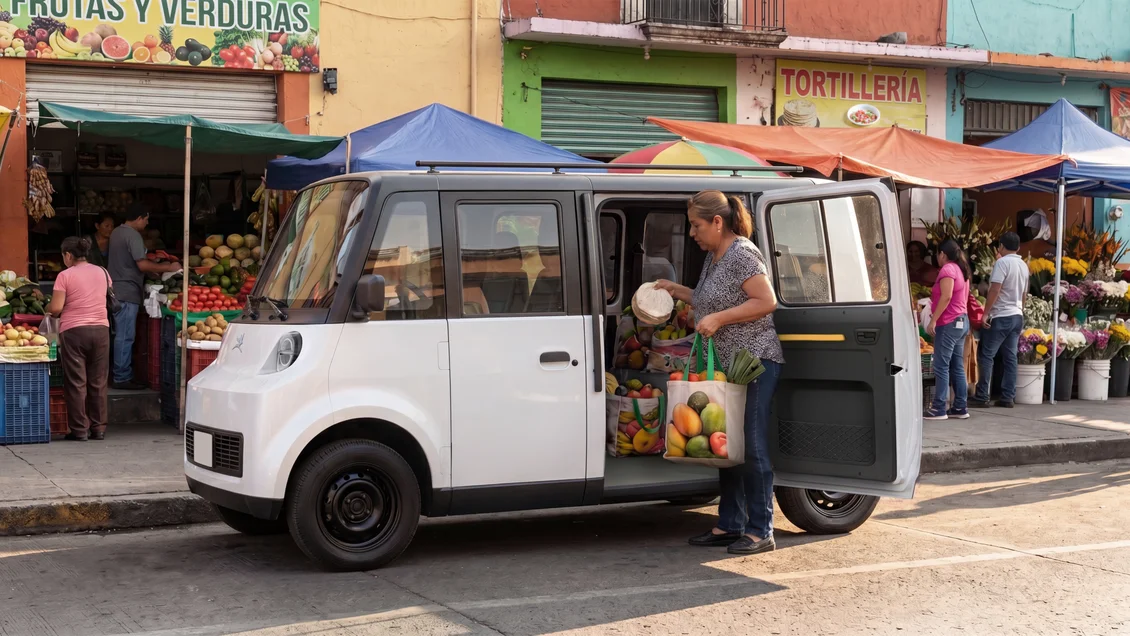
According to Olinia, the vehicle is perfect for “short group trips, frequent stops, people coming and going with bags, children, and older adults.” It includes plenty of grab handles inside and across the exterior, and thanks to the coach-style rear doors, it can even fit a wheelchair user without needing to be modified.

Mexican president Claudia Sheinbaum drove a prototype of the Uno onto the stage during the vehicle’s world premiere at the Santa Lucia military base. The design certainly isn’t one to tug at the heartstrings, but it does at least look fit for purpose.
\\\\\\\\\\\\\
Yesterday — 9 June 2026Electric Vehicles - Latest News | Carscoops

A Thief’s Getaway Waymo Had 29 Cameras Watching, And Police Still Got Nothing

  • Waymo deleted interior footage of the suspect before police contacted them.
  • Police haven’t been able to identify the suspect using their rider account.
  • Six months after the theft, SF authorities continue searching for the suspect.

A Waymo robotaxi can be fooled into rolling straight into a flooded street, but it turns out the same self-driving cars have no trouble pulling getaway duty for a crime. They are, it seems, alarmingly good at helping criminals disappear.

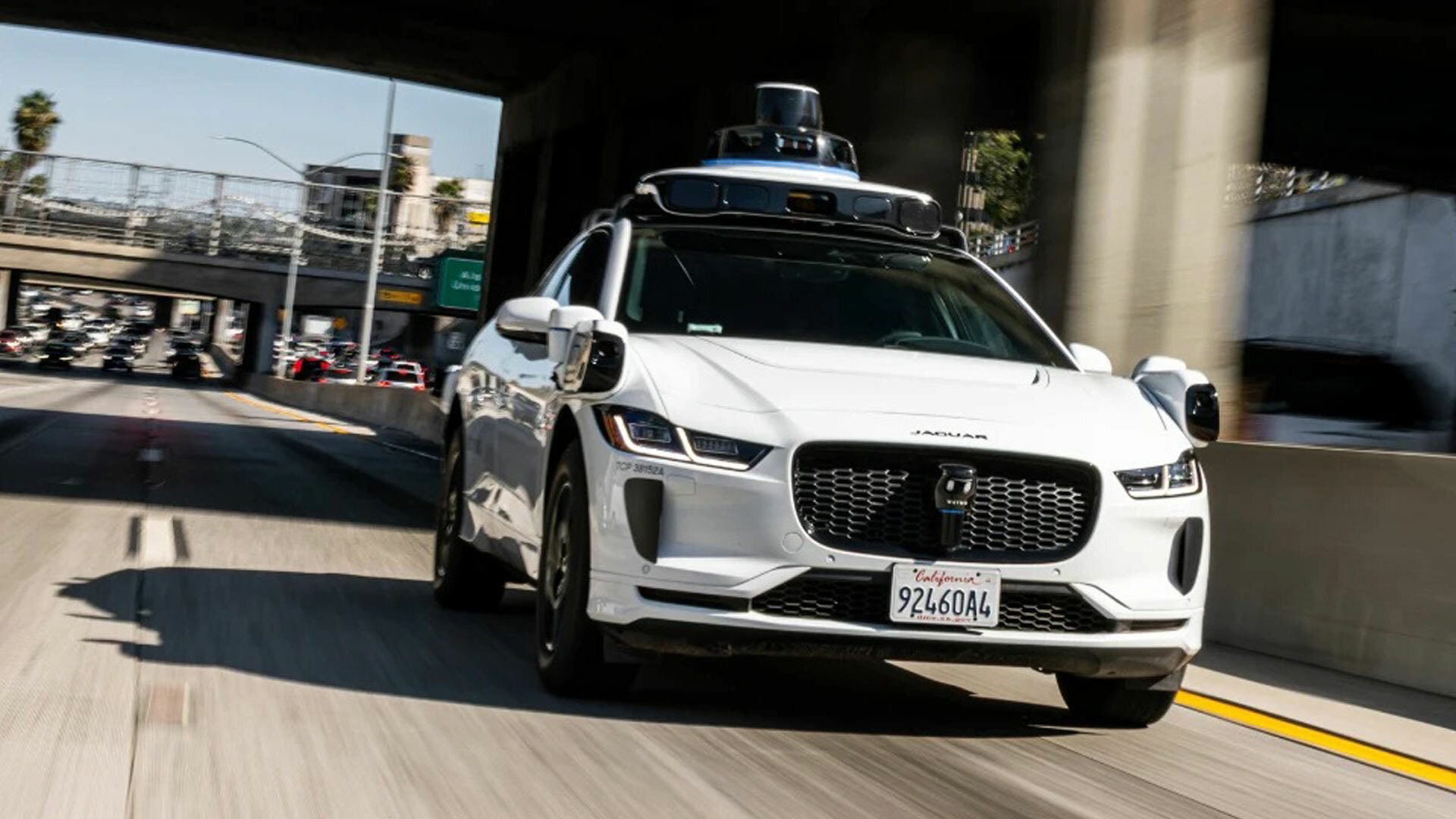
Earlier this year, an unidentified suspect walked into a Hot 8 Yoga studio in San Francisco and left in a hurry with an armful of pricey activewear. He had arrived by Waymo and used the same car to escape, dumping the loot into the trunk of the autonomous I-Pace before riding off.

Watch: Dozens Of Empty Waymo Robotaxis Keep Circling An Atlanta Cul-De-Sac For Hours

As reported by the San Francisco Chronicle, local authorities took their time looking into the theft. A search warrant landed on Waymo in April, ordering the company to hand over everything it knew about the account behind the ride, along with video from inside and outside the car to help identify the thief.

However, by the time the search warrant was filed in April, Waymo had already wiped the cabin footage. The company doesn’t publicly say how long it keeps video, and on top of that, its exterior cameras always blur faces for privacy reasons. So despite each robotaxi packing a small arsenal of high-definition cameras, none of them helped track down the thief.

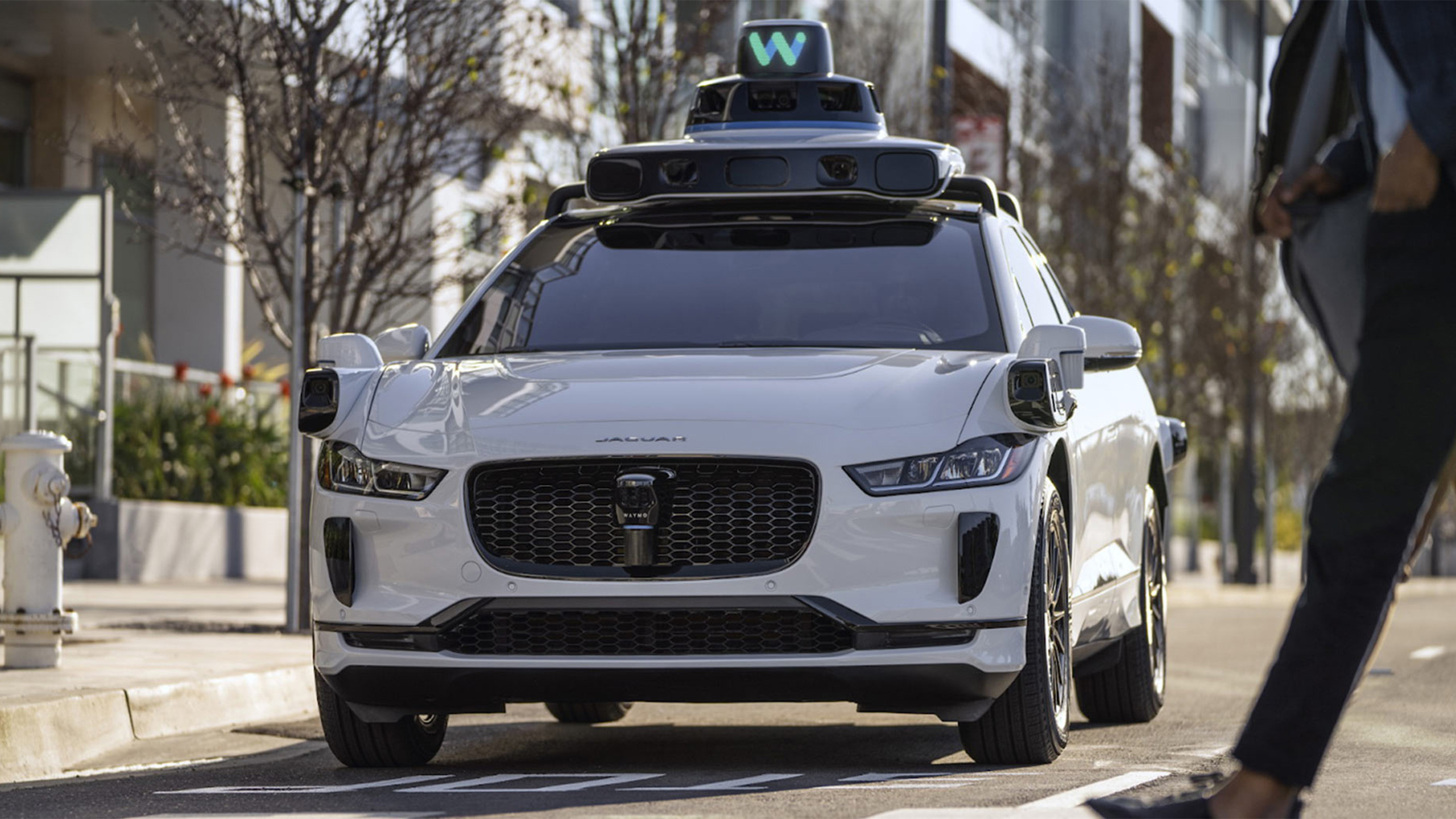
That’s a tough pill to swallow when you consider the hardware involved. According to Waymo’s website, its latest Jaguars feature 29 cameras that provide a full 360-degree view of their surroundings. The user’s account information didn’t lead police to a suspect either, perhaps because whoever booked the ride used stolen credentials or a burner phone.

All For Some Men’s Shorts

 A Thief’s Getaway Waymo Had 29 Cameras Watching, And Police Still Got Nothing

The studio manager of Hot 8 Yoga says footage from outside the location shows the Waymo dropping off the individual and waiting for him to return with the stolen loot. Although he only made off with a bunch of men’s shorts, it’s certainly possible this case might encourage other criminals to escape in robotaxis.

Los Angeles saw a version of this last year, when someone bolted from a grocery store theft in a Waymo. That one ended differently. Police caught up with the robotaxi, forced it to the side of the road, and arrested the suspect.

 A Thief’s Getaway Waymo Had 29 Cameras Watching, And Police Still Got Nothing
Before yesterdayElectric Vehicles - Latest News | Carscoops

In 2020, Tesla Was Supposed To Have 1 Million Robotaxis. It Currently Has 20

  • Tesla’s current unsupervised fleet across the entire US is just 20 cars.
  • California regulators still block Tesla from running any unsupervised cars.
  • In the past 30 days, just 92 vehicles have been used in the robotaxi fleet.

Back in October 2019, Tesla chief executive Elon Musk told investors the company would have more than a million robotaxis on the road within a year. Six years on, Tesla has not only missed that deadline by an embarrassing margin, the US fleet it actually runs is getting smaller.

The long-promised robotaxi service finally launched in Texas last year, starting in a fenced-off corner of Austin with safety drivers riding shotgun. It has since spread to Dallas, Houston, and the Bay Area in California, but the scale remains a rounding error next to Waymo, the company that has quietly built the lead Tesla keeps talking about.

Watch: Tesla Robotaxi Driver Caught Asleep Proves Humans Are Still The Weakest Link

Data from the Robotaxi Tracker service reveals that across the four regions, Tesla has had just 20 unsupervised vehicles in use during the past seven days. Of these, 14 are operating in Austin, 3 are in Dallas, and 3 are in Houston. Crucially, California regulations continue to prevent Tesla from operating a single unsupervised robotaxi in the state. It’s not as if there are loads of human-driven Tesla robotaxis in the Bay Area, either.

The total fleet peaked around December 2025 and January 2026 and has been in steady decline ever since.

A Shrinking Fleet

 In 2020, Tesla Was Supposed To Have 1 Million Robotaxis. It Currently Has 20

Electrek reports that over the past week, the total number of cars operating in Tesla’s total robotaxi fleet, including supervised and unsupervised cars, was just 34 vehicles. In April, there were 107 vehicles operating in the Bay Area fleet, but currently there are just 9. Those Bay Area cars were never true robotaxis to begin with, operating with safety drivers under California’s Transportation Charter-Party permit.

An analysis of activity over the past 30 days shows that just 92 vehicles in total were used by the robotaxi service across the country, of which 33 were operating unsupervised. Most of these, 52 to be precise, are in use across the Bay Area. It’s worth reiterating, however, that these vehicles in California are driven by people, just like a normal ride-hailing service.

Tesla hasn’t explained why its robotaxi fleet is shrinking, but it’s likely related to safety issues that the company is experiencing. As we revealed in January, vehicles operating in Tesla’s robotaxi fleet were involved in an incident every 55,000 miles, roughly four times the average number of miles driven by people.  

 In 2020, Tesla Was Supposed To Have 1 Million Robotaxis. It Currently Has 20

Waymo’s Self-Driving Cars Can’t Stop Diving Into Floods, So It Paused 5 Cities

  • Waymo has suspended robotaxi service across five major US cities this week.
  • The pause follows a recent recall covering nearly 3,800 autonomous vehicles.
  • One Waymo sat stranded in Atlanta floodwaters until a human stepped in.

For a company built on the premise that machines see the road better than humans do, getting repeatedly outsmarted by puddles is not a great look. The Alphabet-owned firm has suspended operations in five U.S. cities while it works out why its robotaxis keep mistaking flooded streets for drivable ones.

Read: Waymo Recalls Thousands Of Robotaxis After One Got Washed Away In A Flood

The flooded-road problem first surfaced earlier this month, when a Waymo robotaxi drove onto a submerged road in San Antonio, Texas, on April 20 and was swept into a creek. No one was on board, which is the only saving grace. The incident pushed Waymo to recall close to 3,800 robotaxis to fix how they handle these conditions.

The Atlanta Incident

While the company continues working on a fix, another one of its vehicles got stranded in floodwaters after heavy rain in Atlanta, Georgia, earlier this week. 10News reports the EV was stuck for roughly an hour before the floodwaters receded, at which point a human driver was able to jump behind the wheel.

Following the Texas incident, Waymo paused service in San Antonio, and the suspension now extends to Austin, Atlanta, Dallas, and Houston, partly in response to the severe weather sweeping across Texas this week.

Speaking with TechCrunch, Waymo says it uses National Weather Service alerts to prepare its vehicles for difficult weather conditions. However, in the case of the flash flood in Atlanta, it says a storm produced so much rainfall in such a short period that the robotaxi got stuck before any alert was issued.

As part of the recall issued last week, Waymo said it was rolling out operational restrictions in areas with an elevated risk of flooded, higher-speed roads, and added that work on a “final remedy” is still underway.

 Waymo’s Self-Driving Cars Can’t Stop Diving Into Floods, So It Paused 5 Cities

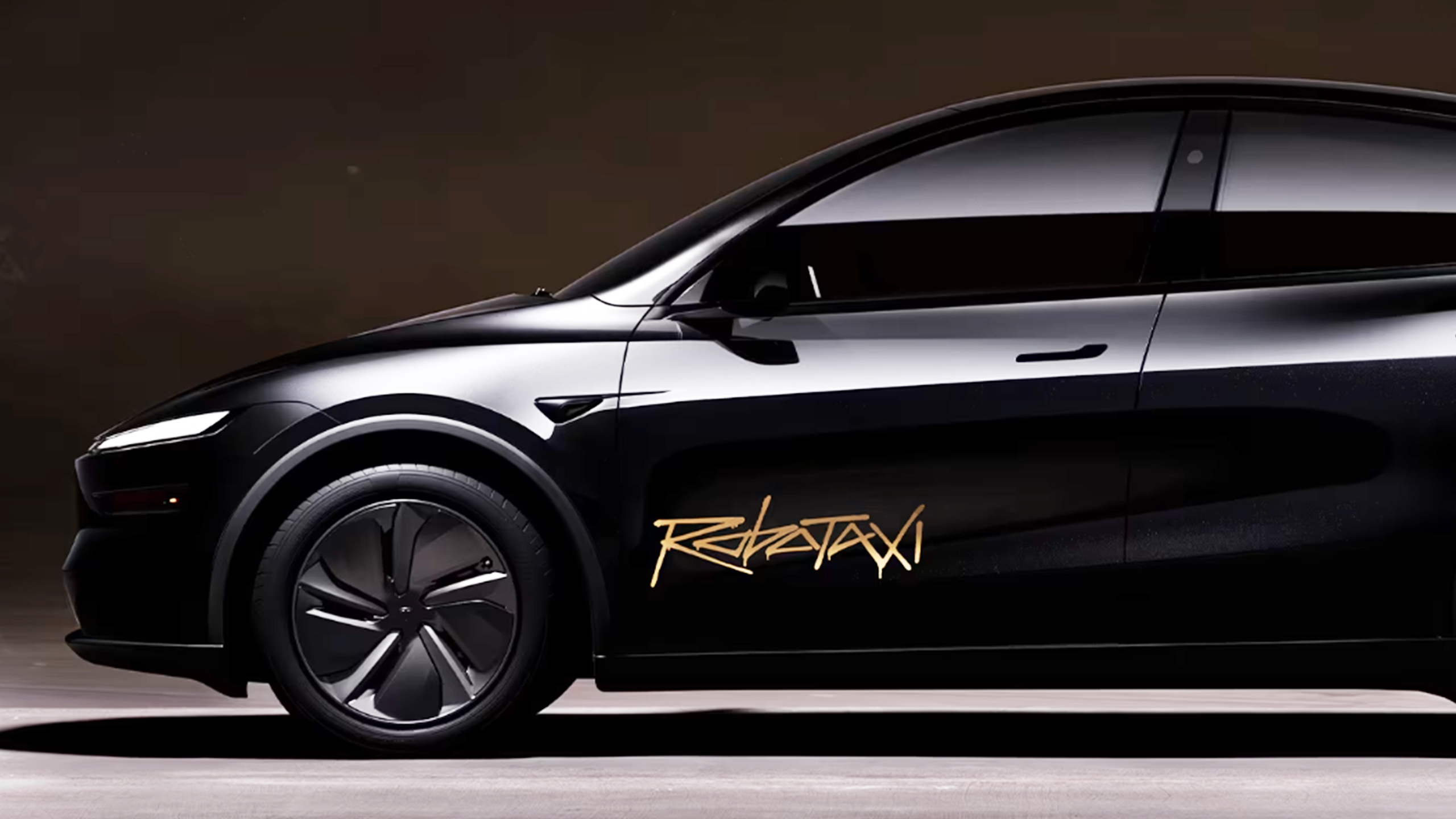
Tesla’s Still Testing Its Vision-Only Robotaxi, Xpeng Just Started Building One

  • The company’s GX robotaxi will be offered with three seating configurations.
  • Xpeng relies on a vision-only system like Tesla, rather than using LiDAR.
  • The tech firm has permits to test Level 4 autonomous systems in China.

Xpeng is the latest Chinese car manufacturer to dive headfirst into the world of robotaxis, unveiling a specifically equipped version of the GX and quickly starting production.

Unlike companies like Tesla, Rimac, and Geely that have designed bespoke robotaxis from the ground up, Xpeng’s model is essentially just a specially equipped version of the GX it sells to the public. Using the GX as the basis for its robotaxi will significantly help the car manufacturer cut development and production costs.

Read: 200 Robotaxis Stopped In Traffic, Now China Has Stopped Issuing Permits

Xpeng hasn’t said whether its self-driving GX has the range-extender powertrain of the consumer model or instead the same all-electric powertrain. What we do know is that it’s powered by four in-house Turing AI chips with 3,000 TOPS of on-board computing power. It also includes steer-by-wire.

The SUV has been developed exclusively in-house and offers Level 4 self-driving capabilities. As of January, Xpeng has been testing its L4 vehicles on public roads across China and plans to launch pilot operations for its robotaxi service in the second half of this year.

Humans Still Play An Important Role

\\\\\\\\\\

Just like the robotaxis being tested by Tesla, Xpeng’s models will initially have a human supervisor behind the wheel in case anything unexpected happens. However, the Chinese firm plans to ditch these “safety officers” by early 2027.

The Xpeng GX robotaxi also differs from most others being tested in China in that it relies on a vision-only system, also like Tesla. This means there’s no LiDAR or high-definition maps, instead relying on cameras and an advanced AI model.

While we haven’t been able to find any images of the robotaxi’s interior, it apparently includes privacy glass, rear entertainment screens, plush new seats, and will be produced in five-, six-, and seven-seat configurations.

\\\\\\\

Xpeng Has Started Building Its Own Robotaxi, But It Doesn’t Look Like Any Other

  • The company’s GX robotaxi will be offered with three seating configurations.
  • Xpeng relies on a vision-only system like Tesla, rather than using LiDAR.
  • The tech firm has permits to test Level 4 autonomous systems in China.

Xpeng is the latest Chinese car manufacturer to dive headfirst into the world of robotaxis, unveiling a specifically equipped version of the GX and quickly starting production.

Unlike companies like Tesla, Rimac, and Geely that have designed bespoke robotaxis from the ground up, Xpeng’s model is essentially just a specially equipped version of the GX it sells to the public. Using the GX as the basis for its robotaxi will significantly help the car manufacturer cut development and production costs.

Read: 200 Robotaxis Stopped In Traffic, Now China Has Stopped Issuing Permits

Xpeng hasn’t said whether its self-driving GX has the range-extender powertrain of the consumer model or instead the same all-electric powertrain. What we do know is that it’s powered by four in-house Turing AI chips with 3,000 TOPS of on-board computing power. It also includes steer-by-wire.

The SUV has been developed exclusively in-house and offers Level 4 self-driving capabilities. As of January, Xpeng has been testing its L4 vehicles on public roads across China and plans to launch pilot operations for its robotaxi service in the second half of this year.

Humans Still Play An Important Role

\\\\\\\\\\

Just like the robotaxis being tested by Tesla, Xpeng’s models will initially have a human supervisor behind the wheel in case anything unexpected happens. However, the Chinese firm plans to ditch these “safety officers” by early 2027.

The Xpeng GX robotaxi also differs from most others being tested in China in that it relies on a vision-only system, also like Tesla. This means there’s no LiDAR or high-definition maps, instead relying on cameras and an advanced AI model.

While we haven’t been able to find any images of the robotaxi’s interior, it apparently includes privacy glass, rear entertainment screens, plush new seats, and will be produced in five-, six-, and seven-seat configurations.

\\\\\\\

Waymo’s Robotaxi Made It To San Jose, His Luggage Made It To San Francisco

  • The tech giant initially said it wouldn’t pay to ship the rider’s luggage back.
  • Waymo offered Di Jin two free rides to pick up his luggage from a depot.
  • As it turns out, there are some advantages to using human-driven taxis.

Taking a trip in one of Waymo’s robotaxis should be a smooth and stress-free experience, particularly since there’s no pressure to have an awkward conversation with a driver. However, for one Waymo user in California, taking a robotaxi to the airport left him without luggage for a business trip.

In late April, Di Jin took his first ride in one of Waymo’s robotaxis, traveling from Sunnyvale to San Jose Mineta Airport. The self-driving Jaguar I-Pace took him to the airport without issues, but when Jin got out of the car and attempted to open the trunk to get his luggage, the button did nothing. Moments later, the vehicle drove off, still carrying his luggage.

Read: Waymo’s Robotaxis Sometimes Receive Guidance By Some Guy In The Philippines

Speaking with NBC, Jin said he frantically contacted Waymo customer service but was told the robotaxi couldn’t be turned around and was heading to the depot. He was then forced to board his flight without any of his luggage.

The Californian man was informed later in the day that Waymo had retrieved his luggage at the depot. The only problem is that the depot is in San Francisco, and the company refused to pay shipping costs to get it back to Jin. If Jin didn’t want to pay for shipping, Waymo offered him two free rides to and from the depot to pick up his luggage.

Waymo Finally Steps Up

However, time is money, and Jin didn’t like the idea of wasting two hours getting his luggage. Waymo ultimately relented, confirming that it would pay to deliver his luggage after all.

Waymo notes that riders can open the trunk of one of its vehicles by pressing the physical trunk release button on the outside of the vehicle, or by tapping the ‘open trunk’ button in the Waymo app. For this rider, the trunk release apparently didn’t work, and with no human driver behind the wheel, he had no way of immediately notifying the car that he couldn’t retrieve his luggage. Perhaps human-operated taxis aren’t so bad after all.

 Waymo’s Robotaxi Made It To San Jose, His Luggage Made It To San Francisco
Photos Waymo

200 Robotaxis Stopped In Traffic, Now China Has Stopped Issuing Permits

  • Baidu engineers instructed robotaxis to stop and immediately collect data.
  • As many as 200 robotaxis operated by the tech firm stopped in Wuhan traffic.
  • Regulations for robotaxis are generally set by local governments in China.

The robotaxi gold rush in China has just hit its first serious speed bump. About a month ago, dozens of autonomous vehicles run by Baidu malfunctioned on Chinese roads, and Beijing has now stopped issuing new robotaxi licenses. The episode is a reminder that while domestic brands push hard on ever more advanced self-driving systems, a single bad afternoon can quickly unravel progress.

The incident itself happened on March 31, when around 200 robotaxis from Baidu’s Apollo Go program stopped dead in traffic in Wuhan. Several collisions followed and passengers were left stranded in their cars. Fortunately, no one was injured. According to an unnamed source, Baidu engineers issued a command to tell vehicles to stop and collect data on the spot, triggering the chaos.

Read: Baidu’s Robotaxis Froze On Wuhan Highways And Cars Started Crashing Into Them

According to Nikkei Asia, China’s transport ministry, the industry and information technology ministry, the public security ministry, and the Cyberspace Administration sat down with eight of the country’s biggest autonomous driving firms after the Wuhan incident. Authorities demanded that these firms conduct a “comprehensive self-inspection.”

Although the Chinese government has stopped issuing new licenses for robotaxi operators, those who are already operating can continue to do so. For example, Pony.ai continues to operate its robotaxi services in Beijing, Shanghai, Guangzhou, and Shenzhen as normal.

What Laws Exist?

NEW: Dozens of robotaxis by Baidu stopped on the road in Wuhan, causing crashes on highways and trapping passengers in the cars—some for more than an hour. One passenger told me it took her 30 minutes to even connect to a customer representative.

Here’s a video of a crash. pic.twitter.com/fTitNMv8kj

— Zeyi Yang 杨泽毅 (@ZeyiYang) April 1, 2026

In general, regulations governing the testing of self-driving vehicles in China are relatively lax. The federal government has let local governments decide how they’d like to govern the introduction of robotaxi services, leading to a wide range of different regulations throughout the country.

It’s understood that roughly 4,500 robotaxis were operating across pilot zones in 10 Chinese cities as of last year. Some analysts estimate that as many as 500,000 robotaxis could be in service by 2030, or about 10 percent of the country’s total taxi fleet. A national decision outlining steps to prevent similar incidents could arrive by the end of May.

 200 Robotaxis Stopped In Traffic, Now China Has Stopped Issuing Permits

Lucid’s Elevator CEO Gets A $1.5M Salary, Two Company Cars, And A $1M Moving Allowance

  • Lucid Motors has named Silvio Napoli as their new CEO.
  • Company also announced $750 million worth of investments.
  • Uber is increasing their Lucid order by at least 15,000 units.

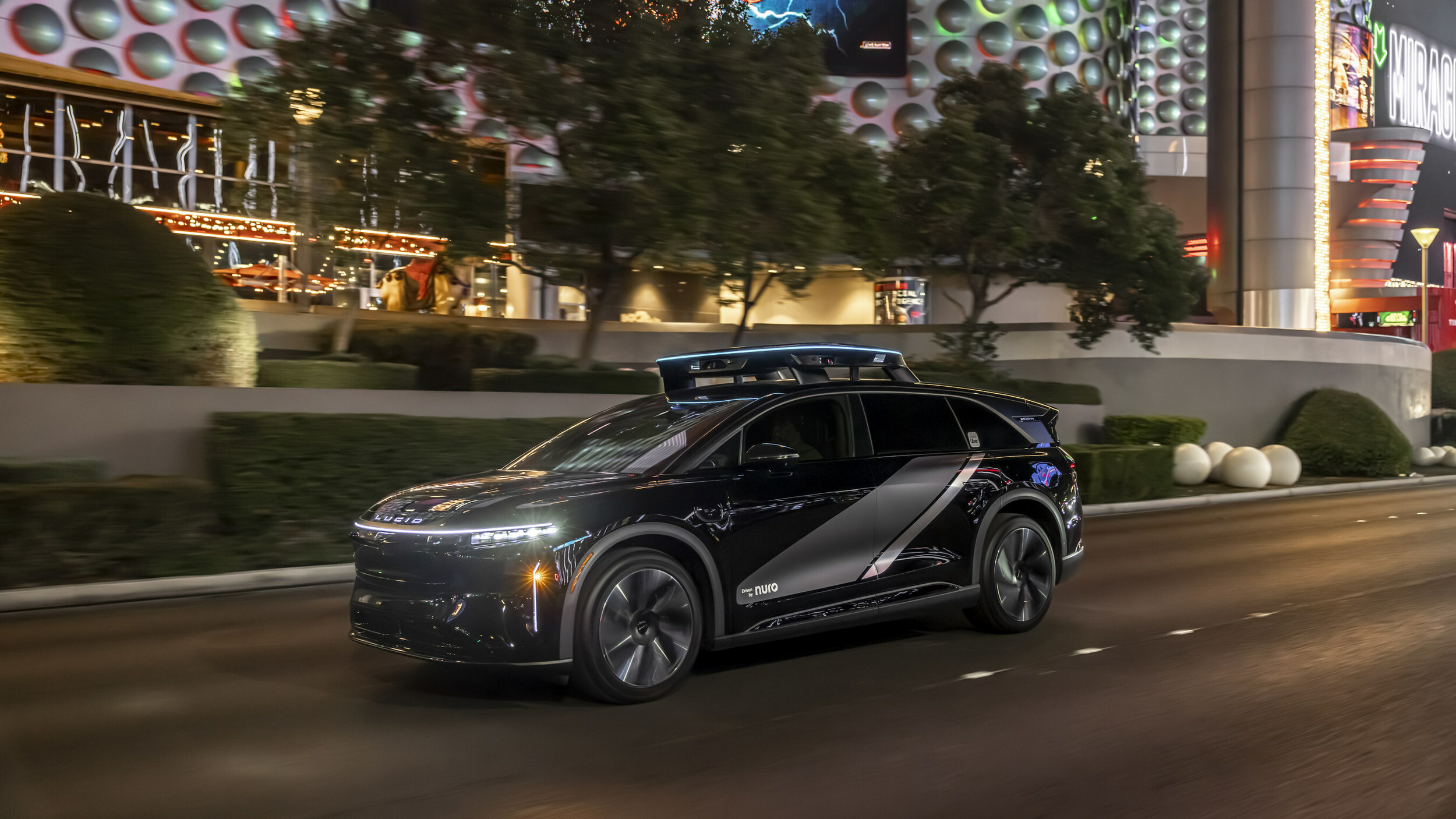
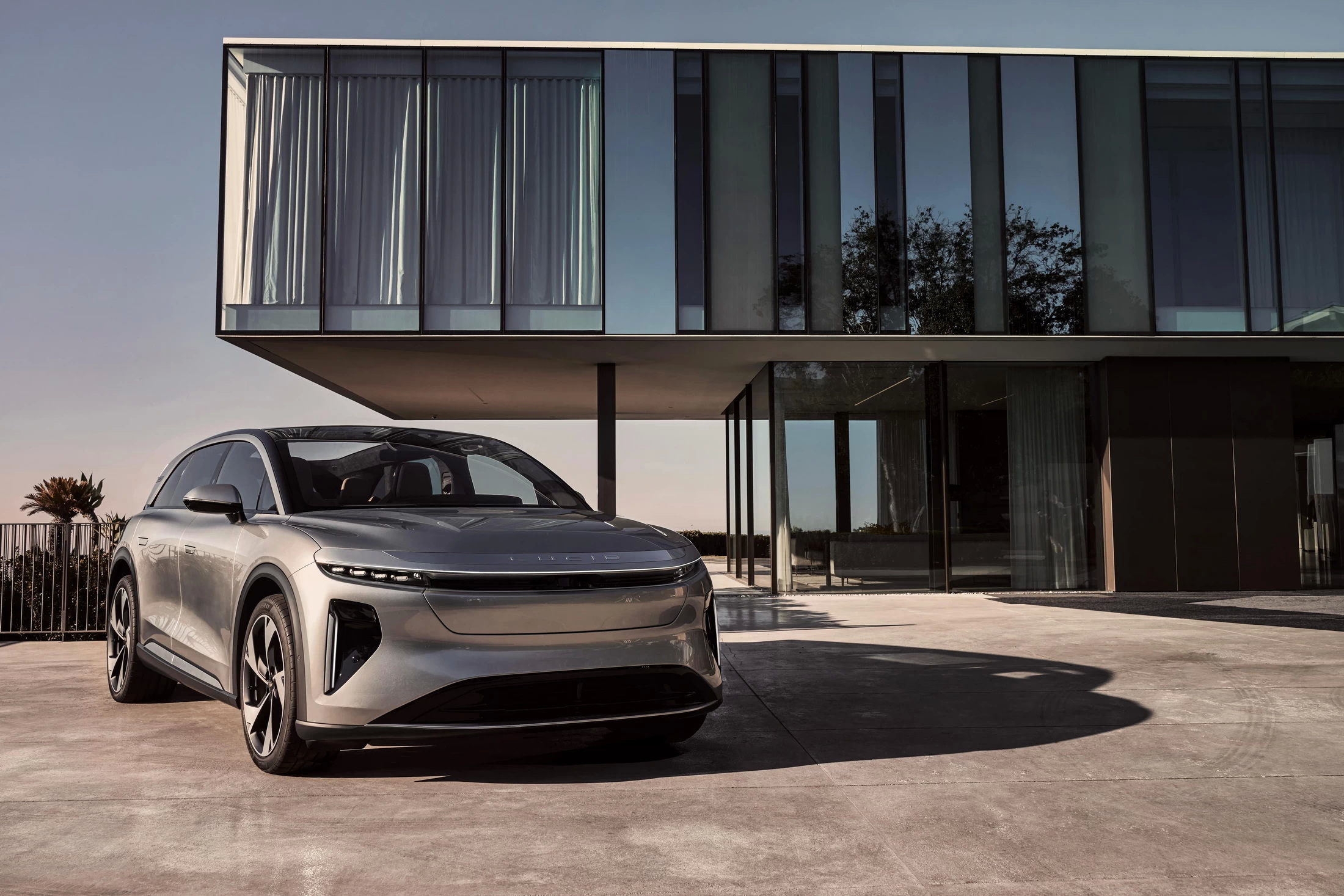
Lucid Motors should be doing great as they finally added a much-needed crossover to their lineup in the form of the Gravity. The model was recently named World Luxury Car, but it hasn’t reversed the company’s fortunes.

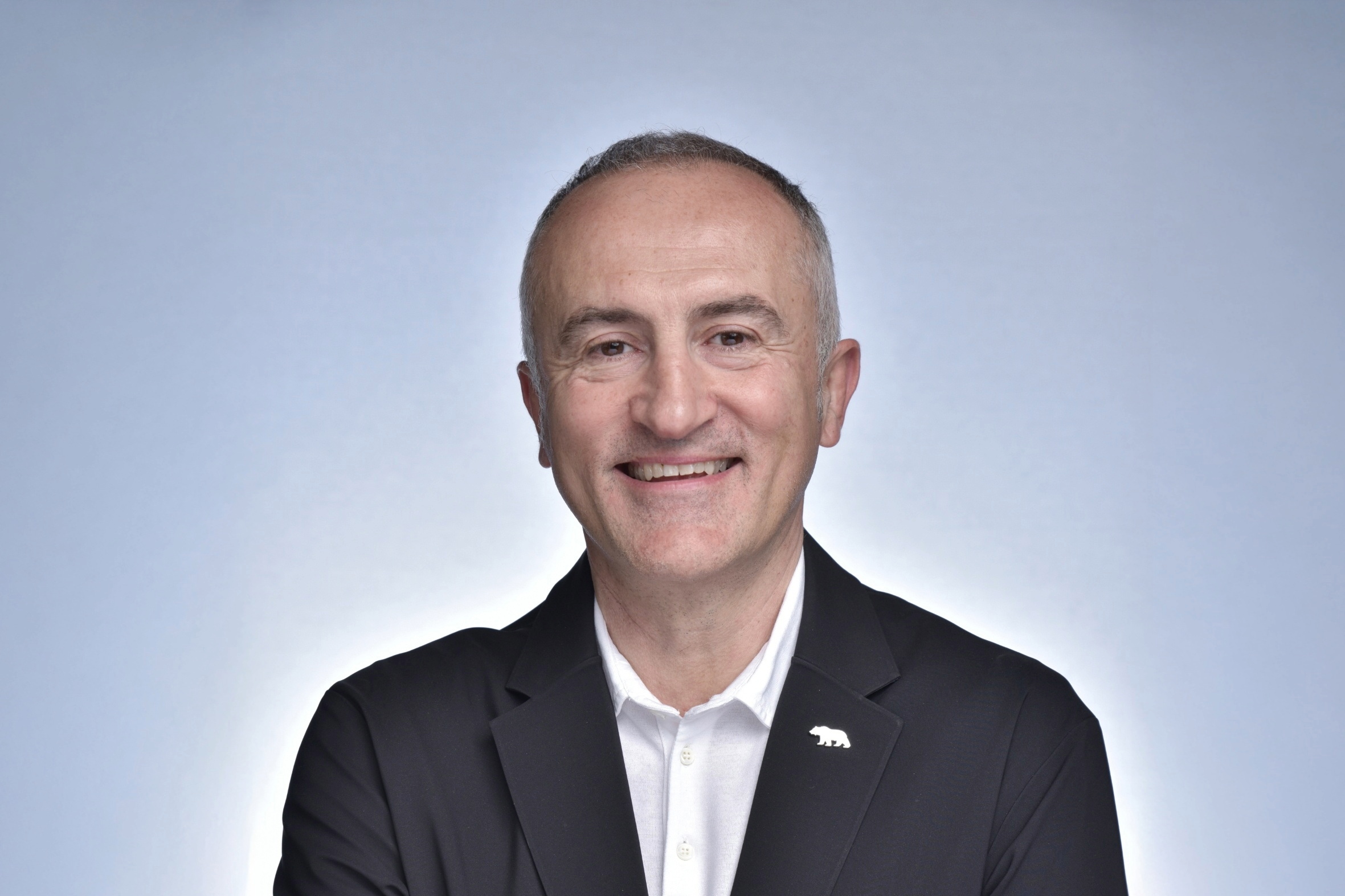
Given this, the automaker has announced a series of developments including the appointment of a new CEO. Silvio Napoli has been tapped for the top spot and he’ll replace interim CEO Marc Winterhoff, who will be transitioning to COO.

More: Uber And Lucid Partner For Thousands Of Robotaxis

While Napoli isn’t a household name, he was previously CEO of Switzerland’s Schindler Group, which makes elevators, escalators, and moving walks. That’s not exactly automotive experience, but Lucid praised his “deep operational expertise, financial discipline, and track record of leadership in innovation.”

 Lucid’s Elevator CEO Gets A $1.5M Salary, Two Company Cars, And A $1M Moving Allowance

In a Form 8-K filing, Lucid revealed Napoli will have a base salary of $1,500,000 and the potential to make $4,500,000 if certain performance targets are hit. He’s also getting up to $25,000 per month in temporary housing expenses for half a year as well as a “lump sum payment of $1,000,000 to cover any expenses in connection with moving to the US.”

Napoli will also get two company cars, security, as well as tax and financial planning support. If that wasn’t enough, the company also mentioned a “long-term incentive grant” with a target value of $9,500,000.

Bigger Uber Order And New Investments

 Lucid’s Elevator CEO Gets A $1.5M Salary, Two Company Cars, And A $1M Moving Allowance

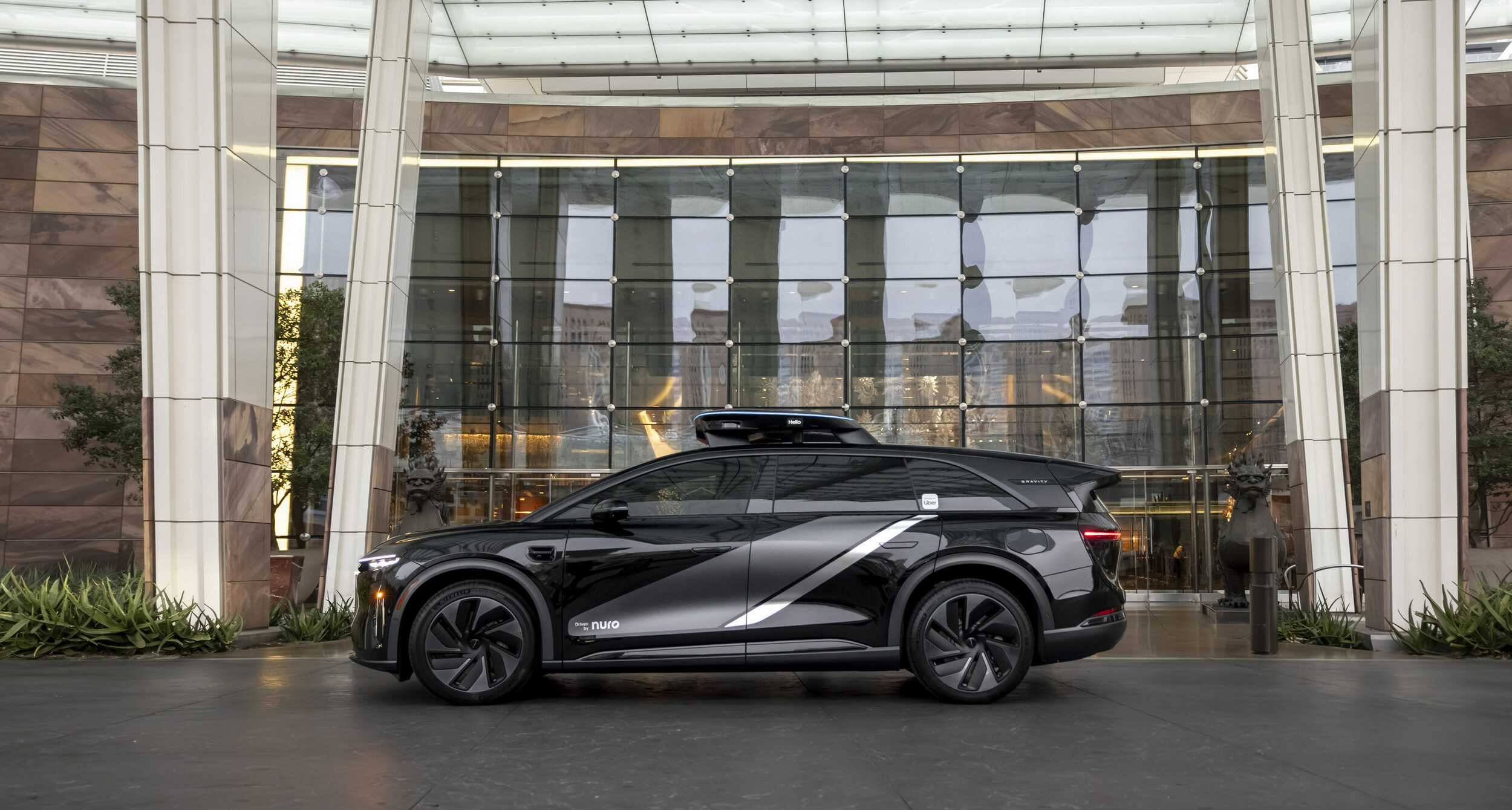
Besides announcing a new CEO, Lucid revealed Uber is increasing their previously announced order of at least 20,000 Gravity SUVs to be used as robotaxis as part of a three-way tie up with Nuro. The service is scheduled to launch this year in the San Francisco Bay area and eventually spread to dozens of markets around the world.

The order has now been expanded to at least 35,000 vehicles and the ride-hailing giant has also promised to invest an additional $200 million into Lucid. This will raise their total investment into the firm to $500 million.

 Lucid’s Elevator CEO Gets A $1.5M Salary, Two Company Cars, And A $1M Moving Allowance

Uber isn’t the only one forking over the dough as the Ayar Third Investment Company is pumping $550 million into Lucid. They’re an affiliate of Saudi Arabia’s Public Investment Fund, which is a major backer of the automaker.

Winterhoff said “Today’s announcement demonstrates the growing strength of our relationship with Uber, our continued partnership with the PIF, and the benefits our software-defined EV platforms bring to next-generation mobility networks.” He added, “This is yet another milestone in our partnership with Uber and Nuro, and we look forward to building on our momentum together in the years to come.”

 Lucid’s Elevator CEO Gets A $1.5M Salary, Two Company Cars, And A $1M Moving Allowance
❌
❌