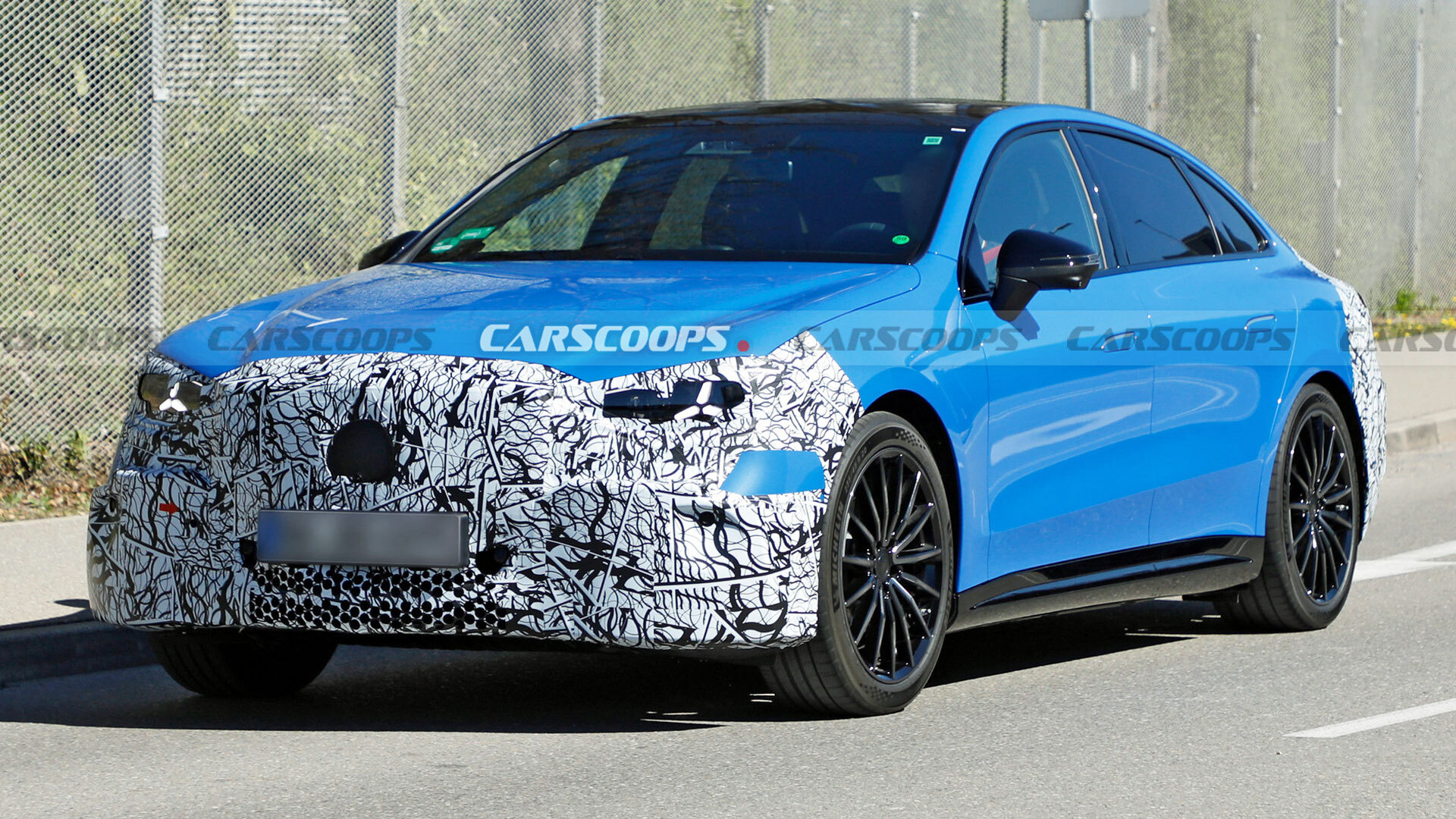
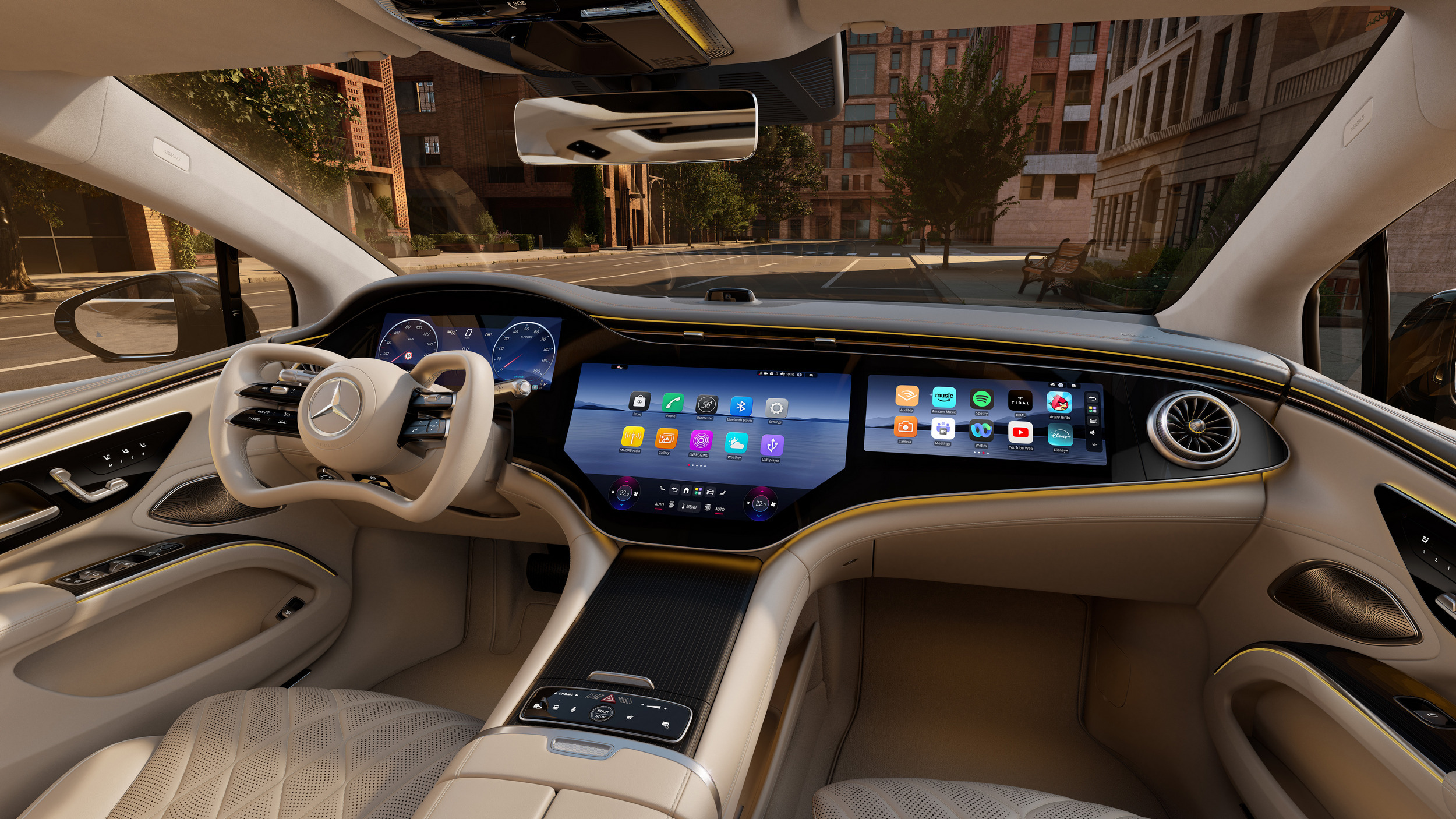
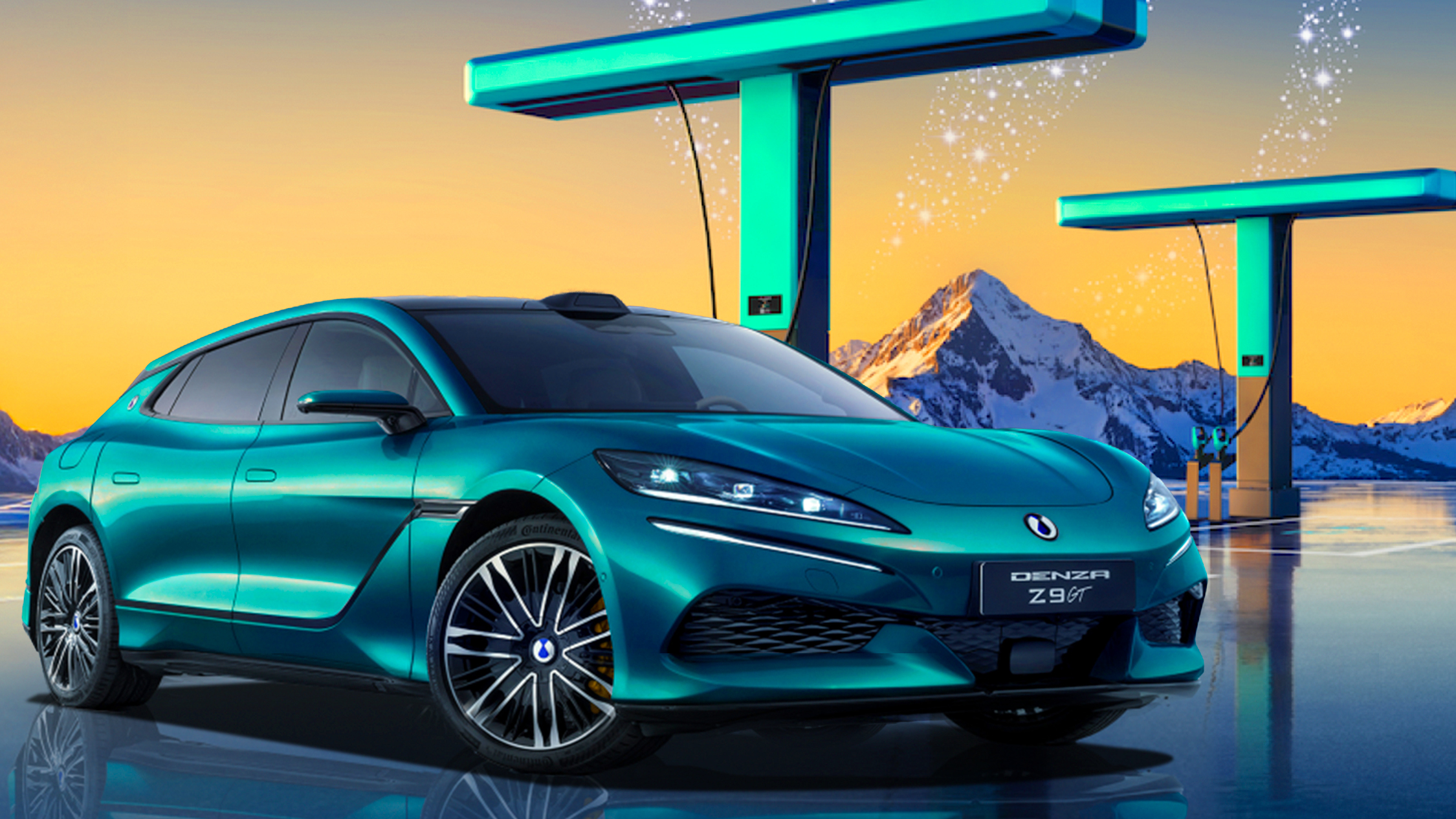
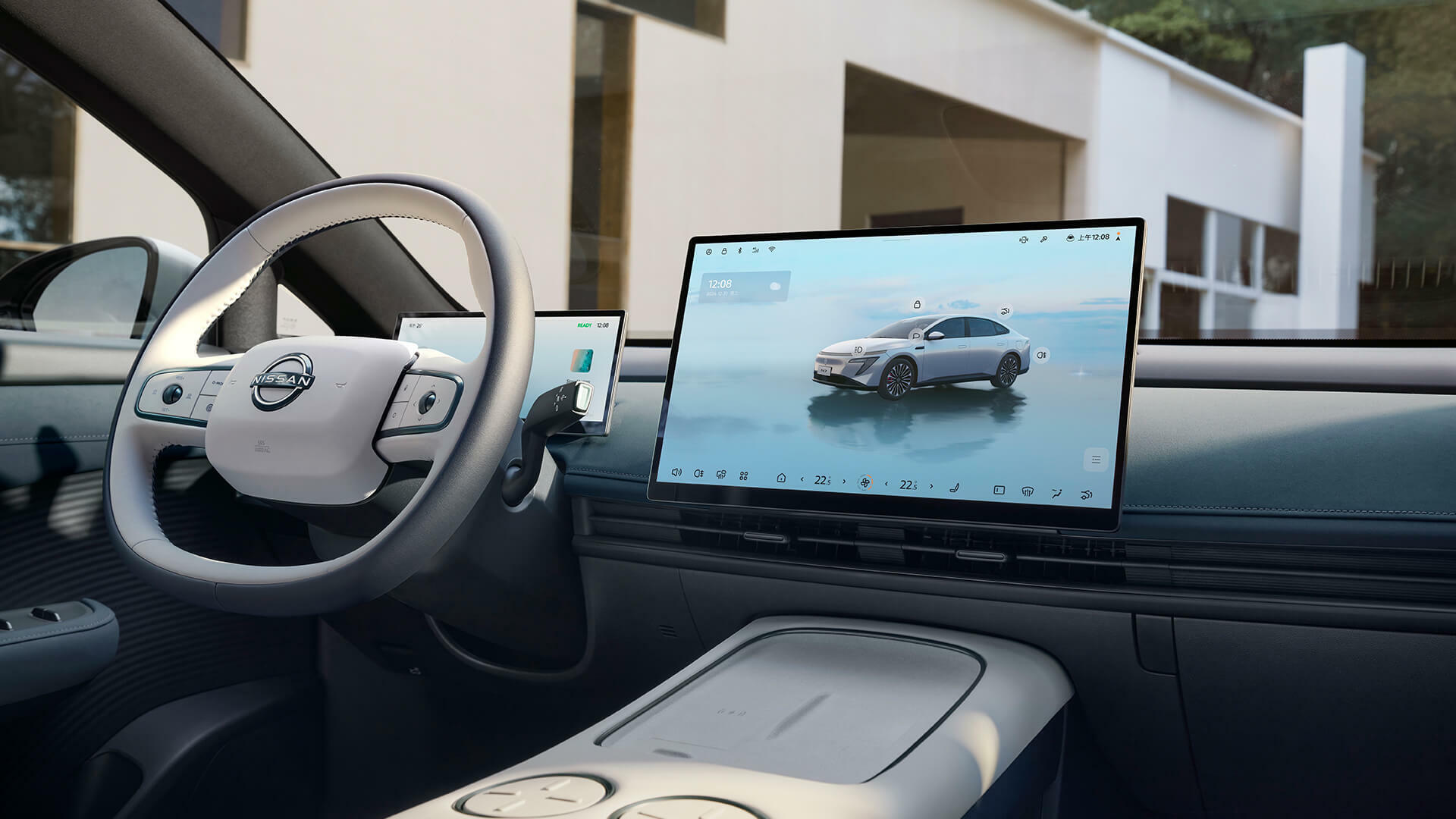
Honda and GAC will reportedly close one of the plants they operate together.
The report comes as Honda continues restructuring after betting big on EVs.
Honda’s Dongfeng joint venture may also see a plant closure due to low ICE sales.
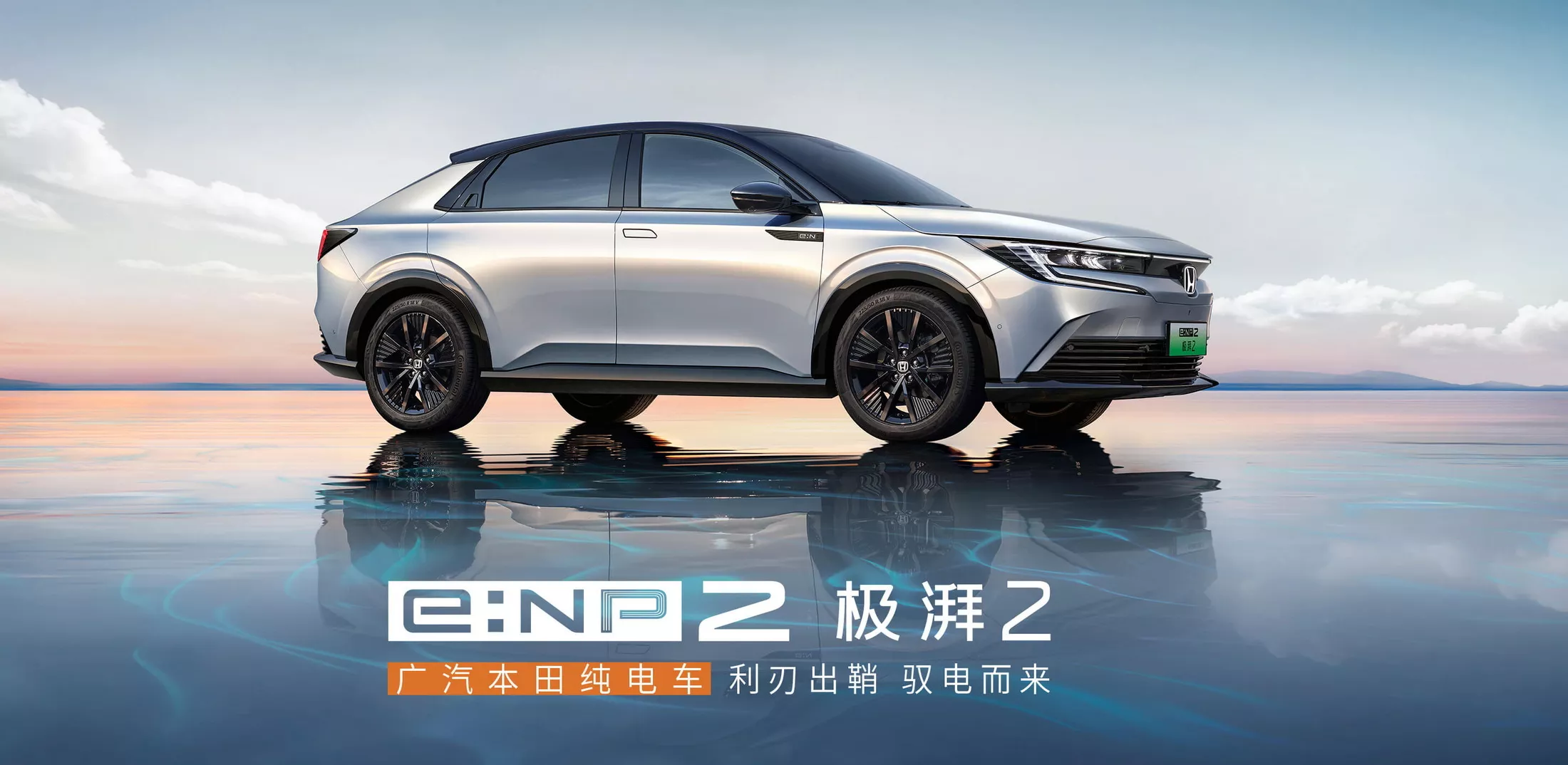
Hot off the back of Honda’s $15.7 billion restructuring costs and a broader EV strategy overhaul announced last month, things aren’t looking good for Honda’s Chinese venture either. At least one of its automobile manufacturing plants in China will be closed by the end of June, according to a recent report.
The plant in question is part of their joint venture with Guangzhou Automobile Group (GAC), following Honda’s China sales fall by some 24% in 2025 to just under 647,000 vehicles, roughly half of the 1.2 million sold in 2023.
According to Reuters, another plant from Honda’s other JV with Dongfeng Motor may be shut soon, as the Japanese automaker tries to keep pace with a rapidly changing market. Demand for traditional petrol vehicles has dropped significantly, and local electric vehicle brands are increasingly taking market share from foreign manufacturers, putting them under increasing strain.
A Turning Point For Honda In China’s Evolving Market
Honda has six plants as part of its alliances with GAC and Dongfeng, but sustaining ICE production looks increasingly difficult. Estimates indicate that closing a single ICE plant in each joint venture would halve Honda’s petrol car production capacity in China, dropping from 960,000 to approximately 480,000 cars per year. This would also reduce Honda’s total annual vehicle capacity in the country from 1.2 million to around 720,000.
This comes on the heels of a rough year for the automaker in China, where it posted a steep drop in sales. As yet, there have been no official announcements of closures by the company or its partners, but analysts expect some slowdown.
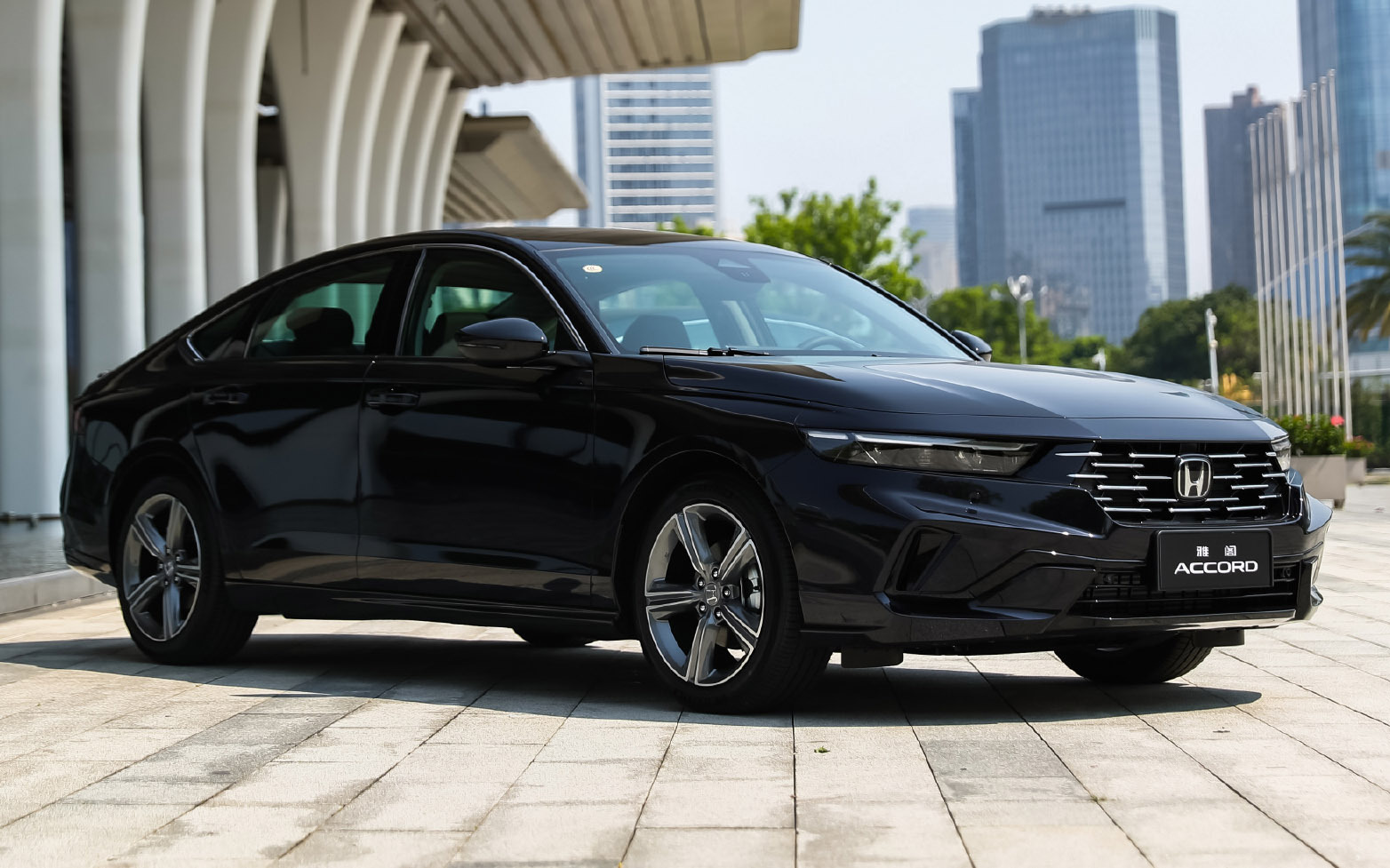
Honda’s ICE offerings have seen some impressive offers, indicative of their poor sales performance. For instance, GAC Honda was offering returning customers a hefty discount of $14,610 (100,000 yuan) off a new Accord e: PHEV earlier in the year.
The bigger picture is to shift investment toward electric vehicles, although Honda’s EV growth in China will likely remain slow, as competitors already outpace them in tech and consumers increasingly prefer cars better optimized for local integration and cutting-edge software.
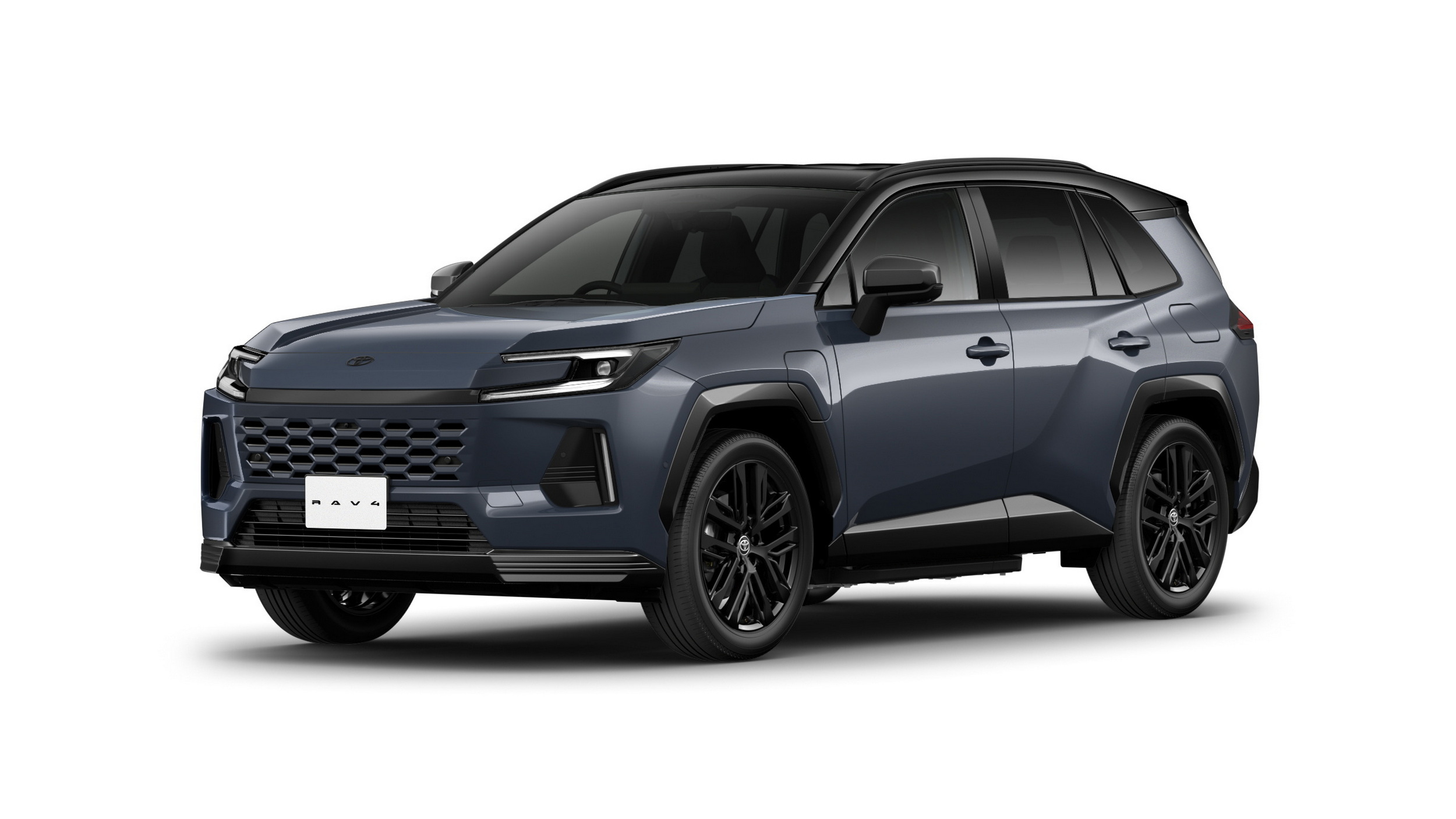
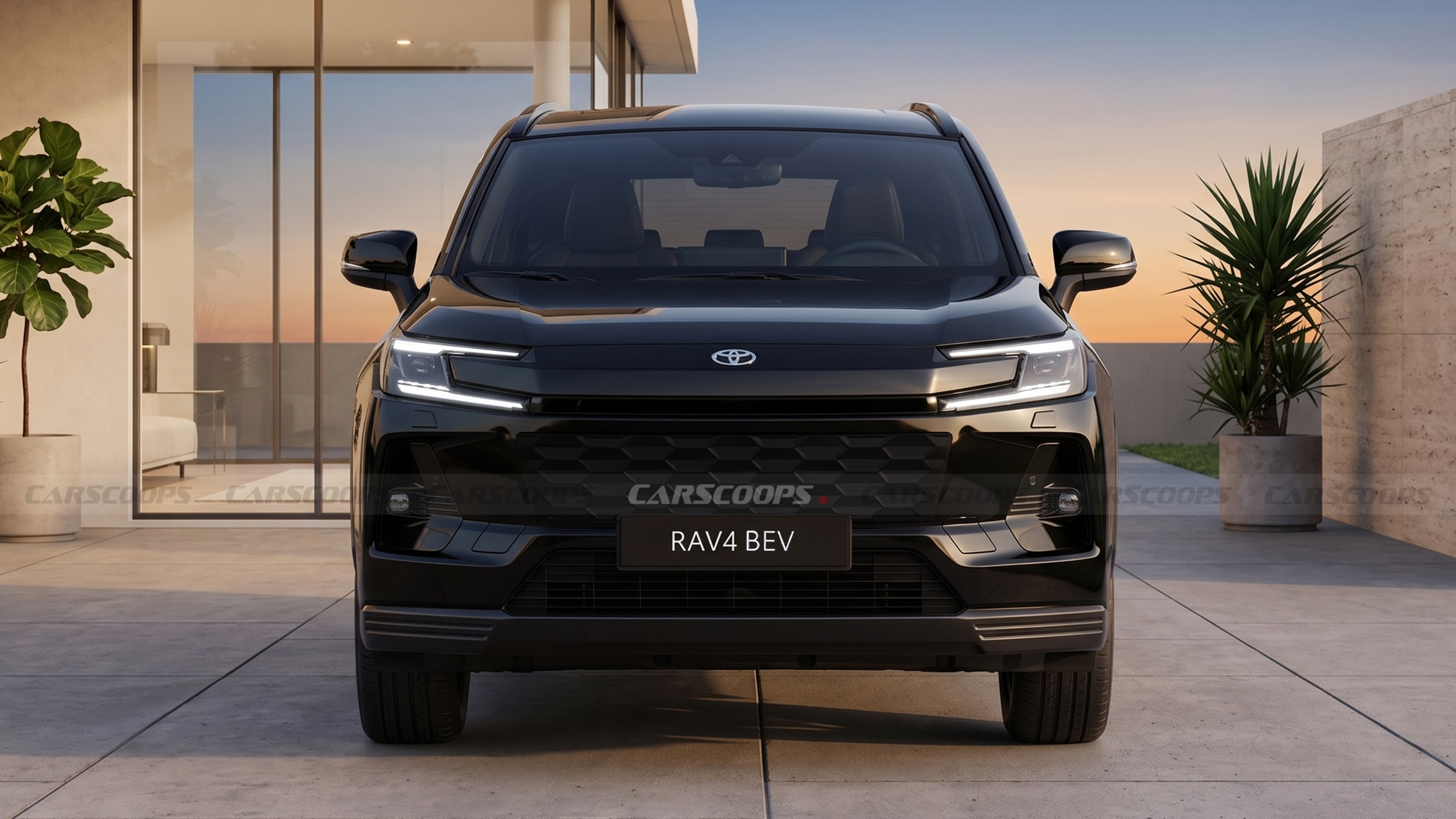
Toyota has ruled out an all-electric RAV4 in favor of purpose-built EV platforms.
The RAV4’s hybrid architecture can’t support a battery-electric conversion cleanly.
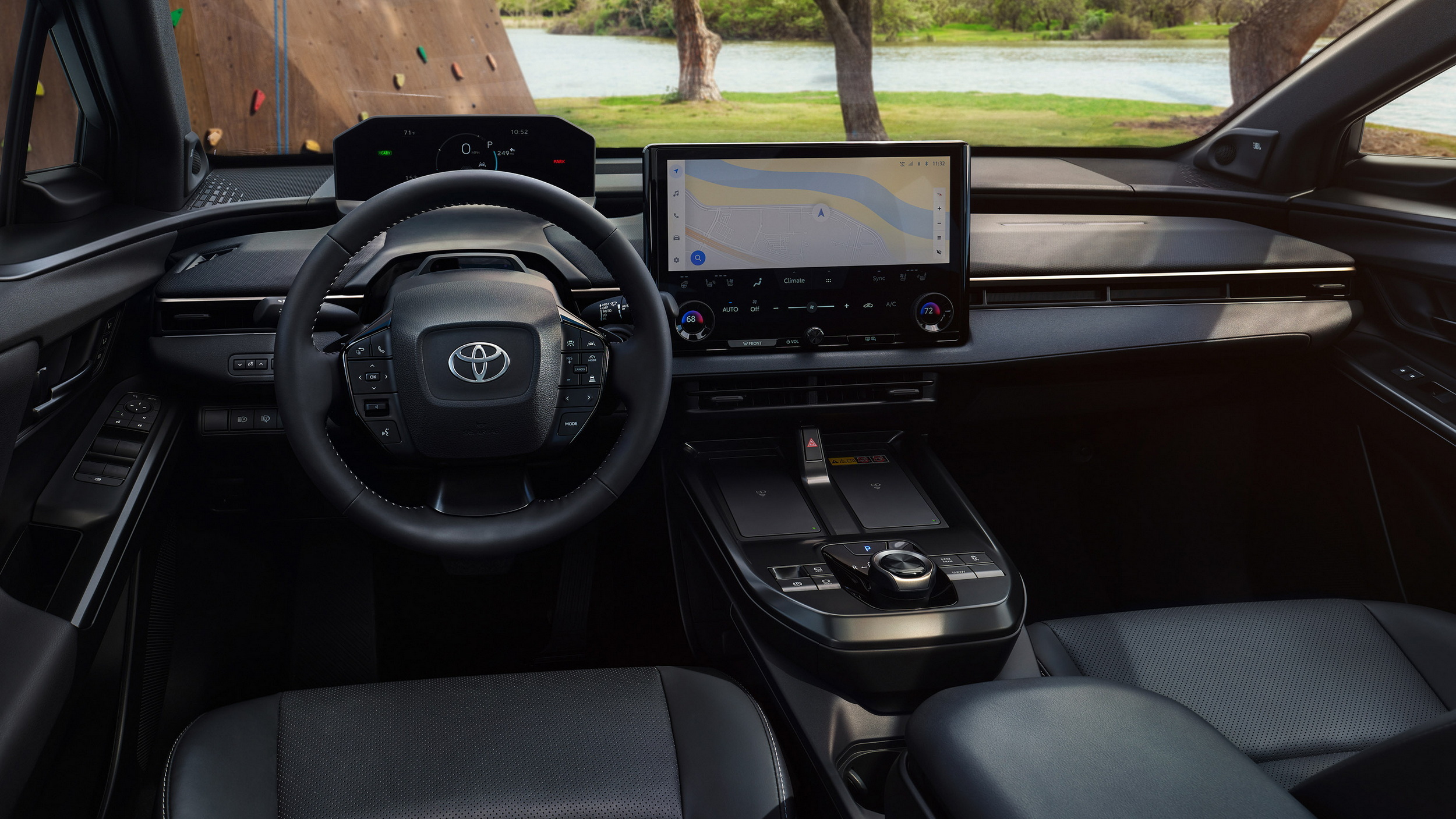
Instead, Toyota’s bZ lineup, led by the bZ, carries the company’s full EV ambitions.
As the world shifts to electric cars, Toyota has seemingly ruled out an all-electric variant of one of its best-selling SUVs. The move is an indication of a strong course by Toyota, which is opting to invest more in its broader electrification plan rather than turning one of its most successful cars into a battery-powered model.
The report comes despite growing interest in EVs worldwide, particularly in Australia, where the bZ4X has seen a 300% increase in sales.
Toyota Shifts Focus Toward Dedicated EV Platforms
It’s not just the bZ4X that has seen an uptick in numbers. With geopolitical tensions pushing more people towards EVs, Australia, one of many countries hit by rising fuel costs, recorded a record number of new EVs in March, accounting for 14.6 percent of new car sales and representing an 88.9 percent year-on-year increase.
On paper, an EV version of the hot-selling RAV4, which sees 40,000 units shifted in the US each month alone, would seem like a match made in heaven.
But speaking to CarSales, RAV4 chief engineer Yoshinori Futonagane confirmed that we won’t be seeing an all-electric version of his car. Rather, Toyota is concentrating on its purpose-specific electric range under the bZ brand. The models (e.g., the Toyota bZ) are being introduced as core EVs and are designed from the get-go to improve driving range and overall performance.
Designed Without An EV In Mind
Futonagane went on to explain that simply converting the RAV4 to a full EV will not fit within the company’s existing product roadmap. The RAV4 is based on a hybrid and plug-in hybrid platform, and Toyota’s EVs are built on separate bespoke platforms.
Toyota has opted for multiple pathways in its electrification strategy. The car manufacturer has invested heavily in hybrids, plug-in hybrids, and hydrogen vehicles rather than fully converting to battery-electric cars.
Is Toyota’s strategy the right move, especially against Chinese offerings, such as Jaecoo? Time will tell, but for now, Toyota isn’t in any way rushing to change track.
Automakers in the US are taking sharply different paths toward EV adoption.
Some, like Toyota and Mercedes, continue with a measured approach to new EVs.
Others, such as Honda and Stellantis, are cutting back on their planned EV launches.
The auto industry is at a crossroads with EVs, and this is becoming increasingly evident. Nearly every automobile manufacturer has been forced into some level of self-reflection as far as electric cars are concerned. Some are forging ahead in hope, while others are slowing down and reassessing their plans as market demand fluctuates and prices rise.
The recent developments in the industry portray the picture of how fragmented everything has become. Some have already abandoned or delayed EV projects since it has emerged that the growth they were envisaging was not that imminent. Others are in the process of doubling down and are taking this as a chance to leapfrog, as competition takes a breather.
Slow And Steady Wins The Race?
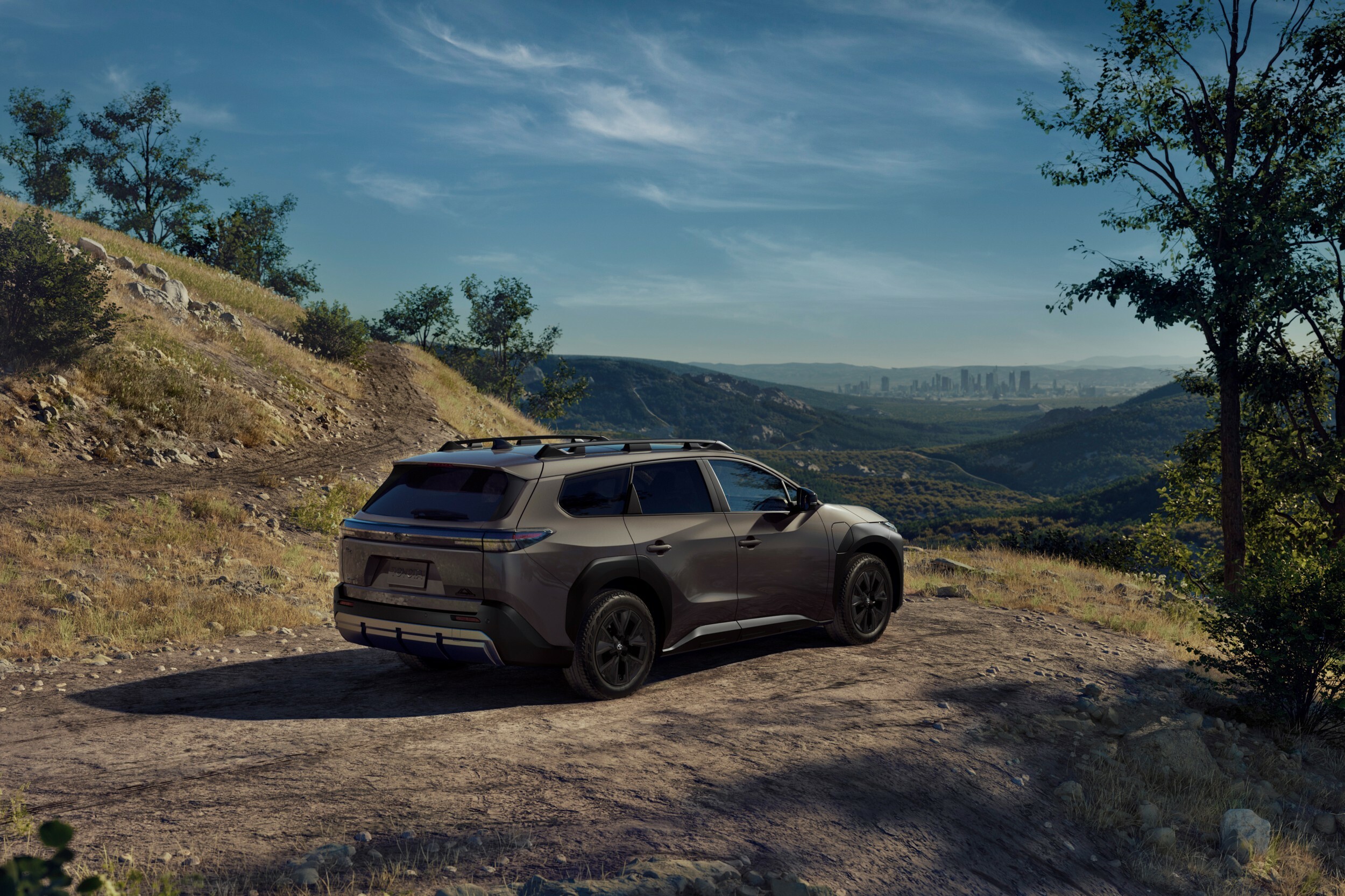
Toyota is one of the companies that continues to go on the offensive. It will launch four electric models in the U.S. towards the end of the year, including the bZ, bZ Woodland, C-HR, and a three-row Highlander EV.
Speaking to Automotive News, analysts from iSeeCars and Edmunds expressed positivity on Toyota’s approach. Toyota had attracted criticism for its slow approach towards EVs, but its measured approach seems to have left it in good standing. The ratio of hybrids, gas cars, and EVs the company has had over the years is finally starting to pay off because it will be able to be flexible as the market readjusts.
Pull Backs And Uncertainty
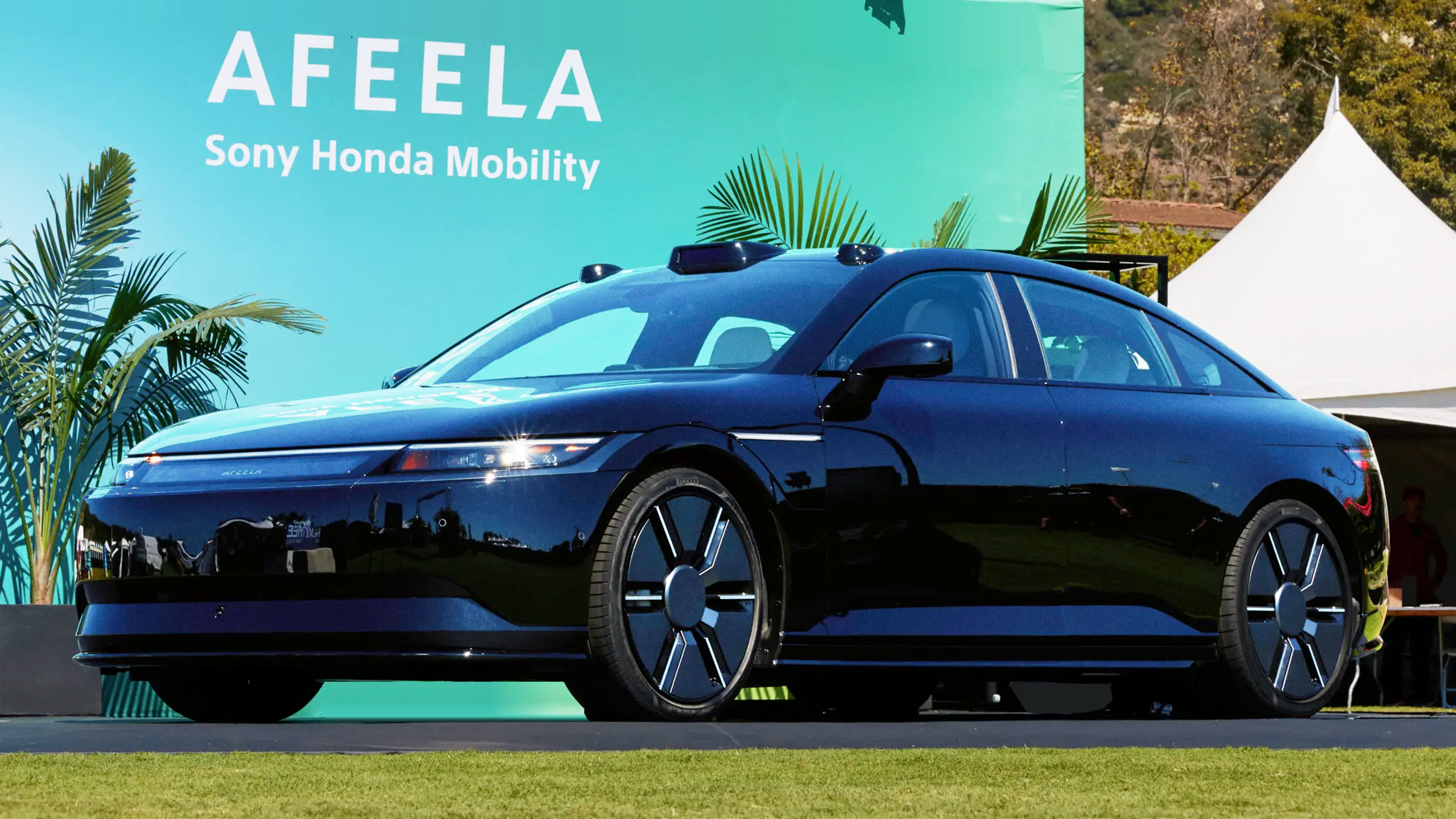
One of the biggest shifts in EV planning has to have been from Honda. The Japanese company has scrapped a number of future electric models and is shifting to hybrids. This move comes with a financial hit, but the company believes that it is a more prudent short-term decision since EV demand has not yet evened out.
Stellantis is taking the same route, scrapping its electric Ram pickup and delaying other EV plans in Europe. Ford and General Motors are not giving up on electric vehicles, but instead, they are streamlining their production to suit demand rather than overloading it too soon. It is not about quitting but timing things.
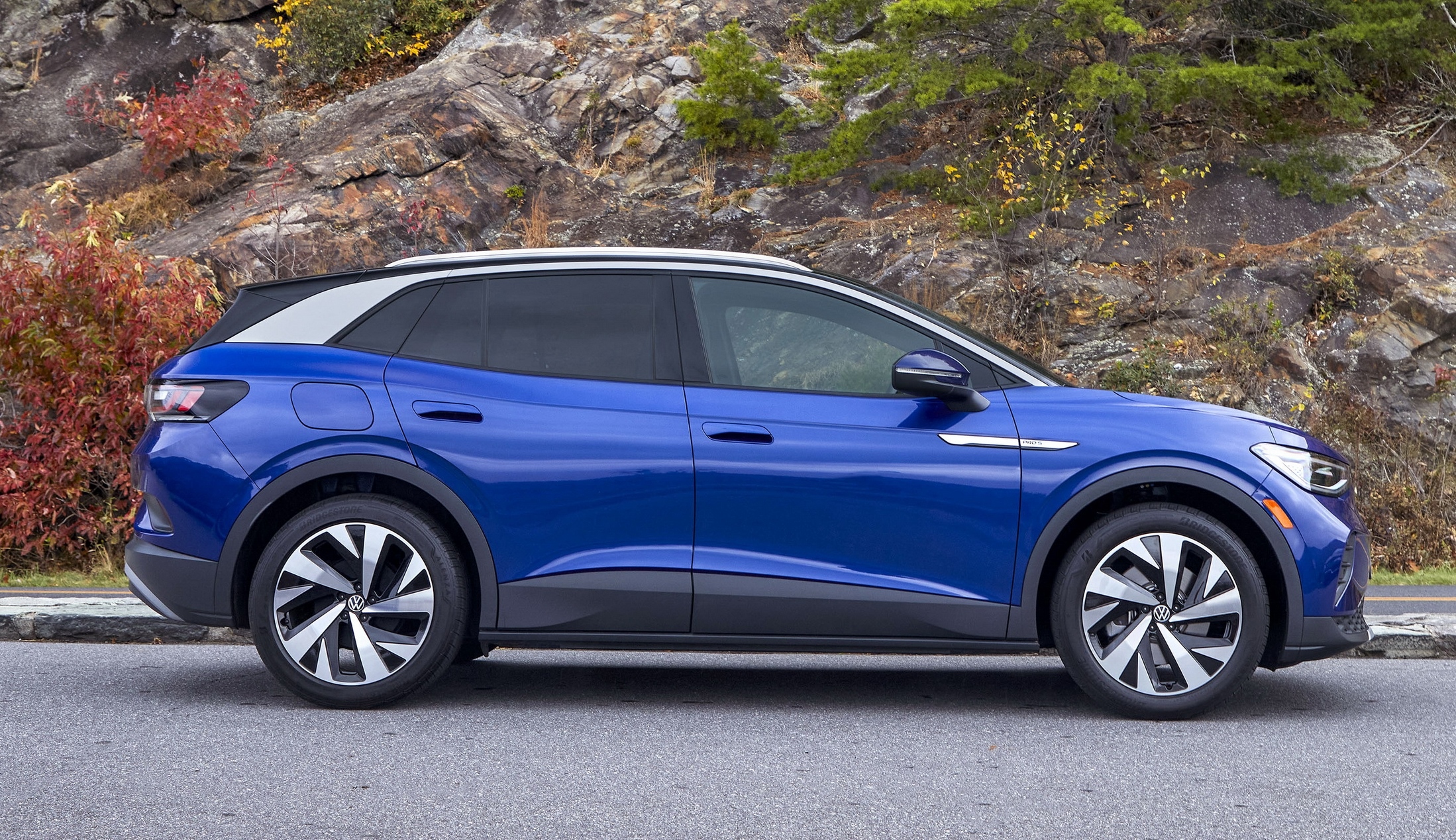
Meanwhile, Volkswagen has canceled its production of the US-made ID4 electric crossover. Besides the ID Buzz minivan, there are no plans to expand the VW EV lineup stateside for the next couple of years. On the other hand, Mercedes-Benz still plans to introduce more EVs to the US, but their approach will continue to incorporate gas and hybrid options too.
These different avenues are reduced down to the situation of the firms, according to industry analysts. Some have the financial cushion to keep on investing, but others are choosing to save and avoid incurring more losses.
Mercedes will continue offering EVs across US for the foreseeable future.
The company expects pockets of demand despite lost federal tax incentives.
US supply remains tight as Europe and China continue to absorb inventory.
Mercedes-Benz is not stepping back from electric vehicles, despite competitors scaling back amid slower adoption rates. The news comes as US demand for EVs cools following the rollback of federal tax credits.
Instead, during the next three years, Mercedes will introduce a number of new electric models to the United States, including three AMG performance EVs and battery-powered versions of popular models such as the GLC crossover, E-Class and the C-Class sedan that was previewed today.
The Global Need To Go Electric
The update to Mercedes’ plans came from Adam Chamberlain, the CEO of Mercedes-Benz USA, speaking to AutoNews, who explained the company’s position. Mercedes is sticking to its EV plans due to the requirement from global markets, said Chamberlain. Strict international regulations, especially in China and Europe, mean that for a brand selling worldwide, it is impossible to turn its back on EVs.
However, unlike other manufacturers, they won’t be pushing electrification on consumers, hoping they’ll switch. Instead, Mercedes has moved to flexible vehicle platforms. Rather than their initial approach of offering a separate line of EVs, Merc’s current plan is to design cars compatible with gasoline engines, hybrids, or full battery-electric power.
Mercedes predicts pockets of demand among US consumers for EVs in the foreseeable future, despite the loss of federal incentives. While the company predicts EVs to constitute approximately 5 percent of its retail sales in the U.S. this year, that’s partly down to limited production and strong demand from Europe and China.
On the national scale, approximately 14 percent of consumers indicate that they would give serious consideration to an EV next time. In California, it grows to 28 percent. So, there is demand, but it is unevenly distributed. In fact, according to the report, Mercedes US have only been able to allocate around 200 electric CLA’s for customers, all units of which have been spoken for.
Chamberlain thinks the U.S. EV sales would rise to 10 to 15 percent in the year 2021, with the supply increasing and more mainstream electric models coming into the market, such as battery versions of the GLC and C-Class. Nevertheless, profitability is still its focus. He made sure it was evident that Mercedes is not going to produce tens of thousands of vehicles without confirmed demand in its bid to achieve market share.
Chinese brands are outpacing Western automakers on updates.
Legacy manufacturers are struggling to keep up, says report.
Despite this, Chinese marques are struggling to monetize software.
In an era where cars are less mechanical than they are tech showpieces on wheels, your car is becoming more akin to your phone in terms of how its lifecycle is updated. Modern vehicles are packed with screens and features, all governed by software, software that can be updated, refined, and patched with relative ease. According to one report, there’s a company that understands that better than any others.
That company is none other than BYD, the Chinese New Energy Vehicle specialist that continues to make headlines, both good and bad. In this instance, the firm is employing over-the-air (OTA) software updates to increase vehicle performance and the life cycle of its models.
In mid-February, BYD released the fourth OTA update to its Han L sedan, a flagship vehicle of the Dynasty family, which was first unveiled in April 2025. The upgrade will introduce an enhanced driver assistance system, which is end-to-end AI-driven to improve its perception and decision-making in complex driving scenarios.
The new features will take about two hours to install, and owners will be in a position to utilize the new features without going to an automobile dealership.
Chinese Lead In OTA Updates
Chinese manufacturers, such as BYD, seem to be leading in the OTA update sphere. While the concept may have been pioneered by brands such as Tesla, the evidence would suggest that Western manufacturers are lagging.
In the past, vehicles would receive only minor changes, often via facelifts and perhaps even several years after being introduced. OTA technology has broken this pattern and enabled the cycle of continuous improvements to keep vehicles updated throughout their lifetime in a similar manner as smartphones.
BYD leads this change with its active strategy of updates. In 2025, Nikkei Asia reports that the company released about 200 software updates on its Ocean and Dynasty brands. Other brands like Aito, a creation of Huawei Technologies and Seres Group, and startups like Leapmotor have become more prolific when it comes to OTA updates. Tesla, by comparison, only had 16 OTA updates last year. Toyota and VW didn’t fair any better, with eight and five respectively.
Nissan, with its new N7 electric car, however, managed to push out its first update just two months after its launch, unlocking new applications and longer voice recognition capabilities. “OTA updates must be developed even before product launch as part of the car’s lifecycle, in order to keep up,” said Isao Sekiguchi, managing director of Dongfeng Nissan.
There is a catch. The N7 is not a clean-sheet Nissan effort, but a joint project with Dongfeng Motor Corporation, built on the Chinese partner’s eπ 007 platform.
Less Opportunities To Monetize Updates
BYD’s rapid rate may be explained by the vertical integration development model, i.e. in-house design of semiconductors, operating systems, and hardware, designed by BYD. Such control allows the company to update it at a very high speed and efficiently without modifying the user experience.
However, OTA updates have an economic cost. It’s not just the cost incurred in developing and rolling out each update. While the extension of technological relevance of a vehicle may enhance the resale values and decrease the occurrence of complete model redesigns, OTA technology is difficult to commercialize.
In China, updates are generally free of charge, which rules out the opportunity to add to a company’s bottom line. Instead, Tesla-like subscription-based solutions are being considered by the industry. XPeng is mulling over more advanced levels of autonomous driving, particularly Level 4 technology, which could be marketed as an extra service. This would mirror the strategy Tesla already used with its Full Self-Driving subscription in North America.
GM and SAIC are spending $1.4 billion on a three-year plan in China.
Sales were promising in 2025, but are down from their all-time high.
Strategy focuses on more electrification, new tech, and connected cockpits.
General Motors’ joint venture in China is attempting to turn things around before the partnership with China’s SAIC expires. The aim of the game is electrification. Go green, be quick, and build trust again before it is too late.
At a dealer meeting in early March, SAIC-GM President Lu Xiao announced a three-year plan, which is based around new Buick and Cadillac EVs, improved in-car technology, and increased exports.
But the plans are still leaving some in the industry skeptical. Despite Xiao’s assurances that the joint venture is focused on the future, there’s no clear sign yet that a renewal is actually in motion, even with the agreement set to expire in June 2027.
Contrast that with the venture between Volkswagen and SAIC, which was extended six years early, and you can see why some GM-SAIC dealers may be concerned, reports AutoNews.
The backdrop is tough. While sales last year were promising, they’re still down since a high of 2 million cars in 2017 to only 562,000 in 2025, a 75 percent decrease. The joint venture has just come back to the black, as GM recorded restructuring costs amounting to $2.7 billion in order to reduce capacity and rebrand operations.
SAIC-GM will use over 10 billion yuan (about $1.4 billion at current rates) to revise existing Buick models and come up with the new generation of its products. The strength that Buick has in the multipurpose vehicle market is a home run, and the company desires to maintain what it has and advance further in the direction of electrification.
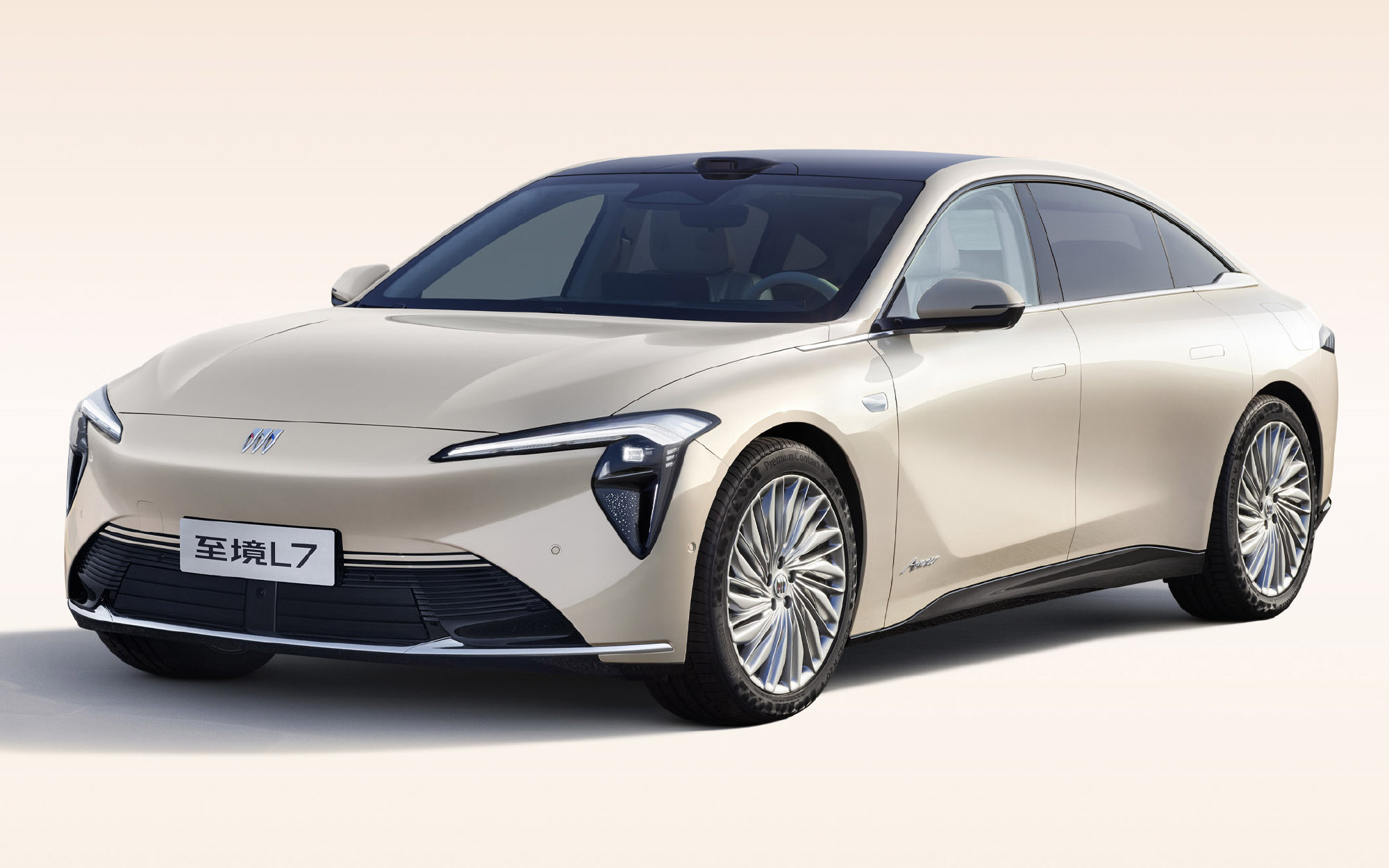
Momentum is already gaining speed. The Buick Electra L7, an all-electric and range-extender crossover, is arriving in the next few months. An all-electric version of the Encasa MPV was recently introduced and a plug-in hybrid version will be introduced later this year with a quicker charger and an increased engine size.
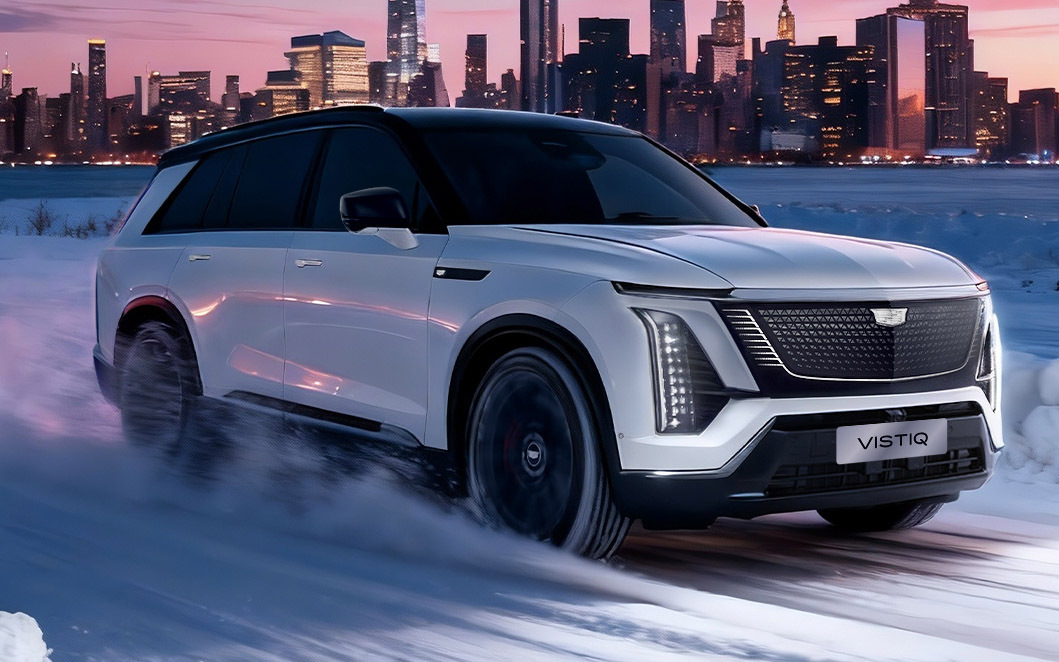
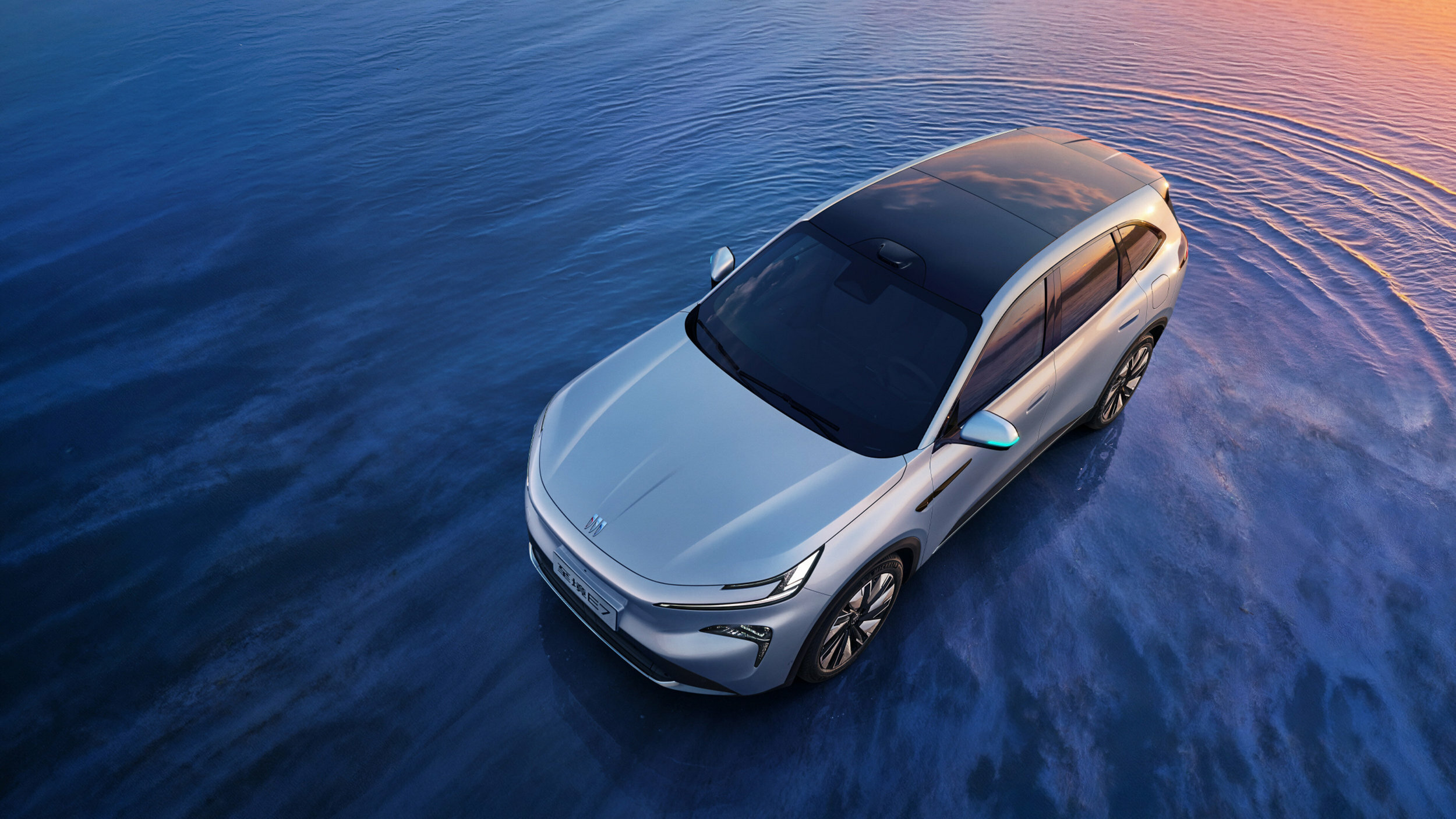
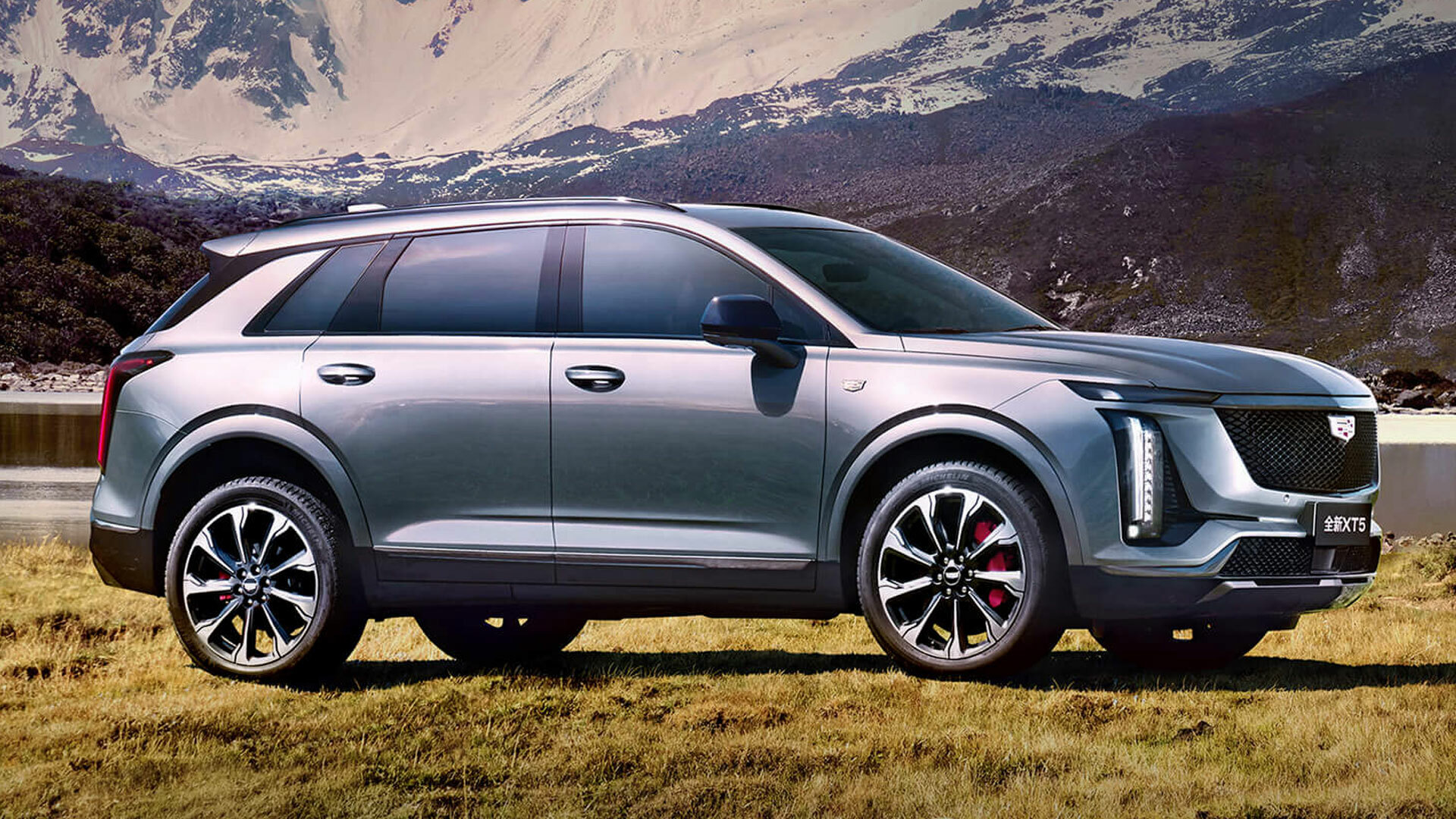
Cadillac is trending along at the same speed. The completely electric Cadillac Vistiq SUV, which will feature lidar and an advanced driver-assistance system co-developed with Momenta, will debut in late April. At the same time, models such as the Buick LaCrosse, the Envision, and the Cadillac XT5, which were traditionally ICE nameplates, will be getting electrification.
Cars That Charge Faster, Smarter Software, Sharper Focus
One of the reasons why GM’s, and other foreign carmakers’, products have been falling out of favor with Chinese consumers is the lack of up-to date tech that is often commonplace in domestic offerings. GM and SAIC’s action plan hopes to address that on a number of fronts.
The Xiaoyao platform will be able to support next-generation battery systems with 1,000V fast charging, driving ranges of up to 1,000 kilometers, and power outputs up to 850 kilowatts. The future holds advances in active suspension, steer-by-wire, and rear-wheel steering, all controlled under GM-SAIC’s proprietary software.
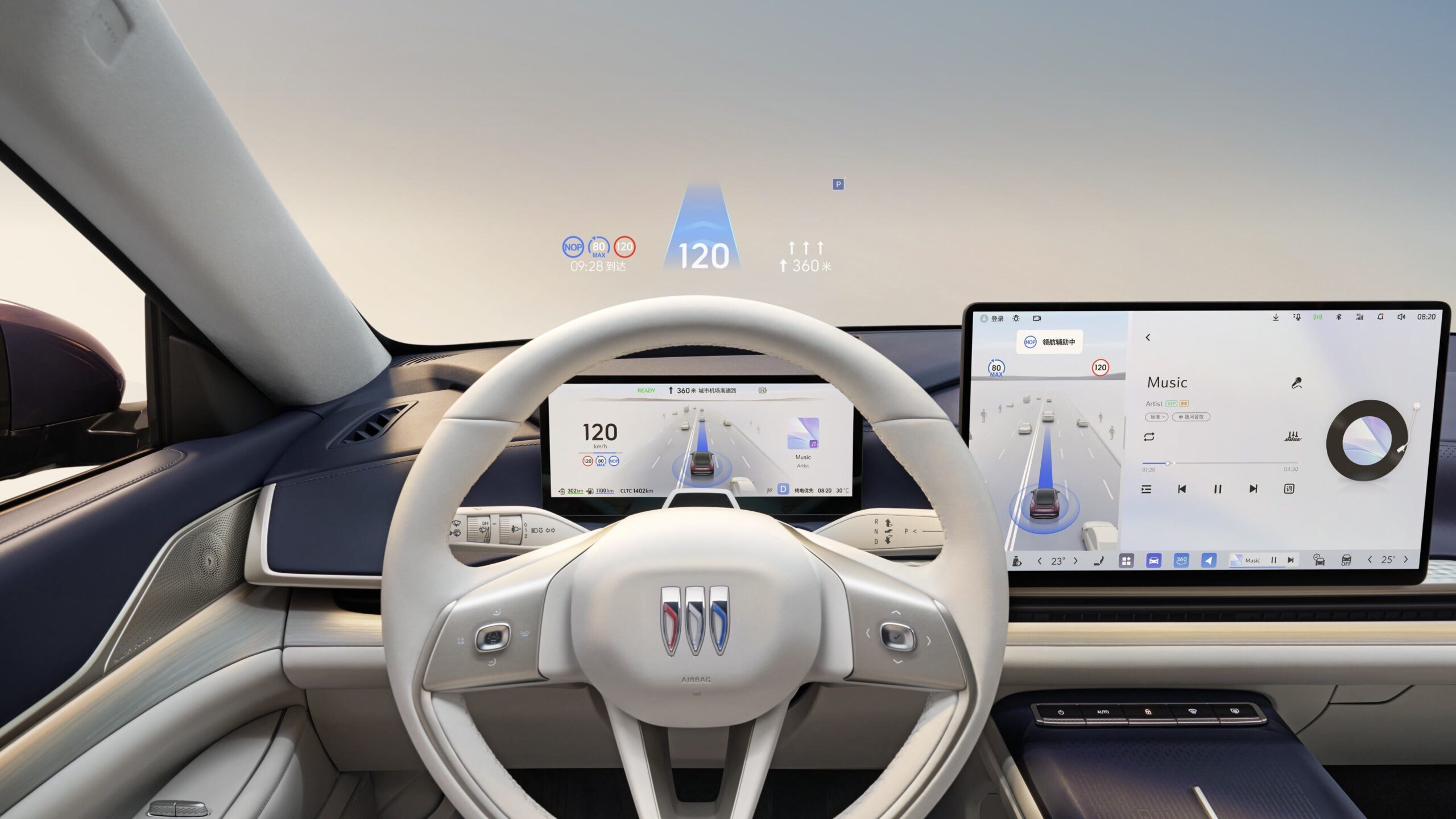
Inside the cabin, change is just as important. All Buick Electra models and the Cadillac XT5 will adopt new smart cockpit systems this year, boosting smartphone connectivity as well as improving digital interfaces.
A further upgrade in the future will take technology from ByteDance (the name behind TikTok) and refine the user experience. On the driver’s assistance front, such Level 2 systems hit the road this year, with Level 3 slated for 2027.
Exports are another lever, albeit a complicated one. SAIC-GM has exported vehicles overseas since 2001 as well as to the US and Mexico. But new tariffs have wreaked havoc on that business. Exports plunged 40 percent in 2025 to about 50,500 vehicles, most of them because of higher U.S. duties, and Mexico has also increased its tariffs on China-built light vehicles.
BYD and Chery are actively looking to establish a Canadian dealership network.
It comes after Canada agreed to a quota of Chinese EVs allowed in with reduced tariffs.
The Chinese automakers’ plans start with Toronto, before expanding west and east.
A report has seemingly confirmed that two of China’s biggest electric car manufacturers are swiftly building the foundation for a Canadian push. The news comes from a consultant tasked with laying the groundwork. The companies are in talks to set up branded dealerships throughout the country, a serious move into a massive market that has so far eluded Chinese car makers.
It’s understood that both BYD and Chery have plans centered around establishing independent dealerships, but cautioned that the low volume of cars allowed by the quota may not be enough to sustain many Canadian dealerships.
The initial strategy involves launching out of the Greater Toronto Area, then expanding west and east to cities such as Vancouver, Montreal, and Calgary. Those involved in the talks say that BYD’s goal is to build about 20 dealership locations in the first year of operation. That would give China’s biggest carmaker a visible presence in Canada’s biggest urban markets, where there is a continuing rise in the demand for electric vehicles as consumers look for cheaper alternatives.
The news comes from Farid Ahmad, the CEO of Dealer Solutions Mergers & Acquisitions, a consultancy which has already had discussions with three possible BYD locations. “They’ve asked us to help them find as many of the 20 that they possibly can, but they’re out there doing that themselves, as well,” said Ahmad speaking to The Globe And Mail. Ahmad went on to say that a number of Chinese manufacturers were interested in setting up shop in Canada, including Chery.
Canada recently restructured its tariff regime relating to Chinese-built electric vehicles by implementing a quota that permits 24,500 Chinese-made EV to come into Canada at a significantly reduced duty rate of just 6.1 percent. That change in policy means a change in math for companies such as BYD and Chery that previously have struggled with steep barriers that made it difficult for them to expand.
With the advent of lower import costs now possible under the quota, the move into the Canadian market is becoming more realistic. Still, there are a number of steps before any cars are in showrooms. Regulatory approvals, dealer agreements, financing structures, and service networks all have to be put in place.
Launch Timing Remains Unclear
Sources caution that although discussions are ongoing, there hasn’t been an official date initiated for the launch by BYD. The company has not publicly outlined its timeline, nor the specific models it prioritizes for Canada.
By coming into the Canadian EV market, Industry analysts believe BYD and Chery will transform pricing and competition in the industry. The market has been dominated by established North American, European, and Korean brands for an extended period. A new player that is well-known globally for high-volume electric vehicles production could expand consumer choice and put a squeeze on rivals.
Mazda is reportedly exploring a deeper tie-up with Changan.
The two already share a joint venture, offering the EZ-6 and EZ-60.
It’s reportedly considering a rebadge the Deepal E07 for its lineup.
Mazda isn’t ruling out a possible entry into the super-pickup sphere with a 600 hp (440kW) offering, but there’s a big caveat. If it does move forward, the result would be anything but a traditional Mazda. The idea, at least in its early form, centers on a rapid rebadge of the Deepal E07 transforming truck from China. Picture something closer to a Cybertruck-style ute than anything currently wearing a Mazda badge.
Changan, Deepal’s parent company, already maintains a close working relationship with Mazda. Through their joint venture in China, the Mazda 6e (also known as the EZ-6) sedan is produced by Changan and based on the Deepal L07. The upcoming Mazda CX-6e (EZ-60) SUV will also be manufactured in China.
Another Chinese-Based EV
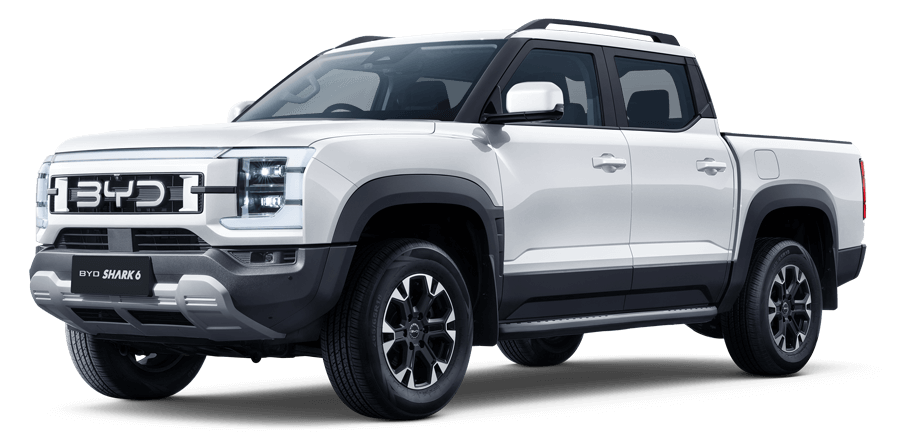
The timing makes sense. Electric and plug-in hybrid pickups have been garnering more attention in markets like Australia, where buyers are in search of something functional, yet at the same time want something exciting to drive around. The fact that powerful pickups have a great amount of interest has already been shown by other manufacturers, such as BYD with the Shark 6, and the plug-in hybrid Ford Ranger.
While Mazda has made its reputation for efficiency and clever engineering, especially with its Skyactiv technology, they don’t have an in-house developed ute or pickup, with the BT-50 workhouse based on the Isuzu D-Max. It would also do no harm to Mazda’s overall EV lineup, while offering a way to offset CO2 penalties.
But a ute producing about 600 hp (440 kW) would take things in a very different direction. While it’s not a current priority, Hiroshi Ozawa, General Manager of the Changan Mazda Automobile Technical Development Center, won’t rule out the possibility.
“My personal view is that Deepal E07 that pick up, the truck [that] opens up, it’s a very interesting vehicle,” said Ozawa, speaking to Carsales. “I like that kind of vehicle… In Australia I think customers may also like the kind of vehicle.”
Is The E07’s Time Now?
The Deepal E07 hasn’t had much attention outside of China, but it is already available in Australia, as well as other parts of South Asia. To bring you up to speed, it’s not a pickup in the traditional sense. The E07 is dubbed by the brand as a “transformer,” able to operate as both an SUV and a pickup, with a retractable glass portion revealing a bed.
It can be configured in either a single-motor rear-wheel-drive layout or an all-wheel-drive dual-motor version. Both versions are powered by a 90kWh battery, with a claimed range of up to 550km. That top-spec dual-motor AWD version can dispatch 0-100 km/h (0-96 mph) in just 3.9 seconds thanks to its 440 kW (590 hp) output.
At this stage, there’s no official word on whether the E07 will be getting the green light as a Mazda. Still, the fact that the company is openly discussing the potential of super ute shows that it’s thinking outside of its usual boundaries.
Sales of the Maextro S800 now exceed key German luxury rivals.
Domestic EV brands are winning buyers once loyal to foreign cars.
Porsche deliveries in China dropped 26 percent last year.
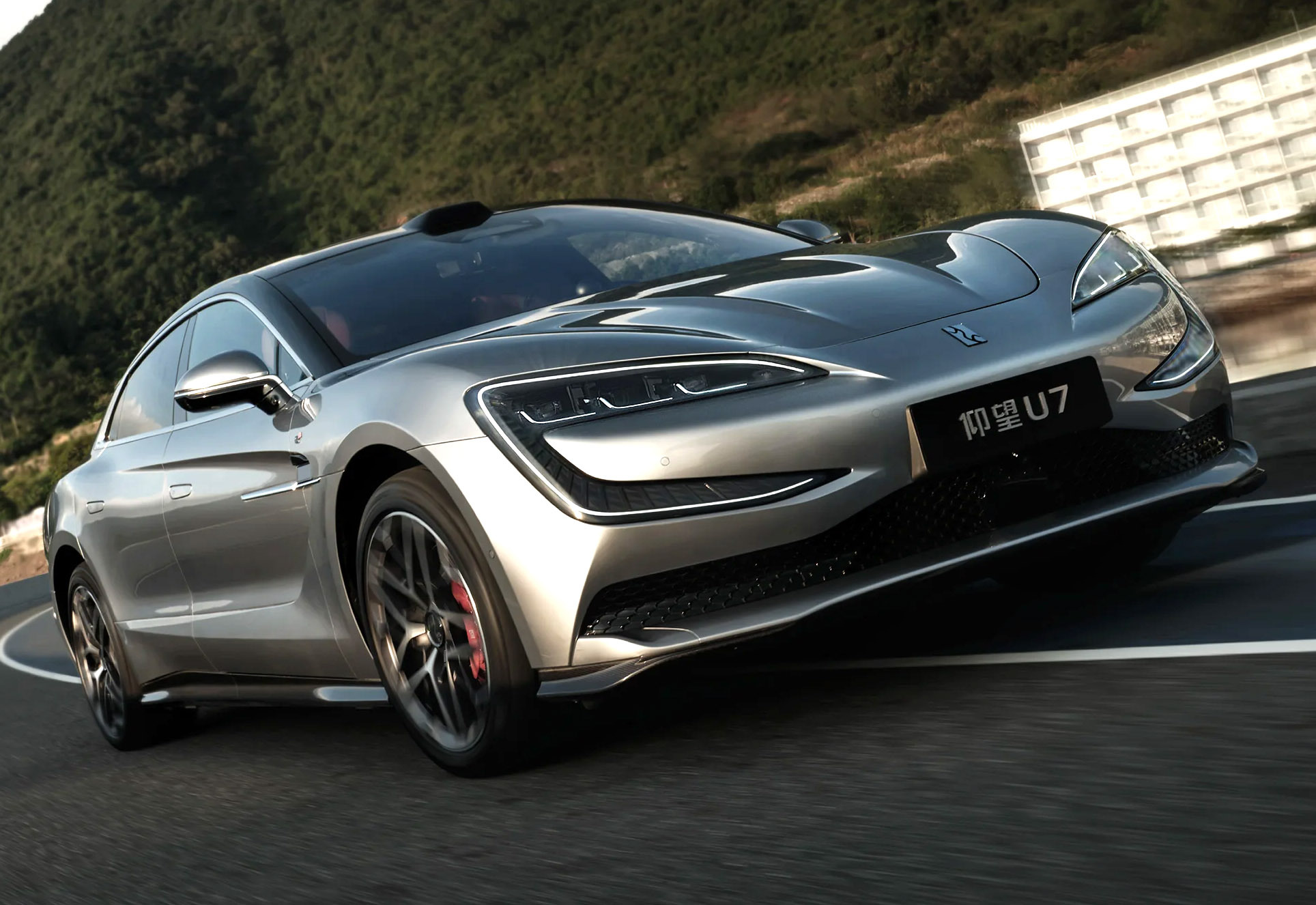
Most people outside China have probably never heard of the Maextro S800. Yet this large Chinese luxobarge has quietly begun outselling some very familiar names. In recent months, it has moved more units than the Porsche Panamera, BMW 7-Series, and Mercedes-Maybach S-Class combined in China.
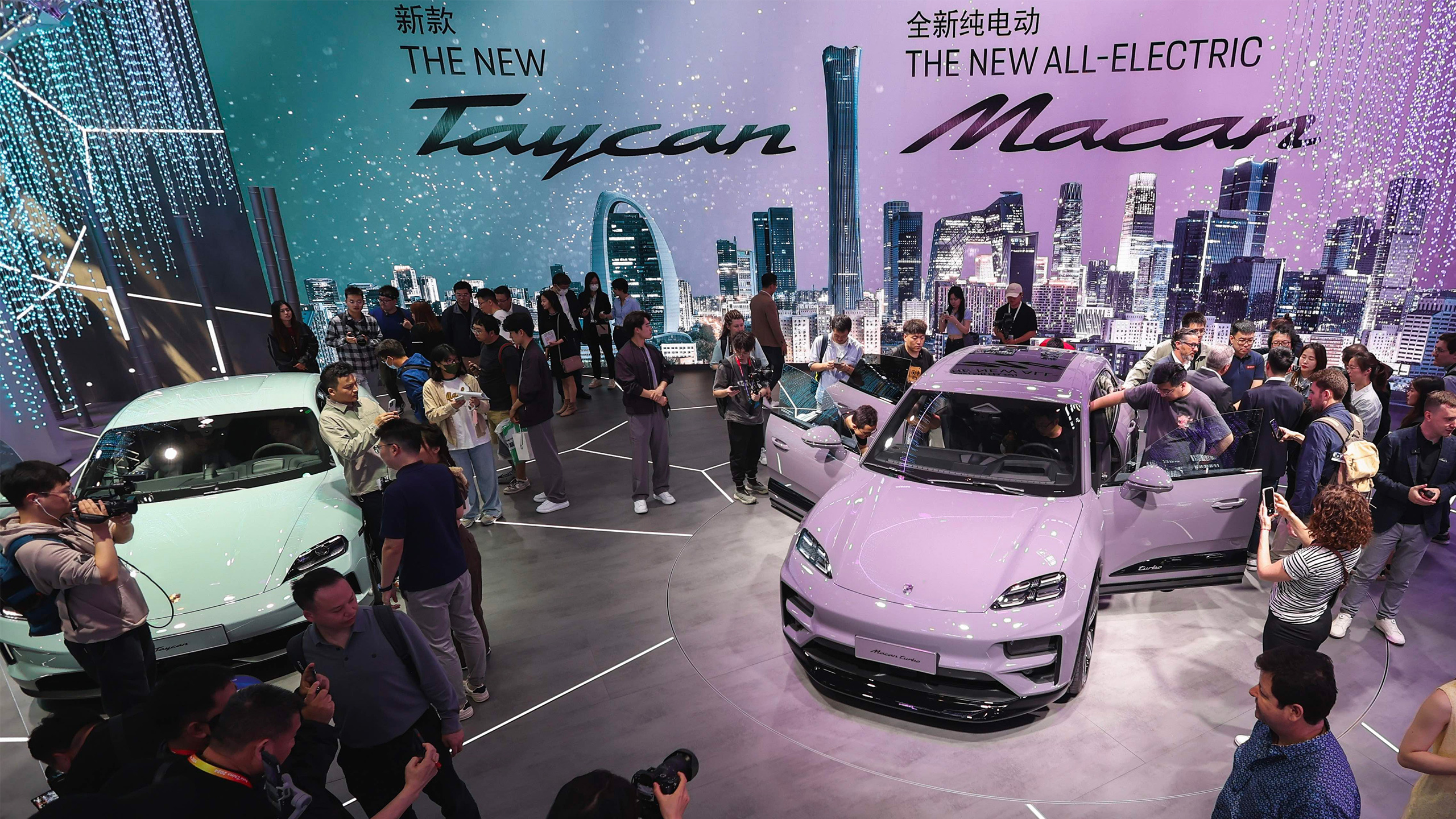
Foreign automakers are all struggling to compete with homegrown competition in the Chinese market, not least of all, Porsche. The German sports car brand is at a problematic stage, experiencing one of the biggest drops in sales, both in China, and globally.
The number of deliveries in China fell by approximately 26 percent last year, Bloomberg reports. And, for all its territories in 2025, Porsche had supplied approximately 279,449 cars to customers all around the world. That’s 10 percent below the year prior.
Chinese Demand Wanes
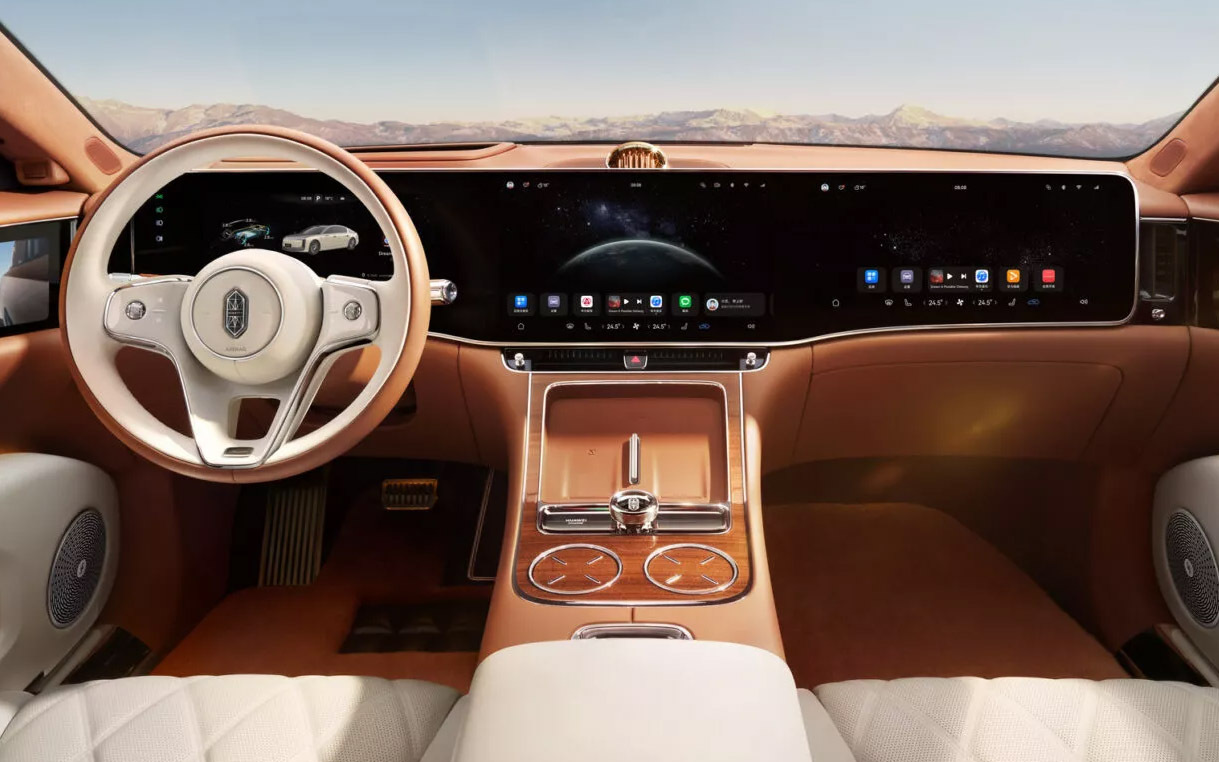
Maextro S800
For years, China had been Porsche’s single most important growth engine. Wealthy buyers were drawn in by the brand’s reputation for performance and status. That dynamic has shifted with the emergence of a new generation of consumers, who are more aware of the advantages of electric vehicles and the idea of electric propulsion.
Combine that with Chinese automaker’s unique grasp of how to cater to the wants and needs of the home market consumer, as well as the ability to consistently beat Western offerings on price and performance, and it’s little wonder why cars like the S800 are doing so well in a segment that was once rich with Germany’s finest.
Still, the rate at which Chinese automakers have been able to capitalize within the luxury automobile market is nothing short of alarming. Their model lines are competing head-on with long-established luxury brands throughout Europe and, in most instances, provide highly advanced digital and battery technology that buyers are seeking.
However, for consumers, local EV makers are viewed as a representation of innovation, rather than being compromised, especially when it comes to younger buyers.
Strong Local Offerings
Maextro S800
Brands like Huawei’s Maextro, Xiaomi, and BYD have gained market share in the luxury EV range. The S800, for instance, starts at the equivalent price of $103,000, which is around 40 percent cheaper than the Panamera.
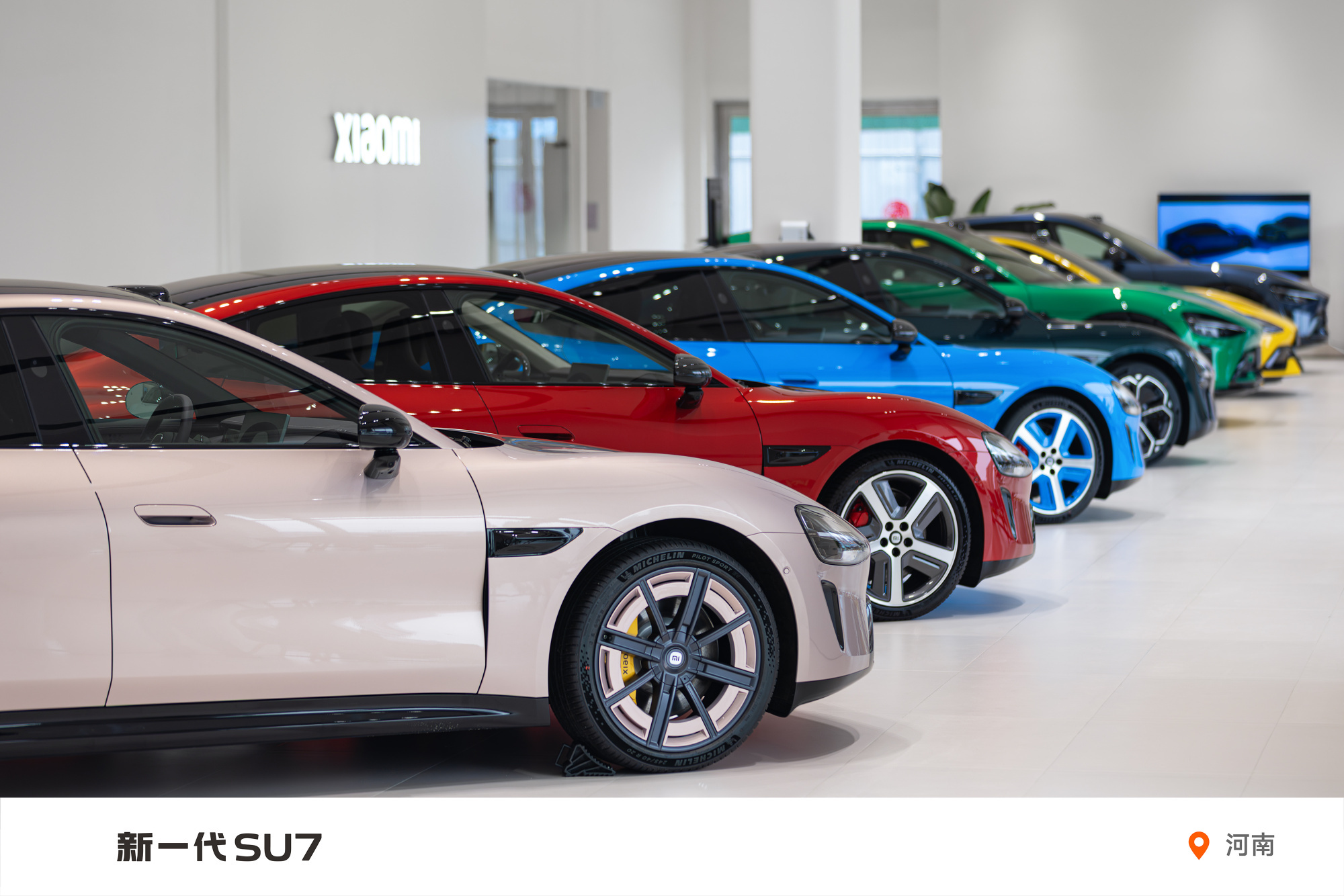
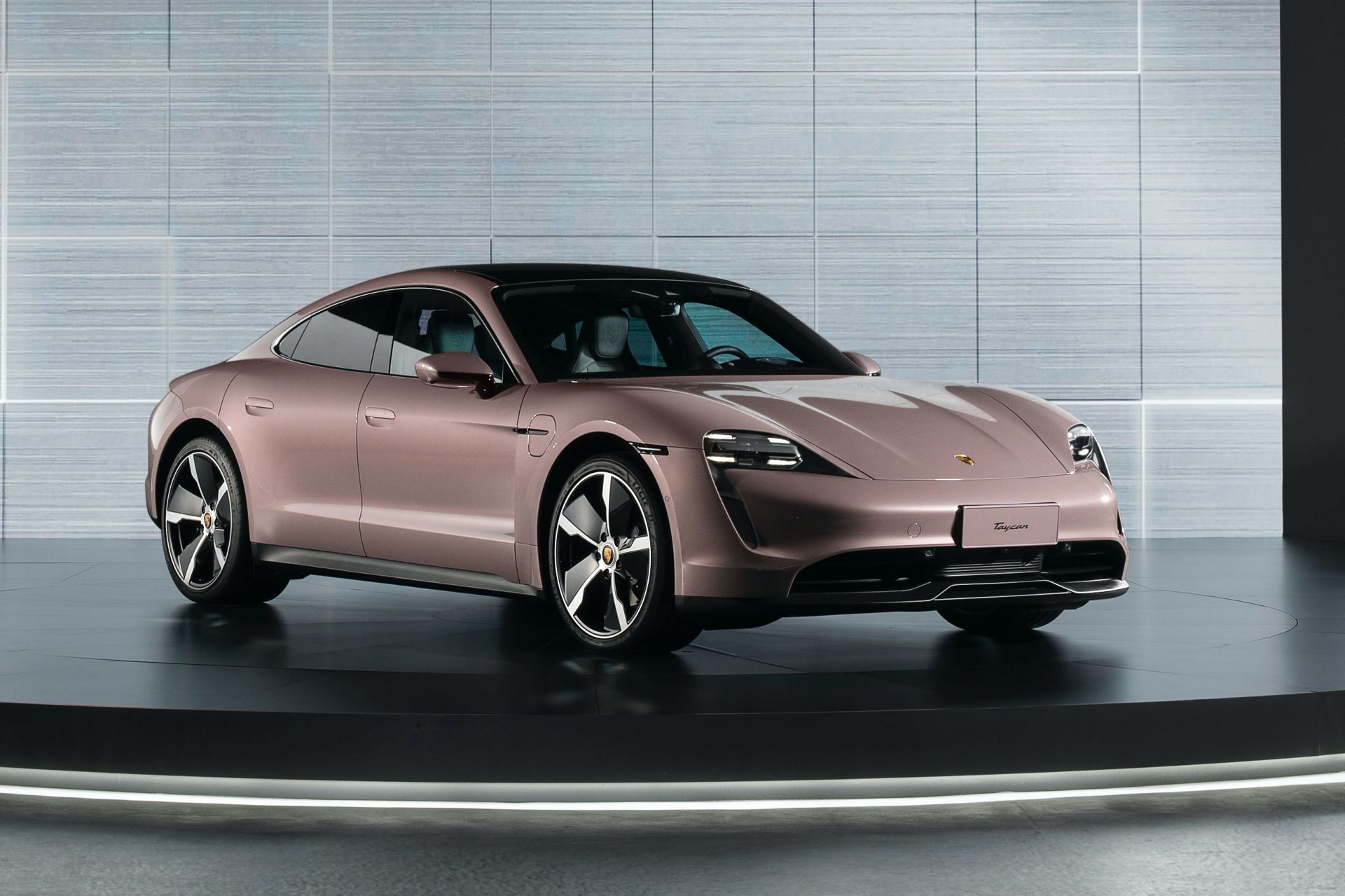
Xiaomi’s SU7 EV, meanwhile, is not only quicker than the all-electric Taycan to 100 km/h (2.1 seconds vs 2.7 seconds), it has a higher top speed (350 km/h vs 270 km/h) and offers nearly double the horsepower and torque (1,548 PS / 1,770 Nm vs 884 PS / 890 Nm). And it does all that, while costing a third of the price of the Porsche.
Having expansive product offerings and high levels of domestic loyalty, such firms have started attracting clients who, not too long ago, would have only considered a car with a foreign badge as worthy.
But, in the case of Porsche, this change is a challenging fact. Prestige alone is no longer sufficient to ensure success. So much so that Bloomberg reports that Porsche is not only downsizing its dealer structure, but is also in the process of winding down its EV charging network.
Righting The Ship
Under the leadership of its new CEO, Michael Leiters, Porsche has started to re-evaluate its strategy. The company is leaning on its traditional strengths, focusing on relatively high-margin sports cars and SUVs and pushing a bit heavier on the full complexity electrification. The idea is not to compete on price with the domestic manufacturers of EVs but to shore up what makes the brand unique.
Leiters has told investors the company is looking to see margins improve, though modestly this year. These difficult times have tightened Porsche’s operations’ profit margins, and the company hopes for better cost control and a well-defined product strategy to stabilize performance. The approach is cautious optimism as opposed to quick promises of a turnaround.
China Still Remains Part Of The Plan
Even though Porsche are scaling back their presence in China, they’re not ready to throw in the towel just yet. “The needs of Chinese customers have fundamentally changed,” Porsche China President Alexander Pollich said. “We are a niche brand, a small-scale manufacturer that can hardly change the economic environment, nor reverse the overall market trend. What we can do is to truly examine ourselves and strengthen the core capabilities.”
Porsche will be launching the all-electric Cayenne in the near future and will also introduce more gasoline-powered and plug-in hybrid SUVs, with China-only models high on the agenda. To support this effort, the company is establishing an all-new development hub in Shanghai that will operate independently from Germany.
First on the agenda is designing a new infotainment system that can better match the unique demands of Chinese buyers, likely with native integration for the local apps many owners use daily, rather than relying on the global software stack developed in Germany. In a market that is evolving as quickly as China’s, that kind of local focus may prove just as important as performance or prestige.
Used EV sales rose 21 percent year over year in January.
Resale values fell sharply as lease returns expanded supply.
Battery durability data helps ease buyer reliability fears.
While the world continues to grapple with virtually universal rises in pump prices, could we be in for an EV renaissance? As automakers wrestle with long-term electrification strategies, another trend is gaining attention, the growing acceptance of used electric vehicles in the USA.
Yes, EVs are no longer just for first adopters. In the States, the falling resale value and a rising number of used cars in inventory are introducing normal consumers to the used EV marketplace much faster than expected. What may previously have felt like an experiment now looks like a practical solution to stubbornly high new car prices.
Used EV demand is climbing at a noticeable pace. In January alone, sales were 21 percent higher than a year earlier. Figures cited by Reuters show the trend stretching across the entire year, with used EV sales in 2025 ending up 35 percent higher than in 2024.
EV Depreciation Is Real
Price movement is a major reason. Data from Cox Automotive, gathered across major automotive marketplaces, indicates that the decline in prices for used EVs has been much sharper in the past year, narrowing the gap between them and comparable gas-powered vehicles.
The premium for used EVs over comparable gasoline vehicles narrowed to $1,376 in January from $2,591 in December. Analysts attribute that change to a glut of lease returns, deep discounts on new electric models, and federal tax credits that are evolving how shoppers crunch the numbers.
Best-Selling Used EVs In The U.S. In 2025
Vehicle
Units Sold
Tesla Model 3
72,673
Tesla Model Y
53,847
Tesla Model S
18,257
Ford Mach-E
16,355
Chevy Bolt
14,103
SWIPE
Source: Cox Automotive (Tesla totals exclude vehicles the company sold directly)
It was not only Tesla showrooms that were impacted when Tesla reduced the prices of three new models in 2023 and 2024. These reductions lowered resale in the entire electric market. When the new cars had gone cheaper, used cars were forced to be drop their prices too.
Add to that car rental firm Hertz’s large-scale sale of Teslas, and you suddenly have many more second-hand options in the used EV market.
Confidence in EV Ownership Is Improving
Affordability helps, but confidence is just as important. Data on battery performance still continues to show that modern packs are built to last well past 100,000 miles. Most manufacturers offer long battery warranties, which gives peace of mind to shoppers who fear costly repairs.
Charging access has also improved. Public fast charging stations are being added along highways and in urban areas with the help of both private companies and federal funding. With increased visibility and reliability of infrastructure, the fear of being stranded with a low battery for many drivers is a thing of the past.
Tesla filed a new “Vehicle Seat System” patent with the U.S. office.
The design replaces gears with flexible hinges for motion.
Electric motors are swapped for smaller multi-axis actuators.
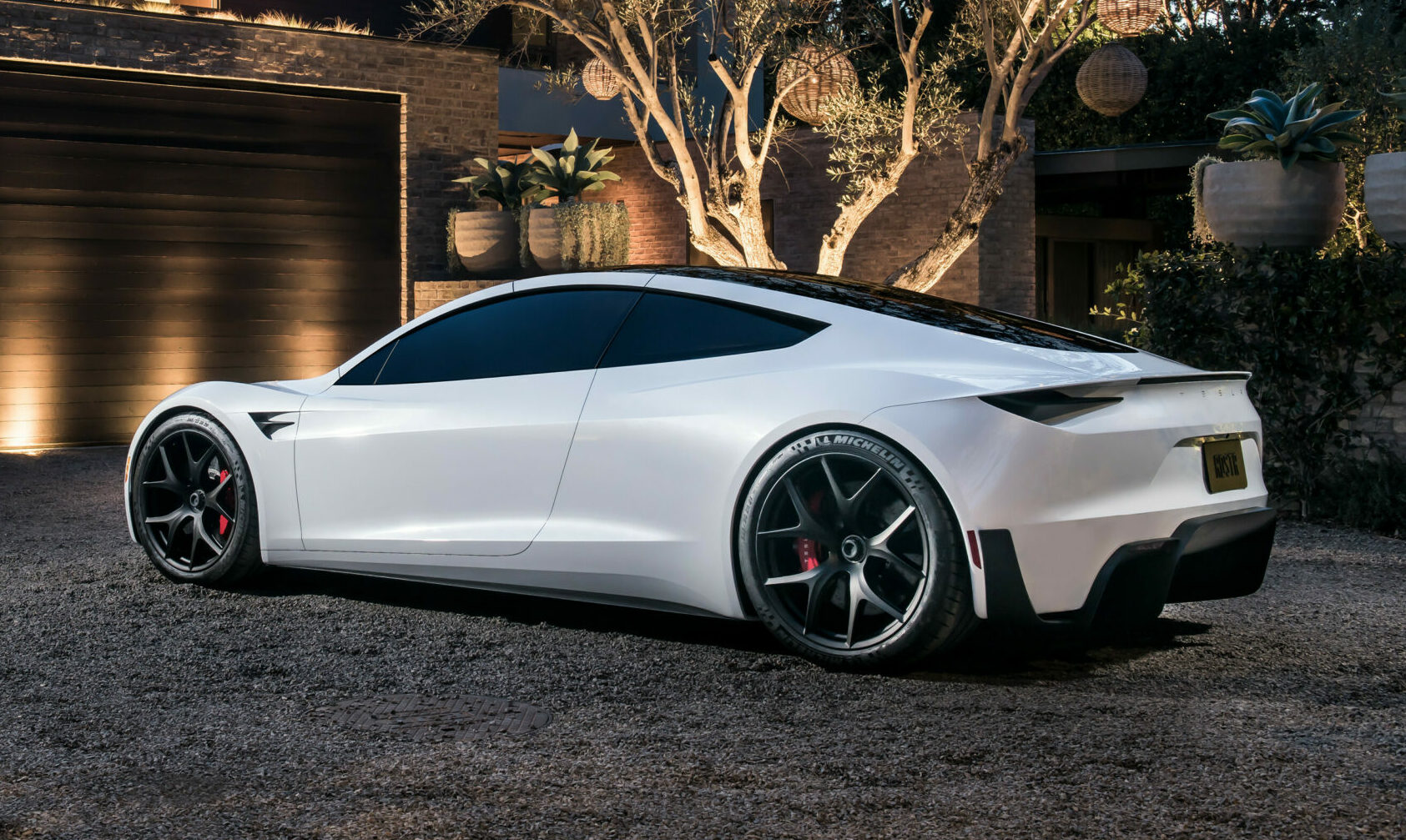
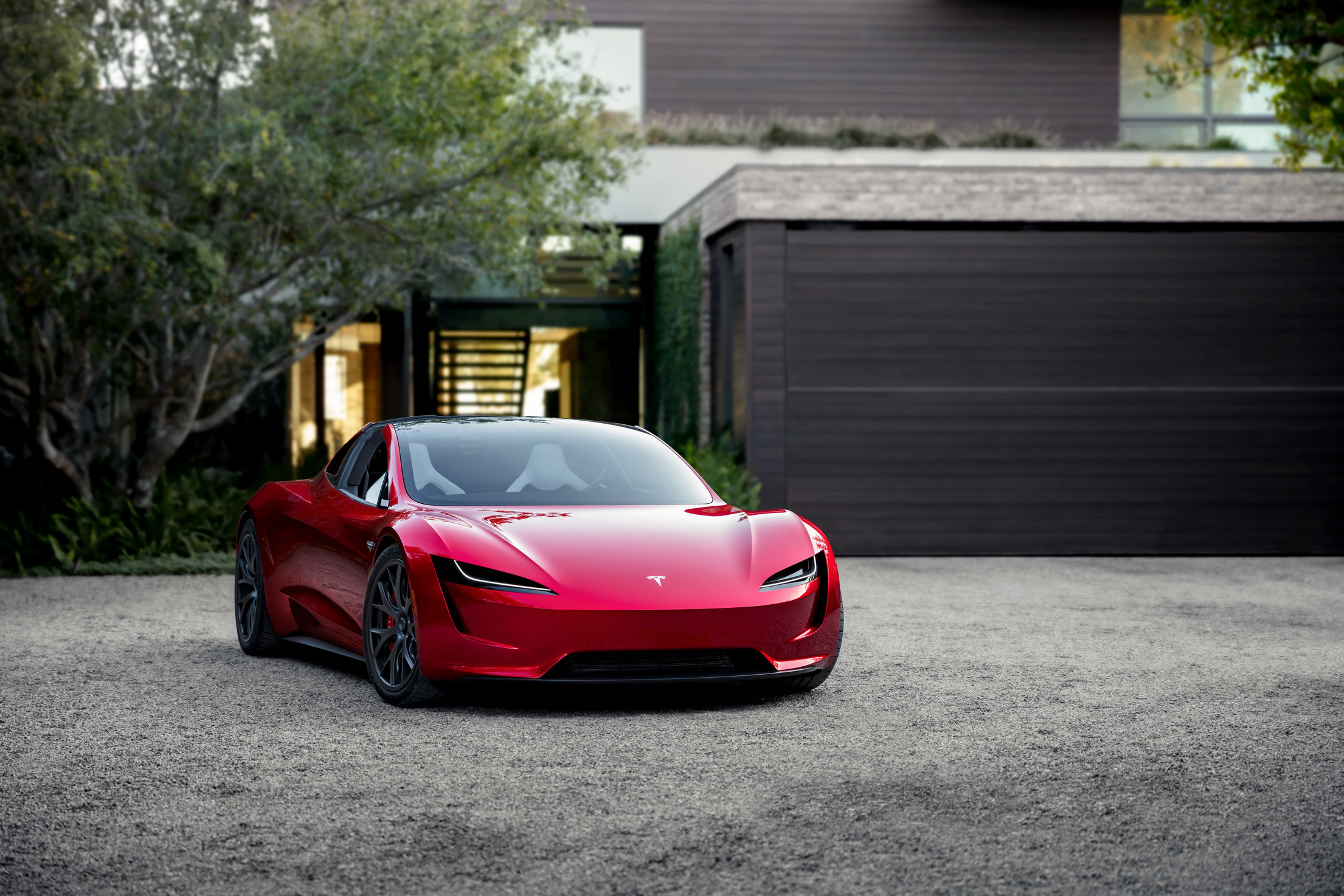
Tesla has a knack for dropping surprises at just the right time, and its latest patent has sent anticipation for the new Roadster skyrocketing. A filing published this month describes a new approach to performance seating, one that replaces the normal train of metal brackets and hinges with a single sculpted shell.
The document that was first spotted by Teslarati outlines a monolithic frame that integrates the seat base, backrest, headrest, and side supports into a single composite structure. It’s a radical departure from the multi-piece setups of most sports cars. The fact that such materials as Kevlar-nylon and carbon-nylon composites are mentioned gives us an indication of Tesla’s purpose of reducing unnecessary weight while providing the seat with more strength.
Conventional seats also depend on dozens of connected parts, each of which adds mass and introduces possible points of failure. By making the seat all in one, the engineers are hoping for a lighter build with fewer places for the wear and tear of time.
Design Built For Performance
The patent also points out the way Tesla wants these seats to behave. Rather than having metal gears recline the structure, they depend on what they call an integrated flexible hinge which means the material itself flexes where it is needed to do so. And that allows the frame to bend in certain areas, but be rigid in others, enabling designers to fine-tune the seat for support during hard acceleration or tight cornering.
Tesla isn’t stopping at the frame though. The patent substitutes for ordinary electric motors and rails with small actuators that can move the seat in various directions. With the six degrees of freedom, the system is capable of moving the seat with more precision than most luxury vehicles. It’s a degree of adjustability normally reserved for high-end performance interiors.
An Imminent Reveal?
This patent comes at a time when Tesla fans also are watching closely. Elon Musk recently announced that the Roadster’s design reveal is on April 1, and it’s cause for high expectations for a car that has been stuck in the development limbo for years.
The timeline has stretched far beyond the original plan. Tesla first showed a Roadster prototype back in 2017 and initially targeted a 2020 launch. That deadline came and went. Still, recent trademark filings for updated Roadster badges suggest the company may finally be preparing to reveal the production version in full.
Weight reduction has always been one of Tesla’s tenets as an engineering company, as well as the move to large castings for structural components. A more graduated and integrated seating configuration makes a lot of sense in that strategy, especially for a vehicle that is eyeing extreme acceleration figures.
Toyota adopts Huawei HarmonyOS Cockpit for connectivity.
The bZ7 also syncs with Xiaomi smart home devices easily.
Starting from $26,000, it’s about the same size as a Model S.
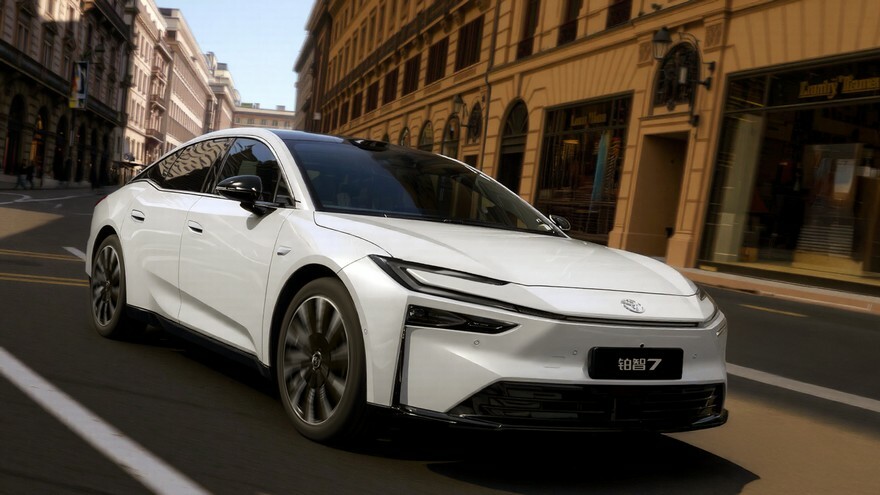
Toyota has officially opened pre-sales of its new all-electric bZ7 in China, priced between 179,800 and 239,800 yuan for the 600 Pro and 710 Ultra LiDAR trims respectively, or roughly $26,000 to nearly $34,800 depending on the version. That aggressive entry point immediately puts it in the thick of China’s hotly competitive EV market.
But this launch is not only about affordability. It represents a clear change in the way that Toyota is approaching electric vehicles in the region.
The bZ7 has a sleek fastback design, modern without being too dramatic. At just over 5.1 meters (200.8 inches) long, 1,965 mm (77.3 inches) wide, and 1,506 mm (59.2 inches) tall, with a 3,020 mm (118.9 inches) wheelbase, it carries the proportions of a proper executive sedan. Those dimensions place it squarely alongside rivals such as the Tesla Model S, BYD Han L, and BMW i5.
Inside, the layout is clean and technology-focused. A huge 15.6-inch central display is located at the center of the dashboard, backed by the compact driver screen and head-up display. The system runs off Huawei’s HarmonyOS Cockpit 5.0, something that is important for Toyota.
Legacy automakers have long struggled to get on top of Chinese-centric ecosystems which buyers love. The adoption of HarmonyOS Cockpit not only offers sharp graphics, quick response times, and voice control features, but it will also be able to natively integrate with China’s own ecosystem of connected apps and services.
A Serious Push Into China’s Connected Car era
Toyota’s integration with Xiaomi’s smart ecosystem means that the car itself is intended to integrate with compatible Xiaomi home devices. Drivers can control select functions of a smart home directly from the interface in the vehicle and also sync personal preferences across devices. It makes the car part of a wider digital lifestyle rather than being simply a transport tool.
Advanced driver assistance comes from Momenta’s R6 system, which uses a combination of sensors and roof-mounted lidar. Features include navigation-assisted driving support and automated parking features. Higher trims focus strongly on comfort too with zero gravity seats, massage and ventilation, a premium audio system, rear seat tray tables and even a built-in refrigerator focused on rear passengers.
Powering the bZ7 is Huawei’s DriveONE electric system in conjunction with lithium iron phosphate battery packs. Depending on the trim, Toyota is claiming a driving range of between about 600-710 km (373-441 miles) under CLTC standards (so take that with a grain of salt). Still, that puts it squarely in line with important domestic competitors. That’s paired with a 207 kW (277 hp) electric motor that provides motive power.
That headline range also nudges it into the territory of the dual-motor Model S AWD, at least on paper. The Tesla, of course, operates in a very different league when it comes to outright performance, with roughly 670 hp on tap. It also sits in a completely different price bracket, starting at 842,900 yuan, or around $122,000. That works out to roughly 4.6 times the base bZ7 and about 3.5 times the price of the top-spec version.
While the likes of Tesla can sleep easily in the US, largely insulated from the surge of Chinese EVs sweeping through global markets, the situation looks very different overseas. In places like Malaysia, where we’re currently experiencing the BYD lineup firsthand, the competitive landscape is far more intense.
You’re probably already aware that brands like BYD have moved quickly to market with smaller and more affordable electric vehicles. What’s becoming clearer, however, is that they also seem to have an answer for nearly every category Tesla occupies.
Take the Sealion 7. In East Asia, it’s a mid size electric SUV that carries the Ocean Series legacy into a more premium segment. Available in both rear wheel drive and all wheel drive Performance variants, the Sealion 7 brings BYD’s e Platform 3.0 Evo, Blade Battery, and its so called Ocean Aesthetics design language into a very capable package.
QUICK FACTS
› Model:
2026 BYD Sealion 7 Performance
› Dimensions:
190.2 L x 75.8 W x 63.8 in H (4,830 x 1,925 x 1,620 mm)
› Wheelbase:
115.4 in (2,930 mm)
› Curb Weight:
2,340 kg (5,159 lbs)
› Powertrain:
Dual electric motors / 82.56 kWh battery
› Output:
290 kW / 690 Nm (509 lb-ft) of torque
› Performance:
4.5 seconds 0–62 mph (0–100 km/h)*
› Charging
Rapid Charger (150 kW DC)
› Range
283 miles (456 km) WLTP*
› On Sale:
Now
SWIPE
*Manufacturer
Or, if we strip away the brochure language, it may simply represent the next major headache for the Tesla Model Y.
But with the EV market at its most competitive, and BYD no longer alone in its export ambitions, the real question is whether the Sealion 7 can go toe to toe not just with Tesla, but with the growing wave of Chinese rivals also establishing themselves abroad.
Sealion? Ocean Aesthetics? What Does Any Of That Mean?
Photos Sam D. Smith / Carscoops
Okay, it’s a bit complex, but let’s try to break it down: BYD has multiple lines. For the domestic market, it has models under the Dynasty lines, and then you have the Ocean series, which, as the name implies, takes aquatic styling cues with sea-creature-based names. Seagull, Dolphin, and yes, Sealion. There are multiple Sealions as well, with the 5 being a Honda HR-V-sized competitor that’s also available with a hybrid drivetrain, and the Sealion 6 being a larger SUV in the vein of the Nissan Rogue.
The Sealion 7 is more akin to the Audi Q8, a more stylish approach for those who care about such things. And while the front end is very much BYD, in the fact that it’s a tad anonymous but inoffensive, the rear end has actually grown on me.
Rather than trying to make a bold, but frankly pointless statement by being objectionably coupe-like (I’m looking at you, Porsche Cayenne Coupe and BMW X6), it’s a more cohesive, perhaps egg-like, shape. Again, it’s not revolutionary, but nor is it different for the sake of being different either. It’s streamlined and more put-together in its execution, avoiding the awkward proportions that so many other “sporty” SUVs seem to cling to.
That Low Tapering Roofline Can’t Be Very Practical, Can It?
Photos Sam D. Smith / Carscoops
Well, rear-seat passengers don’t have to sacrifice too much in terms of headroom, which is a plus. However, after several airport runs, it was soon clear that boot space, or rather the shape of it, is not the Sealion 7’s strong suit.
That rounded-off rear does look nice, but when it comes to getting it to close when stuffed to the brim, you’re going to have to end up playing some suitcase tetris…or, in our case, moving some luggage to the passenger compartment instead.
Photos Sam D. Smith / Carscoops
It’s a common tradeoff: looks at the expense of practicality. But it’s also worth noting if you’re trying to decide between the more conventional Sealion 6 or the Sealion 7. Plus, it’s not all style over substance. There are some nice functional features too, such as proper air curtains in the front bumper, which help with airflow around the wheels.
It’s Still A Chinese Car, Right? How Stylish Can It Be?
You’d be surprised. Yes, there are still a fair few (how should we put this?) “inspired” designs throughout the Chinese market, with the Land Rover Defender and Range Rover seemingly being the most imitated. The Sealion 7, though, looks to be cutting its own mold in many respects.
It’s the interior that really shines. Unlike the Atto 3 we tested earlier, this is a much more “conventional” setup. The interior quality feels premium, with soft-touch plastics everywhere, while the layout won’t have you scratching your head.
It still lacks physical AC controls, except there’s a button to turn the fan on and off. Not fan speed. Not temperature. Just on and off. Why?
Now, having spent some time with BYD products, I’m going to label the rotating screen as gimmicky. At 15.6 inches, it’s large enough for anything you’d want, and the hardware is beefy enough for the system to be super snappy and responsive. However, if you do use wireless CarPlay or Android Auto, as 90 percent of users will, the screen will force you to use it in its landscape orientation. Go figure.
Photos Sam D. Smith / Carscoops
Still, there’s some great integration with the super-legible driver’s display and head-up display, the latter of which supports turn-by-turn navigation when using Google Maps. Both screens also do an excellent job of displaying info for the lane-keep assist and cruise control functions, which are noticeably less intrusive than earlier attempts from BYD.
The electric seats feature lumbar and adjustable under-thigh support, helping these chairs feel supportive, but not overly bolstered. The front seats are also ventilated, with up to three speeds of cooled air channeled to combat any hint of back sweat.
If you want to see more of the outside, there’s a full-length panoramic roof with an electrically controlled sunshade, and there are physical switches for drive modes and regen.
So, How Does It Drive?
In a single sentence, it feels mature, but still not as polished as I’d have hoped. BYD may have had a few missteps in the past, but their premium product offerings are starting to feel closer to the semi-premium image they’re chasing in the way they drive.
The Performance AWD model we got to the keys to packs a dual-motor setup for AWD, producing 390kW (523 hp) and 690 Nm of torque. To get from 0-100 km/h (0-62 mph) you need just 4.5 seconds. That’s faster than a Porsche Cayenne Coupe S, all while offering an integrated battery, fast charging up to 230 kW, and being able to top up from 10-80 percent in around 24 minutes.
While figures are all well and good, there’s proper substance when you’re behind the wheel. While a proper enthusiast may want a quicker ratio rack, the Sealion 7’s steering is nicely weighted, and does a decent job of providing the kind of feedback that you need with 500+ hp under your right foot.
The car also handles better than expected. There’s a trend for Chinese SUVs to be a bit over-damped, with the ensuing wallow meaning that true confidence can’t be found. But the Sealion 7’s chassis not only feels dynamic through a set of quick corners, it also remains planted, more sedan-like than you may expect.
There’s one huge penalty, though, experienced while driving on Malaysia’s roads. Over bigger, faster imperfections, such as expansion joints, the ride feels almost crashy. It’s the one chink in this BYD’s armor that would otherwise have convinced us that the Germans themselves had tuned this suspension. But alas, there’s still a lack of composure there.
But at slower speeds, and over smaller humps, the Sealion 7 maintains a well-damped composure that you’d expect from something upmarket, and that’s despite riding on 19-inch rims. Also of note is that the Performance version of the Sealion 7 comes equipped with Michelin Pilot Sport EV tires, again, another sign that BYD is taking this segment of SUV seriously, rather than cheaping out on lesser-known rubber, as has been seen in the past.
You also get several drive modes, and they behave pretty much as expected. However, despite offering selectable “normal” and “larger” regenerative braking settings, there’s still no proper one-pedal driving mode. It’s not a dealbreaker, but it does feel like something future versions of the Sealion should include if it’s going to go head-to-head with Tesla
Verdict
For the Malaysian market, the Sealion 07 comes in at RM 183,800 (equal to $25,900 a current rates) for the Premium model, or RM 199,800 ($28,100) for the AWD Performance. The latter undercuts Tesla’s Model Y Long Range AWD (RM 242,450) significantly, which is slower (0-62 mph in 4.8 seconds vs 4.5 seconds for the BYD), and has less range on the WLTP cycle.
But with more aggressive entries planned for East Asia, including the likes of Chery and Changan, the Sealion 7 is about to come up against tough competition. It highlights the fast-moving pace of the EV industry, particularly spurred on by the Chinese automakers who are keen to find market share outside of their home playing field.
Despite reports it might disappear, the A-Class looks set to stay.
The next generation will use Mercedes’ new MMA platform.
A Euro 7-ready hybrid model could join the electric version too.
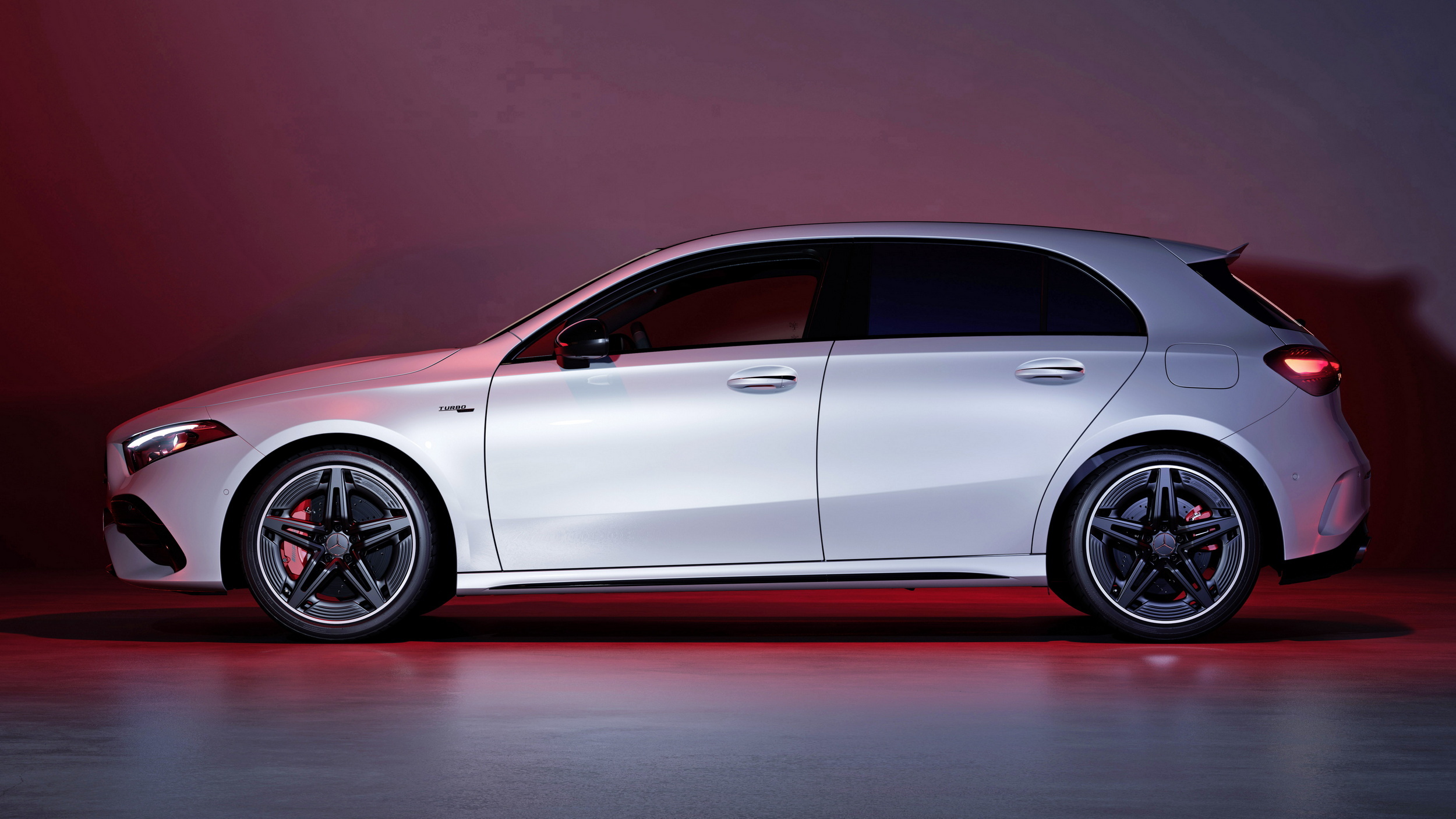
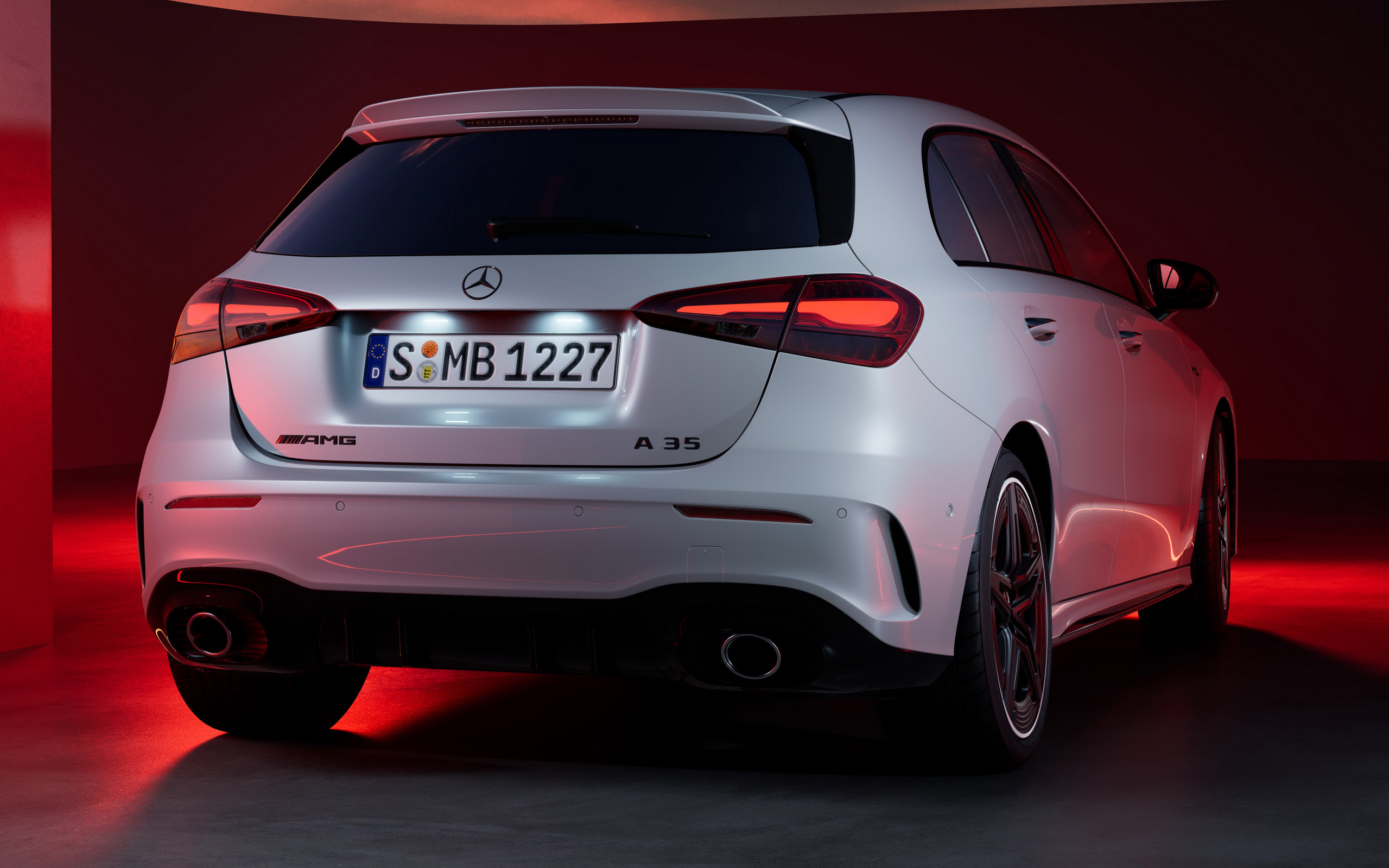
The Mercedes A-Class looks to be sticking around for the foreseeable future, just not in its current guise. Despite initial speculation that the model was going to be culled, as Benz tries to consolidate its offerings, a replacement for the existing model may very well come to fruition, albeit as an EV.
Although plans haven’t yet been announced, in an interview with Design Director Robert Lesnik Auto Express gleaned info that the new hatchback will probably arrive towards the end of the decade as an EV.
Current expectations suggest the next-generation model could debut around 2029, after the existing A-Class completes an extended production run expected to last until 2028.
The current A-Class debuted all the way back in 2018, making the model well overdue for a refresh by the time the new generation rolls around.
EV Architecture
In order meet the needs of the next-generation A-Class, Mercedes intends to transfer the production of the current A-Class to the Hungary plant in the next year. Lesnik claimed the production line wouldn’t require a significant revision to meet the specific requirements of the new MMA (Modular Mercedes Architecture) platform. Mercedes focuses on expanding the versatility of the MMA platform to give next-gen EV technology, innovative design, and cost efficiency.
The MMA platform grants the company the flexibility to fit the same all-electric powertrain and hybrid unit as in the CLA model, underpinning the next-generation A-class. Mercedes developed this hybrid system to meet the stringent Euro 7 emissions standards to be implemented by 2027.
When Mercedes first outlined its compact MMA lineup in 2023, it planned four models including the CLA, CLA Shooting Brake, GLA, and GLB. Lesnik indicated that an electric A-Class would effectively become a fifth model in that family.
A-Class, Not An EQA
Mercedes has decided its somewhat confusing decision to separate its EV models under their own “EQ” brand wasn’t the best way forward. Which is why the A-Class name is likely to remain in place of the EQA.
Lesnik also confirmed that the A-Class will remain stylish, with a “cab-back” approach, as opposed to the original upright shape adopted by the A-Class of the 90s. The design is also expected to avoid the streamlined styling seen on models like the EQE and EQS, instead following the CLA’s longer-hood proportions and more traditional hatchback profile.

 Login
Login