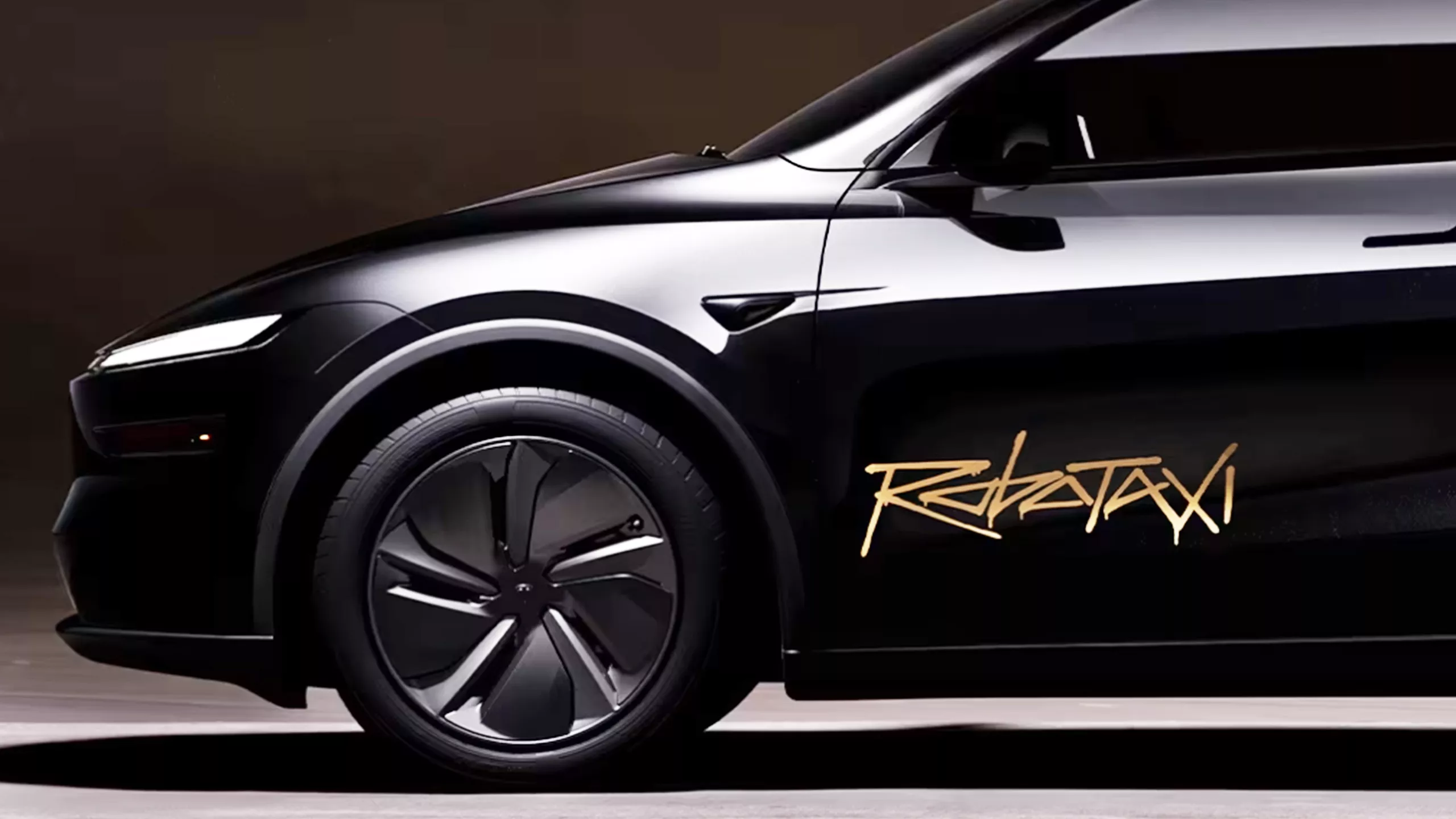
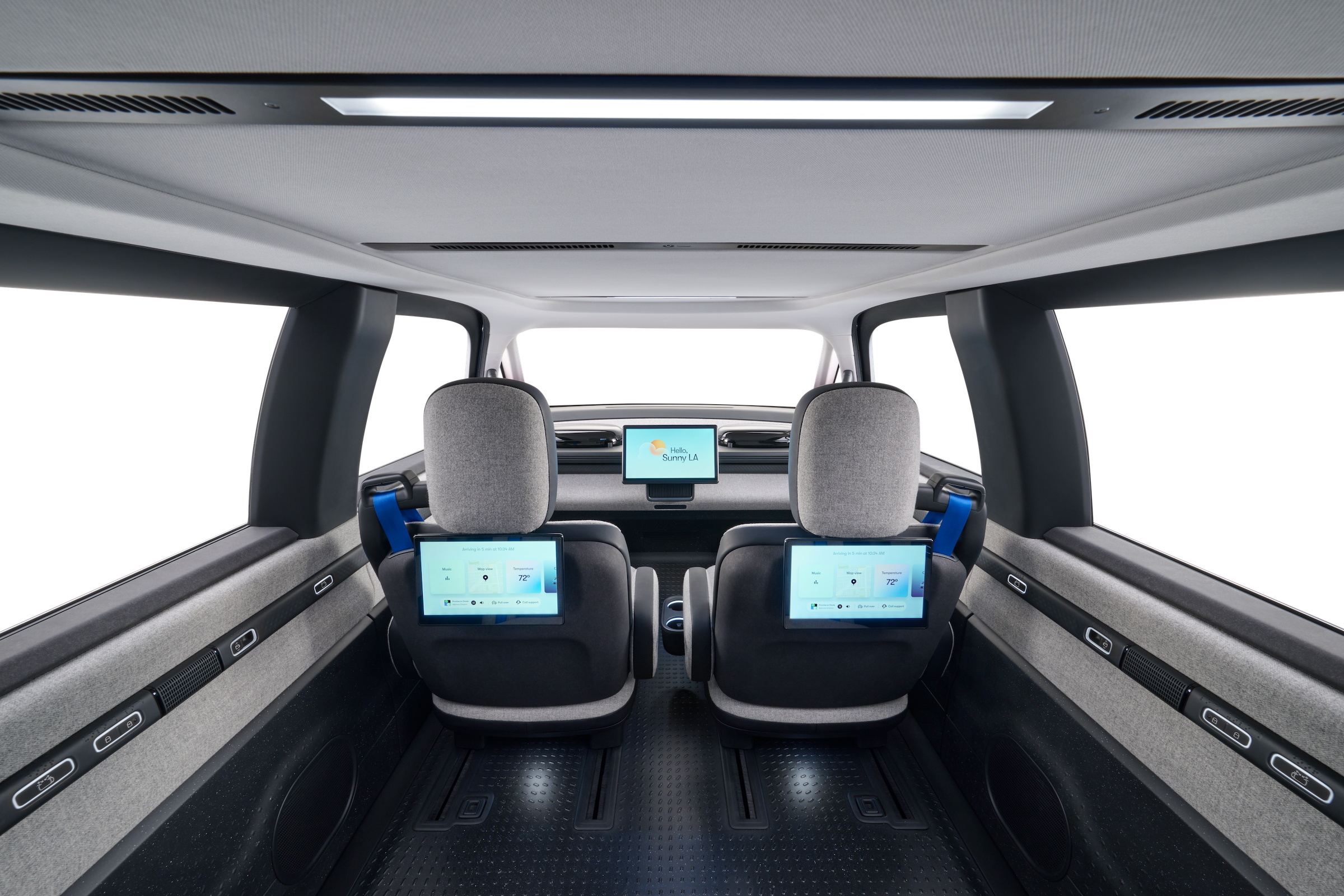
Normal view

There are new articles available, click to refresh the page.
Before yesterdayMain stream

Tesla Avoids A Massive California Ban By Junking Its Most Famous Feature

  • Tesla drops Autopilot term in California to avoid license suspension.
  • Brand’s new models now only come with cruise control as standard.
  • EV buyers are being pushed towards $99 FSD subscriptions instead.

After years of sparring with California regulators, Tesla has agreed to stop using its famous Autopilot term in the state, neatly sidestepping a 30-day suspension that would have frozen sales in its biggest US market with nearly 180,000 deliveries last year.

More: Tesla Quietly Kills Standard Autopilot, Now Wants $99 A Month To Give It Back

The California Department of Motor Vehicles (DMV) wasn’t amused by Tesla’s marketing language, arguing that phrases like “Autopilot” and “Full Self Driving Capability”, later softened to “Full Self-Driving (Supervised)”, gave buyers the impression their cars could drive themselves. The DMV pointed out that they can’t now, and never could, operate as autonomous vehicles.

The formal accusations were filed in 2023, though regulators traced the issue back to marketing language used as early as May 2021. At the time, Tesla described its system as capable of handling short and long-distance trips with no action required by the person in the driver’s seat, a claim the DMV said crossed a legal line.

60 Days To Find A Fix

A judge agreed and proposed suspending Tesla’s dealer and manufacturer licenses for a month. That would have been awkward timing for a company trying to convince the world that robotaxis are just around the corner. The DMV offered Tesla 60 days to fix the issue before the suspension started, and instead of digging in, Tesla wisely took corrective action.

“The DMV is committed to safety throughout all California’s roadways and communities,” said DMV Director Steve Gordon. “The department is pleased that Tesla took the required action to remain in compliance with the State of California’s consumer protections.”

So Autopilot, as a marketing term, is now gone in California (though you’ll still find it on the brand’s EVs elsewhere in the world). The company had already softened Full Self Driving into Full Self Driving Supervised to make it crystal clear that, no, the car is not fully autonomous. By complying with the deadline, Tesla avoided the suspension and kept the revenue rolling in.
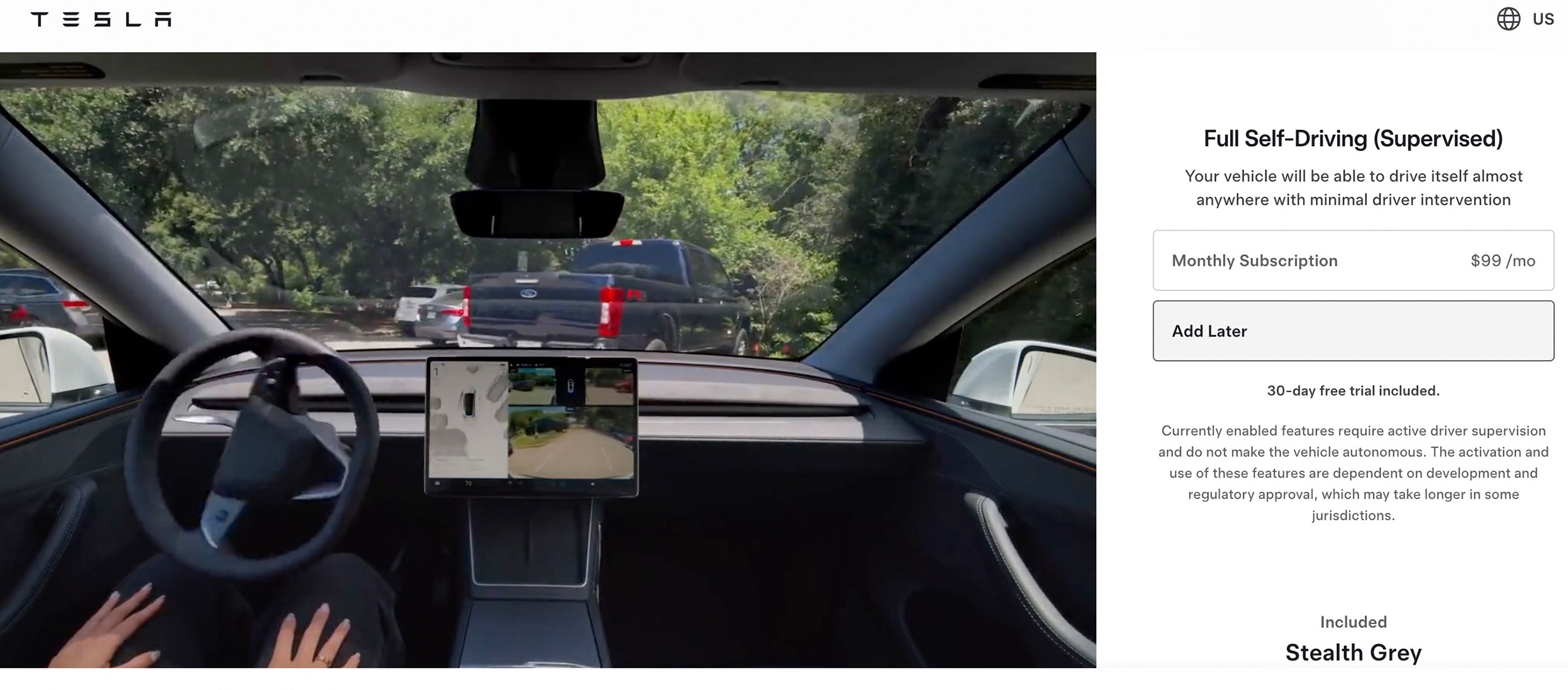
 Tesla Avoids A Massive California Ban By Junking Its Most Famous Feature

Autopilot Feature Phased Out

This is not just a word swap, though. We reported last month that Tesla had already begun phasing out the previously standard Autopilot system on its cars, replacing it with Traffic Aware Cruise Control and pushing buyers toward a $99 per month Full Self Driving subscription.

Lane centering that rivals include as standard now lives behind a paywall, and CEO Elon Musk has hinted that the subscription price could rise over time. From a business perspective, it’s clever, but from a branding perspective, it looks like a climbdown.

Autopilot was one of Tesla’s most recognizable terms, though it was also one due to be left behind in the coming years as the far more sophisticated FSD improves to the point where it really can deliver full self-driving.
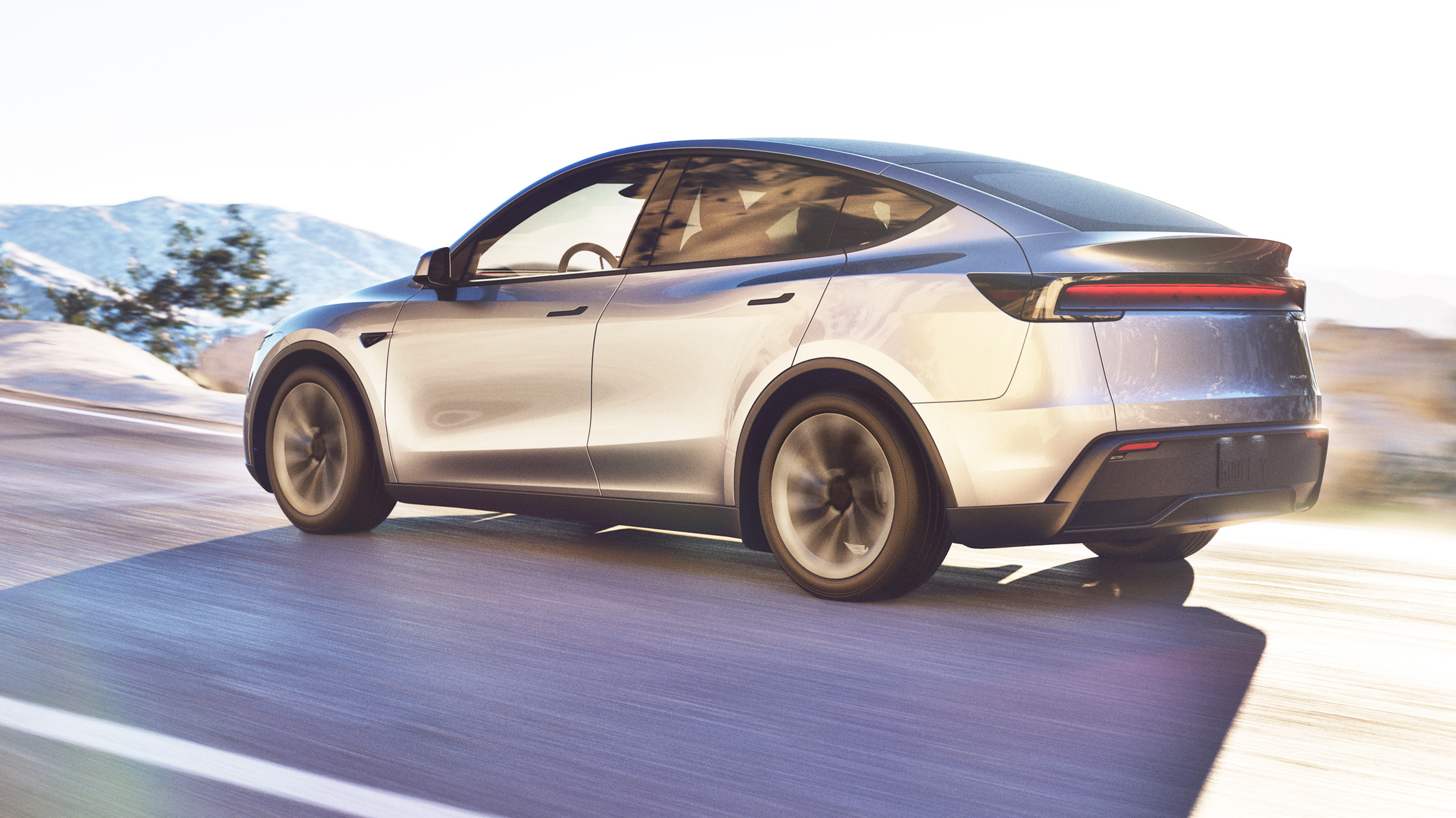
 Tesla Avoids A Massive California Ban By Junking Its Most Famous Feature
Tesla

After More Than A Century (Or Two) Of Cars, What Was The Biggest Innovation Ever?

  • Carl Benz patented his three wheeled motor car in January 1886.
  • Modern cars are faster, safer, and easier to drive than today.
  • Autonomous tech may mark the biggest shift in car history so far.

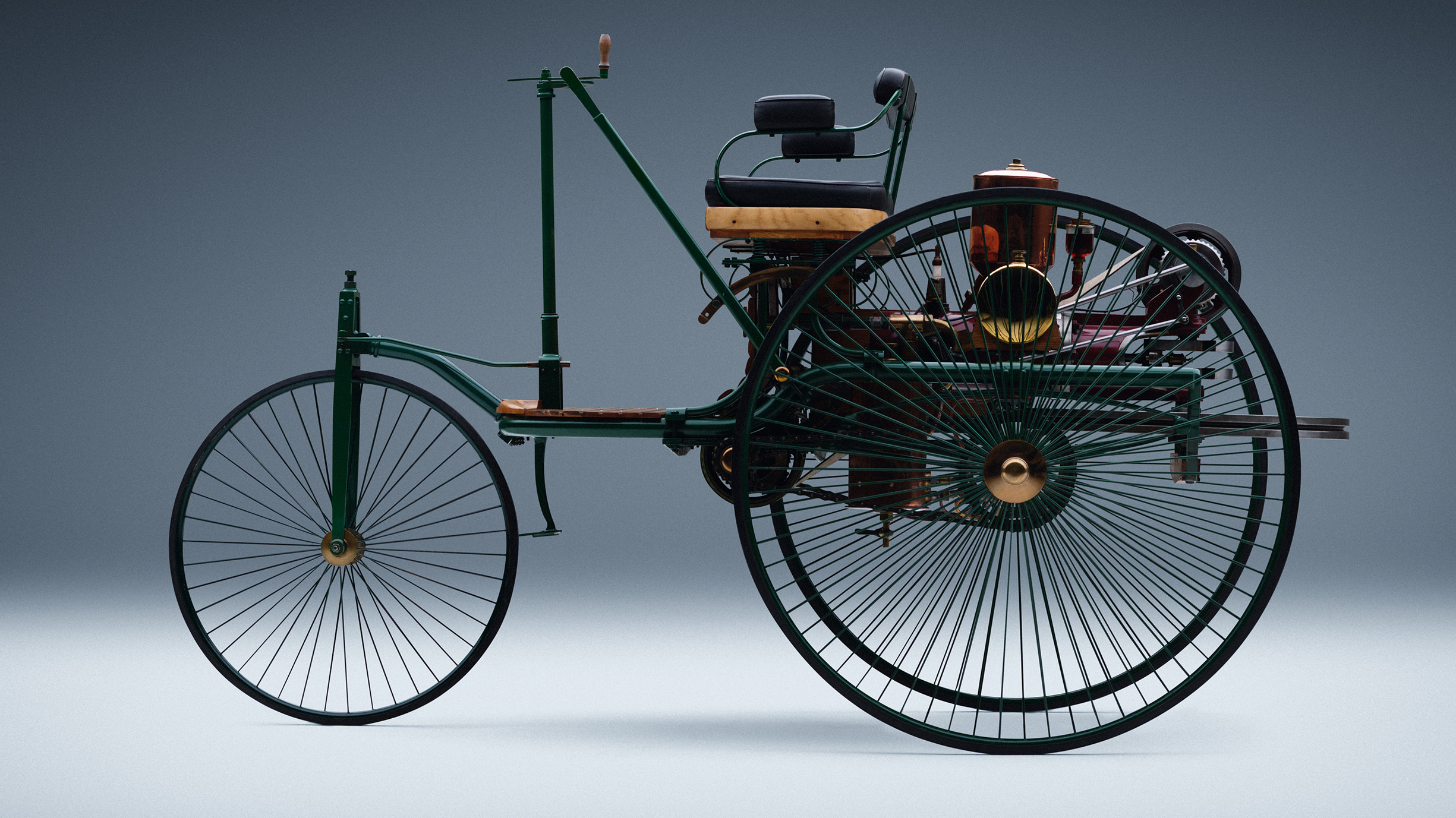
The story of the automobile is never just about a single moment, even when a neat anniversary tempts us to frame it that way. Mercedes is marking 140 years since Carl Benz first putt-putted down the road in his Patent-Motorwagen, often described by the brand as the “world’s first automobile”.

Read: New S-Class Uses 50,000 LEDs To Light Nearly Six Football Fields Ahead

That claim, however, has long been debated in enthusiast circles, including at The Autopian, where Jason Torchinsky recently revisited the subject in detail. Even Mercedes itself acknowledges the history is more nuanced.

The Origins Are Messier Than You Think

On its own website, the company concedes that the automobile did not simply appear in 1886. It recognizes that numerous forerunners existed well before Carl Benz. These range from steam-powered road vehicles to earlier experimental self-moving machines, including Frenchman Nicolas Joseph Cugnot’s three wheeled steam cart from 1769, or possibly 1770, depending on who you ask.

Innovation In Retrospect

Looking at Mercedes’ car no. 1 now, with its huge, spindly wheels, puts that layered history into perspective. It is a vivid reminder of how far the automobile has evolved since Benz’s first outing in 1886, but it also invites a more fundamental question.

Read: Americans Embrace AI Tech In Their Cars But Some Features Drive Them Crazy

With so many ideas, inventions, and refinements accumulating across more than a century of experimentation, which single innovation truly transformed driving the most?

 After More Than A Century (Or Two) Of Cars, What Was The Biggest Innovation Ever?
Volvo

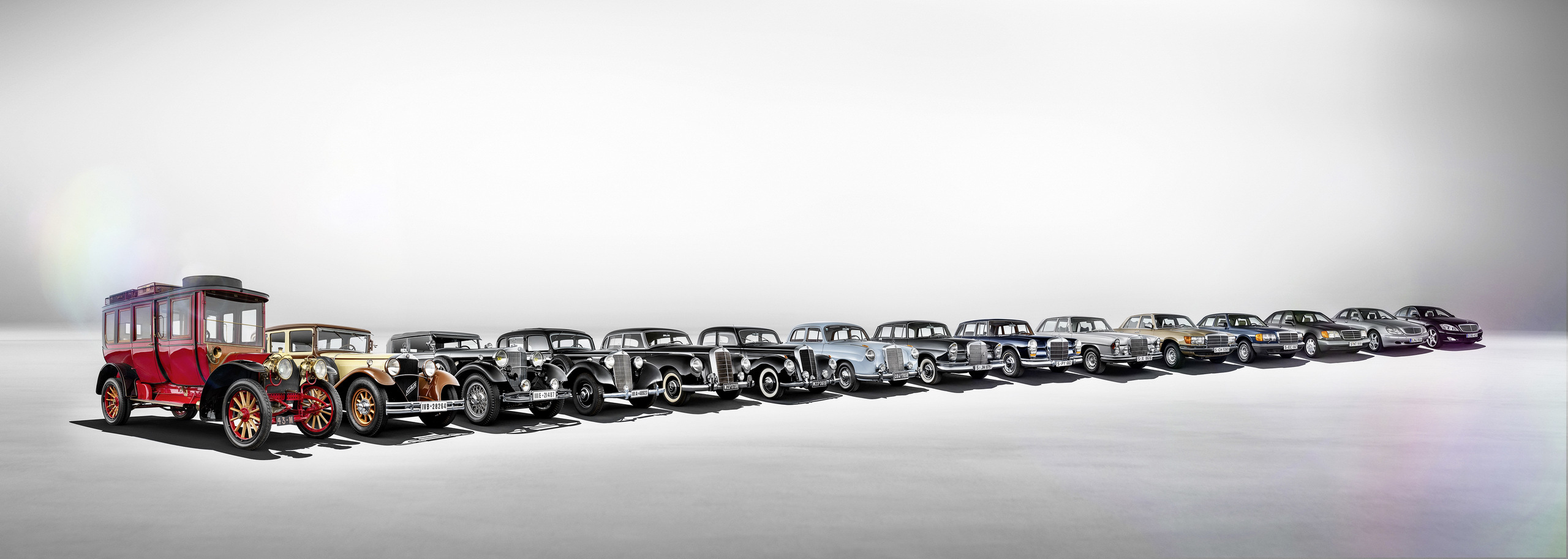
Early breakthroughs were about simply making cars usable. Four wheels brought stability. Steering wheels replaced awkward tillers. Then came the electric starter, which saved drivers from wrestling engines by hand and occasionally breaking bones, transmissions with synchromesh or fully automatic operation. Suddenly cars weren’t just for the brave and mechanically gifted, but for everyone.

Related: Mercedes’ CLE Gets A Facelift, But The Big News Is Under The Hood

Design took its own leap forward as cars stopped looking like horse carriages and started slicing through air. Windshields, enclosed bodies and integrated fenders all radically changed how automobiles looked, even before wind tunnels started to have a major say in the styling process.

From 10 mph to 300 mph

 After More Than A Century (Or Two) Of Cars, What Was The Biggest Innovation Ever?
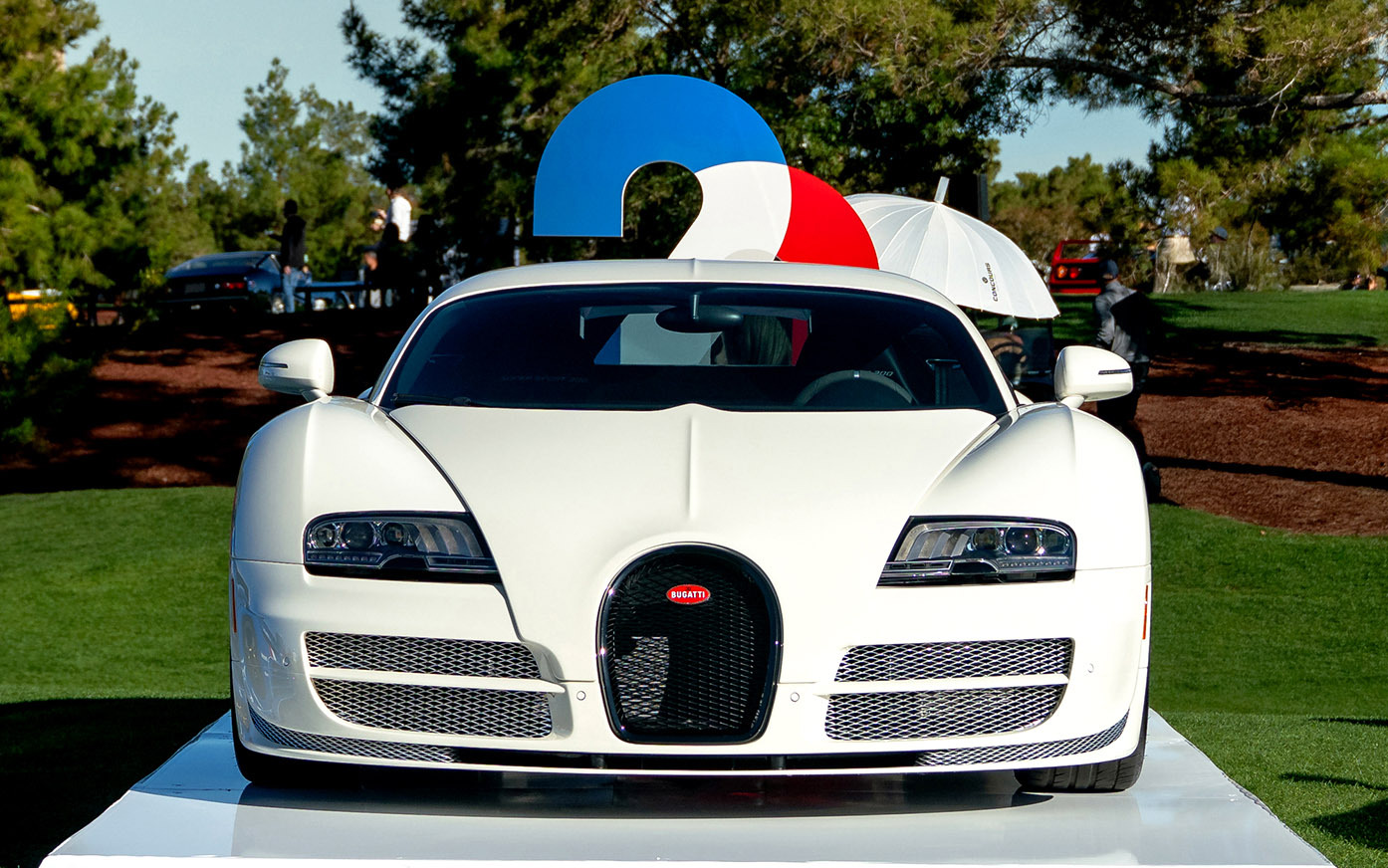
Bugatti

And let’s not forget power and speed. That first car in 1886 had less than 1 hp (1 PS) and was all out of puff at 10 mph (16 kmh). Today, even the most ordinary subcompact makes 100 times as much grunt and is 10 times as fast, while hypercars now punch out 2,000 hp (2,023 PS) and in some cases can top 300 mph (483 kmh).

Those feats would be terrifying with the kind of safety equipment Benz’s Motorwagen had on board. The 1886 original had solid rubber tires and no braking system on any of its three wheels, the only way to slow it down being to tug on a simple hand-operated lever that created friction on the drive belt.

 After More Than A Century (Or Two) Of Cars, What Was The Biggest Innovation Ever?
Mercedes

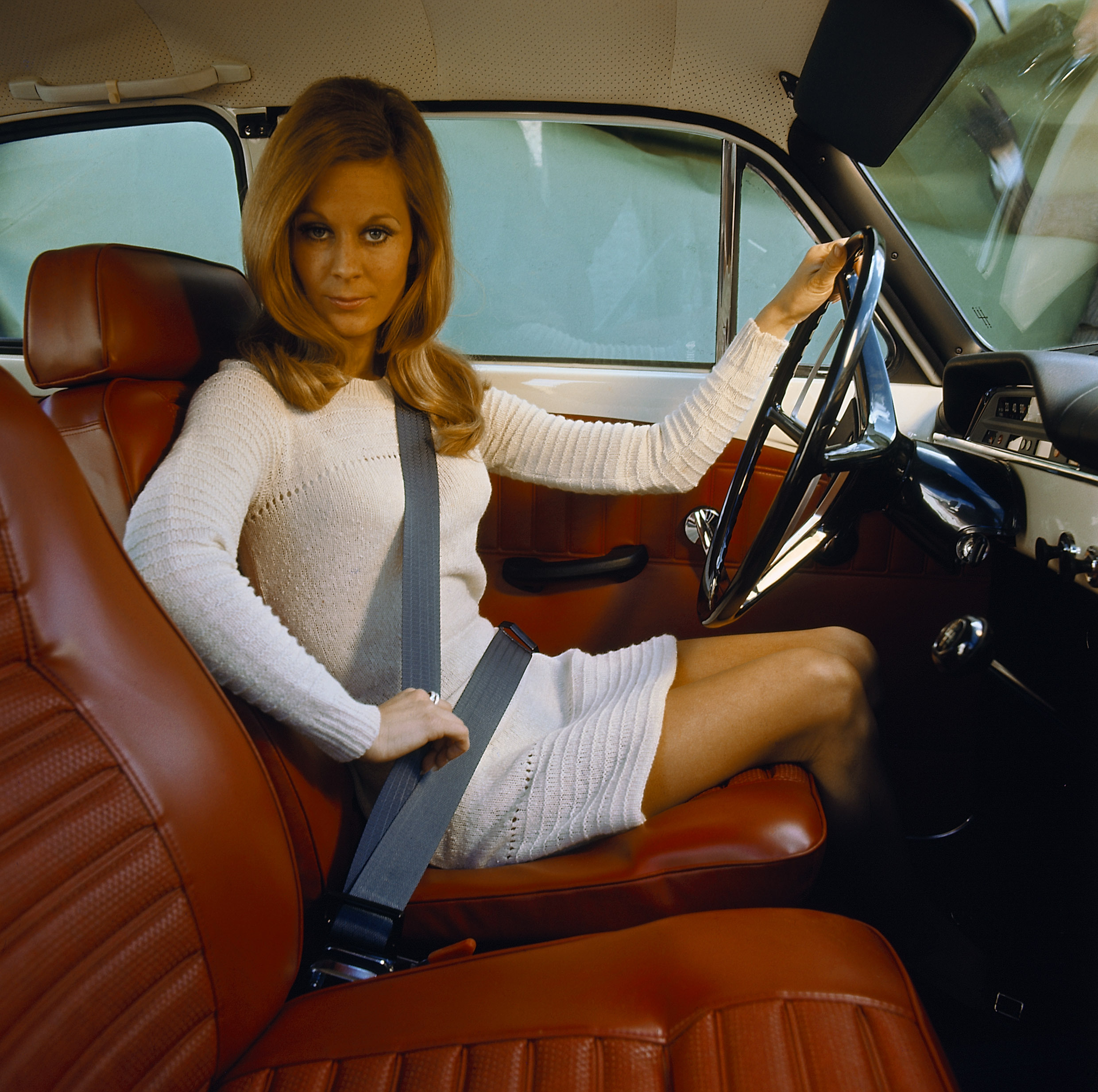
Safety improved relatively quickly, but the major advances in that department have come in the second half of the car’s 140-year life. Seatbelts, crumple zones, airbags, and anti lock brakes quietly saved millions of lives, while air conditioning, power steering, satellite navigation and in-car hifi made those lives behind the wheel more bearable.

Biggest Changes Still to Come

Now we’re living through another turning point. Hybrids, EVs, driver assistance systems, and cars that can steer, brake, and park themselves are redefining what it even means to drive. Mercedes is, appropriately, at the forefront of that change, and will offer Level 4 self-driving on the new S-Class that debuts this year.

Some people see freedom in that kind of tech. Others see the end of real driving. Either way, the car is changing again.

So what gets your vote as the biggest advance to emerge from the car’s long evolution, the one innovation without which modern driving would feel impossible? And which car helped all cars make the biggest leap forward? Jump into the comments and make your case.

 After More Than A Century (Or Two) Of Cars, What Was The Biggest Innovation Ever?
Bugatti

Tesla’s Robotaxi Crash Rate Is Way Worse Than We First Thought

  • Tesla’s Robotaxis crash every 55,000 miles, far more than humans.
  • Human-driven crash estimates are around once every 200,000 miles.
  • Robotaxis operate only in Austin, despite Musk’s 2025 nationwide claim.

As many probably expected, Tesla’s Robotaxi service hasn’t grown the way Elon Musk predicted, and it’s not running as smoothly as the company might have hoped. New data shows that the autonomous cars Tesla is operating in Austin, Texas, are crashing far more often than human drivers.

Read: Tesla’s Model Y Robotaxis Can Squirt Now, But Yours Still Can’t

According to figures submitted to the National Highway Traffic Safety Administration, Tesla’s Robotaxis were involved in nine crashes between July and November of last year. During that period, the fleet logged about 500,000 miles, which works out to an incident roughly every 55,000 miles.

The Numbers Behind the Crashes

 Tesla’s Robotaxi Crash Rate Is Way Worse Than We First Thought

That rate might not seem disastrous at first glance. But NHTSA data shows that human drivers report one police-notified crash about every 500,000 miles. Factoring in unreported incidents, estimates suggest a more realistic figure of one crash every 200,000 miles.

Even by that more forgiving measure, humans are still significantly outperforming Tesla’s current autonomous system. Electrek reported this disparity, pointing out the shortfall in Tesla’s safety metrics.

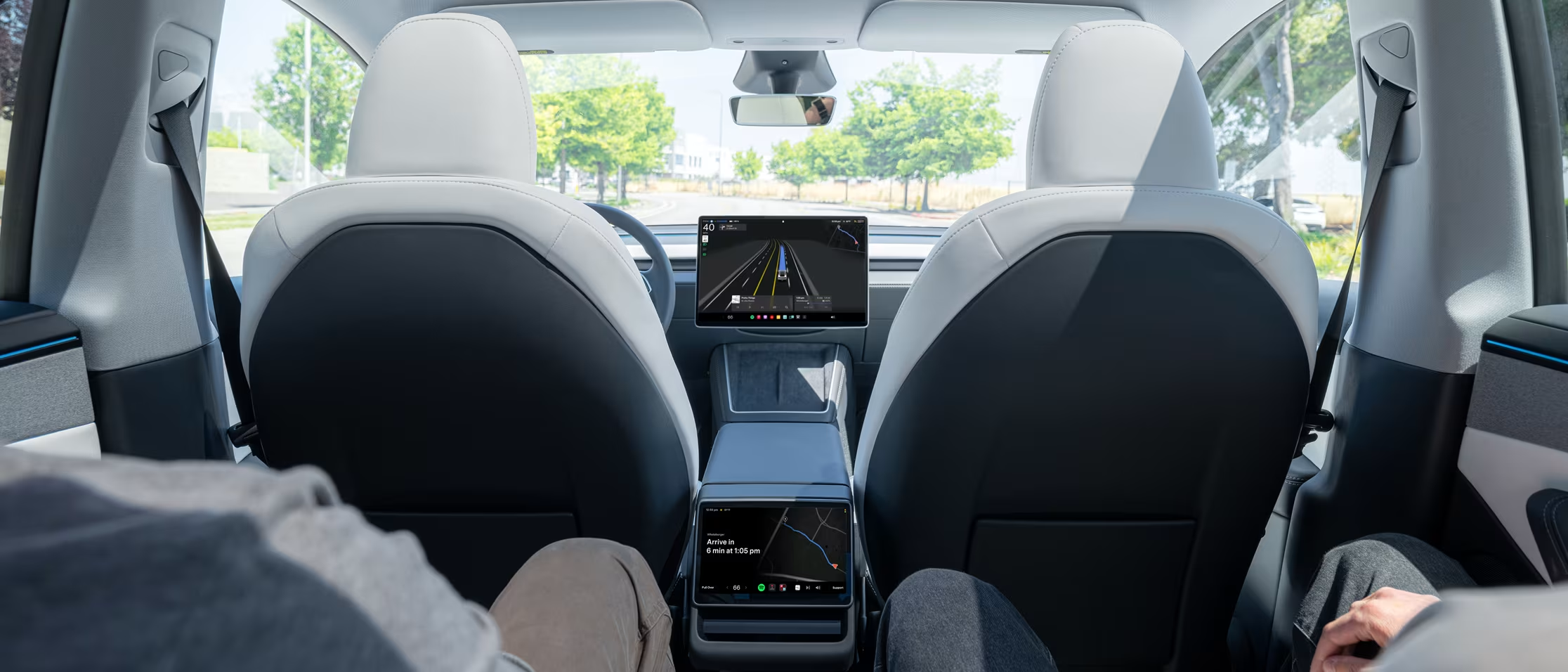
What makes this more concerning is that each robotaxi has a safety monitor riding in the front passenger seat. Even with a human on board to intervene, the vehicles are still getting into more accidents per mile than human drivers typically do alone.

What Isn’t Tesla Saying?

 Tesla’s Robotaxi Crash Rate Is Way Worse Than We First Thought

Tesla doesn’t appear to be exactly transparent about these crashes, either. The reports submitted to the NHTSA are heavily redacted, leaving only limited details available.

In one case from September 2025, a robotaxi reportedly “hit an animal at 27 mph,” but there’s no information on how or why it happened. That same month, another vehicle was involved in a collision with a cyclist, though again, the specifics are missing.

Overall, Tesla reported nine crashes involving its Robotaxi fleet in Austin, between July and November 2025, according to incident data uncovered by Electrek in NHTSA’s Standing General Order crash reports:

  • November 2025: Right turn collision
  • October 2025: Incident at 18 mph
  • September 2025: Hit an animal at 27 mph
  • September 2025: Collision with cyclist
  • September 2025: Rear collision while backing (6 mph)
  • September 2025: Hit a fixed object in parking lot
  • July 2025: Collision with SUV in construction zone
  • July 2025: Hit fixed object, causing minor injury (8 mph)
  • July 2025: Right turn collision with SUV

Robotaxi’s Slow Expansion

In July of last year, Musk made the rather absurd claim that Tesla’s Robotaxi service would reach “half of the population of the US” by the end of 2025. It’s now 2026, and the service is still limited to just one city: Austin, Texas.

Tesla has expanded its service to the San Francisco Bay Area in California, but because it doesn’t have a permit to operate fully autonomous vehicles in the state, each Model Y is equipped with a human driver. It’s hardly a Robotaxi service then, but rather simply a ride-hailing taxi service.

That said, Tesla isn’t giving up on the idea. During its Q4 earnings call this week, the company confirmed plans to expand the program into seven new cities, including Dallas, Houston, Phoenix, Miami, Orlando, Tampa, and Las Vegas, all within the first half of the year.

Waymo’s Ready For One Of Europe’s Busiest Cities, But Is The City Ready?

  • Waymo plans to launch paid UK robotaxi service as soon as September.
  • Mapping London streets now using Jaguar I-Pace vehicles with drivers.
  • Cars equipped with radar, lidar, and cameras to capture road data.

Londoners may soon find themselves riding in the front seat of the future, as Waymo prepares to bring its fully autonomous robotaxis to the streets of the UK. The self-driving tech firm has announced plans to launch in London, taking advantage of new regulations that will permit robotaxis to operate in the city starting in the second half of this year.

Waymo’s UK rollout comes even as scrutiny builds back home. This week, the NHTSA opened an investigation after one of the company’s robotaxis struck a child near an elementary school in Santa Monica, California, during drop-off hours.

Read: People Get Paid $24 Just To Walk Up And Shut A Robotaxi Door

London’s Local Transport Minister Lilian Greenwood has confirmed that Waymo, which is owned by Google-parent Alphabet, will launch a pilot service in April, before launching in full as early as September.

 Waymo’s Ready For One Of Europe’s Busiest Cities, But Is The City Ready?

To ensure the robotaxis can handle the intricacies of London’s roads, several of its vehicles are already being tested with a safety driver behind the wheel, helping map the city’s streets.

These test vehicles typically operate 24 hours a day, 7 days a week, and are driven in select London boroughs, including Camden, Hackney, Hammersmith and Fulham, Lewisham, Newham, and the City of Westminster.

Data Collection Meets Cybersecurity Requirements

Waymo says it’s currently gathering data across the widest possible range of London streets, using the advanced cameras, lidar, and radar fitted to the Jaguar I-Pace models.

Read: Waymo’s New “Ojaj” Robotaxi Crashed Into Parked Cars, But It Wasn’t Driving Itself

In a statement to the BBC, Minister Greenwood emphasized that all Waymo robotaxis will be subject to strict safety criteria before they’re allowed on the road. This includes resilience against cyber attacks and secure software protocols to protect against hacking.

 Waymo’s Ready For One Of Europe’s Busiest Cities, But Is The City Ready?

Once the vehicles have sufficiently mapped London’s roads and meet all regulatory standards, users will be able to request a ride through the Waymo app. The service is expected to carry a “premium” price point, with fares adjusted upward during periods of high demand, though exact pricing has not yet been announced.

Growing Competition

Waymo isn’t the only company eyeing the capital. Both Uber and Lyft have expressed interest in launching robotaxi services in London once the legal framework allows. With regulators clearing a path for autonomous vehicles, the city is shaping up to be a key battleground for the next phase of ride-hailing innovation.

 Waymo’s Ready For One Of Europe’s Busiest Cities, But Is The City Ready?
❌
❌