❌

Normal view

There are new articles available, click to refresh the page.
Before yesterdayMain stream

Hate Ferrari’s Electric Luce? Blame Jeff Bezos

  • Ferrari chairman John Elkann credits Amazon’s Jeff Bezos with inspiring the Luce EV.
  • “You need to really think hard about building an electric vehicle,” Bezos told him in 2016.
  • Ferrari’s first electric car has proved controversial for both its powertrain and design.

The world doesn’t need more reasons to dislike Jeff Bezos or the Ferrari Luce. But Ferrari’s chairman just gave us one anyway, explaining that a conversation with the Amazon founder helped push Maranello to develop its first electric car.

John Elkann told a conference that a conversation with Bezos in 2016 convinced him that Ferrari needed to take the idea of an EV seriously, Reuters reports.

Related: The Aftermarket Already Has Plans For Ferrari’s $639K Luce EV

“I don’t know anything about cars, but I know about innovation,” Elkann recalls Bezos telling him 10 years before Ferrari unveiled the production Luce. “And I think that you really need to think hard about electric vehicles.”

Ferrari has produced some controversial cars in the past, including the 1974 Dino 308GT4, whose fashionably wedgy Bertone styling was a radical break from the swoopy Pininfarina lines of the brand’s earlier cars. And the 2012 FF shooting brake also got some flack for its awkward styling.

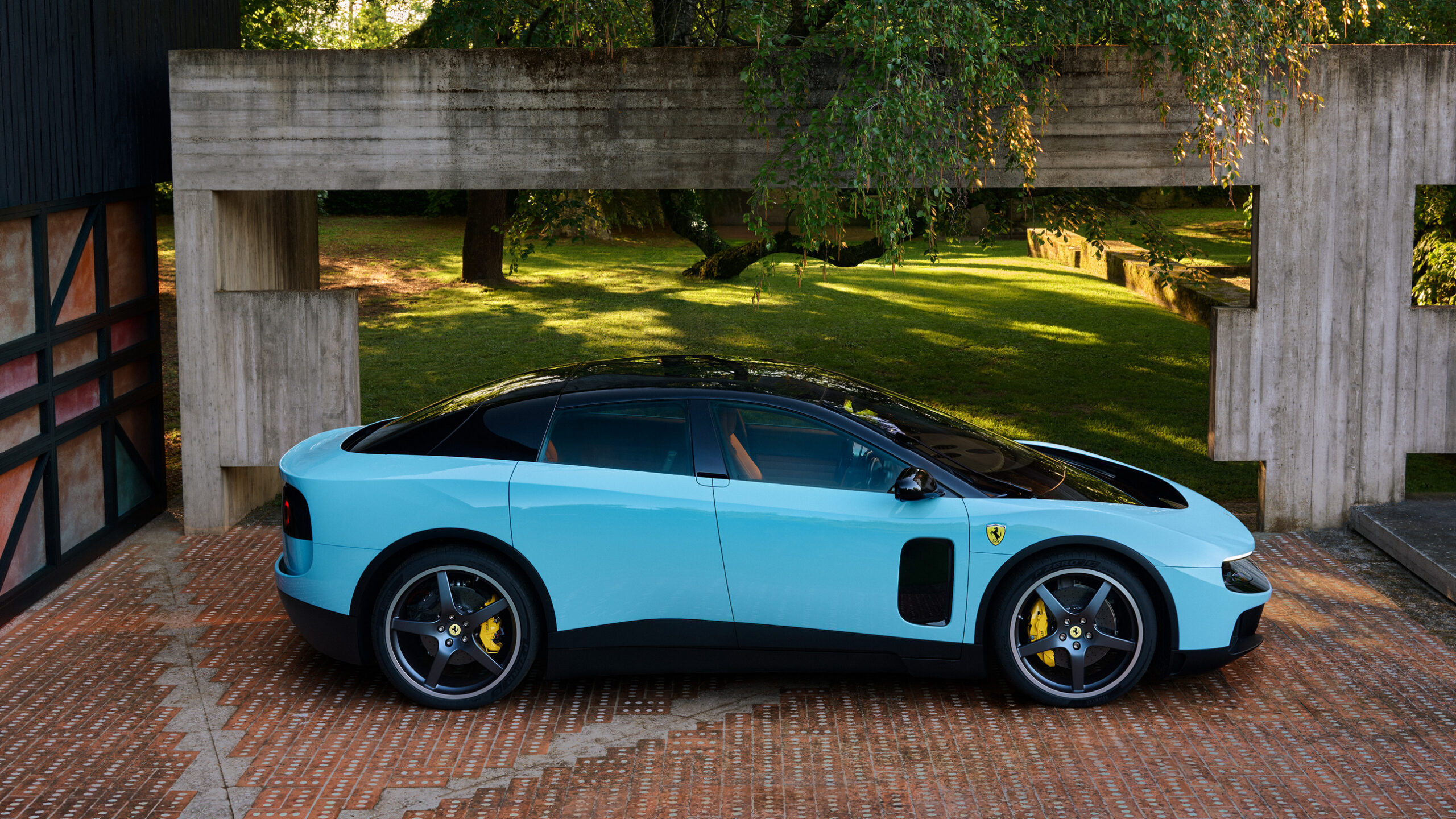
But no Ferrari has ever got fans worked up for the wrong reason like the Luce. Going electric was always going to be a much more controversial move for a brand like Ferrari than for a company like Kia, or even Porsche. But maybe Ferrari could have escaped much of the criticism if the Luce didn’t look like it does.

Apple Influences
 Hate Ferrari’s Electric Luce? Blame Jeff Bezos

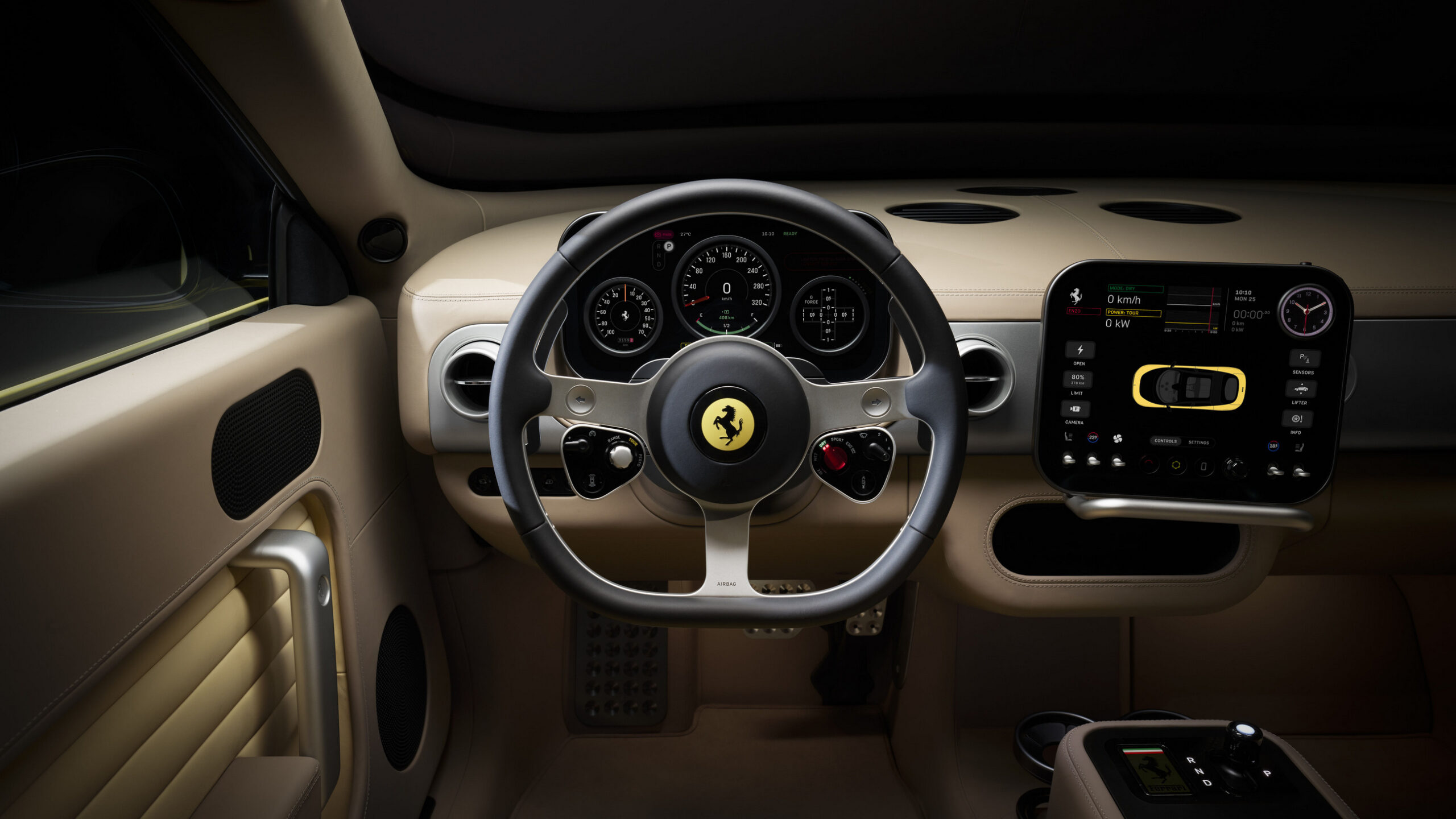
Both the exterior and interior design of the Luce were handled by LoveFrom, whose team includes former Apple designer Jony Ive. And while the interior has drawn praise for its Apple-like high quality materials and tactile switchgear, the body itself looks kind of dumpy.

“We weren’t in any way intending to do a controversial Ferrari,” Elkann told conference guests. “What is important is how much that touches your conviction. What it did is that it made our conviction very strong.”

Goes Like A Ferrari
 Hate Ferrari’s Electric Luce? Blame Jeff Bezos

Ferrari always intended the Luce to appeal to a very different audience than the one buying its other cars. But even if it looks nothing like most gearheads’ idea of a Ferrari, the Luce at least goes like one. It has four motors that collectively make 1,035 hp (772 kW / 1,050 PS), and can hit 62 mph (100 kmh) in just 2.5 seconds. A massive 122 kWh battery gives an unimpressive 329 mile (530 km) range.

It’s also priced like a true Ferrari. The Luce costs €550,000 in Europe, and while US prices have yet to be revealed, they’re likely to be in the $640,000 range.
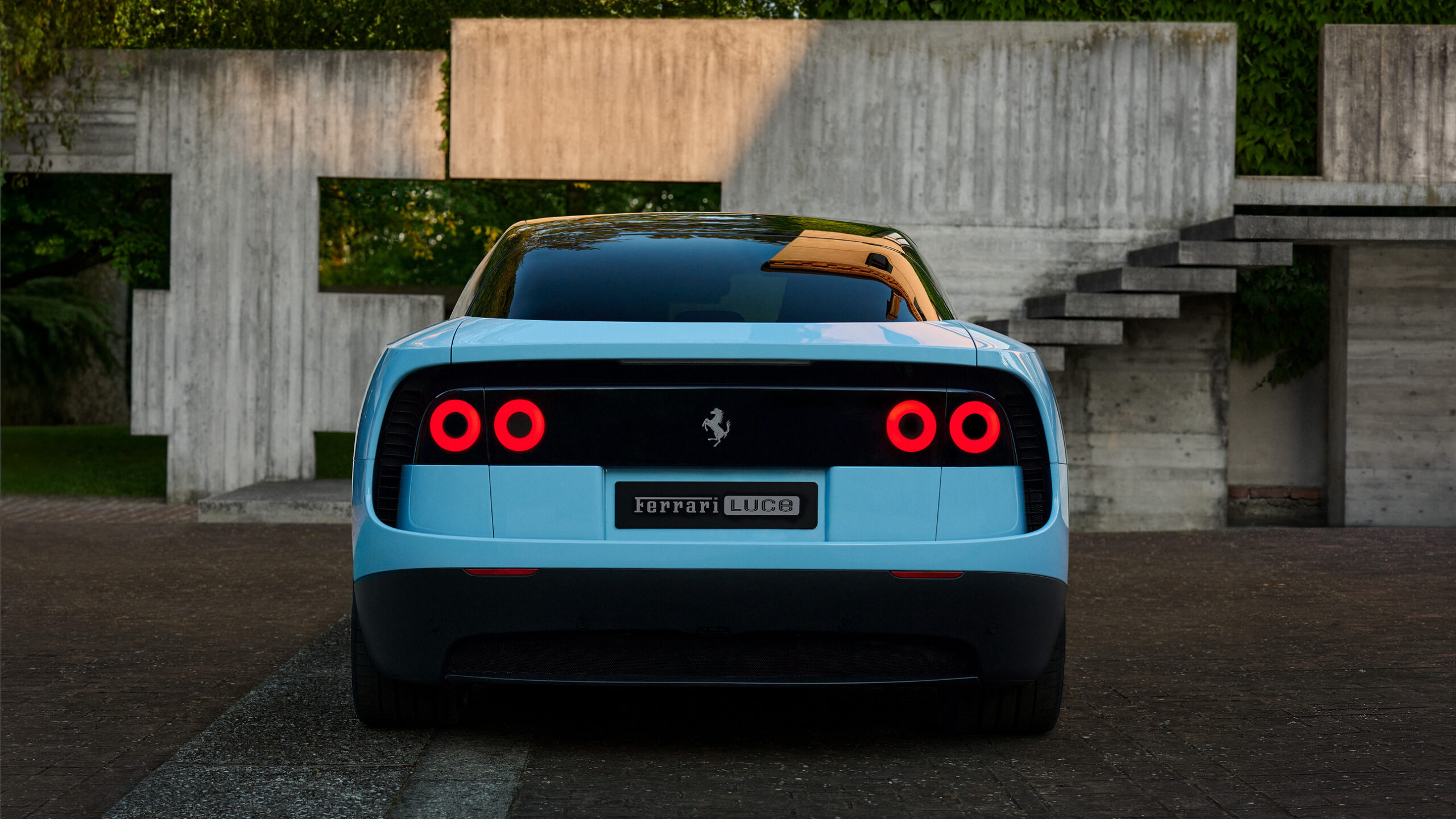
 Hate Ferrari’s Electric Luce? Blame Jeff Bezos

Ferrari, Prime Minister’s Office (GODL-India), GODL-India

Hyundai Is Slashing Battery Costs And Increasing Their Lifespan By 20%

  • Hyundai’s Level 2+ semi-autonomous driving system arrives in 2028.
  • Future EVs will use new cells that reduce battery costs by 30%.
  • Global production capacity is set to increase by 1.27 million units.

Hyundai’s massive product push dominated their investor day event, but it wasn’t the only thing the company announced. Quite the opposite as the automaker talked about increasing production, ramping up autonomous driving efforts, and offering improved technology.

Starting with autonomous driving, the first Ioniq 5 Waymo robotaxis will be delivered in the fourth quarter and they’ll “enable an international expansion of robotaxi services as early as 2027.”

More: Hyundai Is Launching More Than 100 New Vehicles By 2030

Besides the Waymo effort, Hyundai-owned Motional will use Ioniq 5 robotaxis. They’re scheduled to begin commercial operations later this year in Las Vegas. Additional cities should then follow in 2027.

On the consumer front, “Hyundai Motor Group is standardizing its sensor architecture around the NVIDIA ecosystem so that data acquired by Hyundai Motor, Kia, 42dot, and Motional can be integrated and used to a single consistent standard.” This means learnings from one company can be applied to others.

\\\

Hyundai is also working to deploy its autonomous driving artificial intelligence, known as Atria AI, by the end of the year. It will eventually be used to power the company’s Level 2+ system, which arrives in 2028.

The automaker went on to say “Atria AI will be extended progressively across mass-produced vehicles, building a full lineup of autonomous driving capability from Level 2+ to Level 4.” Since Hyundai sells millions of vehicles annually, they’ll collect a ton of data, and this will be used to rapidly improve the AI’s self-driving capabilities and performance.

Improved EVs

\\\

Hyundai has been an electric vehicle pioneer and this experience is about to pay off as the company has developed its own battery cells. They “deliver more than double the output of the high-nickel cells … used previously, while cutting charging time by 40 percent.” The new cells will apparently debut in the upcoming Santa Fe or Genesis range-extended vehicle.

Starting next year, EVs will use new “mid-nickel NCM cells.” This will reduce battery costs by approximately 30%, while “maintaining optimal performance under real-world driving conditions.” Furthermore, the new batteries will have 30% more energy than equivalent LFP batteries of the same size.

Lastly, the company will improve its cloud-based battery management system by 2028. This will reportedly extend battery life by an average of 20%.

Amazon Partnership

 Hyundai Is Slashing Battery Costs And Increasing Their Lifespan By 20%

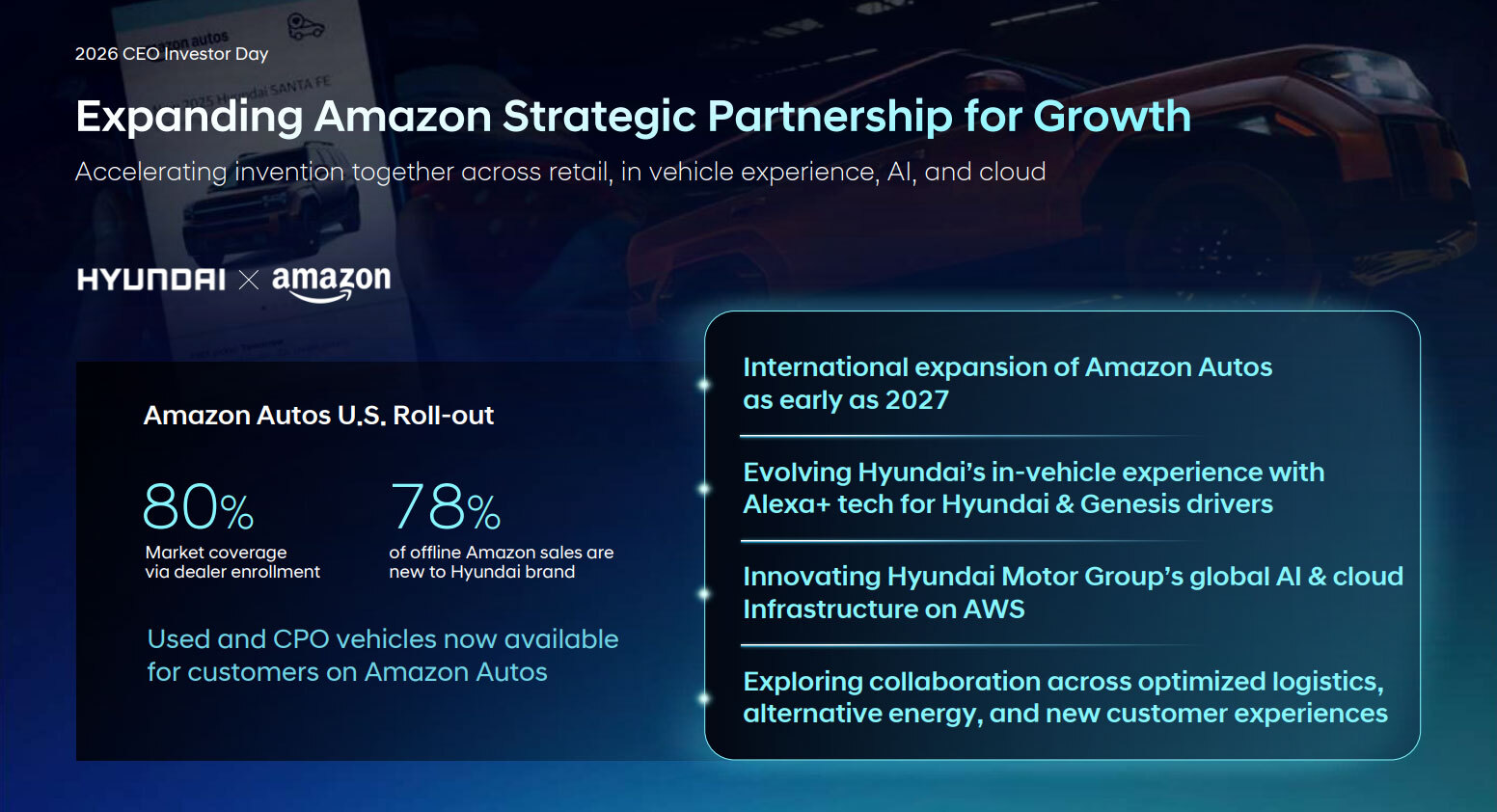
Hyundai’s partnership with Amazon on Amazon Autos appears to be a success as they’ll expand listings to markets outside of the United States next year. Alexa built-in will also roll out across the Hyundai lineup, while Genesis models will follow.

Speaking of tech, Hyundai is relying on Amazon Web Services to accelerate their “cloud and AI capabilities.” Amazon is also said to be looking at using Hyundai fuel cell vehicles.

Increased Production Capacity

 Hyundai Is Slashing Battery Costs And Increasing Their Lifespan By 20%

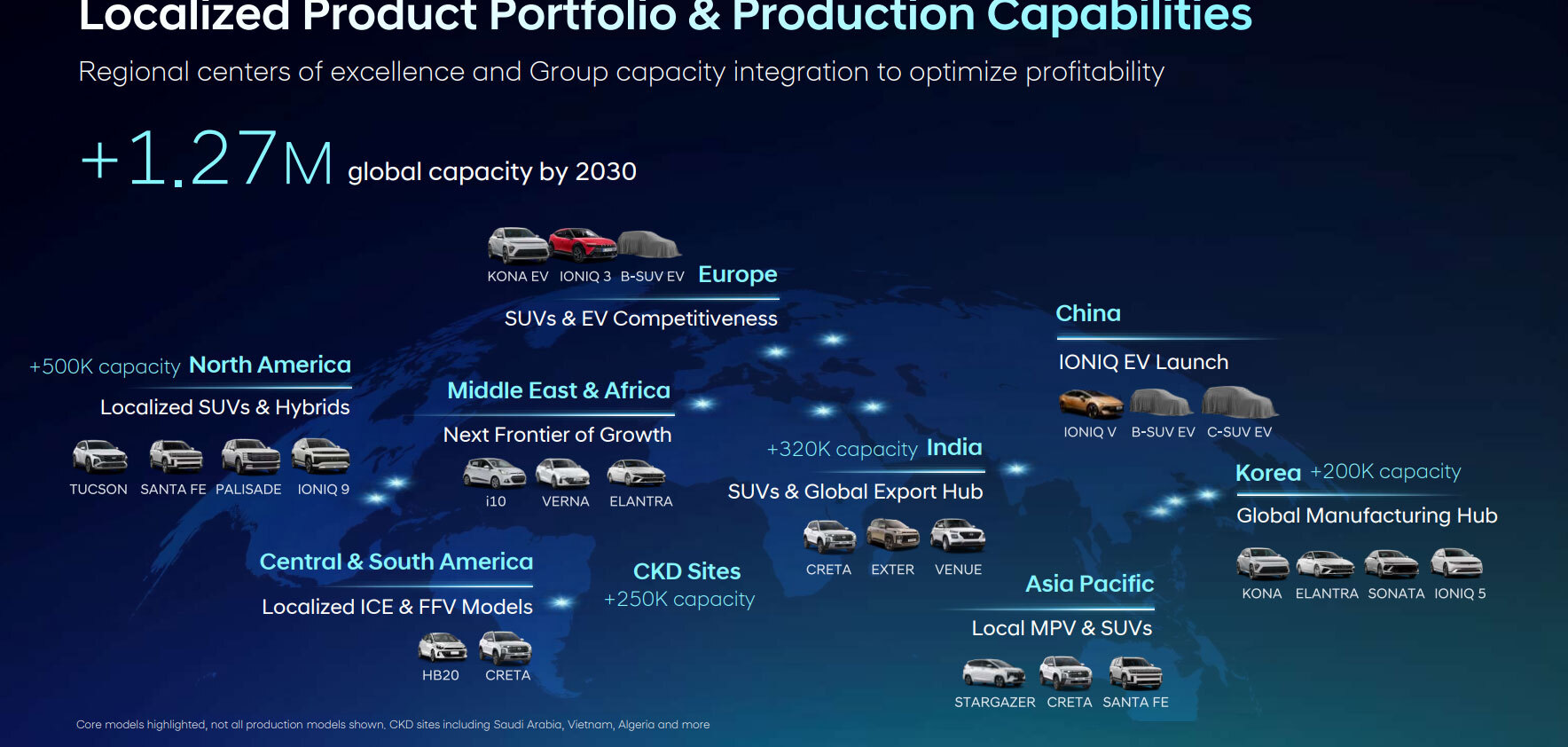
With more than 100 new models coming by 2030, Hyundai is ramping up their production capacity by 1.27 million units globally. North American plants will be able to build an additional 500,000 units, while Indian facilities add 320,000 units. Korean production will increase by 200,000 vehicles, while CKD sites will see their capacity grow by 250,000 units.

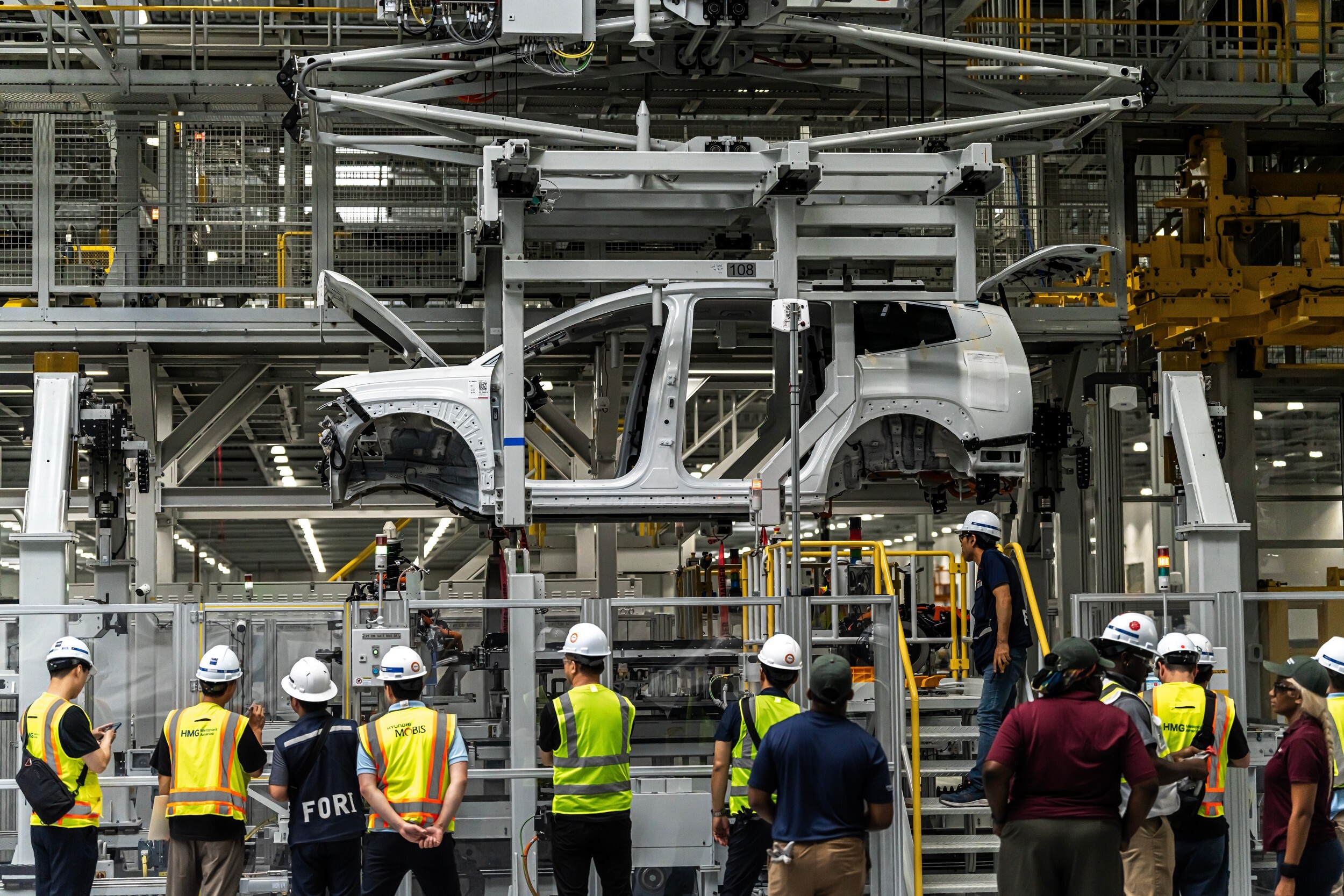
Focusing in on North America, Hyundai is increasing their local parts sourcing target to 80%. That’s up from 60% and the automaker confirmed there will be more than ten hybrids on the continent by 2030, which are produced at Hyundai Motor Manufacturing Alabama and Hyundai Motor Group Metaplant America.

 Hyundai Is Slashing Battery Costs And Increasing Their Lifespan By 20%

California Smashes ZEV Sales Record in Q3  

By: newenergy
15 October 2025 at 18:24

WHAT YOU NEED TO KNOW: California’s demand for zero-emission vehicles (ZEVs) is surging despite federal attempts to derail the Golden State’s pursuit of a 100% clean energy future. A record 29.1% of all new cars purchased in Q3 of 2025 were ZEVs. SACRAMENTO — Today, Governor Gavin Newsom announced that Californians purchased 124,755 zero-emission vehicles (ZEVs) in the third …

The post California Smashes ZEV Sales Record in Q3   appeared first on Alternative Energy HQ.

Anti-renewable policies are going to cost consumers

By: newenergy
4 September 2025 at 16:52

Stop-work orders for wind undercut investor confidence in financing all energy projects, including nuclear September 3, 2025 – The administration’s energy dominance agenda will fail, done in by collapsing investor confidence, unless the White House stops issuing stop-work orders for offshore wind. Undercutting these projects, each of which has billions of private investment dollars committed …

The post Anti-renewable policies are going to cost consumers appeared first on Alternative Energy HQ.

❌
❌