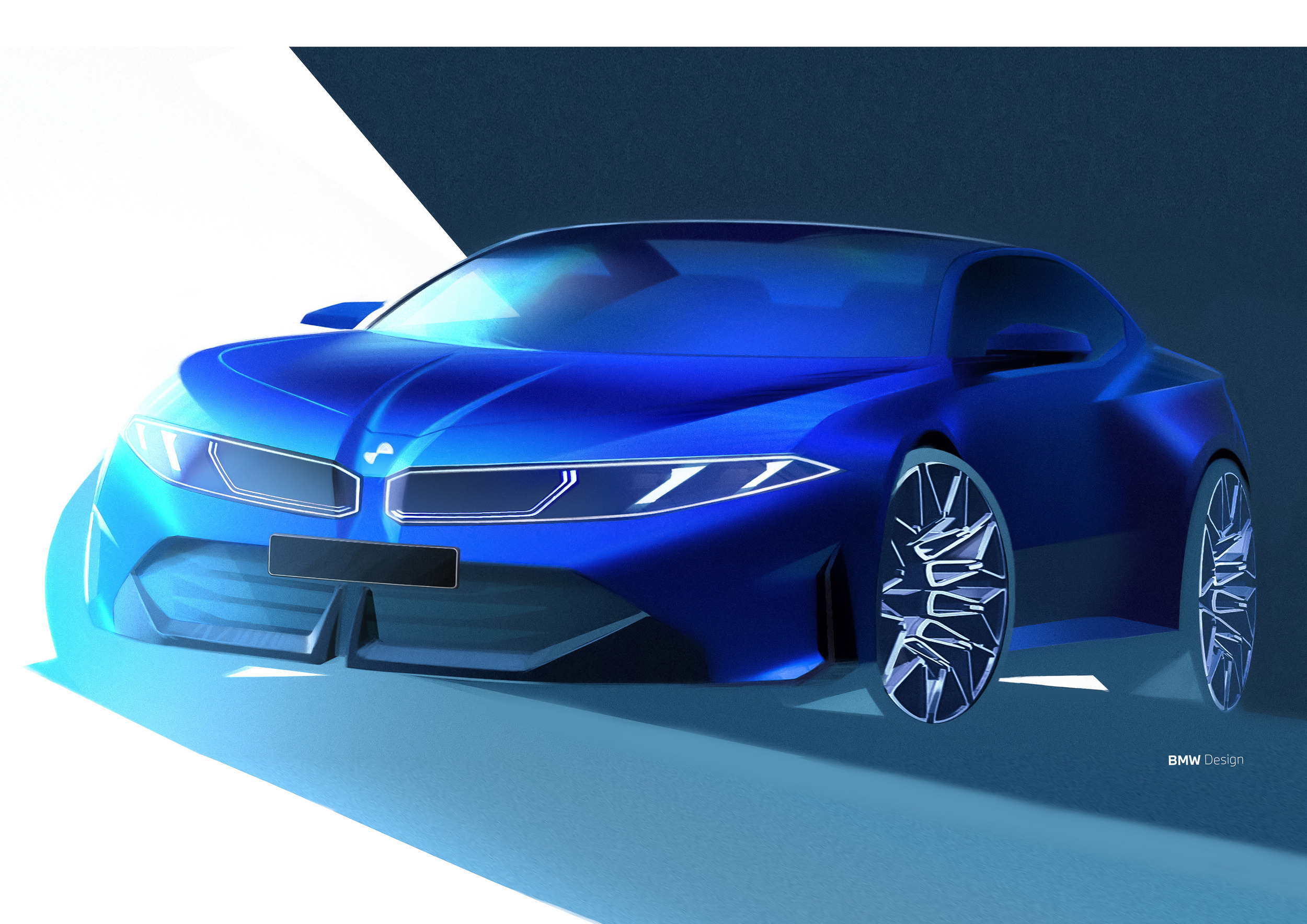
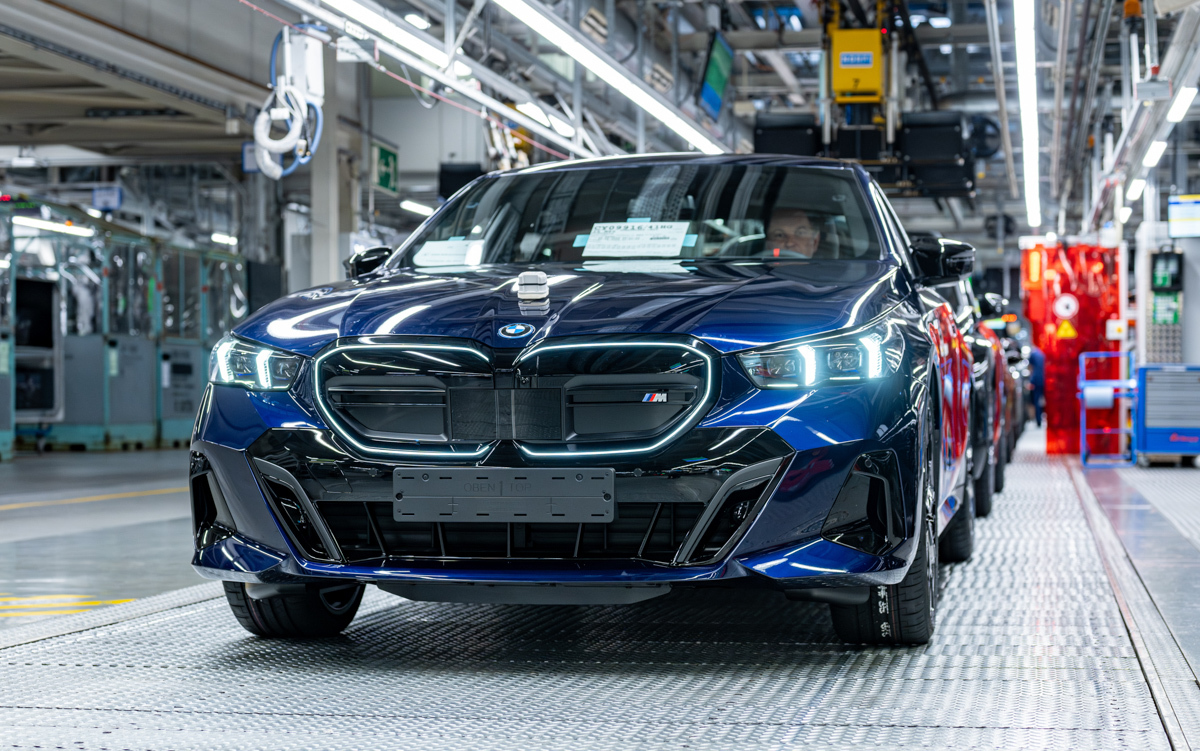
The all-electric BMW iM3 will rock four electric motors and a dramatic design.
It looks as though BMW will preview the new model at the Le Mans 24 Hours.
The electric model will co-exist alongside the current ICE M3 and the next-gen G84.
It’s only been a little more than a couple of months since the all-electric BMW i3 was unveiled, and already, the German brand is edging closer to lifting the veil on the all-electric M-branded version. The long-awaited model may debut at this weekend’s 24 Hours of Le Mans or be previewed by a motorsport-inspired concept.
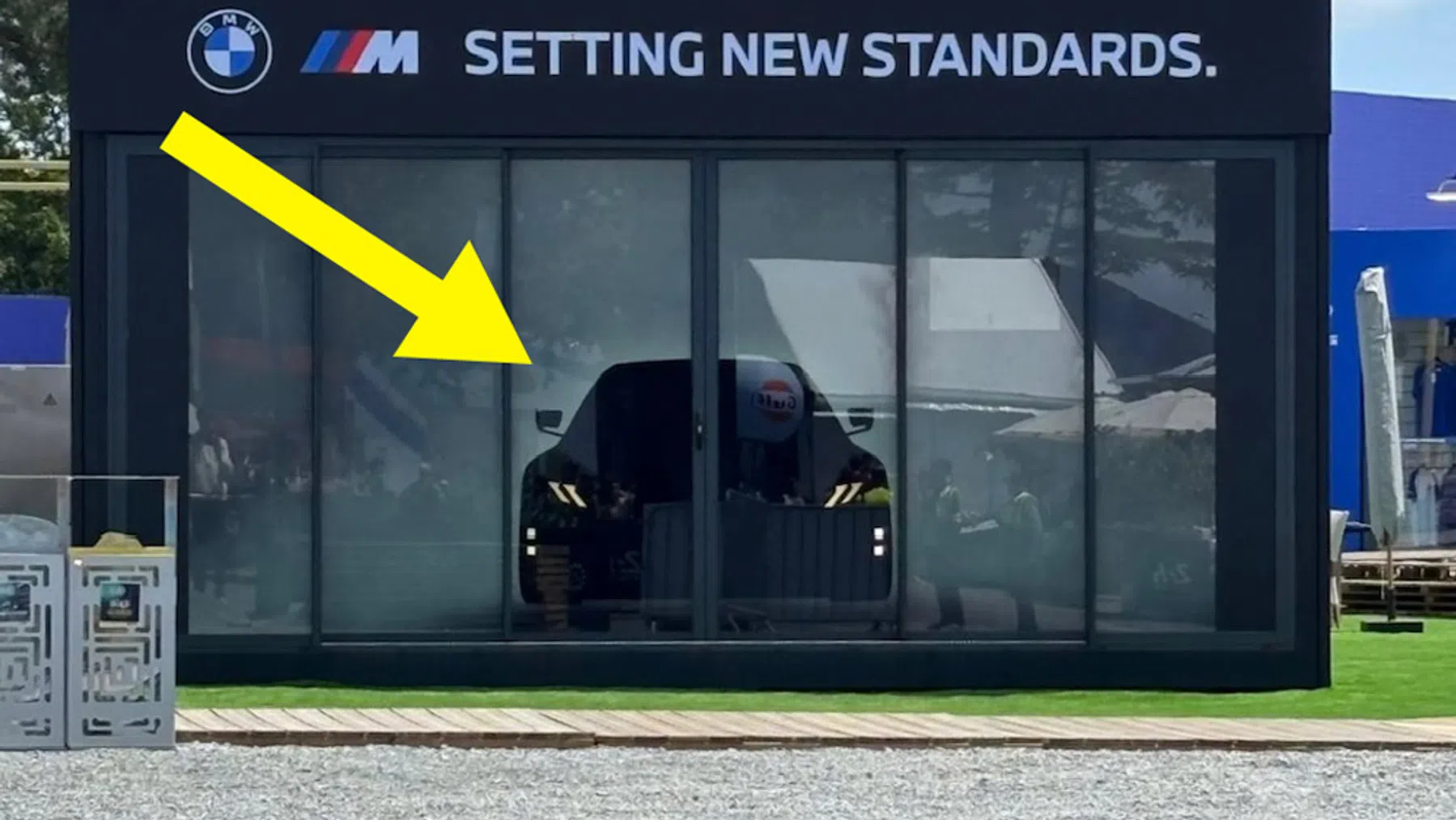
Photos snapped in the Le Mans paddock this week show BMW has set up a dedicated fanzone at the event, and within it is a large box with glass doors. An image circulating online provides a preview of the car hidden behind the glass, and it looks to be the electric M3, potentially known as the iM3.
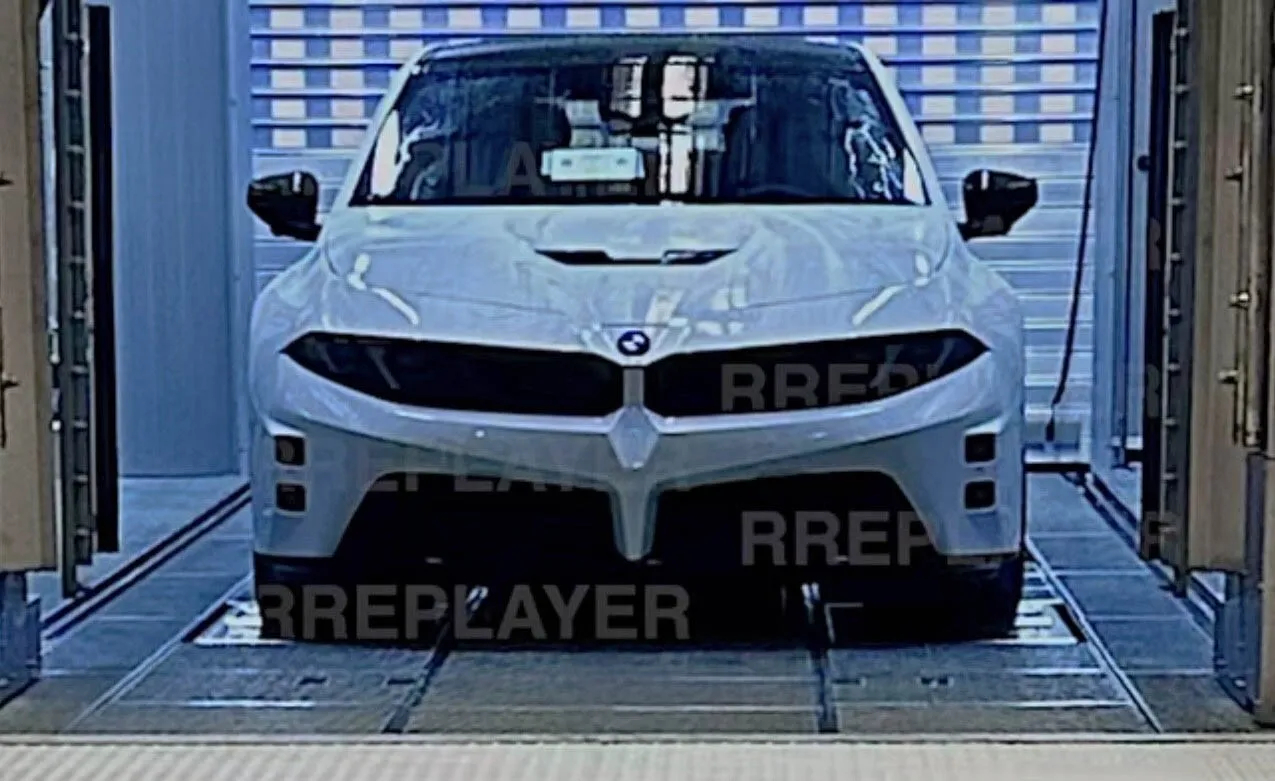
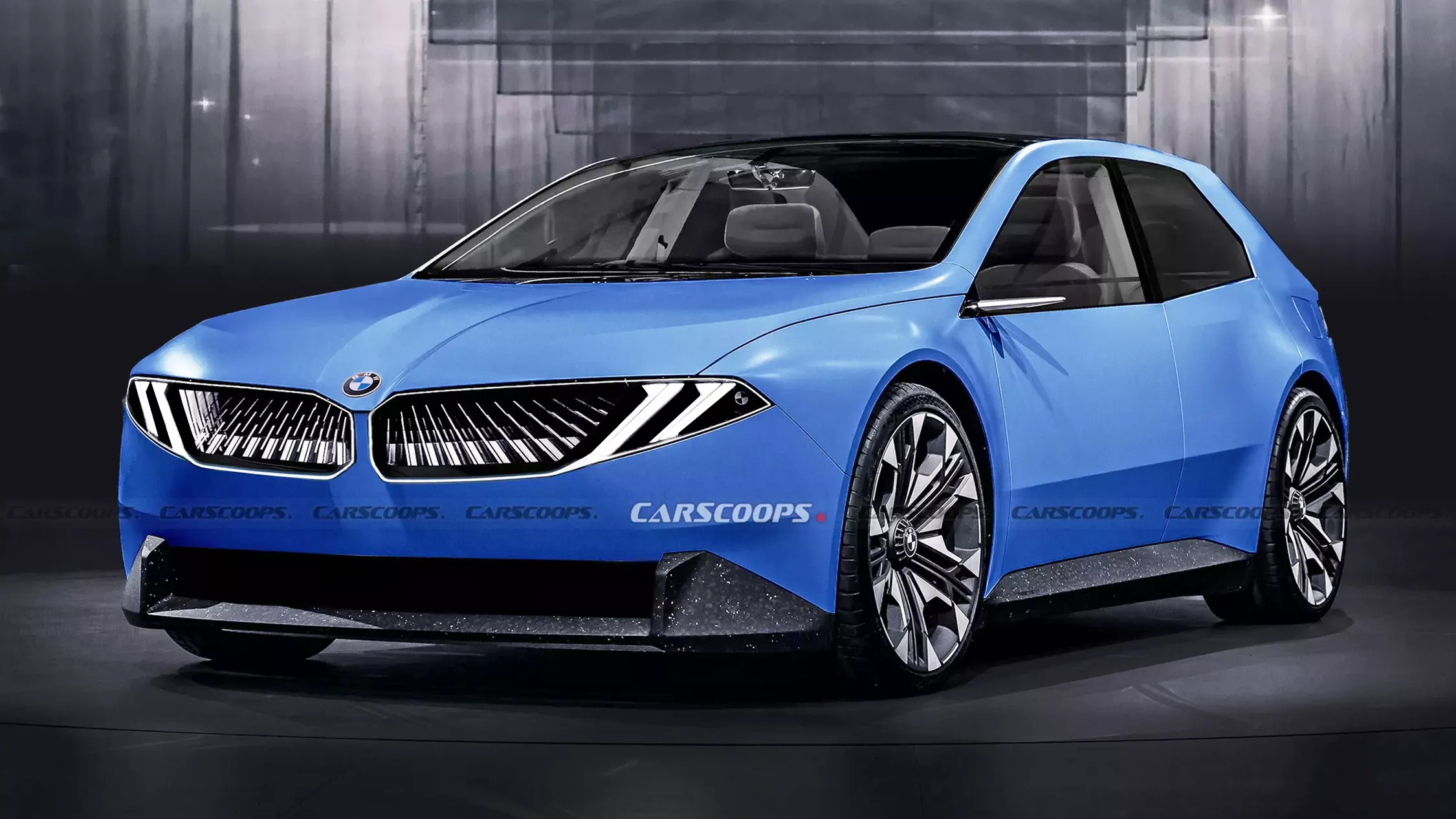
A couple of months ago, a handful of images reportedly showing this car leaked online, and the car shown at Le Mans looks very similar. Like the standard i3, it features BMW’s Neue Klasse-era front fascia but it is noticeably wider, with two square LED daytime running lights on either side.
The wing mirrors are particularly interesting, as shown in these photos from the German Car Forums. They don’t look like those on any current BMW M production car; instead, they look more like the mirrors we’d expect to see on a race car. This has prompted some to suggest the vehicle previewed won’t be the production-spec iM3, but rather a concept that previews its design.
The vehicle’s presence at Le Mans will come just a few days after BMW released the latest episode in its multi-part documentary detailing the development of the electric M3 sedan. This episode focuses on the car’s brutal testing regime at the Nurburgring Nordschleife, where it’s covered more than 4,970 miles (8,000 km).
While many details about the car remain under wraps, we know it will have a quad-motor setup with an electric motor at each wheel and individual gearboxes. This will enable BMW to precisely control torque distribution. In this clip, BMW says, “this new technology allows us to push the boundaries of vehicle dynamics even further.”
“This allows us to send more power to the wheels that can use it most effectively,” BMW adds. “You can get back on the throttle much earlier, exactly to the slippage area of a wheel, so you can step on the throttle very, very early. The car doesn’t push outwards but is pulled and pushed through the corner, without any understeer or oversteer.”
So, while moving to electric power will no doubt upset some purists, it’s clear BMW is committed to making the iM3 as intoxicating to drive as possible.
Owners of the new BMW iX3 could get an electric shock while charging their EV.
The iX3 is also being recalled for possible issues with the side airbags.
One of the recalls impacts 4,843 iX3s globally, including 1,071 in Germany.
The second-generation BMW iX3 has been well received by most, marking a serious step up from its predecessor and delivering the kind of driving range usually reserved for Chinese EVs. But the launch hasn’t gone off without a hitch. Two recalls have already been issued for the electric SUV in Germany, and one of them sounds genuinely unpleasant.
The first recall landed at the end of May and covers 145 vehicles built between November 25, 2025, and February 20, 2026. According to BMW, these iX3 models carry an onboard charger, the component that converts AC power to DC, that may be faulty. The defect could leave the SUV’s body panels buzzing with electricity while the car is plugged in.
BMW says it isn’t aware of any injuries so far, but it admits owners could get a nasty shock if they touch the car at the wrong moment. The fix is straightforward enough, as the onboard chargers on affected models will be swapped out, whether or not they actually turn out to be defective. With high-voltage EVs, better safe than sorry. All told, the recall covers 145 cars worldwide, 28 of which are in Germany.
Dangerous Airbags
Then a few days later, on June 1, a second recall followed. This time, BMW says the side airbags may not have been bolted in to spec. The concern is twofold: the airbag might not deploy properly in a crash, and the gas generator could shift out of position and strike occupants.
The affected iX3s were built between December 18, 2025, and May 8, 2026. It’s the bigger of the two campaigns, covering 4,843 vehicles worldwide, including 1,071 in Germany. As with the charger issue, there are no known accidents or injuries tied to the airbag fault.
In this case, BMW says it will inspect the screws that hold the side airbags in place and, if necessary, resolve any issues.
BMW iX3 went the furthest of any EV in Norway’s summer test.
Xpeng X9 minivan beat its official range by a wide margin.
Most of the 24 EVs barely strayed from their stated range figures.
Most modern EVs look like long-haul champions on the spec sheet, but the paper numbers and the real world don’t always shake hands. The Norwegian Automobile Federation (NAF) and its independent membership magazine Motor are back with the bi-annual “El Prix” range test, putting 24 electric models through their paces to see which ones live up to their official WLTP ratings, and which ones fall flat.
This round was run under the kindest conditions an EV could ask for. NAF conducted the test during the Norwegian summer, with dry roads and temperatures hovering between 12 and 18°C (53.6 to 64.4°F).
The standout was the new BMW iX3 50 xDrive, which covered 781 km (485 miles) on a single charge. That’s not just close to its claim, it’s 1.5 percent beyond its official WLTP figure and a hefty 11.7 percent more than its advertised EPA range.
Predictably, the new iX3 posted a much higher range figure than the model it replaces. Even so, NAF points out that the previous-gen iX3 tested back in 2021 still holds the all-time summer record for positive deviation, beating its rating by 23.5 percent with 556 km (345 miles) of range.
As for the ultimate record for the longest range, it belongs to the Lucid Air that achieved 832 km (517 miles) in the summer of 2025. This year Lucid showed up with the Gravity SUV instead, which ran for 720 km (447 miles) before the battery gave out, falling 3.7 percent short of its expected figure.
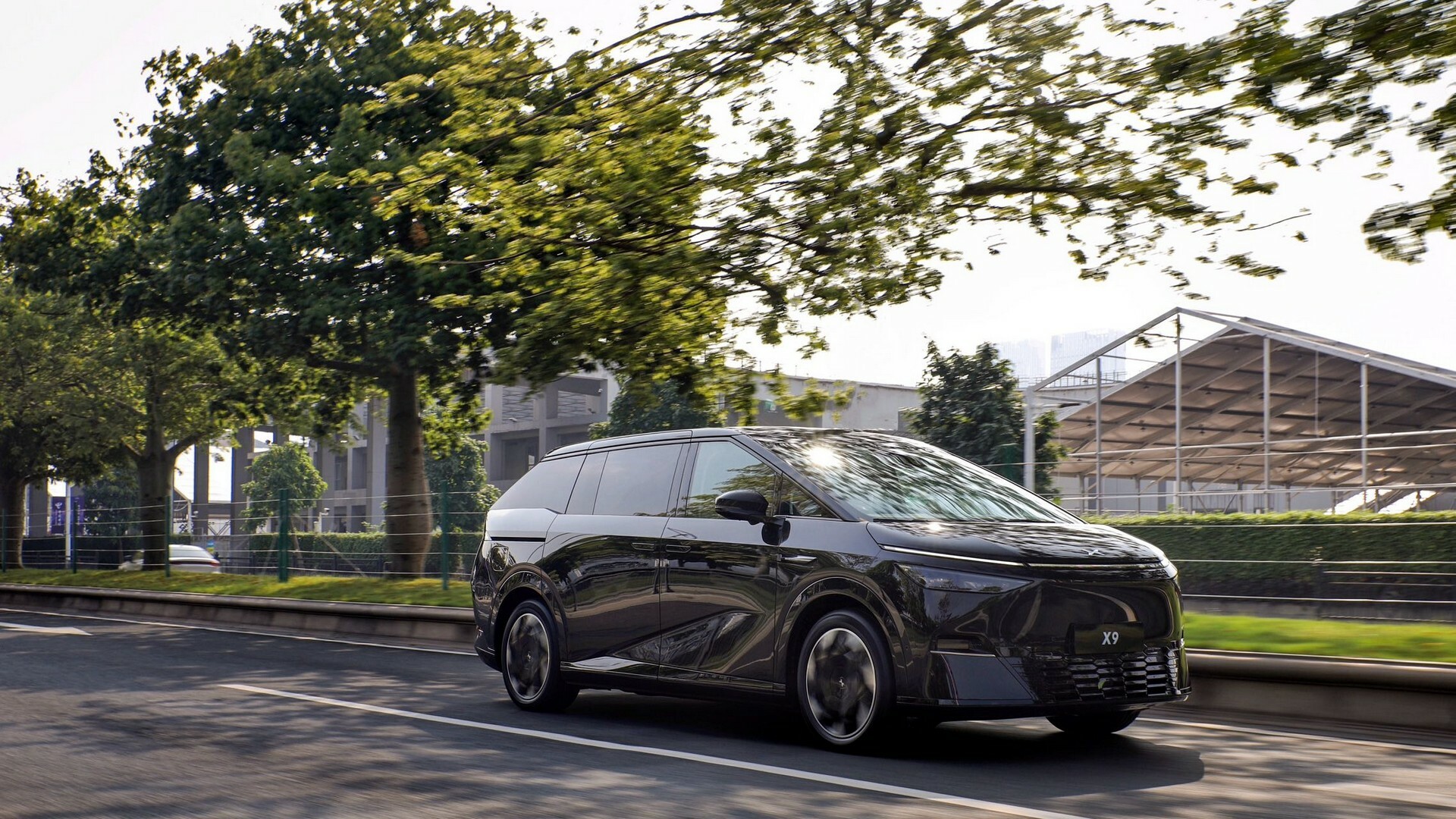
The BMW drove the furthest, but the most impressive result of the year came from the XPeng X9. The Chinese minivan posted a real-world range of 646 km (401 miles), beating its WLTP rating of 580 km (360 miles) by 11.4 percent. That kind of overachievement is nothing new for XPeng, as the G9 SUV topped its advertised range by 13 percent back in the 2023 test.
At the opposite end sat another Chinese model, the MG IM6 sedan, which managed just 446 km (277 miles), falling 11.7 percent short of its WLTP figure. Nils Sødal, senior communications adviser at NAF, said the result caught the team off guard: “We were surprised to see such a large negative deviation for this MG, especially when the other MG model, the S6, achieved a positive deviation of 3.4 per cent.”
The rest of the field stayed within a tight band, deviating from their stated range by anywhere from -5.7 to +5.4 percent, helped along by the dry roads and mild summer temperatures.
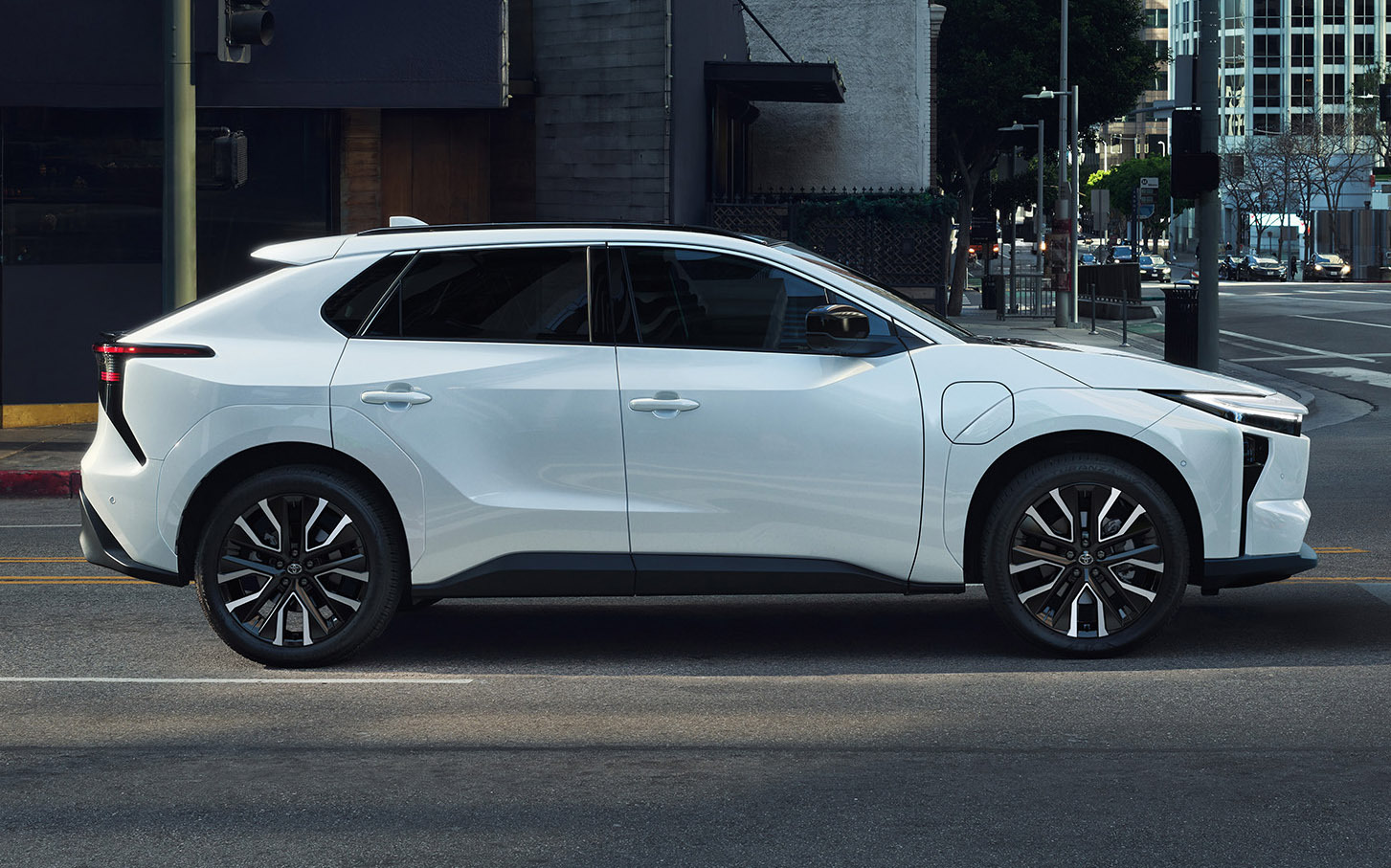
Interestingly, the facelifted Toyota bZ4X perfectly matched its WLTP figure of 506 km (314 miles) on the real-world test. However, the driver stated that the Japanese model showed 0% remaining battery 18 km (11 miles) before it actually ran dry. Keep in mind that NAF pushes these EVs to their absolute limit, driving each one until it’s completely discharged.
Below you can see the results for the full batch of 24 EVs that took part in the summer 2026 edition of the “El Prix,” ranked from the longest to the shortest range on a single charge.
Spy photographers believe this prototype is the upcoming iX5 M.
Crossover sports a unique front end and a beefy braking system.
iX5 60 is expected to have 569 hp, so expect even more from the M.
Spy photographers have snapped the upcoming BMW X5 and iX5 on multiple occasions, but now they’re claiming to have caught the iX5 M. While it’s hard to be certain, the model is certainly more aggressive than previous prototypes.
As you can see, the crossover embraces a Neue Klasse design and appears to have a similar grille and headlight treatment as mainstream models. However, it adopts a far more aggressive lower intake that sports larger openings and angular lines. We can also see what appears to be a mid-mounted intake covered by a mesh panel.
Sporty features can also be found further back as the prototype rides on lightweight five-spoke wheels. They’re wrapped in Michelin Pilot Sport tires and are backed up by a beefy braking system, which features cross-drilled discs and massive front calipers.
The rear end is pretty tame by comparison, but we can see slender taillights and a pronounced spoiler. The model also sports an angular rear window and a recessed license plate.
Baldauf
Little is known about the crossover at this point, but EPA documents suggested the iX5 60 will have a massive 147.8 kWh battery pack as well as a dual motor all-wheel drive system producing a combined output of 569 hp (424 kW / 576 PS) and 594 lb-ft (805 Nm) of torque. We can also expect an 800-volt electrical architecture and fast DC charging.
That leaves plenty of questions about how powerful an iX5 M could be, but we’ve already heard rumors about an iX7 M70 with more than 800 hp (597 kW / 811 PS). Of course, we’ll likely get a better idea once the regular model debuts.
BMW has been forced to shut down production of a popular electric SUV over parts shortages.
The German plant has enough 17- and 18-inch wheels for May, but not for the whole of June.
Customers are being told to wait as long as October for delivery, or upgrade to 19-inch rims.
New-car buyers might expect to wait a while for their ride if they’ve ordered some fancy personalization option, like a Porsche paint-to-sample color. But some drivers expecting to take delivery of their ordinary electric BMW SUVs this summer might have to wait until fall simply because they wanted something that’s supposed to be standard.
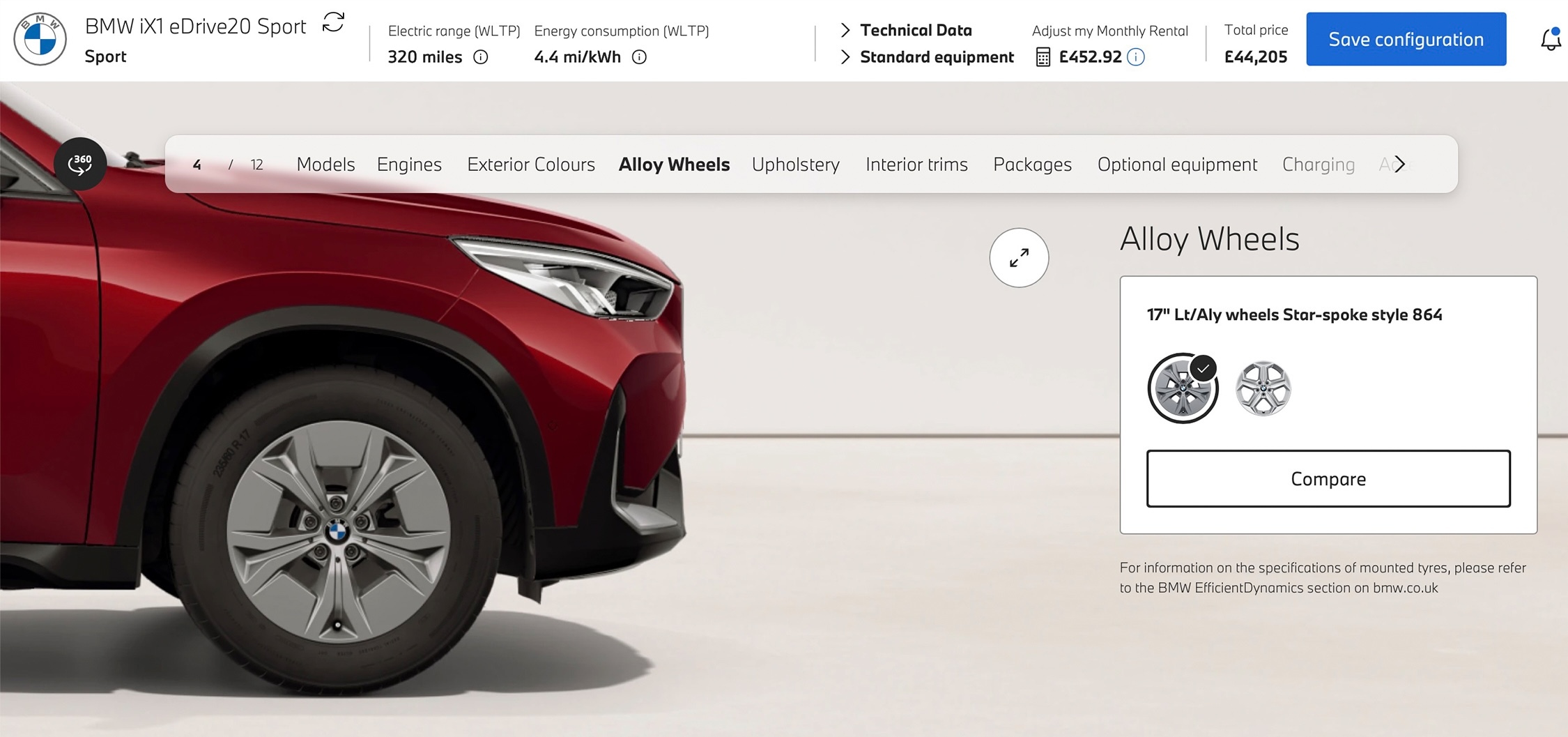
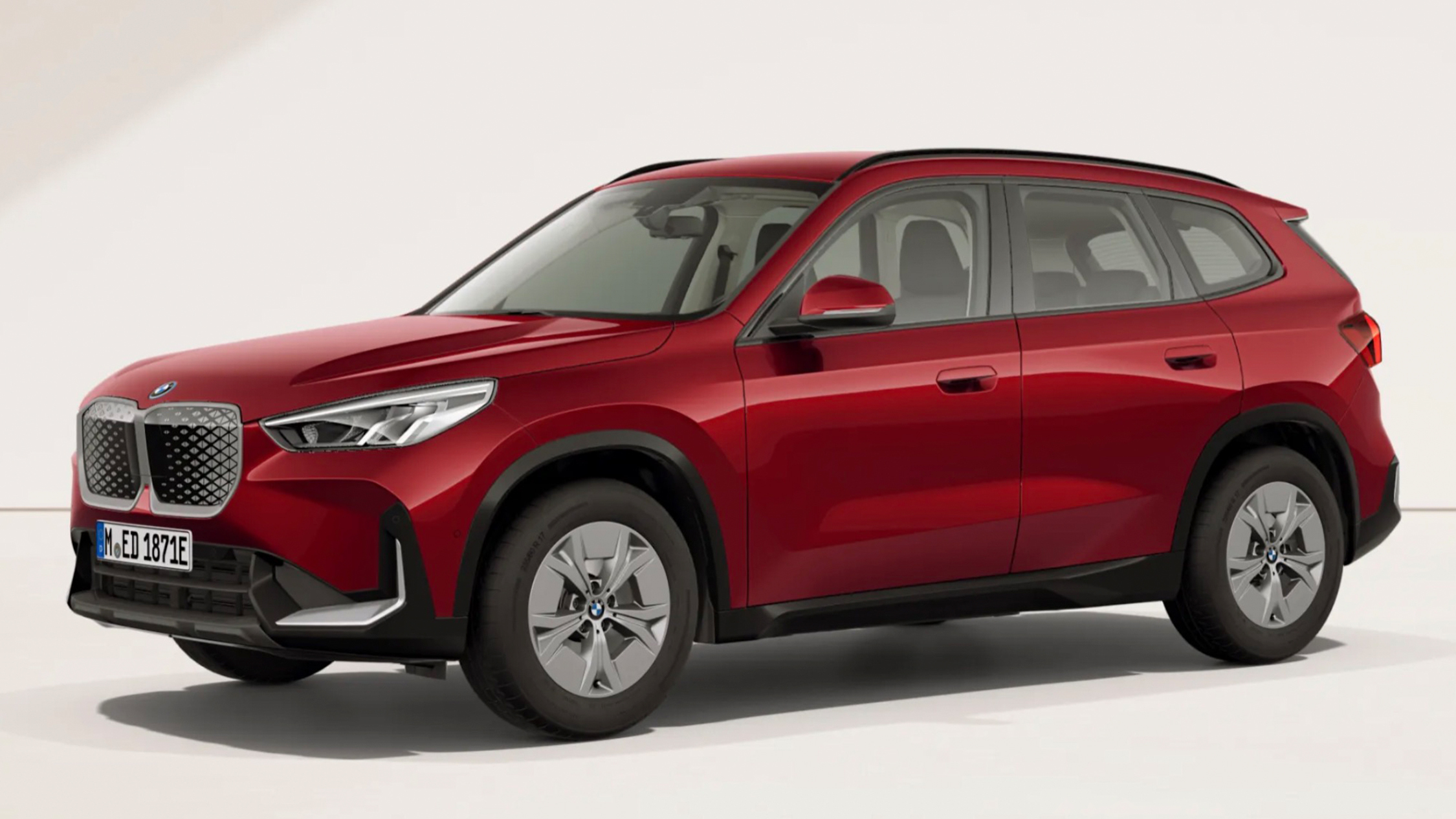
That’s apparently the situation facing some BMW iX1 customers in Europe, where production disruptions tied to the humble 17- and 18-inch wheels are reportedly forcing builds to be paused and slowing deliveries by months.
“There are still enough wheels for production in May, but already in June the capacities will not be sufficient,” a BMW production manager wrote in a letter to dealers seen by Automobilwoche. Though the cause of the mess-up wasn’t revealed, and the manager said BMW was in contact with the supplier, he admitted “it will probably take some time before this bottleneck is resolved.”
This isn’t some limited-run supercar needing carbon fiber center-lock wheels. We’re talking about the smaller, cheaper wheels many customers specifically choose because, while they might not be as attractive as bigger rims, they’re affordable, and deliver better ride comfort. But most importantly for an EV, they also deliver the best electric range.
BMW’s suggested workaround is to move buyers into 19-inch wheels instead. But the larger wheels reportedly require customers to upgrade into pricier trim packages, adding roughly €1,900 ($2,100) to the bill. Buyers might also lose a bit of driving range.
A bone-stock iX1 on 17s claims 320 miles (515 km) of range, but switching to 19s drops that to 316 miles (509 km), and going with 20s, it falls to 305 miles (491 km). Strangely, the short-supply the standard 18s deliver 313 miles (504 km) of range, so it’s only those who wanted the no cost-option 17s that’ll lose out in terms of range by upgrading to 19s.
For customers waiting on expiring leases or trade-ins, the delays could be a real pain. One dealer reportedly pushed an iX1 delivery back by roughly three months, leaving the customer stuck figuring out transportation in the meantime.
It wouldn’t be so bad if we were talking about a niche product, but the soon-to-be-facelifted iX1 is a big deal on a continent where electric sales are still booming.
“The iX1 has become our bread and butter vehicle,” one dealer told the German outlet.
A redesigned BMW 1-Series will reportedly arrive in 2028.
Neue Klasse hatch will offer both ICE and electric powertrains.
Electric M model could have dual motor AWD system with 463 hp.
BMW is in the midst of a major product revamp and it will include an all-new 1-Series. The redesigned hatch will reportedly arrive in 2028 and be offered with both electric and ICE powertrains. The latter will rival the upcoming Audi A2 e-tron and Mercedes A-Class EQ. While it will share a name and styling with the ICE-powered 1-Series, the EV will reportedly ride on a different platform.
Autocar reports BMW sold almost 200,000 1-Series last year, so the company sees the model as one of their “main pillars.” As a result, the hatchback will enter the Neue Klasse era with a fresh design that mimics the new i3 and iX3.
While the overall look will echo the aforementioned models, designer Oliver Heilmer suggested the upcoming 1-Series will get its own take on the company’s new styling language. He implied this could include a unique grille design and surface treatment. Interestingly, the publication also suggested the three-door variant could return, but only in fully electric form.
Despite some special exterior touches, the cabin will be pretty familiar as it will adopt Panoramic iDrive. This means we can expect a new steering wheel, a pillar-to-pillar dashboard display, and a 17.9-inch infotainment system.
Powertrain details remain hazy, but the publication says the current 1.5- and 2.0-liter petrol engines will carry over and be joined by a new plug-in hybrid variant. The latter could combine the larger engine with a sizable battery pack that delivers around 60 miles (97 km) of electric-only range. According to the report, the ICE model will continue to ride on the same front-wheel-drive UKL2 architecture as the current car.
As for the EV, it takes a different approach with its rear-biased Gen6 architecture. It could take a cue from the entry-level iX3 40 which features a rear-mounted motor producing 316 hp (235 kW / 320 PS) and 369 lb-ft (500 Nm) of torque. There are also rumors of an M variant, which could use a dual-motor all-wheel drive system with 463 hp (345 kW / 469 PS) and 476 lb-ft (645 Nm).
While the motors will reportedly carryover from other i models, expect significantly a smaller battery pack. This is largely due to packaging and cost concerns.
BMW’s first Neue Klasse SUV in America starts at $61,500 plus fees.
The 483 hp xDrive 50 posts 434 miles, leaving Tesla’s Model Y behind.
BMW charges $4,000 for the M Sport pack with glow grille upgrades.
BMW of North America has dropped two crucial numbers for its new iX3 electric SUV, and they couldn’t have come at a more important time. Up to 434 miles (699 km) of EPA range isn’t just impressive, it might be exactly what the sagging US EV market needs right now. As is the price, which makes the electric X3 SUV cheaper than a less powerful combustion X3.
That headline range figure, which is even better then the 400 miles (644 km) originally estimated by BMW stateside, puts it ahead of most rivals, though it does come with an asterisk. It only applies to cars equipped with the no-cost-option 20-inch summer tires. Stick with the default all-seasons 20-inchers and it drops to 383 miles (616 km).
Here’s where it gets really weird, though. BMW reckons you’ll get 399 miles (642 km) if you upsize to the $600 21-inch wheels and all-season rubber, which actually give you 1 mile (1.6 km) more range than the 21-inch summer tires offer. It sounds all wrong but BMW says the strange numbers are the result of averaging range figures across various tire brands.
You can check out the full range-to-tire stats in the table below, but whichever combo you pick, you’re going to be going further between fills than any other electric SUV in the sector. Tesla quotes 294 miles (473 km) for the base AWD Model Y, 327 miles (526 km) for the Premium AWD, and 306 miles (492 km) for the Performance variant. While we’re still waiting on official figures for the Mercedes GLC 400 4Matic, based on the difference between it and the iX3 in the European WLTP numbers, we’d expect its EPA range to be around 380 miles (612 km) at best.
2027 iX3 Electric Range Vs Tires
Wheel & Tire Package
MPGe Combined
Range (mi)
20″ Summer Tires (No-cost option)
118
434
20″ All-Season Tires (Standard)
102
383
21″ Summer Tires
105
398
21″ All-Season Tires
105
399
22″ Summer Tires
104
392
SWIPE
It Undercuts The ICE X3 On Price
But range, and an ability to charge at 400 kW, adding 185 miles (298 km) in 10 minutes, isn’t the only thing the iX3 has on its side. It’s also competitively priced. The iX3 50 xDrive costs $62,850 including a $1,350 destination charge, which means it costs less than the brand’s own gas-powered $67,850 X3 M50 xDrive.
It also gives you 463 hp (469 PS) and 476 lb-ft (645 Nm) to the ICE SUV’s 393 hp (399 PS) and 428 lb-ft (580 Nm), and though the six-cylinder SUV gets to 60 mph (97 kmh) a touch quicker (4.4 plays 4.7 seconds) than the EV, we bet it’s the iX3 that feels the more urgent when you jump on the right pedal for a passing maneuver.
That kind of pricing is designed to hook in American drivers who’ve lost interest in EVs lately. BMW’s electric sales sank 16.7 percent last year and cratered by 45.5 percent in the fourth quarter after the Trump administration axed the $7,500 federal tax credit program. Mercedes will now be feeling the heat to price its GLC EV as close to $60k as possible.
M Sport Trim A $2,500 Option
Naturally there are plenty of opportunities to add to the iX3’s $62,850 base price. Standard kit includes BMW’s Panoramic Vision pillar-to-pillar digital display, Perforated Veganza Upholstery, smartphone charger, Digital Key Plus (which uses your phone as a key) and umpteen safety aids. But plenty of buyers will want to add the $1,500 Comfort Package (heated steering wheel, panoramic glass sunroof and multifunction seats), or $1,900 Technology Package (BMW Iconic Glow illuminted kidney grille, 3D head-up display, Harman/Kardon hifi). Or maybe even both.
And the M Sport package is sure to be a big draw. The base version of the package costs $2,500 and nets you BMW M interior and exterior trim, 20-inch M Aero V-Spoke wheels and a sports steering wheel, while the $4,000 Professional version adds the Iconic Glow light-up grille, a proper M sport wheel and M Sport brakes with red and blue calipers. That’s as near as you’ll get to an iX3 M this year, though we expect to see one of those before long.
More Affordable iX3 40 Arrives Later
And if even an options-free iX3 50 is too pricey for your pocket, there may be a solution arriving shortly. Though BMW hasn’t yet confirmed it’s coming to US roads, information that mistakenly appeared briefly on the brand’s website earlier this year before being taken down, suggested the 50 xDrive would be joined by a rear-wheel drive 40 sDrive and all-wheel drive 40 xDrive.
BMW has already debuted the single-motor 40 in Europe in March, revealing that it makes 316 hp (320 PS / 235 kW) and downgrades to a 82.6 kWh battery. The new base model needs 5.9 seconds to reach 62 mph (100 kmh) and going by the 395 miles (636 km) WLTP range, will probably get an EPA rating of around 340 miles (547 km).
You can configure your iX3 50 now and reserve it for $1,000. Get in early and you should get yours when deliveries kick off in September.
BMW Group hits two million EVs just two years after first million.
More important EVs coming through include i3 electric 3-Series.
Europe leads growth but US, China slowdown hurts momentum.
The BMW Group has just built its two millionth fully electric car, and the speed of that climb is impressive. It took almost 11 years after the first i3 hatch rolled off the line in 2013 to reach the first million, then only about two more to double it.
The milestone car is a BMW i5 M60 xDrive, built in Germany and heading to a buyer in Spain. That destination says a lot, because Europe is leading the way when it comes to EV demand right now. Sales of fully electric cars in the region jumped 28 percent in 2025, and one in every five cars sold in the EU is now an EV.
Production is ramping fast to accommodate that growth. BMW now builds EVs at all its German plants and mixes them with combustion cars on the same lines. That flexibility lets it react as demand shifts, and lately, demand has been shifting quite a bit, because Europe’s love for EVs isn’t mirrored in other regions.
Globally, BMW delivered 442,072 EVs in 2025, a modest increase that shows growth is still happening, just not at the same pace as before. Because in the United States, BMW’s EV momentum has clearly cooled. Battery electric sales fell to 42,484 units in 2025, down 16.7 percent year over year.
The drop was even sharper late in the year, with fourth quarter EV sales plunging 45.5 percent after federal EV tax credits were axed. At the same time, plug-in hybrids surged more than 30 percent, showing where buyers are heading. China isn’t helping either. Sales there dropped significantly, with the region down double digits overall, dragging on global performance.
Hot New Electric Metal Inbound
But on the plus side, BMW has just begun to roll out fresh EV product with cutting-edge design and technology. The iX3, the first of BMW’s Neue Klasse cars, is already in showrooms, and the i3 electric 3-Series that debuted this spring won’t be far behind. And it’ll be followed by the first-ever electric X5, while Rolls-Royce has its own electric SUV on the way, although the sales numbers will obviously be modest.
That lineup should help keep BMW Group’s EV registrations growing, but it might struggle to keep pace with another big German automaker. VW recently announced it had made its 2 millionth EV only 10 months after rolling out its millionth, and with the ID.3 now much improved and the ID. Polo arriving at dealers soon, its next million could come even quicker.
BMW plans EV and ICE M3 pricing parity despite massive performance gap.
Electric version could hit 800-1,000 hp, gas model will make less than 600.
Manual gearbox and RWD options may disappear from combustion M3.
BMW is about to do something unusual with its most famous sports sedan. When the next-generation M3 arrives, buyers will get two very different machines wearing essentially the same badge and, crucially, roughly the same price.
According to a new report, BMW intends to sell the electric and combustion M3 side by side in the same price bracket. That might sound straightforward, but it gets interesting once you look at what each version actually delivers.
The electric M3 could deliver close to 1,000 hp (1,014 PS) from its quad-motor setup, though base models are likely to deliver 700-800 hp (710-811 PS) at launch. Meanwhile, the combustion model will stick with an evolved twin-turbo straight-six boosted by mild hybrid tech to somewhere around 552 hp (560 PS).
Visually, the two cars won’t stray far from each other either. BMW wants them to feel like siblings, not alternatives from different worlds. Expect shared design cues inspired by the Neue Klasse look, even though they’re based on entirely different platforms, the combustion car sticking with an updated version of today’s M3’s CLAR platform.
Panoramic iDrive
Inside, both should follow the same minimalist, screen-heavy direction. That means fewer physical buttons and a more digital-first cabin, incorporating BMW’s Panoramic iDrive tech, which may divide opinion just as much as the powertrain choices.
Combustion M3
Sylvia Neubauer, BMW M’s sales boss, is adamant that both cars will deliver what buyers expect. “It’s not only about acceleration and power, it’s about drivability, manoeuvrability and that level of trust and connection between the driver, car and road,” she told Autocar.
She also made it clear BMW knows not everyone will jump ship to electric overnight. “Obviously we will not convince 100 percent out of the petrolhead target group to buy an all electric BMW M3,” she admitted. “But out of 100 people that try it, we will be able to convince some.”
That explains why the combustion version isn’t going anywhere just yet, though some elements of it might be. Reports suggest the manual gearbox option, currently only available on the non-Competition version of the M3, might be retired. If that happens, even the petrol M3 edges further away from its analog roots.
BMW has introduced the iX3 Flow Edition at Auto China.
It features a unique hood with integrated E Ink technology.
Users can select eight different animations to display.
Lighting used to be an afterthought, but now it plays a big role in automotive design. This is clear as automakers have embraced illuminated grilles, light bars, and glowing emblems.
BMW envisions taking things even further and they’re showcasing the possibilities with the iX3 Flow Edition concept. It features a hood infused with E Ink and “demonstrates the technology’s readiness for series production.”
The automaker has been playing around with E Ink for years and introduced the iX Flow concept in 2022. It’s now inching closer to road-going models as the automaker has integrated a display into a “large-scale bodywork element for the first time.”
In this case, it’s the hood and users can select between eight different animations. This includes illuminating the outline of a Chinese skyline in a moving pattern and lighting up the buildings themselves. The latter can be done in a variety of different ways and in multiple levels of brightness.
The resulting design is like a piece of automotive art that can range from “subtle to expressive.” BMW added the technology “makes innovation visible and conveys the driver’s style and mood in a personalized and context-sensitive way.”
BMW declined to say when we might see something like this on road-going models, but automakers have been aiming for more personalization. Audi has been doing this for awhile and models like the Q4 e-tron offer customizable daytime running light signatures.
China-market BMW EVs swap pop-out handles for safer ones.
Long-wheelbase i3 and iX3 debut with local tech upgrades.
Claimed 621-mile range probably translates to less than 400.
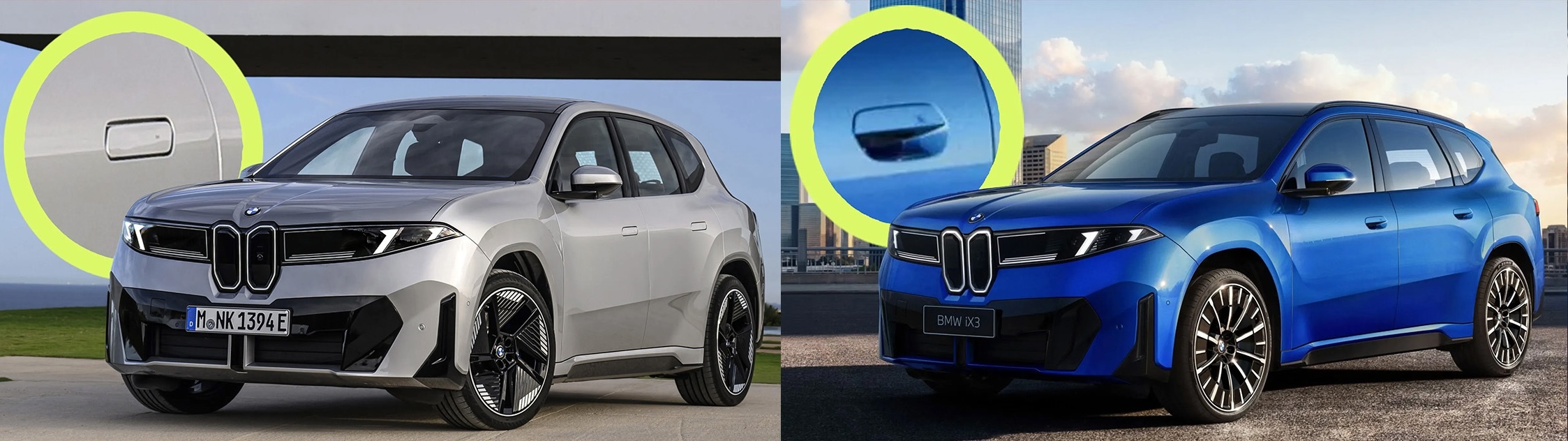
Sometimes the smallest detail says the most. BMW has launched its new China-only i3 Long Wheelbase and iX3 Long Wheelbase, but the headline feature, as we see it, isn’t rear legroom, horsepower, batteries, or giant screens. It’s the door handles.
While European and US Neue Klasse models launched with flush pop-out handles, China’s versions get semi-recessed, more conventional units instead. That follows growing scrutiny of retractable handles after several high-profile crashes in China, where trapped occupants reportedly struggled to exit damaged vehicles.
Tesla has faced similar concerns in the US and abroad, with NHTSA opening an investigation into Model Y door handles last year after reports of parents unable to reach children trapped inside after a power loss. Suddenly, boring handles look pretty smart.
BMW says the redesigned hardware meets Chinese regulations while still satisfying its own global safety standards. And having tried cars with pop-out handles, often finding them fiddly, we’re kind of jealous of these new Asian ones.
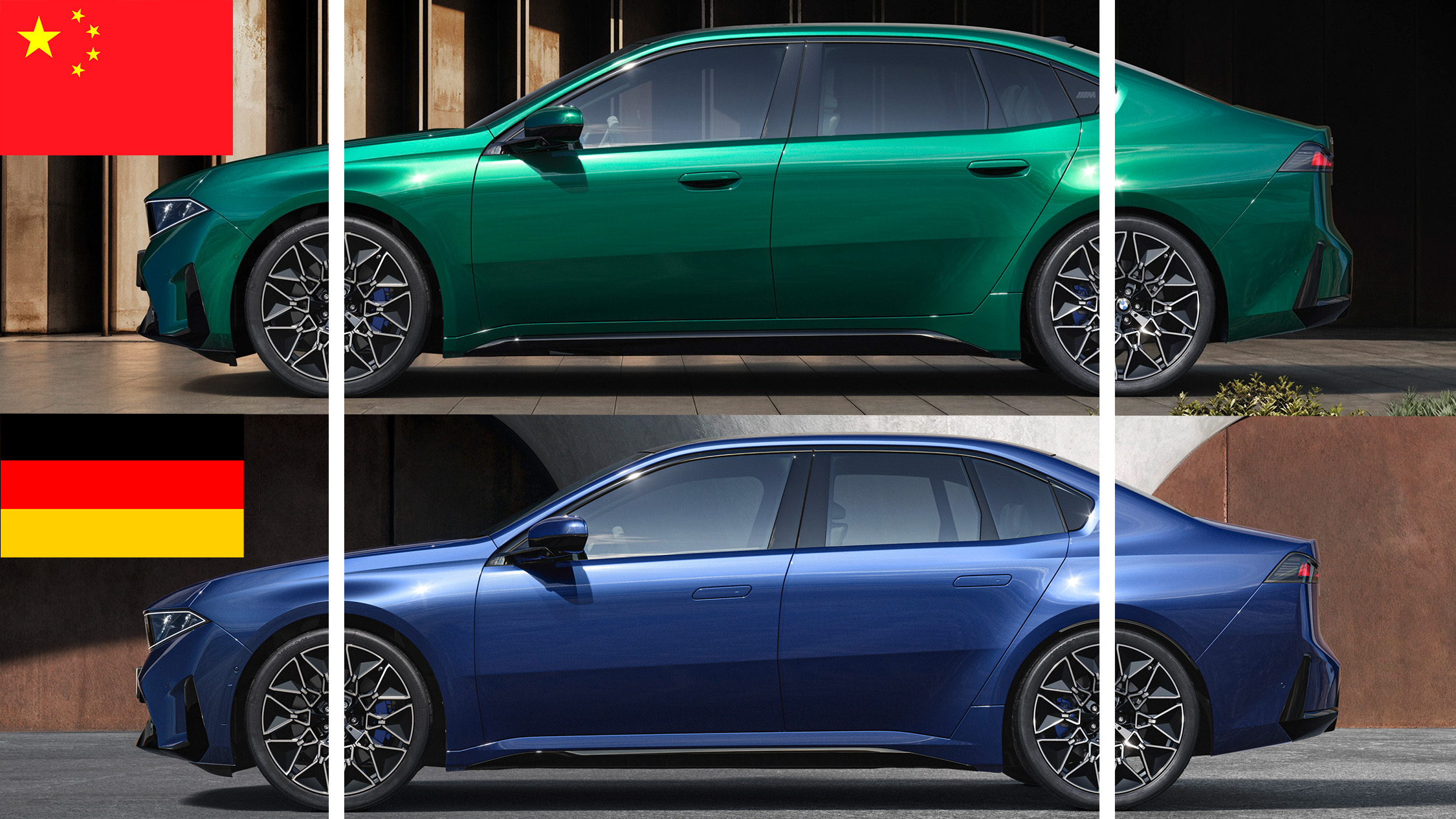
Beyond the door handles, these two EVs mark the official start of the Neue Klasse era in China and have been tailored specifically for local buyers. Both ride on BMW’s latest Neue Klasse dedicated EV architecture, but they’re stretched compared with Western versions because you can never have enough legroom in China.
Exactly how much the i3L is stretched versus the 2,898 mm (114.1 inches) wheelbase of the West’s i3 sedan, BMW hasn’t yet revealed. But we know the iX3L gets an extra 108 mm (4.25 inches) of wheelbase, bringing it to an X5-like 3,005 mm (118.3 inches). The good news is that the extra sheetmetal has been carefully integrated so as not to upset the proportions of either car.
Bespoke China OS
Inside, both models use BMW Panoramic iDrive and a China-specific version of Operating System X. There’s navigation developed with Amap, AI help via Alibaba and DeepSeek, and HarmonyOS NEXT compatibility so the cars can better live inside China’s digital ecosystem.
Driver assistance was also developed locally with Momenta and is tuned for Chinese roads, traffic patterns, and parking chaos. BMW says it offers Level 2 navigation-guided support across city streets, highways, and parking scenarios.
That, we’re happy to believe, but as usual, we’ll treat the optimistic CLTC range figures with some healthy skepticism. BMW claims over 900 km (559 miles) for the iX3 Long Wheelbase and more than 1,000 km (621 miles) for the i3 Long Wheelbase.
To give some perspective, BMW in North America quotes 400 miles (644 km) EPA for the shorter, so presumably lighter, iX3 and 440 miles (709 km) for the truncated i3 sedan.
Both Chinese models get 800-volt electrical systems with up to 400 kW DC charging, just like Western cars, but way behind what BYD can offer Chinese drivers. The powertrains seem identical, too. The iX3 50L xDrive makes 463 hp (470 PS / 345 kW) plus 476 lb-ft (645 Nm) of torque, BMW says.
Do you think BMW should also swap out its pop-out handles on Western-market i3s and iX3s? Drop a comment and let us know.
New 7-Series gets Neue Klasse tech, including a standard front passenger display screen.
Electric i7 gets cylindrical battery cells, standard all-wheel drive, and 350+ miles of range.
Rear 31.3-inch Theater Screen now does Zoom calls, has touch functionality, HDMI port.
BMW’s calling the new 2027 7-Series the most extensive mid-life update it’s ever done, but what we’re seeing here goes beyond Munich’s flagship sedan. Because this update shows us how BMW will apply its Neue Klasse thinking to every older model going forward, including the revised 5-Series.
That claim of “most extensive update” might leave you shrugging at first. The new 7-Series still rides on the older CLAR platform adapted to take both ICE and electric powertrains, rather than the EV-only Neue Klasse architecture seen on the i3 and iX3. And even some of the visual changes are subtle. It doesn’t have the visor face or retro-futuristic compact kidneys.
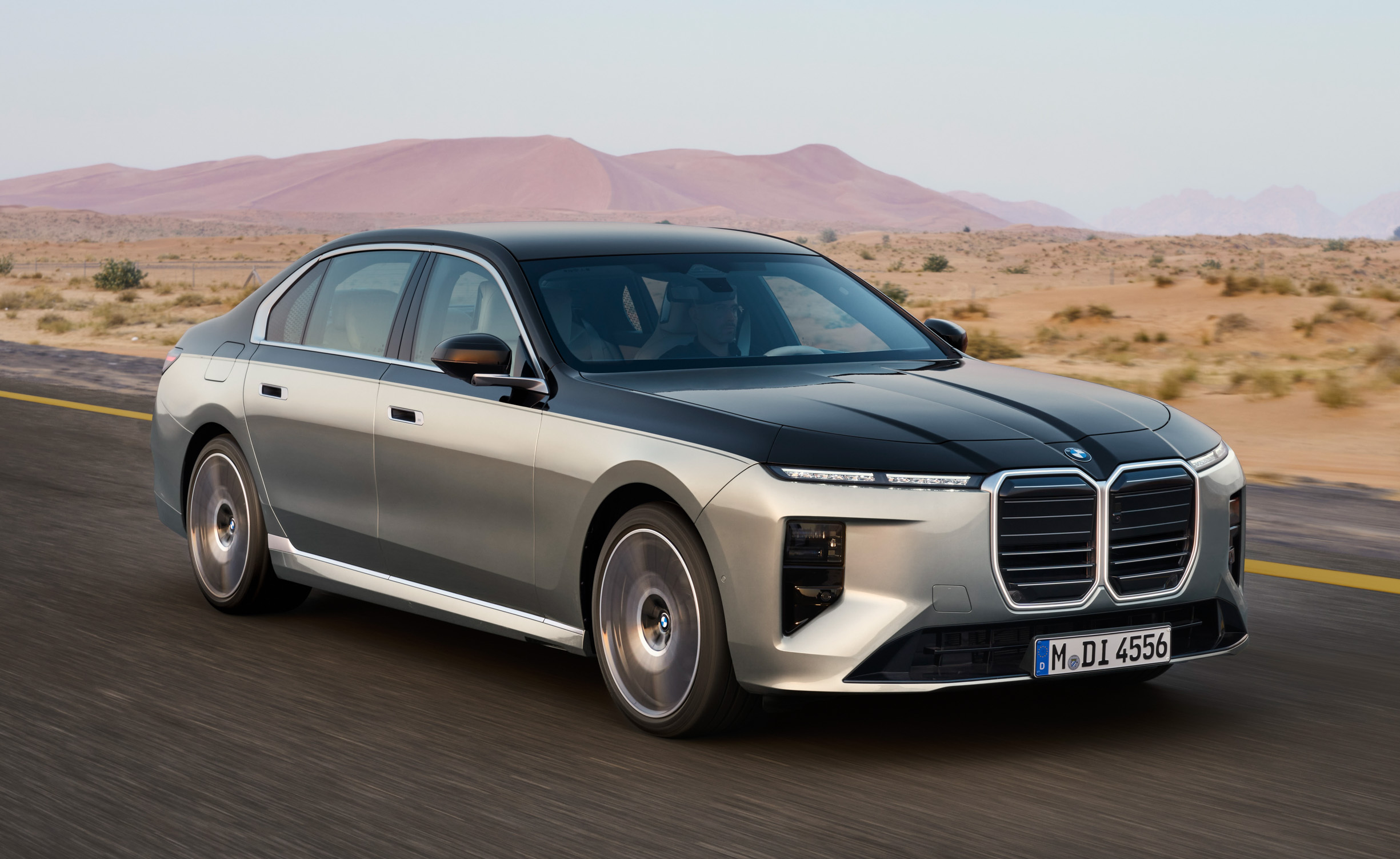
But take another look. The now illuminated jumbo grille is narrower, and its bars run horizontally, not vertically. The super-slim DRLs butt up against the grille, and the real headlights are now smaller and almost hidden in the front bumper’s side air intakes. BMW is even bracing the 7’s industrial look this time around, happy to leave big expanses of body-color plastic up front, rather than trying to break it up with large chunks of black.
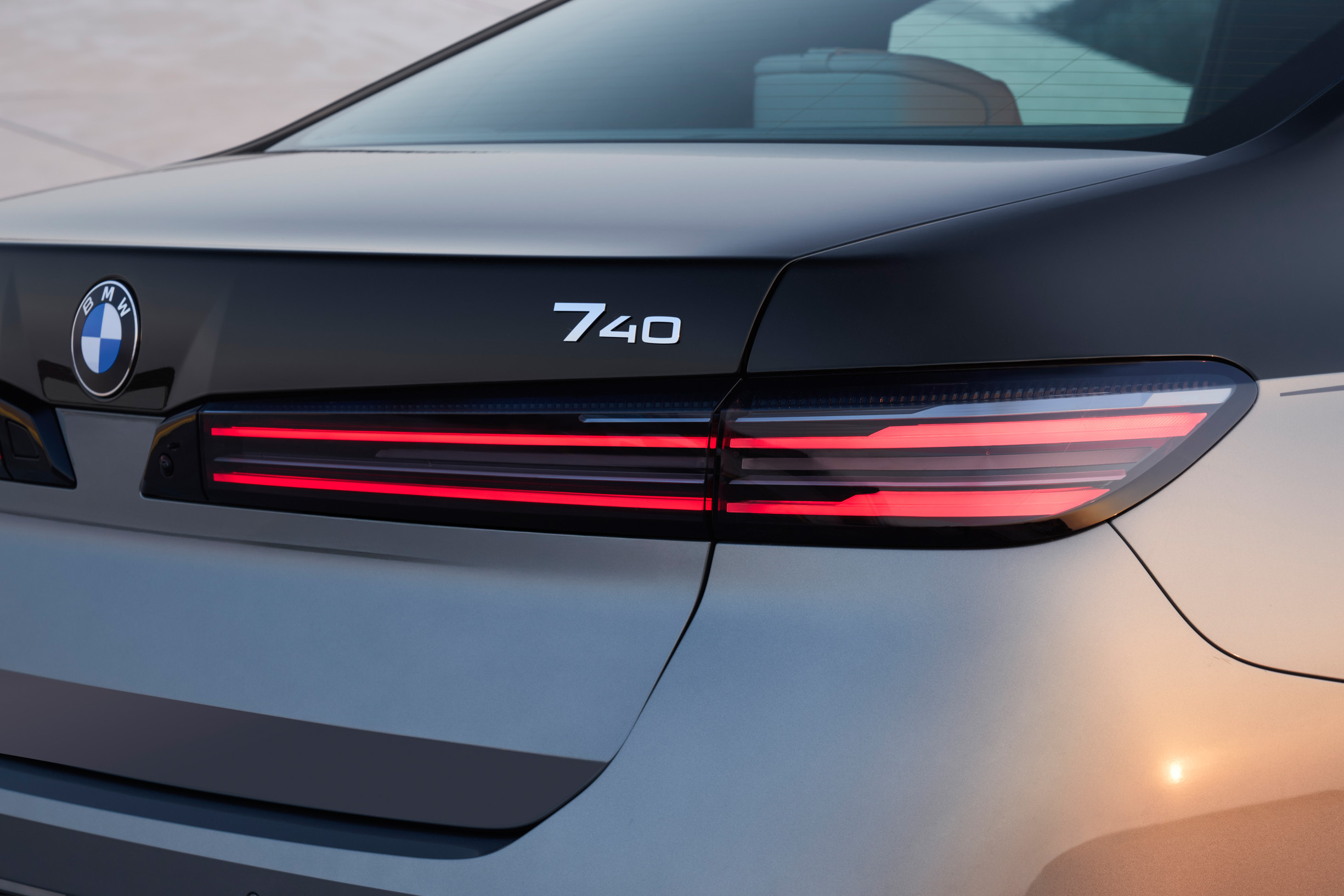
It’s not pretty, and we don’t love the duo-tone Individual paint, even if it does take 75 hours of shop time to create. But the 7-Series is certainly not lacking in presence, looking like someone machined a luxury sedan directly from a solid billet of aluminum and bolted some wheels on. Head round the back, and things are less aesthetically challenging. Besides adopting BMW’s new matte roundel first seen on the iX3, the 7-Series now has longer light units that are just a handspan from being a full light bar.
Panoramic iDrive
Step inside and you’ll not need a guide to help you spot the changes, like you might the exterior updates. BMW’s Panoramic iDrive, again first seen on the iX3 and then the i3, and coming to the facelifted 5-Series and i5, and new X5 soon, makes its debut here, bringing a full-width windscreen projection called Panoramic Vision and a 17.9-inch free-floating central display.
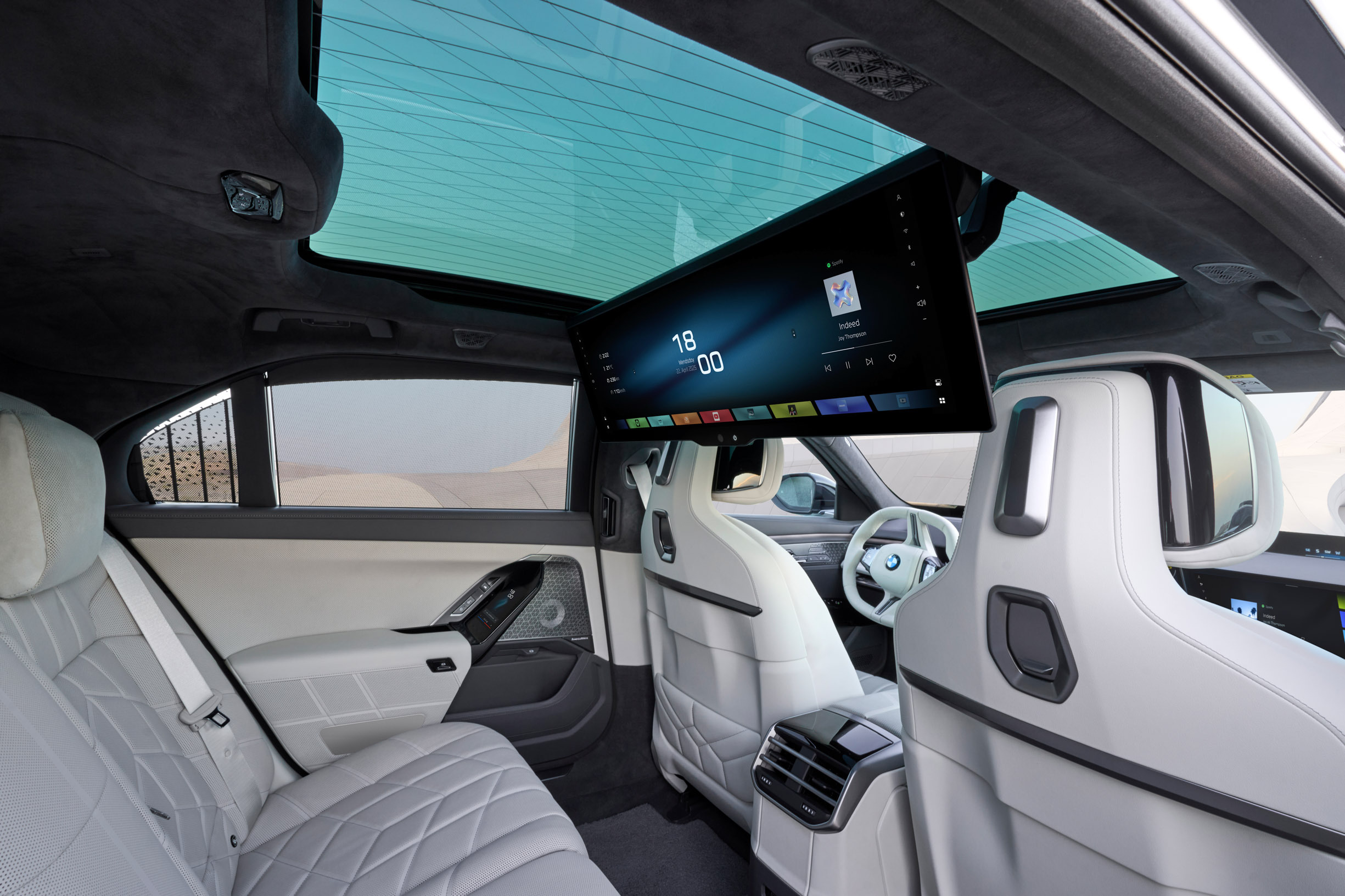
But in this case, there’s a standard 14.6-inch Passenger Screen for whoever’s riding shotgun. They get streaming, gaming, and TV, but you only get jealous: an interior camera dims it automatically if it detects driver distraction. Maybe it’s just us, but that second screen looks kind of clunky, like an afterthought. Mercedes’ latest full-width Hyperscreen setup is slicker.
Zoom On the Move
The rear Theater Screen that was such a big deal when the G70 7-Series debuted in 2022 hasn’t been left out of the updates. The 31.3-inch 8K display is now a touchscreen, supports Zoom video calls via a built-in camera, and has an HDMI input for a laptop or streaming stick, and Dolby Atmos through the optional 36-speaker, 1,925-watt Bowers and Wilkins Diamond system. It’s all optional, of course, but the standard kit includes a more modest but still very decent 18-speaker, 575-watt Bowers and Wilkins setup, so even base buyers aren’t exactly slumming it.
Powering all of this digital extravagance is a completely new electrical architecture borrowed from the Neue Klasse cars. It packs 20 times more processing power than before, and a zonal wiring harness that cuts around 2,000 ft (610 m) of cabling and sheds 30 percent of harness weight. The voice assistant had a serious upgrade too, now integrating Amazon’s Alexa+ AI for proper conversational interaction, smart home control, and streaming. BMW claims you can just talk to your 7-Series like you would a real person.
New Batteries, Extra Range
On the electric side of the 7-Series equation, the biggest news is found under the floorpan. BMW’s swapped to sixth-generation cylindrical cells that are 20 percent more energy dense, and bumped usable battery capacity up more than 10 percent to 112.5 kWh. All 2027 i7s come standard with an NACS port and can charge at up to 250 kW instead of 195 kW.
The 536 hp (544 PS / 400 kW) i7 60 xDrive makes the same power as before but now offers over 350 miles (563 km) of range rather than 311 miles (500 km), and can charge from 10 to 80 percent in just 28 minutes. It gets to 60 mph (97 kmh) in 4.6 seconds and costs $126,250, including $1,550 destination, up from $125,750 for the 2026 equivalent, the XDrive60.
At the lower end of the lineup, there’s no single-motor eDrive50 this year, but the equally powerful 449 hp (455 PS / 335 kW) i7 50 xDrive that replaces it looks like a better value at $107,750 (up from $107,250). We know it hits 60 mph in the same 5.3 seconds as the old rear-wheel drive car, but BMW hasn’t released a range figure.
ICE Upgrade, M Comes Later
For those who’d rather have pistons, the 740 and 740 xDrive use a new-generation 3.0 inline-six making 394 hp (400 PS), or 19 hp/20 PS more than before, with the xDrive sprinting to 60 in under 5 seconds. Prices start at $101,350 and $104,350, respectively. A plug-in hybrid 750e xDrive follows in early 2027, pairing an inline six with an electric motor for the same 483 combined hp (490 PS) as the outgoing PHEV, and an unchanged 4.6-second zero-to-60.
There’s no mention of a direct replacement for 2026’s 650 hp (659 PS / 485 kW) electric M70, or the 536 hp (544 PS) 4.0-liter V8 760i xDrive, but BMW does say a V8 M Performance model arrives a little time after launch, and will probably take on that 760i ICE powertrain.
Scaling Back Autonomous Ambitions
Driver assistance has been overhauled under the banner of BMW Symbiotic Drive, a Level 2 system designed to assist without being annoying. It uses eye-tracking to understand driver intent, meaning the lane-keeping assist only nudges you when you’re actually drifting unintentionally. Wildlife detection has been added to automatic emergency braking, too.
Worth noting, though, is that this generation quietly drops the Level 3 autonomous driving capability that once made the 7-Series a genuine tech pioneer. BMW isn’t alone in retreating here. Mercedes has pulled back from Level 3 as well, both apparently concluding that the regulatory headaches and liability questions aren’t worth it when a really good Level 2 system is cheaper to develop and easier to sell.
Production kicks off in July 2026 at BMW’s Dingolfing plant with the i7s and 740s arriving in the US soon after. But the 750e xDrive PHEV doesn’t land until early 2027, some time before the V8-powered M Performance model.
BMW is discontinuing sales of the iX in the United States.
The company is instead turning its attention to the new iX3.
iX will continue to be sold in other global markets for now.
BMW iX sales fell 50.7% in the United States during the first quarter as dealers only managed to move 1,788 units. It appears this was the last straw as the electric crossover is being dropped in America.
In a statement to BMW Blog, a spokesperson said “Our success in the U.S. is driven by a broad and flexible powertrain portfolio that allows us to navigate a dynamic environment, while continuing to evolve our lineup. As part of this progression, we are concluding U.S. allocation of the BMW iX as we prepare for the next-generation of our fully electric vehicles.”
The spokesperson went on to say, “We are proud of what we have accomplished with the BMW iX” as it was a “technological showcase” that pushed the “boundaries of design, manufacturing, sustainability, and circularity.” Despite the iX’s demise, the company said they’re fully committed to electrification in America and they’re turning their attention to Neue Klasse models.
The effort will begin with the iX3, which was introduced last fall. The crossover will come stateside during the middle of the year and the company has previously said the iX3 50 xDrive will start around $60,000.
It features a 112.2 kWh battery pack as well as a dual-motor all-wheel drive system developing 463 hp (345 kW / 469 PS) and 476 lb-ft (645 Nm) of torque. This enables the model to accelerate from 0-60 mph (0-96 km/h) in approximately 4.7 seconds and have an EPA-estimated range of 400 miles (644 km). When the battery is low, a 400 kW DC fast charger will be able to provide 175 miles (282 km) of range in as little as ten minutes.
Those numbers easily beat the iX, which was launched in 2021. As a refresher, the entry-level variant starts at $75,150 and has a 94.8 kWh battery pack as well as a combined output of 402 hp (300 kW / 408 PS) and 516 lb-ft (699 Nm).
This enables the iX xDrive45 to hit 60 mph (96 km/h) in 4.9 seconds, before topping out at 124 mph (200 km/h). The model also has a range of up to 312 miles (502 km) as well as a 175 kW DC fast charging capability that delivers a mere 78 miles (126 km) of range in ten minutes.

 Login
Login