Type 2 diabetes becomes more dangerous to the heart the longer a person has it. Researchers found that after several years, red blood cells can begin interfering with healthy blood vessel function. This harmful shift was not present in newly diagnosed patients but emerged over time. A small molecule inside blood cells may help flag rising cardiovascular risk early.
A new blood test may reveal Crohn’s disease years before symptoms begin. The test detects an unusual immune response to gut bacteria in people who later develop the condition. By studying healthy relatives of Crohn’s patients, researchers identified early warning signals long in advance. The findings raise hope for earlier diagnosis and future prevention.
A new study reveals that super agers over 80 have a distinct genetic edge. They are much less likely to carry the gene most associated with Alzheimer’s risk, even when compared with other healthy seniors. Researchers also found higher levels of a protective gene variant in this group. Together, the findings help explain why some people age with remarkably youthful minds.
Scientists found that nasal cells act as a first line of defense against the common cold, working together to block rhinovirus soon after infection. A fast antiviral response can stop the virus before symptoms appear. If that response is weakened or delayed, the virus spreads and causes inflammation and breathing problems. The study highlights why the body’s reaction matters more than the virus alone.
Scientists studying genetic data from over a quarter million people have uncovered new clues about what controls how fast the gut moves. They identified multiple DNA regions linked to bowel movement frequency, confirming known gut pathways and revealing new ones. The biggest surprise was a strong connection to vitamin B1, a common nutrient not usually linked to digestion.
A new study suggests humans belong in an elite “league of monogamy,” ranking closer to beavers and meerkats than to chimpanzees. By comparing full and half siblings across species and human cultures, researchers found that long-term pair bonding is unusually common in our species. Even societies that permit polygamy show far more monogamy than most mammals. This rare evolutionary shift may have played a key role in human social success.
Researchers have identified a promising new weapon against triple-negative breast cancer, one of the most aggressive forms of the disease. An experimental antibody targets a protein that fuels tumor growth and shuts down immune defenses, effectively turning the immune system back on. In early tests, the treatment slowed tumor growth, reduced lung metastases, and destroyed chemotherapy-resistant cancer cells.
Chemists at UCLA are showing that some of organic chemistry’s most famous “rules” aren’t as unbreakable as once thought. By creating bizarre, cage-shaped molecules with warped double bonds—structures long considered impossible—the team is opening the door to entirely new kinds of chemistry.
Blockchain could make smart devices far more secure, but sluggish data sharing has held it back. Researchers found that messy network connections cause massive slowdowns by flooding systems with duplicate data. Their new “Dual Perigee” method lets devices automatically favor faster connections and ditch slower ones. In tests, it nearly halved delays, making real-time IoT services far more practical.
NASA astronaut Suni Williams has retired after 27 years of service and a career defined by endurance, leadership, and firsts in space. She spent 608 days in orbit, completed nine spacewalks, and twice commanded the International Space Station. Williams flew on everything from the space shuttle to Boeing’s Starliner, playing a key role in shaping modern human spaceflight. Her legacy will influence future missions to the Moon and beyond.
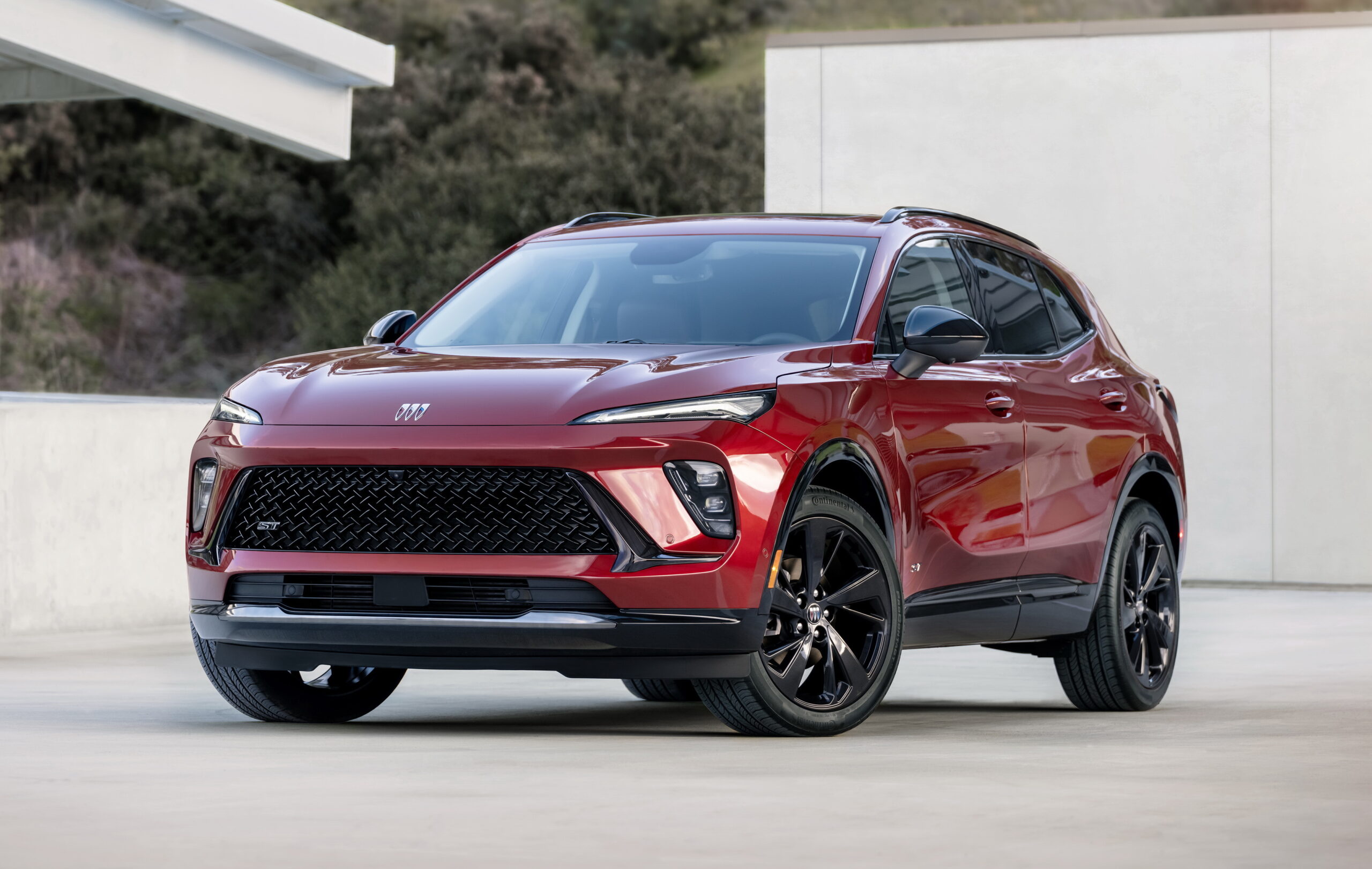
GM will build the third-generation Buick Envision in America.
Will be built alongside the Chevrolet Equinox at Fairfax Assembly.
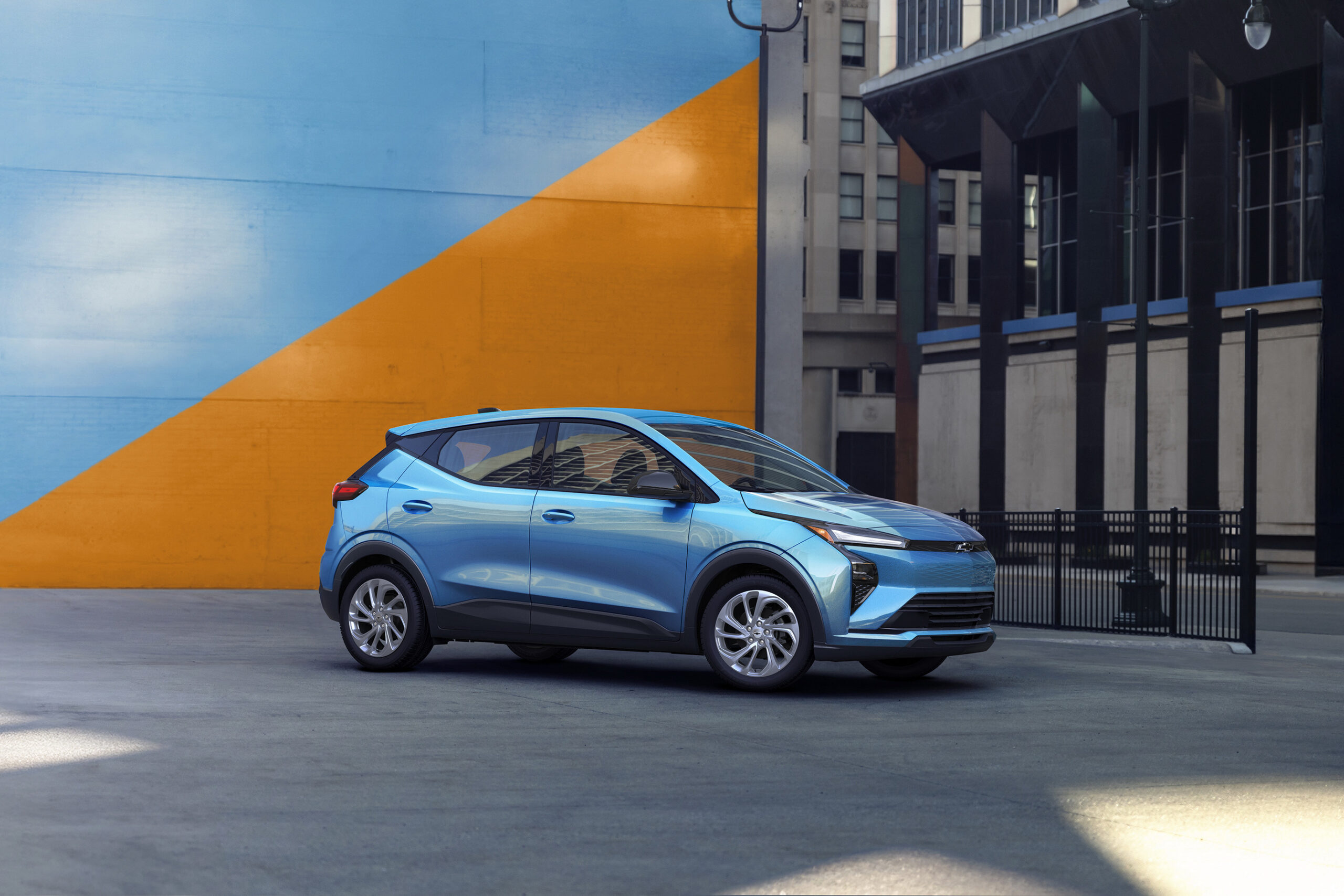
Production begins in 2028, following the demise of the Chevy Bolt.
The Chinese-built Buick Envision got slammed by Trump’s tariffs and the company recently hiked prices by $3,000. This followed an earlier increase, which means the cost of entry has shot up $4,500 in less than a year.
As a result, the 2026 Envision now starts at $41,000 before a $1,995 destination fee. That’s pretty steep and the price increases appear to have started weighing on sales.
While the model was only down 11.4 percent last year to 41,924 units, fourth quarter sales plummeted 60.9 percent. Even with the steep decline, the Envision finished the year as Buick’s third best-selling vehicle, accounting for just over a fifth of the brand’s total annual sales of 198,155 deliveries.
However, the situation was unsustainable and General Motors has effectively admitted as much. In a brief statement, the company said they’ll “onshore production of the next-generation Buick compact SUV to Fairfax Assembly in Kansas City, beginning in 2028.”
The automaker didn’t have much to say about the move, but stated the “decision further strengthens GM’s domestic manufacturing footprint and supports U.S. jobs, building on $5.5 billion in new investments announced across our U.S. manufacturing sites in the last year.”
We also asked whether the current model will remain on sale until its replacement arrives in 2028. A GM spokesperson told us, “We are working through the model transition plan”, a rather a noncommittal response that suggests the company isn’t ready to confirm details just yet.
Chevrolet Bolt Dies Soon
Interestingly, the announcement also revealed the impending death of the Chevrolet Bolt. While the EV was just relaunched, the company had previously referred to it as a “limited run model.”
They weren’t joking as Fairfax Assembly will be retooled to build the Chevrolet Equinox starting in 2027. This suggests the Bolt will only be sticking around for about a year.
The third-generation Envision will follow one year after the Equinox and this could hint at some commonality between the two models. This remains to be seen, but the bowtie brand’s crossover has a turbocharged 1.5-liter four-cylinder that develops 175 hp (131 kW / 177 PS) and up to 203 lb-ft (275 Nm) of torque. It’s connected to a continuously variable or eight-speed automatic transmission.
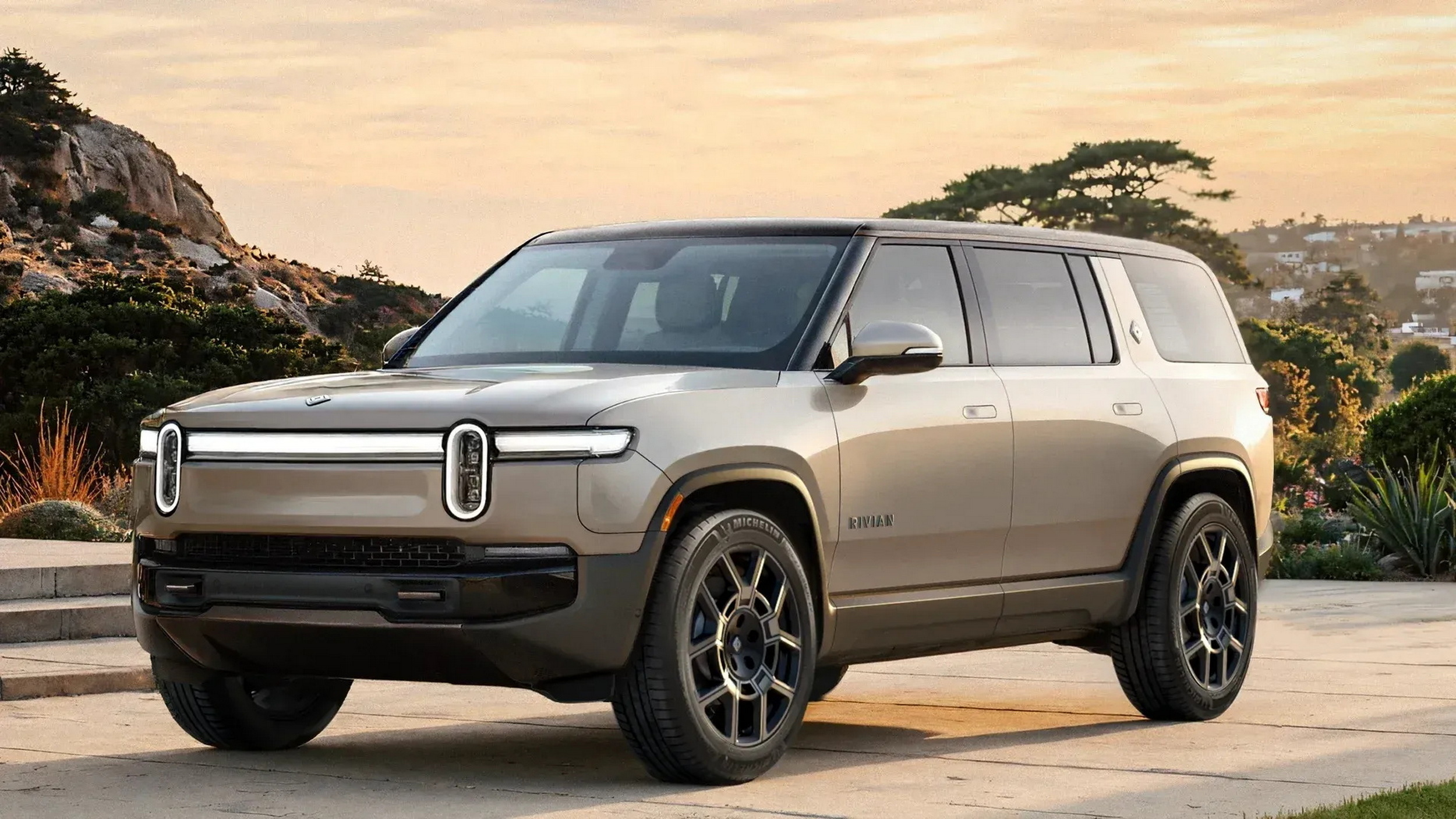
Rivian issued a recall for 869 R1T and R1S vehicles in the US.
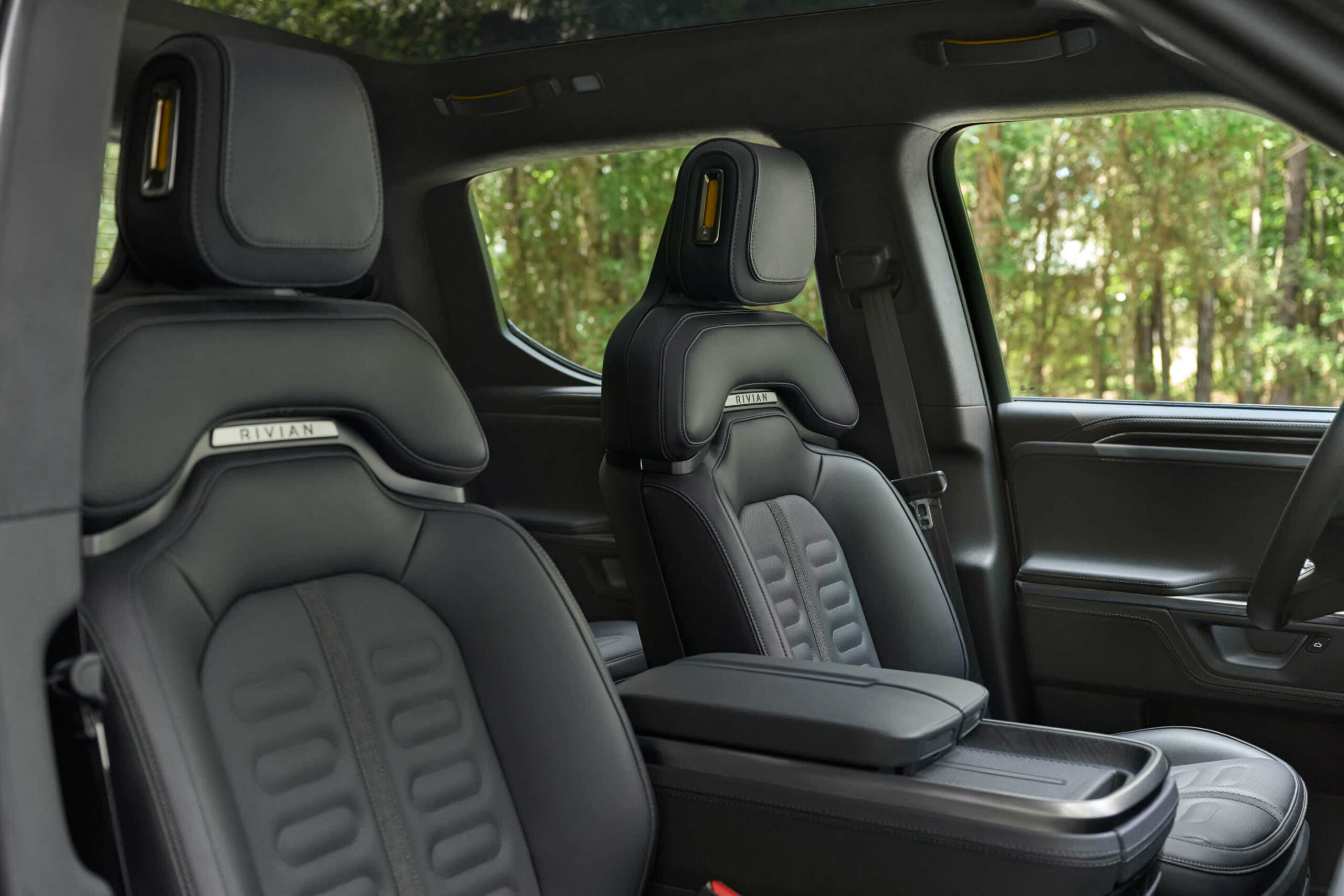
Second-row seatbelt retractor bolt may be loose or missing.
Rattling noise near the C-pillar could hint at the loose bolt.
For the second time in as many months, Rivian has issued seatbelt-related recall in the States. While the last action involved nearly 35,000 units of its electric delivery van, this latest one affects a smaller number of consumer vehicles and specifically, the 2022–2025 Rivian R1T and the 2022–2026 Rivian R1S.
According to the company, the second-row seatbelt retractor bolt might not have been correctly installed during production. If improperly secured, the retractor could fail to restrain passengers in a crash, posing a higher risk of injury for those seated on the driver or passenger side.
Rattles May Hint at a Problem
In some cases, owners may notice a rattling sound coming from the area around the left or right C-pillar. Apparently, this can be an early sign that the seatbelt retractor wasn’t firmly fixed in place.
The recall affects a total of 869 vehicles, evenly split between both models. That includes 434 R1T trucks built from September 15, 2021, through April 10, 2025, and 435 R1S SUVs manufactured between May 9, 2022, and May 15, 2025.
Rivian reports no known accidents or injuries linked to the issue. The company first took notice on September 16, 2025, when a technician discovered a loose retractor during a routine service on an R1T. After months of follow-up, Rivian says it hasn’t uncovered additional defective assemblies but has still opted to move forward with the recall as a precaution.
Owners will be alerted to the recall from March 9. To resolve the problem, Rivian will properly secure the seatbelt retractor assembly in any affected vehicles free of charge.
This recall is unrelated to the earlier issue involving the company’s EDV vans. In that case, the problem stemmed from repeated misuse, where the seatbelt pretensioner could be damaged if the driver sat on the belt while it remained buckled beneath them.
Canada cut Chinese EV tariffs from 100 percent to 6.1 percent.
Doug Ford slammed the move, warning it risks local auto jobs.
Premier wants Canadians to boycott imported Chinese EV models.
Just days after Canada and China finalized a trade agreement slashing tariffs on Chinese electric vehicles from 100 percent to 6.1 percent, Ontario Premier Doug Ford has gone on the offensive.
Warning that the move could deliver a serious blow to Canada’s domestic auto industry, Ford is urging Canadians to steer clear of Chinese EVs altogether and “boycott” them, arguing the deal risks local jobs and undermines the country’s manufacturing base.
Ford didn’t wait for the details to land before voicing his concerns. Long before the tariff change was confirmed, he was already firmly against any auto-related trade agreement with China. According to the Ontario Premier, Prime Minister Mark Carney pushed the deal through without proper consultation.
Ford Sounds the Alarm on Local Jobs
“Maybe a few people might buy them, and I just discourage anyone from buying a Chinese vehicle,” Ford said at a press conference.
“But if they decide to do that, at what cost is it? Is it at the cost of your neighbor down the street that’s working in the auto sector that he’s not going to have, or she’s not going to have a job? Boycott the Chinese EV vehicles. Support companies that are building vehicles here. This is a team Canada approach. We gotta stick together.”
Who Really Benefits From the Deal
In announcing the dramatic tariff reduction, Carney stated that several Chinese carmakers have shown interest in building affordable electric vehicles on Canadian soil. Under the new deal, 49,000 EVs from China can be imported to Canada at the lower 6.1 percent tariff. Although Carney would welcome Chinese brands building cars locally, Ford isn’t convinced by the idea.
“The numbers just don’t add up,” he said. “Even if they do start assembling, how about the supply chain? They come, and they assemble, but they bring all Chinese parts in; that means nothing. We want to make sure we produce Canadian cars by Canadians, with the R and D and the specs and everything, and the steel, and the aluminum from Canada. It’s as simple as that.”
Are EV Incentives Needed?
Ontario Green Party Leader Mike Schreiner, speaking to CTV News, said the province should be looking at practical steps to build demand for Canadian-made EVs instead of clearing the way for imports.
“The federal government’s deal with China threatens Ontario’s automotive industry,” he claimed. “This is even more reason for the premier to take bold action to bring forward a complete plan to protect Ontario workers by going all-in on incentives to create demand for Ontario-made EVs.”
In our January 2026 Short-Term Energy Outlook, we forecast U.S. crude oil production next year will remain near the record 13.6 million barrels per day (b/d) produced in 2025 before decreasing 2% to 13.3 million b/d in 2027. If realized, a fall in annual U.S. crude oil production will mark the first since 2021.
(The Center Square) - The Institute for Reforming Government is joining a push to get Wisconsin’s Department of Public Instruction to release information related to changes in its benchmarks for the Forward Exam.
(The Center Square) - Wisconsin’s labor force has dropped by nearly 67,000 while the state’s unemployment rate has remained stead at 3.1%, according to numbers released Thursday afternoon for December.
Despite recent viral social media claims, trees do not literally “explode” like bombs in extreme cold.
What happens instead is a natural physical response to rapid and severe temperature drops. When temperatures plunge well below freezing, moisture and sap inside a tree’s wood can freeze.
Water expands as it freezes, which can create stress between the colder, contracting outer bark and the relatively warmer inner wood. That stress can cause the bark or trunk to split suddenly, sometimes making a loud bang or crack that people describe as an explosion.
This rare phenomenon is most accurately called frost cracking or cold splitting and happens during abrupt temperature swings, not continuous cold. It can occur most often in species with higher moisture content or thin bark.
While the noise may be startling, such splits usually do not pose widespread danger to people indoors, though they can injure trees.
This fact brief is responsive to conversations such as this one.
This fact brief was originally published by North Dakota News Cooperative on January 22, 2026, and was authored by Sabrina Halvorson. North Dakota News Cooperative is a member of the Gigafact network.
Do trees explode in extreme cold? is a post from Wisconsin Watch, a non-profit investigative news site covering Wisconsin since 2009. Please consider making a contribution to support our journalism.
Lawmakers in Washington often insist data centers, which require thousands of acres and enormous amounts of energy, are a municipal issue. But residents organizing against their construction say candidates up and down the ballot will have to answer for their concerns — especially if those politicians are going to campaign on affordability.
“This absolutely plays into affordability,” said Christine Le Jeune, a founding organizer of Great Lakes Neighbors United in Wisconsin. “People are concerned about rapidly rising energy prices.”
Le Jeune’s group launched a petition to recall the mayor of Port Washington, a Wisconsin town on Lake Michigan where construction began last month on a $15 billion data center to service OpenAI and Oracle through the Stargate project backed by President Donald Trump.
The recall effort is one of the bolder actions in a wave of local protests against data centers sweeping Wisconsin and the country.
Le Jeune said Mayor Ted Neitzke failed to take into consideration residents’ concerns that they will end up “on the hook” for data centers’ energy usage when he went ahead with the Stargate plans.
Neitzke did not respond to NOTUS’ request for comment.
On Capitol Hill, lawmakers feel insulated from the grassroots resistance threatening local elected officials.
“It’s going to be more (of) a challenge in gubernatorial races and state races because that’s where those decisions are made. We don’t have as much, in fact very little to do with it at a federal level,” said Rep. Mark Pocan, who represents the Dane County area.
That may not last long.
“The destruction of what they’re trying to do is going to be on the forefront of our minds as we listen to these politicians,” said Wisconsin retailer David Aversa.
In Ozaukee County, residents like Aversa are organizing against American Transmission Company’s plan to construct power lines, which they said will raze woods and waterways on or near their properties, potentially devaluing their homes. The power lines would serve the Port Washington data center currently being built.
Aversa was offered up to $5,000 by ATC to appraise his land as the company plans power line construction, according to a NOTUS review of communications from the company.
Data centers are subject to local zoning and permitting laws, but that doesn’t mean federal lawmakers’ hands are tied.
What lawmakers plan to do around growing utility price concerns is less clear. Sen. Bernie Sanders proposed a national moratorium on data center construction last month, an idea that has failed to gain traction among Democrats.
Preventing data centers from raising energy prices has become something of a unifying issue for both parties and the president, who said in a Truth Social post earlier this month that he does not want to see electricity bills rise as a result of the AI infrastructure. The Trump administration signed an agreement with 13 governors, including Pennsylvania Gov. Josh Shapiro and Maryland Gov. Wes Moore, to slow rising electricity prices in the mid-Atlantic and Midwest attributed to data centers.
Wisconsin lawmakers who spoke to NOTUS largely agreed that their constituents shouldn’t bear the costs of private companies’ energy use.
“Existing ratepayers and commercial users should not have their rates go up as a result of someone that’s coming in using massive amounts of electricity,” said Rep. Tom Tiffany, the front-runner in Wisconsin’s Republican primary for governor. “The data centers are going to have to answer the question, ‘How do we get enough energy to be able to run our operations yet not harm our neighbors?’”
Sen. Tammy Baldwin echoed Tiffany’s call for protecting ratepayers, though she said any moratorium on data centers must be considered by the state Legislature first.
“The developers of these need to have commitments to the local community that they won’t see, that they won’t have to shoulder the costs of the energy use and water use by these data centers,” Baldwin said.
Sen. Ron Johnson said data centers’ impact on the state’s electrical grid is a “very serious concern,” adding that he is unsure local officials have “really factored it in properly.”
When asked whether residents should take on the cost of data centers’ energy, Rep. Glenn Grothman, whose district includes Port Washington, hedged.
“It varies in different situations,” Grothman said.
Microsoft, which is building “the world’s most powerful AI datacenter” in Racine County, pledged last week that it will pay to ensure its developments do not raise electricity prices for people living nearby.
While the announcement is good news for one corner of Wisconsin, many across the state still worry that they will end up with the bill for the construction of data centers and related infrastructure.
The residents of Port Washington will reimburse Vantage Data Centers the development costs for its data center — plus 7% annual interest — from new property tax revenue generated by the development.
To some, cases like Port Washington’s are even more important than rising energy rates.
“The focus should be more on if they’re going to build something, they should have to pay for all the infrastructure costs related to it,” Pocan said. “That means power lines, that means a lot of other infrastructure.”
Pastor Patti Plough, who chairs the Protect Fredonia Coalition organizing against the ATC transmission lines, said the expansion of AI infrastructure can hit Wisconsinites where it hurts most.
“If you ruin their property, and ruin the value of their property, what really stands out more?” said Plough, whose home lies near a contingent route for the power lines. “The destruction of their property, right? No one wants to pay more, but the destruction of your property and then more?”
This story was produced and originally published by Wisconsin Watch and NOTUS, a publication from the nonprofit, nonpartisan Allbritton Journalism Institute.
The state Assembly passed a package of nuclear energy incentives Thursday, with backers promising a "nuclear renaissance" in Wisconsin amid a data center building boom.

 Login
Login